Table of Contents
Introduction
In today’s digital age, having a great automotive website design is not just an option—it’s a necessity. Whether you’re a car manufacturer, a dealership, or an automotive service provider, your website is the cornerstone of your online presence. A well-designed website enhances user experience, drives traffic, and ultimately boosts conversions. With consumers increasingly relying on online research before making automotive-related purchases, a well-optimized automotive website ensures that your brand remains competitive and accessible.
A great automotive design is more than just aesthetics. It incorporates essential design features such as intuitive navigation, mobile responsiveness, interactive elements, and high-quality visuals to engage potential customers through effective automotive web design. Successful websites also integrate SEO best practices, fast loading speeds, and compelling content to rank higher on search engines and attract organic traffic. The right Car website design tips can help businesses establish credibility, improve customer engagement, and streamline the car-buying or servicing experience.
What is Custom Automotive Website Design?
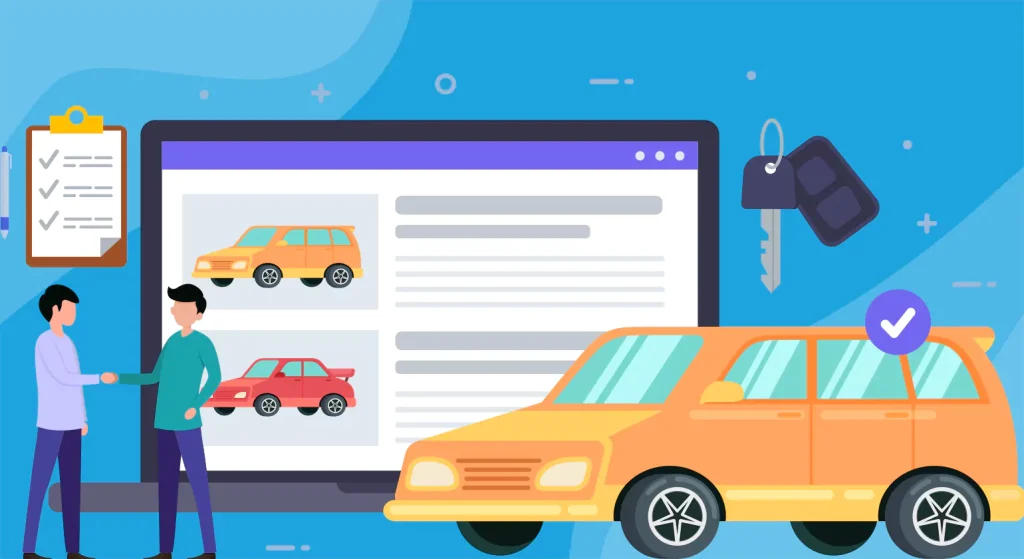
Custom automotive website design refers to the process of creating a unique, tailor-made website specifically for car dealerships, auto repair businesses, and automotive e-commerce stores. Unlike generic templates, a custom design is built to reflect a brand’s identity, values, and business goals, ensuring a seamless user experience and optimized performance. It incorporates advanced UI/UX principles, mobile responsiveness, SEO optimization, and industry-specific features, such as real-time inventory management, vehicle search filters, financing calculators, and AI-driven customer support.
By prioritizing a personalized layout, intuitive navigation, and high-quality visuals, custom automotive websites create a competitive edge, driving higher engagement, lead generation, and customer conversions.
Importance of Custom Automotive Website Design
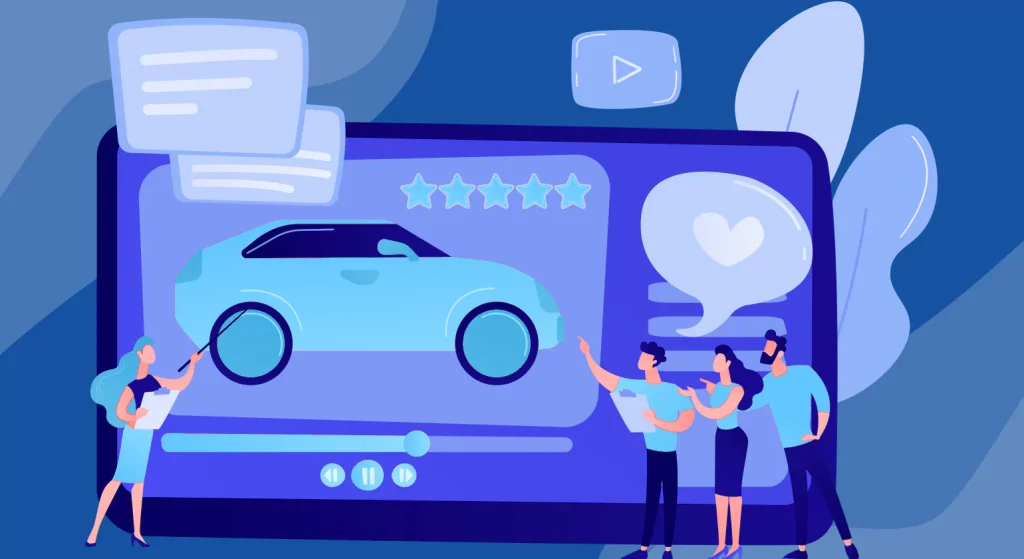
A well-crafted custom automotive website design is essential for creating a strong online presence, enhancing customer engagement, and building a trustworthy brand. Unlike generic templates, a custom design allows businesses to tailor their website according to their unique needs, industry standards, and customer expectations. This not only improves user experience but also helps in generating leads, increasing conversions, and boosting long-term customer relationships.
How Custom Web Design Impacts Customer Engagement
1. Personalized User Experience
- A customized website layout ensures that visitors can easily find information on new and used cars, auto services, financing options, and promotions.
- AI-driven recommendations personalize the browsing experience, showcasing relevant vehicles or services based on user behavior.
2. Interactive and Engaging Features
- 360-degree car views, video tours, and virtual test drives allow users to explore vehicles from the comfort of their homes.
- Live chat support and AI-powered chatbots provide real-time assistance, answering inquiries instantly.
3. Mobile Optimization for Accessibility
- A fully responsive website ensures seamless navigation across all devices, improving customer retention.
- Fast-loading pages and easy-to-use interfaces prevent users from leaving the site due to poor performance.
4. Clear Call-to-Actions (CTAs) and Lead Capture Forms
- Strategically placed CTAs such as “Schedule a Test Drive” or “Get a Quote” encourage user interaction.
- Easy-to-fill forms for inquiries, trade-ins, and financing boost lead generation.
Enhancing Brand Identity with Automotive Website Design
1. Consistent Branding Across Digital Platforms
- A custom website design integrates brand colors, typography, and logos, creating a cohesive and professional online presence.
- Consistent messaging helps build brand recognition and trust among potential buyers.
2. Showcasing Business Values and Credibility
- Customer testimonials, ratings, and success stories add credibility to the website.
- High-quality images and videos create an appealing and trustworthy user experience.
3. Seamless Integration with Marketing Strategies
- SEO-optimized content, PPC campaigns, and social media links help in driving targeted traffic to the website.
- Email marketing and remarketing strategies enhance engagement and customer retention.
A well-designed custom automotive website not only enhances user engagement and brand credibility but also ensures long-term business growth through optimized lead generation and improved customer satisfaction.
Key Elements of Effective Automotive Website Design
A successful automotive website design is more than just aesthetics—it’s about creating a seamless experience that drives engagement, improves conversions, and enhances brand credibility. Whether you run a used car dealership, an auto repair business, or a car rental service, your website needs to be optimized for usability, speed, and search engine rankings. Below are the key elements of an effective automotive design that can help your business stand out.
Mobile Responsiveness and User Experience
1. Why Mobile-Friendly Design Matters
With over 60% of online car shoppers using mobile devices, having a mobile-responsive automotive website is non-negotiable. A well-designed site should automatically adjust to different screen sizes, ensuring a smooth browsing experience on smartphones, tablets, and desktops.
2. Easy Navigation and Intuitive Interface
A well-structured automotive design ensures that visitors can effortlessly explore vehicle listings, filter search results, and access essential services. Clear call-to-action (CTA) buttons like “Schedule a Test Drive”, “Get a Quote”, or “Contact Us” help guide users toward conversions.
3. Seamless Online Forms and Chat Support
Integrating quick inquiry forms, financing applications, and live chat options enhances user experience and encourages potential buyers to take action without hassle.
High-Quality Visuals and Interactive Features
1. Impact of High-Resolution Images and Videos
First impressions matter, and high-quality vehicle images can significantly influence a buyer’s decision. A well-optimized automotive website should include:
- Multiple-angle images of each vehicle
- 360-degree car views for an immersive experience
- Video reviews and virtual showroom tours
2. Interactive Inventory and Car Comparison Tools
Customers want to explore their options effortlessly. Implementing interactive inventory search tools, car comparison features, and financing calculators improves engagement and decision-making.
3. Customer Testimonials and Social Proof
Displaying customer reviews, ratings, and testimonials on your automotive website adds credibility and encourages potential buyers to trust your dealership or auto business.
Fast Loading Speed and SEO Optimization
1. Why Speed Matters in Automotive Website Design
A slow website can drive potential customers away. Optimizing your site for fast loading speeds ensures a better user experience and helps in SEO ranking. Key speed optimization strategies include:
- Compressing images without losing quality
- Using caching techniques to reduce load times
- Minimizing HTTP requests and optimizing code
2. SEO Best Practices for Automotive Websites
A well-optimized automotive website can rank higher on Google, attracting more organic traffic. Essential SEO strategies include:
- Keyword-rich content that aligns with search intent
- Optimized meta tags, headers, and structured data
- Internal linking for better navigation and user retention
3. Local SEO for Automotive Businesses
For auto dealerships, used car sellers, and auto repair shops, local SEO is crucial. Ensure that your Google My Business profile is updated and integrate location-based keywords like “best used car dealer near me” to attract nearby customers.
Top Design Strategies and Techniques for Automotive Websites
An effective automotive website design combines aesthetics, functionality, and SEO optimization to attract visitors and convert them into customers. Whether you’re a used car dealer, auto repair shop, or car rental service, implementing UI/UX best practices, engaging multimedia, and lead generation features can significantly enhance your online presence. Below are the top design strategies and techniques to make your automotive website stand out.
UI/UX Best Practices for Automotive Web Design
1. Intuitive Navigation and Simple Layouts
A clutter-free and well-structured automotive design enhances user experience. A simple menu structure, well-organized categories, and clear call-to-action (CTA) buttons help visitors find what they need quickly. Essential UI/UX elements include:
- Sticky navigation menus for easy browsing
- Search and filter options for vehicle listings
- Quick access to financing, trade-in, and service booking
2. Consistent Branding and Visual Appeal
Maintaining a consistent brand identity across your website is crucial. This includes:
- Matching color schemes with your dealership’s brand
- Using professional fonts and high-quality images
- Creating a visually appealing homepage that highlights featured vehicles and promotions
3. Mobile Optimization and Fast Loading Speeds
With most car buyers using mobile devices, ensuring a mobile-friendly website is key. Responsive design ensures that your site adjusts seamlessly to different screen sizes. Additionally, fast loading speeds improve user retention and SEO rankings.
Using Engaging Multimedia and Call-to-Action (CTA) Elements
1. High-Quality Images and 360-Degree Views
Customers rely on visuals when researching vehicles online. Including:
- HD images of vehicles from multiple angles
- 360-degree car views for a showroom-like experience
- Video walkthroughs and customer testimonials
2. Clear and Actionable CTA Buttons
Strategically placed Call-to-Action (CTA) elements guide visitors toward key actions. Examples include:
- Schedule a Test Drive
- Get a Quote
- Apply for Financing
Make sure these buttons stand out with contrasting colors and clear text to drive conversions.
3. Interactive Features for Better Engagement
Adding interactive elements like financing calculators, trade-in estimators, and live chat support can enhance user engagement and encourage visitors to take action.
Integrating E-Commerce and Lead Generation Features
1. Online Vehicle Purchasing and Financing
As online car buying gains popularity, integrating e-commerce features into your automotive website can boost sales. Features like:
- Secure online payment gateways
- Automated financing applications
- Real-time inventory updates
2. Lead Capture Forms and Chatbots
A well-designed lead generation system ensures you capture potential buyers’ information. Implement:
- Pop-up lead capture forms offering discounts or trade-in deals
- AI chatbots for instant customer support
- Email sign-ups for newsletters and exclusive promotions
3. Integration with CRM and Marketing Automation
For dealerships and auto businesses, connecting the website with Customer Relationship Management (CRM) systems helps track leads and improve follow-ups. Automated email marketing campaigns can also nurture leads and increase conversions.
Core Features in Winning Automotive Website Designs
A well-designed automotive website is essential for dealerships, auto repair shops, and car rental services looking to attract and convert online visitors. To stand out in the competitive automotive industry, your website must include easy navigation, structured layouts, custom features, and AI-powered personalization. Below are the core features that define a winning automotive design.
Easy Navigation and Structured Layout
1. User-Friendly Navigation for a Seamless Experience
An intuitive automotive website design ensures that visitors can find what they need effortlessly. Poor navigation frustrates users, leading to higher bounce rates, while well-organized menus and search filters improve engagement. Essential elements include:
- Sticky navigation menus that remain visible while scrolling
- Dropdown categories for quick access to car models, services, and financing options
- Search and filtering tools to sort vehicles by price, model, year, and features
2. Structured Layout for Better Usability
A clutter-free layout enhances usability, ensuring a smooth user experience. To optimize your automotive design, consider:
- Well-spaced sections with clear headings and content blocks
- Grid-based vehicle listings with easy-to-read details
- Prominent CTA buttons like “Book a Test Drive” or “Get a Quote”
A structured layout improves mobile responsiveness, making the website easy to navigate on any device.
Custom Features for Dealerships and Auto Services
1. Tailored Solutions for Car Dealerships
A used car dealer website design must cater to both buyers and sellers. Custom dealership features include:
- Real-time inventory management to update available cars
- Trade-in valuation tools to help users estimate their vehicle’s worth
- Online financing applications for quick pre-approvals
2. Essential Features for Auto Repair and Service Businesses
For auto repair shops, a well-structured website should highlight:
- Online appointment booking for repair and maintenance services
- Price estimate calculators for transparency in service costs
- Customer testimonials and ratings to build credibility
3. E-Commerce and Parts Store Integration
Auto businesses selling car parts and accessories can integrate an e-commerce feature to allow customers to:
- Browse and purchase parts online
- Check availability of specific vehicle components
- Securely complete transactions via online payment gateways
AI Chatbots and Personalization for Better Customer Interaction
4. 24/7 AI Chatbot Assistance
AI-driven chatbots improve customer interaction by offering:
- Instant responses to customer inquiries
- Personalized vehicle recommendations based on user preferences
- Automated lead generation and follow-ups
A chatbot ensures that visitors receive assistance even outside business hours, increasing engagement and conversion rates.
5. Personalized User Experience
Personalization is key to enhancing customer satisfaction. Implementing AI-driven personalization can:
- Show relevant vehicle recommendations based on browsing history
- Offer customized financing options based on the user’s budget
- Provide service reminders for returning customers
6. CRM Integration for Improved Lead Management
Connecting your website to a Customer Relationship Management (CRM) system allows for:
- Seamless lead tracking and follow-ups
- Automated email marketing and promotions
- Better customer relationship management for long-term retention
Adapting to Consumer Expectations in Automotive Web Design
The automotive industry is rapidly evolving, and so are customer expectations. In today’s digital-first world, well-designed automotive website developers must provide a seamless, engaging, and informative experience to keep potential buyers interested. From mobile responsiveness to AI-driven personalization, automotive businesses need to continuously adapt to meet consumer demands. A strategic automotive website design can significantly impact user engagement, lead generation, and conversion rates.
Understanding Consumer Behavior in Automotive Website Design
Modern consumers conduct extensive online research before making any purchase decisions. Whether they are looking for a new car, a used vehicle, auto repair services, or financing options, they expect a website to offer:
- Fast and easy access to vehicle details
- High-quality images and interactive media
- Personalized recommendations and AI-powered assistance
- Seamless mobile experience
- Secure online transactions and financing tools
Failure to meet these expectations can result in high bounce rates and lost sales opportunities.
Key Features to Align with Consumer Demands
1. Mobile-First Approach for Better Accessibility
With the increasing use of smartphones for online car shopping, a mobile-responsive automotive website is no longer optional—it’s a necessity. A well-optimized mobile experience should include:
- Touch-friendly navigation for smooth browsing
- Quick-loading pages to reduce bounce rates
- Click-to-call and messaging features for instant inquiries
- Optimized search filters for vehicle comparisons
Ensuring your automotive manufacturer’s enterprise website design is mobile-friendly helps retain users and improves your SEO rankings, as search engines prioritize mobile-first websites.
2. Personalized User Experience with AI Integration
Consumers expect a customized experience when browsing automotive website developers. Integrating AI-powered tools can help:
- Offer personalized vehicle recommendations based on browsing history
- Provide AI chatbots for instant support and FAQs
- Send automated service reminders for existing customers
- Display targeted promotions and discounts
By leveraging AI and automation, dealerships and auto service providers can create a user-centric automotive design that increases engagement and conversions.
3. High-Quality Visuals and Interactive Elements
Car buyers expect a real-world experience online before making a purchase. To meet this demand, automotive websites should include:
- 360-degree vehicle views for an immersive experience
- Virtual test drives through interactive videos
- Augmented reality (AR) features to visualize cars in real-world settings
- Live chat with sales representatives for real-time inquiries
The more interactive and visually appealing your website is, the more likely visitors will stay engaged and convert into leads.
4. Seamless Online Transactions and Financing Tools
Consumers now prefer a hassle-free car buying experience, with many willing to complete the transaction online. To meet this expectation, your automotive website design should feature:
- Online financing applications for easy pre-approvals
- Secure payment gateways for deposits and purchases
- Trade-in valuation calculators to estimate car values
- Instant price comparisons for transparency
Providing these digital solutions helps build trust and encourages consumers to take the next step toward a purchase.
Top 10 Automotive Website Design Examples for Creative Inspiration
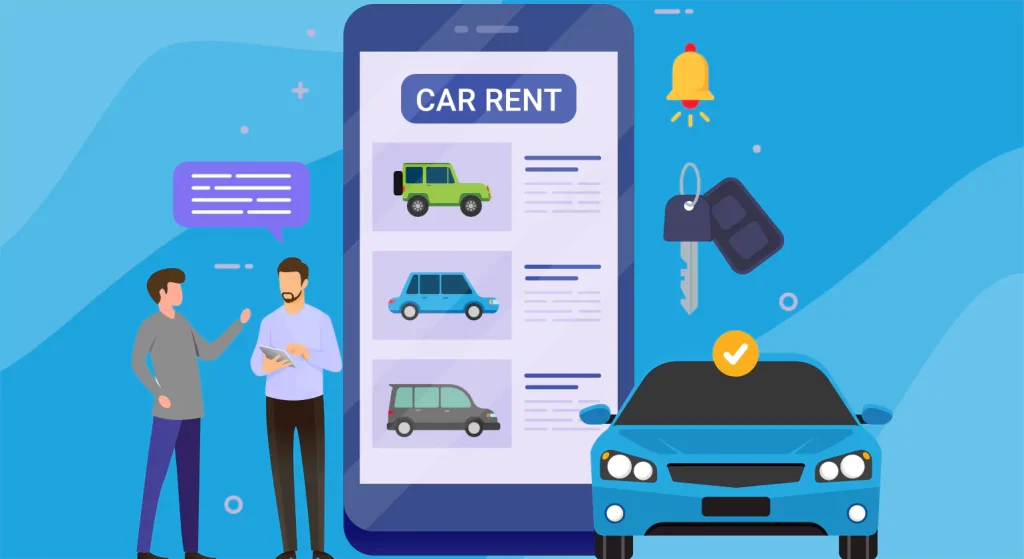
Choosing the right automotive website design agency is essential for car dealerships, auto service providers, and automotive e-commerce businesses. A well-designed website improves user experience, search engine rankings, lead generation, and online sales. The best agencies offer custom web development, mobile responsiveness, high-quality visuals, SEO optimization, and e-commerce integration to help businesses maximize their digital presence.
Below are some of the top automotive web design companies known for their expertise in creating high-performing, visually engaging, and SEO-optimized automotive websites.
1. Ossisto

Ossisto provides comprehensive automotive website design solutions tailored to car dealerships, auto repair shops, and parts suppliers. Their expertise includes:
- Custom UI/UX Design – Creating visually engaging and user-friendly websites that improve navigation and customer engagement.
- Mobile Optimization – Ensuring the website is fully responsive and optimized for smartphones and tablets.
- AI Chatbot Integration – Implementing smart AI-driven chatbots to enhance customer support and streamline lead generation.
- SEO & Digital Marketing – Offering ongoing SEO strategies, PPC campaigns, and content marketing to increase traffic and conversions.
- CRM & Inventory Management – Integrating CRM tools and inventory management systems to help dealerships efficiently manage vehicle listings.
2. SmartSites

SmartSites is a full-service automotive digital marketing and web design agency that specializes in:
- Conversion-Focused Web Design – Creating websites that encourage visitors to take action, such as requesting a quote or booking a test drive.
- Search Engine Optimization – Implementing advanced SEO techniques to improve search rankings and attract organic traffic.
- Pay-Per-Click (PPC) Advertising – Running targeted PPC campaigns to generate high-quality leads and maximize return on investment.
- Lead Generation Tools – Integrating forms, chat features, and automated follow-ups to increase customer inquiries.
- Content Marketing – Developing high-quality blog posts, car model reviews, and video content to engage potential buyers.
3. Intero Digital
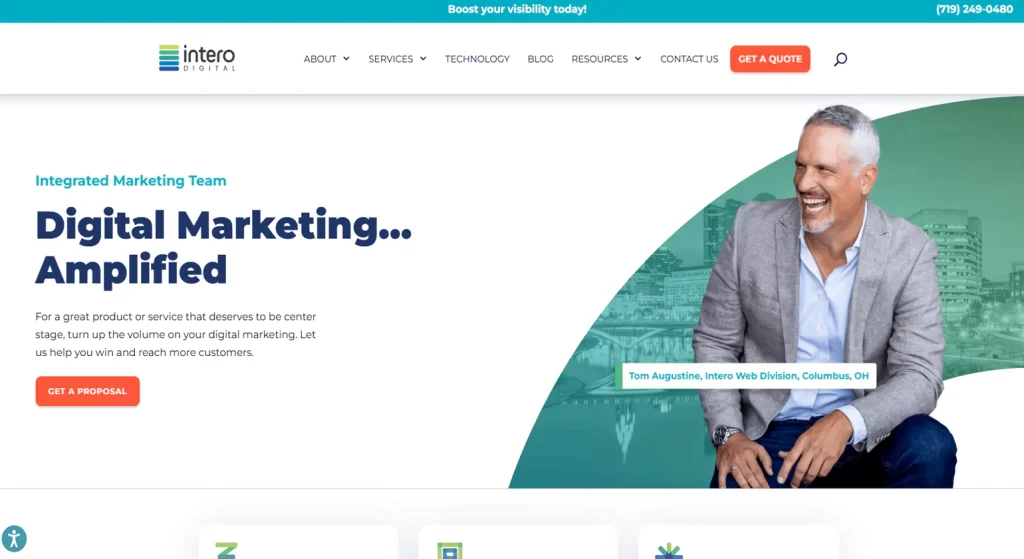
Intero Digital is a leading SEO-focused automotive dealership web design company that emphasizes:
- Technical SEO Optimization – Implementing structured data, keyword-rich content, and fast-loading pages to boost visibility.
- E-Commerce Integration – Enabling online sales of auto parts, accessories, and vehicle booking services.
- Secure Payment Gateways – Integrating safe and efficient payment methods for seamless transactions.
- Social Media Marketing – Developing integrated campaigns to promote brands across social platforms.
- Performance Tracking & Analytics – Using data insights to optimize marketing strategies and improve website performance.
4. Automotive Marketing Gurus
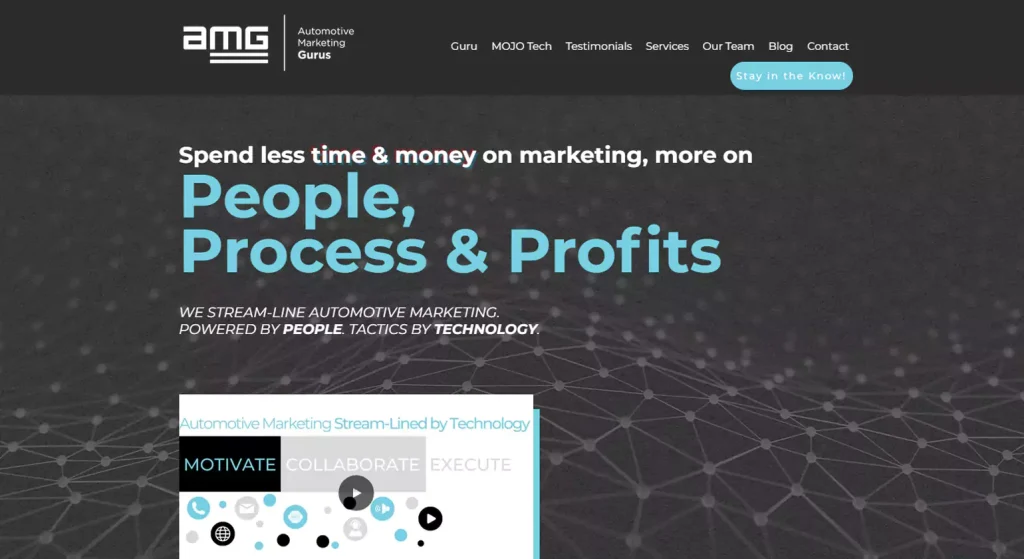
automotive website design specializes in high-performance dealership websites with features such as:
- Dynamic Inventory Listings – Enabling real-time updates on available vehicles with pricing, specifications, and financing options.
- Vehicle Comparison Tools – Allowing customers to compare multiple models side by side.
- Finance and Loan Calculators – Providing users with instant financing options to improve conversions.
- AI-Powered Personalization – Customizing the user experience based on browsing history and preferences.
- Customer Relationship Management (CRM) Integration – Helping dealerships streamline sales and service interactions.
5. Marketing Deck

Marketing Deck provides a holistic digital marketing approach along with web development, offering:
- Data-Driven Web Design – Crafting user-friendly designs based on customer behavior analytics.
- Brand Positioning & Identity – Enhancing dealership branding through compelling visuals and messaging.
- Geo-Targeted Advertising – Running location-based ads to attract potential buyers from specific regions.
- Reputation Management – Monitoring and managing online reviews to build trust with customers.
- Multi-Language Support – Creating websites with multilingual options for a broader audience.
6. Creative Brand Design
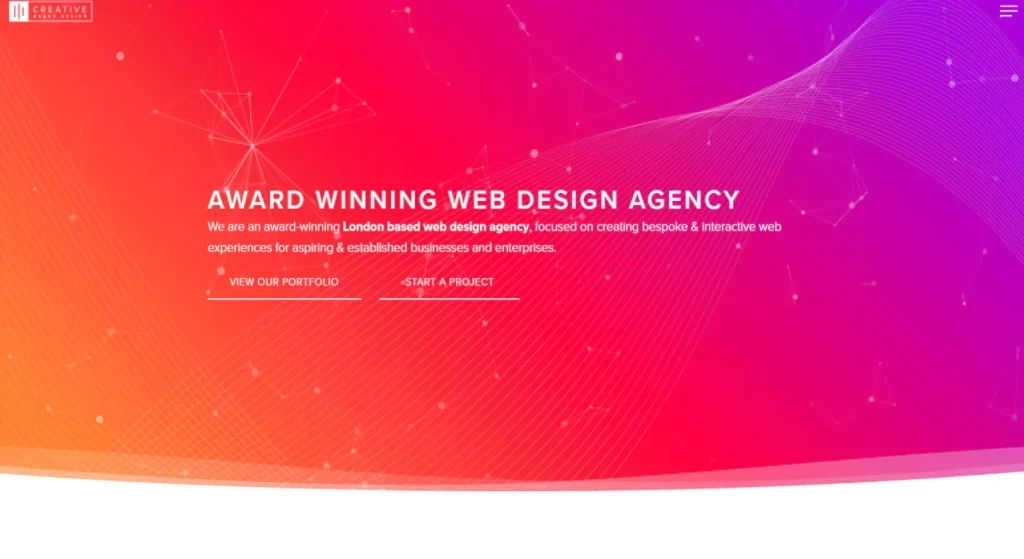
Creative Brand Design offers cutting-edge automotive website solutions with:
- High-Resolution Imagery & Videos – Incorporating high-quality visuals to showcase vehicles and services.
- Interactive 360° Virtual Tours – Allowing users to explore vehicles online with immersive experiences.
- Enhanced Security Features – Implementing SSL encryption, firewall protection, and data security protocols.
- Integrated Booking Systems – Simplifying appointment scheduling for test drives, repairs, and maintenance.
- User Behavior Tracking – Utilizing analytics to optimize site layout and improve customer journey.
7. Disruptive Advertising
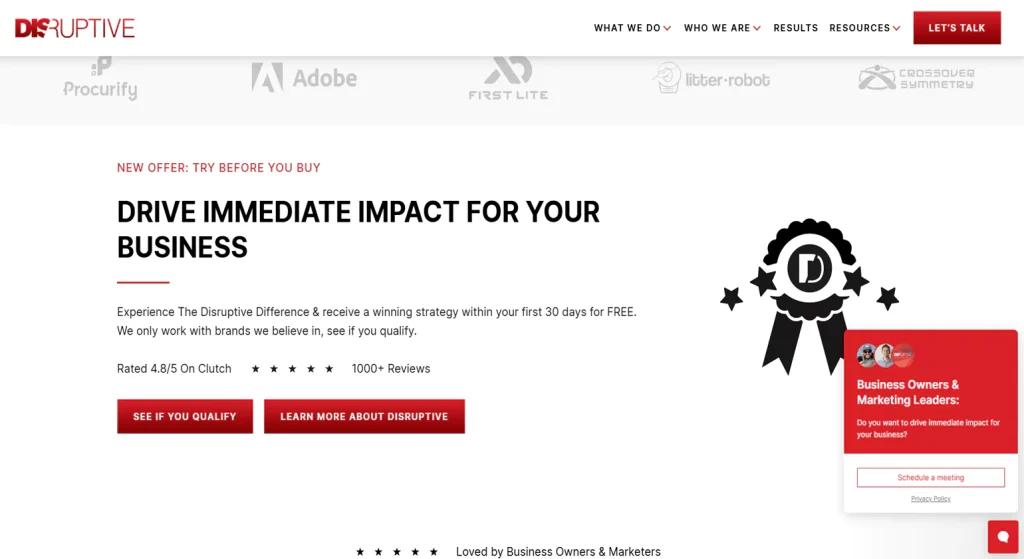
Disruptive Advertising provides strategic digital marketing and web design services for automotive brands, including:
- Landing Page Optimization – Designing high-converting pages for lead generation.
- Heatmap & User Experience Analysis – Studying visitor interactions to refine design elements.
- A/B Testing for Conversions – Running experiments on design changes to maximize engagement.
- Retargeting Campaigns – Reaching out to previous website visitors with targeted ads.
- Automated Email Marketing – Sending personalized follow-ups to potential leads.
8. Lounge Lizard
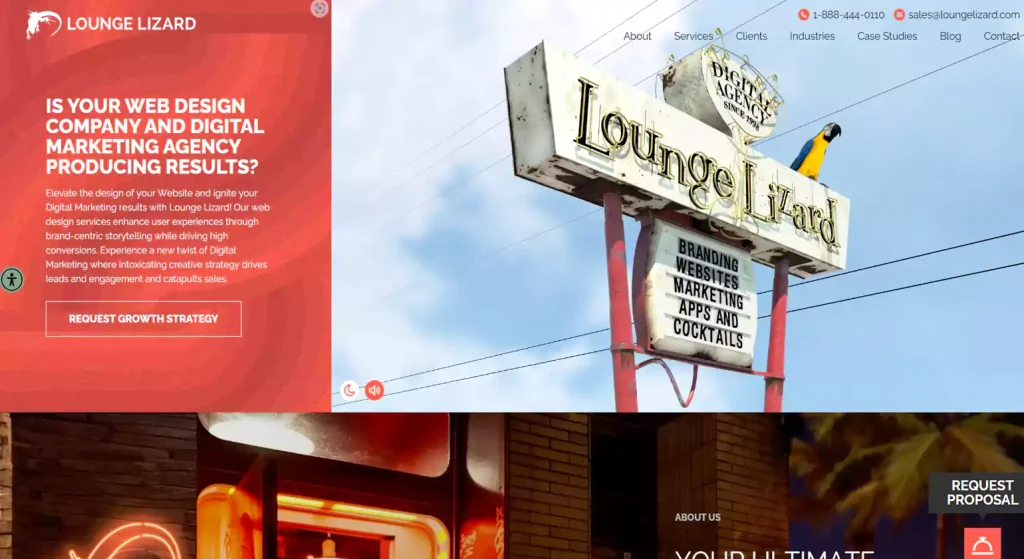
Lounge Lizard is a creative automotive website design agency that focuses on:
- Brand Storytelling & Content Creation – Developing compelling narratives to connect with customers.
- E-Commerce & Marketplace Integration – Allowing users to purchase auto parts and accessories directly from the website.
- Augmented Reality (AR) Features – Enhancing user engagement with AR-driven virtual vehicle previews.
- Mobile App Development – Creating branded mobile applications for dealerships and auto services.
- Conversion Rate Optimization (CRO) – Improving site structure and call-to-action placements to drive more sales.
9. Omni Advertising
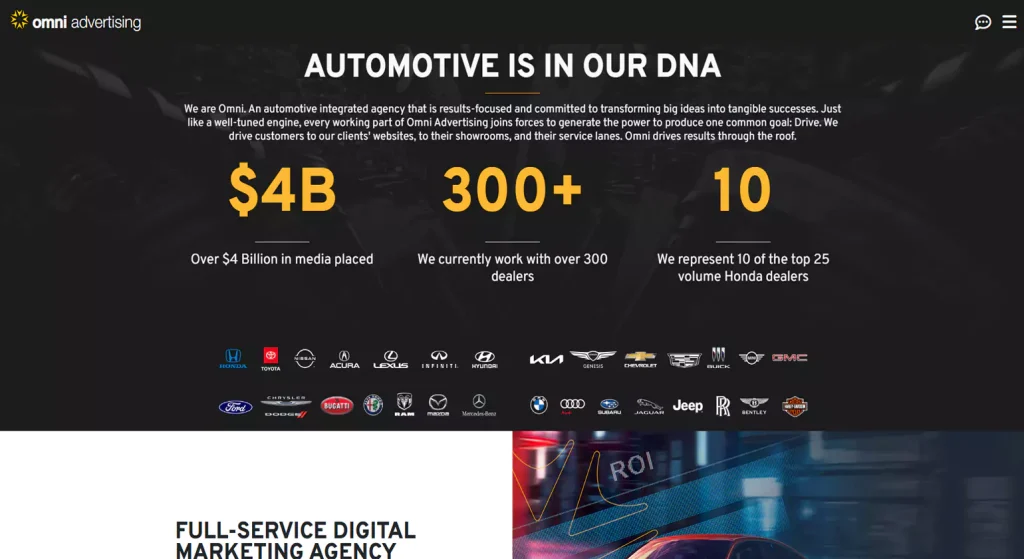
Omni Advertising delivers comprehensive web development and digital marketing solutions, such as:
- Automotive-Specific SEO – Implementing industry-relevant keywords for higher rankings.
- On-Site Video Marketing – Utilizing promotional videos to highlight inventory and services.
- Geo-Fencing Advertising – Targeting users based on location for local dealership promotions.
- Voice Search Optimization – Enhancing content for voice search compatibility with smart assistants.
- Automated Lead Nurturing – Using AI-driven chatbots and email automation to follow up with leads.
10. Straight North
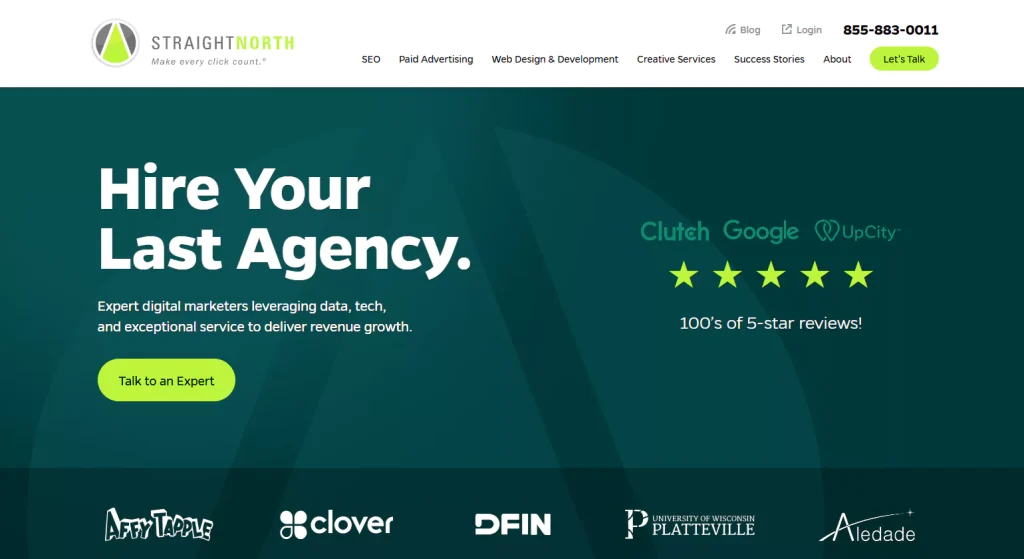
Straight North provides data-driven automotive website design with a focus on:
- Structured Navigation & Layout – Creating intuitive site architecture for better user experience.
- Schema Markup Implementation – Enhancing search engine results with rich snippets for vehicle listings.
- Local SEO & Google My Business Optimization – Boosting visibility in local searches.
- Custom API Integrations – Connecting websites with third-party applications like CRM and marketing tools.
- AI-Powered Predictive Analytics – Analyzing customer behavior to predict purchasing trends.
How to Hire Automotive Website Designers?
Selecting the right automotive designer is a crucial decision that impacts your online presence, customer engagement, and overall business success. A well-designed automotive website developers enhance user experience, SEO rankings, lead generation, and conversion rates. Here’s a step-by-step guide on how to find the best automotive dealership web design companies for your needs.
1. Evaluate Experience in Automotive Website Design
Not all web designers specialize in the automotive industry. Look for agencies with a proven track record in designing car dealership websites, auto repair service platforms, and automotive e-commerce sites. Check their portfolio to see if their designs align with your brand’s vision.
2. Check for Mobile Responsiveness and User Experience Expertise
Since a significant percentage of users browse car dealership websites on their smartphones, a mobile-friendly design is essential. The Virtual assistant designer should create a site that offers a seamless user experience across all devices while maintaining fast loading speeds and easy navigation.
3. Ensure SEO Optimization and Digital Marketing Integration
An SEO-optimized automotive website development improves search engine rankings and attracts organic traffic. Choose a designer who understands:
- On-page and technical SEO
- Schema markup for vehicle listings
- Keyword optimization for automotive-related searches
- Local SEO strategies to attract nearby buyers
4. Look for Custom Features and Personalization Capabilities
A successful used car dealer website design includes features such as:
- Real-time inventory management
- Vehicle comparison tools
- AI-powered chatbots for instant customer interaction
- Appointment scheduling and financing calculators
5. Consider Their Approach to UI/UX and Interactive Features
A great designer should focus on user-friendly navigation, engaging multimedia, and interactive features like:
- 360° vehicle viewing options
- Integrated video marketing
- Dynamic call-to-action buttons
- Personalized recommendations based on user behavior
6. Assess Their Customer Support and Maintenance Services
Websites require ongoing updates and security maintenance. Choose a designer who offers:
- Regular website maintenance and performance optimization
- 24/7 customer support for troubleshooting
- Scalability options for future upgrades
7. Compare Pricing and ROI Potential
Your website is an investment. Compare pricing packages, ensuring you get value for money with high ROI. Consider agencies that offer customized solutions rather than one-size-fits-all packages.
8. Read Reviews and Client Testimonials
Look at client testimonials, case studies, and online reviews to gauge customer satisfaction. A reputable automotive dealership web design agency will have positive feedback highlighting their expertise and results.
9. Check Their Ability to Integrate Marketing Tools
For dealerships and auto service providers, the website should integrate:
- CRM and lead management tools
- Email automation and retargeting features
- PPC and social media marketing platforms
10. Request a Demo or Consultation
Before making a final decision, schedule a demo or consultation. This helps you understand their design approach, communication style, and ability to tailor solutions to your business needs.
Conclusion
A high-quality automotive website design is a powerful tool for car dealerships, auto repair shops, and automotive e-commerce businesses. A well-structured, SEO-optimized, and user-friendly website ensures better customer engagement, increased sales, and brand credibility.
By following the above guide, businesses can choose the right automotive designer that aligns with their goals, integrates the latest UI/UX trends, and delivers a website that stands out in the competitive automotive industry. Investing in custom automotive web design ensures long-term growth and a strong digital presence, helping businesses attract more leads and convert them into loyal customers.
FAQs
Why is automotive website design important?
A well-designed automotive website development enhances user experience, builds credibility, and boosts conversions. It ensures fast loading speed, mobile responsiveness, and intuitive navigation, helping businesses attract and retain customers while improving search engine rankings.
What are the essential elements of an effective automotive website?
Key elements include a responsive design, high-quality images, detailed vehicle listings, easy navigation, fast loading speed, lead capture forms, customer reviews, and SEO-optimized content. These features improve user engagement and drive more sales.
What is involved in customizing an automotive website's design?
Customizing an automotive website includes branding elements, UI/UX optimization, personalized content, lead generation tools, and integration with CRM systems. A tailored approach enhances user experience and ensures the website meets business goals effectively.
How long does it take to build an auto industry-related website?
The timeline depends on complexity, features, and customization. A basic automotive website takes 4-6 weeks, while an advanced, fully customized platform with integrations may require 3-6 months for design, development, and testing.
What is a minimalistic design?
A minimalistic design focuses on simplicity, clean layouts, and easy navigation. It eliminates clutter, enhances readability, and improves site performance, ensuring a seamless user experience that helps increase engagement and conversions.
How can I create engaging content for my automotive website?
To create engaging content, use high-quality images, compelling vehicle descriptions, informative blog posts, customer testimonials, and SEO-driven keywords. Interactive tools like car comparison features and financing calculators also enhance user engagement.