Table of Contents
Introduction
A Medical Office Specialist is a vital administrative professional in healthcare settings, handling tasks that keep medical offices running smoothly. These specialists manage patient appointments, process insurance claims, handle billing, and maintain patient records with confidentiality and accuracy. They serve as a bridge between patients and healthcare providers, ensuring clear communication and efficient office operations. Working in diverse environments like clinics, hospitals, and private practices, medical specialists bring valuable medical office experience and play a key role in creating a positive experience for patients. With a blend of organizational, interpersonal, and technical skills, these professionals support healthcare teams, streamline processes, and help uphold high standards of patient care. This role requires attention to detail, adaptability, and a commitment to maintaining a well-organized medical office.
What Is a Medical Office Specialist?

Medical office management has evolved significantly with the integration of technology and specialized software. These tools streamline operations, improve patient care, and enhance administrative efficiency. For those wondering what is medical office experience, it involves handling various administrative and clinical tasks using these advanced technologies to ensure smooth healthcare operations. Here’s a look at essential technology and software used in modern medical office management:
In addition to strong organizational skills, medical officers need excellent communication abilities to interact with patients, healthcare providers, and insurance companies. They often work in doctors’ offices, clinics, hospitals, and other healthcare facilities, supporting a smooth workflow and efficient patient care.
With knowledge of medical terminology, health regulations, and digital health record systems, a medical specialist plays a vital role in healthcare administration, helping to maintain patient satisfaction and improve office efficiency. This role is essential for healthcare providers aiming to deliver organized and high-quality patient care.
Where Do Medical Office Specialists Work?

Medical specialist work in various healthcare settings, providing administrative support essential to smooth operations and patient care. They are commonly employed in hospitals, clinics, private practices, outpatient facilities, and urgent care centers. These professionals also work in specialty medical offices, such as dental, optometry, and mental health practices, where they assist in managing patient records, scheduling appointments, handling billing, and coordinating insurance claims. For those asking what is medical office experience, it refers to the skills and knowledge required to efficiently perform these administrative and support tasks in a healthcare environment.
In addition to traditional healthcare facilities, medical officer may also find roles in nursing homes, rehabilitation centers, and healthcare insurance companies, where they help process patient information and ensure compliance with healthcare regulations. Their organizational skills, knowledge of medical terminology, and proficiency in medical software allow them to effectively handle a variety of administrative tasks. Their presence ensures that healthcare providers can focus on patient care, while the specialists manage the behind-the-scenes duties crucial for efficient healthcare delivery.
Essential Skills of Medical Office for Success

specialists play a crucial role in ensuring the smooth operation of healthcare practices. To excel in this field, certain skills are essential for success. These skills ensure that specialists can manage administrative tasks efficiently, communicate effectively with patients, and maintain compliance with healthcare regulations.
1. Medical Terminology Knowledge
A strong understanding of office medical assistant terminology is fundamental for medical administrative specialists. It enables them to accurately process patient information, transcribe medical reports, and communicate with healthcare providers. Being familiar with medical terms also helps in billing and coding, ensuring that claims are submitted accurately and promptly.
2. Attention to Detail
Medical office billing specialists handle sensitive information, from patient records to insurance claims. Attention to detail is crucial in managing this information accurately. Small errors can lead to billing issues, insurance complications, or delays in patient care. Specialists must double-check their work and ensure that all documents are complete and correct.
3. Organizational Skills
Medical offices are busy environments that require a high level of organization. Specialists must manage patient appointments, medical records, and administrative paperwork efficiently. Being organized helps prevent scheduling conflicts, missed appointments, and misplaced documents. A well-organized office leads to a smoother workflow and improved patient satisfaction.
4. Communication Skills
Strong communication skills are essential for medical office specialist. They are often the first point of contact for patients, whether in person or over the phone. Being able to clearly explain procedures, answer questions, and provide guidance creates a positive experience for patients. In addition, specialists need to communicate effectively with doctors, nurses, insurance companies, and other healthcare professionals.
5. Knowledge of Healthcare Laws and Regulations
Medical office experience must be familiar with healthcare laws, such as HIPAA (Health Insurance Portability and Accountability Act), which governs patient privacy. Understanding these regulations ensures that patient information is protected and that the office complies with legal requirements. Knowledge of billing and insurance rules is also critical to avoid fraud and ensure that claims are processed correctly.
6. Technology Proficiency
In today’s digital age, medical administrative specialists must be proficient with technology. This includes using electronic health record (EHR) systems, scheduling software, and medical billing software. Being comfortable with these tools helps streamline processes and minimizes errors. Knowledge of basic office software (e.g., word processing, and spreadsheets) is also important for managing documents and reports.
7. Multitasking Abilities
medical administrative specialists are often required to juggle multiple tasks at once. From answering calls and scheduling appointments to managing patient files and processing insurance claims, they must be able to prioritize effectively. Strong multitasking abilities help ensure that no task is overlooked and that everything is completed on time.
8. Customer Service Skills
Sincespecialist frequently interact with patients, customer service skills are vital. They should be empathetic, patient, and able to handle stressful situations calmly. Whether assisting with billing inquiries, addressing patient concerns, or helping with appointment scheduling, a positive and compassionate attitude ensures patients feel valued.
9. Problem-Solving Skills
In a medical office, unexpected situations often arise. Whether it’s a scheduling conflict, a billing issue, or an insurance discrepancy, specialists must be able to think critically and find solutions quickly. Strong problem-solving skills allow them to address issues efficiently, ensuring that the office runs smoothly and patients receive the care they need.
10. Time Management
Time management is crucial in a office medical assistant setting, where specialists must often work with tight deadlines. Whether it’s ensuring that patient records are updated promptly, that appointments are scheduled efficiently, or that claims are submitted on time, good time management skills help specialists prioritize tasks and meet deadlines.
Medical Office Specialist Duties

A medical officer plays an essential role in the healthcare system, managing administrative tasks that enable medical professionals to focus on patient care. From organizing patient information to coordinating office functions, their responsibilities are crucial for the smooth operation of medical facilities. Here are the key responsibilities of a medical administrative specialist:
1. Patient Scheduling and Appointment Management
One of the primary responsibilities of a medical office billing specialist is scheduling appointments, managing cancellations, and ensuring that the clinic operates smoothly. They coordinate patient schedules, follow up on appointment reminders, and balance the schedules of multiple healthcare providers to reduce wait times and optimize patient flow.
2. Patient Check-In and Check-Out
Medical office management ensures that the first point of contact for patients entering a healthcare facility is seamless and professional. By overseeing patient check-ins and check-outs, this function ensures that patients complete necessary paperwork and are efficiently directed to the right area.
3. Medical Records Management
Organizing, updating, and maintaining accurate patient records is essential for proper care and regulatory compliance. medical office experience manages patient files, ensuring that healthcare providers have access to current information. They handle the secure transmission of records between facilities and maintain confidentiality by adhering to HIPAA regulations.
4. Insurance Verification and Billing Assistance
Medical office specialist verify insurance information before patient visits to confirm coverage and prevent billing issues. They communicate with insurance companies, verify patient eligibility, process billing information, and support patients in understanding their insurance coverage and costs. Specialists may also assist with filing insurance claims, ensuring payments are processed efficiently.
5. Processing Payments and Billing
Handling payments, billing inquiries, and assisting patients with financial questions are additional tasks handled by medical administrative specialists. They process copays, manage outstanding balances, and provide payment receipts. For larger healthcare facilities, they may also coordinate with the billing department to resolve patient billing concerns.
6. Communication and Coordination
Office medical assistant serve as communication hubs, liaising between doctors, nurses, patients, and external organizations. They relay messages, manage incoming calls, respond to patient inquiries, and ensure that all stakeholders stay informed. This coordination is vital in a busy healthcare setting to ensure timely communication and reduce errors.
7. Medical Coding and Documentation
In many healthcare offices, medical management specialists are responsible for basic medical coding and ensuring that clinical notes are documented correctly. They enter patient procedures, diagnoses, and treatments into the system, which is critical for accurate billing and compliance. Medical coding knowledge allows them to assist in submitting accurate claims for reimbursement.
8. Inventory and Supply Management
Managing medical supplies and office inventory is another responsibility. Specialists monitor stock levels, reorder supplies when necessary, and track shipments to ensure that the medical office is well-equipped. This responsibility supports healthcare providers in delivering uninterrupted patient care.
9. Compliance and Regulatory Support
Medical office billing specialists ensure that the office complies with healthcare regulations, including maintaining patient privacy and data security per HIPAA guidelines. They help staff adhere to office policies and protocols, ensuring a safe and compliant workplace.
10. Supporting Healthcare Providers
assist doctors, nurses, and other healthcare providers by preparing exam rooms, managing referrals, and occasionally aiding with minor administrative clinical tasks. Their support helps streamline patient care and improve the overall efficiency of the healthcare facility.
Importance of Medical Office Specialists in Healthcare Operations

They play a vital role in the seamless functioning of healthcare operations. They act as the backbone of medical practices, ensuring that both administrative and clinical tasks are executed efficiently. In an industry where time and accuracy are critical, these professionals are indispensable to maintaining patient satisfaction and operational efficiency.
1. Streamlining Administrative Processes
They are responsible for handling various administrative tasks, such as scheduling appointments, managing patient records, and billing. Their expertise ensures that paperwork and documentation are error-free and up to date. This not only saves time for physicians but also minimizes errors that could lead to billing disputes or compliance issues. By ensuring the accuracy of these processes, medical specialists contribute to a more organized and efficient healthcare environment.
2. Facilitating Effective Communication
One of the key roles of medical office specialist is to act as a communication bridge between patients, healthcare providers, and insurance companies. They provide patients with accurate information about appointments, procedures, and billing. Additionally, they coordinate with insurance companies to verify coverage and process claims. This ensures a smoother experience for patients and less administrative burden on medical staff.
3. Enhancing Patient Experience
Patient satisfaction is a cornerstone of successful healthcare delivery, and medical officer significantly contribute to this aspect. From the moment a patient walks into a healthcare facility, the office specialist ensures a welcoming and stress-free experience. They handle check-ins, answer queries, and address patient concerns with professionalism and empathy. Their ability to manage these interactions effectively helps in building trust and loyalty among patients.
4. Supporting Compliance and Regulations
Healthcare is a highly regulated industry, and compliance with laws like HIPAA (Health Insurance Portability and Accountability Act) is crucial. specialists are trained to handle sensitive patient data securely and ensure that all documentation meets regulatory standards. Their adherence to these guidelines helps medical practices avoid legal issues and maintain their reputation.
5. Optimizing Operational Efficiency
By managing the day-to-day operations of a medical office, specialists free up time for healthcare providers to focus on patient care. Many practices further optimize these workflows by integrating healthcare managed services to handle complex backend tasks, ensuring that the healthcare team remains productive and patient wait times are reduced.
6. Adapting to Technological Advancements
Modern healthcare heavily relies on technology, from electronic health records (EHR) to telemedicine. they are often the ones who manage these systems, ensuring that they are updated and functioning correctly. Their ability to adapt to new technologies enables healthcare facilities to stay current and competitive.
Common Challenges in the Role and Solutions

Medical office specialists play a vital role in healthcare administration, yet they often face unique challenges that can impact workflow and patient satisfaction. Drawing on their medical office experience, they can identify practical solutions to streamline operations and improve patient care. Here are some common issues in the role, along with effective solutions.
1. Managing High Patient Volume
One of the most frequent challenges for medical management specialists is managing a high patient volume. Balancing a steady influx of patients, phone calls, and administrative tasks can be overwhelming, especially in busy practices. To mitigate this, specialists can implement efficient scheduling practices and automated reminder systems. Digital tools for appointment scheduling can reduce double bookings and ensure smooth patient flow, allowing staff to manage time more effectively.
2. Navigating Complex Billing and Insurance Procedures
Medical billing and insurance claims are complex processes that require attention to detail and accuracy. Errors in billing can delay payments, lead to claim denials, and create frustrations for patients and providers. To overcome this, ongoing training on billing and insurance updates is essential. Utilizing specialized billing software can help simplify claim submissions and increase accuracy, minimizing errors and ensuring compliance with healthcare regulations.
3. Maintaining Confidentiality and Data Security
Handling sensitive patient data is another key responsibility that comes with strict privacy regulations. Ensuring that patient information remains confidential and secure is essential, especially in digital records management. Solutions include regular HIPAA compliance training and using secure, encrypted systems for managing electronic health records. This protects patient information while also reducing the risk of costly data breaches.
4. Balancing Multiple Tasks Under Pressure
Frequently juggle various responsibilities, from managing phone calls and emails to handling paperwork and patient interactions. The demand for multitasking can lead to stress and burnout if not managed properly. Solutions include prioritizing tasks based on urgency and using checklists or project management software to stay organized. Clear communication with other staff members also helps allocate tasks effectively, ensuring nothing is overlooked.
What It Takes to Be a Successful Medical Front Office Administration Specialist

To be a successful medical officer specialist, individuals need a combination of technical skills, organizational abilities, and a strong understanding of healthcare operations. Medical office experience helps medical management specialists play a key role in ensuring that healthcare facilities run smoothly by managing patient records, coordinating appointments, and supporting billing and insurance processes. Here are the essential qualities and skills that contribute to success in this role.
1. Attention to Detail and Accuracy
Accuracy is crucial in handling sensitive patient information, scheduling, and billing. medical management specialists must pay close attention to detail, ensuring patient records are up-to-date, billing is accurate, and all documentation complies with healthcare regulations like HIPAA. Even small errors in patient information or insurance claims can lead to delays and financial discrepancies.
2. Strong Communication Skills
Medical office billing specialists frequently interact with patients, healthcare providers, and insurance representatives. Excellent communication skills allow them to explain billing processes, handle appointment scheduling, and answer patient inquiries with professionalism and empathy. They also help bridge the gap between patients and medical providers, ensuring clear communication in high-stress or urgent situations.
3. Knowledge of Medical Terminology and Procedures
A thorough understanding of medical terminology and healthcare procedures is essential. Medical officer should be familiar with terms related to diagnoses, treatments, and medical billing codes. This knowledge enables them to process patient records accurately, support healthcare providers efficiently, and communicate with patients effectively.
4. Proficiency in Medical Software and Technology
Medical office professional need to be comfortable using healthcare-specific software, such as electronic health record (EHR) systems, billing software, and scheduling tools. Proficiency in these systems enables them to organize records, schedule appointments, and submit claims with ease, all of which are vital to smooth operations.
5. Problem-Solving Abilities
Challenges such as billing discrepancies, appointment conflicts, or insurance issues are common in healthcare settings. Successful they are proactive problem-solvers who can handle these issues efficiently, ensuring minimal disruption to operations and patient satisfaction.
6. Adaptability and Stress Management
Healthcare environments are often fast-paced and can be stressful, especially during high-demand periods. must be adaptable, handling changes in schedules or high patient volumes calmly and effectively.
How Medical Office Specialists Improve Patient Experience
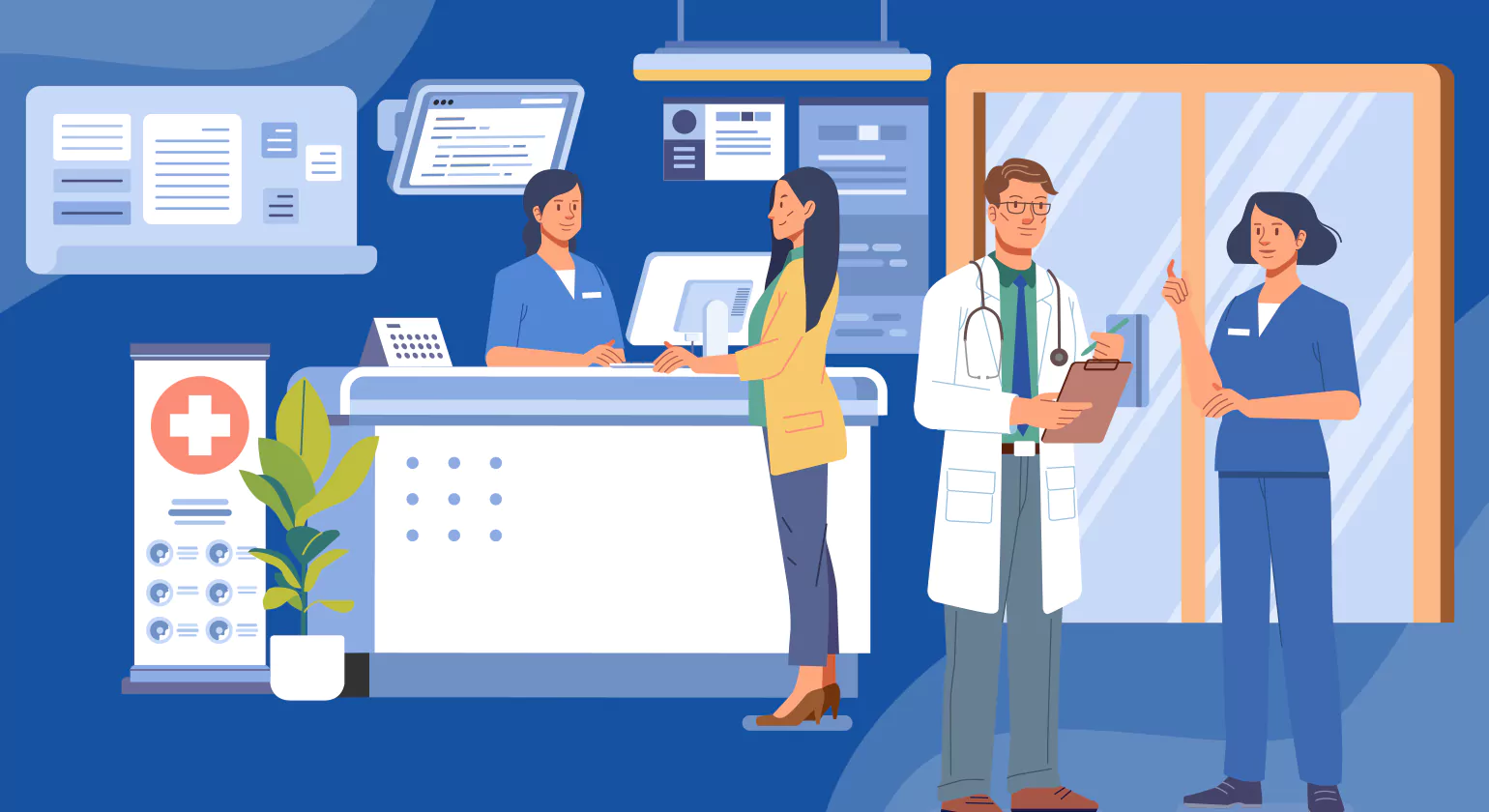
Specialists play a pivotal role in enhancing the patient experience by streamlining administrative processes and providing essential support throughout the patient journey. Here’s how they contribute to a positive and efficient experience:
1. Efficient Appointment Scheduling and Management
They manage appointments, ensuring patients can schedule visits conveniently and minimizing waiting times. By organizing schedules efficiently and handling cancellations or rescheduling promptly, they help keep the office running smoothly, which reduces patient wait times and improves satisfaction.
2. Welcoming and Guiding Patients
As the first point of contact, medical office professionals set the tone for the patient experience. They greet patients warmly, assist with check-in processes, and answer any preliminary questions. This welcoming approach creates a positive first impression, putting patients at ease from the start.
3. Managing Patient Records Securely and Accurately
Medical office and billing specialist handle the maintenance of patient records, ensuring they are accurate, updated, and secure. By managing documentation with precision, they help avoid errors and delays in patient care, facilitating seamless information flow between healthcare providers.
4. Assisting with Insurance and Billing
Insurance and billing can often be complex and overwhelming for patients. medical office and billing specialist assist by clarifying insurance policies, addressing billing inquiries, and processing payments efficiently. Their support reduces financial stress for patients, making it easier to understand their expenses and responsibilities.
5. Ensuring Timely Follow-Ups
Medical office professional coordinate follow-up appointments, referrals, and reminders for future visits or tests, helping patients stay on track with their care plans. Timely follow-ups promote better health outcomes and patient compliance, showing a commitment to continued care.
6. Improving Communication Between Patients and Providers
These specialists facilitate effective communication between patients and healthcare providers by relaying information accurately and answering patient inquiries. They act as liaisons, ensuring patients feel informed and supported, fostering trust in the healthcare system.
7. Providing Patient Education and Resources
Medical office specialist often provide patients with educational materials, resources, and instructions about treatment plans or preventive care. This guidance helps patients understand their health conditions and feel more in control of their care, leading to a more empowered and positive experience.
Technology and Software Used in Medical Office Management

Medical office management has evolved significantly with the integration of technology and specialized software. These tools streamline operations, improve patient care, and enhance administrative efficiency. Here’s a look at essential technology and software used in modern medical office management:
1. Electronic Health Records (EHR) Systems
- Purpose: EHR systems manage patient medical records digitally, making them accessible in real time across multiple healthcare providers.
- Benefits: They improve accuracy, reduce paperwork, and enhance patient care coordination. Popular EHR software includes Epic, Cerner, and Allscripts.
2. Practice Management Software (PMS)
- Purpose: PMS handles daily administrative tasks like scheduling, billing, and patient registration.
- Benefits: This software streamlines workflow by automating billing, generating financial reports, and managing patient appointments. AthenaHealth, Kareo, and NextGen are widely used PMS options.
3. Patient Portal Software
- Purpose: Patient portals allow patients to access their health records, schedule appointments, and communicate with healthcare providers.
- Benefits: These portals increase patient engagement and reduce the need for administrative follow-up, improving patient satisfaction and operational efficiency.
4. Billing and Coding Software
- Purpose: Billing software automates the coding and billing process, ensuring accurate claims submission and quicker payments.
- Benefits: Medical billing software reduces errors in claims processing, enhances revenue cycle management, and ensures compliance with billing regulations. Software like DrChrono and AdvancedMD are popular for medical billing.
5. Telemedicine Platforms
- Purpose: Telemedicine software facilitates virtual consultations, enabling doctors and patients to connect remotely.
- Benefits: Telemedicine has expanded access to healthcare, especially for patients in remote areas, while also reducing waiting room congestion. Examples include Teladoc, Doxy.me, and VSee.
6. Appointment Scheduling Software
- Purpose: These tools simplify scheduling, cancellations, and reminders for patient appointments.
- Benefits: They reduce no-shows, enhance patient convenience, and increase appointment efficiency. Programs like Calendly, Acuity Scheduling, and Solutionreach are popular choices.
7. Inventory Management Software
- Purpose: Inventory software manages medical supplies, ensuring that a practice has necessary stock levels and avoids shortages.
- Benefits: It reduces waste and ensures that all necessary supplies are available for patient care. Common tools include SurgiCare and Wasp Inventory Control.
8. Compliance and Security Software
- Purpose: Compliance software ensures adherence to HIPAA regulations and safeguards patient data.
- Benefits: It protects sensitive information, prevents data breaches, and maintains legal compliance. Tools like Compliancy Group and Accountable are widely used.
9. Analytics and Reporting Tools
- Purpose: Analytics tools track practice performance, patient outcomes, and financial metrics.
- Benefits: These insights help practices identify areas for improvement, manage finances better, and optimize patient care. Tableau and Power BI are useful for data visualization and analysis.
Conclusion
A medical office specialist ensures smooth administrative operations in healthcare by managing patient records, appointments, and billing. Their organizational, communication, and tech skills improve patient experiences and office workflows while ensuring regulatory compliance. With the growing reliance on technology in healthcare, skilled professionals in this field play a vital role in supporting both patients and providers.
Know More >>>
10 Types of Medical Billing Consultants Services
Top Healthcare Virtual Assistant Tasks & Benefits
FAQs
1. What is the strongest skill in a medical office?
The strongest skill in a medical office is effective communication. Medical office staff must communicate clearly with patients, healthcare providers, and insurance companies to coordinate appointments, explain billing, and assist with patient inquiries. Good communication improves patient satisfaction, minimizes errors, and enhances workflow, making it essential for any efficient medical office.
2. What is a medical office coordinator?
A medical office coordinator manages the daily operations of a medical office, including scheduling, billing, and record-keeping. They ensure smooth administrative functions by coordinating patient appointments, assisting with billing, and maintaining medical records. A medical office coordinator supports both patients and healthcare staff, contributing to a well-organized and efficient practice.
3. Why are medical specialists important?
Medical specialists are important because they provide expertise in specific areas of medicine, offering accurate diagnoses and specialized treatments. By focusing on particular health conditions, they improve patient outcomes and deliver more targeted care. Specialists’ knowledge is essential for managing complex or chronic medical issues that require advanced expertise.
4. What is the legal definition of a medical specialist?
A medical specialist is legally defined as a licensed physician who has completed advanced training and certification in a specific medical field, such as cardiology or dermatology. This designation ensures that they possess the expertise to diagnose, treat, and manage complex health conditions within their specialty area, adhering to industry standards and regulations.
5. What is the career path of an office specialist?
The career path of an office specialist often begins with an entry-level role in administrative support, advancing to positions like medical office coordinator or office manager. With experience and possibly further education, office specialists can specialize in areas such as medical billing, practice management, or even transition into healthcare administration roles with broader responsibilities.
6.What does a Medical Office Specialist do?
A Medical Specialist performs a variety of administrative and patient care tasks, including greeting patients, scheduling appointments, managing patient records, handling billing and insurance matters, and communicating with patients about lab results.
7.What kind of training is available for Medical Office Specialists?
Training programs for Medical Specialists are typically offered at vocational schools, community colleges, and trade schools. These programs can be completed in as few as ten months and cover topics like medical terminology, billing, and electronic health records.