Table of Contents
Blog Breakdown
- B2B Manufacturing Simplified: Understand what B2B manufacturing is, its key differences from B2C, and its role in complex supply chains.
- Stakeholders & Ecosystem: Explore OEMs, contract manufacturers, distributors, and enterprise buyers, plus long-term procurement cycles.
- Marketing That Converts: Learn integrated strategies, ABM, and technical content that influence multi-stakeholder buying decisions.
- Innovation Drives Advantage: Discover how AI, automation, and operational efficiency create competitive edge and faster delivery.
- Compliance & Deals: Navigate US regulations, documentation best practices, and strategies for trust-driven, long-term contracts.
What Is B2B Manufacturing? A Clear Definition and Scope

B2B manufacturing explained
B2B manufacturing, also known as business-to-business manufacturing, is all about the production of goods for other businesses instead of consumers. Such products may include:
- Components or raw materials for other companies’ products
- Specialized solutions tailored to operational needs
- Bulk or custom production aligned with long-term supply agreements
The key points of industrial production include accuracy, quality, and teamwork. A b2b manufacturer marketing company highlights how manufacturers team up with clients, while a b2b manufacturing marketing strategy focuses on meeting requirements for precision, consistency, and timely delivery.
How it differs from B2C and impacts supply chains
- Buyer complexity: Multiple stakeholders—engineers, procurement managers, and executives—evaluate products based on technical specs, performance, and reliability.
- Longer sales cycles: B2B decisions often take 4–12 months or more, with repeated interactions, demos, and negotiations.
- Strategic supply chains: Manufacturers must maintain operational flexibility, quality control, and transparency, as disruptions can affect multiple downstream partners.
- Relationship-driven: Trust, reliability, and proven performance are critical for repeat business and long-term contracts.
Understanding the B2B Manufacturing Ecosystem

The B2B manufacturing ecosystem is a complex system that links manufacturers, distributors, and enterprise buyers. To succeed in this industry, it is important to understand the dynamics of the ecosystem and how strategic partnerships can fuel long-term growth.
Key Stakeholders:
- OEMs (Original Equipment Manufacturers): They rely on precision components and specialized materials, often sourcing from multiple suppliers to maintain production quality.
- Contract Manufacturers: These partners provide expertise in production scalability, quality control, and specialized processes, helping businesses meet diverse manufacturing needs.
- Distributors: They bridge the gap between manufacturers and end-users, ensuring timely delivery, compliance with regulations, and market reach.
- Enterprise Buyers: Typically multi-departmental teams—including procurement, engineering, and operations—who evaluate suppliers based on reliability, technical specifications, and total value.
Procurement Cycles and Decision-Maker Roles:
B2B purchases are never simple. The process of decision-making involves multiple parties and can take several months, requiring a delicate combination of technical assessment, cost analysis, and supplier credibility. Manufacturers must therefore ensure that they remain transparent, credible, and consistent in their operations to win repeat business.
Long-Term Partnerships:
The most successful industrial partnerships are based on collaboration. By understanding buyer needs, ensuring a stable supply chain, and adding value through innovation, manufacturers can establish themselves as strategic partners, not just suppliers.
Core Strategies in B2B Manufacturing Marketing

In industrial markets, marketing is more about trust-building, technical education, and a smooth experience from awareness to purchase, which a b2b manufacturer marketing company often emphasizes. Unlike B2C, industrial buyers are heavily dependent on data, technical validation, and multi-level approvals, making a strong b2b manufacturing marketing strategy essential. An effective marketing plan must integrate all channels, align internal stakeholders, and deliver highly relevant content to influence complex purchasing decisions.
Integrated Marketing Approaches for Manufacturing Brands
- Multi-Channel Presence: Leverage SEO, online advertising, LinkedIn campaigns, email nurturing, and industry forums. Each marketing channel supports the brand and ensures visibility among engineers, procurement, and executives.
- Brand Consistency: Messaging, imagery, and technical credibility must be consistent across all marketing channels to establish your company as a trusted partner.
- Data-Driven Insights: Measure engagement metrics, content performance, and lead behavior to optimize marketing campaigns and maximize ROI.
Aligning Sales, Engineering, and Marketing for Complex Buying Journeys
- Cross-functional alignment ensures that marketing messaging is aligned with overall marketing strategy and technical accuracy.
- Insights from sales and engineering about buyer pain points enhance content relevance.
- Improved communication between departments eliminates obstacles in complex buying decisions, speeding up the decision-making process.
Content and Account-Based Strategy Fundamentals
- Account-Based Marketing (ABM): Target high-value accounts with personalized campaigns and tailored solutions to increase conversions and foster long-term contracts.
- Technical Content: White papers, case studies, ROI calculators, and specification sheets help engineers evaluate products confidently.
- Thought Leadership: Sharing industry insights and expert perspectives positions the manufacturer as a trusted authority, influencing long-term preference.
Example Table: B2B Manufacturing Marketing Strategy Components
Strategy Area | Key Focus | Benefit for Manufacturers |
Multi-Channel Marketing | SEO, PPC, LinkedIn, Email, Forums | Broader reach & high-quality lead capture |
Sales-Marketing-Engineering Alignment | Unified messaging, technical insights | Faster, more accurate buyer decisions |
Account-Based Marketing (ABM) | Personalized campaigns for high-value accounts | Higher conversion & long-term contracts |
Technical & Educational Content | White papers, case studies, ROI tools | Builds trust and positions as industry leader |
By implementing these approaches, industrial businesses not only generate qualified leads but also build credibility, speed up complex purchases, and forge long-term relationships with enterprise customers.
Driving B2B Manufacturing Innovation and Operational Value
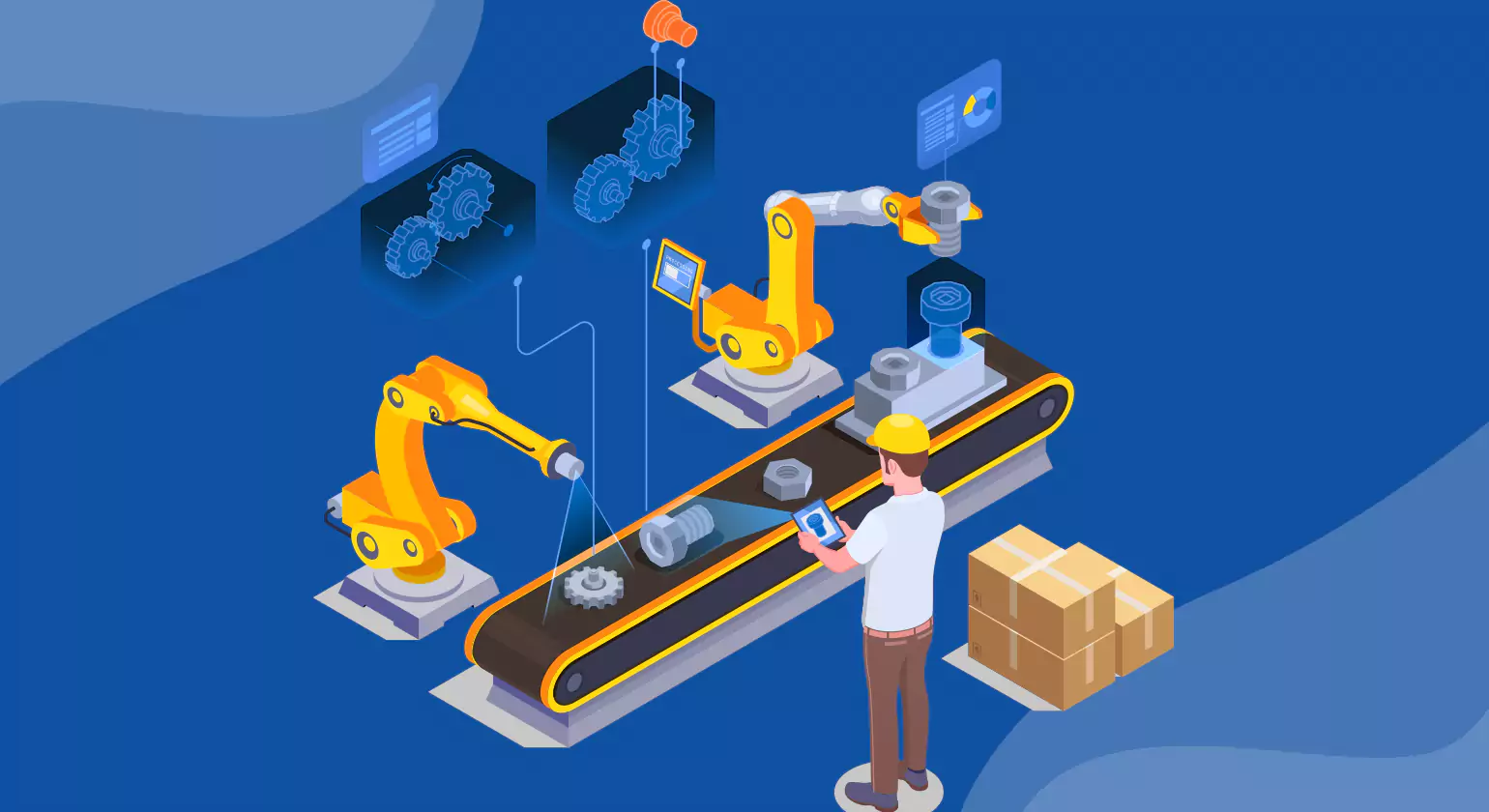
In the industrial sector, innovation is the driving force behind efficiency, competitiveness, and differentiation. Successful manufacturers leverage innovative approaches, optimize processes, and use data-driven operations to deliver high-quality products consistently.
Process Efficiency and Operational Innovation
- Automation & AI: Reduces downtime and increases throughput.
- Real-Time Analytics: Monitors performance and optimizes workflows.
- Lean Principles: Streamlines processes and minimizes waste.
Outsourced Support: Many manufacturers use Business Process Outsourcing (BPO) to handle back-office data management, allowing internal engineers to focus on core product innovation.
Turning Operational Excellence into Competitive Advantage
- Faster Time-to-Market: Meets client demands efficiently.
- Customization at Scale: Tailored solutions without sacrificing efficiency.
- Market Differentiation: Demonstrates reliability and technical mastery.
Key Takeaways:
- Innovation improves efficiency and quality.
- Operational excellence builds trust and strengthens brand positioning.
- Process optimization translates into measurable competitive advantage.
By incorporating innovation into their operations, businesses can create a clear competitive advantage and build customer satisfaction to forge long-term enterprise relationships.
Managing B2B Manufacturing Deals and Enterprise Relationships

Negotiation Cycles and Multi-Stakeholder Engagements
In complex industrial transactions, there is no single decision-maker. Engineers, procurement teams, and senior management evaluate solutions differently, making it essential to understand these perspectives and communicate accordingly. Businesses that successfully navigate this multi-layered negotiation process with clarity and accuracy consistently gain a competitive advantage.
Many firms utilize executive virtual assistants to manage these stakeholder communications and document workflows effectively.
Building Trust and Compliance
Trust is the key to long-term relationships between enterprises. Enterprises that have proven quality, on-time delivery, and regulatory compliance win the trust of their customers. Clear documentation and proactive compliance efforts are trusted indicators of reliability, making it easier to close deals.
Creating Long-Term Contractual Value
Enterprise contracts are secured not by price but by value. Enterprises that have proven operational excellence, flexibility, and the ability to support long-term goals are invaluable assets. Such enterprises can build long-term contracts that are mutually beneficial.
By expertly handling multi-party engagements, strictly adhering to compliance, and focusing on trust, B2B manufacturers can turn one-time deals into long-term contracts that fuel growth and solidify their authority in the industry.
B2B Manufacturing Regulations and Compliance Essentials

Overview of Key US Regulations Impacting Manufacturing Operations
Understanding industry regulations in the US is essential for maintaining operational integrity and market authenticity. Enterprises are required to adhere to regulations set by the FDA, OSHA, and EPA, depending on the sector. These regulations include product safety, environmental compliance, chemical reporting, and workplace standards. Failure to comply is not an option, as it may result in severe penalties, supply chain disruptions, and reputational damage.
Documentation, Standards, and Compliance Best Practices
The upkeep of comprehensive and precise documentation is one of the essential factors in ensuring regulatory compliance. This encompasses comprehensive documentation of the manufacturing process, quality control documentation, and supplier certification. The development of in-house compliance procedures and adherence to industry standards such as ISO 9001 helps to ensure consistency in manufacturing and supply chain processes. Regular audits, employee training, and real-time monitoring systems enable manufacturers to remain at the forefront of ever-changing regulatory standards while simultaneously enhancing enterprise client trust.
Incorporating regulatory compliance into operational procedures enables B2B manufacturers to not only minimize risk but also establish themselves as trusted, b2b marketing consultant. Enterprises that excel in regulatory compliance demonstrate enhanced credibility, minimize buyer friction, and establish a competitive edge within intricate B2B supply chains.
Conclusion & Key Takeaway
For industrial businesses to succeed, there is a need to integrate operational excellence, marketing, and strong buyer relationships. Through process optimization, innovation, and regulatory compliance, manufacturers can build long-term partnerships and achieve growth. Start improving your approach today—assess your operations, market your business through technical expertise, and position your company as the trusted partner of choice for enterprise customers.
FAQs
Q1: Who are the main buyers in B2B manufacturing supply chains?
The primary buyers in industrial supply chains are engineers, procurement managers, supply chain coordinators, and enterprise executives. They evaluate products based on technical requirements, reliability, regulatory standards, and long-term business partnerships, often involving approvals from multiple stakeholders before finalizing a purchase decision.
Q2: What role does AI play in modern B2B manufacturing processes?
AI improves industrial operations by optimizing production planning, predictive maintenance, quality assurance, and inventory management. It enhances decision-making, reduces downtime, increases productivity, and delivers supply chain optimization insights, making it a key differentiator for manufacturers focused on operational efficiency.
Q3: What are common challenges faced by B2B manufacturers in 2026?
Challenges for B2B manufacturers include long sales cycles, multi-stakeholder decision-making, regulatory requirements, digital transformation gaps, and supply chain disruptions. Sales, engineering, and marketing alignment, along with satisfying buyer demands, are essential for continued growth and market leadership.
Q4: How can B2B manufacturers improve supply chain efficiency?
B2B manufacturers can enhance supply chain efficiency by implementing automation, AI-based forecasting, real-time inventory management, collaboration with suppliers, and effective logistics management. Efficient processes, predictive analysis, and connectivity can eliminate bottlenecks, minimize lead times, and optimize overall business performance.
Q5: What metrics measure success in B2B manufacturing partnerships?
The success of B2B manufacturing partnerships can be measured by metrics such as order fulfillment, on-time delivery, contract compliance, lead time reduction, production optimization, and customer satisfaction. Monitoring these KPIs will ensure successful partnerships, business alignment, and continued growth with suppliers and customers.