Table of Contents
Introduction
In today’s complex business landscape, project management has emerged as a critical component for achieving strategic goals. A Project Management Office (PMO) plays a pivotal role in ensuring that projects align with organizational objectives, are executed efficiently, and deliver value. PMO consulting services have gained prominence as organizations seek expert guidance to establish, optimize, or transform their project management capabilities.
Understanding PMO Services
A Project Management Office (PMO) is a centralized unit within an organization that standardizes project-related processes and facilitates project success. PMO services are designed to provide structure, guidance, and support across projects, ensuring alignment with business goals and enhancing overall efficiency.
1. Governance & Compliance:
PMOs establish standardized project management frameworks and ensure compliance with organizational policies. They oversee project governance to manage risks, quality, and project lifecycle procedures effectively.
2. Project Portfolio Management (PPM):
One of the key functions of a PMO consulting services is to evaluate, prioritize, and manage the entire portfolio of projects. This ensures optimal resource utilization, budget control, and alignment with strategic objectives.
3. Methodology & Best Practices:
PMOs develop and implement consistent methodologies such as Agile, PRINCE2, or Waterfall. They promote the adoption of industry best practices and help project managers follow standardized processes for better outcomes.
4. Resource & Capacity Planning:
They manage project staffing, ensuring the right skills are allocated efficiently. This service aids in balancing workloads, reducing bottlenecks, and forecasting future resource needs.
The Role and Importance of a Project Management Office (PMO)

A Project Management Office (PMO) is a centralized unit within an organization that defines and maintains project management standards across the enterprise. It plays a crucial role in ensuring consistency, efficiency, and alignment of projects with business objectives. By providing a structured framework, the PMO helps organizations deliver projects on time, within budget, and to the desired quality.
Standardizing Project Management Practices
One of the core responsibilities of a PMO is to establish and enforce project management methodologies, templates, and best practices. This standardization promotes uniformity and efficiency across all projects, reducing risks and improving outcomes.
Governance and Oversight
The PMO ensures that projects are governed effectively. This involves setting up compliance standards, risk management protocols, and performance monitoring systems. Through this oversight, the PMO acts as a quality gatekeeper, ensuring that projects stay on track and within scope.
Strategic Alignment
A well-functioning PMO aligns project objectives with the broader business strategy. It ensures that the project portfolio supports the organization’s vision and long-term goals, enabling better decision-making and prioritization.
Optimizing Resource Utilization
By overseeing resource allocation across various projects, the PMO helps maximize the use of human, financial, and technological resources. This coordination prevents bottlenecks and resource conflicts, ensuring smoother project execution.
Driving Performance and Innovation
The PMO tracks project metrics and delivers insights through regular reporting, fostering continuous improvement. Additionally, PMOs can act as catalysts for innovation and enterprise transformation by supporting agile practices and strategic initiatives.
Organizations looking to strengthen their project management capabilities can benefit significantly from PMO consulting services, which provide expert guidance in setting up or optimizing a PMO tailored to specific business needs.
Types of PMO Consulting Services and Their Functions
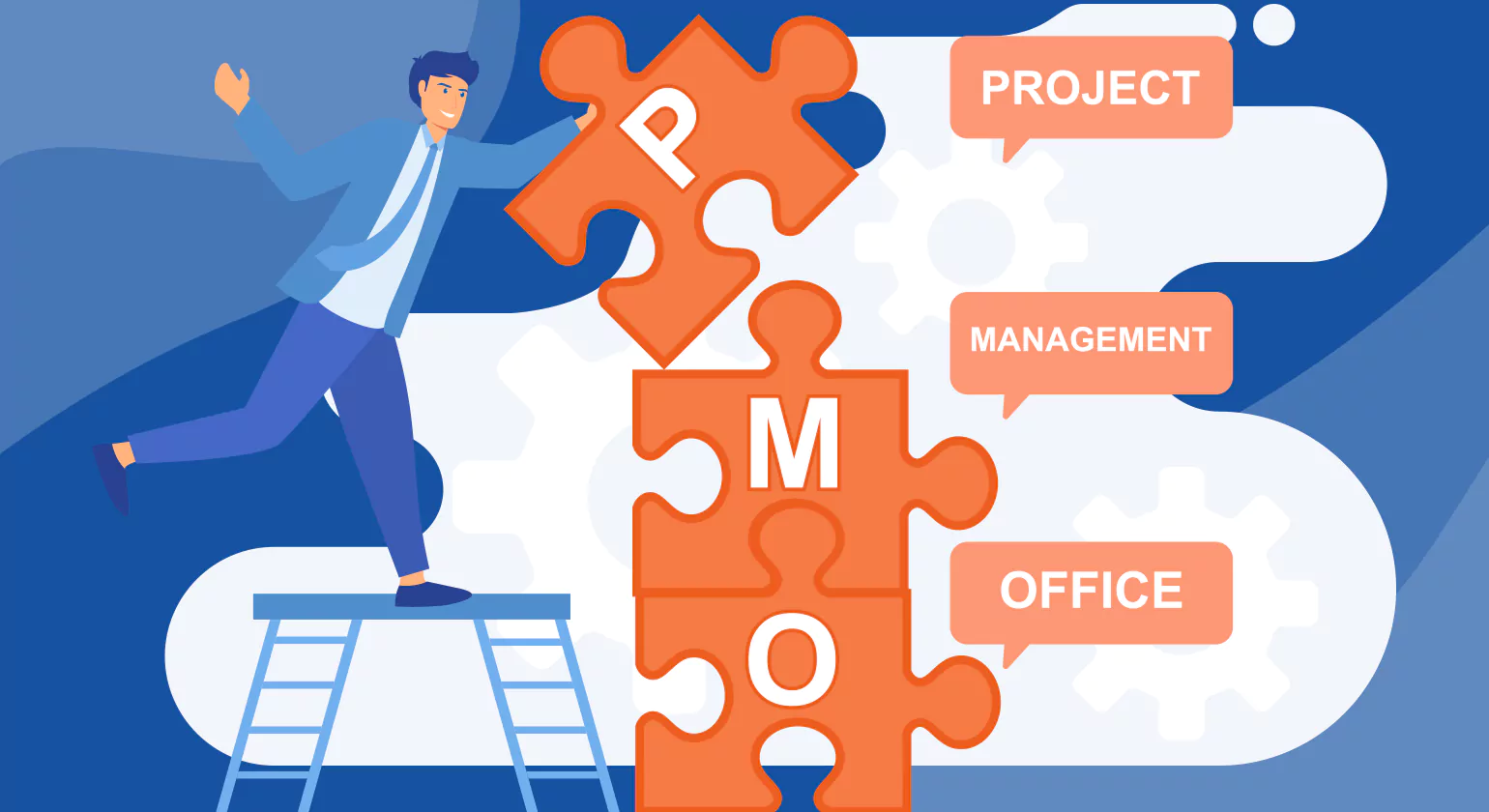
As organizations grow and evolve, their project management needs become more complex. PMO consulting services are designed to address these needs by providing tailored solutions that enhance the performance, governance, and strategic alignment of Project Management Offices (PMOs). These services vary depending on an organization’s maturity level and specific challenges.
PMO Setup and Implementation
For organizations without a formal PMO, consultants assist in designing and launching a new PMO structure. This involves defining roles, responsibilities, governance frameworks, methodologies, and reporting structures. The goal is to create a solid foundation for consistent project delivery and alignment with strategic goals.
PMO Maturity Assessment
A PMO maturity assessment helps evaluate how well an existing PMO is functioning. Consultants analyze processes, tools, resource capabilities, and performance metrics to identify gaps and improvement opportunities. Based on this assessment, tailored recommendations are provided to elevate the PMO’s effectiveness.
PMO Transformation
When a PMO is no longer aligned with current business needs, transformation is essential. pmo services offer strategic guidance in redefining objectives, restructuring teams, and updating methodologies. This ensures the PMO remains agile, responsive, and value-driven in a changing business environment.
Portfolio Management Consulting
This service focuses on enhancing how organizations select, prioritize, and manage their project portfolios. Consultants help establish frameworks to ensure resources are allocated effectively and investments are aligned with strategic priorities.
Tool and Technology Integration
Selecting the right project management tools is critical to PMO success. Consultants assist in evaluating, implementing, and integrating software platforms that improve collaboration, reporting, and project tracking.
Departmental PMO Consulting
Tailored for specific departments (like marketing, finance, or HR), this service establishes best practices for managing internal projects. Consultants design workflows, set KPIs, and integrate departmental goals with larger organizational strategies.
Agile PMO Consulting
Selecting the right project management tools is critical to PMO success. Consultants assist in evaluating, implementing, and integrating software platforms that improve collaboration, reporting, and project tracking.
PMO Assessment and Optimization
This service involves evaluating existing PMO structures, identifying gaps, and recommending improvements. Consultants refine governance models, standardize processes, and implement performance metrics to enhance PMO maturity and efficiency.
PMO Training and Capability Building
Consultants offer training sessions, workshops, and mentoring programs to build internal PMO competencies. They equip teams with skills in project governance, risk management, Agile methodologies, and tool usage.
Whether establishing a new office or enhancing an existing one, PMO consulting services play a vital role in driving project success and aligning initiatives with business objectives.
Why Organizations Need PMO Consulting Services
In today’s fast-paced business environment, delivering projects on time, within budget, and aligned with strategic goals is a complex challenge. Many organizations, regardless of size or industry, find themselves lacking the internal expertise or resources to manage this effectively. That’s where PMO consulting services come into play—offering the guidance and support needed to build or refine high-performing Project Management Offices (PMOs).
Bridging the Expertise Gap
Many organizations struggle with project governance due to a lack of in-house expertise. PMO consultants bring specialized knowledge in project methodologies, frameworks, and governance models. Their external perspective helps organizations navigate complex project landscapes with clarity and confidence.
Standardization Across Projects
Without a unified approach, projects within the same organization can follow inconsistent processes, leading to inefficiencies and missed goals. pmo services help establish standardized processes, tools, and templates, ensuring consistency and control across all initiatives.
Enhancing Efficiency and ROI
By streamlining processes and improving oversight, consultants help organizations reduce waste, manage resources better, and deliver projects more efficiently. This leads to increased return on investment (ROI) and higher stakeholder satisfaction.
Supporting Change and Transformation
Digital transformation and organizational change require structured project execution. PMO consultants play a key role in aligning project strategies with transformation goals, managing risks, and facilitating smooth transitions across teams and departments.
Enabling Data-Driven Decisions
Consultants implement reporting frameworks and dashboards that provide real-time visibility into project performance. This empowers leadership to make informed, data-driven decisions, improving overall agility and responsiveness.
Core PMO Consulting Services You Should Consider
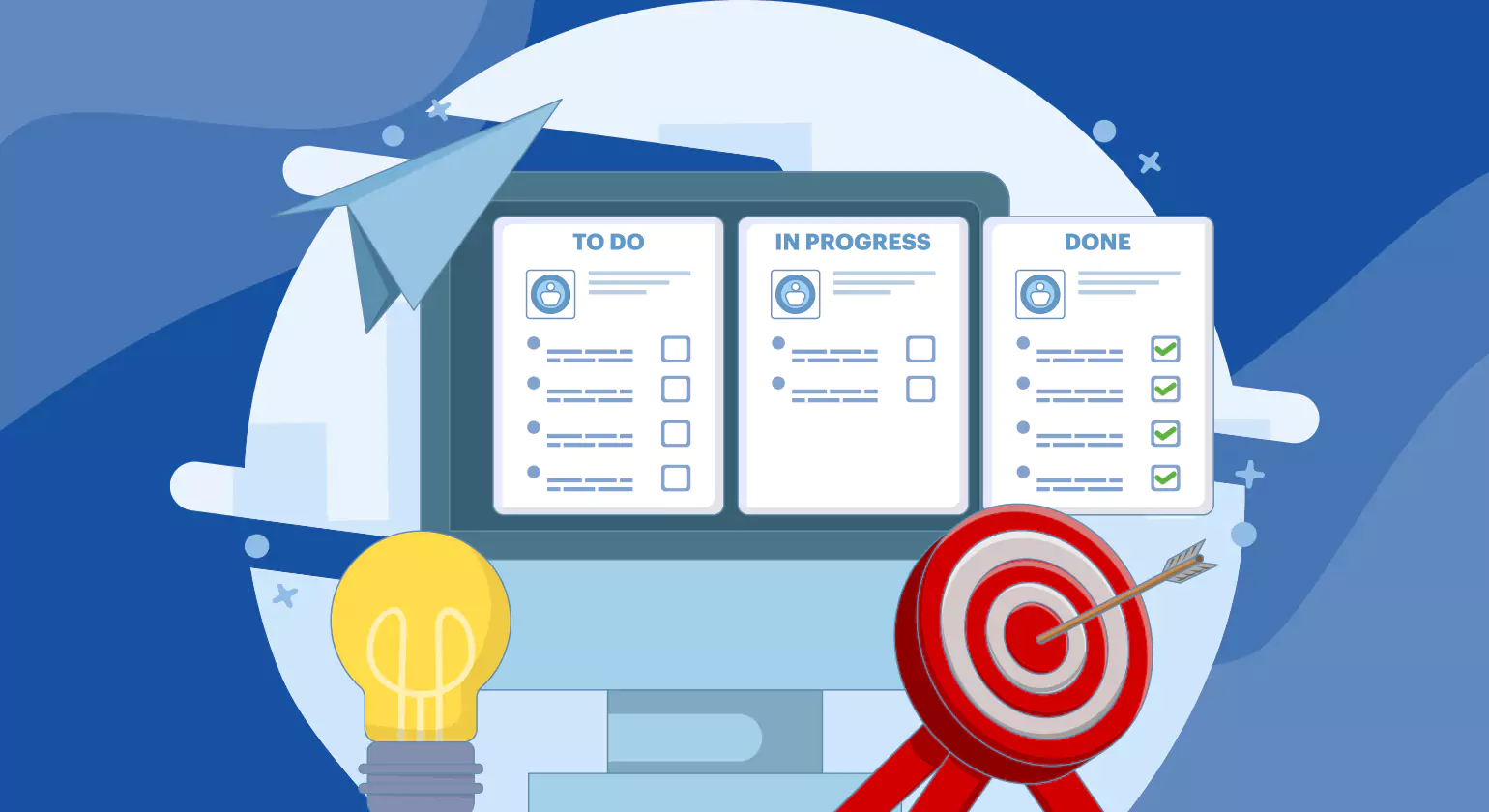
A strong Project Management Office (PMO) forms the backbone of successful project delivery. Whether an organization is just starting out or looking to refine its existing PMO, certain core services are essential for building a sustainable, high-impact structure. PMO consulting provide organizations with expert support in implementing these foundational capabilities.
Strategic Alignment
One of the most valuable services a PMO consultant can offer is ensuring that all projects align with the organization’s overarching goals. This involves evaluating current initiatives, prioritizing investments, and creating frameworks that directly tie project outcomes to strategic objectives. Such alignment helps drive long-term value and organizational focus.
Governance Framework Development
Establishing a clear governance structure is crucial for transparency and accountability. PMO consultants design customized governance models that define how projects are approved, monitored, and audited. This helps mitigate risks, improves compliance, and ensures that stakeholders remain informed and engaged throughout the project lifecycle.
Project Lifecycle Management
From initiation to closure, each phase of a project must be clearly defined and managed. PMO consulting services help organizations develop standardized methodologies and workflows for each stage, ensuring consistent execution and improved project outcomes.
Performance Metrics and KPIs
To track project health and success, PMO consultants implement performance measurement systems tailored to organizational goals. These include dashboards, KPIs, and reporting tools that offer real-time insights, enabling data-driven decision-making and continuous improvement.
Change Management Support
Successfully implementing new processes or technologies often hinges on effective change management. Consultants guide teams through transitions by fostering communication, training, and stakeholder engagement, ensuring initiatives are adopted and sustained.
Advanced PMO Consulting Services

As organizations grow in complexity and project maturity, their PMO requirements evolve beyond foundational capabilities. Advanced PMO consulting services are tailored to help these organizations unlock greater strategic value, drive innovation, and build future-ready project environments.
Agile and Hybrid PMO Models
Modern businesses demand speed and flexibility. Integrating agile methodologies within traditional PMO structures allows for more adaptive project management. PMO consultants help design hybrid models that combine the governance of traditional PMOs with the flexibility of agile, enabling faster delivery and continuous improvement while maintaining strategic control.
Enterprise PMO (EPMO) Design
In large or global organizations, project oversight must extend beyond individual departments. An Enterprise PMO (EPMO) provides a unified governance structure across business units and geographies. Consultants assist in designing and implementing EPMOs that centralize oversight, standardize practices, and ensure strategic alignment at the enterprise level.
Resource Optimization
Advanced analytics play a critical role in optimizing resource allocation. PMO consultants use data-driven insights to help organizations understand capacity, skill sets, and availability across teams. This ensures the right resources are assigned to the right projects, improving efficiency and minimizing delays or underutilization.
Risk Management
Effective risk management goes beyond reactive measures. Consultants implement proactive risk assessment frameworks to identify potential issues before they escalate. This includes scenario planning, risk scoring, and contingency strategy development—minimizing disruptions and protecting project investments.
AI and Automation Integration
With the rise of intelligent technologies, forward-thinking PMOs are leveraging AI and automation. PMO consulting services support the integration of smart tools for predictive analytics, automated reporting, and workflow optimization. These innovations enhance decision-making, reduce manual effort, and elevate overall performance.
Advanced PMO services empower organizations to evolve, scale, and stay competitive in an increasingly dynamic business environment.
PMO Methodologies and Frameworks
A key value of a Project Management Office (PMO) lies in its ability to implement standardized methodologies that guide how projects are initiated, executed, and delivered. The choice of methodology significantly impacts project outcomes, team collaboration, and overall organizational agility. PMO consulting services play a vital role in helping organizations select, customize, and implement the right framework based on their unique needs.
PMBOK (Project Management Body of Knowledge)
PMBOK, developed by the Project Management Institute (PMI), is one of the most widely recognized standards for project management. It provides a comprehensive set of guidelines, processes, and best practices that support a structured and predictive approach to managing projects. It’s ideal for organizations seeking detailed process control and risk management.
PRINCE2 (Projects IN Controlled Environments)
PRINCE2 is a process-driven methodology that emphasizes clear stages, roles, and responsibilities. Commonly used in government and large enterprises, it supports rigorous documentation and governance, making it a good fit for projects requiring strong oversight and accountability.
Agile and Scrum
Agile methodologies, including Scrum, are focused on flexibility, collaboration, and iterative delivery. These are best suited for dynamic environments where requirements may evolve. Agile emphasizes working software, customer feedback, and adaptive planning, making it ideal for software development and innovation-driven industries.
Lean and Six Sigma
Lean and Six Sigma methodologies focus on eliminating waste, improving efficiency, and enhancing quality. These are particularly useful in manufacturing, logistics, and operations-intensive sectors where process optimization is critical.
SAFe (Scaled Agile Framework)
SAFe extends Agile principles to large, complex enterprises by aligning teams under a unified strategy. It supports cross-functional collaboration, transparency, and strategic execution at scale.
Choosing the right methodology depends on organizational maturity, project complexity, industry standards, and team culture—areas where PMO consultants provide expert guidance and customization.
How to Choose the Right PMO Consulting Firm

Selecting the right PMO consulting firm is a critical step toward achieving successful project outcomes and long-term organizational improvement. A well-aligned consulting partner not only brings technical expertise but also becomes a strategic advisor, helping you navigate change, streamline processes, and maximize value from your PMO.
Experience and Industry Expertise
The first factor to consider is the firm’s depth of experience—both in project management and within your specific industry. A consultant who understands your business environment is better equipped to offer practical, actionable solutions. Look for firms with a proven track record in implementing PMO structures in organizations similar to yours.
Proven Methodologies and Tools
Effective PMO consulting services are grounded in established frameworks and tools. Ask about the methodologies they use—whether it’s PMBOK, PRINCE2, Agile, or hybrid approaches—and how they tailor those to fit each client’s unique needs. Their ability to apply these methods effectively indicates both competence and adaptability.
Client References and Case Studies
Reputable consulting firms will have a portfolio of successful engagements. Request case studies and client references to understand how they’ve added value in previous projects. This will give you insight into their capabilities, problem-solving approach, and overall impact.
Customization Capabilities
Every organization is different. The best PMO consultants don’t offer one-size-fits-all solutions—they customize their services to align with your goals, structure, and culture. Ensure the firm is willing and able to tailor their processes and recommendations to meet your specific challenges.
Cultural Fit and Communication Style
Beyond technical know-how, it’s important that the consulting team integrates well with your internal stakeholders. Strong communication, responsiveness, and cultural alignment contribute significantly to a smooth and effective collaboration.
Choosing the right provider of PMO consulting services ensures your organization receives expert guidance, long-term value, and a partner invested in your success.
Challenges in PMO Consulting and How to Overcome Them

Implementing or optimizing a Project Management Office (PMO) is a transformative effort that can yield significant benefits—if done correctly. However, like any organizational change, PMO consulting initiatives come with their share of challenges. Understanding these obstacles is the first step toward overcoming them and ensuring a successful engagement.
Resistance to Change
One of the most common hurdles in PMO consulting is resistance from staff. People are naturally wary of new systems, processes, or oversight structures that could disrupt familiar workflows. To address this, organizations must invest in change management efforts, including clear communication, training, and early involvement of key stakeholders to build trust and buy-in.
Misalignment with Organizational Culture
A PMO that clashes with a company’s culture is unlikely to thrive. For example, introducing a rigid process-heavy framework into a highly agile environment can cause friction. Successful PMO consulting services tailor their recommendations to align with the organization’s values, pace, and management style, ensuring a smoother integration.
Inadequate Executive Support
Without sponsorship from top leadership, PMO initiatives often lack the authority and resources needed to drive change. It’s critical to secure visible, ongoing support from executives who can champion the PMO’s role and reinforce its strategic importance.
Poor Communication
A lack of clear, consistent communication can lead to confusion and low engagement across teams. Consultants and internal leaders must prioritize open dialogue, providing updates, listening to feedback, and addressing concerns throughout the PMO’s implementation or transformation.
Lack of Clear Metrics
Without defined success criteria, it becomes difficult to measure PMO performance or demonstrate its value. Setting up relevant KPIs and performance dashboards from the outset is essential for tracking progress and refining strategies.
With strong leadership, tailored strategies, and ongoing collaboration, these challenges can be turned into opportunities for lasting improvement.
Best Practices for Successful PMO Implementation

Establishing a Project Management Office (PMO) is a strategic move that can drive significant improvements in project delivery, alignment, and overall business performance. However, to ensure a PMO’s success and sustainability, organizations must follow a set of proven best practices. These practices form the foundation for long-term value creation and organizational maturity.
Secure Executive Sponsorship
Leadership buy-in is essential from day one. A strong executive sponsor can champion the PMO’s purpose, secure necessary resources, and reinforce its strategic relevance across departments. Without this support, the PMO may struggle to gain traction or influence key stakeholders.
Start Small and Scale Gradually
Rather than launching a full-scale PMO all at once, begin with a pilot or limited-scope implementation. Focus on one department or a handful of critical projects. This approach allows the team to demonstrate value quickly, refine processes, and build momentum for broader adoption.
Foster a Culture of Continuous Improvement
A PMO should never be static. Encourage ongoing feedback, monitor performance, and refine practices to stay aligned with changing business needs. Continuous improvement ensures that the PMO evolves alongside the organization and continues to add value over time.
Provide Adequate Training and Support
For PMO processes to succeed, everyone involved—from project managers to team members—must understand the tools, methodologies, and expectations. Invest in training programs, resource guides, and hands-on support to help teams transition smoothly and operate effectively within the PMO framework.
Regularly Review and Adapt PMO Practices
Business environments change rapidly, and PMO practices must adapt accordingly. Schedule regular reviews to assess alignment with business strategy, evaluate performance metrics, and identify areas for enhancement.
Leveraging expert PMO consulting services can significantly streamline implementation, helping organizations avoid common pitfalls and accelerate time to value.
Measuring the Impact of PMO Consulting Services

To fully realize the value of a Project Management Office, organizations must not only implement PMO practices effectively but also measure their impact over time. Evaluating the success of PMO consulting services requires a data-driven approach, using key performance indicators that reflect both project outcomes and organizational improvements.
Project Delivery Timelines and Budgets
One of the most immediate and tangible indicators of a PMO’s effectiveness is its ability to deliver projects on time and within budget. Tracking baseline metrics before and after engaging PMO consultants can reveal improvements in scheduling accuracy, budget control, and overall project efficiency.
ROI of Completed Projects
Beyond individual project performance, measuring the return on investment (ROI) of completed initiatives helps assess how well projects contribute to broader business goals. PMO consultants often implement tools and frameworks that tie project outputs directly to financial and strategic outcomes, making ROI analysis more accessible and actionable.
Stakeholder Satisfaction
Stakeholder engagement is a critical success factor in any project environment. Surveys and feedback loops can help evaluate how stakeholders—including executives, project sponsors, and team members—perceive the value and performance of the PMO. Improved stakeholder satisfaction often correlates with better communication, transparency, and results.
Process Compliance Rates
Adherence to standardized processes and methodologies is a key indicator of PMO maturity. Monitoring compliance rates helps identify gaps in adoption and areas where additional training or adjustments may be needed. PMO consulting services often include the development of governance frameworks that promote consistency and accountability across projects.
Resource Utilization
Effective PMOs optimize resource allocation by aligning talent with project needs. Measuring utilization rates helps ensure that resources are neither overextended nor underutilized, contributing to better planning and productivity.
Tracking these metrics consistently allows organizations to justify their PMO investments and continuously refine their project management capabilities.
Conclusion
A well-implemented PMO can transform project outcomes and drive strategic success. PMO consulting services offer the guidance, tools, and frameworks necessary to establish or enhance a high-performing PMO. By understanding your organization’s needs and choosing the right partner, you can unlock the full potential of your project management capabilities.
Read more >>>>> Custom IT Project Management Services for Business Growth
10 Best Project Management Services Companies to Ensure Success
FAQs
1. What is PMO in consulting?
PMO in consulting refers to specialized advisory services that help organizations establish or optimize their Project Management Office (PMO). Consultants provide expertise in governance, standardized processes, and resource management to align projects with business goals. They drive project efficiency, risk mitigation, and strategic alignment, ensuring consistent successful project delivery and maximizing organizational value.
2. What are the types of PMO consulting services and their functions?
PMO consulting services range from core offerings like governance frameworks, resource optimization, and portfolio management to advanced solutions including AI-driven analytics and Agile implementation. These services establish standards, enhance resource utilization, align projects with strategy, and improve risk management, helping organizations drive efficient project delivery and achieve strategic objectives consistently.
3. Why do organizations need PMO consulting services?
Organizations need PMO consulting to enhance project success by streamlining execution, reducing risks, and ensuring alignment with strategic goals. Consultants bring expert guidance, helping adopt industry best practices and methodologies for standardized processes. They improve decision-making, resource management, and transparency, enabling businesses to deliver projects efficiently and consistently while maximizing ROI.
4. What are the key methodologies and frameworks used by PMOs?
PMOs implement methodologies like Agile, Waterfall, and hybrid models tailored to project needs. Frameworks such as PRINCE2 and the PMBOK Guide provide structured processes for planning, execution, and monitoring. These approaches ensure standardized governance, risk management, and resource allocation, allowing PMOs to deliver projects effectively while adapting to changing business dynamics and requirements.
5. How can organizations overcome challenges in PMO consulting?
Overcoming PMO consulting challenges involves addressing resistance to change and securing stakeholder buy-in. Clear communication, targeted training, and phased implementation help ease transitions. Setting measurable KPIs tracks progress and success. Engaging leadership and fostering collaboration builds trust, ensuring smooth adoption of PMO processes and maximizing the benefits of consulting initiatives across teams and projects.
6. What is the role of a Project Management Office (PMO) in an organization?
A PMO centralizes project management by establishing standards, methodologies, and governance. It ensures alignment with organizational goals, improves efficiency, manages resources, and supports project execution from planning to closure, fostering successful delivery.
7. What is portfolio management in project management?
Portfolio management is the strategic process of selecting, prioritizing, and managing multiple projects and programs to meet organizational objectives. It focuses on balancing resources, risks, and benefits across all initiatives, ensuring alignment with business goals. Effective portfolio management enables decision-makers to optimize investment, improve project success rates, and maximize overall value from a collection of projects.
8. What are the key benefits of hiring a PMO consulting firm for portfolio management and governance?
Hiring a PMO consulting firm ensures expert implementation of best practices in portfolio management and governance. Benefits include optimized resource allocation, risk reduction, standardized processes, and enhanced decision-making. Consultants improve project alignment with strategy, increase transparency through reporting, and boost overall project success rates, ultimately helping organizations achieve business objectives efficiently and consistently.
9. How to select the right PMO consulting company for accelerating project delivery and alignment?
Choose a PMO consulting firm with proven experience, industry knowledge, and a flexible approach tailored to your needs. Look for firms offering comprehensive services—from maturity assessments to Agile adoption—that align projects with strategic goals. Prioritize strong communication, transparent methodologies, and a track record of delivering measurable results to ensure faster project delivery and sustained organizational alignment.
10. How do PMO consulting services conduct a comprehensive PMO maturity assessment?
PMO transformation involves redefining governance, processes, tools, and team skills to better align with evolving business strategies. It is necessary when existing PMOs fail to deliver value, adapt to market changes, or support new methodologies like Agile. Transformation ensures improved efficiency, stakeholder engagement, and strategic alignment, enabling the PMO to deliver greater business impact and sustained competitive advantage.
11. How do PMO consultants integrate AI and automation into project management processes?
PMO consultants leverage AI and automation to streamline workflows, enhance data accuracy, and predict project risks. They deploy intelligent tools for resource management, scheduling, and reporting, reducing manual efforts. AI-driven analytics offer insights for better decision-making, while automation accelerates routine tasks, improving efficiency, consistency, and project outcomes across the entire project lifecycle.
12. What is an Enterprise PMO (EPMO) and how does it differ from a traditional PMO?
An Enterprise PMO (EPMO) oversees project governance and strategy at the organizational level, ensuring alignment across all portfolios. Unlike traditional PMOs focused on individual projects or departments, EPMOs drive enterprise-wide standards, resource optimization, and strategic initiatives. They enable cohesive decision-making, maximize value delivery, and support business transformation with a broader scope and influence.
13. How do PMO consulting services improve project performance metrics and KPIs reporting?
PMO consulting services enhance performance by establishing clear, relevant KPIs aligned with business goals. They implement automated tools for real-time data collection and analytics, enabling accurate, timely reporting. Consultants also improve dashboard designs and reporting frameworks, fostering transparency and informed decision-making. This boosts accountability, helps track progress, and drives continuous project improvement.
14. What does PMO transformation involve, and when is it necessary?
PMO transformation involves redefining governance, processes, tools, and team skills to better align with evolving business strategies. It is necessary when existing PMOs fail to deliver value, adapt to market changes, or support new methodologies like Agile. Transformation ensures improved efficiency, stakeholder engagement, and strategic alignment, enabling the PMO to deliver greater business impact and sustained competitive advantage.