Table of Contents
Key Takeaways
24/7 Patient Support: Handle appointment booking, rescheduling, cancellations, and general inquiries anytime.
Improved Patient Experience: Reduce wait times and provide quick, friendly responses.
Medical Call Handling: Manage prescription refills, lab results, and follow-ups securely.
Insurance & Billing Assistance: Answer coverage questions and payment-related queries.
HIPAA Compliance: Ensure patient data privacy and secure communication.
Multichannel Support: Phone, email, chat, and SMS support for better accessibility.
Emergency Call Routing: Quickly direct urgent cases to the right department.
Cost Efficiency: Reduce operational costs for hospitals and clinics.
AI & Automation Integration: Use chatbots, IVR, and predictive scheduling to improve efficiency.
Introduction
The Healthcare Call Center Services are important for enhancing patient engagement, simplifying appointment scheduling, and assisting medical professionals with 24/7 communication. The services include handling incoming and outgoing calls, insurance verification, follow-ups, and patient inquiries, thus enabling healthcare facilities to provide faster and more personalized patient care. The outsourcing of call center services can help hospitals and healthcare facilities simplify administrative work, improve patient satisfaction, and ensure compliance.
What Are Healthcare Call Center Services?

Healthcare call center services are specialized support services that are designed to address patient communication needs through phone, chat, email, and other digital communication channels. Healthcare call center services assist hospitals, clinics, and practices in managing appointment scheduling, patient inquiries, prescription refills, insurance verification, follow-ups, and emergency routing, without burdening internal staff.
Unlike other call centers, healthcare call centers are designed around patient care and regulatory compliance. Call center agents are trained to address medical privacy regulations, work with CRM healthcare or EHR software, and communicate with empathy and accuracy. The objective is simple: enhance patient satisfaction and simplify administrative processes.
Outsourcing or optimizing healthcare call center operations can help providers reduce wait times, boost appointment volumes, improve care coordination, and enable care teams to focus more on delivering treatment and less on administrative tasks. From patient support services to revenue cycle support, call center services for healthcare are an essential part of contemporary, patient-focused healthcare delivery.
Why Healthcare Call Centers Matter in 2026 (Patient Experience + Operational Impact)
Enhanced Patient Experience
24/7 access to support for appointments, inquiries, and follow-ups
Reduced wait times with smarter call routing and callbacks
Omnichannel communication (phone, chat, email, SMS) for patient convenience
More personalized interactions using patient history and CRM data
Higher satisfaction through empathetic, trained healthcare agents
Improved Operational Efficiency
Automated appointment reminders reduce no-shows
Faster insurance verification and patient intake
Prescription refill handling without burdening clinical staff
Better care coordination via proactive outbound calls
Real-time dashboards help managers track performance and optimize staffing
Revenue & Cost Optimization
Increased appointment conversions
Faster billing cycles through accurate data capture
Lower administrative overhead
Better resource utilization across departments
Support for Digital Healthcare Growth
Seamless integration with telehealth platforms
AI-assisted triaging and call prioritization
Scalable infrastructure to handle peak demand
Stronger Patient Retention & Trust
Consistent follow-ups improve continuity of care
Faster issue resolution builds confidence
Ongoing engagement strengthens long-term relationships
Core Healthcare Call Center Services Explained
Appointment Scheduling & Reminders
Healthcare call center services are responsible for managing appointments, rescheduling, and cancellations through calls, chats, and SMS. Automated reminders help reduce no-shows, and smart routing ensures that patients are routed to the correct healthcare provider.
Patient Intake & Registration
Customer service representatives gather demographic information, symptoms, consent, and insurance information prior to patient visits. This process accelerates check-in, reduces paperwork, and enables the practitioner to begin the visit fully informed.
Medical Answering Services
The medical answering service operates 24/7, handling both urgent and non-urgent calls. It routes emergencies to on-call staff while managing general inquiries, ensuring every patient connects with a trained representative.
Prescription Refill Assistance
Call centers handle refill requests, check eligibility, and communicate with pharmacies or physicians. This streamlines wait times, enhances patient compliance, and alleviates healthcare staff from mundane administrative work.
Billing & Insurance Verification
Before scheduling appointments, representatives check insurance coverage, discuss benefits, and identify possible billing problems. This proactive process minimizes denied claims, shortens the revenue cycle, and establishes pricing clarity for patients.
Follow-Up Calls & Care Coordination
Follow-up calls aid patient recovery through appointment reminders, lab result updates, care instructions, and feedback collection. This continuous engagement improves continuity of care while boosting patient satisfaction and long-term retention.
Telehealth Support Assistance
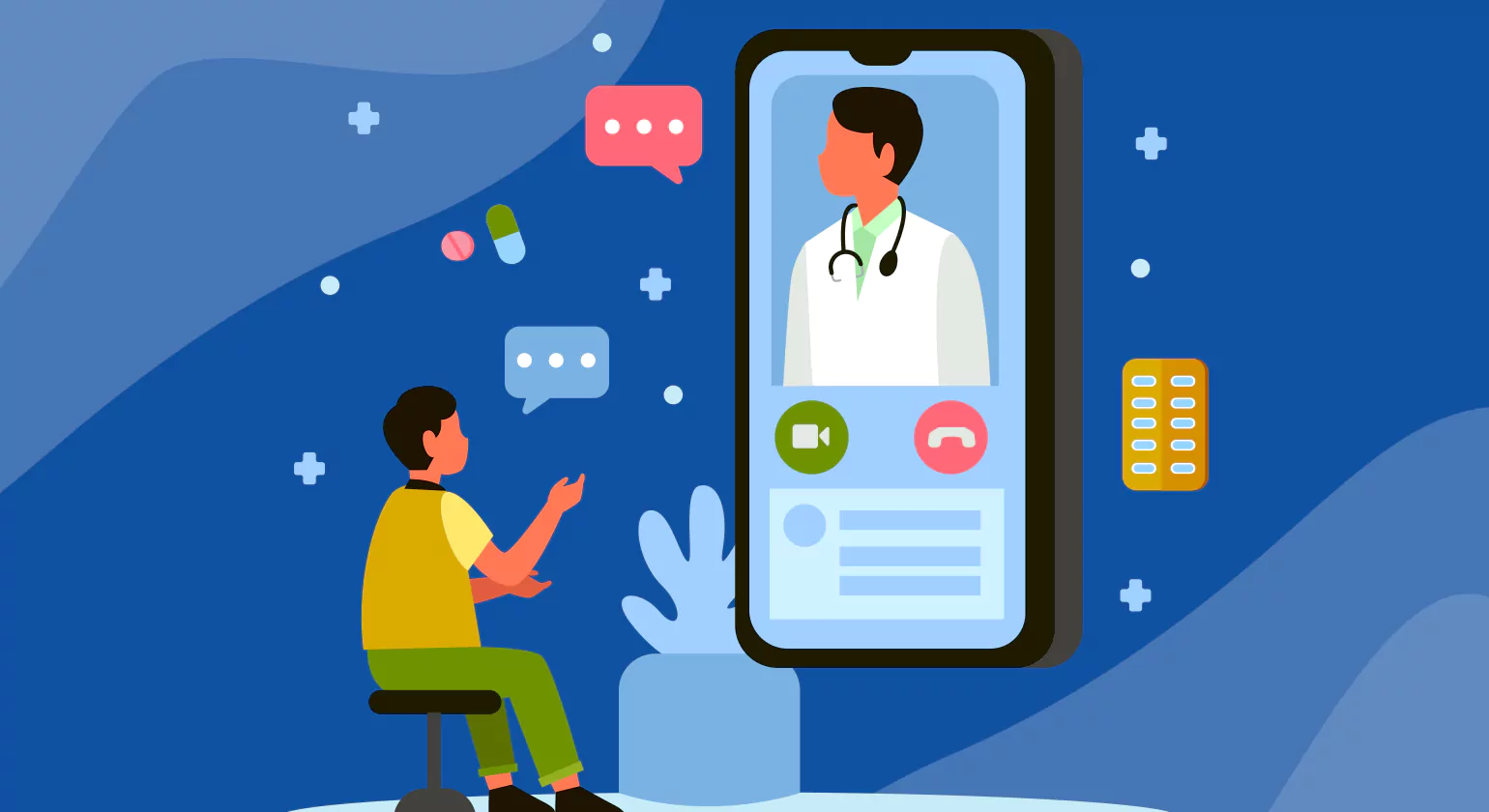
Call centers assist patients with telehealth visit initiation, resolve technical problems, and handle online check-ins. This helps with seamless telehealth experiences and boosts the use of telehealth services.
Benefits of Outsourcing Healthcare Call Center Solutions
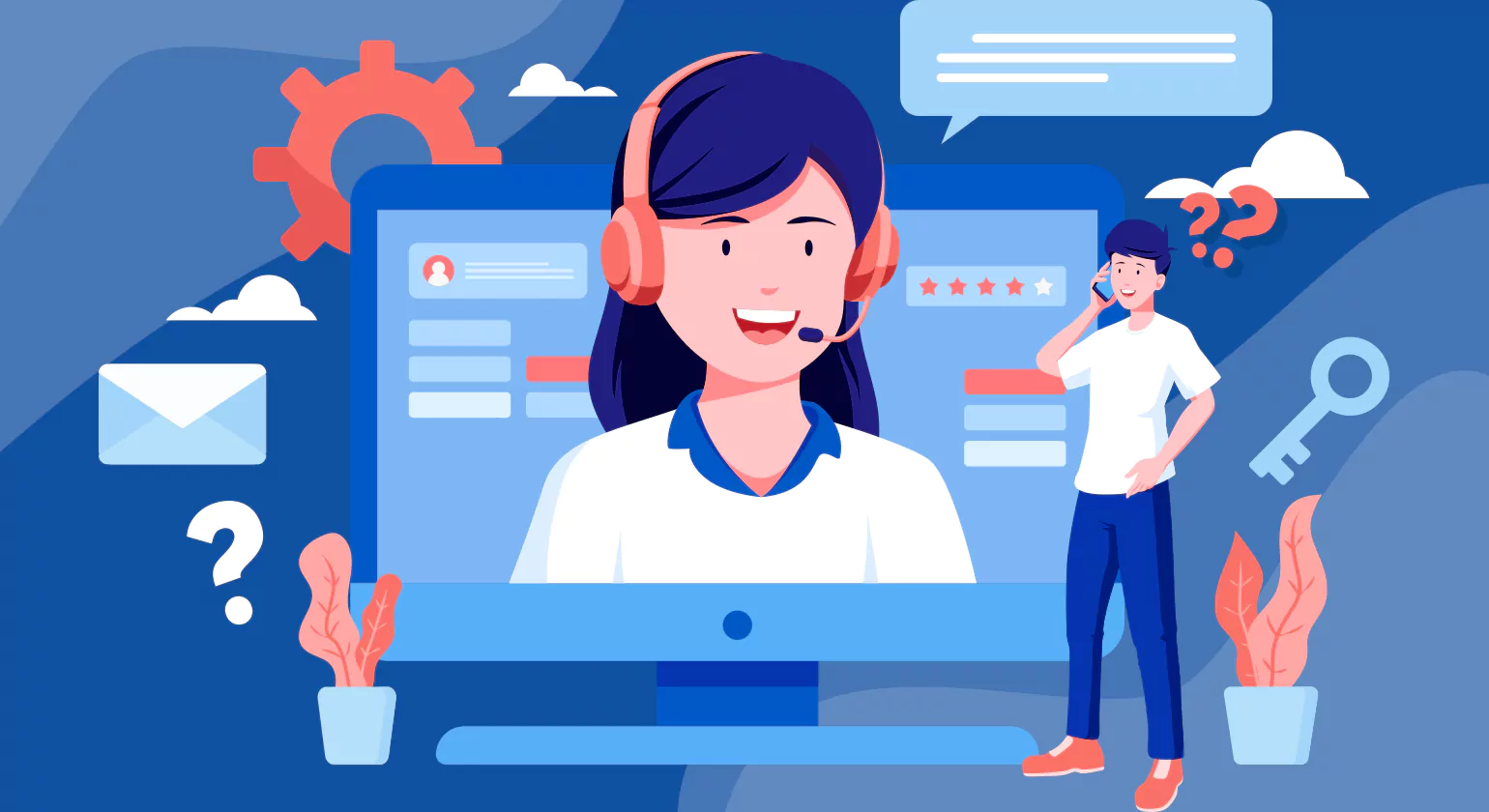
The call center services for healthcare can help healthcare providers deliver better patient care and simplify their daily operations. In 2026, due to increasing patient expectations and administrative workloads, outsourcing has become a strategic decision rather than a cost-related one.
1. Improved Patient Experience
The outsource healthcare call center services offer trained representatives who address appointments, inquiries, follow-ups, and billing questions with compassion and precision. Patients experience reduced wait times, improved communication, and support through various channels (phone, chat, email). This results in increased patient satisfaction, trust, and retention.
2. Reduced Administrative Burden
In-house staff benefit from the extra time afforded by delegating tasks such as appointment scheduling, insurance verification, prescription refills, and intake forms. This allows healthcare and office staff to spend more time on patients rather than paperwork.
3. 24/7 Availability
Healthcare does not end when the office closes. The outsource healthcare call center services 24/7 support, which means patients can contact someone at any time of the day, whether it is to schedule an appointment, inquire about medications, or report symptoms.
4. Cost Savings & Scalability
Establishing a call center within an organization involves infrastructure, recruitment, training, and maintenance. Outsourcing the process eliminates these expenses and allows for scalability during peak periods or sudden surges in demand. The service providers only pay for what they consume.
5. Increased Staff Productivity
As a result of external handling of administrative calls, internal staff are more efficient in their work. The healthcare providers benefit from faster workflows, reduced interruptions, and improved resource allocation. In addition, most of the external partners leverage artificial intelligence-powered routing and performance analytics to optimize call handling.
6. Better Compliance & Data Security
The outsource healthcare call center services operate under strict HIPAA-compliant procedures and secure infrastructure, along with role-based access controls, to ensure the privacy of patient information. Trained professionals educate the call center staff on privacy procedures, and the calls are audited periodically by experienced providers. This reduces the risk of non-compliance, data breaches, and lack of patient trust—while also assisting in the satisfaction of changing regulatory norms in 2026.
7. Faster Appointment Conversions
Specialized call agents react immediately to patient inquiries, filter leads, and direct patients to confirmed appointments. Structured scripts and CRM integration enable outsource healthcare call center services agents to minimize abandoned calls and lost opportunities. This leads to optimized appointment conversion rates, improved schedule resource usage, and enhanced revenue without increasing stress on in-house personnel.
8. Multilingual Patient Support
Many healthcare outsourcing companies have multilingual agents, which makes it easier for patients to access care. This eliminates language barriers when scheduling appointments, completing intake processes, and follow-up communications. Multilingual agents also allow companies to expand their reach into new markets and improve inclusivity and patient satisfaction.
9. Advanced Reporting & Analytics
Today, call center services for healthcare have the ability to offer real-time dashboards, call recordings, and performance metrics such as response times and resolution rates. This allows healthcare providers to identify areas of service gaps and improve patient experiences.
10. Business Continuity During Peak Demand
Offsite call centers make sure that patients receive continuous support during peak periods, campaigns, or emergencies. This is because healthcare providers can immediately expand their staff capacity without having to wait for hiring and infrastructure development.
10 Best Practices for High-Performing Healthcare Call Center Services
1. Prioritize Patient-Centric Communication
Excellent Healthcare call center services are patient-centric, all the time. This involves equipping call center staff with the skills to communicate with empathy, clarity, and patience to resolve issues quickly. In the year 2026, patients demand personalized conversations, not scripted conversations. Call centers should leverage patient history and preferences to personalize conversations, minimize repeat calls, and maximize patient satisfaction. When patients feel heard and supported, trust builds, and so does loyalty.
2. Implement Omnichannel Support
Today’s patients do not depend on phone calls only. The best Healthcare Call Center Solutions provide a smooth experience for all channels, including phone, chat, email, SMS, and portals. Omnichannel connectivity ensures that patients can reach out to the call center through their favorite channel while maintaining the continuity of the conversation. By 2026, the use of omnichannel is no longer a choice but a necessity.
3. Use AI for Smart Call Routing & Triage
AI-driven routing routes calls based on their urgency, the skills of the agent, and the needs of the patients, reducing waiting times significantly. AI-driven triage enables the prioritization of emergencies, automates the processing of routine requests, and routes complex requests to senior staff. In 2026, healthcare call centers that use AI will experience improved service delivery, enhanced workload management, and increased patient satisfaction without adding to their workforce.
4. Train Agents in Healthcare Compliance & Empathy
Healthcare agents are faced with the challenge of being technically correct while being compassionate. Continuous training in the areas of compliance, data privacy, medical terminology, and soft skills is essential for safe and effective communication. Top-performing centers not only train agents in these areas but also teach them about emotional intelligence, which is important when dealing with nervous or ill patients.
5. Automate Appointments, Reminders & Follow-Ups
Automation enhances efficiency and patient engagement. Leverage automation for scheduling, confirmations, reminders, and follow-ups post-visit to minimize no-shows and keep patients updated. Automation in 2026 is no longer about replacing people but about helping them, allowing for faster service and easier patient experience with less human intervention.
6. Integrate Call Centers with EHR & CRM Systems
System integration is key to delivering personalized care. Connecting call center platforms with EHR and CRM tools gives agents instant access to patient records, appointment history, and previous interactions. This eliminates information silos and shortens resolution time. Integrated systems help provide accurate answers, reduce repeat explanations, and create a seamless experience—making operations smarter and patient interactions more meaningful.
7. Monitor KPIs with Real-Time Analytics
High-performing call centers track metrics like first-call resolution, average handle time, patient satisfaction, and abandonment rates. Real-time dashboards help managers identify bottlenecks and optimize staffing instantly. In 2026, data-driven decisions separate average centers from top performers. Continuous performance monitoring enables proactive improvements, better resource planning, and consistent service quality across every patient interaction.
8. Ensure Scalability for Peak Demand
Healthcare demand fluctuates—seasonal illnesses, campaigns, or emergencies can spike call volumes overnight. Best-in-class call centers are built to scale quickly using cloud infrastructure and flexible staffing models. This ensures uninterrupted support during peak periods without sacrificing quality. Scalability protects patient access while maintaining operational stability, making it a critical best practice for future-ready healthcare organizations.
9. Strengthen Security & Patient Data Protection
With rising cyber risks, safeguarding patient information is non-negotiable. High-performing call centers enforce strict access controls, encrypted communications, and compliance protocols. Regular audits and staff awareness training help prevent data breaches. In 2026, patients choose providers they trust—strong security practices protect reputation, ensure regulatory compliance, and build long-term confidence in your healthcare services.
10. Continuously Improve Through Feedback
Top Healthcare call center services evolve constantly. Collect patient feedback, review call recordings, and run quality assurance programs to uncover improvement areas. Use insights to refine scripts, training, and workflows. Continuous optimization helps adapt to changing patient expectations and technology trends. In 2026, ongoing improvement isn’t optional—it’s how high-performing call centers stay competitive, efficient, and patient-focused.
Top 10 Healthcare Call Center Companies in 2026
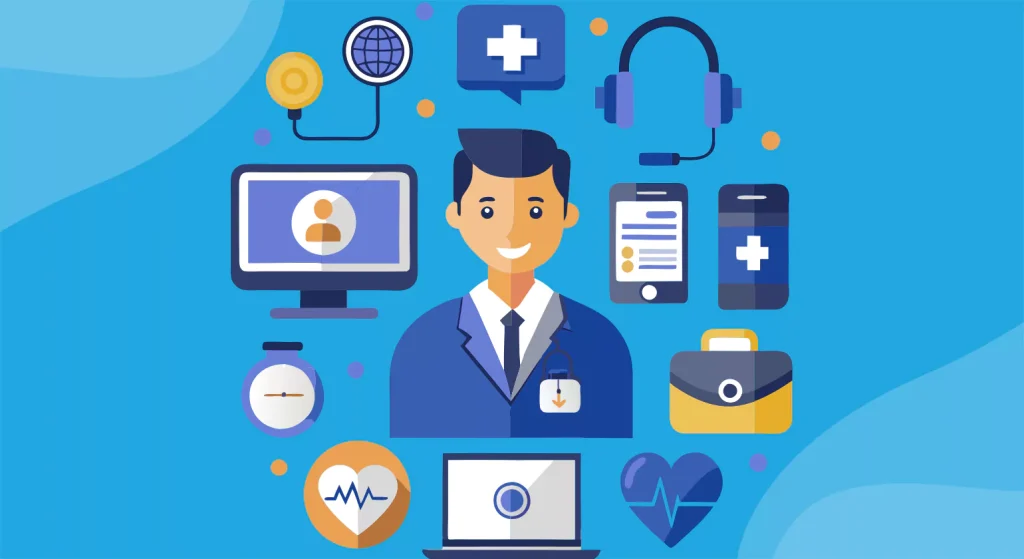
Top 10 Healthcare Call Center Companies help medical practices, hospitals, and healthcare organizations manage patient communication efficiently and compliantly through healthcare call center services. These providers handle appointment scheduling, patient support, insurance verification, and HIPAA-compliant call management, ensuring better patient experiences and reduced administrative workload through healthcare outsourcing support, while allowing providers to focus on delivering quality care.
1. Alorica
Alorica is a worldwide leader in customer experience (CX) and business process outsourcing (BPO) solutions, established in 1999 and headquartered in Irvine, California. Employing more than 100,000 people worldwide in over a dozen countries, Alorica works with large-scale businesses in various sectors such as healthcare, retail, banking, technology, and the travel industry to provide them with high-quality support solutions. Alorica combines the power of human intelligence with digital technology to revolutionize customer engagement.
Key Features
Comprehensive Contact Center Services: End-to-end customer care, technical support, and sales assistance across voice, chat, email, and social platforms.
AI-Enabled Technology: Integration of AI-powered routing, analytics, and automation for smarter, faster interactions.
Multilingual & 24/7 Support: Global teams offering round-the-clock, multilingual engagement to meet diverse customer needs.
Tailored CX Strategy: Customized solutions driven by data insights and performance metrics for improved satisfaction and loyalty.
Why Choose Us
Alorica’s mix of seasoned professionals, cutting-edge technology, and outcome-focused execution makes it a trusted CX partner for large enterprises. With decades of proven experience, robust infrastructure, and global delivery capabilities, clients benefit from improved operational efficiency, reduced costs, and enhanced customer experiences that support long-term growth.
2. Martal Group
Martal Group is a North American B2B lead generation and sales outsourcing company founded in 2009 and headquartered in Oakville, Ontario, Canada. The company assists businesses, particularly those that are tech-driven and B2B, in expanding their revenue streams through the generation of qualified leads, scheduling sales meetings, and accelerating the sales pipeline without having to invest in the development of SDR teams. Martal Group leverages human sales acumen, data-driven processes, and AI-powered outreach to deliver predictable and scalable sales results.
Key Features
Outbound & Inbound Lead Generation: Targeted campaigns across email, LinkedIn and calls to fill your sales funnel with high-quality leads.
Appointment Setting & SDR Services: Experienced sales development reps book qualified discovery calls and demos with decision-makers.
AI-Powered SDR Platform: Proprietary AI tools automate prospect research, sequencing, messaging optimization and performance tracking.
Sales Outsourcing & Fractional Teams: On-demand sales executives support full sales cycles from qualification through closing.
Why Choose Us
Martal Group stands out for its blend of human talent and AI-driven precision, delivering measurable results while acting as a seamless extension of your sales team. Its onshore SDRs and sales executives deeply understand B2B buying behavior and tailor engagement strategies to your ideal customer profiles. Recognized by industry reviewers and award platforms as a top B2B lead generation provider, Martal helps companies scale revenue faster, shorten sales cycles, and improve pipeline predictability without the overhead of hiring and training internal teams.
3. Teleperformance
Teleperformance SE is a French multinational leader in business process outsourcing, founded in 1978, and catering to worldwide companies in 170+ countries with omnichannel customer engagement and digital business solutions. With a workforce of almost half a million, Teleperformance is one of the world’s largest healthcare call center companies and a leader in customer experience.
Key Features
Global Omnichannel Support: Delivers seamless communication across voice, chat, email, and digital channels tailored to diverse client needs.
Healthcare-Focused Services: Specialised patient, provider, payer, and member support with benefit eligibility, billing, and prior-authorization assistance.
Advanced Technology Integration: Combines human agents with AI and analytics for enhanced routing, quality, and insight-driven operations.
Multilingual Capabilities: Services in 300+ languages and dialects, enabling global healthcare and enterprise support.
Scalable Back-Office Solutions: Includes enrollment support, billing correspondence, database management, and more.
Why Choose Us
Teleperformance brings decades of global expertise and a powerful blend of human empathy with cutting-edge technology to every engagement. Clients benefit from proven operational excellence, robust data security, and continuous innovation that improves patient experience, reduces administrative burden, and drives measurable outcomes. By partnering with Teleperformance, healthcare providers gain a trusted ally capable of scaling support, enhancing satisfaction, and supporting digital transformation goals.
4. LeadSquared
Built for high-speed enterprises and patient-focused organizations, LeadSquared is an all-in-one CRM, lead management, automation, and analytics solution. For healthcare organizations, it offers patient engagement, intake, appointment scheduling, and secure communication solutions, which cater to the diverse needs of healthcare call center companies and healthcare operations.
Key Features
Centralized Patient & Lead Data: Stores comprehensive patient profiles for personalized communication and streamlined follow-ups.
Automation & Workflows: Automates routine tasks such as appointment reminders, messaging, and follow-ups, reducing manual load and errors.
Real-Time Analytics: Dashboards and reporting tools track performance, call metrics, and conversion trends for smarter decision-making.
Integration Support: Seamlessly integrates with EHR/EMR systems, telephony, and messaging tools for coordinated patient engagement.
Why Choose Us
LeadSquared’s platform accelerates patient conversions, boosts call center efficiency, enhances staff productivity, and ensures data security and compliance—all critical advantages for healthcare call center companies seeking to improve service quality and operational outcomes.
5. LiveOps
LiveOps is a scalable, virtual contact center and BPO company with headquarters in Scottsdale, Arizona, and more than 25 years of experience in assisting brands to provide high-quality customer support. Its flexible and tech-savvy model combines a network of skilled agents with intelligent workflows, making it a great option among healthcare call center companies and other enterprise partners who look for effective and affordable customer engagement.
Key Features
Flexible Virtual Workforce: A distributed network of skilled agents ready to scale based on demand, reducing idle time and overhead.
Precision Scheduling: AI-driven staffing models that match agent availability with real-time call volume for better efficiency.
Omnichannel Support: Seamless communication across phone, email, chat, text, and back-office functions.
Performance Insights: Real-time KPIs and analytics to monitor service quality and guide improvements.
Scalability & Cost Control: A flexible cost structure that grows or contracts with business needs without fixed facility costs.
Why Choose Us
LiveOps stands out for its blend of empathy-first Healthcare call center services, advanced technology, and flexible outsourcing model. Organizations benefit from faster time to proficiency, tailored workforce solutions, and improved operational resilience. For healthcare teams and other high-touch sectors, LiveOps supports consistent, compliant patient engagement while optimizing costs and scaling support efficiently for evolving demand.
6. Helpware
Helpware is a modern business process outsourcing (BPO) and customer experience (CX) provider founded in 2015, known for blending human expertise with advanced technology to deliver tailored support solutions at scale. With operations across multiple continents and 19+ global locations, Helpware has become a trusted partner for organizations seeking flexible, results-driven outsourcing.
Key Features
Industry-Tailored Call Center Services: Customized support solutions for healthcare, tech, fintech, ecommerce, and more.
24/7 Customer Support: Around-the-clock assistance combining AI and human agents for consistent service delivery.
Advanced Tech & Analytics: Integration with CRM systems, performance monitoring, and reporting tools for data-driven insights.
Multilingual, Global Workforce: Skilled agents across regions to support diverse audiences and global time zones.
Scalable Operations: Flexible staffing and customized onboarding for projects of any size.
Why Choose Us
Helpware’s differentiated approach lies in its emphasis on personalized, high-quality service, robust compliance, and client-centric strategy. With award-winning CX frameworks, deep industry expertise, and a culture built on trust and performance, Helpware helps organizations improve satisfaction, efficiency, and long-term engagement outcomes.
7. SalesNash
Originating from DMT Business Development Corp., SalesNash has been operating in North America and Europe, catering to clients from various sectors such as technology and healthcare. The main purpose of SalesNash is to produce quality leads, schedule appointments, and assist with business growth through multi-channel outreach strategies.
Key Features
Lead Generation & Qualification: SalesNash conducts deep research to find and pre-qualify prospects, improving outreach efficiency and conversion potential.
Appointment Setting: Dedicated outreach teams secure meetings with decision-makers, boosting sales opportunities and pipeline velocity.
Multichannel Outreach: Combines email, cold calling, LinkedIn, and other channels to reach prospects where they engage most.
Sales Development Support: Helps build or augment sales processes with strategic execution and performance reporting.
Why Choose Us
SalesNash stands out for its customized, performance-focused approach that drives measurable results quickly. Clients benefit from expert outreach campaigns, improved lead quality, and regular performance insights—all delivered through a flexible, scalable model that adapts to evolving business needs. This makes SalesNash a strong partner for organizations that want to enhance outreach efficiency and grow conversions without the overhead of building the capabilities in-house.
8. Magellan Solutions
Magellan Solutions Outsourcing Inc. is a Philippines-based global outsourcing provider with more than 17 years of experience in call center and BPO services. Serving businesses worldwide, it delivers end-to-end customer care and operational support. Its service portfolio covers inbound and outbound calling, back-office processing, lead generation, help desk and technical support, appointment setting, and data management. Magellan Solutions also adheres to international security standards, including ISO 27001 and HIPAA compliance.
Key Features
Comprehensive BPO & Contact Center Services: Inbound calls, outbound campaigns, multilingual support, virtual assistance, and omnichannel solutions tailored to business needs.
24/7 Global Support: Around-the-clock operations ensure uninterrupted customer service regardless of region or time zone.
Certified Security & Compliance: ISO 27001 and HIPAA certifications provide high-level data protection and regulatory adherence.
Flexible Engagement Models: Customized pricing and staffing options to scale with business growth.
Advanced Technology Stack: Use of modern telecom and CRM tools for efficient call routing and performance monitoring.
Why Choose Us
Clients choose Magellan Solutions for its proven track record of delivering high-quality customer experiences that improve satisfaction and loyalty. With a consultative approach, global expertise, and dedicated client partnerships, Magellan helps businesses reduce operational costs, scale efficiently, and create measurable results across various industries.
9. Calibrated Healthcare
Calibrated Healthcare Network is a US-based company providing healthcare administration services with a global delivery model that leverages managed care experience and offshore operational capabilities. Established in 2006, Calibrated manages care operations for health plans, MSOs, TPAs, IPAs, and health systems, touching the lives of over 11 million individuals in more than eight US states. With headquarters in Ontario, California, and delivery centers in India and the Philippines, the company aims to enhance quality, accuracy, and efficiency in healthcare processes while assisting clients in managing costs through scalable outsourcing partnerships.
Key Features
Comprehensive Healthcare Administration Services: Includes claims adjudication, enrollment & eligibility setup, benefits maintenance, provider credentialing, and utilization management.
Population & Medical Management: Supports care coordination, enhanced care management, discharge planning, and authorizations to improve patient outcomes.
Global Delivery Model: Combines U.S.-based clinical oversight with offshore operational support for cost efficiency and quality.
Scalable Staffing & Process Expertise: Tailored outsourcing solutions that adapt to the size and needs of each client organization.
Why Choose Us
Clients choose Calibrated Healthcare for its deep managed care experience, tailored outsourcing solutions, and global workforce strategies. With a focus on accuracy, regulatory compliance, and operational cost reduction, the company streamlines complex administrative workflows while maintaining transparency and control for clients.
10. Nextiva
Nextiva is a cloud communications and customer experience management company based in the United States, with headquarters in Scottsdale, Arizona. Founded in 2006, Nextiva has emerged as one of the most prominent unified communications, VoIP business phone solutions, and contact center solutions providers, serving more than 150,000 businesses globally. Nextiva’s solution integrates voice, video, messaging, analytics, and workflow automation capabilities into a single cloud-based platform that enables businesses to enhance internal collaboration and customer engagement.
Key Features
Unified Cloud Communications: All-in-one platform for voice, SMS, video, email, and social channels, streamlining business communications.
VoIP & Call Center Tools: Includes VoIP phone service, advanced call routing, IVR, automatic call distribution, call recording, and real-time analytics.
NextivaONE App: Mobile and desktop apps that turn any device into a business communication hub.
HIPAA & Security Compliance: Enterprise-grade reliability with 99.999% uptime and secure communications suitable for sensitive environments like healthcare.
Why Choose Us
Nextiva stands out for its integrated communications and CXM platform that scales from small businesses to enterprise environments while simplifying customer engagement. Its cloud-native architecture delivers reliability, security, and flexibility—allowing teams to communicate seamlessly across devices and channels. With AI-enabled call routing, real-time analytics, and customizable workflows, Nextiva helps organizations reduce operational costs, improve customer satisfaction, and future-proof their communications strategy.
Key Features of Healthcare Call Center Services
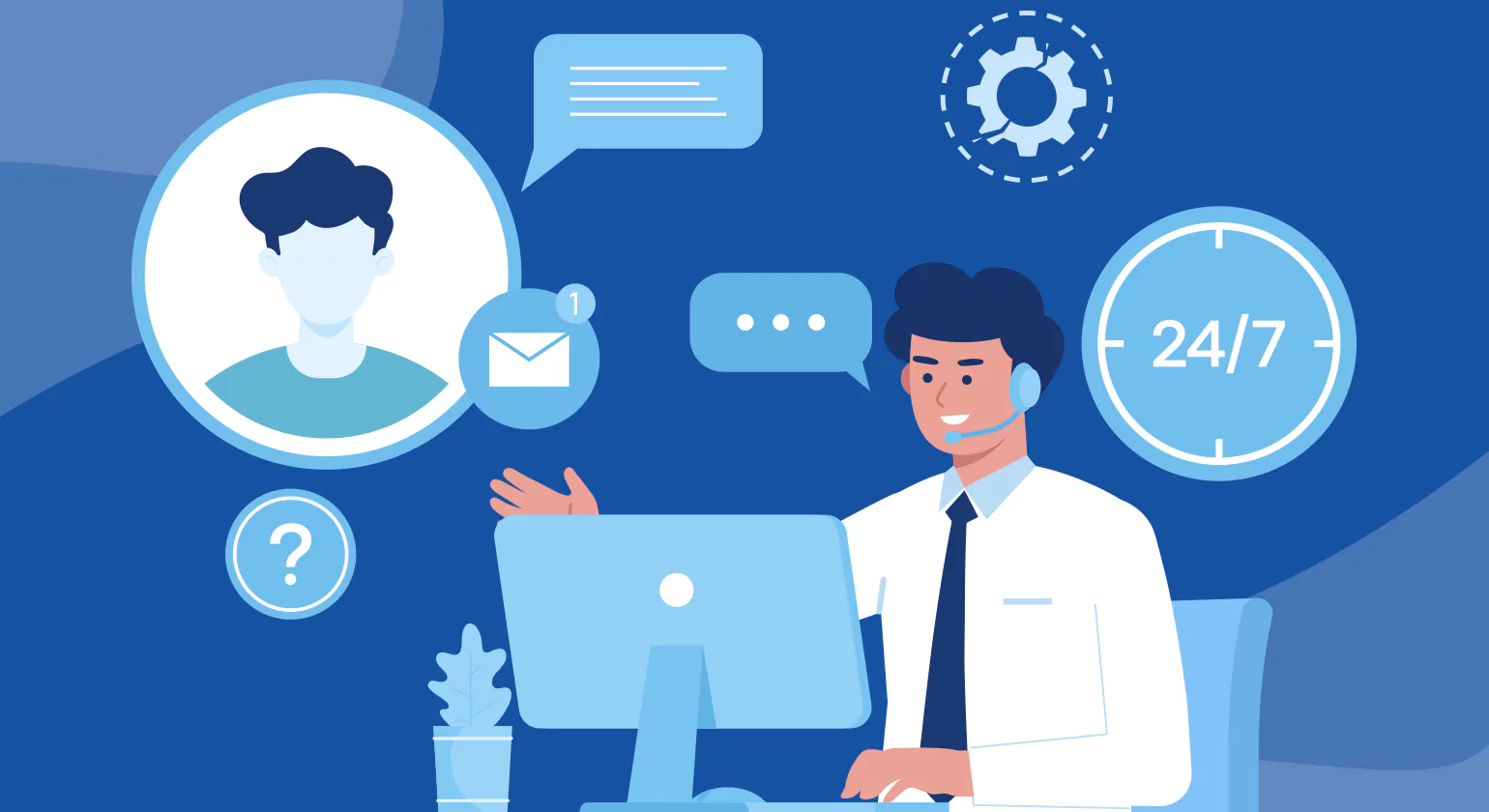
1. HIPAA-Compliant Operations
A healthcare call center service provider must adhere to very tight HIPAA guidelines. This will ensure the confidentiality of patient information. This will include secure handling of calls, encrypted systems, and regular audits to ensure that the service provider is HIPAA compliant. In the year 2026, privacy of data is no longer negotiable.
2. Trained Medical Call Agents
The agents should be trained in medical terminology, communication with patients, and medical processes. Medical customer service differs from common call centers in that it demands empathy, accuracy, and timeliness. Experienced medical call center agents can manage appointment scheduling, medication requests, and basic triage effectively.
3. Multilingual Support
Contemporary healthcare caters to a wide range of patients. A healthcare provider providing services in multiple languages ensures that language does not become a barrier to accessing care. In 2026, inclusivity is a factor that directly impacts patient retention and satisfaction. Seek out certified bilingual staff who can effectively relay health information.
4. EMR / EHR Integration
Integration with EMR/EHR systems enables agents to view patient information in real-time. This eliminates the possibility of errors and accelerates the scheduling process. An efficiently integrated system enhances the operational efficiency of the system and the patient experience by allowing faster interactions.
5. Real-Time Reporting & Analytics
Advanced reporting tools provide insights into call volume, response time, first-call resolution, and patient satisfaction metrics. In 2026, data-driven decision-making is critical. Real-time dashboards help healthcare providers optimize staffing, reduce wait times, and continuously improve service performance.
6. Omnichannel Communication (Calls, Chat, Email, SMS)
Patients demand flexible communication channels. An omnichannel Healthcare call center services enables smooth support across phone, live chat, email, and SMS without losing context. This enhances accessibility, increases engagement, and ensures consistent patient communication across all channels.
What Are the Different Types of Healthcare Call Center Services?

1. Inbound Patient Support
Inbound patient support deals with incoming calls regarding appointments, symptoms, physician availability, billing inquiries, and general information. The customer service representatives use EHR/CRM systems to deliver accurate and up-to-date information while ensuring compliance and empathy. This type of support alleviates the workload of the front desk, decreases waiting times, and provides patients with immediate support when they need it.
2. Outbound Patient Engagement
Outbound patient engagement involves activities such as follow-up calls, preventive care reminders, feedback, and care plan checks. These calls are known to improve treatment adherence, decrease readmissions, and enhance patient relationships. In the year 2026, data-driven outreach will ensure that the right message reaches the right patient at the right time.
3. Appointment Scheduling & Reminders
This service is responsible for handling booking, rescheduling, cancellations, and automated reminders through calls, SMS, or emails. The smart scheduling system helps minimize no-shows and maximize provider schedules, often supported by remote medical assistants who help manage scheduling workflows and patient communication. The service ensures that healthcare organizations enhance efficiency in their operations while providing a smooth and frustration-free booking process.
4. Medical Answering Services
Medical answering services offer live call answering and handling services 24/7. The calls are screened and directed based on their urgency. This ensures that patients are always connected to a live person, even after hours, while their confidential health information is protected and professional communication standards are maintained.
5. Insurance Verification & Billing Support
The agents check the insurance eligibility of patients, provide information about their coverage, and help with billing inquiries. This process ensures that the claims are not denied and that the reimbursement cycles are faster. By providing information about financial responsibilities, healthcare providers can improve their revenue streams and avoid confusion among patients about their medical bills.
6. Nurse Triage & Clinical Support
Nurse triage services link patients with licensed nurses who evaluate symptoms, offer medical advice, and decide the level of urgency for care. Based on standardized clinical protocols, nurses assist patients in deciding whether to visit an emergency facility, schedule appointments, or stay home with symptoms.
7. Telehealth Call Center Services
Telehealth call centers support virtual care by managing appointment scheduling, patient enrollment, technical troubleshooting, and follow-ups. They help ensure digital consultations run smoothly and play a key role in enabling hybrid healthcare models.
8. Prescription Refill Management
This service handles refill requests, pharmacy coordination, and medication-related inquiries. Automated workflows and verification processes improve accuracy and reduce delays. Efficient prescription management enhances medication adherence and prevents gaps in patient treatment plans.
9. Multilingual Patient Assistance
Multilingual support services assist in catering to a wide range of patients in healthcare organizations. The agents are able to communicate in several languages, thus avoiding miscommunications. Effective communication increases patient confidence and satisfaction rates.
How to Choose the Right Healthcare Call Center Partner
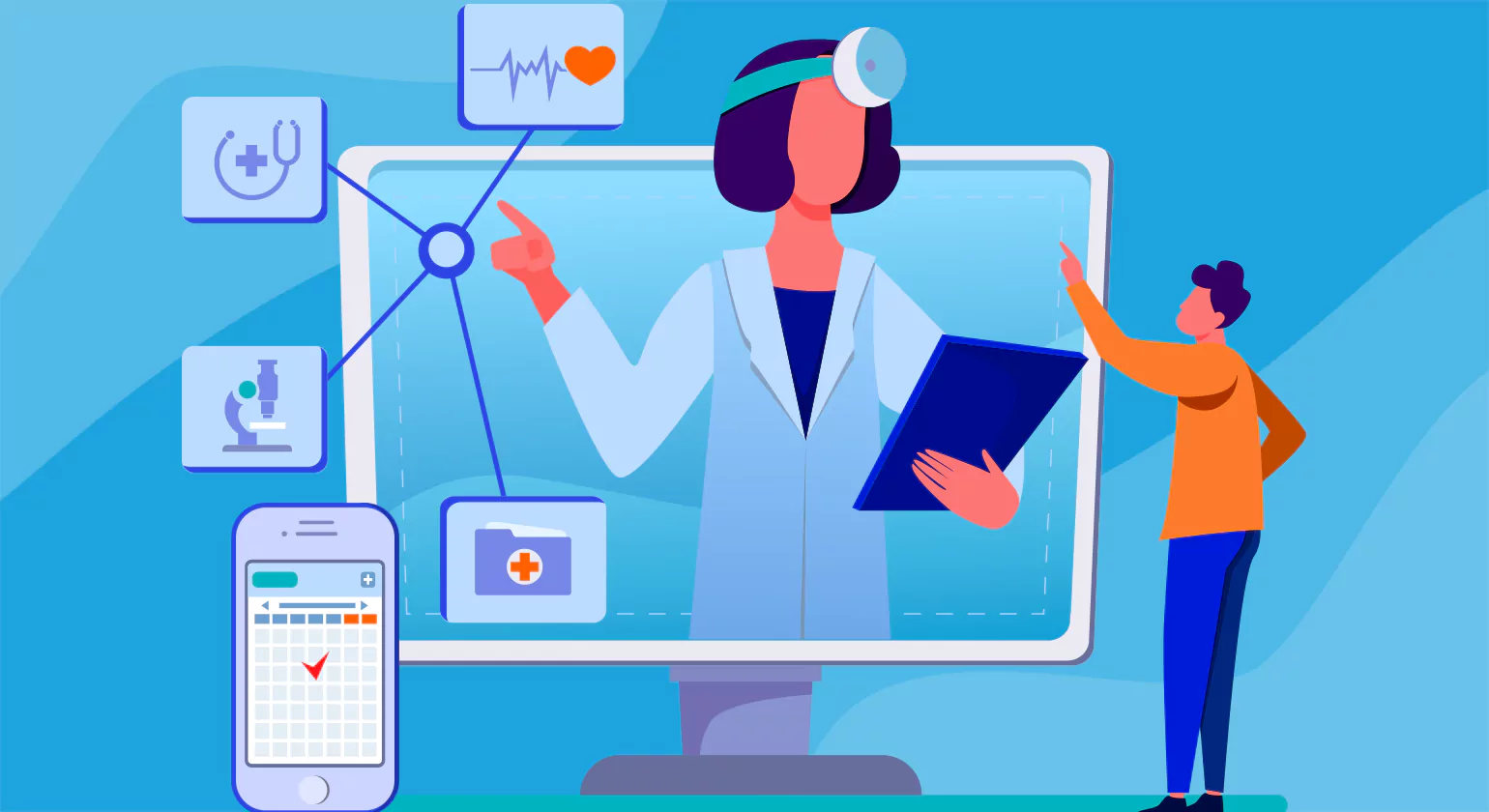
Selecting the right Healthcare call center services partner directly impacts patient experience, operational efficiency, and revenue performance. In 2026, providers should look beyond basic call handling and focus on scalability, compliance, and patient-centric support.
1. Healthcare Expertise & Compliance
Choose a partner with proven healthcare experience, trained agents, and strict data privacy practices. They should understand medical workflows, patient sensitivity, and regulatory requirements—not just customer service basics.
2. Omnichannel & Technology Stack
Your partner should support phone, chat, email, and SMS, plus offer AI routing, CRM integration, analytics dashboards, and automation for reminders and follow-ups.
3. Performance Transparency
Ask for real-time reporting on KPIs like AHT, FCR, CSAT, and no-show reduction. Clear visibility ensures accountability and continuous improvement.
4. Scalability & Staffing Flexibility
Look for flexible staffing models (including remote agents) that can handle seasonal spikes without compromising service quality.
5. Multilingual & Patient-Centered Support
If you serve diverse populations, multilingual capabilities are essential. Empathy-driven training is equally important for building patient trust.
6. Cost Efficiency Without Quality Loss
Compare pricing models, but prioritize value—strong automation, self-service, and optimized workflows lower cost per call while maintaining high care standards.
Real-World Use Cases (How Providers Actually Use These Services)
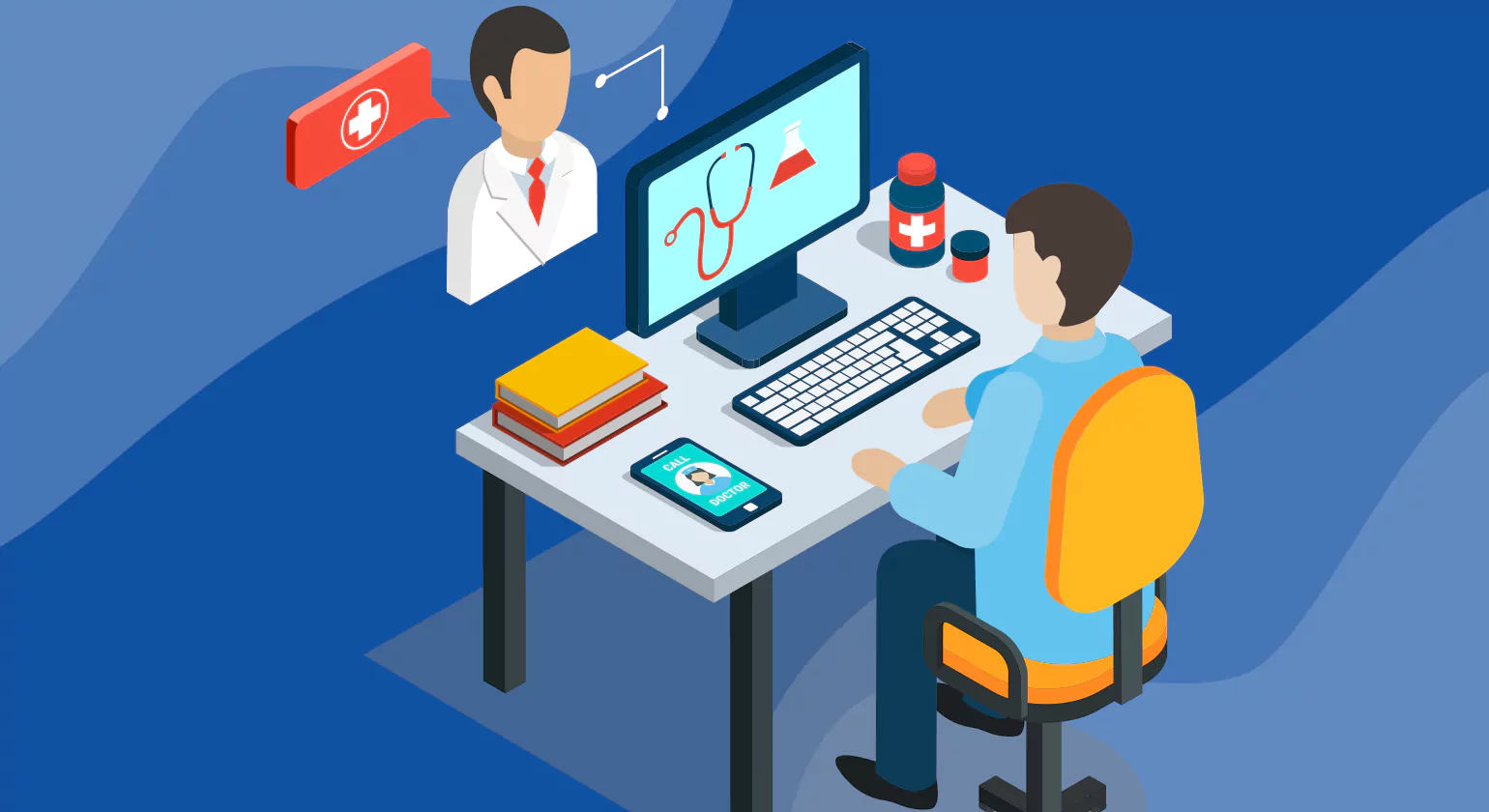
1. Hospitals & Health Systems
Hospitals use healthcare call centers to manage high patient volumes across departments—appointments, billing queries, discharge follow-ups, and care coordination. Centralized call handling reduces front-desk congestion while improving response times. In 2026, many systems also rely on outbound calls for post-visit check-ins and automated reminders to cut no-shows. The result is smoother patient flow, better bed utilization, and reduced administrative pressure on clinical teams.
2. Clinics & Private Practices
Smaller practices use call centers to act as virtual front desks—handling appointment booking, rescheduling, prescription refills, and insurance verification. This allows in-house staff to focus on patient care instead of phones. Many clinics also use automated reminders and after-hours answering services to capture leads and reduce missed appointments, helping them grow revenue without expanding internal teams.
3. Telemedicine Platforms
Telemedicine providers rely on call centers for onboarding patients, troubleshooting video visits, triaging requests, and guiding users through digital platforms. Support teams handle both inbound care queries and outbound follow-ups after virtual consultations. In 2026, omnichannel support (voice + chat) is critical for maintaining seamless digital experiences and ensuring patients don’t drop off due to technical or scheduling issues.
4. Insurance Providers
Insurance organizations use Healthcare call center services to manage eligibility checks, claims inquiries, pre-authorizations, and member support. These services reduce processing delays and improve transparency for patients. Call centers also assist providers with coverage verification, speeding up billing cycles and minimizing payment errors—directly impacting revenue efficiency and patient satisfaction.
5. Home Healthcare Agencies
Home healthcare agencies depend on call centers to coordinate caregiver schedules, manage patient updates, and handle urgent requests. Outbound check-in calls monitor recovery progress, while inbound support ensures families can reach help quickly. This centralized communication model improves care continuity, reduces missed visits, and keeps both patients and caregivers aligned.
Common Challenges in Healthcare Call Centers (and Solutions)

1. High Call Volumes
Sudden call spikes overwhelm agents, increase wait times, and hurt patient satisfaction—especially during peak seasons.
Solution: Use AI-based call routing, IVR self-service for FAQs, and callback options to reduce queue pressure. Predictive analytics helps forecast demand, while chat and WhatsApp deflect routine requests. Together, these tools distribute workloads smarter, shorten response times, and ensure patients receive timely support without overloading staff.
2. Missed Appointments
No-shows disrupt care delivery and directly impact revenue. Patients often forget bookings or struggle to reschedule.
Solution: Automate SMS/email reminders with confirmation links. Enable one-click rescheduling and use outbound calls for high-risk patients. Smart scheduling systems can instantly refill canceled slots. These steps improve attendance, optimize provider calendars, and maintain continuity of care.
3. Staffing Shortages
Limited agent availability leads to burnout, slow responses, and inconsistent service quality.
Solution: Adopt workforce management software, flexible remote staffing, and AI copilots to handle repetitive tasks. Invest in healthcare-specific training and performance coaching to boost retention. This hybrid model allows smaller teams to handle higher volumes while maintaining service standards.
4. Language Barriers
Communication gaps cause misunderstandings, repeat calls, and patient dissatisfaction—especially in diverse populations.
Solution: Hire multilingual agents and integrate real-time translation tools. Store language preferences in CRM systems and use localized scripts. Clear communication improves compliance, builds trust, and ensures patients understand appointments, prescriptions, and care instructions.
5. Patient Frustration
Long wait times and repeated explanations leave patients feeling unheard, damaging loyalty and reviews.
Solution: Focus on first-call resolution using unified patient records and AI-powered agent dashboards. Train staff in empathy-based communication and proactive follow-ups. Faster answers and personalized care reduce repeat calls and significantly improve patient experience.
Healthcare Call Center KPIs & Performance Metrics
Average Handle Time (AHT)
Average Handle Time is a measure of the time an agent takes to complete a patient call. Although a shorter AHT is always desirable, it is not always the best approach, as it may compromise the quality of care. In the year 2026, the best call centers have optimized their AHT by applying AI technology in the form of agent assistance tools and patient information systems. The aim is to handle calls faster without hurrying patients.
2. First Call Resolution (FCR)
FCR measures the number of patient problems resolved in one call. It is among the best measures of patient satisfaction and practice efficiency. The more the FCR, the less the number of callbacks, the lower the workload, and the better the continuity of patient care. Call centers in the healthcare industry optimize FCR by using centralized patient information, real-time knowledge bases, and focused training of customer service agents to have all the information needed to resolve problems on the first contact.
3. Patient Satisfaction Score (CSAT)
CSAT is a measure of how patients feel about their support experience, which is typically measured through post-call surveys. In the healthcare industry, this KPI has a direct effect on trust and retention. Waiting too long for an answer, having unclear answers, or failing to show empathy can quickly drive this KPI down. The best call centers increase CSAT scores by focusing on quick times to respond, personalized communication, and empathy-driven agent training to turn ordinary calls into positive care experiences.
4. No-Show Rate Reduction
This KPI tracks the effectiveness of call centers in preventing no-shows. No-shows cause disruptions in schedules and lower revenues. By the year 2026, healthcare professionals use automated reminders, reschedule links, and proactive calls for high-risk patients. Reducing no-shows enhances provider utilization, improves care continuity, and provides timely treatment to patients, making this a key performance area.
5. Cost per Call
Cost per call represents the cost of interaction, which includes personnel, technology, and operational costs. Reducing this without compromising service quality is the most important aspect. This is made possible by the latest call centers, which use AI routing, self-service, remote staffing, and omnichannel solutions. When done correctly, the service provider can cut costs without compromising patient satisfaction.
Future Trends in Healthcare Call Center Services (2026 & Beyond)

1. AI-Powered Patient Support
AI is reshaping how patients interact with Healthcare call center servicess. By 2026, AI-enabled systems will handle routine queries across voice, chat, and SMS, reducing wait times and improving access to information without human intervention. These solutions help streamline appointment bookings, billing support, and prescription requests by delivering answers faster and more consistently than traditional systems. Healthcare leaders see AI as essential for personalized, proactive communication that increases satisfaction and accessibility.
2. Voice Bots & Automation
AI voice bots are becoming mainstream in healthcare support. The AI voice agents market, valued at about USD 468 million in 2024, is projected to reach over USD 3.1 billion by 2030—a nearly 38 % CAGR through the decade. These bots automate common interactions, provide 24/7 support, and reduce staffing costs while boosting availability. In healthcare call centers, they handle everything from symptom triage to appointment confirmations, improving responsiveness and operational efficiency
3. Predictive Scheduling
Predictive analytics is transforming workforce planning and patient engagement in call centers. AI systems analyze historical call patterns, patient behavior, and appointment trends to forecast high-volume periods and optimize agent schedules. This proactive approach reduces wait times, balances workloads, and ensures sufficient staffing during peak demand. Embedded predictive tools also personalize outreach—for example, identifying patients likely to miss appointments and prompting reminders that improve attendance.
4. Remote Agent Models
Remote and hybrid staffing models powered by cloud-based call platforms are now standard. These models attract diverse talent, reduce facility costs, and provide flexibility to scale during surges without sacrificing service quality. The broader call center software market, forecast to grow at a ~22 % CAGR from 2026–2033, supports this shift by enabling secure, distributed teams with real-time dashboards and collaboration tools. As a result, providers can maintain continuity and responsiveness regardless of geography.
Conclusion
Healthcare call center services are essential in enhancing patient satisfaction while assisting healthcare providers in optimizing their operations. Starting from appointment scheduling and insurance validation to telehealth and after-hours support, these services are vital in ensuring that patients receive accurate and compassionate communication. By utilizing trained agents, sophisticated call routing, and HIPAA-compliant technology, healthcare providers can decrease wait times, lower operational expenses, and optimize first-call resolution rates. Whether the call center is in-house or outsourced, a properly organized healthcare call center can optimize efficiency, increase patient satisfaction, and promote better care coordination. In the current digital healthcare landscape, spending on professional call center services is no longer a choice—it’s a move towards accessible patient-centered care.
Read More >>>> Top Benefits & Challenges of Custom Healthcare Solutions
10 Best Healthcare Transparency Tools for Patients & Providers
FAQs
1. What is a healthcare call center?
Healthcare call center services provide professional patient support through phone, chat, email, or SMS. These services handle appointment scheduling, medical inquiries, insurance verification, prescription refills, and after-hours support—helping healthcare providers improve patient experience while reducing operational workload.
2. What are healthcare call center outsourcing services?
Healthcare call center outsourcing services involve partnering with third-party providers to manage patient communications remotely. Outsourcing helps clinics and hospitals lower costs, offer 24/7 support, scale faster, and access trained healthcare agents while staying compliant with data privacy regulations like HIPAA.
3. How do healthcare call center companies support medical providers?
Healthcare call center companies assist medical providers by managing inbound and outbound calls, appointment reminders, billing inquiries, telehealth coordination, and patient follow-ups. They also provide analytics, CRM integration, and multilingual support to enhance care delivery and operational efficiency.
4. What are remote call center services for healthcare?
Remote call center services for healthcare allow trained agents to work virtually from secure locations. These services support patients with scheduling, triage, and administrative tasks while enabling healthcare organizations to reduce infrastructure costs and maintain continuity of care across time zones.
5. What are BPO services in healthcare?
BPO (Business Process Outsourcing) services in healthcare refer to outsourcing non-clinical operations such as call center support, medical billing, claims processing, data entry, and patient engagement. Healthcare BPO helps providers focus on patient care while improving efficiency and reducing administrative burden.
6. Are healthcare call center services HIPAA compliant?
Yes, reputable healthcare call center providers follow strict HIPAA compliance standards, including secure data handling, encrypted communication, access controls, and trained agents to protect patient information.
7. How much do healthcare call center outsourcing services cost?
Costs typically depend on service scope, call volume, and staffing model. Pricing may range from per-minute billing to dedicated-agent plans. Outsourcing usually costs less than building an in-house team while offering better scalability.
8. Can small clinics use healthcare call center services?
Absolutely. Small clinics often benefit the most by outsourcing call center operations, gaining access to professional patient support without hiring full-time staff or investing in expensive infrastructure.