Table of Contents
Introduction
Website hosting and maintenance services are crucial for establishing and sustaining a successful online presence. Hosting is the service that stores your website’s files on a server, making it accessible to users worldwide. In contrast, maintenance encompasses the ongoing tasks needed to keep your site running smoothly, including updates, security monitoring, backups, and performance optimization. Together, these services ensure that your website is not only visible to visitors but also secure, functional, and up-to-date. Investing in quality hosting and maintenance services is essential for businesses looking to enhance user experience and maintain a competitive edge online.
What Are Website Hosting and Maintenance Services?

Website hosting refers to the service of providing space on a server where your website’s files and data are stored. It enables your website design hosting and maintenance to be accessible online, allowing users to visit it via the internet. For businesses that need maximum control and performance, solutions built on secure bare metal servers offer predictable resources and strong isolation. Hosting providers offer different types of hosting plans, such as shared, VPS, dedicated, and cloud hosting, each tailored to meet varying business needs based on traffic and resources.
Website maintenance services involve regularly updating and managing a website to ensure it functions smoothly. This includes tasks like software updates, security checks, fixing broken links, and content updates. Regular maintenance ensures that the website is secure, loads quickly, and offers a seamless user experience.
Together, website hosting and maintenance services are crucial for keeping your site online, secure, and performing optimally. While hosting gives your site a place on the web, maintenance ensures its long-term functionality, stability, and relevance. For WordPress sites, this combined approach is often delivered through managed WordPress hosting platforms such as WP Engine, where hosting infrastructure and ongoing site care are handled together.
10 Reasons You Need Website Hosting and Maintenance
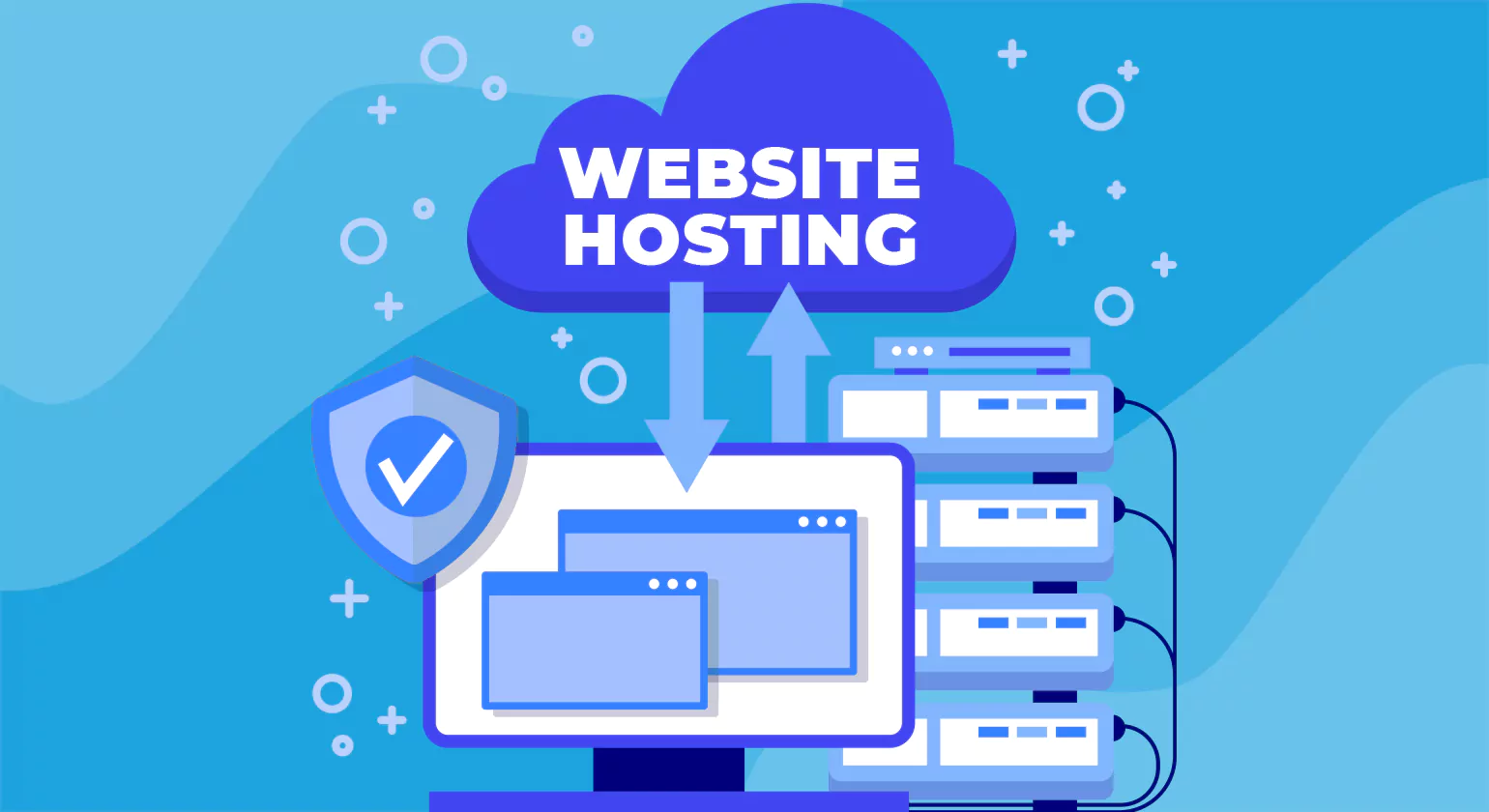
In today’s digital world, having a strong online presence is crucial for business success. However, simply having a website is not enough. To ensure your website remains secure, accessible, and high-performing, you need reliable hosting and ongoing maintenance. Here are 10 reasons why website maintenance and hosting are essential for any business.
1. Ensures Website Accessibility
website Hosting and Maintenance is what keeps your site online and accessible to visitors 24/7. Without proper hosting, your website wouldn’t have a space on the internet, leading to downtime and lost business opportunities. Reliable hosting ensures that your website is always available for users.
2. Improves Website Speed
Speed is a critical factor in user experience. Fast-loading websites tend to retain visitors longer and have higher conversion rates. Quality hosting services offer better resources and faster servers, improving your website’s load times. Regular maintenance further optimizes performance by cleaning up unnecessary data and optimizing code.
3. Enhances Security
Cybersecurity threats are constantly evolving, and websites are vulnerable to hacking, malware, and other security risks. Website hosting and maintenance services typically include security features such as firewalls, malware scanning, and backups. In addition, regular website maintenance ensures that your software, plugins, and security patches are updated, reducing the risk of vulnerabilities.
4. Provides Regular Backups
Data loss can be devastating for any business. Hosting services often come with automated backups, ensuring that your website’s data is secure and can be restored in case of technical issues or cyberattacks. Maintenance services further ensure these backups are regularly updated and tested for functionality.
5. Increases Website Reliability
A well-maintained website is less likely to experience crashes or performance issues. Hosting services that offer high uptime percentages (99.9% or higher) provide reliable access to your website. Regular maintenance ensures that your site remains stable by fixing bugs, optimizing databases, and addressing other technical issues.
6. Keeps Software and Plugins Updated
Outdated software or plugins can lead to security vulnerabilities and performance issues. Website maintenance services keep your content management system (CMS), plugins, and other software up to date, ensuring your site runs efficiently and securely.
7. Optimizes for Search Engines
Search engines like Google prioritize websites that load quickly, are secure, and provide a good user experience. Hosting services that offer speed and performance enhancements can help improve your SEO rankings. Maintenance services, such as optimizing content, fixing broken links, and improving website structure, further boost your search engine visibility.
8. Reduces Downtime
Unscheduled downtime can negatively impact your website’s reputation and cause you to lose customers. Reliable website Hosting and Maintenance reduces downtime with stable servers and support. Regular maintenance can help prevent issues before they occur by monitoring site performance and resolving errors quickly.
9. Ensures a Better User Experience
A website that loads slowly, has broken links, or outdated content will drive users away. Hosting services that offer fast speeds and reliable performance enhance user experience. Maintenance services help by updating content, fixing issues, and ensuring everything runs smoothly, keeping visitors engaged.
10. Supports Business Growth
As your business grows, your website will need to handle increased traffic and additional features. Scalable hosting services allow you to upgrade resources as your needs evolve. Ongoing maintenance ensures that your website can support business growth by regularly optimizing and updating functionality.
10 Benefits of Selling Web Hosting and Maintenance Services

Selling web hosting and maintenance services can be a highly profitable and sustainable business model. These services are essential for any company with an online presence, which means there’s a constant demand for them. Below are the top 10 benefits of offering web hosting and maintenance services, both for your business and your clients.
1. Steady Recurring Revenue
One of the most significant benefits of selling website hosting and maintenance services is the potential for recurring revenue. Hosting is a subscription-based service where clients pay monthly or annually. Offering maintenance packages along with hosting ensures that your customers continue to engage with your services over time, creating a reliable income stream.
2. High Demand
With businesses of all sizes needing an online presence, the demand for web hosting and maintenance services is consistently growing. Websites need reliable hosting to stay online, and they also require regular updates and optimization. This demand provides a broad customer base for your services.
3. Low Overhead Costs
Once you set up your hosting infrastructure, the ongoing costs are relatively low. You can manage multiple clients using shared or cloud hosting plans without significant additional expenses. Likewise, maintenance services mainly require skilled labor, making this an efficient way to generate income with minimal overhead.
4. Cross-Selling Opportunities
Selling website hosting and maintenance opens the door for cross-selling additional products. You can offer related services like domain registration, website design, SEO, and email hosting. These complementary services can significantly increase your overall revenue per client.
5. Client Retention
When clients rely on you for both hosting and website maintenance, they are less likely to switch to another provider. Regular maintenance ensures their website functions smoothly, while reliable hosting keeps their site accessible. This combination fosters long-term relationships and high customer retention rates.
6. Scalability
Web hosting and maintenance services are highly scalable. As your business grows, you can easily add more clients and expand your hosting resources. Similarly, offering maintenance services can grow as you add more staff or outsource tasks to handle increased workloads.
7. Enhanced Client Trust
By offering both website hosting and maintenance, you position yourself as a full-service solution provider. This creates a level of trust with clients, as they prefer working with a single, reliable vendor for all their web-related needs. The convenience of having all services under one roof strengthens client relationships.
8. Predictable Cash Flow
Since hosting and maintenance services are typically billed regularly, you can enjoy predictable cash flow. This makes it easier to plan and budget for your business operations, as you’ll have a clear view of your expected revenue each month.
9. Upselling Opportunities
As your clients’ businesses grow, so will their need for more robust hosting services. You can offer upsells like dedicated servers, managed hosting, or enhanced maintenance packages. This not only increases revenue but also allows you to provide more value to your clients.
10. Increased Business Stability
Offering web hosting and maintenance services adds stability to your business model. Hosting clients rarely leave once their websites are set up, and maintenance services create consistent, ongoing work. This provides a steady foundation for your business, reducing the impact of market fluctuations or seasonal changes in demand.
Combining Web Hosting and Maintenance Services
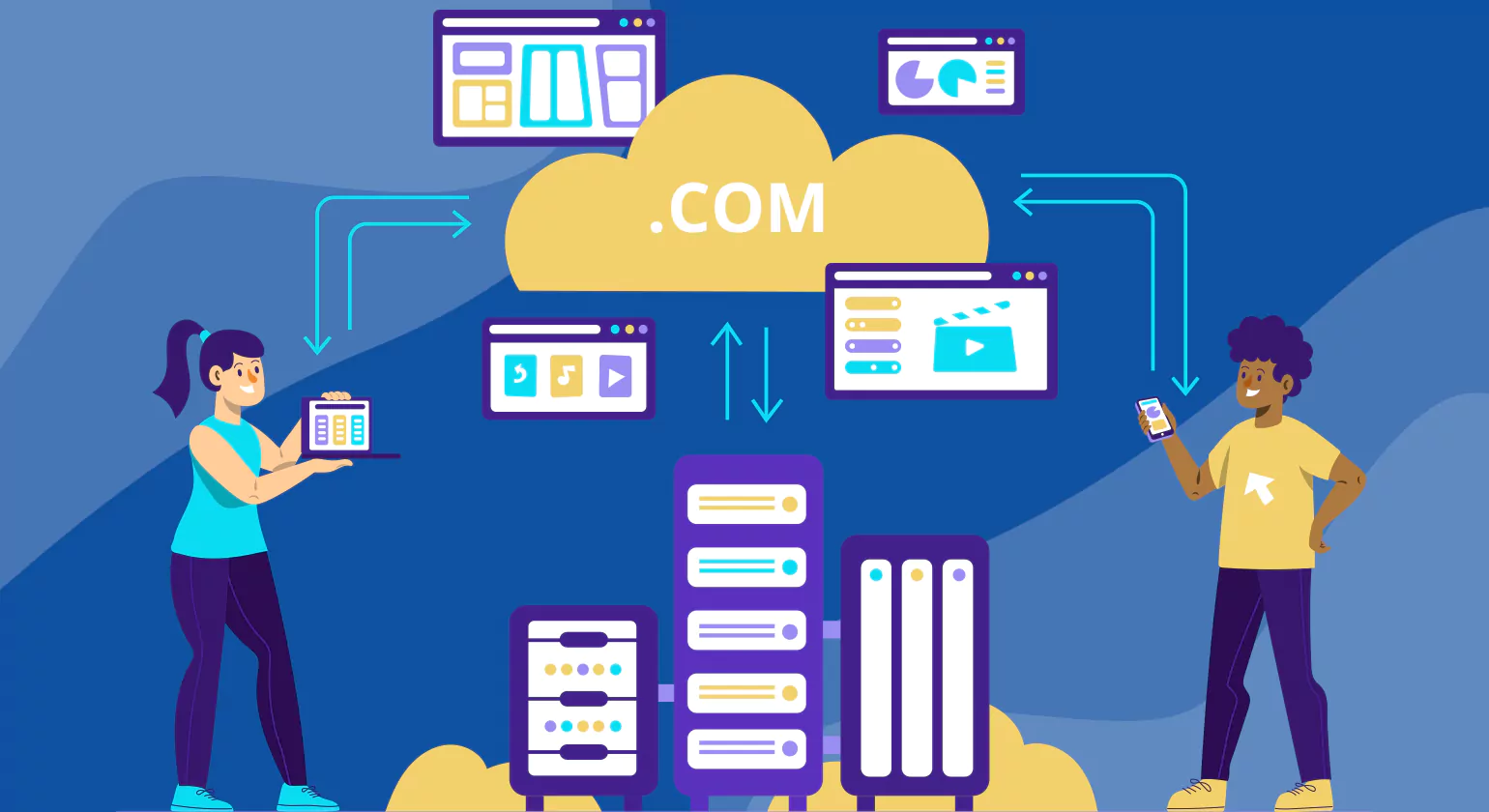
Offering both web hosting and maintenance services as a combined package can be a highly effective strategy for businesses looking to provide a seamless, all-in-one solution to their clients. This combination ensures that clients not only have a reliable platform to host their website but also receive ongoing support to keep their site running smoothly.
1. Streamlined Operations
By bundling web hosting with maintenance services, clients benefit from a single point of contact for all their website needs. This simplifies communication and problem-solving, as both hosting and maintenance are managed under one roof. Clients no longer need to deal with multiple providers, which can lead to faster issue resolution and a more cohesive service experience.
2. Enhanced Security and Performance
When website hosting and maintenance Services are integrated, your business can more effectively manage security, updates, and backups. Maintenance services include tasks like updating software, installing security patches, and optimizing the site for performance. Hosting providers also often offer built-in security features, such as firewalls and malware scanning. Together, these ensure that the website stays secure and performs at its best.
3. Increased Client Retention
Clients are more likely to stay loyal to a provider that offers both hosting and maintenance, as they appreciate the convenience of an all-in-one solution. With regular updates, security checks, and technical support included in the package, clients can trust that their website is in good hands. This combination fosters long-term relationships and higher client satisfaction.
Comprehensive Website Maintenance Packages for Reliable Performance
In today’s digital-first world, a business website is more than just an online presence—it’s the foundation of customer trust, brand credibility, and long-term growth. While building a website is the first step, ensuring its security, speed, and reliability over time requires professional care. This is where website hosting and maintenance becomes essential.
For businesses in the U.S., relying on a one-time setup is no longer enough. Regular updates, technical monitoring, and performance optimization are critical to deliver a smooth user experience and protect against potential risks. A structured maintenance package goes beyond simple fixes—it provides continuous support, content integrity, and proactive improvements.
By investing in website hosting, companies not only safeguard their digital assets but also guarantee that their websites remain fast, secure, and aligned with evolving customer expectations. It’s the key to building confidence, driving consistent traffic, and staying ahead in today’s competitive market.
Website maintenance packages typically include a suite of essential services:
- Security updates and threat monitoring to protect data and user privacy
- Performance optimization, ensuring fast load times and proper functionality on all devices
- Automated backups and structured disaster recovery protocols to minimize risk from unexpected issues
- Content updates, including text, images, and media uploads, to keep sites relevant and engaging for users
- Technical troubleshooting, uptime monitoring, and expert support for resolving issues promptly
Businesses frequently select packages tailored to their specific industry, traffic, and goals. Options can range from basic maintenance for startups or small businesses to full-scale, integrated plans covering advanced needs for medium and large companies. Advanced packages might add dedicated project managers, proactive SEO audits, Google Analytics tracking, and personalized consultation for digital growth.
For most U.S. businesses, the strongest advantage lies in all-in-one solutions that integrate website hosting and maintenance. By bundling hosting and care, these packages streamline site management, ensure compliance with security and accessibility standards, and eliminate finger-pointing between providers if anything goes wrong. These combined plans make it possible to keep websites updated, running fast, and always available—delivering a seamless experience for both customers and business owners.
Choosing a reputable maintenance provider means investing in the continual health and visibility of the business online. Besides preventing downtime and breaches, ongoing maintenance improves search engine performance and supports lasting customer trust. Selecting the right website hosting and maintenance plan in the U.S. is ultimately a strategic decision—one that drives growth, protects data, and ensures brands stand out in a crowded digital world.
What Are the Most Common Website Services?
website Hosting and Maintenance a wide range of solutions that help businesses create, manage, and maintain their online presence. One of the most common services is web design and development, where professionals build custom websites tailored to a business’s specific needs. This includes creating user-friendly layouts, optimizing for mobile devices, and ensuring fast loading times. Another key service is web hosting maintenance services, which provides the infrastructure to store website design hosting and maintenance files and ensure that the site is accessible to users on the Internet. Businesses can choose from various hosting options, such as shared, VPS, or dedicated hosting, depending on their size and needs.
In addition to hosting and development, website maintenance is an essential service that ensures a website remains secure, updated, and fully functional. Maintenance services typically include regular updates to software and plugins, security monitoring, backups, and performance optimization. SEO (Search Engine Optimization) services are also commonly offered to help websites rank higher in search engine results, driving more traffic. Other popular services include e-commerce solutions, content management, and analytics reporting, all of which help businesses maximize their website’s potential and user engagement.
How to Choose the Right Website Maintenance Service for You

Selecting the right hosting and maintenance solution is crucial to keeping your website secure, functional, and up-to-date. Here are key factors to consider when choosing the right service:
1. Identify Your Website’s Needs
Before selecting a service, assess your website’s specific needs. For example, an e-commerce site may require frequent updates, security monitoring, and performance optimization, while a smaller site might need basic updates and backups. Understanding your requirements will help you choose a plan that meets your website’s demands.
2. Look for Comprehensive Services
A good website Hosting and maintenance services should include regular updates, security checks, backups, and performance monitoring. Ensure that the service covers all essential areas, such as software/plugin updates, broken link fixes, uptime monitoring, and security patches. A comprehensive package helps keep your website running smoothly and securely.
3. Consider Response Time and Support
Fast response time is critical when your website encounters issues. Look for a maintenance service that offers 24/7 support or guarantees quick response times for troubleshooting. Knowing that help is readily available ensures minimal downtime and a better user experience.
4. Check for Customization Options
Every business has unique needs, so look for a website Hosting and Maintenance that offers customizable plans. This allows you to add specific features like SEO audits, analytics reporting, or e-commerce support, ensuring that your site is optimized according to your business goals.
5. Evaluate Pricing and Value
While cost is a factor, focus on value over price. Compare different service packages to determine which one offers the best combination of features, reliability, and support within your budget.
What are the Options for Website Maintenance?

Website upkeep is essential for ensuring your site remains functional, secure, and up-to-date. Various options are available depending on your needs, budget, and expertise. Here are some common website maintenance options to consider:
1. DIY Maintenance
If you have the technical skills and time, you can handle website hosting and maintenance yourself. This involves performing regular updates, monitoring security, backing up data, and optimizing performance. DIY maintenance can save costs but requires a commitment to learning and staying updated with best practices.
2. Freelancer Services
Hiring a freelance web developer or maintenance expert is a flexible option. Freelancers can help with specific tasks, such as updates, troubleshooting, or security audits, based on your needs. This option provides more expertise than DIY while allowing you to control costs. Be sure to vet freelancers for their experience and reliability.
3. Web Hosting Provider Maintenance
Many web hosting companies offer maintenance services as part of their packages. This can include basic tasks like backups, security monitoring, and performance optimization. This option is convenient if you want to bundle hosting with maintenance services, but the level of support may vary depending on the provider.
4. Managed Website Maintenance Services
Managed website hosting and maintenance provides comprehensive support for your website, including regular updates, security management, backups, and performance optimization. These services are typically offered by specialized agencies and are ideal for businesses that prefer to outsource maintenance completely, allowing them to focus on their core activities.
5. Custom Maintenance Packages
Some companies offer customized maintenance packages tailored to your specific needs. This option allows you to select services such as SEO audits, analytics reporting, or e-commerce support, ensuring your website receives the exact support it requires.
How Website Maintenance Differs from Hosting

Website Hosting and Maintenance Services are two crucial components of managing an online presence, but they serve different purposes and involve distinct responsibilities. Understanding the differences between these two services is essential for ensuring your website functions effectively and securely.
1. Definition and Purpose
Web hosting and maintenance services refer to the infrastructure that makes your website accessible on the Internet, often managed through a Web hosting control panel to handle server settings, domains, and site performance. It involves storing your website’s files and data on a server, which allows users to visit your site through their web browsers. Hosting ensures your website is online and available 24/7.
Website Maintenance, on the other hand, encompasses the ongoing tasks required to keep your website functioning properly and up-to-date. This includes regular updates to the content management system (CMS), plugins, and themes, as well as monitoring security, performing backups, and optimizing performance. Maintenance is essential for preventing issues and ensuring a smooth user experience.
2. Scope of Services
website Hosting and Maintenance typically include options such as shared hosting, dedicated servers, or cloud hosting, each with different levels of resources and performance. These services focus primarily on server uptime and reliability.
In contrast, maintenance services cover a broader range of activities. These may involve fixing broken links, optimizing images, conducting security audits, and managing content updates. Maintenance ensures your website remains secure, loads quickly, and provides a good user experience.
3. Provider Responsibilities
Hosting providers focus on server performance, bandwidth, and ensuring your website is accessible. They may offer basic security features but usually do not handle content updates or site optimization.
Website maintenance providers take a proactive approach to managing the health of your website, addressing issues as they arise and implementing best practices to enhance functionality and security.
Conclusion
In conclusion, website hosting and maintenance services are essential for any successful online presence. Hosting provides the necessary infrastructure to keep your site accessible, while maintenance ensures it remains secure, up-to-date, and optimized for performance. By investing in both services, businesses can enhance user experience, improve site reliability, and protect against security threats. Together, these services create a solid foundation for growth and engagement, allowing businesses to focus on their core objectives while knowing their website is in capable hands. Prioritizing hosting and maintenance is crucial for long-term online success.
FAQs
What is website hosting and why is it important?
Website hosting stores your website’s files on powerful servers, making your site accessible online 24/7. It ensures fast loading, reliable uptime, and security. Quality hosting improves user experience, boosts SEO rankings, and protects data, making it essential for individuals and businesses aiming to establish a professional, accessible online presence.
2. How much does website maintenance cost?
Website maintenance costs vary based on scope, complexity, and provider. Basic plans range from $50-$200 monthly, covering updates, backups, and security. More comprehensive services, including design changes and SEO, cost $500 or more. Investing in maintenance protects your site from vulnerabilities, improves performance, and keeps content fresh to enhance user experience and rankings.
3. What is included in a website maintenance contract?
A Website Hosting and Maintenance contract covers updates, security monitoring, backups, performance optimization, content updates, and support. Some also include SEO audits and analytics. These services ensure websites remain secure, functional, optimized, and compliant with industry standards for long-term success.
4. Does my website need to be hosted?
Every website requires hosting to be accessible on the internet. Hosting acts as your website’s online home by storing files on servers connected 24/7. Without hosting, your site remains invisible online. Reliable hosting services ensure speed, security, and constant uptime, improving user experience and search engine rankings by providing a stable, fast, and protected platform for visitors worldwide.
5. What are the essential security features to look for in a web hosting provider?
Essential security features in a web hosting provider include SSL certificates, firewalls, DDoS protection, regular malware scans, automated backups, and secure data centers. Additionally, look for 24/7 monitoring, strong access controls, and reliable customer support for quick issue resolution.
6. How often should I perform website maintenance tasks?
Ideal website maintenance occurs weekly or monthly, depending on site activity and complexity. Frequent tasks include security updates, regular backups, content refreshes, performance monitoring, and fixing broken links. Routine maintenance prevents downtime, protects against cyber threats, boosts SEO rankings, and ensures optimal usability, which keeps visitors engaged and supports business growth effectively over time.
7. What are the benefits of a website maintenance package?
Website hosting and maintenance packages provide consistent, expert care for your site, including security updates, backups, performance optimizations, and content management. They reduce risks of downtime, cyber attacks, and data loss. Such packages improve site speed, user experience, and SEO performance while offering dedicated support, allowing businesses to focus on growth without worrying about technical glitches or outdated software.
8. How often should I perform website maintenance tasks?
Choose a hosting provider offering SSL certificates, firewall protection, malware scanning, and automatic backups. Look for DDoS protection and multi-layered security protocols. Regular software updates and robust monitoring ensure data safety. A secure hosting environment protects against cyber threats, builds customer trust, and maintains website integrity, crucial for SEO rankings and business reputation.
9. How do top dedicated server providers ensure uptime and reliability?
Top dedicated server providers guarantee uptime through redundant power supplies, network connections, and failover systems. They employ advanced monitoring and proactive maintenance to detect and resolve issues swiftly. Data centers use high-grade hardware, backup generators, and 24/7 technical support, ensuring continuous availability and consistent performance for critical websites.
10. How do top dedicated server providers ensure uptime and reliability?
Top dedicated server providers guarantee uptime through redundant power supplies, network connections, and failover systems. They employ advanced monitoring and proactive maintenance to detect and resolve issues swiftly. Data centers use high-grade hardware, backup generators, and 24/7 technical support, ensuring continuous availability and consistent performance for critical websites.