Table of Contents
Today, with the modern workspace gradually considering remote working, virtual assistants play an important role in supporting businesses of any size. In other words, virtual assistants conduct activities that range from customer service and administrative support and most of these tasks require access to confidential information. However, this flexibility comes with security risks. The topic of information security is becoming increasingly critical and urgent with each passing day due to the growing sophistication of cyber threats. A VPN is one of the key tools that helps ensure data protection when working remotely.
A PlanetVPN creates a secure and encrypted connection between a user and the Internet through a remote server. This encrypted connection hides the user’s IP address and encrypts data transmission, which is quite critical when working remotely. Let’s explore how VPNs work and why they’re so important for virtual assistants.
How a VPN works
- Data encryption: A VPN encrypts the data you send and receive to make it unreadable to unauthorized users.
- IP address masking: It hides your real IP address by tunneling the connection through a server in another location. VPN makes it harder to track your online activities.
- Secure tunnels: Your internet traffic is routed through secure tunnels, which prevents anyone from intercepting or modifying your data.
- Geo-spoofing: VPNs allow users to appear as if they are accessing the Internet from different regions, which can help get around geographically restricted content and services.
By using a VPN, virtual assistants can create a secure and private work environment, regardless of which networks they use.
Why virtual assistants should use a VPN
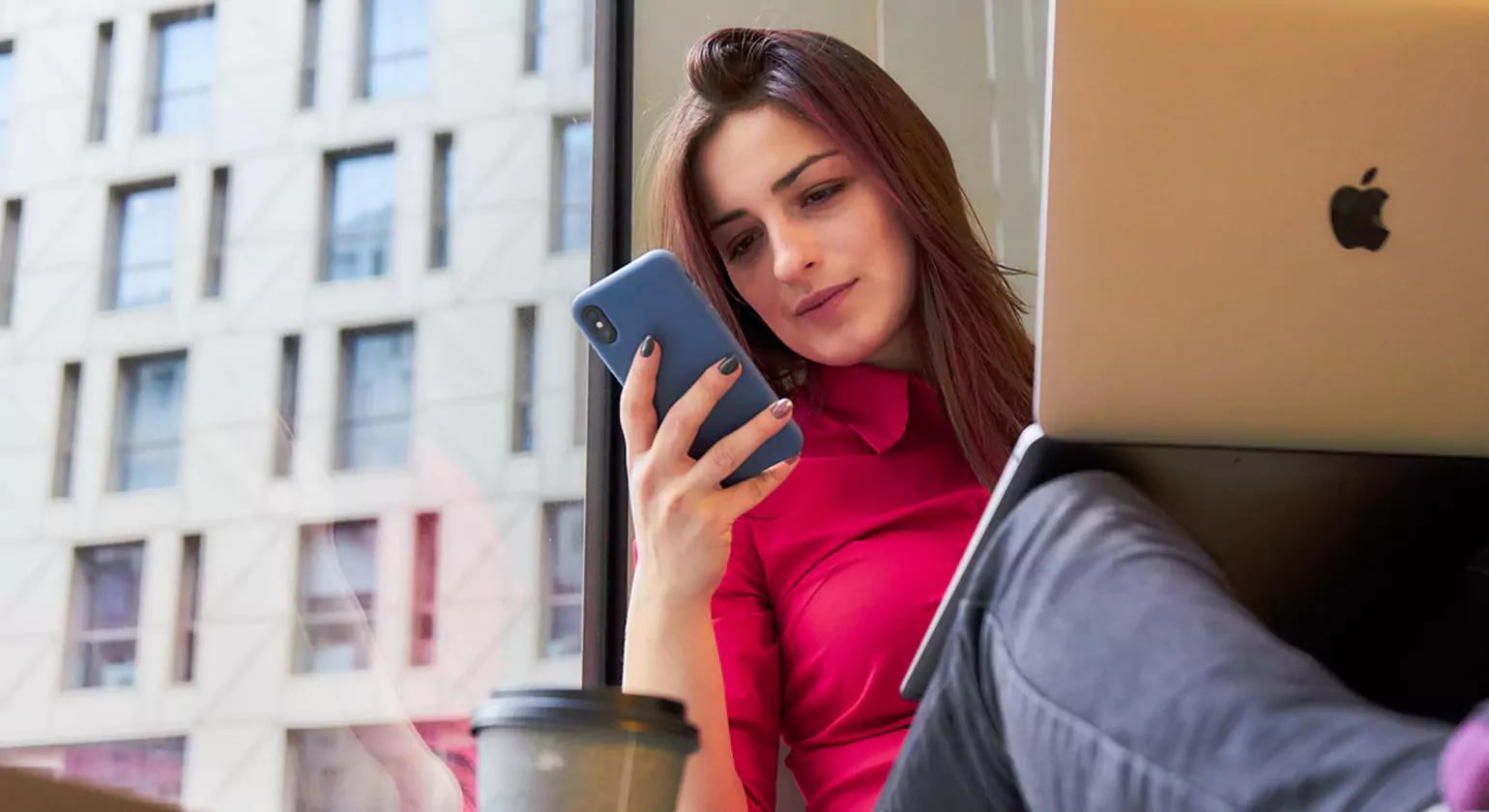
1. Security on public Wi-Fi
Virtual assistants often work in cafes, libraries, or coworking spaces. Such Wi-Fi public networks are convenient but risky to work with, as they are often unsecured and vulnerable to cyberattacks. A VPN protects these connections, ensuring that no one can eavesdrop on your assistant’s online activity.
2. Customer data security
One of the most critical responsibilities of virtual assistants is handling sensitive customer data, such as passwords, financial records, and business documents. To ensure data security, using a VPN is essential. A VPN encrypts this sensitive information, making it unreadable even if intercepted by cybercriminals. This added layer of protection helps prevent data breaches and ensures secure remote work environments for virtual assistants.
3. Bypassing regional restrictions
Many virtual assistants work with clients based in different countries. In some cases, accessing websites or tools that have regional restrictions can be problematic. A VPN allows virtual assistants to bypass these limitations by connecting to a server in the right region.
For example, if a virtual assistant based in Europe needs to access a service that is only available in the United States, they can use a VPN to virtually move to the United States. Additionally, using VPN servers in different countries can improve connection speeds and reduce latency when transferring data over long distances.
4. Maintaining confidentiality and anonymity
Virtual assistants perform a variety of tasks online, such as sending emails, conducting research, or making financial transactions. A VPN offers an additional layer of privacy by masking the assistant’s IP address, making it difficult for third parties to track their activities or location.
5. Better connection quality
A VPN can work around some latency issues, especially if you’re working in a location with an unstable internet infrastructure. For example, connecting to a nearby VPN server can make your connection more stable and faster, which can have a positive impact on productivity. And by preventing ISP monitoring, it is possible to avoid bandwidth throttling. This has a positive effect on connection speed.
How to choose the right VPN for virtual assistants
When choosing a VPN to work as a virtual assistant, pay attention to the following factors:
- Strong encryption. Look for VPNs with strong encryption (such as AES-256) to protect sensitive data.
- No-log policy. Make sure the VPN has a strict no-log policy to maintain privacy and prevent data storage.
- Multiple device support. Choose a VPN that supports multiple devices to connect simultaneously.
- High speed. Opt for a VPN with high-speed servers to avoid slowdowns during your browsing experience.
- Global server network. Choose a VPN with servers around the world to access geo-restricted tools and websites.
- User-friendly interface. Look for VPNs with easy-to-use software or apps to help you connect quickly.
- Strong security features. Prioritize features like a kill switch, DNS leak protection, and split tunneling.
- Reliable customer support. Ensure that customer support is available 24/7 if possible.
- Cross-platform compatibility. Make sure the VPN works on all the devices (Windows, Mac, Android, iOS) you use for work.
Affordability. Since many virtual assistants work as freelancers or small business owners, finding a affordable VPN with reliable security and features is crucial. A cost-effective option can provide essential protection without straining the budget. Not only does a VPN help virtual assistants perform their tasks efficiently, but it also ensures the security of client data, which is critical in the digital economy. A properly configured and selected VPN allows virtual assistants to work securely and efficiently from anywhere in the world.
Read More >>> What Are VPNs and How Do They Relate to Your Audience?