Table of Contents
Introduction
In today’s fast-paced digital marketing landscape, targeted display advertising has become a powerful tool for businesses aiming to connect with the right audience effectively. Unlike traditional display ads that cast a wide net, targeted advertising uses data-driven insights to place ads in front of individuals most likely to engage with them. By leveraging user data such as demographics, interests, online behavior, and location, advertisers can deliver highly relevant and personalized content.
This precision not only boosts brand visibility but also improves ROI (Return on Investment) by reducing wasted ad spend. With advanced technologies like programmatic advertising and real-time bidding (RTB), businesses can automate ad placements, ensuring their messages reach the right people at the right time. As more companies adopt targeted advertising, it is becoming an essential strategy for driving website traffic, generating qualified leads, and ultimately increasing conversions. This data-backed approach enables businesses to maximize their ad spend efficiency, making their marketing efforts more impactful in today’s competitive digital ecosystem.
What Is Targeted Display Advertising?

Targeted display advertising is a data-driven digital marketing strategy that allows businesses to deliver personalized ads to specific audience segments based on their demographics, interests, behaviors, and online activities. Unlike traditional display advertising, which showcases ads to a broad and often untargeted audience, targeted display ads focus on individuals most likely to engage with the content. This precision makes the strategy highly effective for enhancing brand awareness, driving website traffic, and boosting conversions.
At its core, targeted advertising uses data collection and analysis to build detailed user profiles. This data comes from website cookies, browsing history, social media activity, search patterns, and even geo-location. With this information, advertisers can create audience segments that match their ideal customer profiles. For example, a sportswear brand can target users who have previously searched for running shoes, visited fitness-related websites, or shown interest in athletic events. When these users browse the web, they will encounter targeted display ads showcasing relevant products or promotions.
10 Advantages Of Display Advertising for Your Business

Targeted display advertising has become an essential strategy for businesses looking to maximize their digital marketing ROI and connect with their ideal audience. By leveraging data-driven insights, this form of advertising offers numerous benefits, including enhanced brand visibility, improved audience targeting, and higher conversion rates. Here’s how targeted display ads can help your business grow:
1. Enhanced Brand Awareness
One of the primary advantages of Display advertising is its ability to increase brand visibility among relevant audiences. By strategically placing your ads on websites, social platforms, and mobile apps frequented by your target market, you can consistently reinforce your brand message. Unlike general display ads, targeted ads reach individuals who are already interested in similar products or services, making your brand more memorable. This increased exposure helps build trust and keeps your business top of mind when potential customers are ready to make a purchase.
2. Precise Audience Targeting
They uses advanced audience segmentation to ensure your ads reach the right people at the right time. By analyzing demographics, interests, online behavior, and location, advertisers can create highly specific audience segments. For example, an e-commerce store selling fitness gear can target individuals who frequently visit health and wellness websites or search for workout tips online. This precise targeting increases the likelihood of engagement and ensures your marketing budget is spent efficiently.
3. Improved ROI and Cost Efficiency
Unlike broad-spectrum advertising, targeted display ads focus on users with a higher potential for conversion. This data-backed approach reduces wasted ad spend and boosts your return on investment (ROI). Through real-time bidding (RTB), advertisers can bid on ad placements, ensuring their ads are displayed only to the most relevant audience. Additionally, the ability to track and optimize campaign performance enables continuous improvement, making your advertisement display efforts more cost-effective over time.
4. Increased Website Traffic and Lead Generation
Strategically placed display ads drive more qualified traffic to your website. By attracting users who are genuinely interested in your products or services, you increase the chances of lead generation and potential sales. Additionally, retargeting tactics allow you to re-engage visitors who have previously interacted with your site, keeping your brand in front of warm leads and encouraging repeat visits.
5. Better Engagement and Conversion Rates
Because targeted display advertising delivers personalized and relevant content, it leads to higher engagement and conversion rates. When users see ads tailored to their interests, they are more likely to click through, explore your offerings, and make a purchase. This makes targeted display ads a powerful tool for driving conversions, whether your goal is to increase e-commerce sales, capture leads, or promote special offers.
6. Engaging Visual Content
Eye-catching graphics, animations, and videos make display ads more engaging than plain text ads, encouraging users to click and interact. These creative elements capture attention instantly, communicate messages faster, and evoke emotions that drive stronger brand recall. Interactive features also boost user engagement, making ads more memorable and impactful.
7 Retargeting Capabilities
Display advertising enables retargeting, reminding previous visitors about your products or services and increasing the likelihood of conversions. By showing tailored ads to people who have already shown interest, it keeps your brand fresh in their minds, reduces cart abandonment, and nurtures prospects into loyal, paying customers over time.
8. Drives Website Traffic
By linking ads directly to landing pages or product pages, display advertising helps bring qualified traffic to your website, boosting sales opportunities. Since users clicking on these ads are already interested, the traffic generated is highly relevant, which increases engagement, improves lead quality, and raises the chances of successful conversions.
9. Scalable and Flexible
Whether you’re a small business or a large enterprise, display campaigns can be scaled up or down to fit your goals, budget, and audience size. You can start small with limited targeting and gradually expand as results improve. This flexibility ensures consistent growth, adaptability to market changes, and sustainable long-term advertising success.
10. Competitive Advantage
Staying visible across digital channels ensures you remain top-of-mind for customers, giving you an edge over competitors who rely only on traditional marketing. Display ads position your brand where your audience spends most of their time online, creating multiple touchpoints that build familiarity, trust, and preference—ultimately helping you outperform less digitally active competitors.
Types and Formats of Targeted Display Ads

Targeted display advertising offers businesses a variety of ad formats to effectively engage their audience across websites, social media platforms, and mobile apps. Each format serves a specific purpose, helping brands deliver their message through visually appealing, interactive, and dynamic content. By leveraging different targeted display ad types, businesses can increase brand awareness, drive website traffic, and boost conversions. Here’s a breakdown of the most common types and formats of targeted display ads:
1. Banner Ads
Banner ads are one of the most widely used formats in targeted advertising. These rectangular image-based ads appear at the top, bottom, or sides of web pages, making them highly visible. Banner ads typically feature eye-catching visuals, concise messaging, and a clear call-to-action (CTA), encouraging users to click through. When combined with behavioral targeting, banner ads can effectively capture user attention and drive relevant traffic to your website. Their versatility makes them ideal for brand awareness and retargeting campaigns.
2. Video Display Ads
Video display ads combine visual storytelling with targeted marketing to engage audiences more effectively. These ads appear before, during, or after video content on platforms like YouTube, social media networks, and streaming services. Video ads can be highly impactful due to their ability to convey complex messages quickly and emotionally. With targeted advertisement display, brands can deliver video ads to specific audience segments based on interests, demographics, and online behaviors, boosting engagement and conversions.
3. Native Ads
Native display ads seamlessly blend with the content of the platform on which they appear, making them less intrusive and more engaging. These ads mimic the style and format of the surrounding content, creating a natural browsing experience. For example, on news websites or blogs, native ads may appear as recommended articles or sponsored posts. Because they are less disruptive, native ads often achieve higher click-through rates (CTR) and better user engagement, making them a valuable component of targeted display campaigns.
4. Interactive and Rich Media Ads
Interactive and rich media ads use dynamic elements such as animations, hover effects, expandable content, or embedded forms to engage viewers. These ads encourage users to interact with the content, boosting engagement and dwell time. For example, an interactive ad for a travel agency may allow users to explore different vacation destinations directly within the ad. By using targeted advertisement display to serve rich media ads to specific audience segments, brands can create immersive experiences that drive higher conversions.
5. Audio Display Ads
Audio-targeted display advertising is becoming increasingly popular, especially on streaming platforms, podcasts, and music apps. These ads combine voiceovers, music, and sound effects to promote products or services. Paired with targeted display banners, audio ads effectively capture attention while users are actively listening, making them highly effective for brand recall. By leveraging audience data, businesses can target listeners based on location, interests, or listening habits, ensuring their audio ads reach the right ears.
How Does Display Advertising Targeting Work?

Display advertising targeting is a data-driven marketing strategy that allows businesses to deliver highly relevant ads to specific audience segments. By leveraging user data, real-time bidding (RTB), and advanced targeting techniques, this form of advertising ensures your message reaches the right people at the right time. Understanding the process behind targeted advertising is essential for optimizing your campaigns and achieving maximum ROI. Here’s how it works:
Step-by-Step Targeted Display Advertising Process
Step 1: Audience Segmentation
The process begins with audience segmentation, where advertisers define their ideal customer profiles. This involves selecting specific attributes such as age, gender, location, interests, and online behavior. By narrowing down the audience, businesses can create personalized ad campaigns that resonate with potential customers.
Step 2: Real-Time Bidding (RTB)
Once the target audience is defined, real-time bidding (RTB) comes into play. RTB is an automated auction process where advertisers bid for ad placements in real time. When a user fitting the target audience criteria visits a website, the ad exchange runs a split-second auction. The highest bidder wins the placement, and their targeted display ad is shown to the user. This ensures your ad reaches the most relevant audience at the optimal moment.
Step 3: Ad Placement Across Platforms
Targeted display advertising are then delivered across various platforms, including:
- Websites and Blogs: Displaying banner ads on relevant sites.
- Social Media Networks: Serving personalized ads on platforms like Facebook, Instagram, and LinkedIn.
- Mobile Apps and Streaming Services: Reaching users while they browse, play games, or stream content.
Step 4: Performance Monitoring and Optimization
Throughout the campaign, performance metrics such as click-through rates (CTR), impressions, conversions, and engagement levels are tracked. This data helps advertisers make real-time adjustments, fine-tuning their ad targeting strategies to maximize ROI and campaign effectiveness.
Role of Digital Marketing Partners and Agencies
Collaborating with digital marketing partners or advertising agencies is key to maximizing the effectiveness of targeted advertising. These experts have access to advanced tools, data sources, and programmatic platforms, enabling them to:
- Develop and implement data-driven strategies tailored to your business goals.
- Optimize ad placements through RTB to reach high-value audiences.
- Analyze campaign performance and make data-backed adjustments to improve results.
- Ensure compliance with privacy regulations and best practices for ethical data usage.
Partnering with experienced agencies allows businesses to leverage industry expertise, refine their ad targeting strategies, and achieve higher ROI from their display advertising efforts.
Platforms to Launch Targeted Display Advertising Campaigns

Launching a successful targeted Display advertising campaign requires selecting the right platforms to maximize reach, engagement, and conversions. With a variety of ad networks, social media channels, and programmatic platforms available, businesses can strategically distribute their ads to precisely targeted audiences. Each platform offers unique features, audience targeting capabilities, and real-time analytics to optimize campaign performance. Here are some of the most effective platforms for targeted advertising:
1. Google Display Network (GDN)
The Google Display Network (GDN) is one of the largest and most widely used platforms for targeted advertising. With access to over 35 million websites, apps, and Google-owned properties (such as YouTube and Gmail), GDN offers massive reach. Businesses can use Google Ads to create banner, video, and responsive display ads targeted based on:
- Demographics: Age, gender, income, and location.
- Interests and behaviors: Based on browsing history and search activity.
- Remarketing lists: Targeting users who have previously interacted with your website.
The platform also offers contextual targeting by placing ads on websites relevant to your industry, ensuring your targeted display ads appear in front of high-intent users.
2. Facebook and Instagram Ads
Meta’s ad network (Facebook and Instagram) is a powerful platform for targeted advertising, thanks to its detailed user data and advanced targeting options. Through Facebook Ads Manager, businesses can create highly personalized ad campaigns by targeting users based on:
- Demographic details (age, gender, location).
- Interests and behaviors, including pages liked, purchasing habits, and app usage.
- Lookalike audiences, allowing you to reach users similar to your existing customer base.
The platform supports various ad formats, including carousel ads, image ads, video ads, and stories, making it ideal for both brand awareness and conversion-focused campaigns.
3. Microsoft Advertising Network (Bing Ads)
The Microsoft Advertising Network offers access to Bing, Yahoo, and AOL search engines, along with a network of partner websites. This platform is particularly effective for B2B-targeted advertising due to its professional audience base. Businesses can run display ads that target users by:
- Search intent and behavior.
- Demographics and geographic location.
- LinkedIn profile targeting, which is unique to Microsoft Ads and highly valuable for B2B campaigns.
4. Programmatic Advertising Platforms
Programmatic advertising platforms, such as Google Display & Video 360, The Trade Desk, and AdRoll, enable businesses to run automated targeted display campaigns. These platforms use real-time bidding (RTB) to deliver ads to the most relevant users across a vast network of websites and apps.
Key advantages of programmatic display advertising include:
- Precision targeting using first-party and third-party data.
- Automated ad placements based on user behavior and preferences.
- Real-time performance tracking and optimization.
5. Amazon Advertising
For e-commerce businesses, Amazon Advertising offers a powerful targeted Display advertising platform. It allows brands to target shoppers based on their:
- Purchase history and product interests.
- Browsing behavior on Amazon.
- Custom audience segments, including lookalike and retargeting audiences.
Amazon DSP (Demand-Side Platform) also enables businesses to run programmatic display ads on Amazon-owned sites and third-party platforms, helping brands reach high-intent shoppers.
Effective Digital Display Advertising Services Tactics

To maximize the impact of digital display advertising services, businesses must implement proven tactics that effectively reach and engage their ideal audience. By leveraging data-driven strategies such as contextual targeting, behavioral targeting, retargeting, and geo-fencing, brands can enhance their ad relevance, increase conversions, and achieve a higher return on ad spend (ROAS). Here are some of the most effective targeted display advertising tactics:
1. Contextual Targeting
Contextual targeting is a tactic that displays ads based on the content of the website or page being viewed. Rather than relying on user data, contextual targeting uses keywords, topics, and categories to place ads in relevant online environments.
For example:
- A sportswear brand can display banner ads on websites featuring content about fitness, hiking, or running.
- A financial service provider may place display ads on investment blogs or financial news sites.
By aligning ads with contextually relevant content, businesses can enhance ad visibility and increase the chances of engaging users actively interested in related topics. This tactic is particularly effective for top-of-funnel awareness campaigns.
2. Behavioral Targeting
Behavioral targeting leverages user data and online behavior to deliver highly relevant display ads. This tactic tracks browsing history, search activity, and content consumption to build detailed user profiles.
Key behavioral signals include:
- Websites visited: Targeting users who frequently visit specific types of websites.
- Search intent: Displaying ads to users searching for related products or services.
- Purchase behavior: Retargeting users based on past purchases or abandoned carts.
For example, an outdoor equipment retailer could use behavioral targeting to serve targeted display ads to users who frequently browse hiking blogs or search for “best hiking boots.” This increases ad relevance and boosts the likelihood of conversions.
3. Retargeting and Remarketing
Retargeting and remarketing are powerful tactics used to re-engage past website visitors or app users who didn’t convert. By tracking user interactions, businesses can display personalized ads that remind users of their previous interest, encouraging them to return and complete the purchase.
Key benefits of retargeting include:
- Cart abandonment recovery: Serving ads to users who left items in their shopping cart.
- Lead nurturing: Targeted Display advertising to users who visited landing pages but didn’t convert.
- Upselling and cross-selling: Showing complementary products or services to existing customers.
For instance, if a user browses a travel website but doesn’t book a trip, retargeting ads with a discount offer for the same destination can entice them to complete the booking.
4. Geo-Fencing and Location-Based Targeting
Geo-fencing is a location-based targeting tactic that displays ads to users within a specific geographic area. This is particularly effective for local businesses and brick-and-mortar stores.
Geo-fencing works by:
- Creating virtual perimeters around physical locations.
- Displaying ads to mobile users who enter or exit the area.
- Serving personalized offers to nearby potential customers.
For example, a coffee shop can use geo-fencing to display mobile display ads with a discount coupon to users within a one-mile radius, encouraging them to visit the store.
5. Lookalike and Similar Audience Targeting
Lookalike audience targeting uses first-party data to find new users who share similar characteristics with your existing customers. This tactic is highly effective for expanding reach while maintaining ad relevance.
How it works:
- Identify high-value customer segments from your existing database.
- Use ad platforms (e.g., Facebook, Google) to create lookalike audiences.
- Display targeted ads to users with matching demographics, behaviors, and interests.
For example, an e-commerce business can create a lookalike audience of users who have previously made high-value purchases, helping them target new prospects with similar spending habits.
How to Measure and Optimize Display Advertising Management Performance
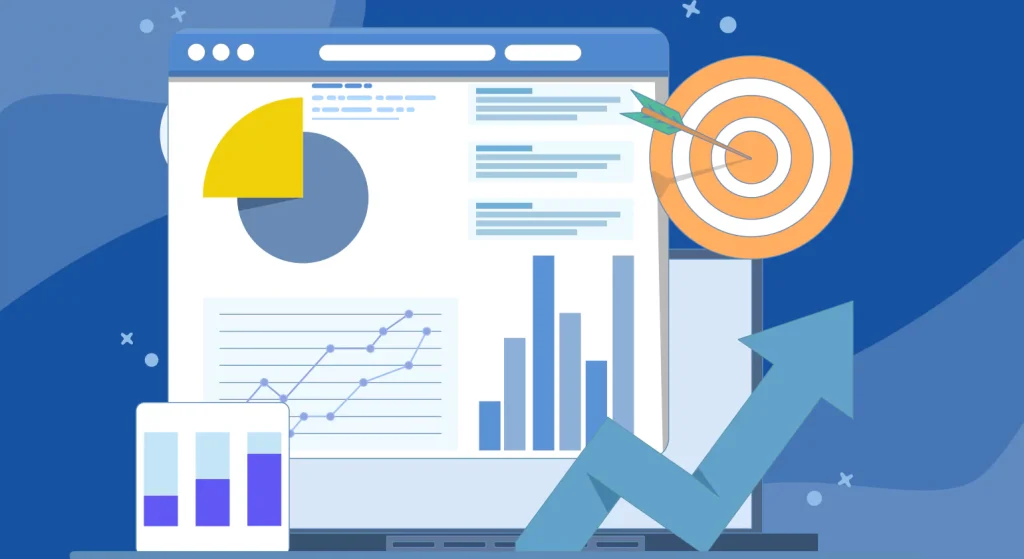
To achieve maximum ROI from your targeted display advertising management campaigns, it’s essential to continuously track, measure, and optimize their performance. By leveraging key performance indicators (KPIs), using analytics tools, and applying A/B testing, businesses can fine-tune their campaigns for better engagement, conversions, and cost efficiency. Here’s how to effectively measure and optimize targeted display ads:
1. Key Performance Indicators (KPIs) for Display Ads
Tracking the right KPIs is crucial to evaluating the effectiveness of your display advertising campaigns. The most relevant KPIs for targeted advertising include:
- Impressions: The total number of times your ad is displayed. A high impression count indicates brand visibility, but not necessarily engagement.
- Click-Through Rate (CTR): The percentage of users who click on your ad after seeing it. A higher CTR indicates that your ad content is relevant and compelling.
- Conversion Rate: The percentage of users who take the desired action (e.g., making a purchase, filling out a form) after clicking on the ad.
- Cost-Per-Click (CPC) and Cost-Per-Acquisition (CPA): Measuring CPC and CPA helps assess the cost efficiency of your campaign. Lower costs with higher conversions indicate better performance.
- Return on Ad Spend (ROAS): ROAS measures the revenue generated for every dollar spent on ads, providing insights into your campaign profitability.
- Engagement Metrics: Including metrics like time on site, bounce rate, and pages per visit, which indicate how well your ad resonates with the audience.
2. Tools for Tracking and Analytics
To accurately measure the performance of your targeted display ads, using data-driven analytics tools is essential. Some of the most effective tools include:
- Google Analytics: Provides in-depth insights into website traffic, conversions, and user behavior driven by display ads.
- Google Ads Manager: Allows you to track impressions, CTR, and conversion data for display ads on the Google Display Network (GDN).
- Facebook Ads Manager: Offers detailed performance data for display ads running on Facebook and Instagram, including audience insights and ad interactions.
- Programmatic Platforms (e.g., The Trade Desk, DV360): Enable real-time tracking and optimization of programmatic display advertising campaigns.
- Heatmaps and Session Recordings: Tools like Hotjar provide visual insights into how users interact with your landing pages, helping optimize user experience (UX).
3. A/B Testing and Creative Optimization
A/B testing is a powerful strategy for optimizing display ad performance. By testing different ad variations, you can identify which creative elements resonate most with your audience.
Key elements to test:
- Ad copy: Experiment with different headlines, CTAs, and messaging to identify which drives higher CTR and conversions.
- Visuals: Test different images, colors, and design styles to see which generates more engagement.
- Ad formats: Compare the performance of banner ads, video ads, and native ads to determine the most effective format.
- Landing pages: Optimize your landing pages by testing variations of design, content, and CTA placement.
For example, an e-commerce retailer may run A/B tests on two ad creatives—one with a discount offer and another with free shipping—to determine which offer drives higher click-through and conversion rates.
4. Adjusting and Scaling Campaigns for Better Results
To improve targeted display advertising performance over time, it’s essential to analyze campaign data and make informed adjustments.
Strategies for optimizing and scaling campaigns:
- Refine audience targeting: Use performance data to identify high-performing audience segments and exclude underperforming ones.
- Optimize bidding strategies: Adjust bidding strategies to maximize ROI—for example, increasing bids on high-converting segments.
- Frequency capping: Prevent ad fatigue by setting frequency caps to limit how often the same users see your ads.
- Expand with lookalike audiences: Use lookalike targeting to reach new users with similar characteristics to your existing customers.
- Scale successful creatives: Increase the budget for high-performing ads to scale their impact and reach a larger audience.
Display Ads Targeting vs. General Display Advertising
Key Differences and Advantages
Display Ads Targeting:
- Uses data-driven insights for strategic ad placement.
- Leverages demographic, behavioral, contextual, and location-based data.
- Displays ads to a specific audience segment most likely to engage.
General Display Advertising:
- Follows a broader, untargeted approach.
- Displays ads to a wider audience.
- Focuses on maximizing impressions and brand visibility over precise engagement.
Advantages of Targeted Display Ads
- Higher Precision: Ads reach relevant users, improving engagement rates.
- Better ROI: More accurate targeting results in higher conversions and improved ad spend efficiency.
- Personalized Messaging: Enables tailored content, boosting click-through and conversion rates.
Advantages of General Display Ads
- Broad Reach: Effective for brand awareness by reaching a larger audience.
- Cost-Effective for Mass Exposure: Suitable for maximizing impressions at a lower cost.
When to Use Targeted vs. General Display Ads
Use Targeted Display Advertising When:
- You want to target specific demographics or interest groups.
- Your goal is to drive conversions, generate leads, or retarget users.
- You seek cost-efficient, performance-based campaigns.
Use General Display Advertising When:
- You want to boost broad brand awareness.
- You have a limited targeting budget but want to maximize reach.
- Your goal is to introduce your brand to a wide audience.
Best Practices for a Successful Display Ad Targeting Campaign

1. Setting Clear Campaign Goals
Before launching a display ad targeting it’s crucial to define clear objectives. Whether you aim to boost brand awareness, generate leads, or increase conversions, establishing specific goals will help shape your ad strategy and measure success effectively.
Awareness Campaigns: Focus on impressions and reach to enhance brand visibility.
Lead Generation Campaigns: Prioritize click-through rates and form submissions.
Sales-Driven Campaigns: Track conversions and return on ad spend.
2. Aligning Ad Creatives with Audience Segments
For targeted display advertising to succeed, your ad creatives must resonate with the intended audience.
Personalized Messaging: Tailor your ad copy and visuals to reflect the interests, needs, and preferences of your audience segment.
Consistency Across Platforms: Ensure that your ad design, CTA, and branding remain consistent across multiple display networks.
Compelling Visuals: Use high-quality images, attention-grabbing headlines, and clear CTAs to drive engagement.
For example, if you’re targeting fitness enthusiasts, your ad creative could showcase a discounted gym membership, with CTA text like “Get Fit Now – 20% Off.”
3. Budgeting and Bidding Strategies
Effective budget allocation and bidding are essential for maximizing ROI.
Test Different Bidding Models: Use cost-per-click or cost-per-thousand-impressions bidding based on your campaign goals.
Optimize Ad Spend: Allocate more budget to high-performing segments while reducing spend on low-performing audiences.
Frequency Capping: Prevent ad fatigue by limiting how often the same user sees your ad.
4. Continuous Monitoring and Optimization
Regularly monitoring your campaign performance ensures that you identify strengths and weaknesses in real time.
Track KPIs: Measure CTR, conversions, and engagement to evaluate effectiveness.
A/B Testing: Test different ad creatives, headlines, and CTAs to determine which combinations yield the best results.
Adjust Targeting: Refine audience segments based on performance data, focusing on the highest-converting groups.
Retargeting Strategy: Use retargeting ads to re-engage users who previously interacted with your ads or website.
Conclusion
display advertising targeting is a powerful strategy for reaching the right audience with precision. By leveraging data-driven insights, businesses can deliver personalized ads that resonate with potential customers, boosting engagement and conversions. With the ability to track performance and refine campaigns in real time, targeted display advertising ensures that marketing efforts are both effective and efficient. As the digital landscape continues to evolve, adopting this approach will be essential for staying competitive and maximizing ROI.
Know more >> 12 Best Programmatic Advertising Platforms to Use in 2025
The Ultimate Guide to Effective Custom Content Marketing
FAQs
1. What is targeted display advertising?
It is a digital marketing strategy that uses audience data—such as demographics, interests, and online behavior—to deliver highly relevant ads. It boosts engagement by displaying ads to users most likely to convert.
2 . How do display ads work?
It works by collecting user data through cookies, browsing history, and online activity. This data is used to segment audiences, allowing advertisers to deliver personalized ads to specific groups across websites and platforms.
3. What are different types of display ads?
display ad targeting offers various targeting options, including contextual targeting (based on website content), behavioral targeting (based on user activity), geo-targeting (location-based), and retargeting (re-engaging previous visitors).
4. What are the benefits of targeted display advertising?
It boosts brand awareness, drives higher website traffic, and improves ROI by reaching specific audiences. It enhances engagement through personalized ads, leading to better conversion rates and cost efficiency.
5. What is remarketing in display advertising?
Remarketing in display advertising is a strategy where ads are shown to users who have previously visited your website. It helps re-engage potential customers, reminding them of your brand and encouraging conversions.
6. How does contextual targeting differ from behavioral targeting?
Contextual targeting displays ads based on the content of the website a user is visiting, while behavioral targeting uses past online activity, such as search history and interests, to serve relevant ads.
7. What is placement targeting?
Placement targeting is a display advertising strategy where advertisers select specific websites, apps, or platforms where they want their ads to appear. This ensures ads are shown in relevant online environments.
8. Why use display advertising?
targeted display advertising helps increase brand visibility, attract targeted traffic, and retarget potential customers across websites. It supports awareness, lead generation, and conversion by visually engaging audiences with banners, videos, or interactive ads on relevant online platforms.
9. What is example of display advertising?
An example of display advertising for business is a banner ad promoting a product on a news website. It includes visuals, brand messaging, and a clickable link that directs users to the business’s landing page or online store for conversions.