Table of Contents
Introduction
In today’s digital landscape, Social Media Ads Services has become an essential component of marketing strategies for businesses of all sizes. With billions of users worldwide, platforms like Facebook, Instagram, Twitter, and LinkedIn offer unparalleled opportunities to reach and engage potential customers. Social media ad management services encompass the creation, management, and optimization of paid advertisements across these platforms. Leveraging a social media advertising platform enables businesses to streamline campaign execution, target the right audience, and track performance effectively. This guide aims to provide users with a comprehensive understanding of Social Media Ads Services, how they work, the different types available, their benefits, popular platforms, the role of automation and AI, budgeting strategies, and tips for setting up successful campaigns.
What Are Social Media Ads Services?
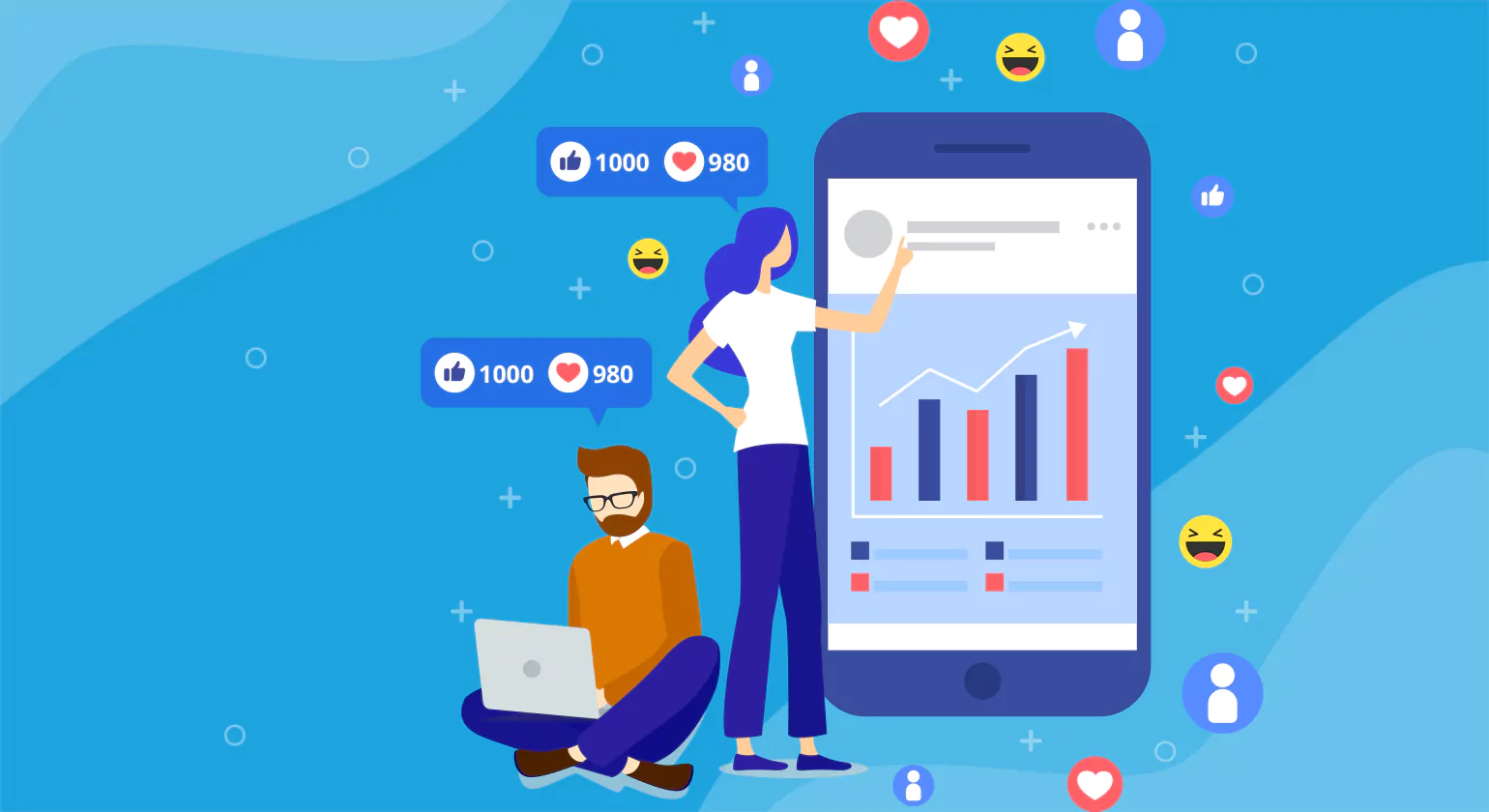
Social Media Ads Services encompass a comprehensive suite of tools and strategies designed to help businesses effectively promote their products or services across various social media platforms. These services typically begin with the creation of ad content, including engaging visuals and persuasive copy that captures the audience’s attention. Businesses can also utilize advanced targeting options to reach specific demographics, interests, and behaviors, ensuring that their advertisements are displayed to the most relevant users. By analyzing campaign performance through metrics such as click-through rates and conversion rates, businesses can continuously optimize their ads for better results. This iterative process allows companies to refine their messaging and targeting, maximizing the return on their advertising investment.
For users, engaging with social services enhances their online experience by delivering tailored advertisements that align with their interests and preferences. Instead of generic promotions, users encounter ads that speak directly to their needs, whether it’s a new product in a niche they follow or a service that solves a particular problem. This personalization fosters a more relevant and engaging online environment, as users are more likely to interact with content that resonates with them. Additionally, the advanced targeting capabilities of social media services mean that users are often introduced to brands and products they might not have discovered otherwise, enriching their overall Paid social media services experience.
Social Media Advertising: How It Works and Tips for Success
Social media advertising has become an indispensable part of modern marketing, allowing businesses to connect directly with their target audience across multiple platforms. With billions of users active daily on platforms like Facebook, Instagram, LinkedIn, and TikTok, brands can effectively promote products, build awareness, and drive sales through strategic ad campaigns. Understanding how Social Media Ads Services work helps businesses make smarter decisions and gain a higher return on investment.
The Process Behind Paid Social Campaigns
Every successful social media ad campaign begins with a well-structured plan. The first step is identifying your target audience based on factors such as age, gender, location, interests, and online behavior. Once the audience is defined, marketers create ad creatives that resonate with users’ needs and motivations.
The campaign setup process typically involves selecting your preferred social media advertising platform, defining campaign objectives (brand awareness, traffic, conversions, or lead generation), and choosing ad placements. Platforms like Facebook Ads Manager, LinkedIn Campaign Manager, or TikTok Ads provide detailed control over where and how your ads appear.
After setup, the ad enters the bidding phase, where algorithms decide which ads to show based on relevance, budget, and quality score. Performance tracking is then conducted in real-time, allowing marketers to adjust campaigns for optimal results.
Businesses that partner with professional Social Media Ads Services can streamline this process, ensuring that campaigns are not only well-structured but also continuously optimized for better performance.
Audience Targeting and Segmentation Techniques
Effective targeting is the foundation of any profitable social media campaign. Instead of casting a wide net, advertisers use segmentation to reach users most likely to convert. Demographic targeting focuses on age, gender, income, and occupation, while psychographic targeting digs deeper into values, lifestyle, and interests.
Another powerful method is behavioral targeting—using data on past purchases, website visits, and online activities to tailor ad delivery. For instance, users who visited your website but didn’t complete a purchase can be reached again through retargeting ads.
Lookalike audiences further enhance results by targeting users with similar profiles to your existing customers. Geo-targeting ensures that ads reach people in specific cities, regions, or countries—crucial for businesses offering location-based services.
By combining these segmentation strategies, marketers can create hyper-personalized campaigns that deliver measurable ROI. Using advanced social media ad management tools, businesses can also test multiple audience segments to discover the most profitable groups.
Expert Tips for Running Successful Social Media Ad Campaigns
Running successful social media ads requires more than just creating visuals and setting budgets. Here are some expert-backed strategies to ensure success:
- Define Clear Objectives – Establish measurable goals before launching a campaign. Are you aiming for brand awareness, lead generation, or sales? Clear objectives guide ad design, targeting, and optimization.
- Leverage High-Quality Visuals and Copy – Your ad creative is the first impression users see. Use compelling visuals, concise messaging, and strong calls-to-action to grab attention quickly.
- Test and Optimize Continuously – Run A/B tests with different ad formats, visuals, or CTAs to find what resonates best with your audience. Small tweaks often lead to big performance improvements.
- Monitor Metrics Closely – Keep an eye on CTR (click-through rate), CPC (cost-per-click), conversion rate, and engagement levels. These insights help refine strategies for maximum efficiency.
- Retarget Interested Users – Many users need multiple touchpoints before converting. Retarget them with relevant offers or reminders to boost conversions.
- Stay Updated with Platform Changes – Social media algorithms evolve frequently. Stay informed about new ad features and updates to maintain a competitive edge.
When executed effectively, these tactics can transform your paid social strategy into a consistent growth engine. Many businesses enhance results by partnering with social media boost services that specialize in creative optimization, data tracking, and conversion-focused ad delivery.
The Different Types of Social Media Ads
Choosing the right ad format is crucial for achieving your marketing objectives. Each platform offers diverse ad types designed to engage audiences in unique ways. Understanding these options allows businesses to tailor their strategy for better visibility and conversions.
1. Image and Video Ads
Image and video ads remain the most common forms of social advertising. They are ideal for storytelling, showcasing products, or driving brand recognition.
- Image ads work well for promoting individual products or services using captivating visuals and minimal text.
- Video ads create stronger emotional engagement, allowing brands to explain features, demonstrate use cases, or share testimonials.
Short-form videos on TikTok and Instagram Reels are particularly effective for capturing younger audiences’ attention, while longer YouTube ads excel at in-depth storytelling.
2. Carousel and Collection Ads
Carousel ads allow multiple images or videos within a single post, perfect for highlighting product collections or step-by-step processes. Each card can have its own headline, description, and link—ideal for ecommerce brands promoting different items in one campaign.
Collection ads, on the other hand, combine lifestyle visuals with a product catalog. When users tap the ad, they’re taken to an immersive shopping experience within the app. These formats encourage engagement and streamline the buyer journey, increasing conversion rates.
3. Lead Generation and Retargeting Ads
Lead generation ads are designed to capture user information directly on the platform through built-in forms. They’re highly effective for service-based industries like real estate, education, or healthcare, allowing brands to gather leads without redirecting users to external websites.
Retargeting ads target users who previously interacted with your brand but didn’t convert. By reminding them of products they viewed or offering special promotions, businesses can recover lost sales opportunities efficiently. Retargeting is one of the most cost-effective tactics in social media advertising solutions for improving ROI.
4. Sponsored Content and Influencer Collaborations
Sponsored content leverages partnerships with influencers or publishers to promote your brand authentically. Instead of traditional ads, the promotion appears as organic content within users’ feeds, building trust and engagement.
Influencer collaborations extend your reach to niche audiences who already trust the creator’s recommendations. Micro-influencers, in particular, often deliver higher engagement rates compared to celebrity endorsements. Sponsored posts, stories, and product reviews can significantly enhance credibility and conversions when aligned with the right audience.
Top 10 Benefits of Social Media Advertising
1. Targeted Reach
One of the primary benefits of social media advertising is its ability to reach specific audiences based on various criteria, including demographics, interests, and online behaviors. This targeted approach ensures that users see ads relevant to their preferences, enhancing the likelihood of engagement. For users, this means a more personalized experience where they encounter products and services that genuinely interest them, rather than irrelevant advertisements. paid Social media Servicesads use targeting to connect brands with the right audience for meaningful interactions.
2. Cost-Effectiveness
Social Media Ads Services are highly cost-effective, allowing businesses of all sizes to tailor their campaigns to fit different budgets. This accessibility is particularly advantageous for small businesses that may not have large marketing budgets. This gives users a variety of ads from smaller brands, offering more options and better deals. Social Media Ads Services help businesses maximize ROI while offering users new products at competitive prices.
3. Increased Brand Awareness
Social media advertising plays a significant role in increasing brand visibility and recognition among potential customers. Users are more likely to encounter ads from brands they may not have heard of before, enhancing their awareness of available products and services. This exposure can create a lasting impression, fostering brand recall and loyalty over time. Social media ads effectively utilize various ad formats to showcase brands in engaging ways, helping users to remember and relate to the brands they encounter.
4. Higher Engagement Rates
Interactive ad formats, such as polls, quizzes, and stories, significantly boost user engagement. For users, these interactive elements make the advertising experience more enjoyable and rewarding, encouraging them to participate actively rather than passively consuming content. As users engage with these ads, brands gain valuable insights into their preferences and interests, allowing for better-targeted future campaigns. Social Media Ads Services use interactive formats to engage users and build a community around the brand.
5. Analytics and Insights
Real-time performance tracking is a critical benefit of social media advertising, enabling businesses to make data-driven decisions. Users benefit from this aspect because it means that brands can continually optimize their ads to enhance relevance and effectiveness. Social media ads provide analytics to help brands understand user behavior and deliver content that aligns with interests.
6. Flexibility
Social media advertising campaigns are remarkably flexible, allowing businesses to adjust their strategies quickly based on performance metrics and user feedback. For users, this means they are more likely to see relevant and timely ads that reflect current trends and interests. If a particular campaign is not performing as expected, brands can pivot their approach, ensuring that users remain engaged and interested in the content presented. Social media ads empower businesses to maintain this flexibility, enhancing the overall advertising experience for users.
7. Enhanced Customer Targeting
With features like lookalike audiences, social ads services help businesses find new customers who resemble their existing clientele. For users, this means encountering ads from brands that are likely to match their interests and preferences. Targeted ads improve shopping experiences by matching users with products that suit their tastes, boosting satisfaction.
8. Retargeting Opportunities
Retargeting is another powerful feature of Social Media Ads Services that allows businesses to re-engage users who have previously interacted with their content. For users, this can serve as a helpful reminder of products or services they showed interest in but may not have purchased yet. Personalized follow-ups create a seamless shopping experience with tailored offers.
9. Lead Generation
Social Media Ads Services are effective in driving traffic to landing pages, significantly increasing the chances of lead capture. For users, this means they can easily access valuable information, special offers, or subscription options directly from the ads they encounter. This approach streamlines user experiences, making it effortless to connect with brands and discover offerings.
10. Brand Loyalty
Consistent engagement through paid social media services ads can strengthen customer relationships and foster brand loyalty. For users, this means a more cohesive and rewarding interaction with brands over time. Engaging with relevant ads fosters brand connection, encouraging customer loyalty. Social media ad management play a vital role in cultivating these ongoing relationships, ensuring that users enjoy a meaningful brand experience.
Popular Social Media Advertising Platforms
1. Facebook
Facebook remains a dominant platform for social media advertising due to its extensive targeting options and vast user base. Businesses can craft tailored ads to target specific audience segments by interests, behaviors, and locations. For users, this means encountering ads that are more relevant to their preferences and needs, leading to a more personalized online experience. Social Media Ads Services on Facebook enable brands to leverage detailed analytics, optimizing campaigns for better performance and user engagement.
2. Instagram
Instagram is a visually-driven platform that excels in lifestyle marketing and brand storytelling. With its focus on eye-catching images and videos, it’s perfect for brands that rely on aesthetic appeal to attract customers. Users on Instagram are often looking for inspiration, making it an ideal place for businesses in fashion, beauty, and travel to showcase their offerings. The platform’s features, such as Stories and Reels, allow for creative ad formats that can enhance user engagement. Instagram ads create visually appealing content that engages audiences and drives conversions.
3. Twitter
Twitter is known for its real-time engagement, making it a suitable platform for brands looking to participate in conversations and trending topics. Users appreciate the immediacy of content on Twitter, often seeking the latest news, opinions, and updates. For advertisers, this means the opportunity to join discussions that matter to their audience. paid Social media services ads on Twitter enable brands to create promoted tweets that can amplify their message and drive traffic to their websites. The platform’s unique ad formats, such as video and carousel ads, can further enhance user interaction.
4. LinkedIn
LinkedIn is a powerful platform for B2B advertising managment, connecting businesses with professionals and decision-makers. For users in the business sector, this means seeing ads that are relevant to their professional needs, whether it’s about industry insights, job opportunities, or software solutions. LinkedIn’s robust targeting capabilities allow businesses to reach specific industries and job titles, making ads highly effective. LinkedIn ads help brands target a professional audience, boosting engagement and generating leads effectively.
5. Pinterest
Pinterest is a unique platform focused on visual discovery, making it ideal for brands in industries like fashion, home decor, and DIY. Users come to Pinterest to seek inspiration and ideas, which provides businesses with an opportunity to showcase their products in a way that resonates with potential customers. The platform’s pin format allows brands to create visually appealing ads that link directly to product pages, making it easy for users to explore offerings. Social Media Ads Services on Pinterest help brands craft compelling visuals and optimize their ad placements, enhancing visibility and driving traffic effectively.
Automation and AI in Social Media Ads
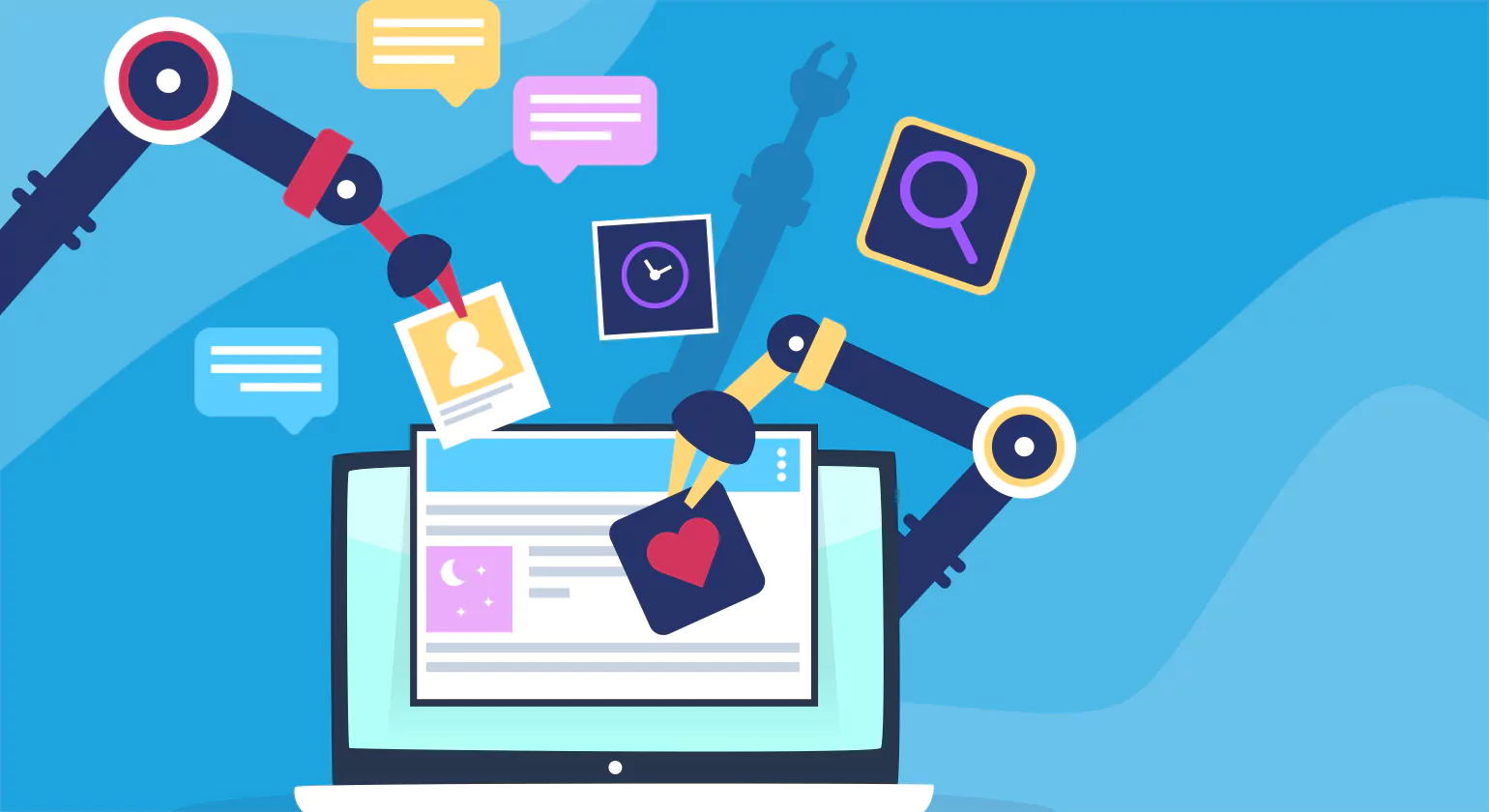
Automation and AI have revolutionized social media ads services by introducing advanced technologies that streamline campaign management and enhance targeting capabilities. AI-powered tools can analyze vast amounts of user data, identifying patterns in behavior, preferences, and engagement. This allows businesses to optimize ad placements in real-time, ensuring their ads reach the right audience at the right moment.
With machine learning algorithms, these systems continuously refine targeting by assessing user interactions, click-through rates, and conversion data. This dynamic optimization not only improves ad efficiency but also reduces wasted ad spend, maximizing return on investment (ROI). Additionally, AI-driven automation helps brands personalize content, crafting ad creatives that resonate with different audience segments based on demographic, psychographic, and behavioral data.
For users, this translates into a more personalized experience, as they encounter ads that align with their interests and online behavior. AI enables predictive analytics, anticipating user needs and delivering relevant offers even before they actively search for them. This creates a seamless and engaging digital display advertising experience that fosters stronger customer relationships and brand loyalty.
AI-driven bidding and ad scheduling optimize social media ads by adjusting budgets to meet goals and timing campaigns for peak engagement. This ensures cost efficiency for businesses and delivers relevant, timely content to users.
Ad Budgeting and Bidding Strategies
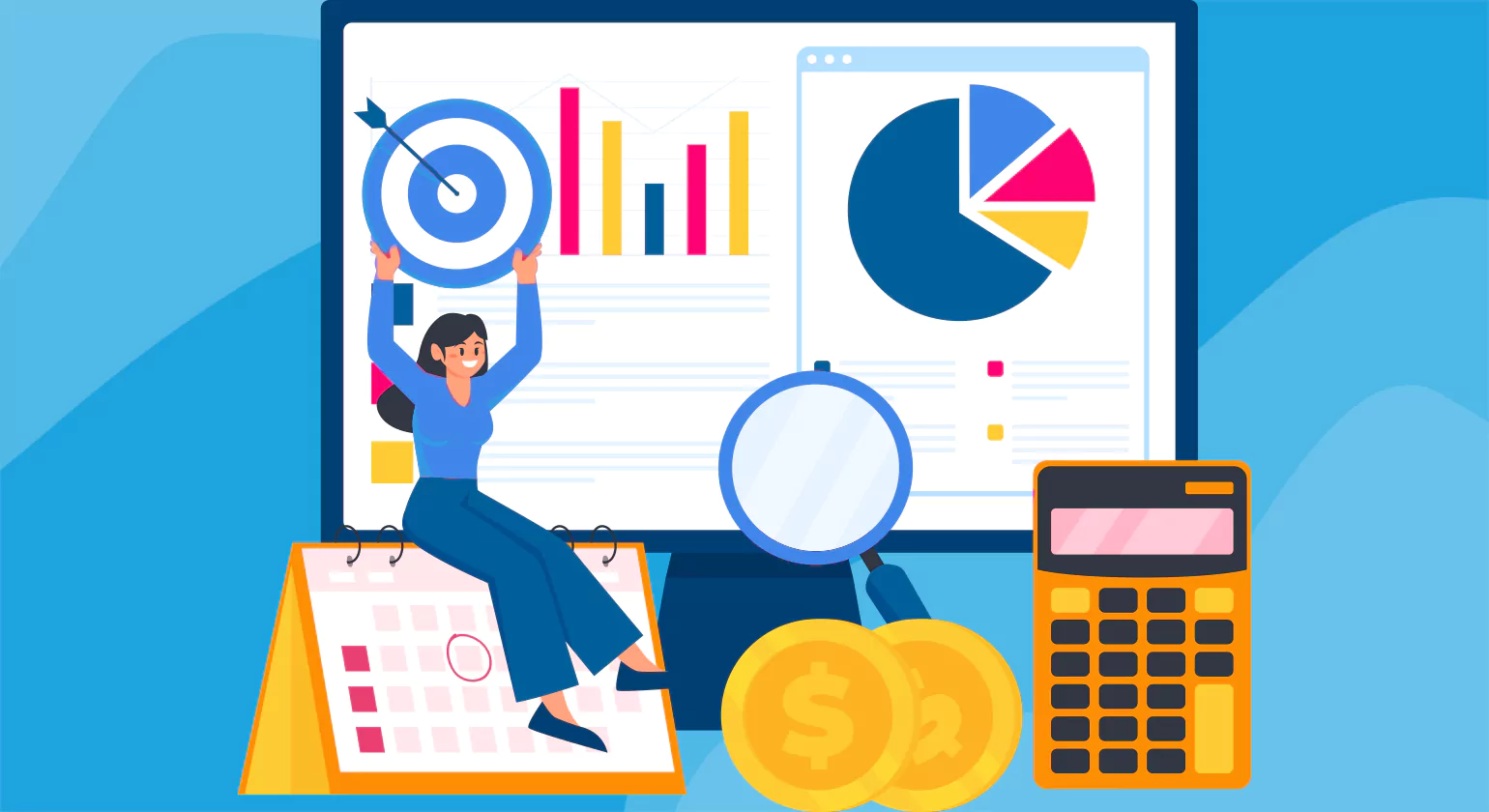
Setting an effective ad budget and choosing the right bidding strategy are crucial for the success of Social Media Ads Services. Users should consider their overall growth marketing goals, target audience, and the platforms they wish to use. Common budgeting strategies include:
1. Daily Budget
A daily budget is a predetermined amount that users allocate to spend on their social ads services each day. This approach offers a level of control and consistency, allowing users to manage their ad expenses without overspending. By setting a daily limit, businesses can continuously assess their ad performance and make adjustments based on daily metrics. This strategy is particularly useful for ongoing campaigns, ensuring a steady presence in users’ feeds.
2. Lifetime Budget
A lifetime budget sets a maximum spending cap for the entire duration of a campaign. This option is beneficial for users looking to run a focused campaign over a specific timeframe. By establishing a lifetime budget, businesses can allocate resources efficiently, preventing unexpected expenses. This strategy also allows for a more comprehensive view of the campaign’s overall performance.
3. Bid Strategies
Choosing the right bidding strategy is essential to achieving advertising objectives. Options like cost-per-click (CPC), cost-per-impression (CPM), and cost-per-action (CPA) cater to different campaign goals. Social media ads services can help users select the most appropriate bidding strategy, ensuring that they maximize their budget while effectively reaching their target audience.
Setting Up a Social Media Ads Campaign
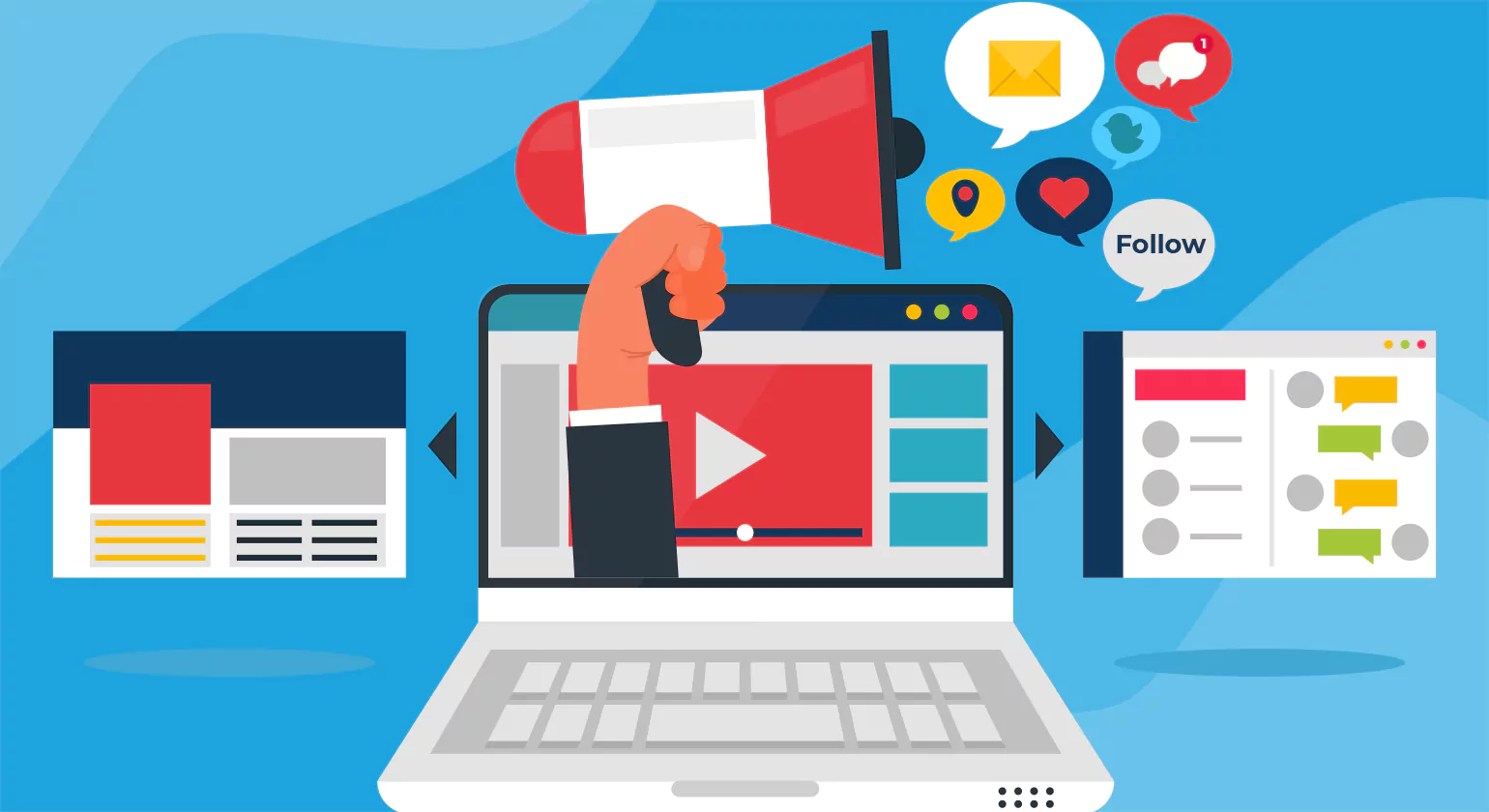
Setting an effective ad budget and choosing the right bidding strategy are crucial for the success of Social Media Ads Services. Users should consider their overall marketing goals, target audience, and the platforms they wish to use. Common budgeting strategies include:
1. Define Goals
Setting up a successful Social Media Ads Services campaign begins with defining clear objectives. Users should outline what they want to achieve, whether it’s increasing brand awareness, generating leads, or driving sales. Having specific goals provides a roadmap for the campaign, enabling users to tailor their strategies accordingly. For instance, if the goal is brand awareness, the focus might be on impressions and reach, while lead generation would prioritize click-through rates and conversions.
2. Identify Target Audience
Understanding the target audience is crucial for effective social media advertising. Users should leverage demographic data, interests, and online behavior to narrow down their audience. This targeted approach ensures that ads reach individuals who are most likely to engage with the content, ultimately increasing the chances of achieving campaign goals. Social media ads services often provide tools and insights to help users identify and refine their audience segments.
3. Choose the Right Platform
Selecting the right social media platform(s) is vital in aligning with marketing goals. Each platform offers unique features and caters to different demographics, so users should consider where their target audience spends the most time. For example, Instagram is ideal for visually-driven campaigns, while LinkedIn is better suited for B2B marketing.
4. Create Engaging Content
Developing engaging content is essential for capturing the audience’s attention. Users should create compelling visuals and copy that resonate with their audience’s interests and needs. High-quality images, videos, and well-crafted messages encourage interaction and shareability, driving higher engagement rates.
5. Set a Budget
Developing engaging content is essential for capturing the audience’s attention. Users should create compelling visuals and copy that resonate with their audience’s interests and needs. High-quality images, videos, and well-crafted messages encourage interaction and shareability, driving higher engagement rates.
6. Monitor and Optimize
Finally, monitoring and optimizing the campaign is essential for success. Users should regularly check performance metrics and make adjustments based on analytics. By evaluating engagement rates, conversion rates, and other key performance indicators, users can refine their strategies and maximize results. Utilizing Social Media Ads Services can provide valuable insights to guide these adjustments, ensuring that campaigns remain effective and aligned with user goals.
Conclusion
Social Media Ads Services offers powerful opportunities for businesses to reach and engage their target audiences. Understanding the mechanics, benefits, and various platforms available can empower users to create effective ad campaigns that drive results. By leveraging automation, AI, and strategic budgeting, businesses can enhance their social media advertising efforts and ultimately achieve their marketing objectives.
FAQs
1. What are the benefits of social media advertising?
Social Media Ads Services offers precise audience targeting, real-time performance tracking, and cost-effective brand exposure. It enhances engagement, drives website traffic, and increases conversions. Businesses can reach users based on interests, behavior, and demographics. With flexible budgeting and analytics, social media ads help optimize campaigns and deliver measurable ROI across various stages of the sales funnel.
2. How do social media ads work?
Social media ads use algorithms to display paid content to targeted audiences based on interests, demographics, and online behavior. Advertisers choose campaign objectives, set budgets, design creatives, and select their audience. Platforms then show ads in users’ feeds, stories, or sidebars. Ad performance is tracked in real time, allowing for continuous optimization and better results.
3. What are the different types of social media ads?
Common types of Social Media Ads Services include image ads, video ads, carousel ads, story ads, and sponsored posts. Each format serves specific goals—image and video ads build brand awareness, carousel ads showcase multiple products, and story ads offer immersive experiences. Advertisers choose formats based on campaign objectives, target audience, and platform strengths for maximum impact.
4. Which platforms are best for social media advertising?
Top platforms include Facebook, Instagram, LinkedIn, Twitter (X), and TikTok. Facebook and Instagram are ideal for B2C campaigns, LinkedIn suits B2B marketing, Twitter supports timely promotions, and TikTok engages younger audiences. The best social media advertising platform depends on the target audience, content type, and marketing goals. Multi-platform strategies often yield better reach and performance.
5. How is AI used in social media advertising?
AI powers ad targeting, audience segmentation, and performance optimization. It analyzes user behavior, predicts ad success, and recommends budget allocation. AI tools automatically adjust bids, personalize content, and identify high-converting audiences. By streamlining processes and delivering insights, AI enhances campaign efficiency, improves ROI, and ensures more relevant ad experiences for users across platforms.