Table of Contents
Introduction
In the ever-evolving digital landscape, search engine marketing strategists have become indispensable for businesses aiming to establish a strong online presence. These experts specialize in designing and executing strategies that enhance visibility on search engines, driving targeted traffic and boosting conversions. From optimizing websites through SEO to leveraging paid campaigns in SEM, search marketing strategists play a pivotal role in connecting businesses with their ideal audience. Their ability to analyze trends, adapt to algorithm changes, and implement data-driven solutions ensures consistent growth.
What Is Search Marketing Strategists?
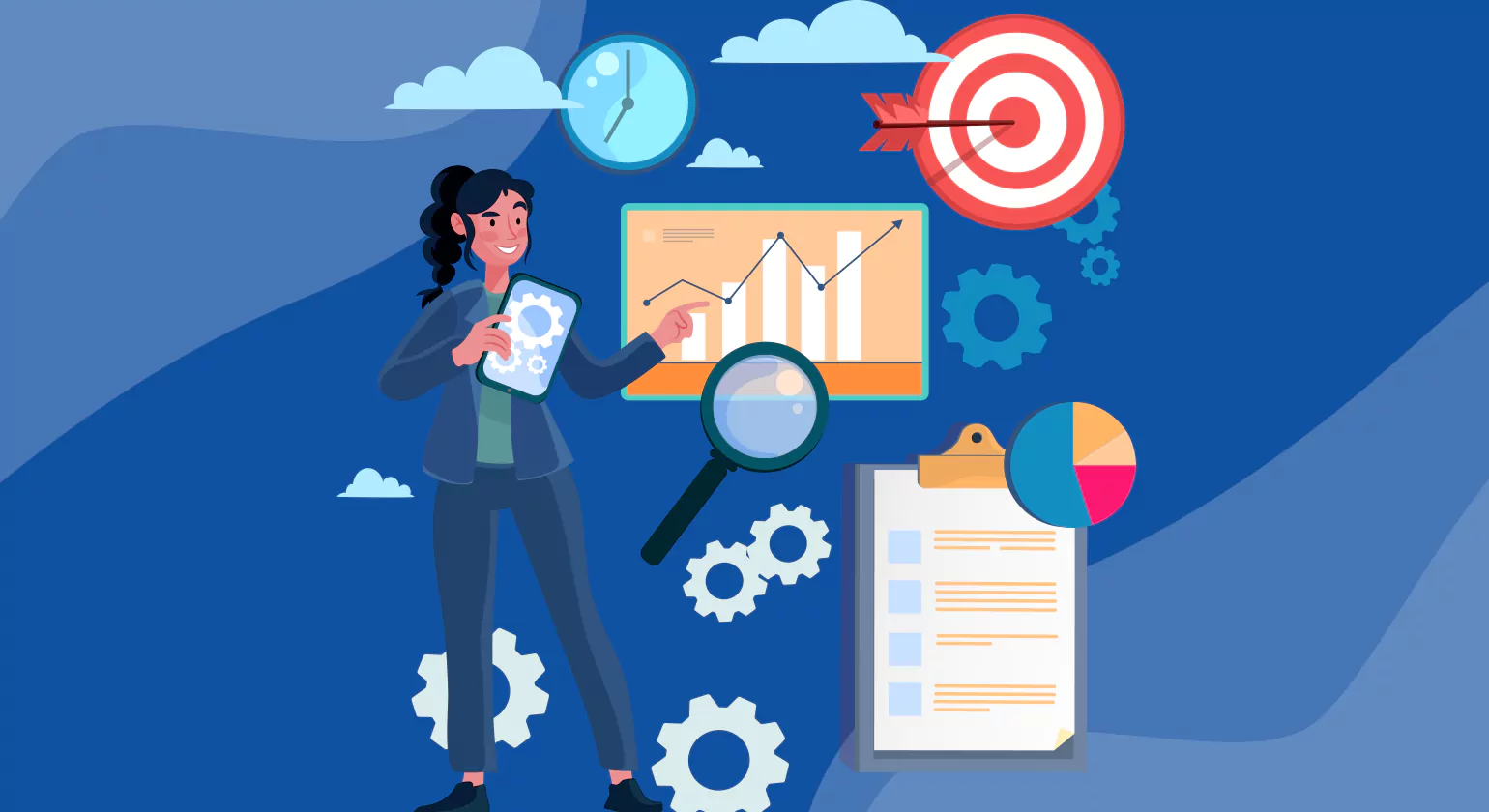
A marketing strategist is a digital marketing professional who specializes in creating and executing comprehensive strategies to enhance a business’s online presence. Their primary goal is to increase visibility across search engines like Google, Bing, and Yahoo, ultimately driving targeted traffic and converting visitors into customers. These experts leverage both search engine optimization (SEO) and search engine marketing (SEM) to achieve measurable business results, ensuring that every marketing effort aligns with a brand’s overall goals.
Conducting Thorough Keyword Research
Strategists spend a considerable amount of time identifying high-performing keywords that are not only relevant but also have the potential to drive the most qualified traffic to a website. They analyze keyword volume, competition, and user intent to ensure the chosen terms will yield optimal results.
Optimizing Website Content and Structure
Beyond just adding keywords, search marketing strategists optimize website content, structure, and meta tags to enhance the overall user experience and ensure search engines index pages effectively. This includes improving website navigation, ensuring mobile-friendliness, and addressing technical SEO issues such as page load speed.
Managing Pay-Per-Click (PPC) Advertising Campaigns
A key part of their job is managing PPC campaigns, such as Google Ads. best marketing strategists create and oversee paid ads to increase visibility in search results, driving high-quality traffic. They also monitor and adjust campaigns based on performance data to ensure cost-efficiency and return on investment.
Analyzing and Refining Performance by search marketing strategists
Using analytical tools such as Google Analytics, strategists continuously track performance metrics like click-through rates (CTR), bounce rates, conversion rates, and ROI. They adjust their strategies based on this data, refining campaigns to achieve better results and ensure that marketing goals are met.
The expertise of a marketing strategist goes beyond driving traffic—they build lasting brand credibility and trust. By improving rankings and visibility, they position businesses as trusted authorities in their industry. This leads to increased customer confidence and, ultimately, more conversions.
Whether you’re a small business looking to grow or a large enterprise aiming to maintain a competitive edge, partnering with a marketing strategist offers tangible, measurable benefits. Their focus on turning website clicks into real business results makes them an invaluable asset to any marketing team. By investing in their expertise, businesses can maximize their return on investment and secure long-term success
Why Search Marketing strategists is Essential for Business Growth

In today’s rapidly evolving, digital-first world, search marketing has become a cornerstone for driving business growth. With billions of searches conducted daily, search engines are now the primary gateway for potential customers to discover products, services, and brands. Without a strong presence on search engine results pages (SERPs), businesses risk being overlooked by their target audience, especially in an environment where the vast majority of consumer decisions begin online.
Increased Online Visibility
A well-executed search marketing strategy ensures that your business ranks prominently when customers search for relevant products, services, or information. Whether it’s an organic search result through SEO or a paid ad through SEM, increased visibility on search engines drives more potential customers to your website. The higher your ranking, the more likely it is that users will click through and engage with your content. Without visibility in search results, businesses struggle to reach their audience, which limits their growth potential. A marketing strategist can help build that visibility by targeting the right keywords and optimizing content to match search intent.
Targeted Audience Reach
search marketing strategists enables businesses to target their audience with precision. Unlike traditional advertising, which casts a broad net, search saas marketing management ensures your content reaches users who are actively seeking what you offer. By understanding user intent and identifying high-value keywords, a marketing strategist can optimize campaigns to connect with individuals who are more likely to convert. For example, if a user searches for “best budget laptops,” a well-crafted PPC ad or organic result offering a solution to that specific need will capture their attention. This precision targeting leads to higher-quality traffic and more meaningful customer interactions.
Cost-Effectiveness
When compared to traditional marketing strategists methods, search marketing offers unparalleled cost-effectiveness. Traditional methods like TV ads, print campaigns, or billboards can be expensive and difficult to track in terms of ROI. In contrast, search marketing strategies such as seo search marketing and PPC provide measurable results. With PPC, businesses only pay when a user clicks on their ad, ensuring that marketing dollars are spent effectively. Additionally, SEO offers long-term benefits, building organic visibility without continuous spending. This makes search marketing a highly efficient tool for businesses with varying budget levels, ensuring they can compete even in crowded markets.
Boosted Credibility and Trust
Achieving higher search rankings does more than just increase visibility; it boosts your brand’s credibility. Users tend to trust businesses that appear at the top of search results, as they associate higher rankings with industry authority and reliability. For example, if your website consistently ranks high for industry-relevant keywords, customers will perceive your brand as a trusted leader. This trust not only leads to more clicks but also fosters long-term customer loyalty. As search engine marketing strategists work to improve rankings through both on-page and off-page SEO, they build your brand’s credibility, resulting in higher customer confidence and increased conversions.
Maximizing Engagement and Conversions
A well-designed search marketing campaign doesn’t just attract visitors; it converts them into paying customers. Digital marketing strategists focus on aligning campaigns with customer intent, ensuring that the content is highly relevant and tailored to meet the needs of the user at each stage of the buyer’s journey. Whether through targeted PPC ads or optimized website content, every aspect of the strategy is designed to maximize engagement and drive conversions. By using A/B testing, analyzing user behavior, and refining strategies based on performance data, continually optimize campaigns for higher engagement and conversion rates.
The Evolution of Search Marketing strategists - From SEO to SEM
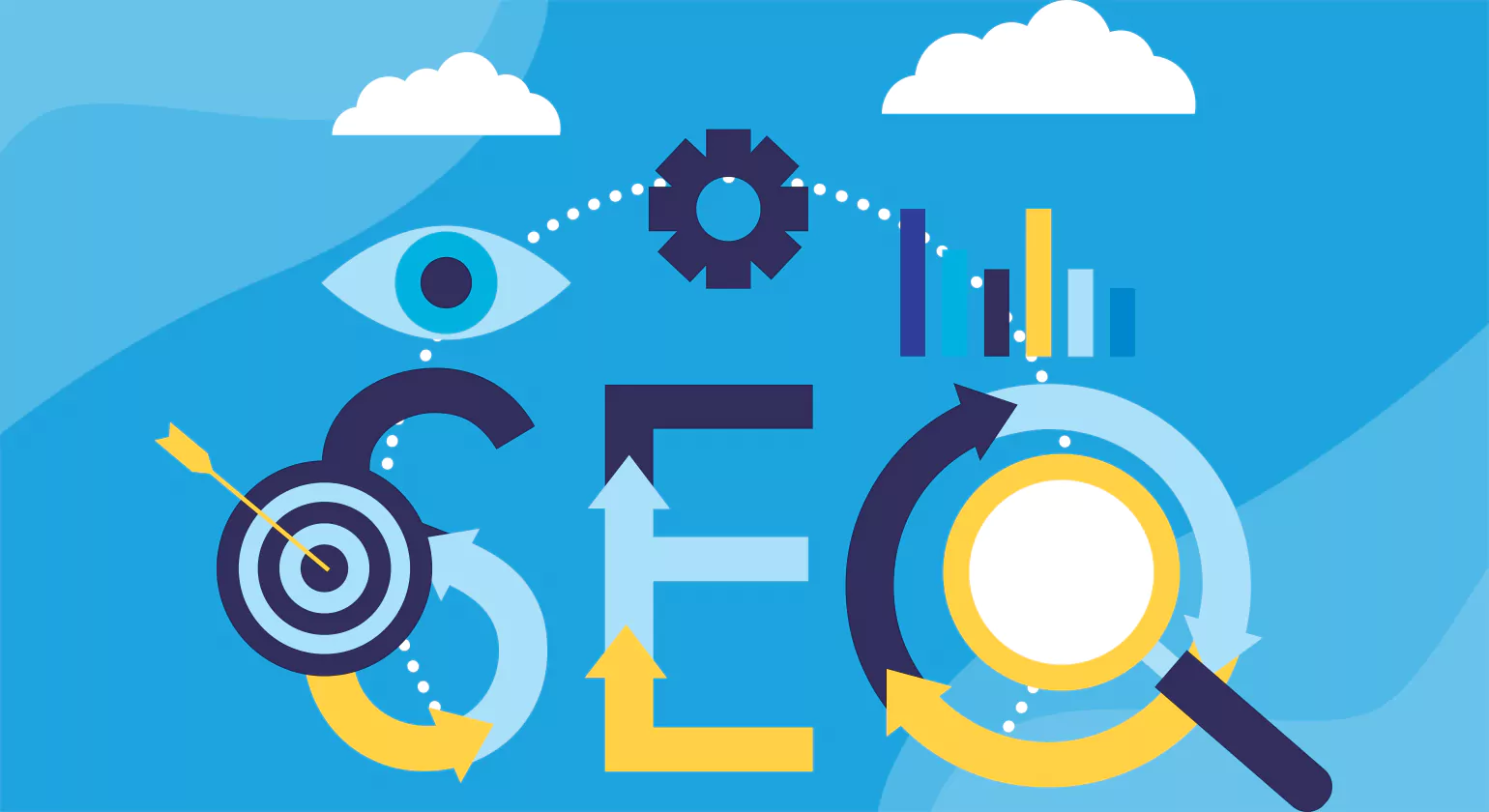
The journey of search marketing has been nothing short of revolutionary. What began as a focus on basic search engine optimization (SEO) in the early days of the internet has now evolved into a comprehensive, multi-faceted approach that incorporates both search engine marketing (SEM) and other advanced strategies. Over time, businesses have recognized the importance of combining these tactics to achieve the best results and adapt to an ever-changing digital landscape. This evolution reflects both technological advancements and shifts in consumer behavior, as well as the increasing sophistication of search engine algorithms.
Competitive Advantage
As more businesses shift their focus to online marketing, those that fail to invest in search marketing are at a significant disadvantage. Search marketing is no longer optional—it’s essential for staying competitive in today’s business environment. Companies that embrace SEO and SEM strategies gain an edge over those that rely solely on traditional marketing methods. By ensuring that their businesses are visible in search results, search marketing strategists help companies stay ahead of their competition, capturing high-quality leads and increasing market share.
The Early Days - SEO’s Humble Beginnings
In the late 1990s, search engines like Yahoo, AltaVista, and Lycos dominated the online world. These search engines were the primary gateways to the internet, and businesses quickly realized the potential of ranking high in search results. During this time, SEO was primarily about keyword optimization and building backlinks. Websites would stuff their content with keywords in an attempt to rank higher, and SEO strategies were often basic and straightforward. This simpler time of search marketing management was one where the foundations of search engine optimization were being laid, but it lacked the advanced techniques and refinements we see today.
As the internet began to grow, search marketing strategists had to adapt to emerging trends and algorithms. Although SEO strategies were rudimentary, they represented the beginning of a movement that would revolutionize how businesses approached digital marketing strategists. The search engines, at this stage, were still relatively unsophisticated, but their potential to drive traffic to websites had already been recognized.
The Rise of SEM
As the digital space grew and became more competitive, search engines evolved. The introduction of Google’s PageRank algorithm in the late 1990s fundamentally of marketing changed how search engines evaluated websites. This shift made it more difficult for businesses to simply “game” the system by stuffing keywords and building low-quality backlinks. To stay competitive, businesses turned to search engine marketing (SEM), which blended both SEO and pay-per-click (PPC) advertising. SEM allowed businesses to target specific keywords and gain immediate visibility in search engine results.
SEO focused primarily on optimizing organic rankings through methods like on-page content adjustments and off-page signals such as backlinks. These strategies helped businesses improve their visibility over time, but the process was often slow and required patience. On the other hand, SEM utilized paid advertising—primarily PPC campaigns like Google Ads—to achieve instant results by placing ads at the top of the search results. This approach allowed businesses to appear in front of potential customers quickly, bypassing the need for organic ranking.
The Modern Landscape - A Hybrid Approach
Today, search marketing has evolved into a sophisticated blend of art and science. Modern search marketing strategists leverage both SEO and SEM to create cohesive strategies that drive long-term growth while providing immediate visibility. SEO continues to play a critical role in building authority and trust over time. By optimizing website content, enhancing user experience, and acquiring high-quality backlinks, businesses can establish themselves as credible sources in their industries.
Meanwhile, SEM has grown to include various forms of paid advertising, such as display ads, remarketing, and social media ads. These tactics allow businesses to gain instant visibility and target specific audiences with high precision. The beauty of this hybrid approach is that it combines the best of both worlds—SEO builds sustainable, long-term visibility, while SEM ensures that businesses can compete in real-time, even in highly competitive markets.
What Do Search Marketing Strategists Do? Key Responsibilities and Skills

The role of a marketing strategist is multifaceted, combining creativity with analytical prowess. These professionals are essential in driving traffic, increasing visibility, and achieving business goals by developing and executing tailored search marketing campaigns. They play a critical role in helping businesses leverage both organic and paid strategies to connect with potential customers. As the digital landscape continues to evolve, best marketing strategists remain at the forefront, adapting their tactics to ensure ongoing success.
Keyword Research and Strategy Development
A core responsibility of best marketing strategists is identifying high-performing keywords that align with user intent. Through meticulous research, they analyze search trends and competition to discover terms that have the potential to drive qualified traffic. By targeting specific keywords, strategists ensure maximum visibility and engagement with the right audience.
These keywords inform content creation, seo search marketing optimization, and paid campaigns, making them a foundational element of any search marketing strategy. In today’s competitive digital environment, strategic keyword choices are essential to success. Therefore, understanding consumer behavior and the evolving search landscape is vital for developing a robust keyword strategy.
Content Optimization
Once the right keywords are identified, marketing strategists focus on content optimization. This involves refining web pages, blog posts, and landing pages to ensure they rank high on search engine results pages (SERPs). They implement on-page SEO techniques such as keyword placement, meta tag optimization, and internal linking to improve content visibility. Strategists also focus on enhancing user experience by improving load speeds, ensuring mobile optimization, and creating engaging content that aligns with user search intent. Content optimization is not a one-time task; it is an ongoing process that requires constant adjustments and updates to maintain or improve rankings.
Managing Paid Campaigns
In addition to SEO, best marketing strategists are responsible for managing paid advertising campaigns, such as PPC (pay-per-click) ads. Using platforms like Google Ads, they create and optimize campaigns that deliver immediate results while maintaining cost-efficiency. Strategists select the right keywords, design compelling ads, and set appropriate bidding strategies to ensure that the business’s ad appears in front of its target audience. One of the key challenges in paid campaigns is balancing cost and performance, ensuring that ad spend is optimized for the highest return on investment (ROI). Through continuous monitoring, strategists tweak campaigns and make data-driven adjustments to maximize results.
Performance Tracking and Analysis
Another critical responsibility of marketing strategists is regularly analyzing campaign data to gauge the effectiveness of their strategies. Using analytics tools such as Google Analytics and other reporting platforms, they track key performance indicators (KPIs) like click-through rates (CTR), conversion rates, and return on investment (ROI). By reviewing this data, strategists can identify areas for improvement and adjust their tactics accordingly. They also assess user behavior, analyzing how visitors interact with the content and making necessary changes to optimize the customer journey.
Staying Updated on Trends
The digital landscape is ever-changing, and digital marketing strategists must stay up to date with the latest trends, algorithm updates, and tools. Search engines like Google continuously refine their algorithms, which can impact search rankings and marketing strategies. Being aware of these changes allows strategists to adapt their strategies quickly, ensuring their campaigns remain effective.
Furthermore, emerging trends in digital marketing, such as voice search and artificial intelligence, require strategists to continuously evolve and innovate. Staying informed about the latest developments in search marketing ensures that businesses remain competitive and that strategies are always aligned with current best practices.
Essential Skills And Analytical Thinking
A marketing strategist must be highly analytical. They need to interpret large sets of data to make informed decisions and drive campaign improvements. By analyzing metrics like keyword performance, user engagement, and conversion rates, they can identify patterns and opportunities for optimization. The ability to interpret data and make data-driven decisions is one of the most important skills for a strategist. Without it, even the best-laid campaigns can miss the mark, resulting in wasted resources and missed opportunities.
Technical SEO Knowledge
In addition to strategic thinking, search marketing strategists must have strong technical SEO knowledge. This includes understanding website structure, load speeds, mobile optimization, and schema markup. Technical SEO ensures that search engines can crawl and index the website properly, improving the chances of ranking high on SERPs. A strategist’s ability to identify and fix technical SEO issues is critical in ensuring that the website performs well across all devices and platforms. It requires both technical expertise and an understanding of how search engines evaluate and rank websites.
Creativity
Creativity is another key skill for digital marketing strategists. Whether it’s crafting compelling ad copy for PPC campaigns or designing engaging content for a blog, creativity plays a significant role in driving engagement. Effective search marketing strategies rely on compelling messaging that resonates with the target audience. A strategist’s ability to create attractive headlines, persuasive calls-to-action (CTAs), and engaging content is essential for capturing the audience’s attention and driving conversions. Creativity also helps differentiate a brand in a crowded marketplace, making it more memorable to consumers.
Collaboration
Search marketing strategists work closely with other team members to ensure that their strategies align with broader business goals. Collaboration is key when working with content creators, web developers, designers, and other marketing professionals. By sharing insights and coordinating efforts, they can ensure that SEO and SEM tactics are integrated into the overall marketing strategy. Successful collaboration ensures that all components of a campaign—from website design to content to paid ads—work together seamlessly to achieve optimal results.
How Marketing Strategies Drive Traffic and Increase Conversions
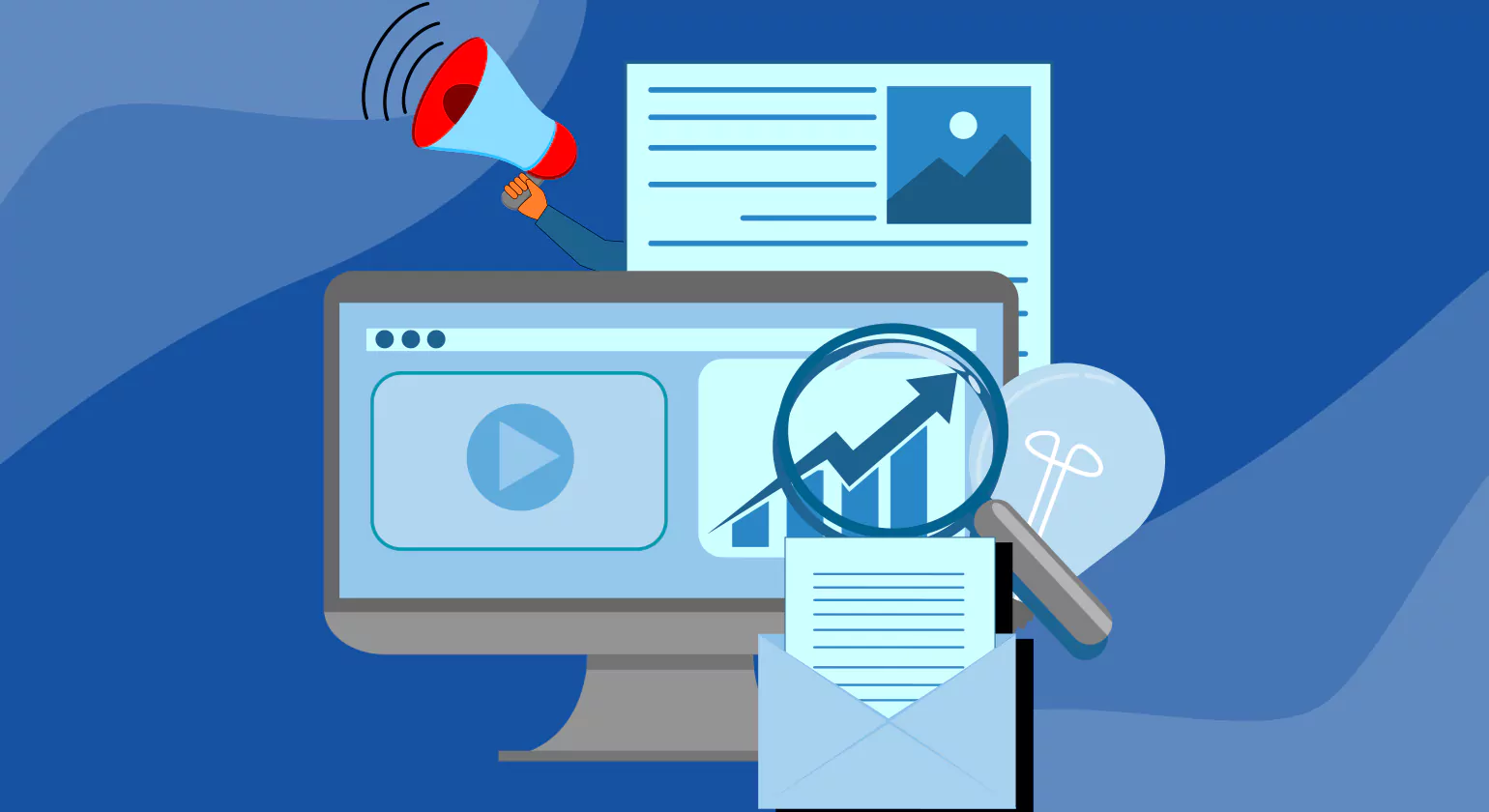
A well-crafted search marketing strategists is a powerful tool for driving traffic and turning website visitors into loyal customers. By leveraging data-driven techniques and aligning with user intent, marketing strategists ensure businesses maximize their online impact. These strategies don’t just bring visitors to a site; they engage the right audience at the right time. Whether through organic methods like SEO or paid advertising like PPC, a cohesive approach can boost both visibility and conversions.
Keyword Optimization
One of the core elements of search marketing is identifying high-value keywords that align with user intent. search marketing strategists use advanced tools to analyze search trends and identify what potential customers are actively searching for. These keywords are strategically integrated into website content, blog posts, and metadata to attract relevant audiences. By targeting specific, high-conversion keywords, businesses can ensure that they are reaching the right people at the right time. Over time, keyword optimization helps improve rankings, bringing more organic traffic to the site.
High-Quality Content Creation
Search engines prioritize valuable content, making content creation a critical part of any search marketing strategy. Search engines like Google reward high-quality content with higher rankings on SERPs, driving more traffic to the website. Strategists focus on creating content that aligns with user intent, such as informative articles, how-to guides, and engaging videos. By consistently providing content that meets the needs of the audience, businesses can establish themselves as trusted sources of information. Effective content creation fosters a deeper connection with users, resulting in more traffic and better brand loyalty.
Pay-Per-Click (PPC) Campaigns
While organic traffic is valuable, PPC campaigns are an essential tool for driving immediate traffic to a website. Platforms like Google Ads allow businesses to target specific demographics and keywords, ensuring that their ads appear in front of the right audience at the right time. By carefully managing PPC campaigns, digital marketing strategists can increase visibility for key products or services, reaching potential customers who are ready to convert. These campaigns are highly customizable, allowing businesses to set budgets, track performance, and optimize campaigns for maximum ROI.
Landing Page Optimization
Driving traffic to a website is just the first step. To increase conversions, marketing strategists focus on optimizing landing pages to convert visitors into customers. They design pages with clear calls to action (CTAs), intuitive layouts, and fast load speeds, which significantly reduce bounce rates. Optimized landing pages are tailored to user intent and expectations, making the user experience seamless and satisfying. Landing page optimization ensures that visitors are more likely to take the desired action, whether it’s signing up for a newsletter, making a purchase, or downloading a resource. This process involves continuous testing and refining to improve conversion rates over time.
Remarketing Techniques
Another powerful strategy for increasing conversions is remarketing. Through tools like Google Ads and SEM platforms, search marketing strategists can target users who have previously interacted with the website but did not complete a desired action. By serving targeted ads to these users, businesses can re-engage them and encourage them to finish their transaction. Remarketing helps keep the business top of mind and provides additional touchpoints for users who might be hesitant to convert.
Personalized User Experiences
In today’s digital landscape, consumers expect personalized experiences. digital marketing strategists use data to analyze user behavior and create customized campaigns that appeal to individual preferences. This includes showing tailored ads, recommending relevant products, or offering special promotions based on previous interactions with the website. By leveraging customer data, strategists can make interactions more relevant, which fosters trust and increases conversion rates. Personalization also extends to website content, where marketing strategists optimize the user journey by ensuring that users are presented with the information and products they are most likely to engage with.
Common Challenges Faced by Search Engine Marketing Strategists

Despite their expertise, marketing strategists face several challenges while optimizing campaigns to achieve business goals. These obstacles require a unique blend of creativity, technical skill, and the ability to adapt quickly to changes in the digital landscape. With the rapid pace at which digital trends evolve, strategists must constantly refine their approaches. Below are some of the most common hurdles that marketing strategists must navigate in their pursuit of success.
Algorithm Changes
search marketing strategists, especially Google, frequently update their algorithms, which can significantly impact rankings and campaign performance. These algorithm updates can cause fluctuations in visibility, leading to drops in traffic for some businesses. marketing strategists must stay informed and prepared to adapt their strategies to accommodate these changes. By monitoring the updates and understanding the new ranking factors, strategists can adjust tactics to maintain or improve search engine rankings.
Balancing SEO and SEM
Finding the right balance between SEO and SEM is a delicate task for marketing strategists. While seo search marketing focuses on organic rankings and long-term growth, SEM provides quicker results through paid advertising. However, over-relying on one strategy can hurt the other. For example, focusing only on SEO may delay results in highly competitive industries, while SEM may lead to high costs without sustainable growth. Strategists must carefully allocate resources to both methods, ensuring that organic visibility is bolstered while generating immediate results through paid campaigns.
Budget Constraints
Limited marketing budgets are a common challenge for many businesses, especially smaller ones. With restricted resources, search marketing strategists must prioritize where to allocate funds, making it difficult to run expansive campaigns. Budget limitations can prevent businesses from investing in necessary tools and premium ad placements, which can hinder campaign performance. Despite these constraints, strategists can maximize resources by focusing on high-impact activities such as targeting long-tail keywords or creating high-quality organic content.
Increasing Competition
As more businesses realize the importance of search marketing, competition for top spots in search results has become increasingly fierce. The digital space has become more crowded, and businesses are competing for limited ad placements and high-ranking keywords. digital marketing strategists must constantly innovate to ensure their brand stands out. This requires targeting niche markets, creating unique content, or using advanced tactics like geo-targeting or remarketing.
Measuring ROI
Measuring the ROI (return on investment) of search marketing efforts can be particularly difficult, especially for seo search marketing campaigns that yield long-term results. marketing strategists need to track metrics such as traffic, conversions, and customer acquisition costs to determine the effectiveness of their campaigns. For SEM, measuring ROI is relatively easier due to more immediate results, but linking paid ad campaigns to real business outcomes is still complex.
Evolving Consumer Behavior
Consumer behavior is constantly shifting due to technological advancements, changing preferences, and the rise of new search trends. As voice search, AI, and mobile-first experiences grow in importance, marketing strategists must evolve to meet these new demands. Users now expect faster, more personalized experiences when interacting with brands online. For instance, content must be optimized for voice search queries, and websites should be mobile-friendly to accommodate changing browsing habits.
The Significant Impact of Marketing Strategist on Business Success

In today’s highly competitive digital landscape, marketing strategists play a crucial role in driving business growth. By blending technical skills with creative approaches, these professionals deliver results that can directly influence a company’s success. Their expertise is essential in navigating the complexities of the digital world, ensuring that businesses not only survive but thrive.
Enhanced Online Visibility
A core responsibility of marketing strategists is ensuring that businesses appear prominently on search engine results pages (SERPs). This visibility drives organic and paid traffic to websites, making it easier for potential customers to find a brand’s products or services. Higher visibility means more chances for engagement, ultimately leading to increased sales and business growth. By strategically targeting relevant keywords, these experts ensure that the brand is visible to those who are actively searching for what it offers.
Increased Website Traffic
marketing strategists focus on driving qualified traffic to websites. Through SEO practices, they optimize websites to rank higher for valuable search terms. Additionally, through pay-per-click (PPC) campaigns, these strategists target specific keywords that attract a more relevant audience. This strategy ensures that the visitors landing on a site are more likely to engage with the content, explore offerings, and take meaningful actions. Whether through organic search or paid ads, the goal is to attract visitors who are genuinely interested in the business. Targeted traffic is more likely to convert, leading to measurable improvements in business performance.
Improved Conversion Rates
One of the most significant contributions of marketing strategists is optimizing websites and campaigns to increase conversion rates. These experts refine landing pages, optimize calls to action (CTAs), and streamline user experiences to make it easier for visitors to complete desired actions. Whether it’s making a purchase or signing up for a newsletter, search marketing strategists ensure that every element of the campaign is optimized for maximum results. Their focus on data-driven strategies allows for continuous testing and refinement, ensuring that the conversion path is as effective as possible.
Strengthened Brand Authority
Being ranked high on search engines not only increases visibility but also builds trust with potential customers. marketing strategists help businesses secure top positions in search engine rankings, which is a clear signal to users that the brand is reliable and authoritative. This higher ranking improves brand perception, as consumers often associate top search results with credibility and trustworthiness. As a result, businesses that rank highly are more likely to be chosen over competitors.
Adaptability to Market Trends
To remain competitive, businesses must be agile in the face of changing market dynamics. marketing strategists help organizations adapt to these shifts by constantly analyzing trends and monitoring competitors. By staying up-to-date with the latest digital marketing trends, they can adjust strategies to maintain relevance and meet evolving consumer needs. This adaptability allows businesses to stay ahead of the curve and capitalize on new opportunities. Whether it’s adjusting to algorithm updates, embracing new platforms, or refining targeting techniques, marketing strategists ensure that businesses remain competitive in an ever-changing marketplace.
Cost-Effective Growth
One of the key advantages of search marketing is its cost-effectiveness compared to traditional advertising methods. While TV, radio, and print ads can be expensive with hard-to-measure results, search marketing strategies provide more affordable and scalable options. SEO brings long-term organic traffic without direct costs per click, while PPC allows businesses to pay only for actual clicks. This makes search marketing a more budget-friendly option for businesses of all sizes.
Conclusion
The role of search marketing strategists goes far beyond just driving traffic. These professionals are instrumental in shaping a company’s digital presence, building trust, and fostering long-term success. They use their skills to improve conversion rates, increase website traffic, and strengthen brand authority. Through careful analysis and adaptability, they help businesses stay ahead of the competition. Their expertise transforms search engines into powerful allies, helping businesses achieve their digital marketing goals.
FAQs
What is a marketing strategist?
A search marketing strategist develops strategies to enhance online visibility through search engines, focusing on optimizing a brand’s presence in search results to attract targeted traffic and improve engagement. They analyze keywords, monitor performance metrics, and refine campaigns to drive conversions and maximize ROI effectively.
Why is Search Marketing Essential for Business Growth?
Search marketing is vital for business growth as it increases online visibility, connects businesses with potential customers actively seeking their products, and enhances engagement and conversion rates, driving overall success. By leveraging SEO and paid search strategies, brands can boost credibility, outperform competitors, and achieve sustainable growth.
What do marketing strategists do?
Search engine marketing strategists analyze competitors, optimize content, and manage SEO and PPC campaigns. They collaborate with teams to refine strategies based on performance metrics, requiring skills in critical thinking, problem-solving, and communication. Additionally, they stay updated on search engine algorithm changes, emerging trends, and consumer behavior to ensure campaigns remain effective, drive traffic, and maximize ROI.
How Do Search Marketing Strategies Drive Traffic?
Search marketing strategies increase traffic by improving website rankings through SEO and PPC methods. By optimizing for relevant keywords, creating engaging ads, and enhancing user experience, businesses attract more targeted visitors who are more likely to convert into loyal customers, boosting revenue and brand growth.
What Challenges Do Search Marketing Strategists Face?
Common challenges include adapting to constantly changing search algorithms, managing growing competition, accurately measuring strategy effectiveness, and navigating budget constraints, all while striving to achieve optimal results in an increasingly dynamic and competitive digital landscape.