Table of Contents
Introduction
In the competitive world of software-as-a-service (SaaS), search engine optimization (SEO) is key to driving organic growth and increasing visibility. SaaS SEO tools are specialized platforms that help businesses optimize their digital content, track keyword performance, analyze competitors, and gain insights into user behavior. These tools are designed to streamline SEO efforts, making it easier for companies to rank higher on search engines, attract potential customers, and ultimately increase conversions.
Using the right SaaS SEO tools can be a game changer for any SaaS business looking to scale. These tools provide comprehensive analytics, keyword tracking, backlink monitoring, and technical SEO audits—all crucial for a successful SEO strategy. From all-in-one solutions to niche platforms tailored for specific SEO needs, choosing the right tools can empower SaaS marketers and product teams to make data-driven decisions, optimize their content strategy, and stay ahead in a competitive market.
Top 15 SaaS SEO Tools for Strategic Growth in 2025
1. Ahrefs
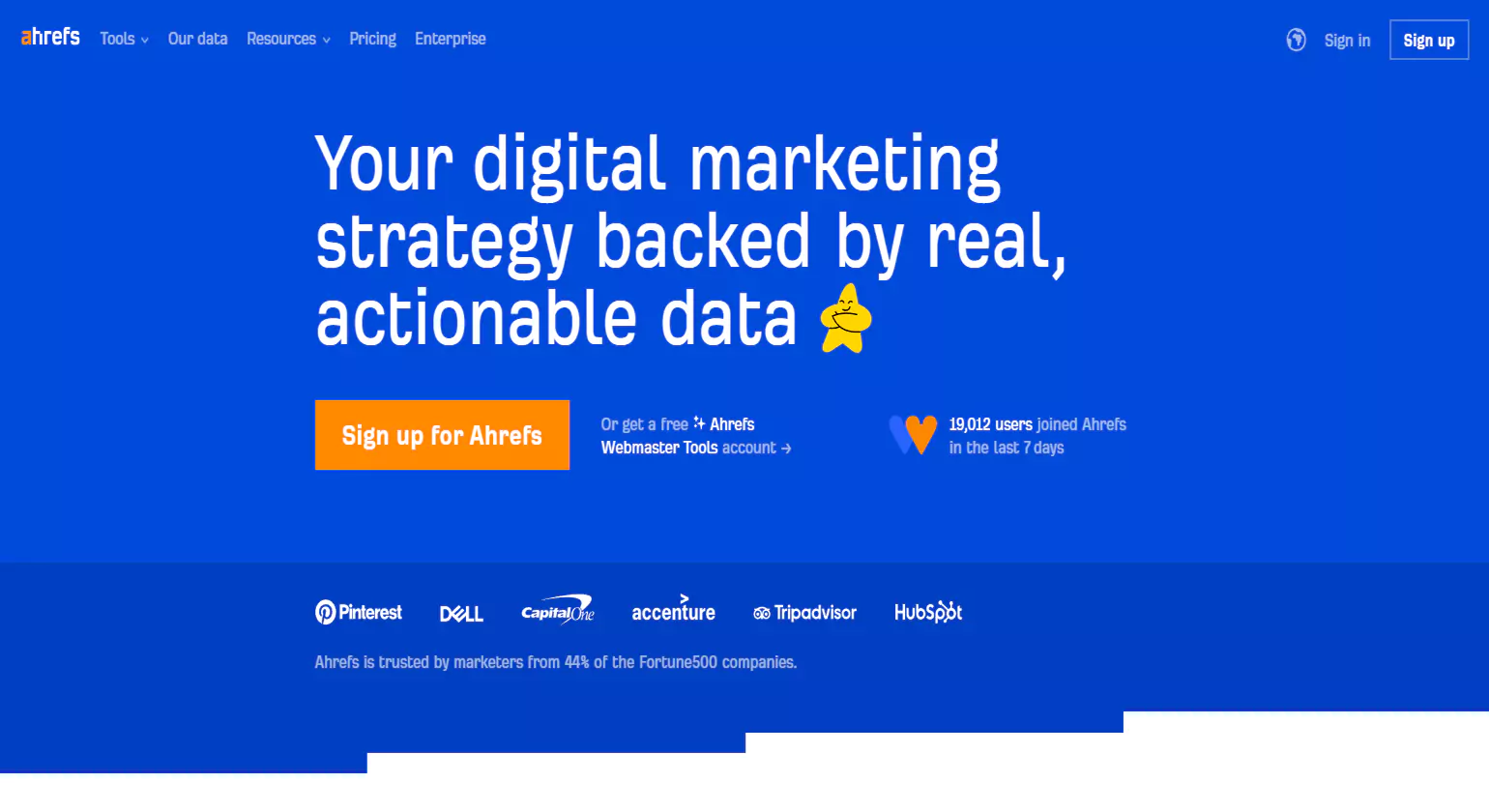
Ahrefs is known for its powerful backlink analysis and competitive research features. It helps users analyze their website’s SEO health, track rankings, and uncover link-building opportunities. With a vast index of backlinks, Ahrefs is perfect for improving domain authority and monitoring competition. Its user-friendly interface and comprehensive keyword research tools make it a go-to choice for SaaS businesses aiming to scale organically.
Unique Features & Benefits:
- Extensive backlink analysis and link building.
- Robust keyword research tool with SERP analysis.
- Site audit features for on-page SEO improvements.
- Rank tracking for ongoing performance analysis.
- In-depth competitor analysis to outsmart the competition.
2. SpyFu
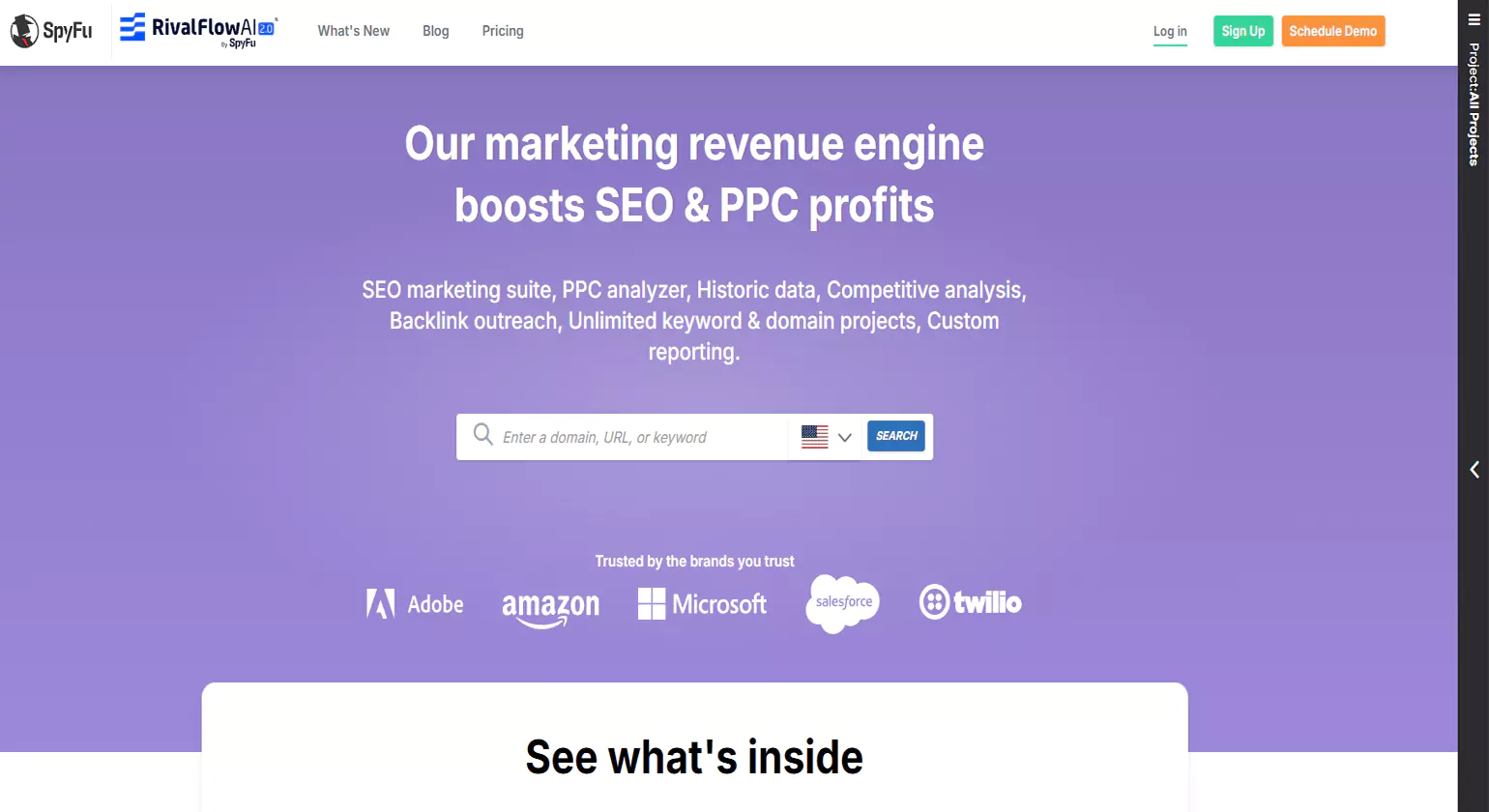
SpyFu specializes in competitive research and helps businesses uncover the keywords their competitors are ranking for. It offers detailed data on paid and organic Search Visiblity strategies, enabling users to fine-tune their SEO and PPC campaigns. Its “Kombat” feature allows for side-by-side comparison of SEO performance, making it easier for SaaS marketers to target high-performing keywords and track competitors’ digital marketing efforts.
Unique Features & Benefits:
- Detailed competitor keyword and ad strategy analysis.
- Historical data for long-term SEO trend tracking.
- Tools for both organic and paid search insights.
- Keyword ranking data and potential CPC (cost-per-click).
- SpyFu’s keyword research tool helps identify profitable niches.
3. SEMrush
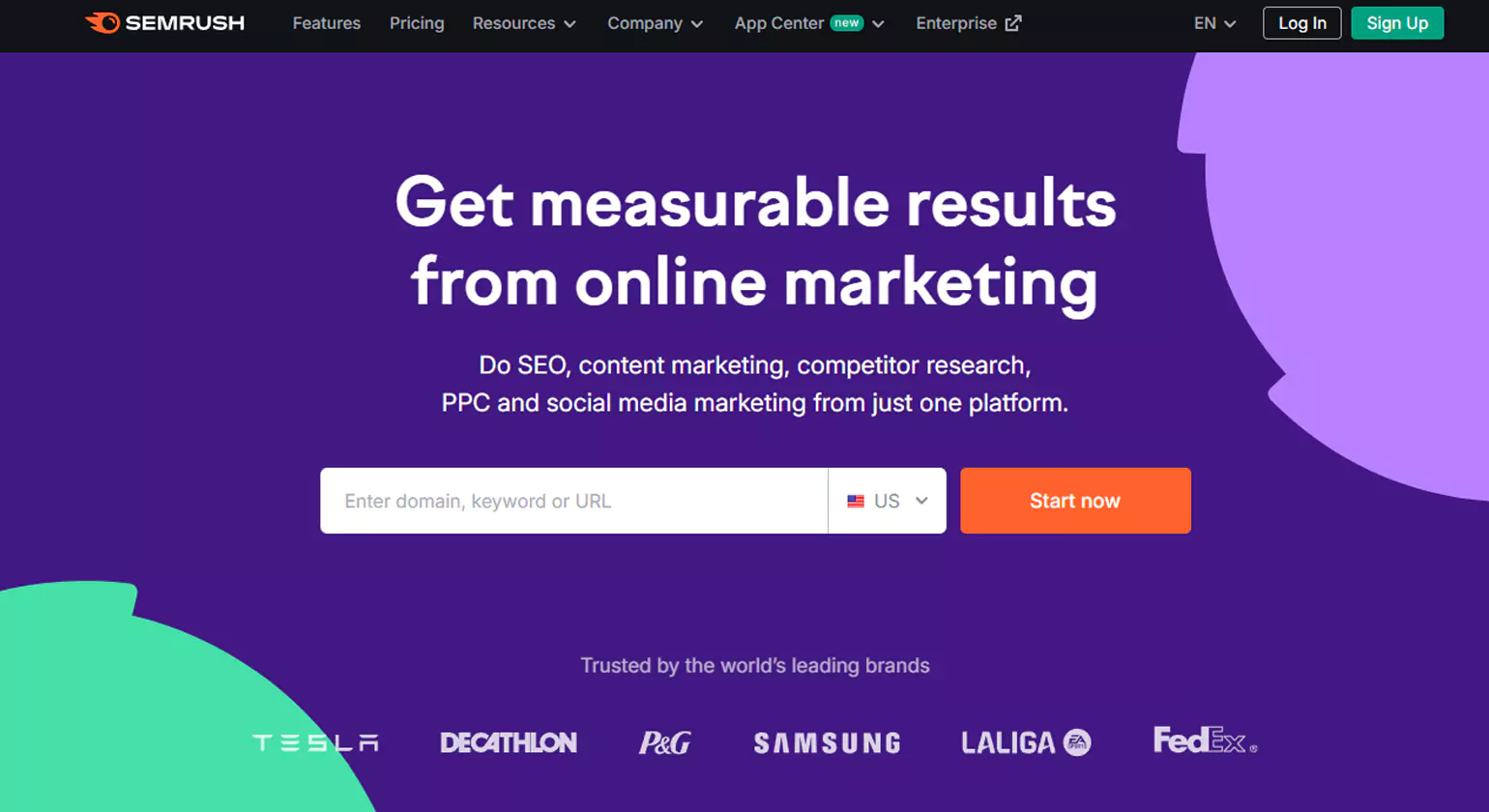
SEMrush is an all-in-one SEO tool offering in-depth keyword research, competitive analysis, and site audit features. Its comprehensive reporting and insights help SaaS companies optimize their digital strategy, track keyword rankings, and explore backlink opportunities. SEMrush’s content optimization tools and competitive research make it invaluable for businesses looking to enhance organic visibility and digital marketing efficiency.
Unique Features & Benefits:
- All-in-one SEO toolset for keyword research, site audit, and content marketing.
- Comprehensive competitor analysis with keyword tracking.
- On-page SEO recommendations for optimization.
- Content gap analysis to discover untapped keywords.
- Paid ad research to optimize PPC campaigns.
4. Moz Pro
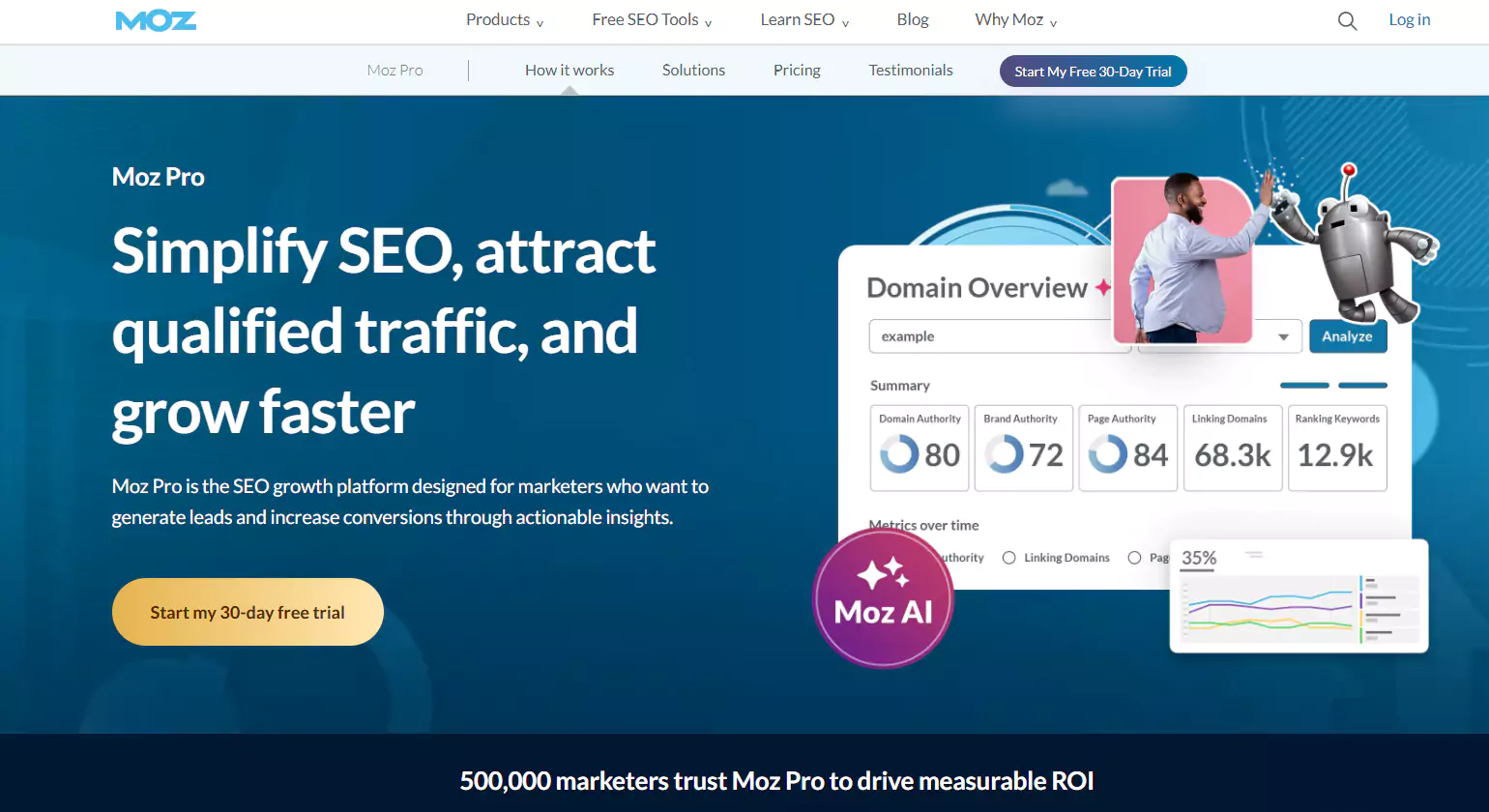
Moz Pro excels in keyword research, on-page SEO, and link building. Its “MozBar” extension is highly popular for quick SEO analysis, while its keyword difficulty score helps businesses identify the best keywords to target. The “Moz Link Explorer” also provides valuable insights into backlinks, enabling SaaS businesses to build authority and optimize their SEO strategy for sustainable growth.
Unique Features & Benefits:
- Site audits to identify and fix SEO issues.
- Keyword research tools with SERP analysis.
- Link building tools to improve backlink profiles.
- Rank tracking with historical ranking data.
- Moz’s “Page Authority” and “Domain Authority” metrics.
5. Google Search Console
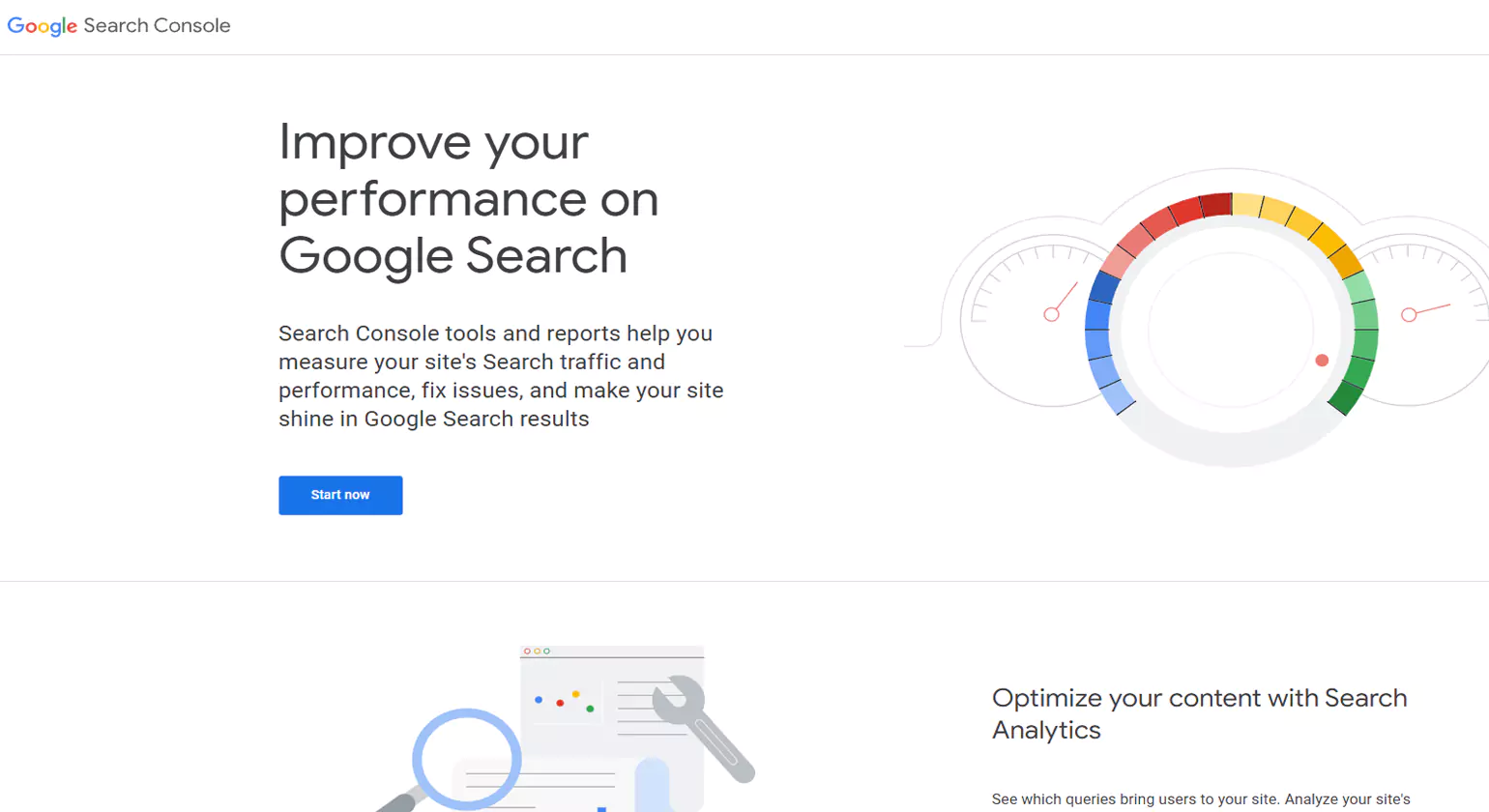
Google Search Console offers critical insights into your site’s performance on Google. It provides data on search traffic, indexing status, and any crawl errors. For SaaS businesses, it’s essential for monitoring technical SEO issues, understanding search trends, and identifying optimization opportunities directly from the search engine’s perspective, all for free.
Unique Features & Benefits:
- Free tool providing direct insights from Google.
- Index coverage and crawling issue alerts.
- Keyword performance analysis and click-through rates.
- Structured data and site optimization feedback.
- Mobile usability checks and performance tracking.
6. SERPstat
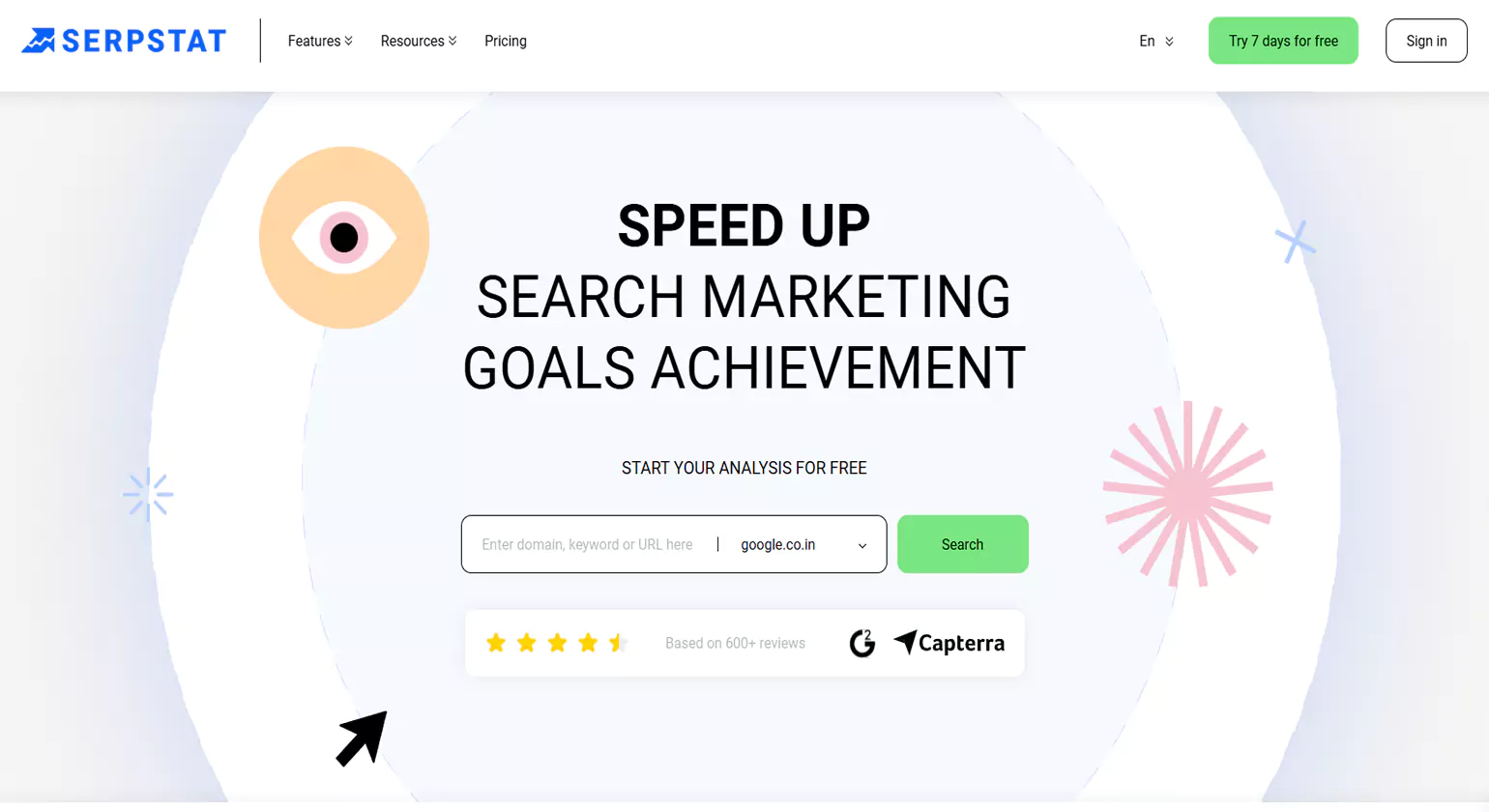
SERPstat is one of the best SaaS SEO Tools that provides keyword research, rank tracking, and backlink analysis. Its unique “Competitor Research” feature allows businesses to see what keywords their competitors are ranking for and their backlinks. For SaaS companies looking to identify growth opportunities, SERPstat’s website audit and on-page SEO analysis tools are valuable for refining their strategies.
Unique Features & Benefits:
- Comprehensive keyword research with trend analysis.
- Backlink analysis and audit tools.
- Rank tracking with detailed keyword performance.
- SEO audit for site optimization suggestions.
- Competitor research to uncover strategic insights.
7. Rank Math
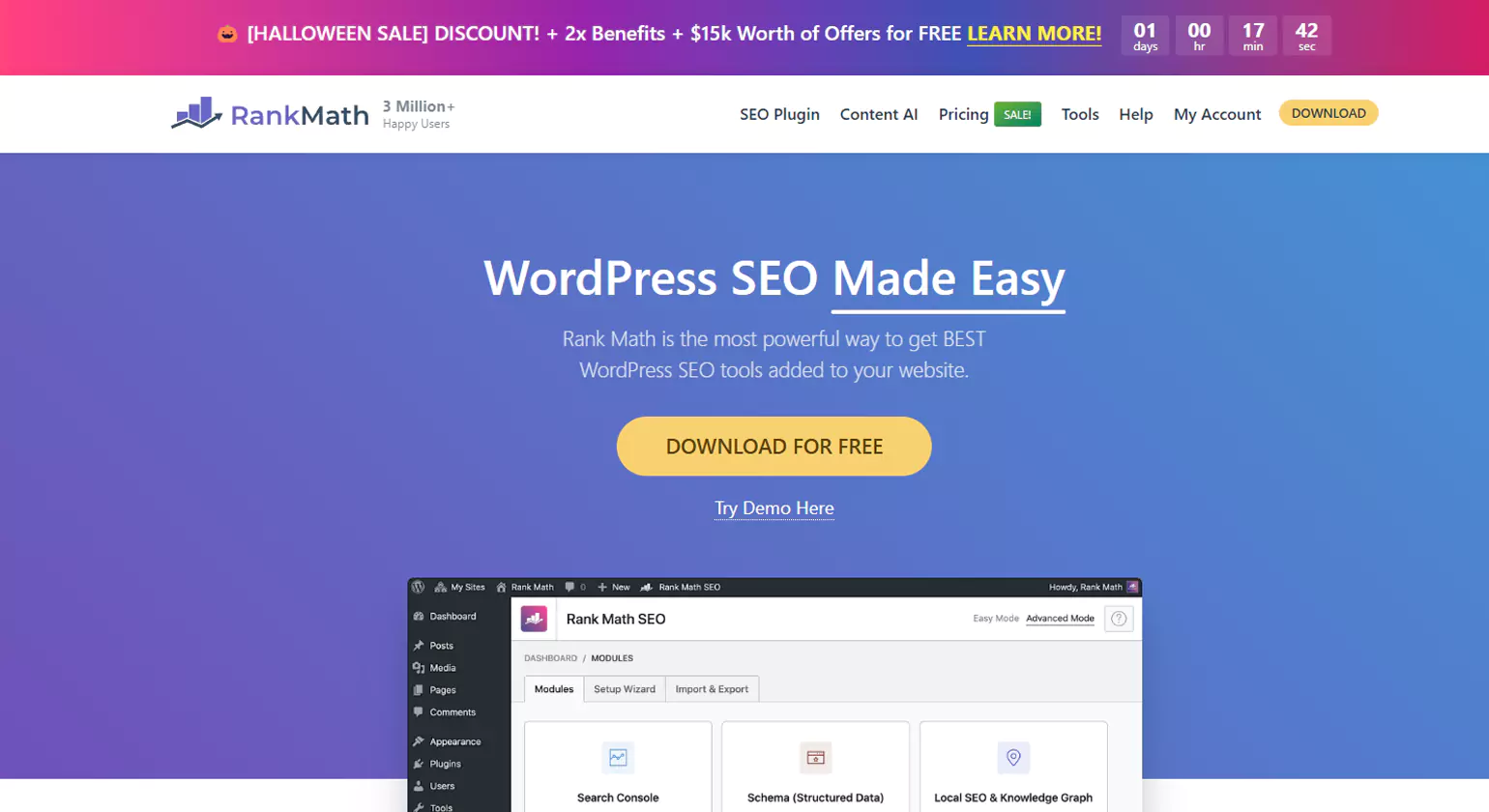
Rank Math is a WordPress SEO plugin that offers rich features like advanced schema support, automated SEO analysis, and detailed insights. It’s especially beneficial for SaaS businesses with WordPress websites looking for an intuitive way to optimize their content. Rank Math’s integration with Google Search Console and keyword tracking tools make it an essential tool for boosting organic reach.
Unique Features & Benefits:
- User-friendly interface for WordPress integration.
- Automated on-page SEO recommendations.
- Rich snippet support to enhance search visibility.
- Built-in content analysis and keyword optimization.
- WooCommerce integration for e-commerce SEO.
8. Google Analytics
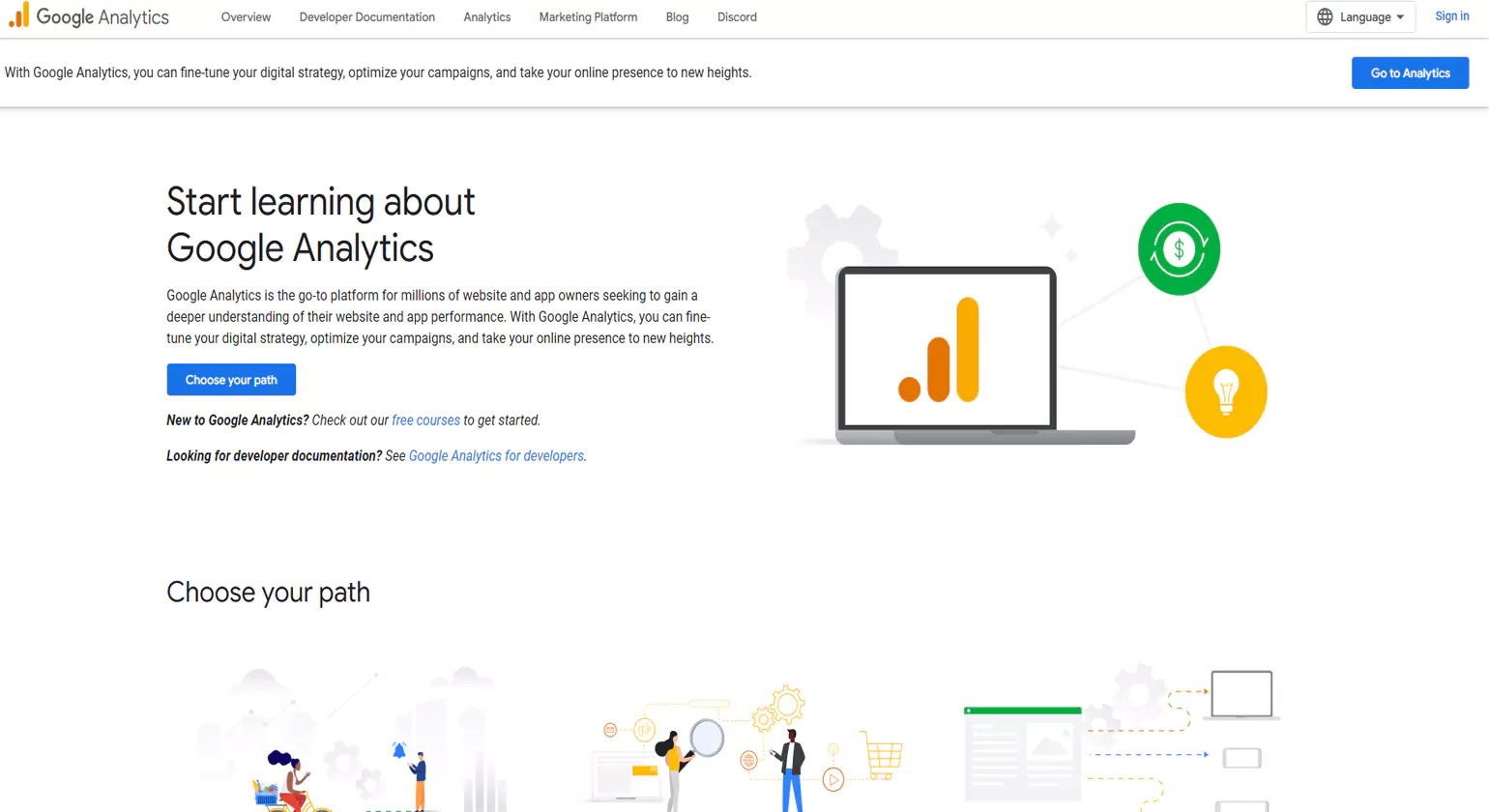
Google Analytics is one of the top SaaS SEO Tools that provides detailed insights into website traffic, user behavior, and conversion tracking. For SaaS businesses, it’s crucial for understanding how users engage with the site, which pages drive traffic, and what improvements need to be made. Its ability to track the customer journey helps SaaS companies optimize their sales funnels and improve customer retention.
Unique Features & Benefits:
- Real-time traffic data and user behavior insights.
- Audience segmentation to target specific user groups.
- Site speed analysis and optimization suggestions.
- Integration with Google Search Console for holistic insights.
9. ContentKing
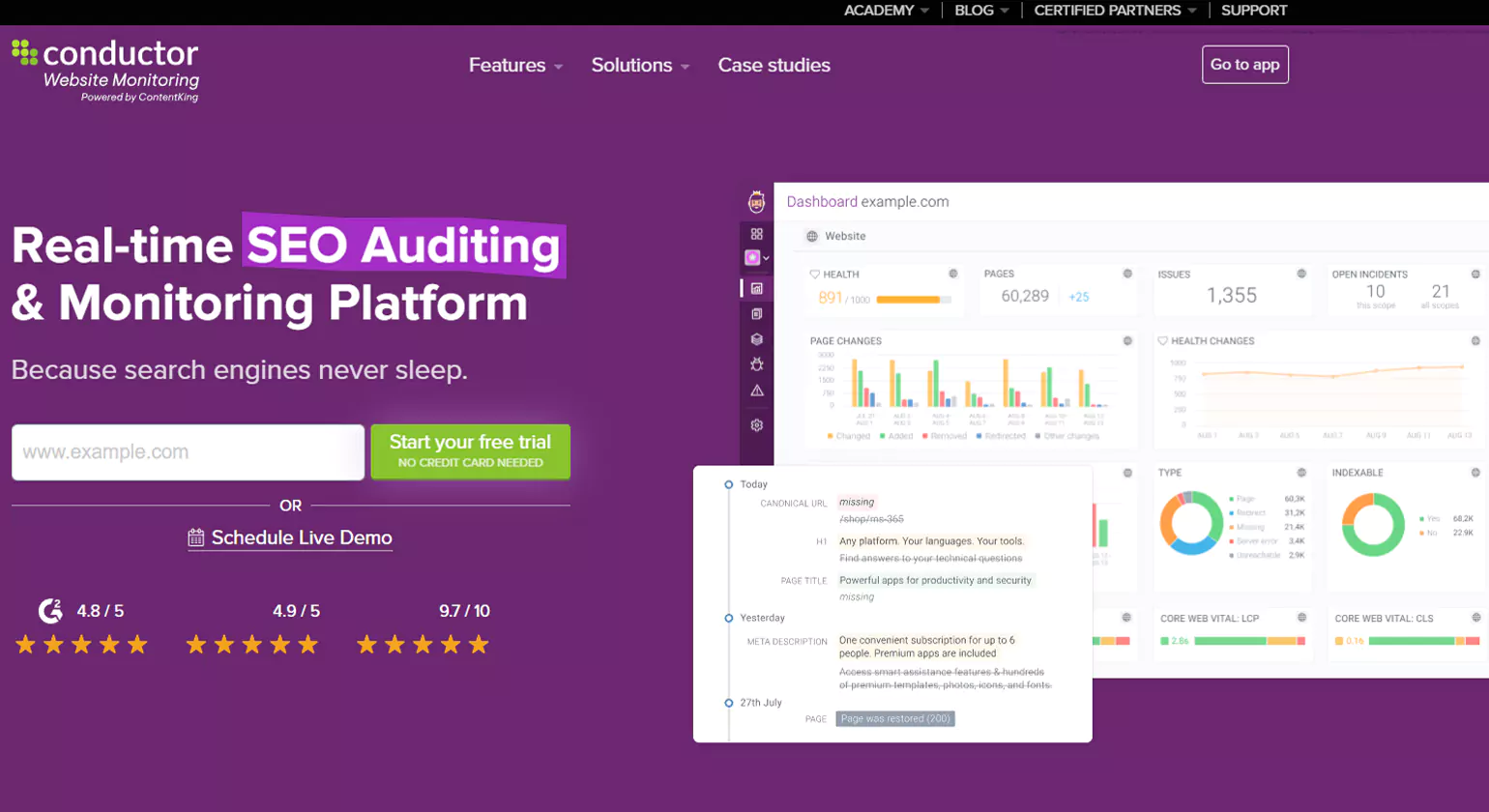
ContentKing offers real-time SEO auditing and monitoring, providing SaaS businesses with constant oversight of their website’s SEO performance. It’s perfect for businesses needing up-to-date reporting on site health, errors, and content changes. Its automatic alerts ensure that businesses can address issues instantly before they affect rankings.
Unique Features & Benefits:
- Real-time website monitoring for SEO issues.
- Automated site audits and actionable recommendations.
- Track changes to SEO-critical pages.
- Detailed SEO reports and keyword tracking.
- Alerts for SEO errors and anomalies.
10. Ubersuggest

Ubersuggest, created by Neil Patel, is one of the best and affordable SaaS SEO Tools offering keyword research, competitive analysis, and site audit features. It helps SaaS businesses discover keyword ideas, analyze their competition, and track rankings. Ubersuggest’s simplicity and user-friendly interface make it a great starting point for SaaS companies looking to enhance their SEO without a steep learning curve.
Unique Features & Benefits:
- Free keyword research and content ideas generator.
- Backlink analysis and link-building opportunities.
- Rank tracking for SEO performance.
- Site audit feature to detect SEO issues.
- User-friendly interface suitable for beginners.
11. Screaming Frog SEO Spider
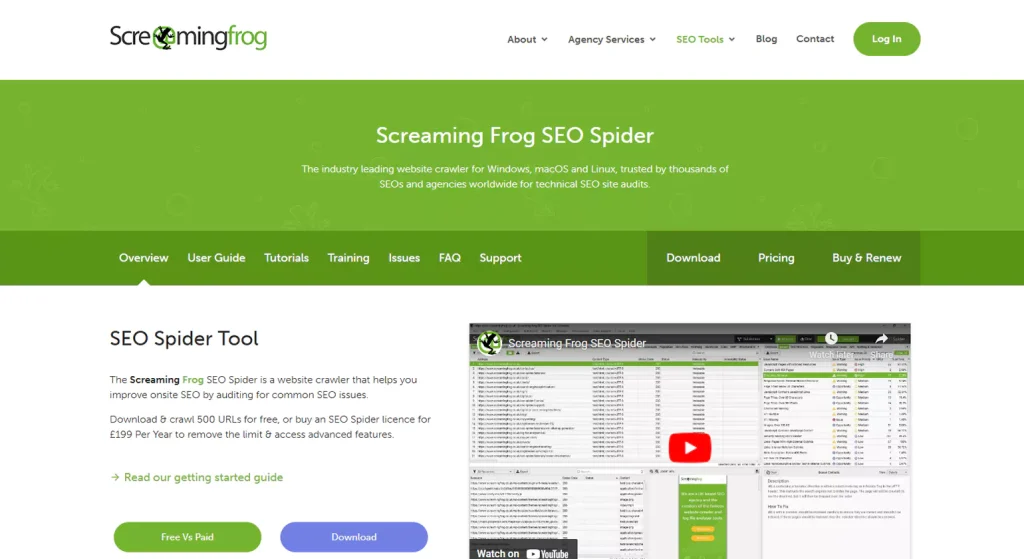
Screaming Frog SEO Spider is a website crawler that provides detailed insights into on-page SEO elements. It helps SaaS businesses audit their website for broken links, duplicate content, and missing metadata. Its in-depth crawl reports are essential for large-scale websites looking to optimize content and fix technical SEO issues efficiently.
Unique Features & Benefits:
- Crawler that analyzes website URLs for SEO issues.
- Detailed reports on internal and external links.
- Sitemap generation for SEO-focused web structures.
- Identification of duplicate content and missing tags.
- Integration with Google Analytics for deeper insights.
12. Yoast SEO
Yoast SEO is a popular WordPress plugin that helps with on-page SEO optimization. It offers features like content analysis, metadata management, and breadcrumb optimization. Yoast is perfect for SaaS businesses looking to optimize their content for both search engines and users. Its built-in readability and SEO analysis help ensure content ranks well on Google.
Unique Features & Benefits:
- On-page SEO analysis with keyword optimization suggestions.
- Readability checks to improve user experience.
- Easy integration with WordPress.
- Built-in support for structured data and rich snippets.
- Redirect manager to avoid broken links.
13. BrightEdge

BrightEdge offers enterprise-level SEO insights, focusing on content performance, competitive benchmarking, and keyword tracking. It provides SaaS companies with actionable insights through its “Data Cube” technology, which aggregates data across search engines. BrightEdge’s ability to track performance across multiple channels is especially useful for SaaS businesses with complex digital marketing strategies.
Unique Features & Benefits:
- Advanced keyword research and competitive tracking.
- Real-time data-driven insights for actionable decisions.
- Content recommendations to improve rankings.
- Cross-channel insights for an integrated marketing approach.
- Enterprise-level scalability for large businesses.
14. Majestic
Majestic is a backlink analysis tool that specializes in link building and monitoring. Its unique metrics, such as “Trust Flow” and “Citation Flow,” provide a deeper understanding of link quality. For SaaS businesses looking to improve domain authority, Majestic offers detailed insights into backlink profiles, helping marketers create effective link-building strategies.
Unique Features & Benefits:
- Backlink database with millions of links.
- Link-building and competitor analysis features.
- Trust Flow and Citation Flow metrics for link quality.
- Site Explorer for detailed link insights.
- Historical backlink data to track long-term performance.
15. Surfer SEO

Surfer SEO uses AI-driven algorithms to analyze the top-ranking pages for any keyword and provides a detailed analysis on how to improve your content. It’s perfect for SaaS businesses looking to optimize for specific keywords, improve on-page SEO, and perform competitive analysis. Surfer’s data-driven approach helps businesses implement effective SEO strategies that align with Google’s ranking factors.
Unique Features & Benefits:
- SERP analysis to understand ranking factors.
- On-page optimization tool with keyword density tracking.
- Content editor with real-time SEO suggestions.
- AI-powered recommendations for improving rankings.
- Competitor analysis and content gap identification.
Key Benefits of Using SEO Tools for SaaS Growth

SaaS SEO Tools are indispensable for SaaS businesses looking to scale and dominate their market. By leveraging these powerful tools, you can streamline your SEO efforts, gain valuable insights, and drive sustainable growth. Here are 8 key benefits:
1. Enhanced Keyword Research and Targeting
SEO tools streamline the process of identifying and analyzing high-value keywords. By focusing on the keywords most relevant to your SaaS offering, you can attract qualified leads who are actively searching for solutions like yours, boosting both traffic and conversion potential.
2. In-Depth Competitor Analysis
SEO tools allow you to keep tabs on competitors’ strategies, such as their targeted keywords, backlink sources, and content trends. This insight helps you understand market positioning and identify opportunities to outperform competitors in search rankings.
3. Improved Website Performance and User Experience
Many SEO tools offer technical audits that highlight site speed, mobile responsiveness, and other performance metrics. Optimizing these elements not only improves search rankings but also enhances user experience, keeping visitors engaged and increasing conversion rates.
4. Efficient Content Optimization
With SEO tools, you can analyze and refine content to ensure it aligns with search intent. From optimizing meta descriptions and headers to using relevant keywords strategically, these tools help maximize content reach and relevance, drawing more traffic and potential leads.
5. Accurate Analytics and Reporting
Effective SaaS SEO tools provide detailed reports on website performance, user behavior, and keyword rankings. These reports offer actionable insights, helping you make data-driven decisions and adjust strategies in real time for optimal results.
6. Scalable Link-Building Opportunities
Backlinks are a major ranking factor, and SEO tools make it easier to find quality linking opportunities. This can be through competitor backlink analysis or identifying influential industry sites that can link to your content, boosting your domain authority and ranking potential.
7. Continuous Rank Tracking and Adjustment
SEO is an ongoing process, and rank tracking tools help you monitor keyword performance over time. By tracking ranks, you can adjust strategies as needed, stay ahead of algorithm changes, and ensure your SaaS content stays relevant and competitive.
8. Enhanced Customer Acquisition and Retention
Ultimately, using SEO tools leads to better-targeted traffic, increased organic reach, and a more tailored user experience. By delivering valuable content and a seamless experience, you’re more likely to attract, engage, and retain customers, driving sustainable growth for your SaaS business.
Utilizing SaaS SEO Tools equips SaaS businesses with a competitive edge, enabling smarter, data-informed decisions that support consistent growth and market positioning.
Choosing the Right SaaS SEO Tool for Your Business Needs

Choosing the right SaaS SEO Tools for your business is crucial for driving long-term success in search engine rankings. The ideal tool should align with your specific SEO goals, whether that’s keyword research, backlink analysis, or site auditing. Consider factors like your team’s expertise, the size of your business, and your budget when evaluating different tools. For instance, if you’re a small business or startup, you may want an affordable, user-friendly tool like Ubersuggest or Rank Math, which offer powerful features without being overwhelming. On the other hand, larger enterprises might benefit from more advanced, feature-rich platforms like Ahrefs or SEMrush, which provide deeper insights and a broader range of tools for a more comprehensive SEO strategy.
Additionally, think about the type of SEO you’re focusing on. If you’re looking to improve your content marketing efforts, tools like Surfer SEO and SEMrush can help you analyze content performance and track keyword rankings over time. For technical SEO, tools like Screaming Frog SEO Spider or Moz Pro can help identify and fix site errors, optimize metadata, and monitor page performance. Ultimately, selecting the right tool requires a balance of functionality, usability, and cost-effectiveness to meet your business’s unique SEO needs and to maximize growth potential.
Best Practices for Implementing SaaS SEO Tools for Maximum Impact

Implementing SaaS SEO tools effectively is key to maximizing their impact and achieving sustained growth. Here are six proven best practices to ensure you get the most out of your SEO tools:
1. Define Clear SEO Goals
Before diving into the tools, it’s essential to have a clear understanding of your SEO objectives. Whether it’s increasing organic traffic, improving keyword rankings, or optimizing conversion rates, defining specific goals will help you choose the right tools and metrics to focus on. Clear goals also allow you to measure success and adjust your strategy as needed.
2. Integrate SEO Tools with Your Workflow
To make the most of your SaaS SEO tools, integrate them into your daily workflow. This includes linking tools like Google Analytics, SEMrush, or Ahrefs with your content management system (CMS), CRM, and other marketing platforms. This integration streamlines data collection, reporting, and analysis, allowing you to access insights directly within your workflow, thus saving time and effort.
3. Conduct Regular Audits and Monitor Performance
SEO is an ongoing process, so make regular site audits a part of your strategy. Most SEO tools, such as Moz Pro or Screaming Frog, offer audit features to assess your website’s health, detect errors, and identify areas for improvement. Set up automated reports or schedule monthly audits to stay ahead of technical issues, broken links, or SEO bottlenecks that can hurt your rankings.
4. Leverage Data for Content Optimization
SaaS SEO tools offer valuable insights into how your content is performing in search results. Tools like Surfer SEO and ContentKing provide content optimization recommendations based on data-driven analysis. Use these insights to update existing content, ensure your keywords are strategically placed, and optimize for featured snippets or rich results, which can improve your visibility on search engines.
5. Monitor Competitor Performance
A huge advantage of SaaS SEO tools like SpyFu or Ahrefs is the ability to track competitors’ SEO strategies. Regularly monitor what keywords your competitors are targeting, where they are acquiring backlinks, and how their content is performing. Use this information to refine your own strategy, identify content gaps, and outmaneuver competitors in search rankings.
6. Stay Agile and Adapt to Algorithm Changes
SEO is ever-evolving, with search engine algorithms frequently changing. To stay competitive, continuously adapt your strategy based on new algorithm updates and shifts in SEO best practices. SaaS SEO tools can help you stay informed about changes and offer updated recommendations, so use these insights to fine-tune your tactics and maintain a competitive edge. Staying agile will ensure you’re always ahead of the curve in your SEO efforts.
By following these best practices, you can unlock the full potential of your SaaS SEO tools and drive more targeted traffic, improve your rankings, and achieve long-term growth.
Optimizing Workflow with SaaS SEO Tool Integrations

Optimizing workflow with SaaS SEO Tools integration is key to enhancing efficiency and ensuring that your SEO efforts are streamlined across different platforms. Integrating Marketing Automation tools, such as Google Analytics, SEMrush, or Ahrefs, with your content management system (CMS), customer relationship management (CRM), and project management tools can help centralize data and reduce manual work.
This seamless flow of information allows your team to access valuable insights directly from within their existing platforms, making it easier to monitor key metrics like keyword rankings, traffic performance, and conversion rates without having to toggle between multiple tools. The result is a more efficient and cohesive approach to managing SEO campaigns.
Moreover, these integrations enable better collaboration and decision-making across teams. For example, integrating SEO tools with project management software like Trello or Asana allows your marketing, content, and technical teams to track SEO tasks, identify bottlenecks, and prioritize actions in real time. When your SEO data is synchronized with CRM platforms, sales and customer success teams can directly tie SEO performance to customer behavior, optimizing lead generation and retention efforts. Ultimately, integrating your SaaS SEO tools helps eliminate silos, boosts productivity, and ensures that everyone involved is working with the most up-to-date, actionable data to drive results.
To maximize the impact of your SaaS SEO tools, consider these best practices:
- Optimize for Long-Tail Keywords: Target niche, high-intent keywords that attract relevant users. Long-tail keywords often have lower competition and higher conversion rates.
- Regularly Update Content: Keep content fresh and relevant to improve rankings and user engagement. Consistent updates show search engines that your site is active and authoritative.
- Focus on Technical SEO: Ensure fast load times, mobile optimization, and crawlability. A technically sound site provides a better user experience and enhances SEO performance.
- Leverage Analytics: Use data to track performance and adjust strategies based on insights. Analytics tools help identify areas for improvement and validate your SEO efforts.
- Improve User Experience: Ensure easy navigation and intuitive design to lower bounce rates. A seamless experience increases time on site, signaling quality to search engines.
- Use Structured Data: Implement schema markup for better visibility in search results. Structured data helps search engines understand your content and display rich snippets.
- Monitor Competitor Strategies: Track competitor SEO efforts to identify new opportunities. Understanding what competitors are doing can help you stay ahead in the market.
- Create High-Quality Backlinks: Focus on acquiring backlinks from reputable sources in your industry. Quality backlinks build domain authority and improve search rankings.
The Top 5 SEO Mistakes SaaS Companies Make and How to Fix Them

SaaS companies often struggle with SEO due to rapidly evolving algorithms and competitive markets. Avoiding common pitfalls can drastically improve visibility, lead generation, and conversion rates. Here are the top five SEO mistakes SaaS brands make — and how to fix them effectively using the right SaaS SEO tools and strategies.
1. Targeting the Wrong Keywords
Mistake: Many SaaS brands focus on high-volume, generic terms that attract unqualified traffic.
Fix: Focus on long-tail, intent-based keywords relevant to your solution. Use tools like Ahrefs, Semrush, or Google Keyword Planner to identify problem-focused search terms your ideal customers use.
2. Ignoring Technical SEO
Mistake: Slow load times, poor site structure, and broken links reduce crawlability and rankings.
Fix: Optimize Core Web Vitals, fix crawl errors, and maintain a clean site architecture. Use Google Search Console and PageSpeed Insights to monitor and improve technical performance regularly.
3. Overlooking Content Strategy
Mistake: Publishing random blogs without a content funnel or audience intent strategy.
Fix: Create data-driven content clusters that align with user pain points, buyer stages, and product use cases. Incorporate case studies, how-to guides, and comparison posts to build authority and trust.
4. Neglecting On-Page and UX Optimization
Mistake: Poor internal linking, missing meta tags, and low engagement signals hurt rankings.
Fix: Optimize meta titles, descriptions, and headings with relevant keywords. Ensure pages are visually engaging, mobile-friendly, and easy to navigate to improve dwell time and reduce bounce rates.
5. Not Building Quality Backlinks
Mistake: Relying solely on content without earning authority backlinks.
Fix: Use digital PR, guest posts, and SaaS directories to build backlinks from high-authority domains. Focus on creating link-worthy content such as research reports, tools, or data-driven insights.
Conclusion
In conclusion, SaaS SEO tools are invaluable for enhancing online visibility, optimizing content, and improving overall search engine rankings. However, to truly harness their potential, it’s crucial to avoid common pitfalls such as neglecting technical SEO, focusing solely on traffic, or relying on low-quality backlinks. By strategically using these tools for keyword research, site audits, and performance tracking, SaaS businesses can create a solid SEO foundation that drives both traffic and conversions, ultimately leading to long-term growth and success. Consistently monitoring and refining SEO strategies ensures continued optimization and adaptation to ever-evolving search engine algorithms.
FAQs
1. What are SaaS SEO Tools?
SaaS SEO Tools help SaaS businesses optimize their websites by tracking keywords, auditing technical SEO, analyzing competitors, and enhancing content strategies. These tools improve rankings, drive organic traffic, and increase conversions for SaaS platforms.
2. What is enterprise SaaS SEO and how does it differ from regular SEO?
Enterprise SaaS SEO focuses on optimizing large-scale software websites with complex structures, global reach, and multiple buyer personas. Unlike regular SEO, it emphasizes scalability, automation, and data-driven strategies to manage thousands of pages, improve keyword coverage, and drive consistent organic growth across enterprise-level markets.
3. Can SEO tools for SaaS help with keyword research?
Yes, SEO tools provide data on high-traffic, low-competition keywords relevant to your SaaS business. They help identify valuable long-tail keywords, making it easier to target the right audience and optimize content for better rankings.
4. Are SEO tools suitable for small SaaS businesses?
Yes, SEO tools are scalable and adaptable for businesses of any size, including small SaaS companies. They offer affordable and user-friendly solutions that help small businesses optimize their websites and improve organic growth effectively.
5.How do enterprise SEO tools help manage multiple domains or sites?
Enterprise SEO tools streamline management of multiple domains by offering centralized dashboards, automated keyword tracking, and cross-site analytics. They enable teams to monitor rankings, backlinks, and technical health for all properties simultaneously, ensuring brand consistency, faster issue resolution, and unified reporting across large digital ecosystems.
6. What are the top SaaS SEO platforms for tracking and automation?
Leading SaaS SEO platforms in 2025 include Ahrefs, Semrush, Conductor, BrightEdge, and SE Ranking. These platforms automate keyword tracking, backlink analysis, and competitor monitoring. They offer AI-driven insights, automated reporting, and content optimization tools to enhance visibility and streamline SEO management for growing SaaS businesses.
7.How do enterprise SEO tools integrate with CRM and analytics systems?
Enterprise SEO tools integrate with CRM and analytics platforms like HubSpot, Salesforce, and Google Analytics to unify marketing and SEO data. This integration enables better lead tracking, ROI measurement, and customer journey mapping, ensuring SEO efforts directly align with sales and business performance goals.
8.What metrics should be reviewed during an SEO audit for SaaS platforms?
Key metrics for a SaaS SEO audit include organic traffic, keyword rankings, crawl errors, page load speed, backlink quality, and conversion rates. Monitoring Core Web Vitals and user engagement metrics helps identify optimization opportunities, improve technical health, and enhance overall search engine visibility and performance.