Table of Contents
Introduction
A SaaS marketing funnel is a strategic framework that guides potential customers through the journey from awareness to conversion and retention. This funnel is designed to attract, nurture, and convert leads using various digital marketing tactics such as content marketing, paid ads, email campaigns, and customer onboarding. By mapping out each stage of the customer journey—awareness, consideration, decision, and post-purchase—SaaS businesses can effectively optimize their sales process, maximize conversions, and drive long-term customer success. Understanding and refining your SaaS marketing funnel is key to building a sustainable growth model for your software-as-a-service business.
What is a SaaS Marketing Funnel?
A SaaS marketing funnel is a strategic model used by Software-as-a-Service (SaaS) businesses to guide potential customers through a series of stages, from awareness to conversion. The funnel is divided into three main stages: top, middle, and bottom. At the top, SaaS companies focus on attracting leads through content marketing, social media, and ads. This stage is all about creating awareness and interest in the product. A well-optimized sales funnel for SaaS ensures that potential customers move smoothly through each stage, increasing the likelihood of conversion.
In the middle of the funnel, SaaS marketing shifts to nurturing leads through email campaigns, demos, and case studies. This stage helps potential customers better understand the product’s value and how it meets their needs. At the bottom of the funnel, the focus is on conversion, where leads are turned into paying customers through free trials, discounts, or personalized offers. A well-designed SaaS marketing funnel helps companies efficiently convert prospects into loyal customers while optimizing marketing efforts—keywords: SaaS marketing funnel, conversion, leads, content marketing, free trials.
Why SaaS Companies Need a Marketing Funnel
SaaS companies need a marketing funnel to effectively guide potential customers through their buying journey, from awareness to conversion. Unlike traditional products, SaaS solutions often require a deeper understanding of the software’s value and how it meets the customer’s needs. A structured funnel allows companies to nurture leads at every stage, improving the chances of turning them into paying customers. Implementing a well-designed sales funnel for SaaS ensures that prospects receive the right information and support at each step, ultimately leading to higher conversions.
The SaaS marketing funnel helps businesses segment their audience, delivering the right message at the right time. At the top of the funnel, the goal is to generate leads through content marketing, social media, and ads. Once leads are captured, companies can move them through the middle of the funnel using email campaigns, webinars, and product demos. This helps build trust and keeps prospects engaged by showing them the benefits and features of the software.
Finally, a well-designed marketing funnel supports customer retention by offering support, upgrades, and personalized communication to users who have converted. By segmenting the journey into clear stages, SaaS companies can reduce churn rates, increase customer lifetime value, and optimize their marketing efforts. Ultimately, a marketing funnel ensures that SaaS businesses can scale effectively while maintaining a strong connection with their customers. Keywords: SaaS companies, marketing funnel, leads, conversion, customer retention, content marketing.
10 Key Stages of the SaaS Marketing Funnel
The SaaS marketing funnel is a strategic framework designed to guide potential customers through their decision-making process, from initial awareness to conversion and beyond. Understanding each stage of the funnel is critical for SaaS companies to optimize their marketing efforts, increase customer acquisition, and maximize retention. Here are the 10 key stages of the SaaS marketing funnel:
1. Awareness
The first stage is all about creating brand awareness. At this point, potential customers may not yet know about your SaaS product, so your goal is to make them aware of its existence. Strategies such as content marketing, SEO, social media marketing, paid ads, and public relations are effective ways to capture the attention of a broad audience.
2. Interest
Once you’ve created awareness, the next stage is to spark interest. This involves educating leads about the features and benefits of your SaaS solution. Offering valuable content like blog posts, videos, webinars, and infographics can help engage visitors and build curiosity. This stage is about moving leads from passive awareness to active interest in your product. An effective B2B SaaS marketing strategy ensures that the right content reaches potential customers, guiding them toward deeper engagement with your solution.
3. Consideration
In the consideration stage, leads are actively evaluating various solutions to address their pain points. At this point, it’s important to differentiate your SaaS product from competitors. Case studies, customer testimonials, and comparison guides can show how your solution solves specific problems. Offering a clear value proposition helps move prospects closer to making a decision.
4. Intent
The intent stage signals that a lead is showing serious interest in your SaaS product, typically by taking specific actions like signing up for a free trial or requesting a demo. These actions indicate that the lead is considering making a purchase. It’s crucial to follow up with personalized offers, product demos, or consultations to further nurture the relationship.
5. Evaluation
During the evaluation stage, prospects are weighing the pros and cons of your SaaS product against competitors. This is a critical moment, as leads are deciding whether or not to proceed with your product. Offering a free trial or personalized demo can allow them to experience your product firsthand, providing an opportunity to prove its value.
6. Purchase
The purchase stage is where the lead converts into a paying customer. It’s important to ensure that the sign-up or purchase process is seamless and easy. Offering discounts, special offers, or limited-time promotions can encourage prospects to take the final step and commit to the subscription.
7. Onboarding
Once a customer has made the purchase, the onboarding stage begins. This is crucial for user retention and satisfaction. Providing a smooth onboarding process helps customers understand how to use the product effectively. Offering tutorials, support documentation, and dedicated customer success teams can help ensure users get the most out of the product.
8. Retention
Retention focuses on keeping customers satisfied and reducing churn rates. Regular communication, personalized offers, and exceptional customer support are key strategies to ensure that customers continue using the product. Engaging users through surveys, feedback loops, and loyalty programs can strengthen the customer relationship.
9. Adoption
The adoption stage is where customers start using the product regularly. To ensure long-term success, SaaS companies must continue to engage users by offering regular updates, training sessions, and resources. It’s essential to keep users invested in the product and help them realize its full value through ongoing support.
10. Advocacy
The final stage of the funnel is advocacy, where satisfied customers become brand advocates. Happy customers may leave positive reviews, refer others, or even participate in case studies. SaaS companies can encourage advocacy by offering referral programs, incentivizing social media shares, and nurturing relationships with long-term customers. A strong B2B SaaS marketing strategy includes post-purchase engagement tactics to turn loyal users into vocal advocates who help drive organic growth.
Step-by-Step Guide to Building a SaaS Marketing Funnels
Building a successful SaaS marketing funnel requires careful planning and strategic execution. The goal is to guide potential customers through a series of stages, from awareness to conversion, and ultimately to retention. Here’s a step-by-step guide to creating an effective SaaS marketing funnel:
1. Define Your Target Audience
Before you create any part of your marketing funnel, you must define your target audience. Understand their pain points, needs, and goals. Create detailed buyer personas that represent different segments of your audience. Knowing who you’re targeting will help you create more relevant content and messaging throughout the funnel.
2. Attract Traffic (Top of the Funnel)
The first stage of your funnel is to generate awareness and attract traffic. Use content marketing, SEO, and paid advertising to draw in prospects. Blog posts, whitepapers, case studies, and videos are excellent tools for attracting your audience. Offering free resources or engaging in social media marketing can further amplify your reach. This stage is all about getting noticed and providing value to your prospects.
3. Engage and Educate Leads (Middle of the Funnel)
Once you’ve captured leads, your next task is to nurture them. This stage focuses on educating prospects about your SaaS product and how it can solve their specific challenges. Create content that guides them through the decision-making process, such as email campaigns, webinars, and product demos. You can also use retargeting ads to keep your product top-of-mind. It’s essential to offer personalized content that addresses the lead’s unique needs, moving them closer to a purchase decision.
4. Convert Leads into Paying Customers (Bottom of the Funnel)
In this stage, your prospects are considering your product and its benefits. You need to show them why your SaaS solution is the best choice. Offer a free trial, demo, or special discount to encourage prospects to take the final step. Personalized messaging or one-on-one consultations can further guide them toward conversion. Make the sign-up process as simple and seamless as possible, reducing any barriers to purchase.
5. Onboard New Customers
Once a customer has signed up, the next step is to ensure they get the most value from your product. A smooth onboarding process is key to long-term retention. Provide tutorials, documentation, and customer support to help them get started. A clear onboarding process ensures that users understand how to use the product and experience its full potential.
6. Retain and Upsell (Post-Purchase)
Retention is a critical aspect of a SaaS funnel. Regularly engage customers with follow-up emails, updates, and offers for additional features. Use feedback loops, surveys, and check-ins to ensure customer satisfaction. Upsell or cross-sell additional features to keep customers engaged and help them achieve even more with your product. Happy, loyal customers are more likely to renew their subscriptions and become advocates for your SaaS product.
Customer Retention in the SaaS Funnel: Tactics & Best Practices
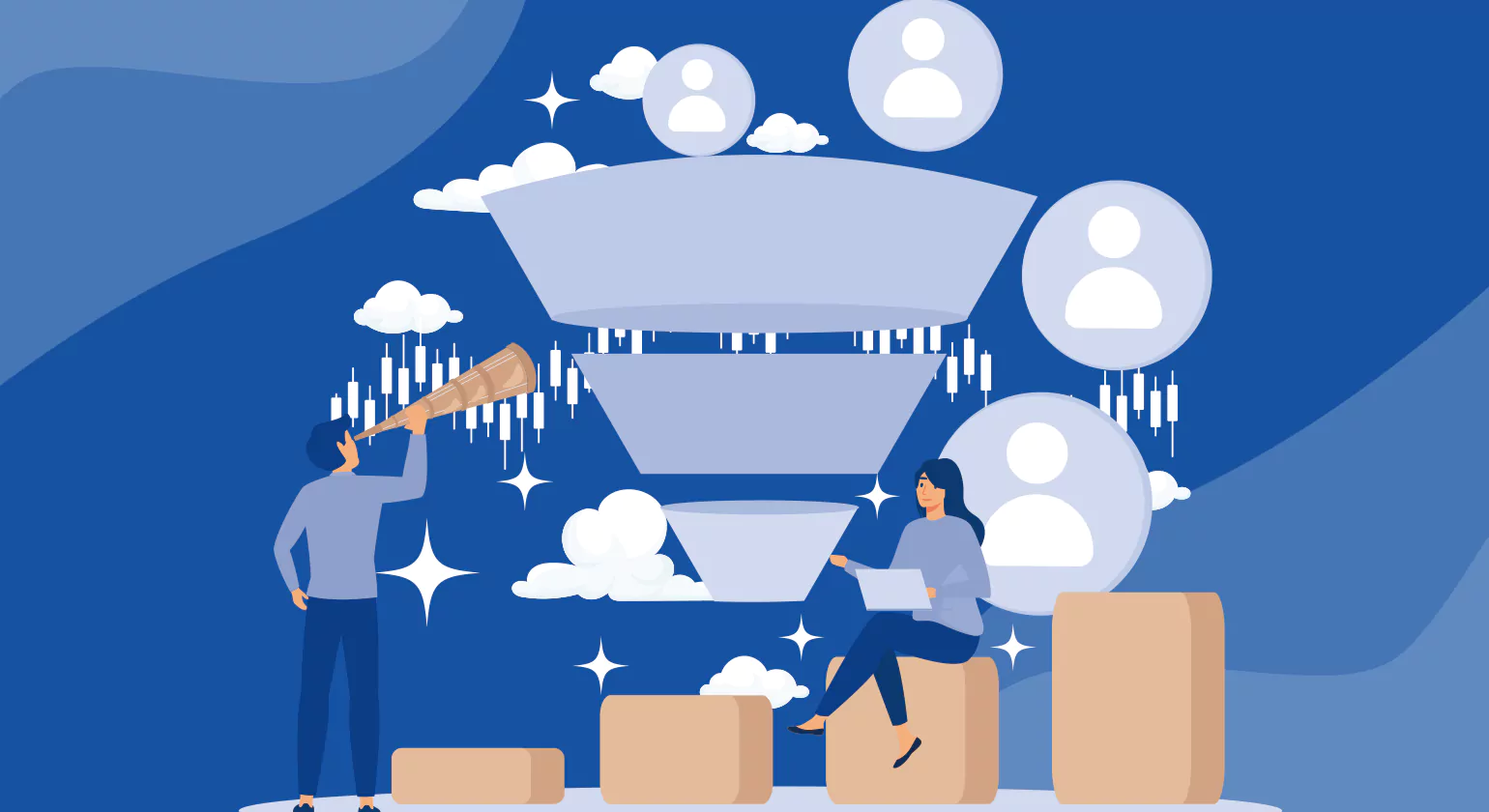
Customer retention is a crucial aspect of the SaaS funnel, as retaining existing customers is more cost-effective than acquiring new ones. SaaS businesses thrive not only by attracting new users but also by keeping them engaged, satisfied, and loyal over time. Below are 10 key tactics and best practices for enhancing customer retention in the SaaS funnel:
1. Streamlined Onboarding Process
The first step in ensuring long-term retention starts with a smooth and efficient onboarding process. A well-structured onboarding experience helps customers understand the value of your product right away, setting them up for success. Provide easy-to-follow tutorials, welcome emails, and access to customer support to ensure that users can quickly learn how to use the software effectively.
2. Personalized Customer Support
Offering exceptional, personalized customer support can significantly boost retention. SaaS companies should provide multiple channels for support, such as live chat, phone, email, and community forums. Using customer data to tailor support interactions, providing quick resolutions to issues, and offering proactive troubleshooting can help keep customers satisfied.
3. Regular Product Updates and Improvements
Keeping your product up-to-date with new features and improvements is vital for retaining customers. Regularly releasing updates that improve usability, address bugs, and add features based on user feedback can show customers that your product evolves to meet their needs. A transparent approach to product development can also build trust.
4. Customer Engagement Through Education
Continually engaging customers through educational content is another key to retention. Offering webinars, blog posts, tutorials, and video guides can help customers maximize the value they get from your product. A knowledgeable user is more likely to stay loyal and refer your product to others.
5. Incentives for Long-Term Commitment
Incentivizing long-term subscriptions or loyalty can improve retention. Offer discounts, special pricing plans, or exclusive features for customers who commit to annual or multi-year contracts. Incentives can help strengthen customer relationships while providing added value.
6. Customer Feedback Loops
Engaging with your customers for feedback on their experience is essential for both improvement and retention. Regular surveys, NPS (Net Promoter Score) evaluations, and direct communication channels allow customers to share their thoughts. Addressing concerns and showing that you value feedback can significantly improve loyalty.
7. Building a Community
Creating a community around your product can increase customer retention by fostering a sense of belonging. Whether through user forums, online groups, or social media interactions, a strong community can offer peer support, facilitate knowledge sharing, and create a deeper connection with the product.
8. Proactive Engagement
Don’t wait for customers to come to you with issues. Proactively reach out with check-ins, reminders, product tips, or seasonal promotions. Automated email campaigns or in-app notifications can serve as gentle nudges to keep customers engaged and informed, preventing them from disengaging over time.
9. Gamification and Rewards
Incorporating gamification into your SaaS product can enhance user engagement and retention. Offering rewards, badges, or points for completing specific actions or milestones within the software motivates customers to continue using the product. This creates a sense of accomplishment and adds an element of fun to the user experience.
10. Churn Prevention Programs
Identify at-risk customers early through churn prediction tools. Implement targeted strategies, such as offering personalized offers, re-engagement campaigns, or check-in calls, to prevent them from canceling their subscriptions. Understanding the reasons behind churn and addressing those pain points can significantly reduce customer turnover.
Top 10 Examples of Successful SaaS Marketing Funnels
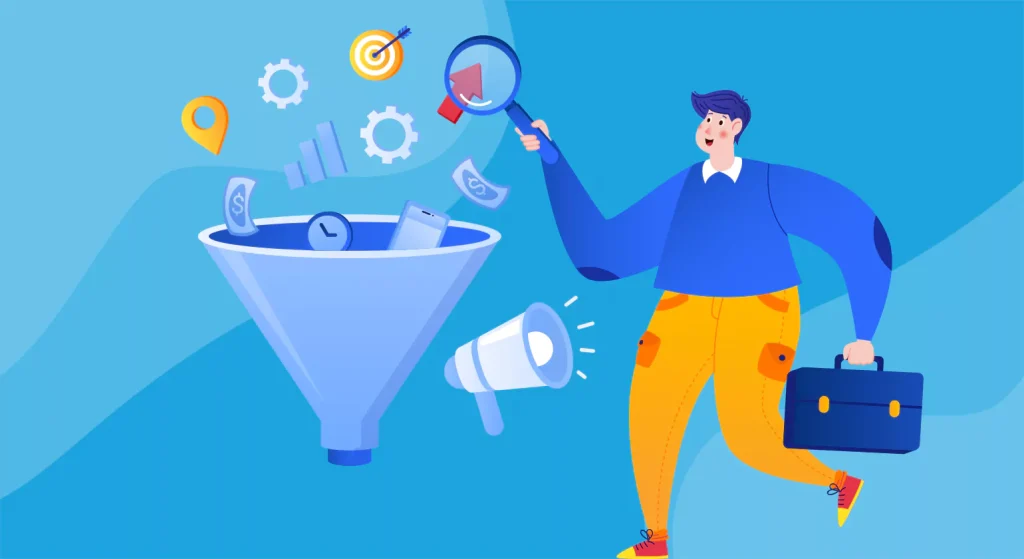
Creating an effective SaaS marketing funnel is essential for converting leads into loyal customers. Many SaaS companies have developed highly successful funnels that attract, nurture, and convert prospects at every stage. Below are 10 examples of SaaS companies that have mastered the art of the marketing funnel:
1. HubSpot
HubSpot’s marketing funnel is a prime example of lead nurturing. They offer free tools (like the CRM) at the top of the funnel, which attracts a wide audience. As users engage, HubSpot offers in-depth resources such as guides, templates, and free courses to move prospects down the funnel. Eventually, users are encouraged to try premium paid features, transitioning them into paying customers.
2. Dropbox
Dropbox uses a simple but effective marketing funnel that starts with a freemium model. At the top, users sign up for a free account. As customers use the product, Dropbox nudges them to upgrade by offering additional features like more storage and collaboration tools, showcasing the value of paid plans.
3. Salesforce
Salesforce has one of the most sophisticated marketing funnels in the SaaS space. They use targeted content to attract leads, nurturing them through webinars, email campaigns, and personalized demos. Their funnel includes multiple stages of content that educate prospects about the software’s capabilities, ultimately converting them through free trials and custom pricing offers.
4. Mailchimp
Mailchimp’s funnel uses a free-tier subscription that attracts leads through content and email campaigns. They offer educational resources, such as tutorials and webinars, to help potential customers understand the value of their email marketing platform. As customers engage with the platform, they’re gradually introduced to premium features, leading to conversions.
5. Shopify
Shopify’s funnel is built around e-commerce merchants looking for an easy way to set up online stores. They offer a free trial at the top of the funnel, followed by educational content on store creation, marketing, and scaling. Users are gradually pushed toward premium plans through in-app prompts and targeted email campaigns.
6. Zendesk
Zendesk’s marketing funnel revolves around offering a free trial of their customer service software. Through email drip campaigns, case studies, and webinars, Zendesk nurtures leads by showcasing how their tools can improve customer support efficiency. After the trial period, they present tailored pricing plans based on the customer’s needs.
7. Monday.com
Monday.com’s funnel is centered around visual collaboration. They provide a freemium model, enticing users with the ability to manage projects and teams for free. As users interact with the platform, they receive personalized tips and tutorials that encourage them to upgrade to premium plans for more advanced features.
8. Intercom
Intercom uses a multi-touch funnel with personalized messaging at each stage. They provide educational content and personalized in-app messaging to help users discover the benefits of their live chat, marketing automation, and customer support software. Free trials are offered with targeted follow-ups to drive conversions.
9. Trello
Trello’s marketing funnel is a simple but effective combination of a free sign-up process and strong customer engagement. By offering free basic project management tools, Trello attracts a large audience. They use educational emails and in-app tutorials to guide users toward paid plans that provide advanced features like integrations and priority support.
10. Asana
Asana offers a freemium model that attracts project management teams looking for easy collaboration tools. They provide free resources like webinars and guides to educate users on best practices. As users engage, they’re offered tailored plans to scale with advanced project management features and increased collaboration options.
Optimizing Your SaaS Funnel: Metrics & A/B Testing
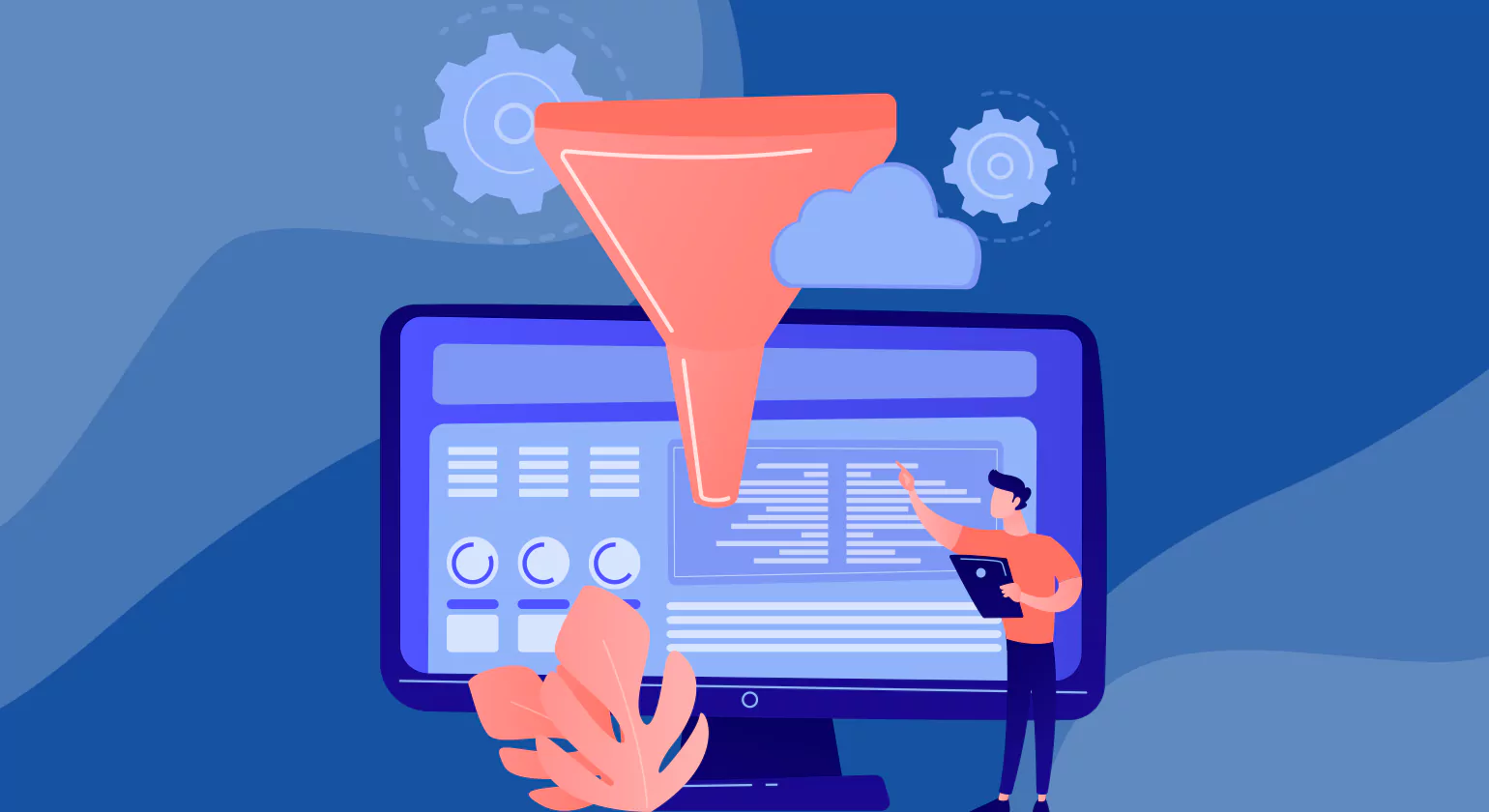
Optimizing your SaaS marketing funnels is essential for maximizing conversions, improving customer retention, and driving revenue growth. To achieve these goals, you need to track key metrics and continuously test your funnel elements to find out what works best. Here’s how you can optimize your SaaS funnel using metrics and A/B testing:
1. Identify Key Metrics for Funnel Optimization
To effectively optimize your funnel, start by defining the metrics that matter most to your business. Key metrics to track include:
Conversion Rate: The percentage of leads that convert into paying customers at each stage of the funnel. This metric helps you evaluate the effectiveness of your funnel.
Customer Acquisition Cost (CAC): The total cost of acquiring a new customer. This includes marketing, sales, and any other associated costs. It’s important to keep CAC lower than customer lifetime value (CLTV).
Lead-to-Customer Ratio: This measures the number of leads compared to the number of customers you convert. A high ratio suggests that there are opportunities to improve your lead nurturing process.
Churn Rate: The percentage of customers who cancel their subscriptions over a given period. A high churn rate indicates issues with customer retention, which may require adjustments in your funnel.
Trial-to-Paid Conversion Rate: For SaaS companies offering free trials, this metric shows how well your trial users convert into paying customers. Optimizing this conversion is critical for growth.
Tracking these metrics provides a clear understanding of where the funnel is performing well and where improvements are needed.
2. A/B Testing for Funnel Optimization
A/B testing is a powerful way to optimize your SaaS funnel by comparing two versions of an element (such as a landing page, email, or call-to-action) to see which one performs better. Here’s how to effectively use A/B testing:
Landing Pages: Test different versions of your landing pages with varying headlines, copy, images, and offers. Even small changes can lead to significant improvements in conversion rates.
Call-to-Action (CTA): Test different CTA button designs, wording, and placements to determine which one drives more clicks and conversions.
Email Campaigns: Experiment with different subject lines, content, and sending times for your email campaigns to improve engagement and conversion rates.
Pricing Plans: Try different pricing structures, promotional offers, or free trial lengths to find the combination that leads to the highest conversion rates.
3. Iterate Based on Insights
Once A/B testing is complete and you have gathered enough data, analyze the results to understand what’s working and what isn’t. Implement the winning variations, and continue testing new hypotheses to refine the funnel over time. This iterative approach ensures that your SaaS funnel is always evolving and improving.
Tools for Building and Analyzing Your SaaS Marketing Funnel
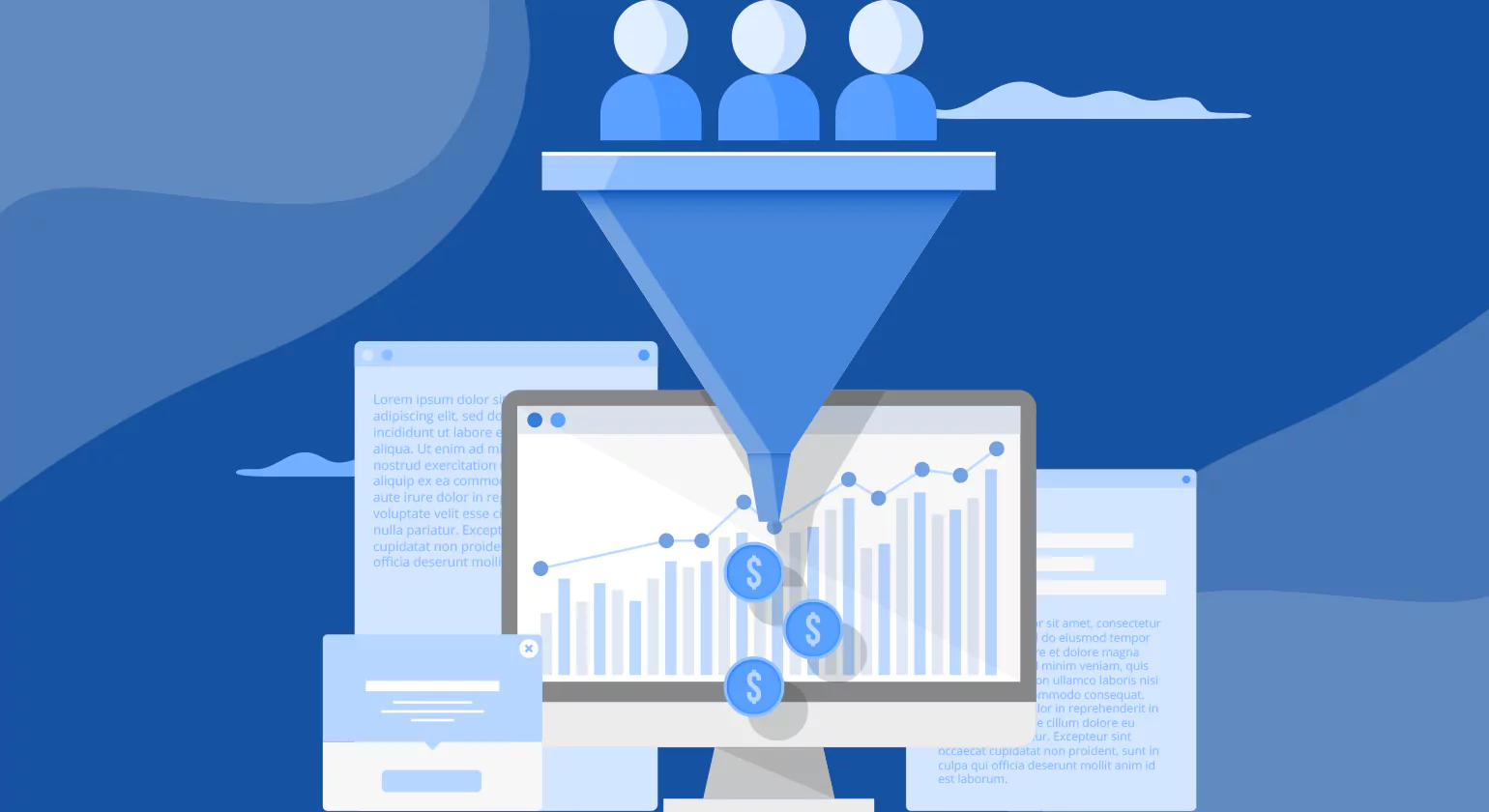
Building and analyzing your SaaS marketing funnel effectively requires the right set of tools. These tools help automate processes, track key metrics, and optimize every stage of the customer journey. Below are some essential tools for building, monitoring, and refining your SaaS marketing funnel:
1. CRM Software: HubSpot, Salesforce
A Customer Relationship Management (CRM) system is a cornerstone of any successful SaaS marketing funnels. CRMs help you manage and analyze customer interactions, track leads, and ensure that prospects are moving through the funnel smoothly.
A Customer Relationship Management (CRM) system is a cornerstone of any successful SaaS marketing funnel. CRMs help you manage and analyze customer interactions, track leads, and ensure that prospects are moving through the funnel smoothly.
HubSpot: HubSpot offers a robust CRM with powerful automation and tracking features. It integrates seamlessly with email, social media, and analytics tools, providing a centralized view of your leads and customers.
Salesforce: Known for its customizability, Salesforce enables SaaS businesses to track every touchpoint along the funnel, from lead capture to post-sale follow-ups. It also provides in-depth reporting and advanced features for larger organizations.
2. Email Marketing Automation: Mailchimp, ActiveCampaign
Email marketing is a key tactic for nurturing leads and moving them down the funnel. Email automation platforms allow you to set up targeted, drip campaigns to guide prospects through the stages.
Mailchimp: A popular choice for SaaS businesses, Mailchimp allows you to automate email sequences, segment your audience, and track open rates, click-through rates, and conversions.
ActiveCampaign: This tool offers advanced segmentation and dynamic content options. It’s great for automating personalized email workflows and tracking user behavior to deliver timely messages that nurture prospects.
3. Analytics Tools: Google Analytics, Mixpanel
Analytics tools help track user behavior, conversion rates, and overall performance at each stage of your funnel.
Google Analytics: Google Analytics is the go-to tool for tracking website traffic, conversion rates, and user behavior. By setting up goals and funnels, you can track how visitors progress through your site, from landing pages to sign-ups and beyond.
Mixpanel: Mixpanel offers more advanced analytics for SaaS businesses, focusing on user engagement, retention, and product usage. It provides in-depth cohort analysis, helping you understand which features users engage with and where they drop off.
4. A/B Testing Tools: Optimizely, VWO
A/B testing is essential for optimizing every element of your SaaS funnel. These tools help you test variations of your landing pages, emails, and CTAs to see what drives better results.
Optimizely: Optimizely is a robust A/B testing platform that allows you to test multiple variations of web pages, pop-ups, and even app features. It provides real-time data, helping you quickly identify which changes increase conversion rates.
VWO: With VWO (Visual Website Optimizer), you can test different page layouts, headlines, and design elements. VWO also provides heatmaps and session recordings, allowing you to understand how users interact with your site and where they drop off.
5. Lead Capture & Conversion Tools: Unbounce, Leadpages
To effectively convert visitors into leads at the top of the funnel, you need powerful landing page builders and lead capture tools.
Unbounce: Unbounce specializes in creating high-converting landing pages, pop-ups, and sticky bars. It integrates well with CRMs and email marketing tools, making it easy to capture leads and funnel them into your nurturing process.
Leadpages: Leadpages provides an easy-to-use platform for building landing pages and lead capture forms. It offers templates that are optimized for conversion, helping you quickly design and test new campaigns.
6. Customer Feedback Tools: SurveyMonkey, Typeform
Customer feedback is crucial for improving your SaaS product and funnel. Collecting insights from users can help you identify pain points and areas of improvement in the funnel.
SurveyMonkey: SurveyMonkey is great for sending surveys and gathering qualitative data on user satisfaction. You can segment your survey results based on user demographics to gain deeper insights.
Typeform: Typeform offers highly customizable surveys that are visually appealing and easy to complete. It’s great for collecting feedback from users about their experience and improving your funnel based on their responses
Common Challenges in SaaS Funnels and How to Overcome Them
Building and optimizing a SaaS marketing funnel comes with its share of challenges. These hurdles can impact the efficiency of your lead generation, conversion, and retention efforts. However, understanding these challenges and how to overcome them can ensure the long-term success of your funnel. Here are some common issues SaaS businesses face and strategies to tackle them:
1. High Churn Rate
A high churn rate is one of the most significant challenges SaaS companies face, especially after the free trial phase. When customers leave too early or fail to see the value, it impacts both revenue and growth.
Solution: Focus on improving customer onboarding and engagement. Ensure new users understand the full value of your product from the start. Regularly check in with customers through personalized emails or in-app messages, providing tips and guidance. Offering customer success programs and proactive support can also reduce churn.
2. Lead Quality vs. Quantity
SaaS companies often attract a large number of leads but struggle with converting low-quality leads into paying customers. This imbalance between quantity and quality can waste resources and effort.
Solution: Implement better lead qualification processes, using tools like lead scoring and segmentation. This helps prioritize high-intent leads who are more likely to convert. Tailor your content and outreach efforts based on the needs of different buyer personas to improve the quality of your leads.
3. Inefficient Lead Nurturing
Not every lead will convert immediately. Ineffective lead nurturing can lead to a lot of leads dropping off the funnel without ever converting.
Solution: Create targeted email campaigns, webinars, and content that nurture leads over time. Use marketing automation tools to segment leads and send personalized messages based on where they are in the funnel. Provide educational resources, case studies, or customer success stories to build trust and guide leads toward conversion.
4. Poor Conversion from Trial to Paid
Many SaaS businesses offer free trials, but a common issue is a low conversion rate from trial users to paying customers.
Solution: Focus on delivering an exceptional trial experience that showcases the full potential of your product. Offer tutorials, check-ins, and reminders to keep users engaged throughout the trial period. A clear value proposition, along with targeted follow-up emails or special discounts, can encourage trial users to transition to a paid plan.
5. Lack of Personalization
A generic experience for leads and customers can reduce engagement and conversion rates. People expect personalized content and interactions based on their specific needs.
Solution: Use customer data to personalize your marketing efforts. Tailor content, emails, and product recommendations to meet the unique needs of each lead or customer. Personalized onboarding experiences, content suggestions, and follow-up strategies increase the chances of retaining customers and driving conversions.
6. Underestimating Customer Retention
SaaS businesses often focus too much on acquiring new customers and overlook the importance of retaining existing ones. This can lead to a leaky funnel and increased churn.
Solution: Implement strategies that prioritize retention, such as regular engagement, loyalty programs, and asking for feedback. Continuously monitor customer satisfaction through surveys and Net Promoter Scores (NPS). Make improvements based on customer feedback to ensure your product evolves with customer needs.
Conclusion
In conclusion, a well-optimized SaaS marketing funnel is essential for driving growth and achieving long-term success. By focusing on each stage—from attracting leads to nurturing and converting them into loyal customers—you can streamline your sales process and maximize ROI. Regularly analyzing metrics and implementing strategies like A/B testing, personalized content, and efficient lead nurturing will help you continuously refine your funnel. Ultimately, a strong SaaS marketing funnel not only boosts conversions but also enhances customer retention, helping you build a sustainable and profitable business in the competitive SaaS landscape.
FAQs
What is a SaaS Marketing Funnel?
A SaaS marketing funnel is a strategic framework that guides potential customers through awareness, consideration, and conversion stages. It helps SaaS businesses attract, nurture, and convert leads into paying users while optimizing retention and advocacy for long-term growth.
What is the SaaS funnel model?
The SaaS funnel model represents the customer journey, from awareness to retention, in stages: Awareness, Interest, Decision, and Action. It focuses on converting leads into paying customers while nurturing relationships to maximize lifetime value, commonly including metrics like churn rate and MRR growth.
How to build a SaaS sales funnel?
Build a SaaS sales funnel by identifying your target audience, creating engaging content, leveraging lead magnets, and using CRM tools. Segment leads into stages (awareness, consideration, and decision) and implement nurturing strategies like email marketing, free trials, or demos to drive conversions. Regularly analyze and optimize each stage for performance.
What is the conversion funnel for SaaS?
The SaaS conversion funnel tracks the user journey from prospect to customer, focusing on touchpoints: lead acquisition, sign-ups, onboarding, and upgrades. The goal is to minimize drop-offs and optimize each stage with clear CTAs, user engagement strategies, and effective onboarding processes to boost conversions and retention.
How to build a SaaS product roadmap?
To build a SaaS product roadmap, start with your product vision, prioritize customer needs, and define clear goals. Use tools like Gantt charts to structure tasks across timelines, aligning short-term sprints with long-term milestones. Regularly update based on feedback and market trends to ensure adaptability and relevance.
What is the B2C SaaS sales funnel?
The B2C SaaS sales funnel is a streamlined model focusing on driving high-volume conversions. Stages include awareness (via ads or content), sign-ups (free trials or demos), engagement (onboarding or tutorials), and conversion (subscriptions). Retention strategies like personalized experiences and timely support enhance customer lifetime value.
Why is a Marketing Funnel Essential for SaaS Businesses?
A marketing funnel is crucial for SaaS companies as it educates leads, builds trust, and nurtures them through the decision-making process. Unlike traditional products, SaaS solutions often require a structured approach to showcase value and drive conversions effectively.
What Are the Stages of a SaaS Marketing Funnel?
A SaaS marketing funnel has three key stages:
- Top (Awareness) – Attracting potential customers via content marketing, SEO, and ads.
- Middle (Consideration) – Nurturing leads through webinars, case studies, and demos.
- Bottom (Conversion & Retention) – Encouraging sign-ups, free trials, and customer advocacy.
How Do You Optimize a SaaS Marketing Funnel?
To optimize a SaaS marketing funnel, focus on data-driven improvements. Leverage A/B testing, improve website UX, personalize email sequences, and refine onboarding processes. Effective retargeting, CRM automation, and customer feedback help enhance conversions and retention rates.
How Is the SaaS Funnel Different?
A SaaS funnel differs from traditional funnels by emphasizing long-term customer engagement. Instead of a one-time purchase, SaaS focuses on subscription-based models, requiring onboarding, continuous value delivery, and customer retention strategies to maximize lifetime value (LTV).