Table of Contents
Introduction to retargeting vs remarketing
In the world of digital advertising, the terms retargeting vs remarketing are often used interchangeably. However, while they share similar goals, they are distinct strategies with unique approaches. Both techniques are designed to re-engage potential customers who have already interacted with your business in some way but haven’t yet completed a desired action, such as making a purchase or signing up for a newsletter
Retargeting is a technique that involves targeting individuals who have previously interacted with a brand, while remarketing refers to the process of targeting individuals who have engaged with a brand’s email marketing campaigns.
Remarketing typically involves reaching out to customers via email or other forms of communication based on their previous actions. It focuses on re-engaging visitors who have shown interest but haven’t completed a conversion. For example, if a user abandons a shopping cart, a remarketing campaign might send them an email reminder about the products they left behind
How retargeting vs remarketing Work in the Context of Digital Advertising
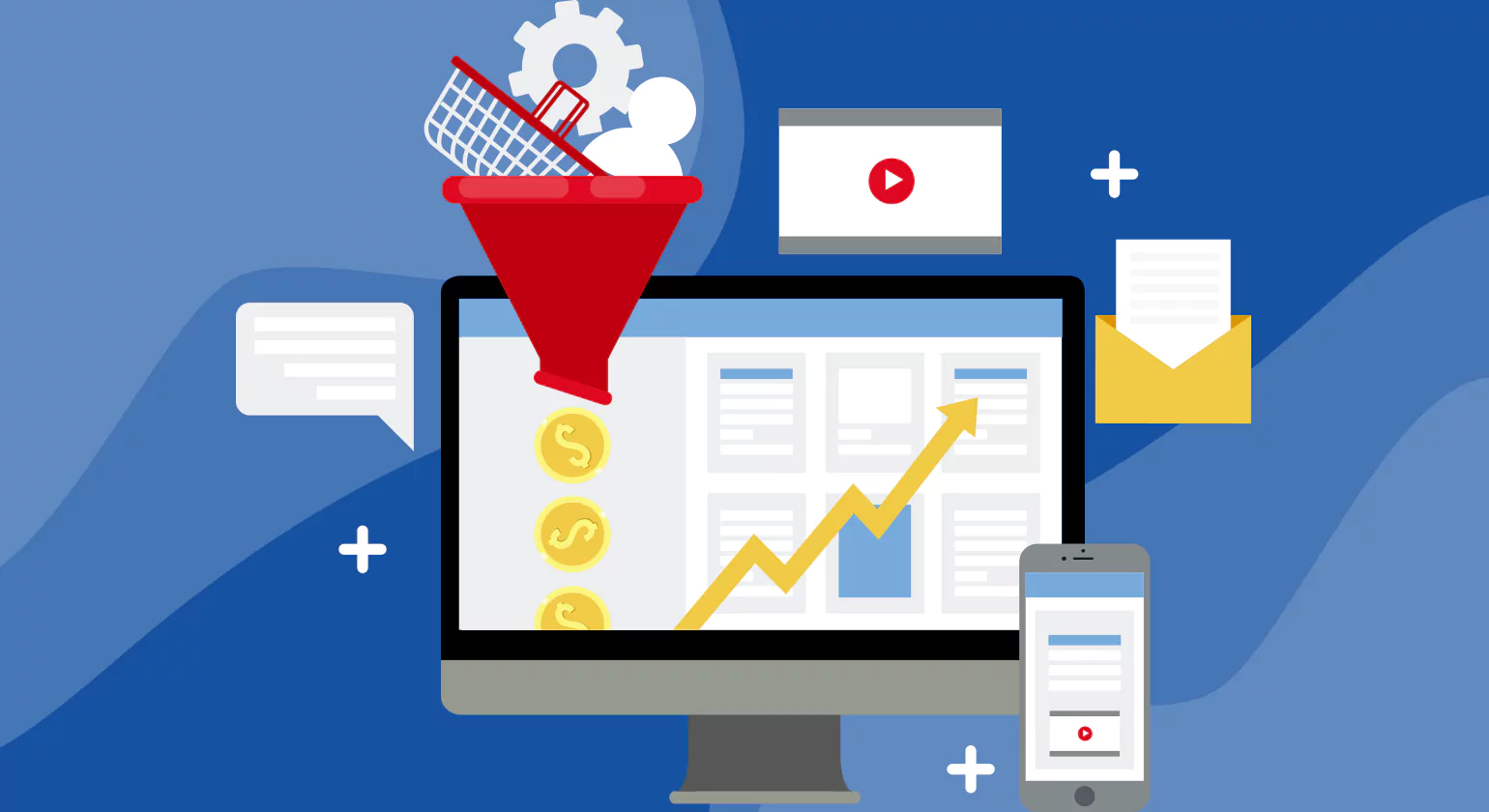
Both remarketing and retargeting are aimed at bringing back potential customers who have engaged with your brand but didn’t convert. However, the way they operate differs in how the engagement is tracked and the medium used to re-engage
Remarketing
This involves the use of email marketing or direct messaging. For example, if a visitor to your website adds items to their cart but doesn’t make a purchase, remarketing might send them an email reminding them of the products they left behind, offering a discount, or providing additional information about the benefits.
Retargeting
Retargeting works through cookies and ads. When a user visits a website, a small piece of code, called a cookie, is placed in their browser. This cookie tracks the visitor’s behavior, allowing you to serve them ads on other websites or social platforms, reminding them of the items or pages they’ve previously viewed
Medium
Remarketing often uses emails, while retargeting uses digital ads
Tracking Method
Remarketing is typically based on CRM data, such as email addresses, while retargeting relies on cookies to track user behavior
By using both strategies, businesses can maximize their chances of re-engaging potential customers and ultimately driving conversions
How to use retargeting vs remarketing strategies for your business or website
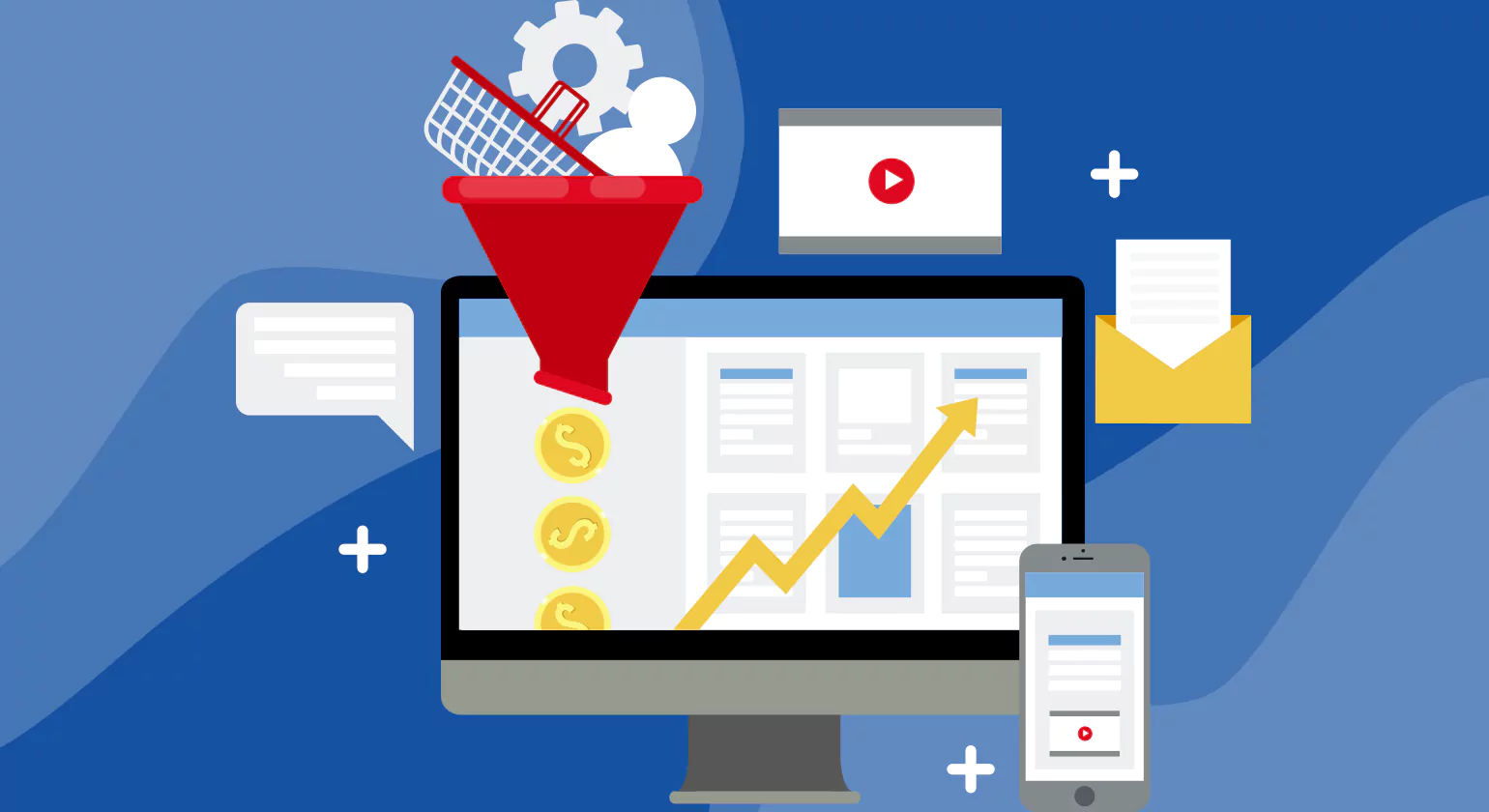
Remarketing and retargeting are powerful tools for businesses looking to boost conversions by re-engaging users who have shown interest in their products or services. Here’s how you can effectively use these strategies for your business
Identify Your Target Audience
Remarketing
Identify users who have interacted with your business through email, sign-ups, purchases, or abandoned carts. Segment these users based on their behavior and interests.
Retargeting
Use cookies to track website visitors and serve ads to users who have visited specific pages or shown interest in particular products.
Set Clear Campaign Goals
Before launching any campaign, define what you want to achieve. Whether it’s encouraging visitors to complete a purchase, sign up for a newsletter, or download a resource, setting specific goals will help you design a more focused and effective campaign
Choose the Right Channels and Platforms
Remarketing
Use email marketing, Google Ads, or social media platforms to engage users who have interacted with your business
Retargeting
Use Google Display Network, Facebook, Instagram, or other ad networks to display ads based on users’ previous website behavior
Craft Engaging and Relevant Ads
Remarketing
Create personalized messages based on the user’s previous actions. For example, if a customer abandoned their cart, show them ads that remind them of the items left behind or offer a discount.
Retargeting
Design visually appealing ads that remind users of products they’ve viewed or added to their cart. Consider using dynamic ads to automatically pull in the exact products users were interested in
Optimize Your Landing Pages
Ensure that the landing pages users are directed to match the ads they clicked on. This ensures a consistent user experience, which can increase the likelihood of conversions
Test and Refine Your Campaigns
Regularly test different ad formats, messaging, and offers. Continuously refine your strategies based on performance metrics such as click-through rates, conversion rates, and cost per acquisition
Step-by-Step Guide: Setting Up Your First retargeting vs remarketing Campaign

If you’re ready to start leveraging remarketing or retargeting to boost conversions, here’s a simple step-by-step guide to help you set up your first campaign
Define Your Audience
Remarketing
Use your CRM to create a list of users who have interacted with your brand but haven’t completed a conversion. For example, you can segment users who added items to their cart but didn’t complete the purchase
Retargeting
Install tracking pixels (such as Google Ads or Facebook Pixel) on your website to track visitors. Define the pages or actions (e.g., product views, cart abandonment) you want to target.
Select Your Platform
Remarketing
For remarketing via email, you’ll need an email marketing platform like Mailchimp or Klaviyo. For Google Ads or Facebook remarketing, you can use their respective tools
Retargeting
Choose a retargeting platform like Google Ads, Facebook Ads, or other ad networks that support retargeting features
Create Your Ads
Remarketing
Design personalized email campaigns or ads that speak directly to users based on their previous engagement with your business
Retargeting
Create display ads or video ads that will be shown to users across various websites or social media platforms they visit after leaving your site
Set Up Your Campaign
Remarketing
If using Google Ads, select “Remarketing” as your campaign goal and upload your customer list or create a remarketing list based on previous website visitors
Retargeting
If using Facebook or Google Ads, set up your campaign by selecting the “retargeting vs remarketing” option and choose the audience segment you want to target.
Set Your Budget and Bid Strategy
Determine how much you want to spend on your campaign. Set a daily or lifetime budget, and choose a bidding strategy that aligns with your campaign goals
Launch and Monitor Performance
Launch your campaign and track performance using analytics tools like Google Analytics, Facebook Insights, or the platform’s built-in metrics. Pay attention to important metrics like click-through rates, conversion rates, and return on ad spend
Optimize for Better Results
After gathering data from your campaign, make adjustments. This could involve refining your targeting, testing different ad creatives, or adjusting your budget to maximize ROI
Target Audience Segmentation for retargeting vs remarketing

Effective segmentation is crucial to the success of your remarketing and retargeting campaigns. By dividing your audience into specific groups based on their behavior, interests, or demographics, you can deliver highly personalized and relevant ads that boost engagement and conversion rates. Here’s how to approach segmentation for each strategy
Behavior-Based Segmentation
Website Visitors
Segment users based on the pages they visited, how long they stayed, and what actions they took. For example, users who visited a product page but didn’t add the item to their cart can be targeted with ads showing that specific product.
Cart Abandoners
This is a crucial segment to target. Reach out to users who added items to their cart but did not complete the purchase. Tailor your ads to remind them of their abandoned cart or offer a discount to encourage them to finalize the purchase
Previous Purchasers
Customers who have bought from you in the past are more likely to make another purchase. Segment these users based on their previous buying behavior, such as the product category or frequency of purchases, and offer them relevant upsells or cross-sells
Demographic Segmentation
Age and Gender
Group users by their age or gender if this information is available, and personalize your ads based on what appeals most to these demographics
Location
Geographic segmentation is effective for businesses with specific regional offerings. For example, you might target users in a specific city with localized promotions or events
Income Level
Some platforms like Facebook allow you to segment your audience by income level, which is useful for targeting products that cater to different financial brackets
Interest-Based Segmentation
Past Engagements
Segment your audience based on how they’ve interacted with your content. For example, users who have liked, shared, or commented on your posts are more likely to be interested in your products.
Customer Journey Stage
Segment users based on where they are in the customer journey. Someone who is just browsing might need a different message than a user who has added items to their cart but hasn’t purchased yet.
Device and Platform Segmentation
Mobile vs. Desktop Users
Users on different devices behave differently. Tailor your retargeting vs remarketing ads to match the device they used when visiting your site. For instance, mobile users may be more inclined to make an impulse purchase, so offer a quick, easy checkout experience
Platform-Specific Ads
If you’re using Facebook, Instagram, or Google Ads for retargeting, segment based on the platform each user interacted with. Ads designed for social media platforms tend to perform differently than those on search engines
Recency of Interaction
Time-Based Segmentation: You can segment users based on when they last interacted with your site. Users who have recently visited may require more immediate follow-up with time-sensitive offers, while users who haven’t interacted in a while may need a different type of incentive to return
Practices for Optimizing Remarketing and Retargeting to Improve Conversion Rates

Optimization is key to the success of any digital advertising strategy, including remarketing and retargeting. By refining your campaigns and making data-driven decisions, you can increase your ROI and drive more conversions. Here are some best practices to optimize your remarketing and retargeting efforts
1. Personalize Your Ads
Personalization is the cornerstone of retargeting vs remarketing success. Use the data you’ve collected about your users—such as past interactions, purchases, or browsing behavior—to create personalized ad copy and offers
Dynamic Ads: Leverage dynamic remarketing ads that automatically update to show users the exact products or services they viewed, making the ads more relevant and increasing the chances of a conversion
2. Frequency Capping
One common mistake in remarketing and retargeting campaigns is bombarding users with the same ad too frequently. This can lead to ad fatigue and a negative experience. Use frequency capping to limit how often your ads are shown to the same user
Adjust the frequency based on user behavior. For example, users who have already clicked on your ad might need fewer reminders than those who haven’t engaged yet
3. Use Strong Calls to Action
A compelling call to action is essential in guiding users toward conversion. Make sure your ads have clear and actionable CTAs like “Shop Now,” “Complete Your Purchase,” or “Get 20% Off.”
4. Offer Incentives
Offering discounts, free shipping, or exclusive deals can be a great motivator for conversions. For users who abandoned their cart or showed interest in a product but didn’t buy, providing a time-limited offer or a discount code can nudge them towards a purchase
5. Optimize Landing Pages
Ensure that the landing pages users are directed to from your retargeting vs remarketing ads are optimized for conversions. The content on the page should align with the ad, providing a seamless user experience.
5. A/B Testing
Continuously test your ad creatives, messaging, and targeting options. A/B testing helps you determine which elements of your ads resonate best with your audience and which strategies lead to higher conversion rates.
6. Monitor and Adjust Based on Data
Regularly monitor your remarketing and retargeting campaigns using analytics tools like Google Analytics, Facebook Insights, or platform-specific dashboards. Analyze performance metrics such as click-through rates, conversion rates, and return on ad spend.
7. Create a Seamless User Experience
Ensure that the overall user experience is smooth, from the first interaction with your ad to the final purchase. A well-designed website, a simple checkout process, and fast loading times all contribute to improved conversion rates.
Tools and platforms for Remarketing and Retargeting

Selecting the right tools and platforms for your remarketing and retargeting campaigns is essential to achieving better results and increasing your advertising efficiency. Below are some of the best tools available for running effective remarketing and retargeting campaigns
1. Google Ads
Google Ads is one of the most popular platforms for remarketing. It offers a powerful set of tools to help you reach users who have already interacted with your site or app. Using Google’s Remarketing Lists for Search Ads (RLSA) and Display Network, you can target users with highly relevant ads across Google’s vast network
Features
- Dynamic remarketing to show personalized ads based on the products users have viewed.
- Cross-device targeting, allowing you to retarget users across multiple devices.
- Advanced bidding options like Target CPA (Cost per Acquisition) to optimize performance
Businesses looking for a comprehensive retargeting vs remarketing solution that reaches users across Google’s vast network of search results, websites, apps, and YouTube
2. Facebook and Instagram Ads
Facebook and Instagram offer highly targeted remarketing options through Facebook Ads Manager. You can create custom audiences based on user interactions with your website, Facebook page, Instagram profile, or other properties.
Features
Custom Audiences based on website visits, app activity, or engagement with social media content.
Dynamic product ads that showcase the exact items users have viewed or added to their cart.
Retargeting ads on both Facebook and Instagram for a wider reach
Businesses that want to engage users on social media platforms with highly visual ads and in-depth targeting based on interests and behaviors
3. AdRoll
AdRoll is a robust retargeting platform that allows you to create personalized ad experiences across multiple channels, including web, social, and email. It’s great for businesses looking for an all-in-one retargeting solution.
Features
Cross-channel retargeting (web, email, social media, etc.)
Audience segmentation and personalization for different user types.
Built-in analytics for measuring the performance of your ads.
AI-powered optimization for campaign performance.
E-commerce businesses or any business that wants a multi-channel retargeting strategy with advanced targeting and performance optimization.
4. Criteo
Criteo specializes in dynamic retargeting vs remarketing ads, especially for e-commerce businesses. The platform leverages artificial intelligence to deliver personalized and relevant ads to users across various websites and apps
Features
Dynamic retargeting to show products that users have interacted with.
Criteo’s Shopper Graph technology tracks consumer behavior and delivers personalized experiences.
Cross-device tracking for users who switch between devices.
E-commerce businesses looking to create personalized product ads and reach customers across a wide range of platforms.
5. LinkedIn Ads
LinkedIn Ads are ideal for B2B remarketing campaigns. You can retarget users based on their job titles, industries, and company size, making it a powerful tool for reaching decision-makers in the professional space.
Features
Account-based retargeting to reach specific companies or individuals.
LinkedIn Matched Audiences to target people who have engaged with your content or website.
Lead generation forms integrated into your retargeting vs remarketing ads to drive conversions.
B2B businesses looking to engage professionals and decision-makers on a platform with rich business-focused targeting options.
6. Perfect Audience
Perfect Audience is another retargeting platform that allows businesses to set up remarketing ads across multiple channels, including display ads, social media, and email. It’s a simple yet effective platform for businesses of all sizes.
Features
Cross-platform retargeting with support for web, mobile, and social media.
Flexible ad formats including display, text, and dynamic ads.
Automated retargeting campaigns to save time.
Businesses looking for an easy-to-use retargeting tool with flexible targeting and ad placement options.
7. Remarkety
Remarkety is a retargeting platform tailored to e-commerce businesses. It offers email retargeting vs remarketing as one of its main features, allowing businesses to send personalized emails to customers who abandoned their carts or browsed specific products.
Features
Email automation and segmentation based on customer behavior.
Dynamic product recommendations in emails.
Analytics to track the performance of email retargeting campaigns.
E-commerce businesses looking to leverage email remarketing alongside other retargeting channels.
How to Measure the Success of Your Remarketing/Retargeting Campaigns
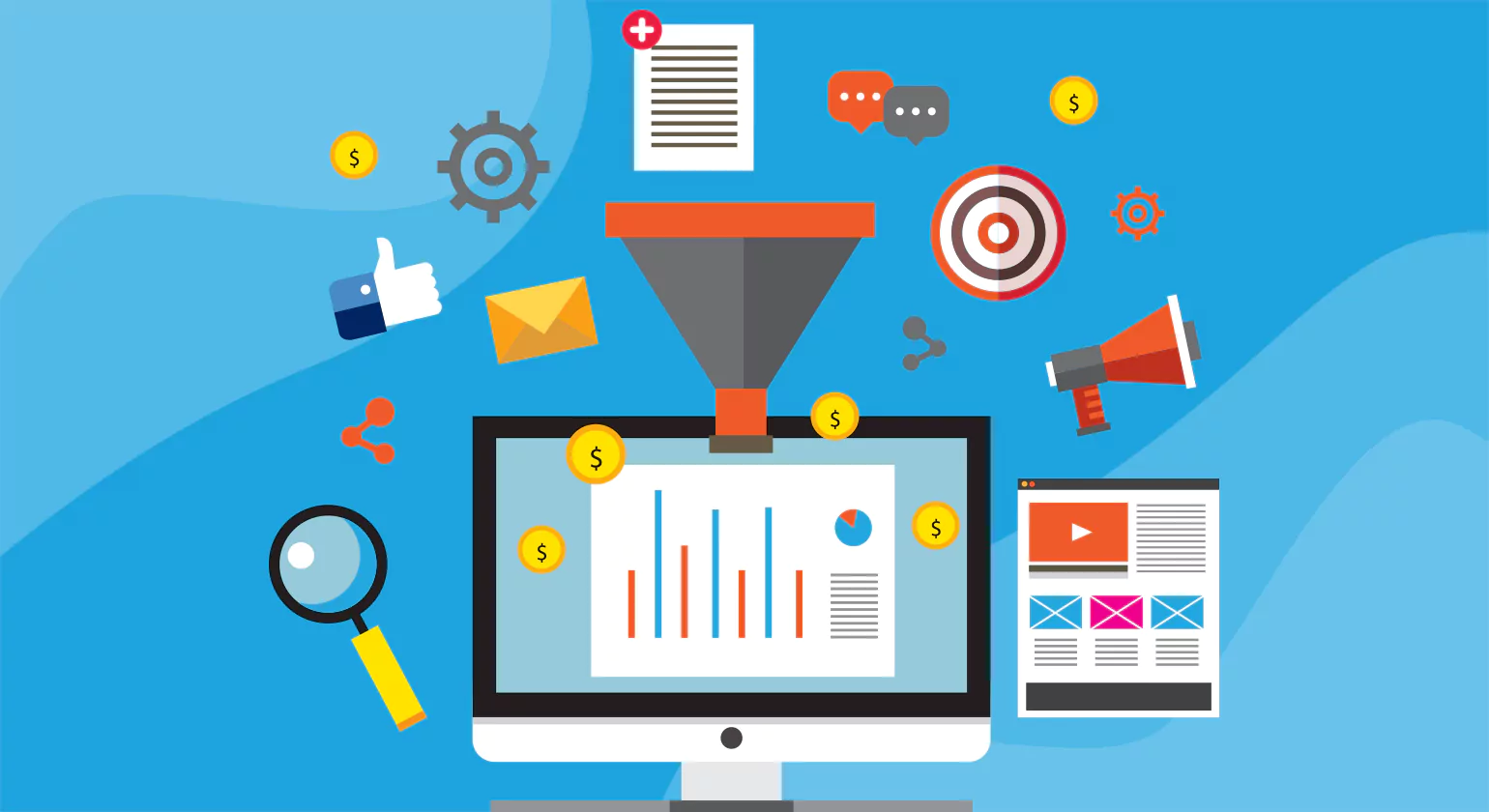
To understand whether your remarketing and retargeting campaigns are delivering the desired results, you need to track and measure key metrics. Here are the most important performance indicators to consider when evaluating the success of your campaigns
1. Click-Through Rate (CTR)
CTR measures how many people click on your retargeting vs remarketing ads compared to how many saw the ad.
Why It’s Important
A higher CTR indicates that your ads are relevant and compelling enough to encourage action. A low CTR could suggest that your ads need better personalization or a stronger call to action.
2. Conversion Rate
Conversion rate is the percentage of people who take the desired action (e.g., purchase, sign-up) after clicking on your remarketing ad.
Why It’s Important
This is the most crucial metric to determine whether your remarketing campaigns are actually driving results. A high conversion rate signifies that your ads are resonating with your target audience.
3. Cost Per Acquisition (CPA)
CPA is the cost you incur to acquire a customer through your remarketing or retargeting efforts.
Why It’s Important
Lower CPA indicates that your campaigns are efficient in acquiring customers. By optimizing your ads, you can reduce CPA and increase the profitability of your campaigns.
4. Return on Ad Spend (ROAS)
ROAS measures the revenue you earn for every dollar spent on advertising.
Why It’s Important
A higher ROAS shows that your remarketing or retargeting campaigns are financially effective. It helps you understand the profitability of your campaigns.
5. Engagement Metrics
Engagement metrics include interactions such as likes, shares, comments, and social media clicks.
Why It’s Important
These metrics show how engaged your audience is with your remarketing ads. High engagement can indicate that your ads are creating interest, which could eventually lead to conversions.
6. Frequency
Frequency refers to how often the same person sees your remarketing ad.
Why It’s Important
Too high a frequency can lead to ad fatigue, while too low may mean that your audience isn’t seeing your ads enough to take action. Striking the right balance is essential for maintaining effectiveness.
7. Bounce Rate
Bounce rate measures the percentage of users who land on your website through a remarketing ad and leave without interacting with other pages.
Why It’s Important
A high bounce rate may indicate that your landing pages aren’t aligned with your ad content or aren’t optimized for conversions. Improving landing page relevance and user experience can help lower bounce rates.
8. Customer Lifetime Value (CLV)
CLV measures the total revenue a customer will generate during their lifetime with your brand.
Why It’s Important
retargeting vs remarketing should not just aim to get quick conversions, but should also focus on driving long-term customer value. By focusing on CLV, you can determine the broader impact of your campaigns.
9. Attribution Models
Attribution models help you determine which touchpoints (ads, channels, etc.) are driving the conversions. Common models include first-click, last-click, and multi-touch attribution
Why It’s Important
Attribution models allow you to assess which parts of your remarketing strategy are most effective, helping you optimize your campaigns and budget allocation.
Conclusion
retargeting vs remarketing are powerful strategies for boosting conversion rates by re-engaging users who have previously interacted with your website. While remarketing focuses on using email campaigns to re-target potential customers, retargeting employs personalized ads to bring users back and encourage them to complete desired actions. To succeed with these strategies, it’s important to use the right tools, such as Google Ads and Facebook Ads, and segment your audience effectively. Optimizing campaigns based on key metrics like conversion rates and ROAS is also crucial. By continuously refining ad content and tracking performance, businesses can improve advertising efficiency and drive long-term growth.
Know More>>>
Top 20 Marketing Analytics Companies to Watch in 2026
FAQ's
1. What is the difference between remarketing and retargeting?
Remarketing typically refers to using email marketing to re-engage existing customers, while retargeting involves displaying online ads to users who have previously interacted with a brand on its website or social media platforms.
2. How do remarketing and retargeting work?
Remarketing sends targeted emails to users who have shown interest in a product or service, encouraging them to complete a purchase. Retargeting, on the other hand, uses tracking pixels to display ads to users across the web based on their previous interactions with a brand.
3. What are the benefits of using remarketing and retargeting strategies?
Both strategies help increase conversion rates by targeting users who are already familiar with your brand. They can effectively re-engage potential customers, remind them of products they showed interest in, and encourage repeat purchases from existing customers.
4. How can I set up my first remarketing or retargeting campaign?
To set up a campaign, you need to define your target audience, choose the right platform (such as Google Ads for retargeting), create compelling ads or emails, and implement tracking mechanisms (like cookies or pixels) to monitor user interactions.
5. What types of businesses benefit most from remarketing and retargeting?
E-commerce businesses, service providers, and any company with a digital presence can benefit significantly from these strategies by effectively reaching out to potential customers who have previously engaged with their offerings.
6. How can I measure the success of my remarketing or retargeting campaigns?
Success can be measured through metrics such as click-through rates (CTR), conversion rates, return on ad spend (ROAS), and overall engagement levels with your ads or emails.