Table of Contents
Blog In A Nutshell
- Real estate newsletters still work, but only when they feel like one to one notes, not mass housing market blasts.
- Each issue must have a single job, a clear audience segment, and one next step; otherwise, readers get confused and stop caring.
- Simple, focused templates for homeowners, renters, investors, commercial and luxury clients beat heavily designed, crowded emails that try to please everyone.
- Specific, real-world details like cul-de-sac performance, pet rules, parking pain, and construction delays make your apartment, property, and home builder newsletters impossible to replace with generic content.
Are Real Estate Newsletters Helpful?
Some agents swear real estate newsletters are dead. They say social media killed them. But those agents are wrong. While social media management is vital for visibility, a well-crafted newsletter is what actually cuts through the noise and lands directly in an inbox you own.
Every email is running on an overload. And then, your real estate newsletter lands in a crowded inbox. If it’s boring, it’s deleted. If it’s salesy, it’s blocked. But if your real estate newsletter provides actual value, people save it.
The best real estate newsletter feels like a note from a knowledgeable friend. It shares things they can’t find elsewhere. Local market whispers. School news before it’s public. That one restaurant opening next month. Your real estate newsletter becomes their insider source.
The problem is not the channel. The problem is that many real estate newsletters read like generic home newsletter blasts, not like a one-to-one note to someone who might move.
When done properly, a real estate newsletter becomes the simplest follow-up system you own. It lets you turn every open house, lead form, or showing into a list of people you can keep talking to. Now, let’s read about how to create a real estate newsletter.
How to Create a Real Estate Newsletter?
Start by picking one clear goal. More listings, better buyer loyalty, or more referrals from past clients, think of what exactly you need. Based on that, you can resort to effective real estate content writing or graphic designs for your housing newsletter that can help you pivot from “salesperson” to “storyteller.”
Next, pick the list you want to talk to. For example, you can create a housing market newsletter for homeowners, an apartment newsletter for renters and small landlords, a home builder newsletter for people following new projects, or a property newsletter for serious investors. Each group needs different language and examples. The same template will not work for all.
Choose a simple sending rhythm. Once a month for early stages is enough. Twice a month if your list is warm and engaged. A schedule you can keep is better than a burst of three issues and then silence. You can then automate the schedule with the help of specialized real estate email marketing tools or outsource it to an email specialist.
At the end, decide your format. Some agents use heavily designed house newsletter layouts. Others use almost plain text real estate newsletters. What matters is that every issue includes three things. A specific hook about this week or month. One short story or example. One clear next step, like reply for a value check, reply for a private video tour, or click to join an interest list.
8 common real estate newsletter templates
1. Monthly housing market newsletter for homeowners
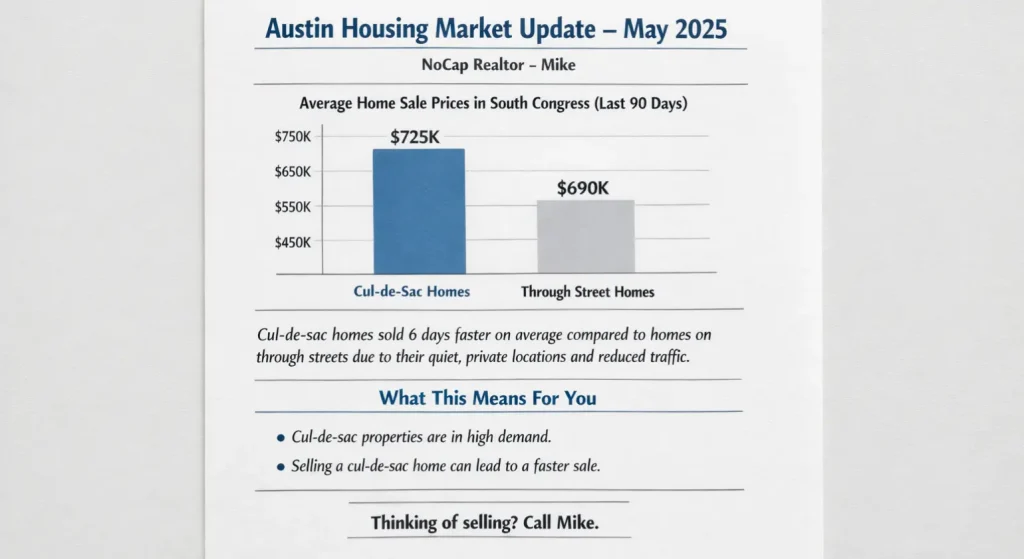
Audience: owners in a specific city or neighbourhood.
Content pieces: one chart or data point, one simple explanation, one owner takeaway, one call to action.
Subject idea: “What your [City] home might really sell for this month” or “Why [Neighbourhood] sellers are getting quieter.”
This real estate newsletter works best when you show one niche detail, like how homes on cul-de-sac corners got quicker offers than homes on through streets over the last ninety days. For the most accurate “big picture” data to back up your local claims, keep an eye on the NAR Research and Statistics and Zillow Research reports.
2. Apartment newsletter for renters and small landlords
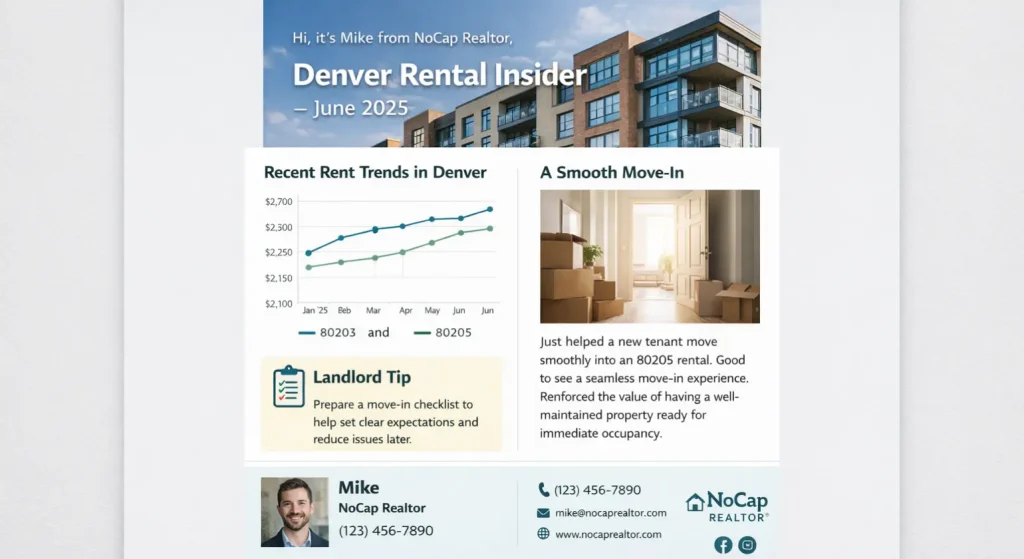
Audience: renters thinking about buying and landlords with a few units.
Content: rent trends in one or two zip codes, one story from a move in or move out, one micro tip about inspections or deposits.
This apartment newsletter should feel like insider notes from someone who sees applications every week. Mention details most blogs skip, like which buildings quietly relax pet rules or which property managers always delay repairs. That kind of detail makes people stay subscribed.
3. Buyer focused home newsletter
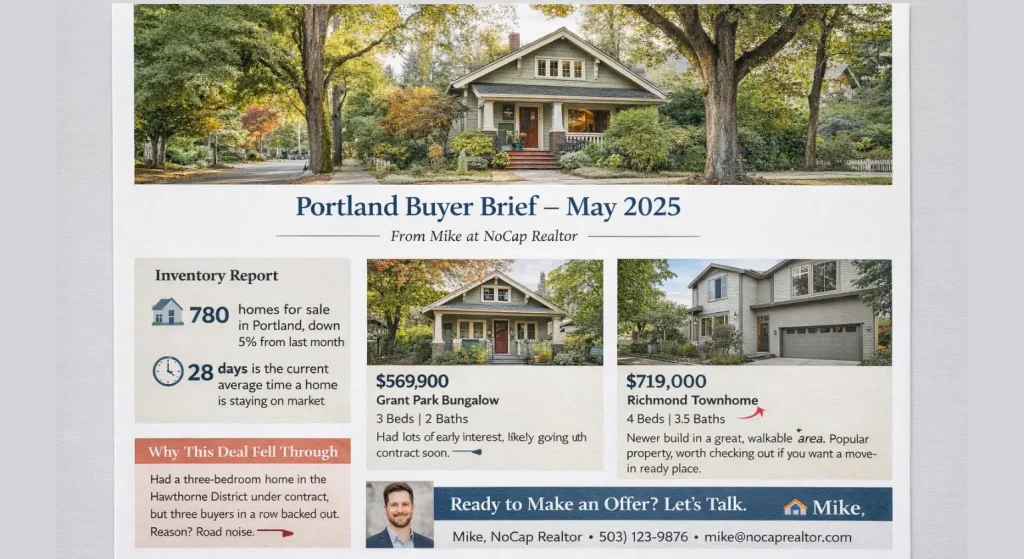
Audience: active buyers and serious window shoppers.
Content: a short note about inventory, one or two interesting homes, one lesson from recent offers, one next step.
This home newsletter can include links, but keep the main text tight. Talk about real behaviour. For example, mention that three buyers all walked away from a house because of road noise behind the fence, not just price. That tells readers what really kills deals. You can find excellent national context for these buyer trends through Redfin Real Estate News.
4. Seller focused house newsletter
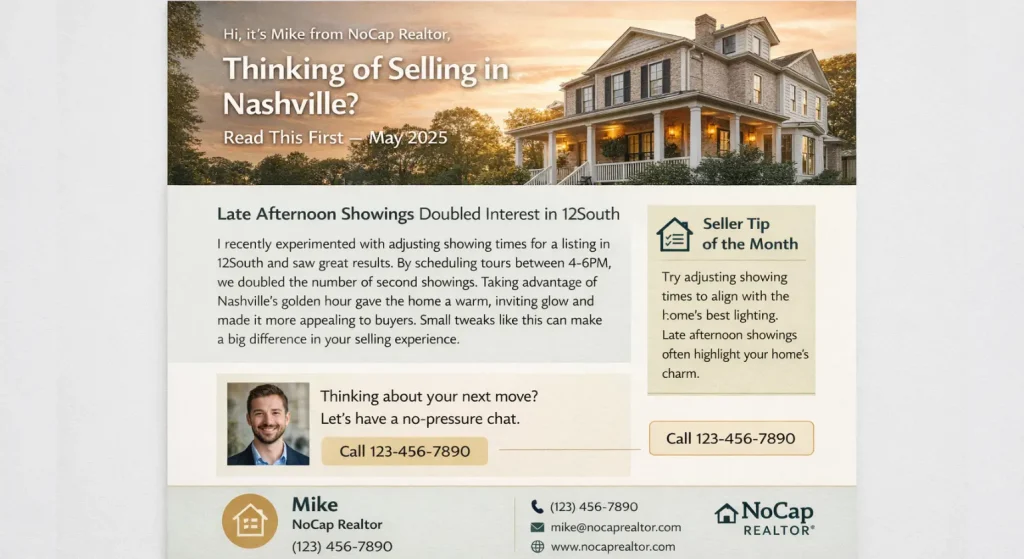
Audience: owners likely to sell in the next one to three years.
Content: one staging or pricing story, one lesson about timing or strategy, one gentle invite to talk.
This house newsletter is where you use micro case studies. Instead of generic staging tips, explain how moving just one doorway showing time changed which buyer group came through and how many second showings you got.
The website builder itself is free for users, and you only pay a processing fee per direct reservation, plus a guest side markup. Features include multi language support, custom branding, promo codes, upsells, analytics, and even Google Vacation Rentals integration.
5. Property newsletter for small investors
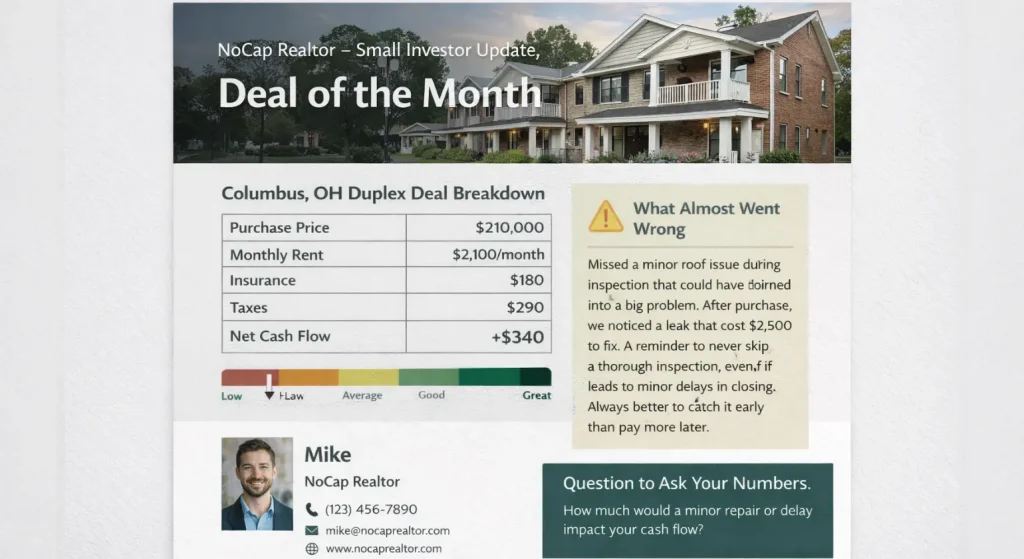
Audience: people with one to five properties or planning their first investment.
Content: one real deal breakdown, one risk you are watching, one question they should ask their own numbers.
Here, real estate newsletter examples should include actual numbers, even if rounded. Purchase price, rent, insurance, taxes, and a simple cash flow line. Mention one thing that almost went wrong. That honesty builds trust. To improve your explanation of the fundamentals of ROI and cap rates, Investopedia’s Real Estate Guide is a great resource to link to.
6. Commercial real estate newsletter
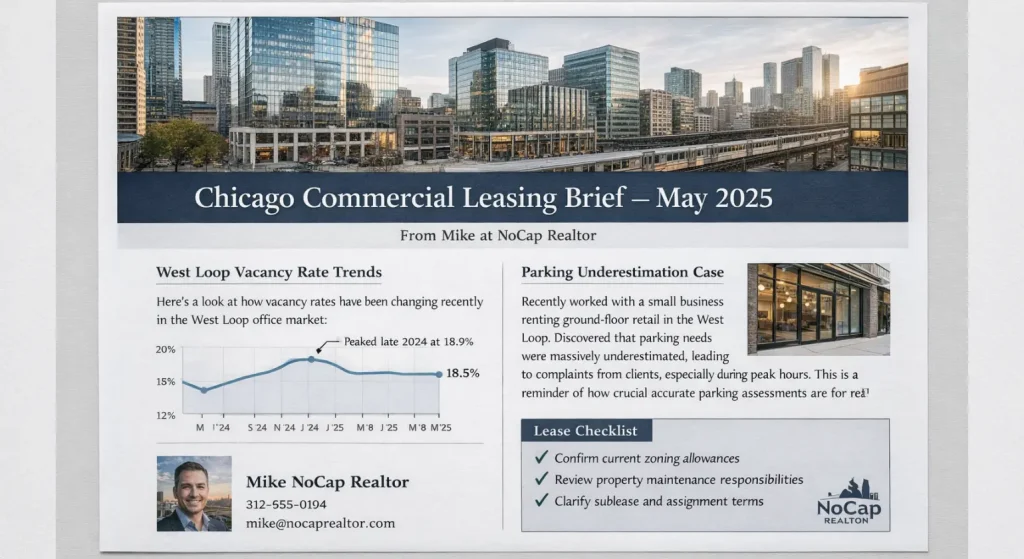
Audience: small business owners and commercial investors.
Content: local vacancy or lease rate trends, one story from a negotiation, one checklist item.
Commercial real estate newsletter readers care about lease clauses, fit out costs, and parking realities more than pretty photos. Include those unglamorous details. For example, mention how one tenant underestimated parking impact and lost staff in month three.
7. Luxury real estate newsletter
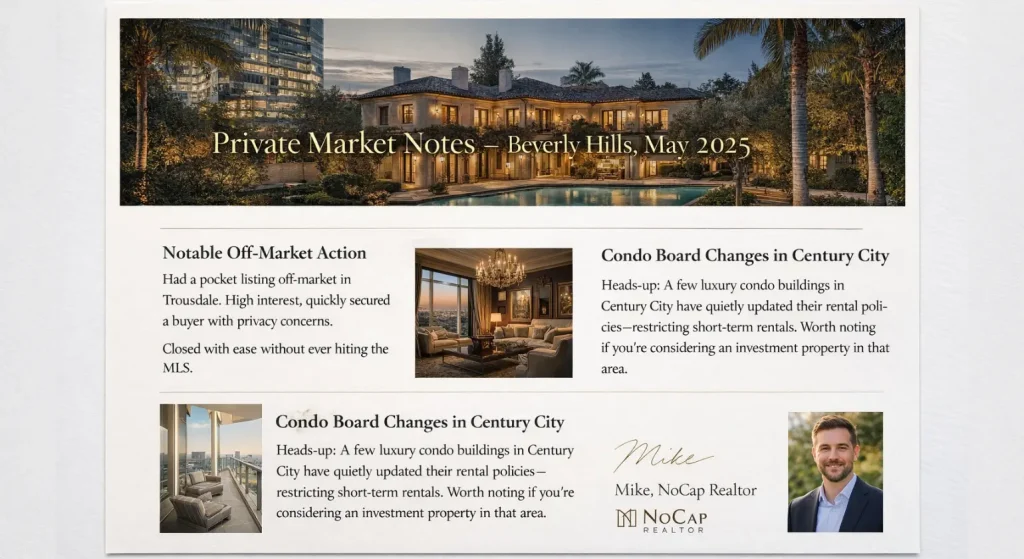
Audience: high end buyers and sellers, plus their advisors.
Content: one off market style story, one design or architecture insight, one micro trend.
A luxury real estate newsletter should feel more curated. Fewer listings, more context. Include details almost nobody notes publicly, like which streets quietly changed traffic flow after a new school opened or which condo boards are tightening guest policies. This should feel curated. As a suggestion, you can combine luxury real estate marketing strategies with high-end design insights from sources like Architectural Digest to keep your content sophisticated.
8. Home builder newsletter
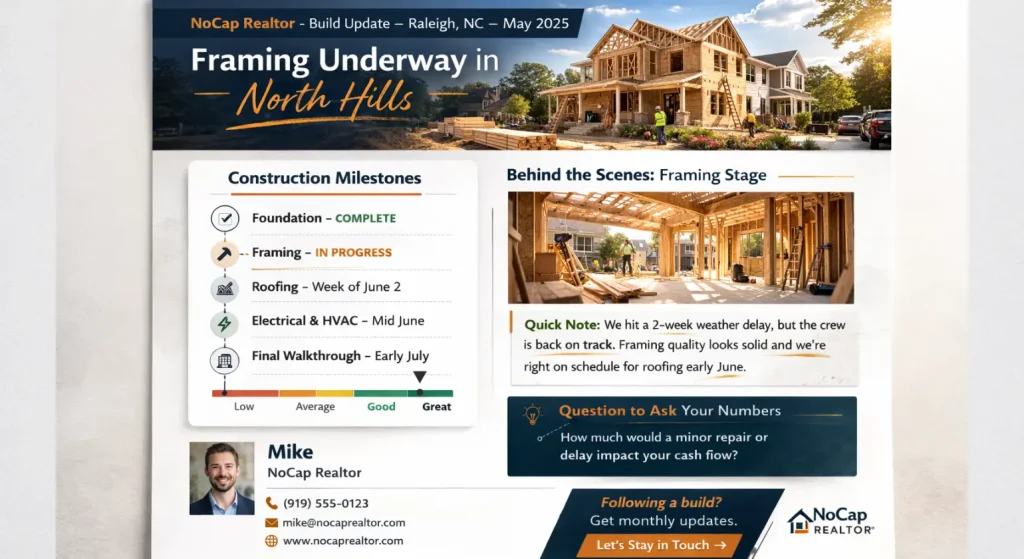
Audience: people following new build projects or custom homes.
Content: construction milestones, behind the scenes photos, one tip about timelines or upgrades.
A home builder newsletter can also support agents who sell new construction. Talk honestly about delays, material choices, and how small choices early on save months later. These are the niche details buyers never see in brochure copy.
Final Thoughts
Your real estate newsletter is a bridge. It connects you to people when they aren’t ready to buy or sell, ensuring you are the first person they call when they are. If managing these moving parts feels overwhelming, leaning on real estate virtual assistant services can help you scale your outreach without losing the personal touch.
FAQs
1. Are real estate newsletters still effective in 2026?
Yes, when they are targeted and useful. A real estate newsletter that speaks to a clear group and ties into your other marketing can still drive listings, buyers, and referrals. Mass, generic blasts are the ones that lost power.
2. How often should I send a real estate newsletter?
Most agents do well with once or twice a month. Weekly can work when you have enough local stories, data, and real estate newsletter ideas. Inconsistent bursts followed by silence hurt more than a steady schedule.
3. Do I need fancy design or can I use simple real estate newsletter templates?
Simple templates are enough. Many top performers use plain layouts or basic newsletter templates for real estate that look like normal emails. Clarity of message beats design heavy layouts for most lists.
4. What should I include in every real estate newsletter?
Include one clear topic, one story or example, and one next step. For some lists, that is checking a value estimate, for others it is joining a segment like investors or luxury interest. Do not turn it into a crowded brochure.
5. How can I grow my real estate newsletter list?
Offer something specific in return for subscribing, like a short housing market newsletter for their street, an investor deal sheet, or early access to new listings. Promote it at open houses, on your website, and in every lead capture form you use.