Table of Contents
Introduction
In today’s hyper-competitive and rapidly evolving business landscape, companies are under constant pressure to do more with less. To remain agile, innovative, and cost-effective, many organizations are turning to professional services outsourcing. This strategic move allows businesses to delegate specialized tasks to external experts, enabling them to focus on core competencies and drive growth. As technology continues to break down geographic barriers, outsourcing professional services has become not only feasible but often essential for sustainable success.
What Is Professional Services Outsourcing?

Professional services outsourcing is the strategic delegation of specialized business tasks to third-party experts or firms. These tasks often fall outside a company’s core operations and include services like legal advice, accounting, IT support, HR functions, digital marketing, and management consulting. By outsourcing these functions, businesses can tap into industry-specific knowledge and high-level expertise without the cost and overhead of maintaining in-house departments. This approach allows companies to stay focused on their primary goals while still achieving operational efficiency and compliance. It’s particularly beneficial for startups and small to mid-sized businesses that need flexibility and scalability.
Outsourcing professional services not only saves time and money but also enhances productivity by ensuring that experienced professionals handle complex tasks. External providers bring with them the latest tools, technologies, and industry insights, helping companies stay competitive in an ever-evolving marketplace. Additionally, outsourcing can reduce risk, as service providers typically stay updated on regulatory changes and best practices within their niche. Organizations also benefit from improved service quality and faster turnaround times, thanks to the focused capabilities of the outsourced teams. In today’s global economy, professional services outsourcing has become a smart, scalable solution for businesses seeking growth, efficiency, and expert support.
Benefits of Professional Services Outsourcing for Businesses

In today’s highly competitive and fast-paced business environment, companies are constantly seeking ways to optimize efficiency, reduce costs, and drive innovation. One powerful strategy that enables businesses to achieve these goals is professional services outsourcing. By partnering with specialized external service providers, companies can access a wide range of benefits that contribute to both short-term gains and long-term success.
Cost Savings
Outsourcing allows companies to significantly cut down on operational expenses. Hiring full-time employees often involves considerable costs such as salaries, benefits, office space, and training. By outsourcing professional services, businesses pay only for what they need—when they need it—eliminating the financial burden of maintaining permanent staff for non-core functions.
Access to Expertise
Professional outsourcing Services employ experts who are deeply experienced in their specific fields, whether it’s accounting, legal, marketing, or IT. This access to specialized knowledge ensures that the work is done with a high degree of competence and efficiency, often surpassing what internal teams can deliver without extensive training.
Focus on Core Operations
Outsourcing enables internal teams to focus on the core competencies and strategic priorities of the business. By delegating time-consuming or highly technical tasks to professionals, organizations can redirect their energy toward innovation, growth, and customer service.
Scalability and Flexibility
Outsourced services can be scaled up or down quickly to match project demands. This is especially useful when businesses tap into virtual assistant niche services to cover seasonal workloads or specific technical projects without long-term overhead.
Faster Time to Market
Because outsourcing firms already have the tools, expertise, and workflows in place, they can deliver results more quickly than newly assembled in-house teams. This leads to faster project completion and quicker time to market, offering a strong competitive edge.
Risk Management and Innovation
Because outsourcing firms already have the tools, expertise, and workflows in place, they can deliver results more quickly than newly assembled in-house teams. This leads to faster project completion and quicker time to market, offering a strong competitive edge.
Most Common Professional Services Outsourced by Businesses

As companies strive to streamline operations and focus on their core competencies, many turn to professional services outsourcing to handle specialized tasks. Outsourcing these services not only reduces operational costs but also grants access to expert talent, enhances efficiency, and improves overall business performance. Below are some of the most commonly outsourced professional services across industries.
Accounting and Bookkeeping
Financial management tasks such as bookkeeping, payroll, tax preparation, and financial reporting are frequently outsourced. These services require precision, up-to-date knowledge of tax laws, and software proficiency. Outsourcing ensures accuracy, reduces compliance risks, and frees internal resources for strategic financial planning.
Legal Services
Legal tasks such as contract drafting, compliance management, intellectual property protection, and litigation support are often handled by specialized legal firms. This ensures access to expert counsel without the high costs of retaining in-house legal staff. Outsourcing legal services also offers flexibility to engage specialists for specific legal areas.
Human Resources and Recruitment
Many businesses outsource HR functions including talent acquisition, onboarding, payroll management, and benefits administration. Recruitment agencies and HR outsourcing firms bring efficiency to the hiring process, ensure compliance with labor laws, and provide scalable support based on company growth.
Information Technology Support and Development
IT services like software development, helpdesk support, and infrastructure management are among the most commonly outsourced functions. Utilizing comprehensive IT professional services grants businesses access to the latest technology and 24/7 support without maintaining a massive internal IT department.
Digital Marketing and SEO
From content creation and social media management to SEO and PPC campaigns, digital marketing requires constant adaptation. Outsourcing to marketing agencies allows companies to leverage advanced tools, analytics, and creative talent to boost brand visibility and lead generation.
Customer Support and Helpdesk Services
Businesses often use professional outsource services for customer support to ensure round-the-clock assistance, multilingual coverage, and cost-effective service delivery. These providers handle queries via phone, email, or chat, improving customer satisfaction without overburdening internal teams.
Administrative and Virtual Assistance
Routine tasks such as scheduling, email management, data entry, and document preparation are ideal for outsourcing. Virtual assistants offer efficient, remote support that keeps operations running smoothly.
Business Consulting and Strategy Planning
Outsourcing strategic planning to experienced consultants can provide objective insights, market analysis, and actionable growth plans. These experts help businesses identify opportunities, streamline processes, and make informed decisions.
Top Industries Leveraging Professional Services Outsourcing

Professional services outsourcing has become an essential strategy across a wide range of industries. By delegating specialized, non-core functions to external experts, businesses in various sectors gain access to skilled professionals, improve operational efficiency, and maintain focus on their primary objectives. Below are the top industries that are maximizing value through professional services outsourcing.
Technology and SaaS Companies
Tech firms frequently outsource IT support, software development, cybersecurity, and digital marketing. Startups and SaaS companies, in particular, benefit from outsourcing as it allows them to rapidly scale, reduce costs, and access global talent pools without investing heavily in internal infrastructure.
Healthcare and Medical Practices
From medical billing and coding to administrative tasks and HR functions, outsourcing enables healthcare providers to focus more on patient care. Specialized third-party vendors handle complex regulatory compliance and data privacy concerns, ensuring efficient operations within strict industry standards.
Legal Firms
Law firms outsource tasks such as legal research, transcription, contract drafting, and e-discovery to paralegals or legal process outsourcing (LPO) companies. This reduces overhead costs and helps attorneys concentrate on high-value client work, litigation, or court proceedings.
Financial Services and Insurance
Accounting, compliance, risk management, and customer service functions are commonly outsourced in this sector. Outsourcing supports cost containment and provides access to specialists who understand changing regulations and financial technologies, enabling better service delivery and accuracy.
E-commerce and Retail
E-commerce brands often outsource customer support, inventory management, SEO, and digital marketing. With the fast-paced nature of online retail, outsourcing provides the flexibility to meet seasonal demands, scale operations, and improve customer experiences.
Manufacturing and Logistics
These businesses leverage outsourcing for supply chain management, procurement, HR, and IT functions. By outsourcing operational processes, manufacturers can reduce costs, streamline logistics, and enhance delivery timelines without diverting resources from production.
Real Estate and Property Management
Real estate agencies and property managers outsource tasks such as tenant screening, accounting, virtual tours, and customer service. This ensures seamless property operations and enhances tenant satisfaction with minimal in-house effort.
Nonprofits and Educational Institutions
Budget-conscious organizations like nonprofits and schools outsource fundraising campaigns, content creation, IT support, and administrative tasks. By leveraging professional outsource services, they operate efficiently while directing more resources toward their mission-driven goals.
How to Choose the Right Professional Services Outsourcing Partner

Selecting the right professional services outsourcing partner is a critical decision that can significantly impact your business’s success. A well-matched outsourcing partner not only delivers services efficiently but also aligns with your goals, values, and growth strategy. To make an informed choice, businesses should follow a structured evaluation process that ensures compatibility, reliability, and long-term value.
Define Your Needs
Before engaging any vendor, start by clearly identifying which services you want to outsource and why. Outline your specific goals—whether it’s reducing costs, improving quality, or scaling operations—and establish key performance indicators (KPIs) to measure success. This clarity helps you communicate your expectations and find a partner with the right capabilities.
Evaluate Expertise and Experience
Not all outsourcing partners are created equal. Look for firms with a proven track record in your industry. Ask about their experience handling similar projects, the qualifications of their team, and any industry-specific knowledge they possess. The right partner should bring value-added insights and strategies beyond basic service delivery.
Check References and Reviews
Client testimonials, case studies, and third-party reviews are valuable resources for gauging credibility. Reach out to past or current clients to learn about their experiences, particularly around reliability, responsiveness, and outcomes. A strong reputation and positive feedback signal that the provider can be trusted with your business operations.
Assess Communication and Cultural Fit
Effective communication is key to a successful outsourcing relationship. Assess how promptly and clearly the vendor responds to inquiries. Ensure that their work culture aligns with yours, particularly if collaboration is ongoing. Compatibility in time zones, language, and values can influence the partnership’s success.
Verify Compliance and Security
For industries dealing with sensitive data, it’s vital to confirm that the outsourcing provider adheres to relevant regulatory standards (e.g., HIPAA, GDPR). Evaluate their data protection measures, infrastructure security, and disaster recovery protocols to safeguard your business.
Review Pricing and Contracts
Understand the provider’s pricing structure—whether it’s hourly, project-based, or retainer—and ensure it fits your budget. Contracts should be transparent, detailing deliverables, timelines, and performance metrics, with clear terms for revisions and termination.
Top 10 Professional Services Outsourcing Companies to Partner with in 2026
Ossisto

Ossisto emerges as a leading virtual assistant and professional outsourcing Services provider in 2026, delivering tailored solutions that align with modern business needs. Specializing in administrative, back-office, and business support services, Ossisto offers scalable assistance ideal for startups, entrepreneurs, and small to medium-sized enterprises. Their commitment to efficiency, flexibility, and quality service ensures that clients can focus on growth while delegating essential tasks. With a team-driven approach, Ossisto empowers businesses to streamline operations and enhance productivity across various functions.
Key Features:
- Dedicated virtual assistants for various tasks
- Admin, HR, and operational support
- Affordable, scalable service plans
- Personalized solutions tailored to your workflow
Tata Consultancy Services (TCS)
Tata Consultancy Services (TCS) stands as a global powerhouse in IT services, consulting, and business process outsourcing, operating in over 50 countries. Renowned for delivering reliable, secure, and scalable solutions, TCS caters primarily to large-scale enterprises across diverse industries. Their approach blends deep domain expertise with cutting-edge digital innovation, including AI, cloud computing, and data analytics. TCS’s commitment to long-term client partnerships and technology-driven transformation positions them as a strategic ally for enterprises navigating complex digital landscapes.
Key Features:
- Enterprise-level IT and BPO services
- Domain expertise across major industries
- Agile and secure technology delivery
- Cost-effective and scalable outsourcing models
Accenture
Accenture continues to lead the global market in consulting, technology, and outsourcing services in 2026. Renowned for its forward-thinking strategies, Accenture leverages advanced analytics, automation, and artificial intelligence to optimize business performance. Their end-to-end solutions drive digital transformation across industries, making them a preferred partner for large enterprises seeking scalable and innovative operational enhancements. With a focus on measurable outcomes and strategic impact, Accenture empowers organizations to stay competitive in a rapidly evolving digital landscape through seamless integration and execution.
Key Features:
- End-to-end business process outsourcing
- Technology integration and consulting
- Advanced AI and analytics capabilities
- Global delivery network for 24/7 service
Cognizant
Cognizant is a premier provider of IT and business process outsourcing, recognized for driving digital transformation across industries in 2026. With a strong emphasis on enhancing customer experience, leveraging automation, and deploying advanced cloud solutions, Cognizant empowers businesses to innovate and scale efficiently. Their strategic, client-centric approach ensures tailored solutions that align with evolving market demands. By integrating technology with deep industry insights, Cognizant stands out as a forward-thinking outsourcing leader committed to delivering measurable business outcomes and operational agility.
Key Features:
- IT infrastructure and business services
- Cloud, AI, and automation solutions
- Industry-specific digital transformation
- Flexible global delivery capabilities
Capgemini

Capgemini excels at blending consulting expertise with innovative outsourcing solutions, serving key industries such as finance, automotive, and retail. With a robust global footprint, Capgemini empowers businesses to enhance agility and operational efficiency by leveraging smart technologies and data-driven insights. Their holistic approach integrates digital transformation strategies with industry-specific knowledge, enabling clients to navigate market challenges confidently. In 2025, Capgemini remains a trusted partner for organizations seeking scalable, technology-driven solutions that foster growth and competitive advantage worldwide.
Key Features:
- Multinational outsourcing across industries
- Business transformation consulting
- Cloud and data-driven solutions
- Emphasis on sustainability and innovation
Infosys

Infosys remains a frontrunner in business and IT outsourcing, emphasizing innovation, AI, and automation to drive future-ready solutions. Their comprehensive service portfolio spans digital marketing, finance, supply chain management, and IT support, delivering seamless integration across business functions. Infosys’s commitment to leveraging emerging technologies enables clients to enhance efficiency, agility, and customer engagement. With a strong global presence and industry expertise, Infosys empowers organizations to transform operations, stay competitive, and achieve sustainable growth in an increasingly digital world.
Key Features:
- AI-driven business process management
- Enterprise IT and cloud solutions
- Agile development and consulting services
- Strong emphasis on digital transformation
Wipro
Wipro delivers comprehensive IT, consulting, and business process outsourcing solutions designed to meet the evolving needs of global enterprises. With a strong focus on sustainability and technology-driven innovation, Wipro supports businesses in adapting to dynamic market conditions and operational challenges. Their integrated approach combines digital transformation, automation, and strategic consulting to enhance efficiency and resilience. In 2025, Wipro remains a trusted partner for organizations seeking scalable, future-focused solutions that drive growth while prioritizing environmental and social responsibility.
Key Features:
- Global IT and BPO support
- Strategic digital transformation services
- Cybersecurity and cloud integration
- Sustainability-focused business models
Deloitte

Deloitte stands out as a premier provider of outsourcing solutions, combining deep expertise in legal, financial, tax, and management consulting. Their integrated services help organizations streamline operations, reduce risk, and enhance regulatory compliance. By aligning strategic insights with robust technology and process improvements, Deloitte supports sustainable organizational growth and operational excellence. In 2025, Deloitte remains a trusted advisor for businesses seeking comprehensive, risk-aware solutions that drive efficiency, governance, and long-term value across complex and evolving markets.
Key Features:
- Legal and financial process outsourcing
- Regulatory compliance and risk management
- Strategic business consulting
- Global network of industry experts
IBM Global Services
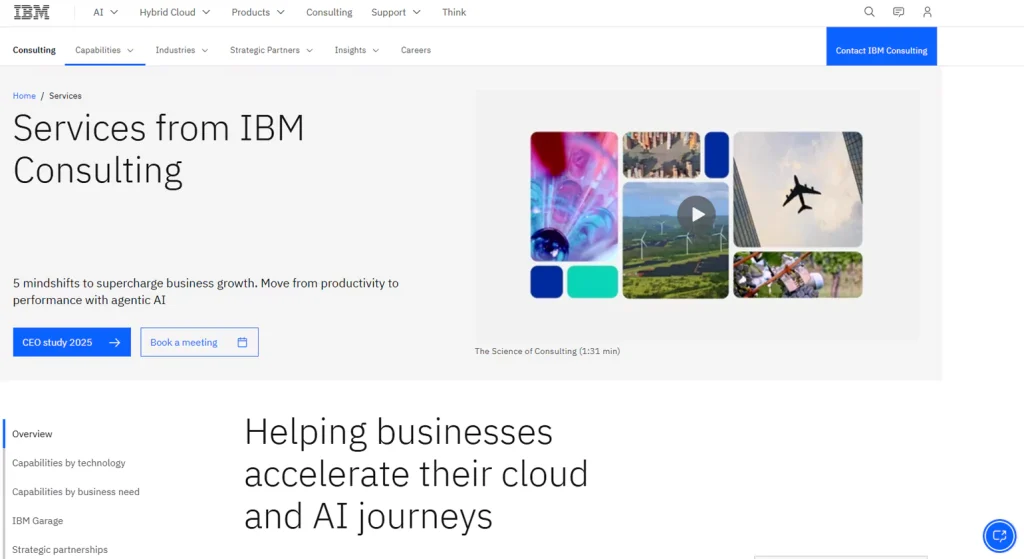
IBM Global Services leads in tech-enabled outsourcing by integrating advanced AI, hybrid cloud, and cybersecurity solutions. Their comprehensive business process outsourcing (BPO) services cater to diverse industries, empowering companies to enhance agility and digital maturity. By combining innovation with robust security and scalable cloud infrastructure, IBM helps organizations streamline operations and accelerate digital transformation. In 2025, IBM Global Services remains a trusted partner for businesses seeking resilient, technology-driven outsourcing solutions that foster growth and competitive advantage in an increasingly complex digital landscape.
Key Features:
- Hybrid cloud and AI solutions
- Secure IT and business process services
- Scalable outsourcing for enterprises
- Industry-specific technology expertise
Genpact

Genpact specializes in outsourcing solutions across finance, accounting, IT, and customer service, delivering process excellence and digital agility. Their intelligent operations leverage automation, analytics, and AI to enhance speed, accuracy, and overall efficiency. By focusing on seamless integration and customer-centric approaches, Genpact empowers businesses to improve operational performance and elevate customer experience. In 2025, Genpact remains a trusted partner for organizations seeking to drive transformation, reduce costs, and achieve sustainable growth through innovative, technology-enabled outsourcing services.
Key Features:
- Finance and accounting outsourcing
- IT and customer service solutions
- AI and process automation integration
- Agile transformation frameworks
Risks and Challenges of Professional Services Outsourcing

While professional services outsourcing offers numerous advantages, such as cost savings and access to expertise, it is not without its risks and challenges. Understanding these potential pitfalls is essential for businesses to proactively address them and ensure a successful outsourcing relationship. Below are some common issues companies may face when engaging with third-party service providers.
Loss of Control
One of the most cited concerns is the reduced oversight over outsourced functions. When tasks are handled externally, businesses often have limited visibility into day-to-day operations, which can impact quality, timelines, or compliance. It becomes crucial to establish clear expectations, key performance indicators (KPIs), and consistent monitoring practices to maintain control.
Communication Barriers
Working across different time zones, languages, or cultural norms can lead to misunderstandings and delays. Miscommunications may cause errors in deliverables or missed deadlines, especially when real-time interaction is needed. To mitigate this, businesses should select partners with strong communication protocols, overlapping working hours, and cultural compatibility.
Data Security Concerns
Outsourcing often involves sharing sensitive business data with external vendors. Without proper safeguards, this can expose companies to data breaches, legal liabilities, or regulatory violations. It’s vital to partner with vendors who follow robust data security practices and are compliant with industry-specific regulations such as GDPR or HIPAA.
Dependency on External Vendors
Relying heavily on an outsourcing partner can be risky if the vendor experiences internal issues, such as financial instability, staffing shortages, or technology failures. This dependency can disrupt operations and limit a company’s agility. Diversifying service providers or developing contingency plans can reduce such risks.
Quality Variability
Not all vendors deliver consistent quality, especially if expectations are not clearly defined or managed. Work may differ in accuracy, professionalism, or timeliness depending on the vendor’s processes or staff turnover. Establishing quality benchmarks and regular performance reviews helps ensure output meets your standards.
By acknowledging and preparing for these challenges, businesses can make more informed decisions when entering into professional services outsourcing arrangements, leading to stronger, more resilient partnerships.
How to Mitigate the Risks in Professional Services Outsourcing

While professional services outsourcing offers immense benefits, its success depends on how well you manage and mitigate associated risks. By adopting proactive strategies and fostering a strong working relationship with your outsourcing partner, you can minimize potential setbacks and optimize outcomes. Here are some effective ways to address the common risks involved in outsourcing.
Set Clear Expectations and KPIs
Start by defining your goals, expectations, and key performance indicators (KPIs) in detail. Whether you’re outsourcing IT support, marketing, or HR functions, clarity is crucial. Outline deliverables, timelines, quality standards, and communication protocols in your contract. This helps avoid ambiguity, keeps everyone accountable, and provides a clear benchmark for evaluating performance.
Maintain Open Communication
Establish consistent and transparent communication channels from the beginning. Use tools like Slack, Microsoft Teams, or Asana for real-time updates and task tracking. Schedule regular check-ins, video calls, or progress meetings to ensure alignment and quickly address any concerns. A responsive and communicative outsourcing partner builds trust and prevents miscommunication.
Implement Robust Data Security Measures
Data security is one of the most critical aspects of outsourcing. Conduct due diligence on your partner’s data protection practices and ensure they comply with relevant regulations (such as GDPR or HIPAA). Sign NDAs, use secure file-sharing platforms, and require regular security audits. Clearly define data ownership and access controls in your agreements.
Start Small, Then Scale
Instead of committing to a large-scale engagement upfront, begin with a pilot project or short-term contract. This allows you to assess the vendor’s capabilities, work ethic, and compatibility with your organization. If the partnership proves successful, you can gradually increase the scope and volume of work with more confidence.
Regularly Review Performance
Conduct routine performance evaluations to measure the effectiveness of the outsourcing arrangement. Provide constructive feedback, track progress against KPIs, and discuss areas for improvement. Ongoing reviews help ensure quality, maintain accountability, and foster continuous improvement.
By implementing these strategies, businesses can reduce the inherent risks of professional services outsourcing and build long-term, successful partnerships that support growth, innovation, and operational efficiency.
Maximizing the Benefits of Professional Services Outsourcing: Tips and Strategies

To fully capitalize on the advantages of professional services outsourcing, businesses must take a strategic and proactive approach. Beyond simply handing over tasks, successful outsourcing requires alignment with organizational goals, strong relationship-building, and continuous optimization. Here are key strategies to help you maximize the return on your outsourcing investment.
Align Outsourcing with Business Goals
Outsourcing should not be viewed as a standalone solution but as a strategic component of your broader business objectives. Before entering any agreement, ensure that the outsourced services support your core goals—whether that’s improving efficiency, reducing costs, expanding capabilities, or scaling operations. This alignment creates synergy and allows outsourced teams to contribute meaningfully to your company’s success.
Invest in Relationship Management
Building a strong relationship with your outsourcing partner is essential. Treat them as an extension of your in-house team rather than just a vendor. Foster open communication, provide regular feedback, and involve them in relevant meetings and strategic discussions. A collaborative environment leads to increased accountability, trust, and long-term partnership success.
Leverage Technology
Utilize digital tools to bridge gaps between internal and external teams. Project management platforms like Trello, Asana, or Monday.com, along with communication tools such as Slack or Microsoft Teams, ensure smooth collaboration, task tracking, and real-time updates. Integrating the right technology enables streamlined workflows and minimizes miscommunication.
Continuously Train and Inform Partners
Keep your outsourced partners informed about changes in your business, industry updates, or evolving processes. Offering training sessions or sharing internal resources empowers them to align with your standards and values. This also improves the quality and consistency of their output.
Evaluate and Adapt
Regularly measure the performance of your outsourcing arrangement using predefined KPIs. Solicit feedback, assess whether goals are being met, and make adjustments as needed. This agile approach allows you to fine-tune the relationship and processes, ensuring continued value from professional services outsourcing.
By implementing these strategies, businesses can maximize the efficiency, innovation, and strategic impact of their outsourcing initiatives.
Conclusion
Professional services outsourcing is more than a cost-saving tactic—it’s a powerful strategy for business growth, innovation, and efficiency. By partnering with the right service providers, companies can access world-class talent, streamline operations, and remain competitive in an ever-changing marketplace. As we move into 2026 and beyond, the key to successful outsourcing lies in careful planning, strategic alignment, and continuous improvement.
Read more>>>> 15 Best Outsourced IT Services for Small Businesses
Top Benefits of Outsourced Business Development for Growth
FAQs
1. What is professional services outsourcing, and how does it work?
Professional services outsourcing involves hiring external experts to manage specialized tasks such as IT, marketing, accounting, or HR. Instead of maintaining in-house teams, businesses collaborate with third-party providers who bring industry-specific expertise, tools, and systems. This model allows companies to operate more efficiently and focus internal resources on core business objectives.
2. What is outsourcing in marketing?
Outsourcing in marketing refers to hiring external experts or agencies to manage digital campaigns, content creation, SEO, or branding. It offers access to specialized skills and cost savings without maintaining an in-house team.
3. Which industries commonly use professional services outsourcing?
Industries such as technology, healthcare, legal, finance, e-commerce, manufacturing, real estate, and education frequently use professional services outsourcing. These sectors benefit from external expertise in areas like IT support, digital marketing, HR, and consulting, allowing them to streamline operations and respond effectively to industry-specific challenges and evolving demands.
4. How do I choose the right professional services outsourcing partner?
Start by defining your needs and goals clearly. Evaluate potential partners based on their experience, industry expertise, client reviews, and communication style. Check for compliance with data security standards, review pricing transparency, and ensure cultural compatibility. Begin with a trial project to assess performance before committing to long-term collaboration.
5. What strategies can help maximize the success of outsourcing?
To optimize outsourcing outcomes, align services with your business goals, foster open communication, and treat partners as strategic allies. Use collaboration tools for seamless integration, offer regular updates and training, and track progress using KPIs. Regular reviews and adaptability ensure continuous improvement and long-term success in outsourcing initiatives.
6. How to work in outsourcing?
To work in outsourcing, build expertise in a service area like IT, customer support, or accounting. Join a BPO or freelancing platform, understand client requirements, and deliver quality results while maintaining communication and adhering to timelines.
7. What do outsourcing companies do?
Outsourcing companies provide specialized services—like IT, HR, marketing, or support—to other businesses. They help reduce costs, improve efficiency, and allow clients to focus on core operations by managing tasks externally through skilled professionals and dedicated teams.
8. Which is an example of outsourcing?
An example of outsourcing is a company hiring an external IT firm to manage its software development or tech support instead of maintaining an in-house team. This helps reduce costs while leveraging expert-level skills.
9. When considering outsourcing, what should firms be sure to avoid?
Firms should avoid unclear contracts, choosing vendors solely based on low cost, and neglecting quality control. Lack of communication, cultural mismatch, and poor data security protocols can also undermine outsourcing success and client relationships.
10. Why do companies outsource?
Companies outsource to cut costs, access global talent, improve efficiency, and focus on core operations. Outsourcing offers flexibility, scalability, and expert services that enhance productivity without the need for internal hiring or infrastructure investments.
11. What is outsourcing service provider?
An outsourcing service provider is a third-party company hired to handle specific business functions like customer service, payroll, or IT. They deliver specialized services, allowing businesses to save time, reduce costs, and focus on strategic goals.