Table of Contents
Introduction
Imagine a world where every product launch, demo, or promotional event practically runs itself, delivering personalized experiences to your audience at scale. That’s the promise of product events marketing automation, a tool that is transforming how companies engage with customers and drive sales.
In today’s fast-paced, digital-first landscape, simply hosting an event isn’t enough to stand out—brands need to create personalized, targeted experiences that resonate with each attendee. With marketing automation, businesses can now plan, execute, and optimize events in a seamless, data-driven way, reaching the right people with the right message at just the right time.
Automated Product Event Marketing combines tools like CRM, email marketing, and analytics to manage and nurture attendee engagement before, during, and after an event. This technology makes it easy to track attendee behaviors, personalize communication, and measure the success of each event.
By automating repetitive tasks, marketers can focus more on strategy and creativity, resulting in a more impactful experience for attendees and a higher ROI for businesses. The ability to use insights from past events to optimize future campaigns only adds to the value, turning each event into an opportunity for continuous growth and deeper customer connections.
What is Product Events Marketing Automation?
Product Events Marketing Automation is a strategic approach that leverages technology to streamline and enhance the entire lifecycle of a product launch event. It involves automating repetitive tasks, personalizing customer interactions, and tracking key metrics to optimize results. By automating email campaigns, social media posts, and personalized invitations, marketers can save time and resources while ensuring consistent and timely communication with their target audience.
This automation empowers businesses to create tailored experiences for each attendee, whether it’s sending targeted email reminders, providing personalized recommendations, or offering exclusive perks. By analyzing customer data and behavior, marketers can identify high-value leads and prioritize their engagement efforts. This data-driven approach helps optimize resource allocation and maximize the impact of the event.
Product Events Marketing Automation goes beyond simple automation; it’s about creating a seamless and engaging customer journey. By automating routine tasks, marketers can focus on crafting compelling content, building strong relationships, and delivering exceptional experiences. Ultimately, this leads to increased event attendance, higher conversion rates, and a stronger brand reputation—making product events marketing automation a vital tool for modern marketers.
5 Benefits of Marketing Automation for Product Events
Marketing Automation has become a powerful tool for product event organizers, streamlining operations and making it easier to reach and engage with potential attendees. Here are five key benefits of marketing automation for product events:
1. Enhanced Efficiency
Marketing automation streamlines repetitive tasks, freeing up your team to focus on more strategic initiatives. Automated email campaigns, social media posts, and personalized invitations save time and resources, ensuring consistent and timely communication with your target audience.
2. Personalized Customer Experience
By leveraging customer data and behavior, marketing automation events enable you to create tailored experiences for each attendee. Personalized email reminders, recommendations, and exclusive perks foster stronger connections and increase engagement.
3. Data-Driven Decision Making
Product Events Marketing Automation provides valuable insights into attendee behavior, allowing you to make data-driven decisions to optimize your event strategy. Analyze key metrics like registration rates, attendance, and engagement to identify areas for improvement and measure the overall success of your event.
4. Increased Event Attendance and Conversions
By automating follow-up campaigns and nurturing leads, you can drive higher event attendance and conversions. Timely reminders, personalized invitations, and targeted messaging help convert more potential attendees into actual participants.
5. Stronger Brand Reputation
A well-executed product event can significantly enhance your brand reputation. Automated Product Event Marketing helps you deliver seamless and engaging experiences, leaving a lasting positive impression on your audience. By showcasing your brand’s expertise and innovation, you can build trust and loyalty among your target market.
By leveraging these benefits, companies can boost event attendance, improve attendee engagement, and streamline operations, all while creating a more seamless and enjoyable experience for their audiences.
Key Features to Look for in Events Marketing Automation Tools
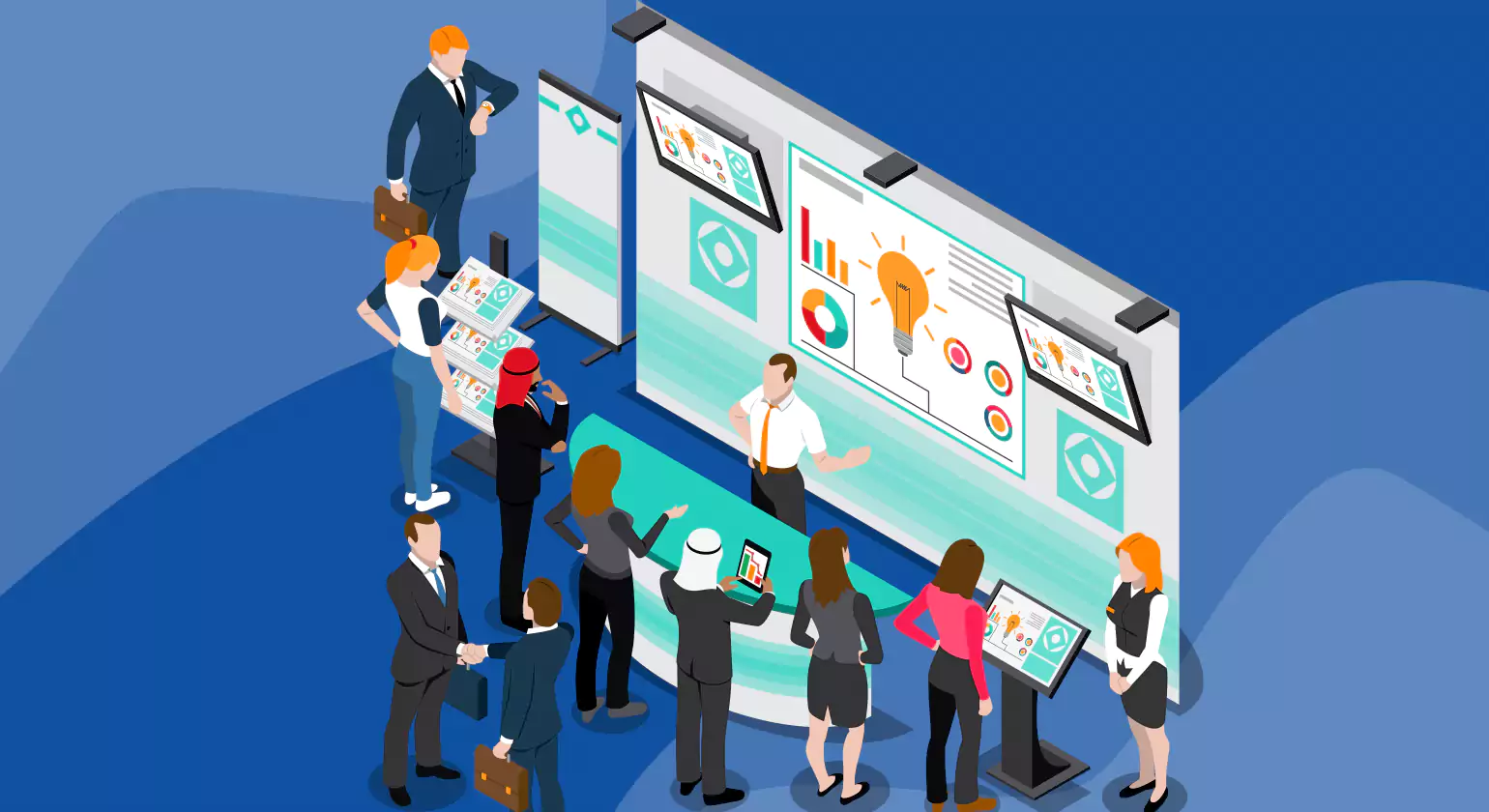
When choosing an events marketing automation tool, identifying the right features is essential to ensure the tool aligns with your goals, helps you streamline workflows, and improves attendee engagement. Here are the key features to look for in events marketing automation tools:
1. Multi-Channel Campaign Management
Effective event marketing Platforms require a presence across multiple channels, including email, social media, SMS, and more. A good product events marketing automation tool should allow you to manage all these channels in one place, ensuring consistent messaging and saving you time. With multi-channel management, you can launch synchronized campaigns, schedule posts, and monitor performance across platforms, allowing for a cohesive brand experience that reaches your audience wherever they are.
2. Segmentation and Targeting Capabilities
Segmentation is key to tailoring communications to specific groups within your audience. A tool with robust segmentation capabilities allows you to divide your audience based on demographics, interests, past interactions, or even behavior during the registration process. This enables highly targeted campaigns, ensuring that each attendee or prospect receives relevant messages, which increases engagement rates and helps drive attendance.
3. Automated Workflow Creation
Look for tools that allow for easy creation of automated workflows. With this feature, you can set up trigger-based actions, such as sending reminders to registrants, follow-ups after certain actions (like a click or a form submission), and post-event surveys. Automated workflows free up your team’s time by handling repetitive tasks and help you build a seamless experience for your attendees, guiding them through every stage of the event lifecycle.
4. Personalization Options
Personalization goes beyond just addressing a contact by name; it involves tailoring content to each individual’s interests, preferences, and past interactions. A good product events marketing automation tool should offer advanced personalization options, enabling you to tailor event invites, follow-up messages, and recommendations based on each attendee’s profile. Personalized content increases relevance, creating a stronger connection with attendees and encouraging them to engage with the event.
5. Comprehensive Analytics and Reporting
Analytics are critical for understanding the performance of your event marketing Platform efforts. Choose a tool that provides in-depth reporting on key metrics like email open and click-through rates, registration numbers, social engagement, and campaign ROI. Real-time data and detailed reports allow you to measure the effectiveness of your campaigns, optimize your marketing strategy, and demonstrate the event’s value to stakeholders.
6. Lead Scoring and Nurturing
Lead scoring and nurturing tools are essential for identifying and prioritizing high-interest attendees. By assigning scores based on actions like email engagement or registration intent, you can focus on nurturing the most promising leads with relevant content or offers. Lead nurturing workflows allow you to move prospects through the marketing funnel with timely updates, educational content, or reminders, helping increase conversions and ensure the event is well-attended.
How Does Product Events Marketing Automation Work?
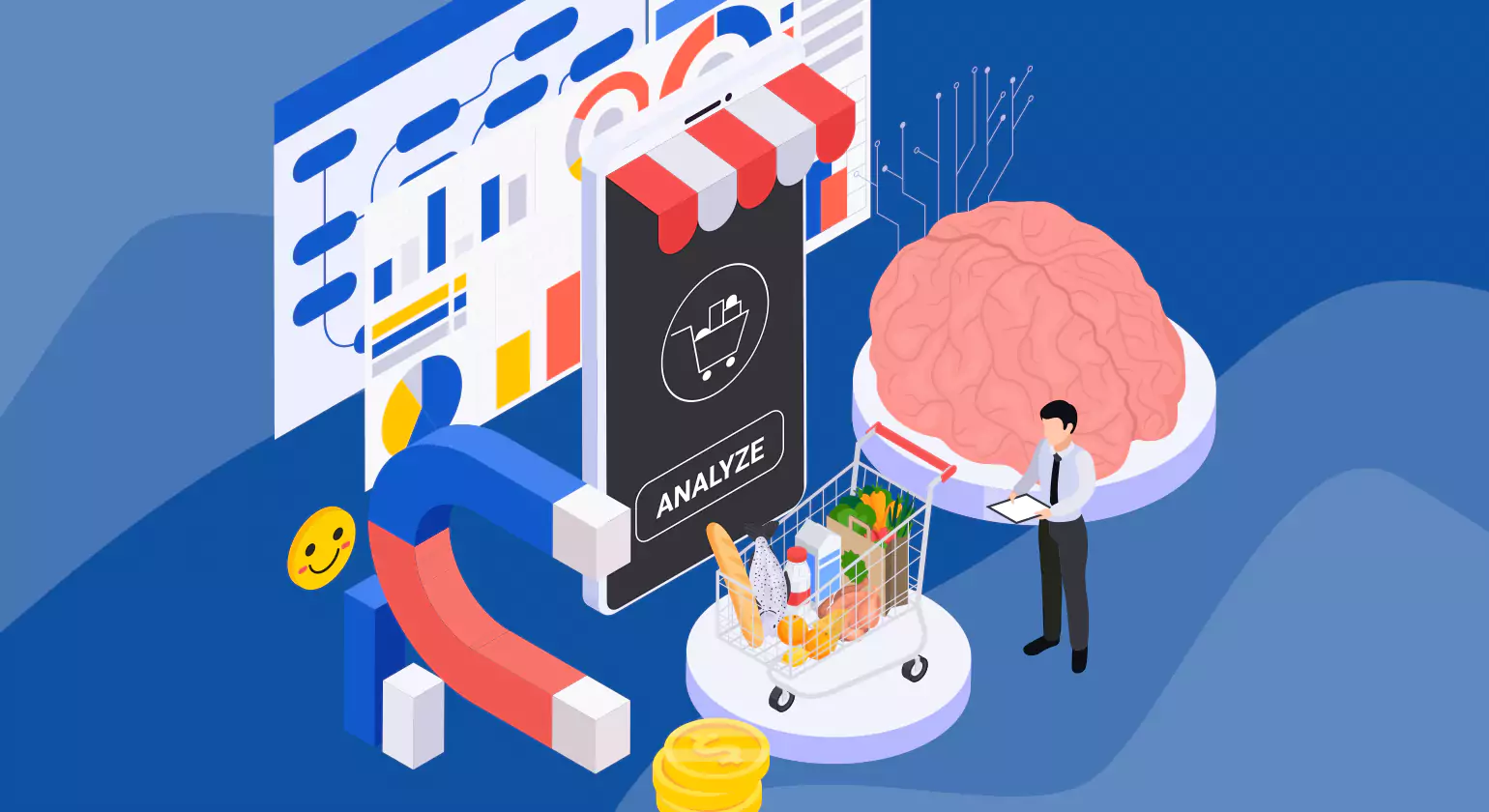
Product events marketing automation is a strategic approach that utilizes technology to streamline and enhance the entire lifecycle of a product launch event. It involves automating repetitive tasks, personalizing customer interactions, and tracking key metrics to optimize results. Here’s a breakdown of how it works:
1. Data Collection and Segmentation
- Gather Information: Collect data on potential attendees, such as their names, email addresses, job titles, and interests.
- Segment Audience: Divide your audience into smaller, more targeted segments based on shared characteristics or behaviors. This allows you to tailor your messaging and content to specific groups.
2. Workflow Creation
- Define Triggers: Set up specific triggers that initiate automated actions. These triggers could be anything from a user signing up for an event to a specific date or time.
- Create Automated Actions: Design automated actions, such as sending personalized emails, posting on social media, or triggering specific website content.
- Set Up Timelines: Schedule these automated actions to occur at specific times or intervals, ensuring timely delivery of messages.
3. Automation Execution
- Trigger Activation: When a predefined trigger is met, the automation workflow is activated.
- Automated Actions: The system automatically executes the specified actions, such as sending personalized emails, posting on social media, or updating website content.
- Real-time Tracking: Monitor the performance of your automated campaigns in real-time, tracking metrics like open rates, click-through rates, and conversions.
4. Personalization and Customization
- Dynamic Content: Use dynamic content to personalize messages based on individual preferences and behaviors. This can include customized email subject lines, personalized email content, and tailored social media posts.
- A/B Testing: Experiment with different messaging, design, and timing to optimize your campaigns.
5. Analytics and Optimization
- Track Key Metrics: Monitor key metrics like email open rates, click-through rates, social media engagement, and event registrations.
- Analyze Performance: Use data to identify areas for improvement and optimize your campaigns for future events.
- Iterate and Refine: Continuously refine your automation strategies based on insights gained from data analysis.
By leveraging product events marketing automation tools, businesses can save time, improve efficiency, and enhance the overall impact of their product launch events. This technology empowers marketers to deliver personalized experiences, increase engagement, and drive better results.
Tips for Building an Effective Automation Strategy for Product Events
Building an effective automation strategy for product events requires thoughtful planning to maximize engagement, streamline tasks, and create a smooth attendee experience. Here are six practical tips to get started:
1. Define Clear Goals for Each Stage of the Event
Establish specific objectives for each stage of the event—pre-event promotion, registration, engagement, and post-event follow-up. Identify key performance indicators (KPIs) for each goal, such as registration numbers or engagement rates, to keep your strategy focused and measurable. Having clear goals helps ensure each automated action drives desired outcomes.
2. Segment Your Audience for Targeted Messaging
Use audience segmentation to tailor messages for different groups, such as potential attendees, registered guests, or VIP invitees. By categorizing your audience, you can send relevant, targeted content that resonates with each segment, increasing engagement and conversion. Segmentation also allows you to personalize the journey, offering a more curated experience.
3. Create Engaging Content for Each Stage of the Funnel
Develop content specific to each stage in the attendee journey—from initial interest to post-event follow-up. For example, use early invites, teaser content, and exclusive previews to build anticipation. During the event, send real-time updates and engagement opportunities. Post-event, focus on thank-you messages, feedback forms, and future event invitations.
4. Automate Follow-Ups and Reminders
Schedule automated reminders to keep attendees informed and engaged at key intervals, such as registration confirmation, event countdowns, and pre-event reminders. Post-event, set up automated follow-up messages to thank participants, share content recaps, and collect feedback. These touchpoints maintain engagement and ensure attendees feel valued throughout the entire event cycle.
5. Leverage Data Insights to Optimize Campaigns
Use analytics to track engagement, identify high-performing content, and refine your strategy. Monitor metrics such as email open rates, click-through rates, and registration numbers to gauge interest. Analyze data to identify patterns and adjust your campaigns for better results, such as refining messaging or changing timing to improve engagement.
6. Test and Refine Workflows Regularly
A/B test various workflows to identify what resonates best with your audience, such as testing different subject lines or call-to-action placements. Regular testing allows you to continuously improve, making adjustments based on performance data. Refining workflows ensures your automation strategy stays fresh, effective, and aligned with evolving audience expectations.
These strategies provide a strong foundation for building an effective product events marketing automation plan that enhances attendee engagement and maximizes event success.
Best Practices in Product Events Marketing Automation
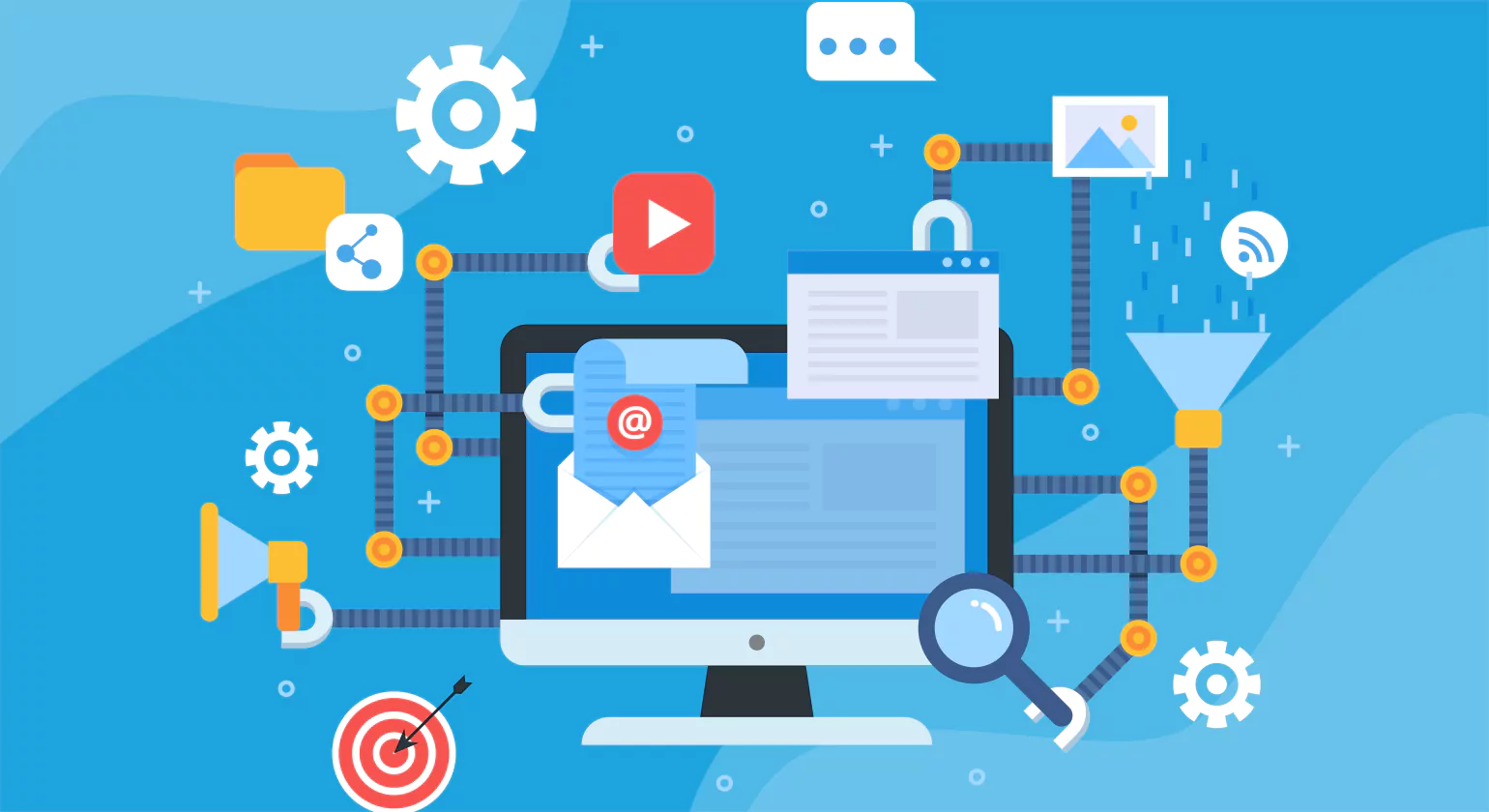
Effective product event marketing automation can significantly enhance the attendee experience and streamline event planning. Here are five best practices to follow:
1. Segment Your Audience Effectively
To optimize your event’s impact, use data to segment your audience based on key characteristics like interests, demographics, or previous interactions with your brand. By targeting specific groups, you can send tailored messages and content that resonate with each segment, increasing engagement and boosting attendance rates for your product events.
2. Automate Pre-Event Communications
Automate your email and messaging campaigns well in advance of the event. This includes sending invitations, confirmations, reminders, and teaser content. Setting up these automated sequences ensures consistency, reduces the workload on your team, and helps build anticipation for the event, making sure that attendees are well-prepared and excited.
3. Integrate with CRM and Sales Tools
Connect your product events marketing automation tools with your CRM and sales platforms to ensure that leads and attendee data are seamlessly captured and updated in real-time. This integration allows you to track attendee behaviors, score leads, and provide personalized follow-ups, creating a smooth handoff from marketing to sales for post-event nurturing.
4. Use Data for Real-Time Optimization
Leverage real-time analytics to monitor engagement throughout the event. If certain sessions are not generating the expected interest, you can make adjustments, such as shifting content or sending timely reminders. Using data to optimize on the fly enhances the attendee experience and ensures that the event remains relevant and valuable.
5. Automate Post-Event Follow-Up
After the event, use automation to send personalized follow-up emails, surveys, and content to attendees. Tailor your communication based on attendee behavior during the event, such as which sessions they attended or content they interacted with. This approach helps nurture leads, strengthens relationships, and improves the likelihood of conversion into customers.
Top Tools for Product Events Marketing Automation
Here are some top tools to elevate your product event marketing automation:
1. HubSpot
HubSpot offers an all-in-one marketing platform with powerful automation features, including event registration, email marketing, and lead nurturing. It helps manage attendee data, send personalized invitations, and track engagement. With HubSpot, you can integrate your CRM and track leads throughout the entire event lifecycle, from pre-event outreach to post-event follow-ups.
2. Marketo (Adobe)
Marketo is a leading product events marketing automation platform known for its robust event management features. It provides tools for audience segmentation, personalized messaging, and analytics. Marketo’s integration with Adobe products enhances its ability to manage large-scale product events, automating processes such as registration, invitations, and lead scoring based on attendee interactions.
3. Eventbrite
Eventbrite specializes in streamlining event planning and ticketing, offering automation features for event registration, reminders, and follow-up emails. It integrates seamlessly with various CRM tools, making it easy to manage attendee data and track engagement. Eventbrite also allows you to customize event landing pages and automate post-event surveys to gather feedback.
4. Bizzabo
Bizzabo is an event management platform that integrates marketing automation events workflows. With Bizzabo, you can automate registration, send personalized emails, and create event agendas. The tool also provides advanced reporting and analytics, helping you track attendee behavior in real-time and optimize future product events for better engagement and ROI.
5. ActiveCampaign
ActiveCampaign combines email marketing and product events marketing automation to help manage event communications. You can automate registration confirmations, event reminders, and post-event follow-ups. Its CRM capabilities help track lead interactions and segment attendees based on engagement levels, ensuring that you send personalized, targeted content to the right audience.
6. Zoho CRM
Zoho CRM provides a suite of automation features designed to improve event marketing platforms and attendee engagement. With Zoho, you can automate event registration, send personalized email sequences, and track attendee interactions throughout the event. Its integration with other Zoho products and third-party applications ensures a seamless workflow for event marketers.
7. Salesforce Marketing Cloud
Salesforce Marketing Cloud is a comprehensive platform for managing event marketing automation. It offers powerful tools for email automation, social media engagement, and audience segmentation. The platform allows you to create personalized campaigns, track attendee behavior, and manage follow-ups, all while integrating with Salesforce CRM for lead management and sales conversion.
8. Cvent
Cvent is a leading event management and marketing automation tool that excels in creating seamless event experiences. It provides tools for automating registration, email communications, and post-event surveys. Cvent’s integration with CRM systems and its real-time analytics help marketers track engagement, optimize the attendee experience, and measure event success.
9. Mailchimp
Mailchimp is a user-friendly option with strong automation features, making it suitable for small businesses promoting webinars, product launches, or in-person events. It allows users to create automated email sequences based on user behavior—such as sign-ups, clicks, or event attendance—ensuring timely follow-ups and reminders. Its drag-and-drop email builder and pre-designed templates simplify campaign creation, while integrated landing pages help capture leads directly.
10. Splash
Splash is a design-focused tool that combines event marketing, automation, and analytics into one streamlined platform. It empowers brands to create visually stunning, fully branded event pages that reflect the identity of the product or company. With easy-to-use templates and drag-and-drop functionality, Splash helps marketers design pages that drive RSVPs and build excitement.
Examples of Successful Product Events Marketing Automation
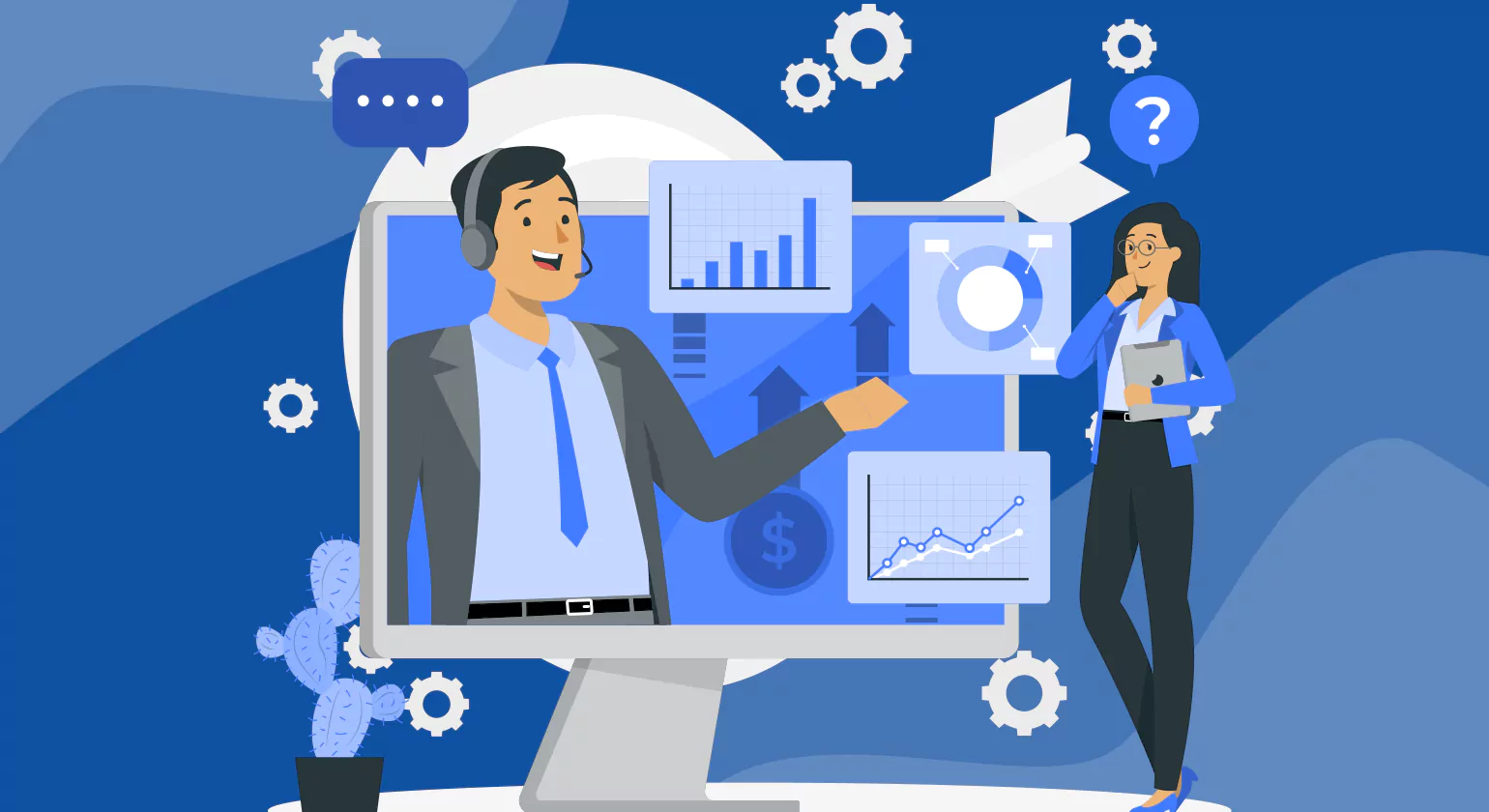
Marketing automation streamlines processes and enhances attendee engagement for product events. By automating key aspects, businesses can deliver personalized experiences and achieve better results. Here are some successful examples of companies leveraging marketing automation events to optimize their product events:
Salesforce Dreamforce Conference
Salesforce uses its Marketing Cloud to automate personalized emails for event invites, reminders, and follow-ups. Automation manages registrations and tracks engagement, ensuring a seamless attendee experience. This strategy drives high attendance and engagement, delivering strong ROI by keeping attendees connected and informed throughout the entire Dreamforce event journey.
HubSpot INBOUND Conference
HubSpot’s INBOUND conference employs its own tools to automate event communication. Personalization is key, with automated emails tailored to attendee interests, ensuring relevant sessions and activities. Post-event, automated surveys collect feedback for future improvements, helping HubSpot refine its event strategy while boosting attendee satisfaction and loyalty.
Adobe MAX Conference
Adobe uses product events marketing automation to send personalized email campaigns, event reminders, and content based on attendee interests. After the event, automation continues with follow-up emails and content delivery, enhancing post-event engagement. This strategy fosters long-term relationships, ensuring attendees stay engaged with Adobe’s products and services beyond the event.
Cisco Live
Cisco Live utilizes automation for session updates, registration confirmations, and personalized recommendations. Email campaigns are tailored based on attendee preferences and interactions. Post-event, Cisco automates lead nurturing and follow-up communications, optimizing engagement and converting leads into new business opportunities, making the event more valuable to both attendees and the company.
Microsoft Ignite
Microsoft Ignite automates event registration, reminders, and content delivery to ensure a personalized attendee experience. Integration with CRM systems allows Microsoft to track engagement and segment attendees for follow-up communications. By automating post-event nurturing, Microsoft turns attendee interest into long-term relationships, driving continued engagement and product adoption.
Why Businesses Need Automation to Maximize Product Event Success
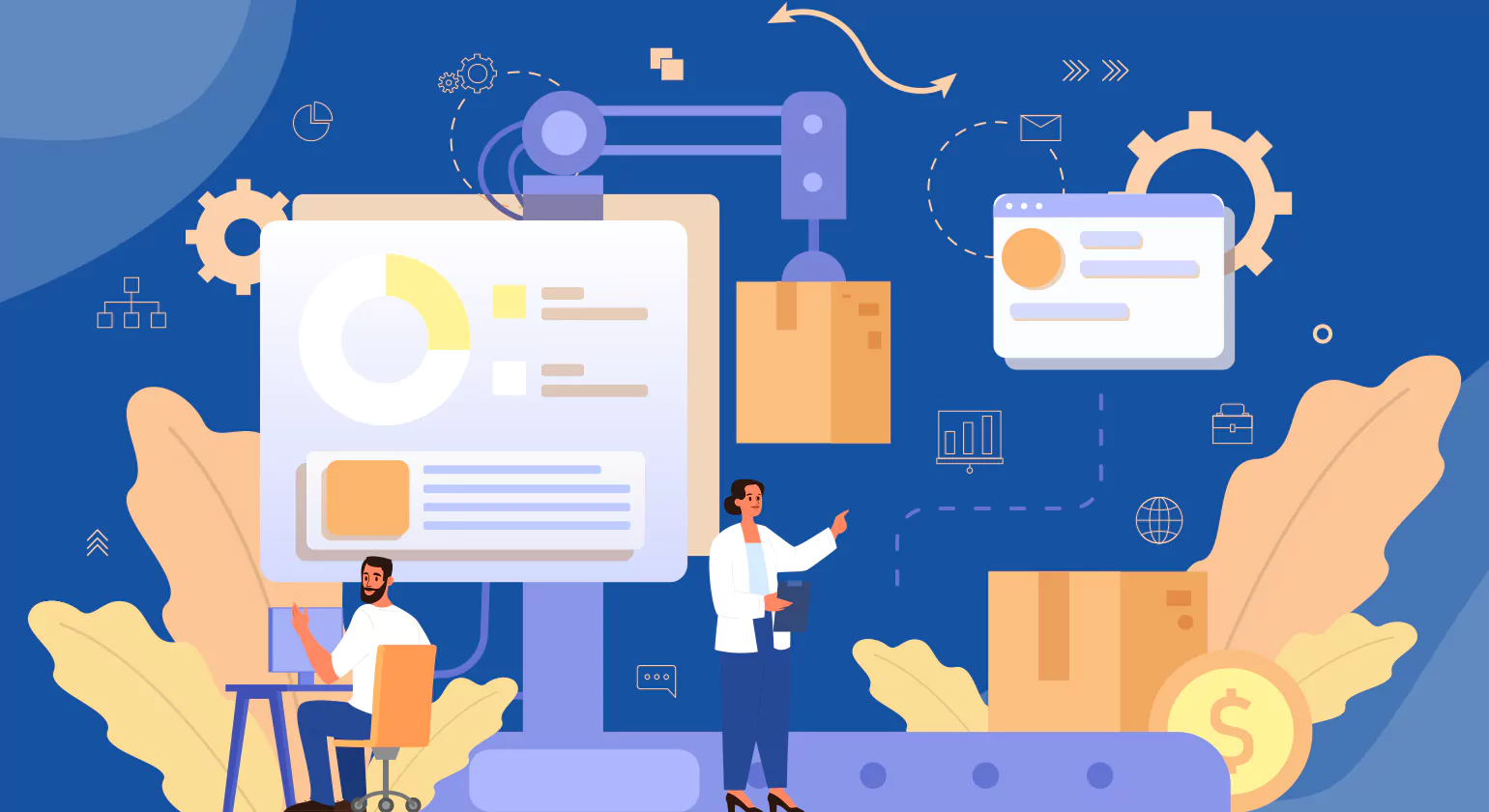
Product events are a powerful tool for businesses to connect with their audience, generate buzz, and drive sales. However, planning and executing a successful event can be a complex and time-consuming process. To maximize the impact of their events, businesses must leverage the power of automation. Automation not only simplifies logistics but also ensures that each stage of the event—from planning to post-event follow-up—is optimized for efficiency and results.
Product events marketing automation allows businesses to streamline repetitive tasks, such as sending invitations, reminders, and follow-up emails. By automating these processes, marketing teams can save valuable time and resources, allowing them to focus on more strategic initiatives. Additionally, automation enables businesses to personalize the attendee experience. By leveraging customer data, marketers can tailor messages and content to individual preferences, increasing engagement and driving conversions. With automation, businesses can also segment their audience to send the right message to the right person at the right time, improving the relevance of communications and ultimately boosting attendee participation.
Furthermore, automation provides valuable insights into event performance. By tracking key metrics such as registrations, attendance rates, and post-event engagement, businesses can gain a deeper understanding of their audience and identify areas for improvement. These insights can be used to refine future event strategies and optimize resource allocation. With real-time analytics, companies can make agile adjustments during the event to address any issues immediately, ensuring a smoother experience for both attendees and organizers.
Conclusion
In conclusion, product events marketing automation is a powerful tool that can significantly enhance the impact and efficiency of product launches. By automating repetitive tasks, personalizing customer experiences, and leveraging data-driven insights, businesses can create memorable events that drive engagement, boost brand awareness, and ultimately drive sales. By embracing automation, businesses can streamline their workflows, maximize their resources, and achieve greater success in their product event marketing Platforms efforts. With the right automation strategy in place, businesses can elevate their product events to new heights.
Know More >>>
10 Tips to Build a Powerful Marketing Automation Strategy
Simplifying Operations with IT Automation Services
FAQ’S
1. What is product events marketing?
Product events marketing involves promoting and hosting events to showcase products, engage with potential customers, and drive sales. It includes event planning, content creation, audience engagement, and leveraging events to generate leads and brand awareness.
2. How does marketing automation improve the event planning process?
Marketing automation streamlines repetitive tasks like sending invitations, reminders, and confirmations. It saves time, reduces errors, ensures consistent messaging, and enables marketers to focus on strategy and engagement, resulting in a more organized and efficient event.
3. What are the key features of a marketing automation tool for product events?
Key features include automated email campaigns, event registration management, personalized content delivery, CRM integration, real-time analytics, lead scoring, and post-event follow-ups. These features ensure smooth event execution and better engagement with attendees throughout the process.
4. How can Automated Product Event Marketing help with post-event engagement?
Post-event automation helps by sending personalized thank-you emails, gathering feedback through surveys, delivering follow-up content, and nurturing leads. This keeps attendees engaged, strengthens relationships, and increases the chances of converting them into customers or long-term brand advocates.
5. Is marketing automation scalable for both small and large events?
Yes, marketing automation is highly scalable. Whether managing a small product launch or a large international conference, automation tools can handle a wide range of tasks, ensuring a seamless experience for all attendees regardless of event size.
6. Can marketing automation integrate with CRM systems?
Yes, most marketing automation tools integrate with CRM systems. This integration allows for real-time synchronization of attendee data, streamlined lead management, and more personalized communications, ultimately enabling a more effective follow-up and lead nurturing process.
7.How Can Businesses Benefit from Automated Product Event Marketing?
Automated product event marketing helps businesses boost engagement and sales by streamlining event-driven campaigns. With the help of event marketing automation solutions, companies can enable personalized messaging, improve efficiency, and nurture leads. These solutions ensure timely communication that strengthens customer relationships and maximizes overall marketing impact.
8. What are some common challenges when implementing automated product event marketing?
Common challenges in implementing automated product event marketing include data integration issues, ensuring message personalization, managing campaign timing, and maintaining customer engagement. Implementing marketing automation for events also brings technical complexities and requires ongoing optimization, which can pose significant hurdles for businesses aiming to deliver seamless and effective event-driven campaigns.