Table of Contents
Blog Overview
- How multilingual website design helps you reach new global markets and grow organic traffic
- A step-by-step framework to plan, structure, and launch language-ready websites the right way
- Proven strategies to improve international SEO, user experience, and region-based conversions
- The most common multilingual mistakes — and how to avoid costly redesigns
What Is Multilingual Website Design?
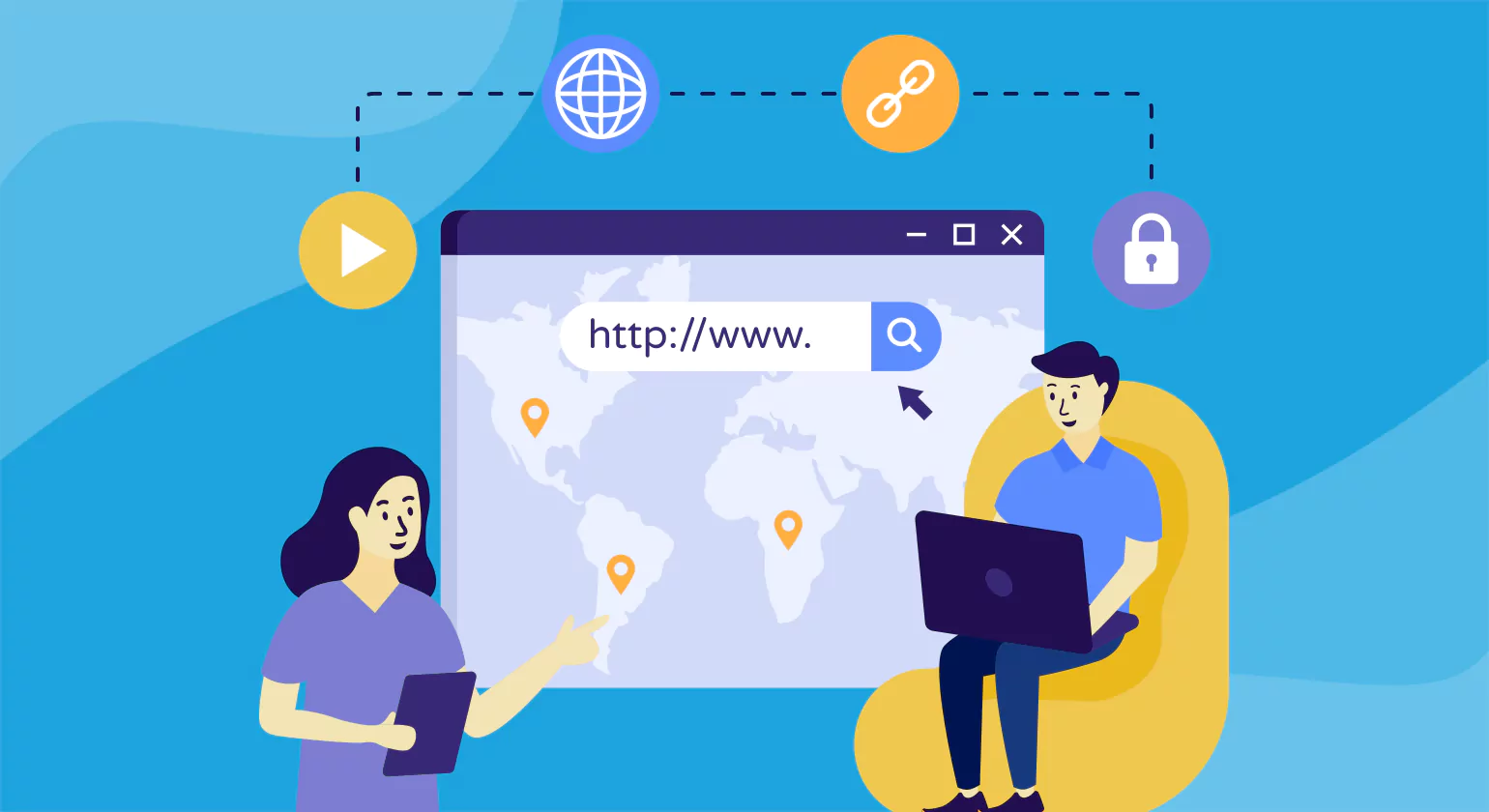
Multilingual website design is the process of creating a website that offers content in multiple languages while maintaining SEO, usability, and brand consistency across regions.
It involves:
- Language-specific URLs
- Localized content
- International SEO signals
- Region-based UX optimization
Why it matters for SEO and global growth
A high-performing multilingual website helps you:
- Rank in country-specific search engines
- Reach new audiences
- Improve engagement and trust
- Increase global revenue
Is multilingual website design good for SEO?
Yes. A properly implemented multilingual website improves international visibility, enables country-specific rankings, and delivers localized content that matches regional search intent.
How to Plan & Build a Multilingual Website Successfully

Planning your multilingual structure is the most critical step for international SEO success. The right language targeting, URL format, and localization strategy determine how well your website ranks, scales, and converts in different regions.
Choosing the Right Languages Based on Target Market
Selecting languages based only on traffic can lead to low ROI. A data-driven approach ensures you invest in markets that generate real business growth.
Focus on:
- Revenue opportunity from each region
- Local search demand for your services or products
- Market competition and ranking difficulty
- Existing customer or inquiry locations
- Regional user behavior and content consumption trends
Start with high-impact regions first, then scale based on performance.
Selecting the Best URL Structure for SEO
What is the best URL structure for multilingual SEO?
Subdirectories (example.com/es/) are the most SEO-friendly option for most websites because they consolidate domain authority and are easier to manage and scale.
Other options:
- Subdomains → es.example.com
- Country-code domains → example.es
Subdirectories are ideal for businesses that want faster international rankings without building authority for multiple domains.
Translation vs Localization: What to Use
Translation converts text from one language to another, while localization adapts the entire user experience for a specific region.
For SEO and conversions, localization is essential.
Translation vs Localization: Key Differences
Element | Translation | Localization |
Definition | Converts text from one language to another | Adapts content for language, culture, and region |
Focus | Words and meaning | User experience and cultural relevance |
Goal | Linguistic accuracy | Local engagement and conversions |
SEO Impact | Limited – keywords may not match local search intent | Strong – uses region-specific keywords |
Content Style | Same message for all regions | Message adapted for each market |
Currency, Date & Units | Usually unchanged | Fully adapted to local formats |
Visuals & CTAs | Same for all languages | Customized for local audience |
User Trust | Moderate | High – feels native to the user |
Cost | Lower | Higher (but better ROI) |
Best Use Case | Informational or low-priority content | Core pages, product pages, and landing pages |
Implementing hreflang, Language Switchers & Metadata
Proper implementation ensures search engines show the right language to the right audience and prevents duplicate content issues.
A strong multilingual setup includes:
- Correct hreflang tags for each language and region
- A clear and accessible language switcher
- Translated meta titles and descriptions
- Language-specific canonical tags
This improves:
- International indexing
- User navigation
- Regional ranking accuracy
Proven Multilingual Website Strategies for Better UX, SEO & Conversions

Once your multilingual structure is in place, the real growth comes from applying strategies that improve regional search visibility, user experience, and conversion rates. A successful global website does not just translate content — it aligns each language version with local user intent and buying behaviour.
Market-First Language Rollout Strategy
Launching too many languages at once can dilute resources and slow down performance. A phased, market-first rollout allows you to expand globally while maintaining quality and SEO strength.
Focus on high-impact regions first
Start with markets that offer:
- High revenue potential
- Strong search demand
- Lower competition for your core keywords
- Existing customer interest
This approach helps you generate faster ROI and validate your multilingual framework before scaling further
Use performance data to decide expansion
Track:
- Traffic by country
- Conversion rate by language
- Engagement metrics per region
Expand only into markets that show real growth opportunities.
International SEO & Localized Content Strategy
Why direct keyword translation does not work
Search behavior differs across countries. Users in different regions may use completely different terms for the same product or service.
Example:
“Digital marketing services” in one country may be searched as “online marketing agency” in another.
That’s why each language version needs:
- Dedicated keyword research
- Unique page optimization
- Region-specific content structure
Create localized content for search intent
To rank internationally:
- Match local search queries
- Use culturally relevant messaging
- Answer region-specific user problems
This improves both rankings and engagement.
Conversion Optimization for Different Regions
Getting international traffic is only the first step — converting that traffic requires regional personalization.
Adapt your website for local trust signals
Users are more likely to convert when they see:
- Local testimonials
- Country-specific case studies
- Familiar payment options
- Region-based contact information
Localize your offers and CTAs
Your value proposition should reflect:
- Local pricing expectations
- Cultural buying behavior
- Seasonal demand in that region
A call to action that works in one country may underperform in another.
How does multilingual design improve conversions?
Multilingual website design improves conversions by delivering content in the user’s native language, matching local search intent, and providing region-specific trust signals that make the buying journey more comfortable and familiar.
10 Best Practices for Effective Multilingual Website Design

A scalable multilingual website is not just about adding languages — it requires a strong technical foundation, flexible design, and region-specific SEO optimization. These best practices ensure your site remains fast, consistent, and conversion focused as you expand into new global markets.
1. Plan Content Structure for Scalability
Your site architecture should allow you to add new languages without redesigning the entire website.
A scalable structure:
- Keeps language versions organized
- Simplifies URL management
- Prevents duplication issues
This makes future expansion faster and more cost-effective.
2. Maintain Consistent Branding Across All Languages
Users should recognize your brand instantly — regardless of language.
Keep consistent:
- Colors
- Typography
- Tone of voice
- Core messaging
Only the cultural context and content should change, not your brand identity.
3. Optimize Navigation for Global Users
Clear navigation improves both usability and SEO.
Make sure:
- The language switcher is easy to find
- Menus are simple and consistent
- Users can switch languages from any page
This reduces bounce rates and improves engagement.
4. Design for Text Expansion and RTL Languages
Some languages require more space than others.
Your design must support:
- 30–40% text expansion
- Right-to-left (RTL) scripts
- Flexible buttons and containers
Without this, your layout will break in translated versions.
5. Ensure Mobile Responsiveness for Every Region
Mobile behavior varies by country, so testing only your primary language version is not enough.
Optimize for:
- Mobile page speed
- Readability in all languages
- Touch-friendly navigation
Google uses mobile-first indexing, so this directly impacts rankings.
6. Optimize Page Speed for International Audiences
A slow website in global markets leads to high drop-off rates.
Use:
- Content Delivery Networks (CDN)
- Image compression
- Regional caching
to maintain fast load times worldwide.
7. Follow Consistent Multilingual URL Naming Conventions
Keep URLs:
- Clean
- Language-specific
- Easy to understand
Example:
example.com/es/services/
This improves both user experience and international SEO.
8. Localize Images, CTAs, and Visual Elements
Visual content should reflect local culture and user expectations.
Localizing visuals:
- Builds trust
- Improves engagement
- Increases conversions
Users connect more with region-relevant experiences.
9. Implement Region-Specific Keyword Optimization
Each language version should target keywords based on local search behavior, not direct translations.
This helps you:
- Rank in country-specific SERPs
- Attract qualified traffic
- Improve content relevance
10.Track Performance with Multilingual Analytics
Data-driven decisions are essential for global growth.
Monitor:
- Traffic by country and language
- Engagement rate per region
- Conversion rate by market
This helps you identify high-performing regions and optimize underperforming ones.
Why are multilingual design best practices important?
Multilingual website design best practices ensure your site remains scalable, search-friendly, and conversion-optimized across different languages, devices, and geographic regions.
Common Multilingual Website Design Mistakes to Avoid

Even well-designed multilingual websites can fail to rank or convert if critical technical and localization elements are implemented incorrectly. Avoiding the following mistakes will protect your international SEO performance and ensure a seamless user experience across all regions.
1. Poor Translation & Localization Strategy
Relying only on direct translation often results in content that feels unnatural, irrelevant, or confusing to local users.
Why this hurts your website
- Keywords may not match local search intent
- Messaging may not connect culturally
- Conversion rates drop due to low trust
How to fix it
- Use native-language experts
- Perform local keyword research
- Adapt content for cultural relevance
Localized content always performs better than word-for-word translation.
2. Incorrect hreflang & Multilingual SEO Implementation
Hreflang errors can cause the wrong language page to appear in search results — or prevent pages from being indexed entirely.
Common hreflang issues
- Missing return tags
- Incorrect language or country codes
- Multiple language versions on the same URL
- Conflict with canonical tags
Best practice
Each language page must:
- Reference itself
- Reference all alternate language versions
This helps search engines serve the correct version to the correct audience.
3. Weak Language Switcher & Mixed-Language User Experience
A poorly placed or confusing language switcher creates frustration and increases bounce rates.
Signs of a bad multilingual UX
- Language switcher hidden in the footer
- Automatic redirection to the wrong language
- Switching language sends users back to the homepage
- Pages showing multiple languages at once
What works better
- Place the switcher in the header
- Use native language names (Español, Français)
- Keep users on the same page when switching languages
Final Thoughts
A high-performing multilingual website design is built on:
- A scalable technical structure
- Localized content strategy
- Region-specific SEO optimization
- Seamless global user experience
When implemented correctly, it helps you:
- Rank in international search results
- Reach new audiences
- Increase global conversions
- Scale your business faster
The brands that win globally are the ones that treat multilingual design as a growth strategy — not just a translation task.
Read More >>>
Reach Local Customers with Professional Website Localization Services
Why Content Localization Services Matter for Global Growth
FAQs
How to choose translation software for multilingual websites?
Choose translation software that supports CMS integration, SEO-friendly URL handling, localization workflows, human review options, glossary management, and scalable automation to maintain consistency across all multilingual website content.
How to change the language on websites?
Websites change language using a language switcher, browser language detection, or geolocation. Each language must have a separate URL and properly implemented hreflang tags for SEO and accurate indexing.
How to rank a website in a specific country?
To rank in a specific country, use country-targeted keywords, localized content, hreflang tags, fast regional hosting or CDN, local backlinks, and a country-specific URL structure for stronger geo-relevance signals.
How to change website content based on visitor country?
Use geolocation, dynamic content rules, or IP-based personalization to display region-specific content, currency, offers, and language while keeping separate crawlable URLs to ensure proper indexing and avoid cloaking issues.
How many languages should a multilingual website have?
Start with languages that bring the highest revenue potential, search demand, and user base. Expand gradually based on performance data, localization resources, and international SEO growth opportunities.