Table of Contents
Why are patients still filling out paper forms in waiting rooms, while almost everything else in life can be managed from a phone? Why do doctors still need to log into clunky desktop systems between appointments, instead of accessing records in a few taps?
Custom healthcare software development is making it possible to rethink how care is delivered and experienced through mobile-first solutions built around real-world medical workflows, not outdated systems.
What Does “Mobile-First Healthcare” Actually Mean?
Healthcare has traditionally been built around clinics, hospitals, and physical infrastructure. That model works, until it doesn’t. Patients miss appointments because they can’t take time off work. Providers struggle to manage care across locations. Administrative staff still rely on paperwork that could be replaced with a tap on a screen.
Mobile-first design flips this model. Mobile-first healthcare is more than shrinking a desktop app into a smartphone screen. It’s about designing care delivery, coordination, and engagement around the way people live and work on the go, across settings, and with limited time.
For providers, this could mean documenting notes during a home visit. For patients, it might mean getting real-time updates on lab results or managing a care plan from a mobile app. Mobile-first doesn’t just optimize for convenience; it reimagines how care is delivered.
Why Mobile-First Design Is No Longer Optional in Healthcare
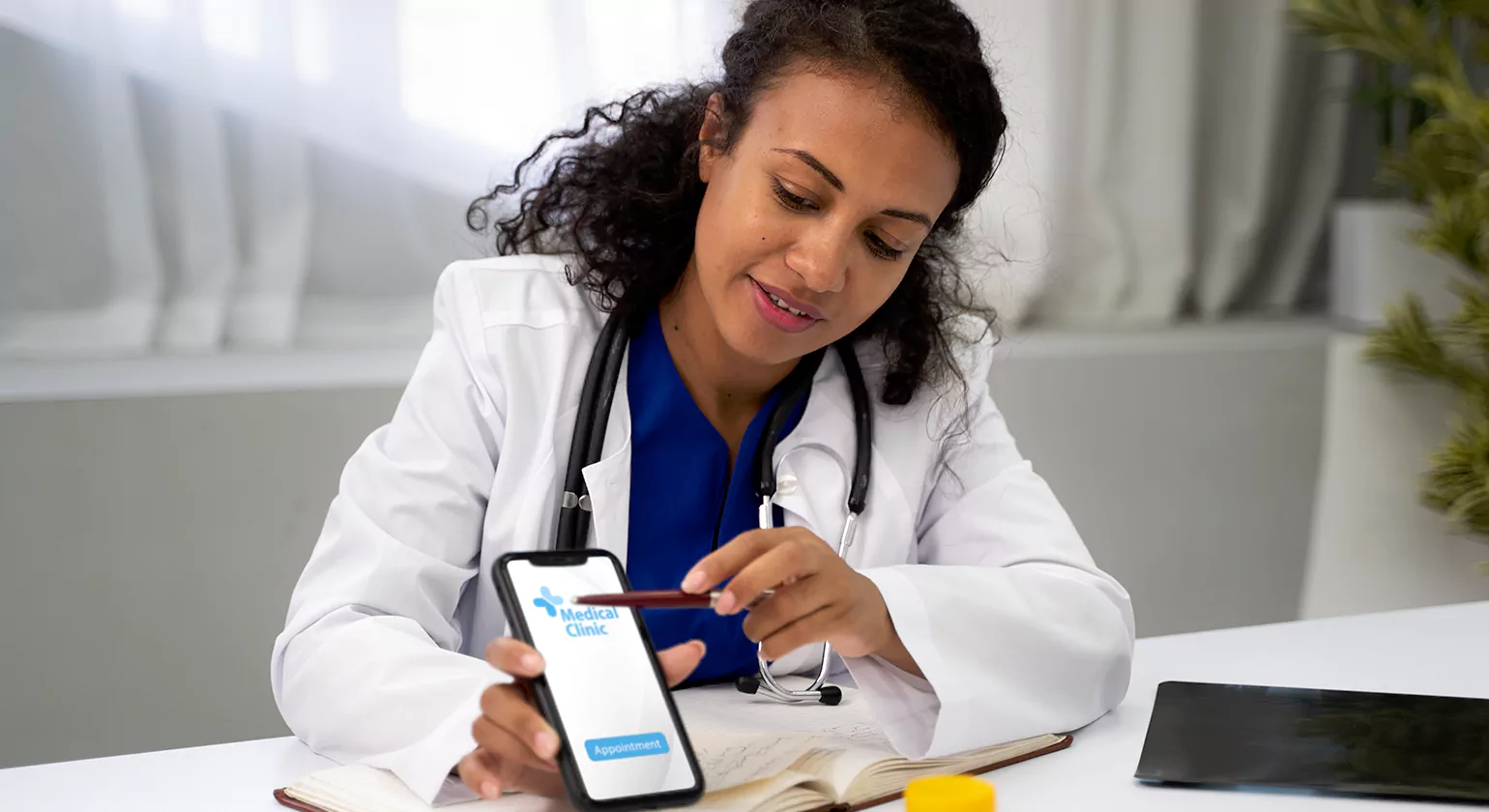
Patients want more control. Providers want to reduce administrative work. Mobile-first tools can meet both needs if built correctly.
Here’s what’s driving the shift:
- Patient expectations have changed. People are used to banking, shopping, and working from their phones. They now expect the same ease from healthcare.
- Provider burnout is real. Mobile tools can reduce double documentation, streamline communication, and make key information more accessible on the move.
- Remote care is here to stay. Mobile-first systems support hybrid models of care, where physical and digital interactions blend seamlessly.
Key Use Cases for Mobile-First Healthcare Solutions
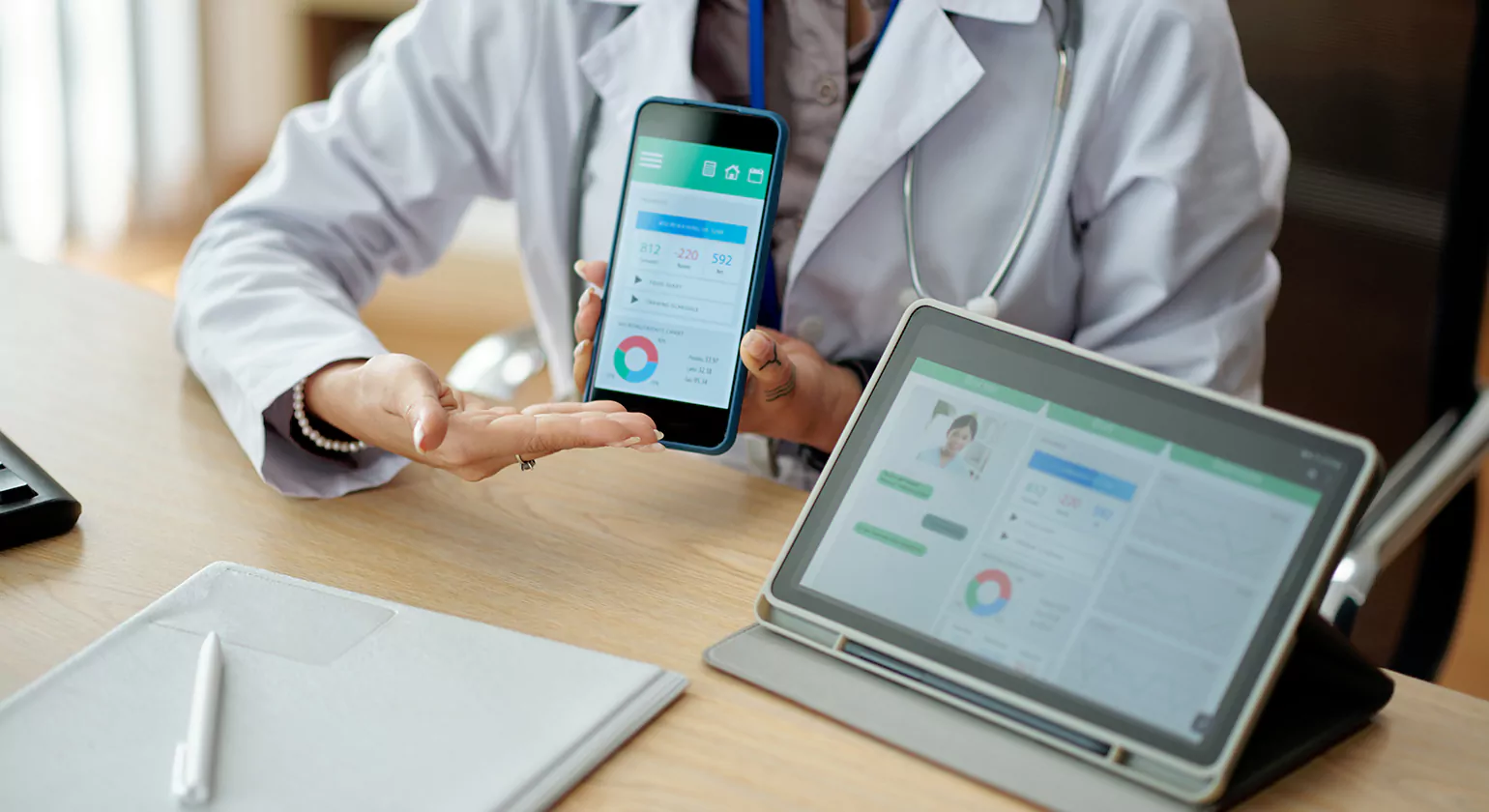
Different users need different tools. This is where custom healthcare software development becomes essential—ensuring that each solution aligns with the specific needs of the organization rather than forcing a generic approach. Here are some common examples of where mobile-first apps are already making an impact:
1. Appointment Scheduling and Management
Patients want autonomy. A well-built mobile interface can let them:
- Schedule or reschedule without calling
- Get real-time availability updates
- Set medication reminders
- Receive push notifications about upcoming appointments
For providers, custom scheduling apps can include buffer settings, cancellation handling, and sync with internal systems.
2. Clinical Communication and Workflow Management
Nurses, doctors, and technicians often move between departments, buildings, and even facilities. A mobile-first platform can centralize:
- Real-time patient updates
- Secure team messaging
- Task and shift coordination
- Emergency response workflows
A well-designed app reduces handover mistakes, shortens response times, and supports team-based care across physical locations.
3. Patient Engagement and Chronic Care Management
Patients with chronic conditions need consistent support outside the clinic. A mobile-first solution can help them:
- Monitor symptoms and medications
- Track vitals (manually or via wearables)
- Message providers directly
- Follow personalized care plans
Engaged patients tend to follow instructions better and have improved outcomes. Custom apps can also include behavior nudges, reminders, and family involvement features.
4. Telehealth and Hybrid Care Models
While telehealth usage spiked during the pandemic, it’s now evolving into hybrid models. Mobile-first apps allow:
- Scheduling and joining virtual appointments
- Uploading documents or images for review
- Receiving prescriptions and summaries instantly
- Continuity across in-person and virtual visits
When apps are built with mobile-first principles, the friction around video visits drops significantly, for both ends.
5. On-the-Go Access to EHR and Imaging
For providers in the field, such as home health workers, ambulance teams, or specialists doing rounds, a mobile EHR (Electronic Health Record) extension can enable:
- Viewing or updating records on-site
- Accessing medical images securely
- Recording dictation or structured notes
- Offline access in low-connectivity areas
This removes the lag between patient interaction and data entry, improving both care quality and accuracy.
Mobile-First Doesn’t Mean “App-First”. It Means “User-First”
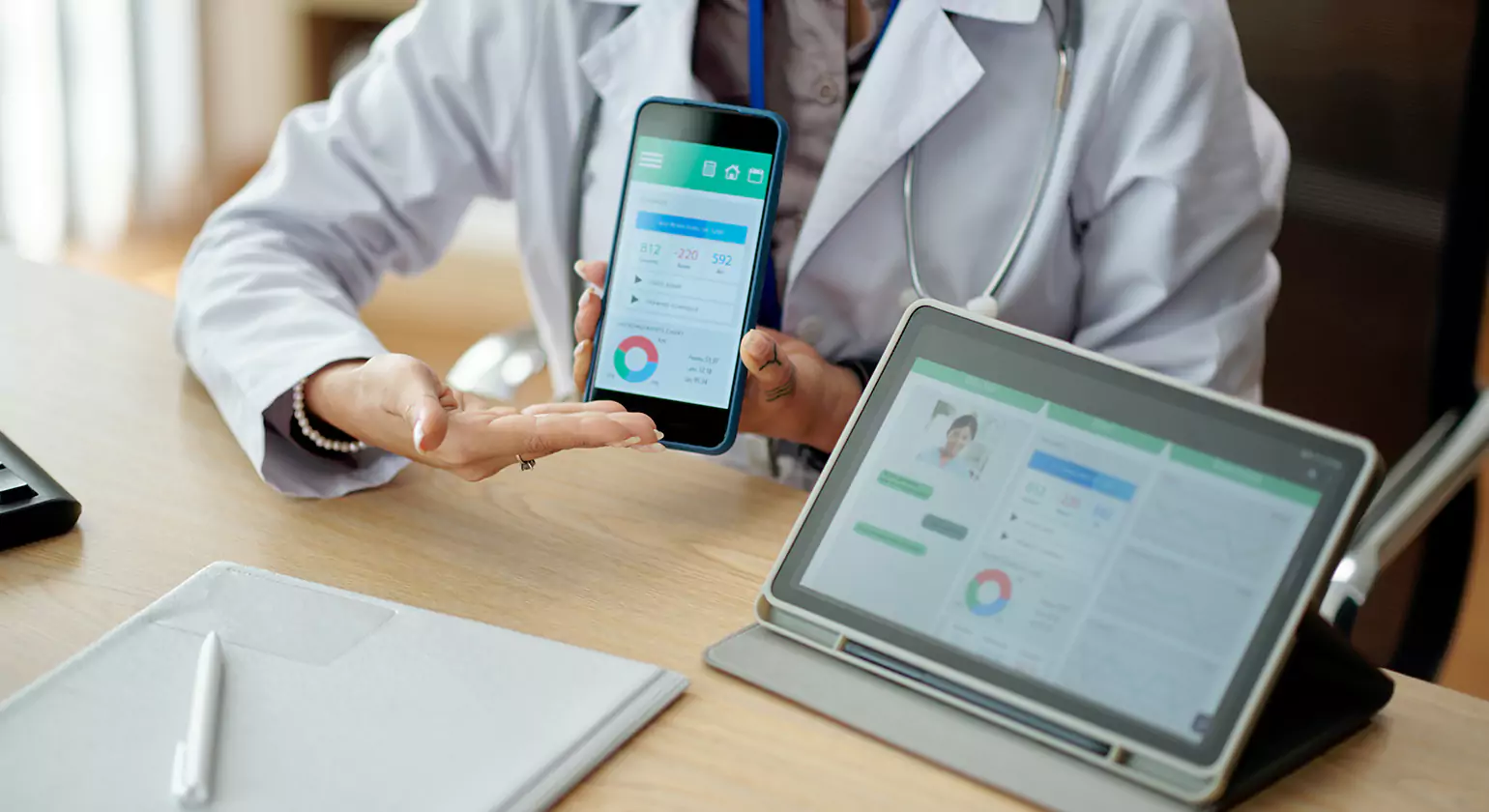
There’s a critical distinction here. Mobile-first healthcare isn’t about checking a box by launching an app. It’s about designing for real-world users who don’t have time to think twice.
That means:
- Designing for speed. Clinical users don’t want to tap through five menus to log a note.
- Prioritizing offline access. A home nurse may not always have Wi-Fi. The app should still work.
- Building for thumb navigation. Interfaces should assume one-handed use, not desk-bound operation.
- Integrating securely. Mobile systems must play nicely with EHRs, billing tools, and regulatory frameworks like HIPAA or GDPR.
A mobile-first mindset starts by understanding where and how the app will be used and then designing around that context.
Custom Development vs. Off-the-Shelf: Why Custom Often Wins in Healthcare
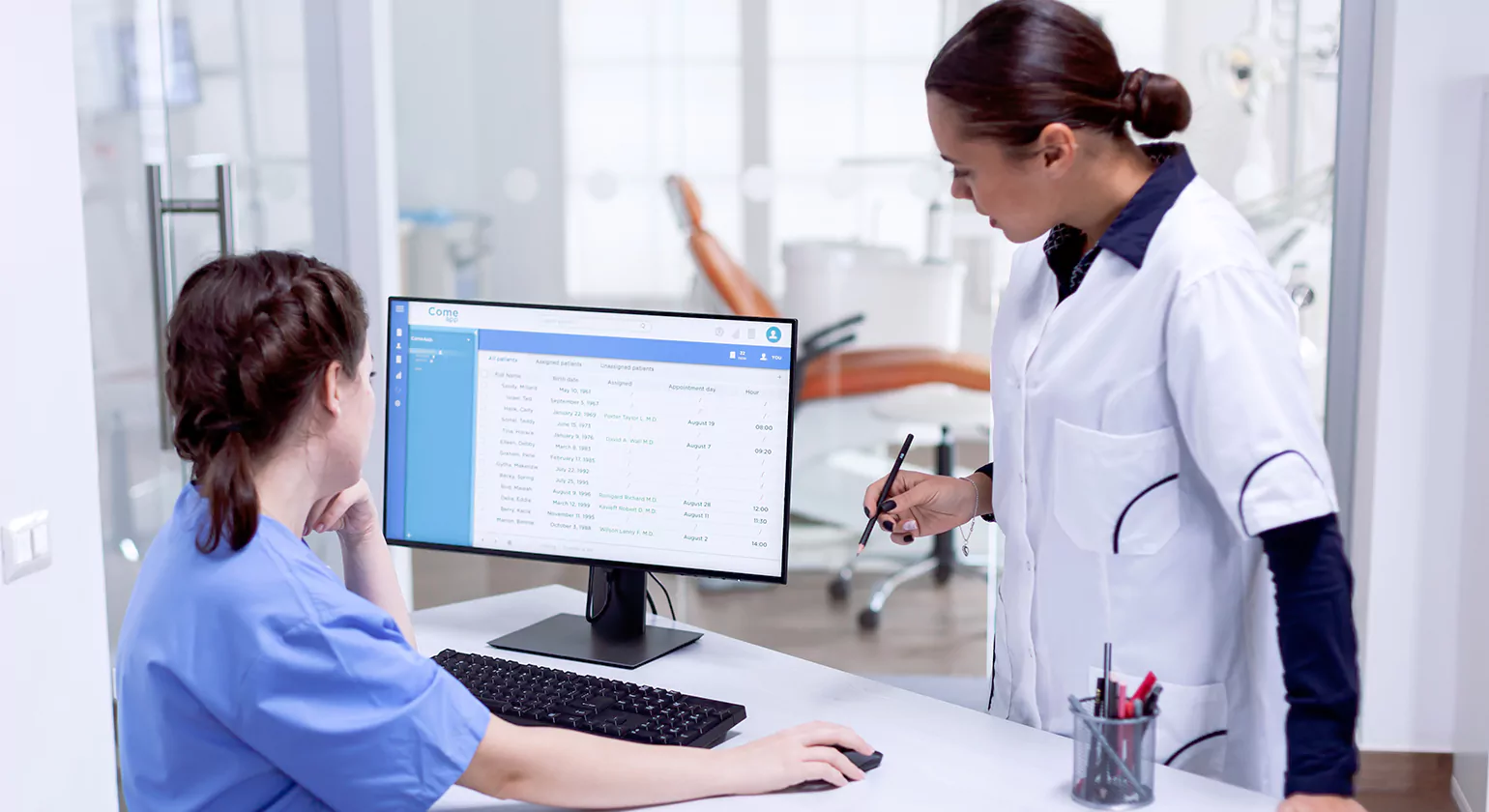
Off-the-shelf solutions can be tempting as they provide fast setup, predictable pricing, and vendor support. But healthcare is rarely one-size-fits-all. Every clinic, hospital, or provider network has its own workflows, regulatory challenges, and patient demographics.
Custom mobile solutions offer advantages like:
- Tailored user journeys for different roles (nurse vs. admin vs. caregiver)
- Integration with legacy systems or in-house databases
- UI/UX that matches organizational protocols and patient literacy
Feature flexibility to evolve as your care model changes
For example, a behavioral health provider may need mood tracking and daily assessments. A rural clinic may need offline-first architecture. A children’s hospital may prioritize parent-focused features, which are difficult to adapt to universal platforms.
Must-Have Features in a Mobile-First Healthcare App
When building a custom solution, here are the features worth considering based on the use case:
- Biometric login (face/fingerprint) for secure, fast access
- Role-based dashboards to separate patient, provider, and admin views
- Push notifications for time-sensitive updates
- Offline functionality with data sync once reconnected
- Photo uploads for wound tracking, medication labels, or documents
- Voice dictation for faster note-taking
- E-prescription integration and refill requests
- Secure messaging that complies with healthcare data laws
- Multilingual support for diverse patient populations
Choosing the right feature set should be driven by user interviews, process mapping, and pilot feedback, not assumptions.
Common Pitfalls to Avoid in Mobile Healthcare Development
Even the most well-intentioned apps can fall short if they ignore real-world use. Watch for these red flags:
- Clunky onboarding. If users can’t figure it out quickly, they’ll drop off.
- Overcomplicated interfaces. More features ≠ more value. Prioritize clarity.
- Poor integration. Mobile apps should not create new silos or duplicate workflows.
- Lack of compliance knowledge. Developers must understand healthcare-specific data and privacy rules.
- Neglecting testing in real environments. What works in a dev lab might not work in a rural clinic with spotty connectivity.
Co-designing with end users and testing often helps avoid these issues early.
Measuring Success: What Does a “Good” Mobile Healthcare App Deliver?
It’s not about downloads or flashy features. A successful mobile-first solution:
- Saves time for clinicians
- Improves patient satisfaction or adherence
- Reduces documentation burden
- Increases visit efficiency
- Supports continuity of care across settings
- Helps meet compliance and reporting goals
Over time, a well-built app becomes not just a digital add-on but a critical tool for delivering better healthcare.
Final Thoughts: Why Mobile-First Is the Future of Patient-Centered Care
Healthcare is already mobile by nature. Providers move between locations. Patients live beyond hospital walls. It’s time for technology to match that reality.
Custom mobile-first solutions aren’t just about modernizing systems; they’re about meeting people where they are. When done right, they turn smartphones into powerful care tools that enhance access, reduce burnout, and improve outcomes.
The future of healthcare is personal, portable, and proactive. And it starts in your pocket.
Read More >>>Top Healthcare Virtual Assistant Tasks & Benefits
Best 15 Healthcare Managed Services Providers Across the USA