Table of Contents
Introduction
Mobile app prototyping services help bring your app ideas to life through interactive, visual mockups that simulate the user experience before development begins. These services allow businesses to validate concepts, test usability, and refine designs, reducing costly revisions later. Whether you’re building an MVP or a full-scale application, prototyping ensures clarity between designers, developers, and stakeholders. With the right prototyping partner, you can streamline your app development process, improve user satisfaction, and accelerate time to market. Investing in mobile app prototyping is a smart step toward building a successful, user-focused digital product.
Importance of Prototyping in Product Development

Prototyping is a critical step in product development, especially in the context of mobile applications. It allows developers to-
1. Validate Concepts
Prototyping helps in validating the feasibility and functionality of the app concept, ensuring that the final product aligns with user expectations. This early validation process helps in identifying any flaws or limitations in the initial concept, allowing developers to make necessary adjustments before moving to the development stage.
2. Enhance User Experience
By creating a prototype, developers can test the user interface and experience, making necessary adjustments to enhance usability. Prototyping enables developers to experiment with different design elements, such as navigation, layout, and interaction, ensuring that the app is intuitive and user-friendly.
3. Identify Issues Early
Early-stage prototypes enable the identification and resolution of potential design and functionality issues, reducing the risk of costly changes later in the development process. By addressing these issues early, developers can avoid the need for extensive rework and ensure that the development process remains on track.
4. Facilitate Stakeholder Feedback
Prototypes provide a visual and interactive representation of the app, making it easier to gather and incorporate feedback from stakeholders and users. This feedback loop is crucial for ensuring that the final product meets the needs and expectations of all stakeholders.
5. Supports Iterative Design
Prototyping fosters an iterative design process, where continuous testing and refinement lead to a more polished final product. By building multiple versions of a prototype, teams can experiment with different approaches and gradually improve the design, ensuring the end product is the best it can be.
6. Builds Stakeholder Confidence
Having a prototype reassures stakeholders that the product development is on the right track. It provides tangible evidence of progress, demonstrating that the project is moving forward successfully. This confidence can lead to stronger support, smoother approvals, and a more successful product launch.
7. Informs Manufacturing Decisions
Prototyping allows teams to explore different materials, manufacturing processes, and assembly methods. By testing these variables during the prototype stage, companies can make informed decisions that optimize production efficiency and cost. This ensures that the final product is not only functional but also manufacturable at scale.
8. Accelerates Time-to-Market
Prototyping speeds up the product development process by allowing quick iterations and improvements. With a prototype, teams can test ideas, gather feedback, and make necessary changes more efficiently. This iterative approach helps bring products to market faster, giving companies a competitive edge.
9. Reduces Development Costs
By identifying issues and making adjustments during the prototyping phase, companies can avoid costly revisions during later stages of development. Prototyping allows for testing and refining ideas before committing to large-scale production, ultimately reducing the overall cost of development and minimizing financial risk.
10. Enhances Communication
Prototyping serves as a visual communication tool, bridging the gap between designers, developers, and stakeholders. It allows everyone involved to see the product’s features and functionality, leading to better collaboration and clearer feedback. This improved communication helps align team efforts and ensures everyone is on the same page.
Understanding Product Prototyping Services

Product Prototyping Services encompass a range of activities aimed at creating a working model of the proposed product. These services are essential in various industries, including mobile app development, where they help in visualizing and testing ideas before full-scale production. UX prototyping services are particularly valuable in ensuring that the product’s design is intuitive, user-friendly, and aligns with the needs of the target audience.
In mobile app development, Product Prototyping Services typically include-
1. Wireframing
Creating basic layouts and structures for the app’s interface. Wireframes serve as the blueprint for the app, outlining the placement of different elements and the overall structure of the interface.
2. Mockups
Designing detailed and static representations of the app’s screens. Mockups provide a more detailed and visually appealing representation of the app, allowing developers to experiment with different design elements and visual styles.
3. Interactive Prototypes
Developing dynamic models that allow users to interact with the app’s interface and experience its functionality. Interactive prototypes simulate the app’s behavior and functionality, providing a realistic representation of the final product.
Key Steps in Mobile App Prototyping

Mobile app prototyping is a crucial phase in the app development process. It transforms raw ideas into interactive, testable designs that help visualize the final product. A well-executed prototype allows developers, designers, and stakeholders to evaluate user experience, identify usability issues, and align on features—before any code is written. Here are the key steps involved in mobile app prototyping:
1. Define the App Goals and Requirements
Start by understanding the app’s core purpose, target audience, and business objectives. This step involves market research, competitor analysis, and gathering user feedback. Clearly defining app goals ensures the prototype aligns with the end-users’ needs and business expectations.
2. Sketch Basic App Layouts (Wireframing)
Create low-fidelity wireframes to outline the app’s layout, navigation structure, and content placement. Wireframes are basic sketches that focus on functionality rather than design. They help map the user flow and highlight the essential elements on each screen.
3. Develop User Flow and Navigation Structure
Next, establish how users will move through the app. Define the steps they’ll take to complete tasks, such as signing in, browsing, or checking out. A clear user flow ensures intuitive navigation and improves overall app usability.
4. Create a Mid or High-Fidelity Prototype
Using tools like Figma, Adobe XD, or InVision, turn wireframes into clickable prototypes. Add real design elements like colors, fonts, icons, and images to simulate the look and feel of the actual app. Interactive prototypes help stakeholders understand how the app will behave.
5. Testing and Feedback
Test the prototype with real users to gather feedback on functionality, ease of use, and overall experience. Observing user interactions helps identify friction points, unclear elements, or navigation issues. Early testing reduces costly design changes later.
6. Refine and Iterate the Prototype
Based on user feedback, refine your design. Adjust layouts, tweak navigation, and improve usability. Prototyping is an iterative process—multiple rounds of revisions lead to a more polished, intuitive app.
7. Prepare for Development Handoff
Once the prototype meets approval, prepare a detailed design handoff for developers. Include design specifications, assets, and interaction details to ensure seamless development. A refined prototype minimizes development errors and keeps the project on track.
Tools and Technologies for Efficient Prototyping
The success of Mobile App Prototyping Services largely depends on the tools and technologies used. Some of the most popular tools include-
1. Sketch
A powerful design tool used for creating wireframes and mockups. Sketch offers a wide range of features and functionalities, making it an ideal tool for designing and prototyping mobile apps.
2. Figma
An online tool that allows for collaborative design and prototyping. Figma enables real-time collaboration among team members, making it easier to work together on designing and prototyping the app.
3. InVision
A platform that enables the creation of interactive prototypes and facilitates user testing and feedback. InVision provides a range of features for creating and testing interactive prototypes, making it an ideal tool for prototyping mobile apps.
4. Adobe XD
A comprehensive tool for designing and prototyping user experiences. Adobe XD offers a range of features for designing and prototyping mobile apps, making it an ideal tool for developers.
5. Axure RP
A robust tool for creating detailed wireframes and interactive prototypes. Axure RP provides a range of features for creating and testing interactive prototypes, making it an ideal tool for prototyping mobile apps.
Benefits of Using Mobile App Prototyping Services

Utilizing Mobile App Prototyping Services offers numerous benefits, including-
1. Cost and Time Efficiency
By identifying and addressing issues early in the development process, Mobile App Prototyping Services helps to avoid costly changes and delays. This early identification of issues helps to save time and resources, ensuring that the development process remains on track.
2. Improved User Experience
Prototyping allows for thorough testing and refinement of the app’s interface and functionality, leading to a more user-friendly product. By testing different design elements and features, developers can create an app that is intuitive and easy to use.
3. Better Stakeholder Communication
Interactive prototypes provide a clear and tangible representation of the app, facilitating effective communication and feedback from stakeholders. This clear representation helps to align everyone’s expectations and ensures that the development process remains on track.
4. Enhanced Product Quality
By iterating and refining the prototype, developers can ensure that the final product meets high standards of quality and performance. This continuous improvement process helps to create a product that meets user needs and expectations.
These benefits make Mobile App Prototyping Services an essential component of the app development process. By providing a clear and interactive representation of the app, prototypes help to ensure that the final product is of the highest quality.
Best Practices for Successful Product Development Prototyping Services

To maximize the effectiveness of product development prototyping services, it is important to follow best practices, such as-
1. Define Clear Objectives
Establishing clear goals and expectations for the prototype ensures that the development process stays on track. By defining clear objectives, developers can ensure that the prototype meets the desired specifications and user expectations.
2. Involve Stakeholders Early
Engaging stakeholders from the beginning helps to gather valuable feedback and align the prototype with business objectives. This early engagement helps to ensure that the final product meets the needs and expectations of all stakeholders.
3. Focus on User Experience
Prioritizing the user experience during prototyping helps to create a product that meets user needs and expectations. By testing different design elements and features, developers can create an app that is intuitive and easy to use.
4. Iterate and Refine
Continuously testing and improving the prototype ensures that the final product is of high quality. This iterative process helps to identify and address any issues early in the development process, ensuring that the final product is of the highest quality.
5. Utilize Appropriate Tools
Leveraging the right prototyping tools can enhance efficiency and quality. By using tools that offer a range of features and functionalities, developers can create high-quality prototypes quickly and easily, ensuring that the development process remains on track.
Challenges and Solutions in Mobile App Prototyping
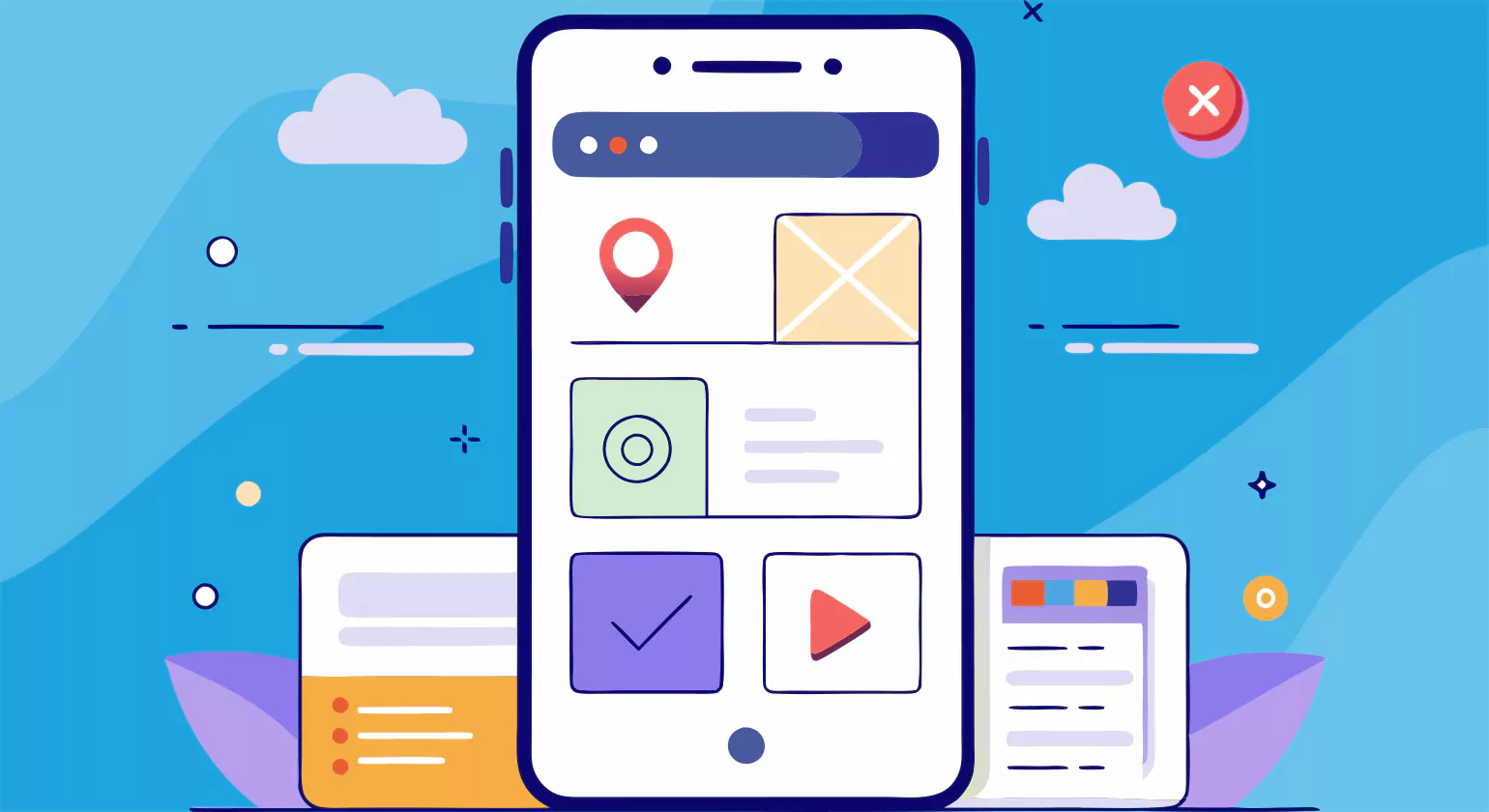
While prototyping is an essential part of the app development process, it comes with its own set of challenges-
1. Resource Constraints
Limited time and budget can hinder the prototyping process. To address this challenge, it is important to prioritize the most critical aspects of the prototype and allocate resources accordingly. By focusing on the most important elements, developers can create an effective prototype within the available resources.
2. Balancing Detail and Functionality
Striking the right balance between detail and functionality can be challenging. To address this challenge, it is important to focus on creating a prototype that accurately represents the final product while also being functional and easy to use. By finding the right balance, developers can create a prototype that meets user needs and expectations.
3. Incorporating Feedback
Gathering and integrating feedback from various stakeholders can be complex. To address this challenge, it is important to establish a clear feedback loop and involve stakeholders early in the prototyping process. By gathering feedback early and often, developers can ensure that the final product meets the needs and expectations of all stakeholders.
4. Technical Limitations
Build the physical Product prototyping Services using appropriate materials and manufacturing techniques. Depending on the complexity of the product, this may involve 3D printing, machining, or manual assembly.
By addressing these challenges proactively, developers can ensure a smooth and efficient prototyping process. By finding creative solutions and working closely with stakeholders, developers can create a prototype that meets user needs and expectations.
Future Trends in Mobile App Prototyping Services

The field of Mobile App Prototyping Services is constantly evolving, with several trends shaping its future
1. AI and Machine Learning Integration
Leveraging AI to automate and enhance the prototyping process. AI can be used to analyze user behavior and preferences, helping developers create prototypes that are tailored to the needs of the target audience.
2. Virtual and Augmented Reality
Utilizing VR and AR to create more immersive and interactive prototypes. VR and AR can be used to create realistic simulations of the app, providing a more engaging and interactive user experience.
3. Real-Time Collaboration Tools
Enhancing remote collaboration through advanced prototyping tools. Real-time collaboration tools enable team members to work together on designing and prototyping the app, regardless of their location.
4. Enhanced Usability Testing
Incorporating advanced usability testing techniques to gather more accurate and detailed feedback. By using advanced testing techniques, developers can gather more comprehensive feedback and create a more user-friendly final product.
These trends are expected to significantly impact the way mobile app prototyping is conducted, making it more efficient, interactive, and user-centric. By leveraging these trends, developers can create high-quality prototypes that accurately represent the final product and meet user needs and expectations.
Conclusion
Mobile App Prototyping Services play a crucial role in the app development process. They help in visualizing, testing, and refining the app’s design and functionality, ensuring that the final product meets the desired specifications and user expectations. By leveraging the right tools and following best practices, developers can create high-quality prototypes efficiently and effectively.
The importance of prototyping in product development cannot be overstated. It allows for early identification and resolution of potential issues, facilitates better communication and collaboration among stakeholders, and ensures that the final product is of high quality. Moreover, by continuously testing and refining the prototype, developers can create a product that meets user needs and expectations.
As the field of Mobile App Prototyping Services continues to evolve, developers need to stay updated with the latest trends and technologies. By leveraging AI, VR, AR, and real-time collaboration tools, developers can create more efficient, interactive, and user-centric prototypes.
In conclusion, Mobile App Prototyping Services offer a strategic advantage in today’s competitive market. They provide a clear roadmap for the development process, ensuring that the final product is not only high-quality but also meets the needs of the target audience. By following best practices and leveraging the right tools, developers can create prototypes that accurately represent the final product and drive innovation in app development.
Know more >>> The Ultimate Guide to Mobile Content Marketing Strategies
The Ultimate Guide to Mobile SEO Services – 12 Expert Tips
FAQ'S
1. What is mobile app prototyping?
Mobile app prototyping is creating an interactive model of your app, allowing you to visualize design, functionality, and user experience before development begins, ensuring efficient iterations and feedback.
2. Where can I make an app prototype?
You can create an app prototype using tools like Sketch, Figma, InVision, and Adobe XD. These platforms offer intuitive interfaces and robust features to design, test, and refine your app prototype seamlessly.
3. How much should an app prototype cost?
App prototype costs vary based on complexity, ranging from $1,000 to $10,000. Factors include design intricacy, features, and the expertise of the prototyping service provider or freelance designer.
4. What are prototyping services?
Mobile App Prototyping Services involve creating preliminary models of a product or app to test concepts, designs, and functionalities. These services help identify issues early, saving time and costs in the development process.
5. What are the 3 types of prototyping?
The three types of prototyping are low-fidelity, high-fidelity, and interactive. Low-fidelity focuses on basic structure, high-fidelity on detailed design, and interactive on simulating real user experience.
6.Why is prototyping important in mobile app development?
Prototyping is crucial as it helps identify design flaws, user experience issues, and potential technical challenges early in the development process, saving time and resources. Investing in UX prototyping services ensures a seamless user experience, improved functionality, and a more efficient design validation process.
7.What are wireframes and mockups in mobile prototyping?
Wireframes are basic, low-fidelity sketches of the app’s layout and structure, while mockups are high-fidelity, detailed visual representations of the app’s design, including colors, typography, and images.
8.How to create prototype in mobile?
To create a mobile prototype, define goals, sketch ideas, choose a prototyping tool (like Sketch or Figma), design screens, and add interactive elements.
9.What are common mistakes to avoid in mobile prototyping?
Avoid overcomplicating the design, neglecting user feedback, failing to test on multiple devices, ignoring the importance of user experience, and skipping iterative improvements.
10.How do I choose the right prototyping tool for my mobile app?
Consider factors like ease of use, available features, compatibility with other design tools, collaboration capabilities, and the specific needs of your project when choosing a prototyping tool. Opting for a reliable application prototyping service ensures efficient design iterations, user-friendly interfaces, and seamless development processes.