Table of Contents
Introduction
In today’s hyper-competitive landscape, businesses are not just vying for visibility but also striving to understand their audience and market dynamics better. Enter Best market intelligence tools techniques—the secret weapon for data-driven decision-making. These tools have evolved from being simple analytics platforms to robust systems capable of providing real-time insights, tracking market trends, analyzing customer behavior, and even predicting future scenarios.
For businesses aiming to stay ahead of the curve, adopting marketing intelligence tools isn’t just optional; it’s a necessity. This article delves deep into what marketing intelligence is, why it’s indispensable, and how search marketing intelligence can transform your business strategies.
What Is Marketing Intelligence Tools?
Marketing intelligence tools are software solutions designed to collect, analyze, and interpret data related to your market, competition, and customer behavior. They provide actionable insights that help businesses make informed decisions, optimize campaigns, and gain a competitive edge with Best market intelligence tools techniques.
The key functions of marketing intelligence include tracking website traffic, monitoring social media mentions, analyzing customer feedback, studying competitor strategies, and forecasting market trends. It gathers data from various sources such as online interactions, surveys, CRM systems, and third-party databases.
Popular marketing intelligence include Google Analytics, SEMrush, HubSpot, Brandwatch, and SimilarWeb. Each tool offers different capabilities like SEO analysis, customer segmentation, competitor benchmarking, and trend prediction.
By using market intelligence analysis tools, businesses can improve their marketing strategies, refine their product offerings, and better meet customer needs. These tools also help companies reduce risks by providing real-time insights that guide timely adjustments.”
Why Marketing Intelligence Tools Are Essential for Your Business?

The modern marketing landscape is more complex and fast-paced than ever. Simply relying on intuition or outdated methods no longer cuts it. Here’s why advanced marketing solutions are a must-have for businesses:
1. Data-Driven Decision-Making
Gone are the days of making decisions based on gut feelings. Marketing intelligence provide hard data that allows businesses to:
- Identify high-performance campaigns.
- Allocate resources more effectively.
- Focus on strategies that yield measurable results.
For example, tools like Google Analytics 4 (GA4) offer detailed insights into user behavior, helping you refine your website and content strategy.
2. Understanding Your Audience
A deep understanding of your audience is the cornerstone of any successful marketing strategy. Marketing intelligence tools help you:
Segment your audience based on demographics, behavior, and preferences.
Personalize campaigns to resonate with specific customer groups.
Predict future customer needs through advanced analytics.
Tools like Klaviyo specialize in providing customer-centric data, enabling businesses to craft personalized email and SMS campaigns that drive engagement.
3. Staying Ahead of the Competition
Competitor analysis is a critical component of marketing intelligence. Tools like SimilarWeb and Semrush allow you to:
- Monitor competitors’ traffic sources and keywords.
- Identify gaps in their strategies that you can exploit.
- Benchmark your performance against industry leaders.
This proactive approach ensures you’re not just reacting to competitors but staying several steps ahead.
4. Enhancing ROI
Maximizing return on investment (ROI) is a top priority for marketers. Marketing intelligence tool help you:
- Identify which channels and campaigns deliver the best results.
- Optimize your budget by focusing on high-performing areas.
- Reduce waste by cutting out ineffective strategies.
For instance, Adversity consolidates data from various platforms, giving you a clear picture of your ROI and areas for improvement.
5. Improving Customer Experience
Customer experience is a major differentiator in today’s market. Marketing intelligence enable you to:
- Track customer journeys and identify pain points.
- Implement changes to improve user satisfaction.
- Create seamless, personalized experiences across touchpoints.
Hotjar, for example, provides heatmaps and session recordings, offering valuable insights into how users interact with your website.
6. Adapting to Market Trends
Markets are constantly evolving, and staying relevant requires agility. Smart analytics solutions keep you informed about:
- Emerging trends that could impact your industry.
- Changes in consumer behavior.
- Opportunities for innovation and growth.
Brandwatch excels at social listening, helping businesses stay attuned to public sentiment and trends in real time.
Top Marketing Intelligence Tools to Boost Your Strategy in 2026

In the fast-paced digital age, leveraging the right marketing intelligence is crucial for businesses aiming to stay competitive and maximize ROI. These tools empower marketers with data-driven insights, helping refine strategies and optimize campaigns. Here’s a detailed look at the top marketing intelligence tools to elevate your marketing efforts in 2026.
1. HubSpot
Overview
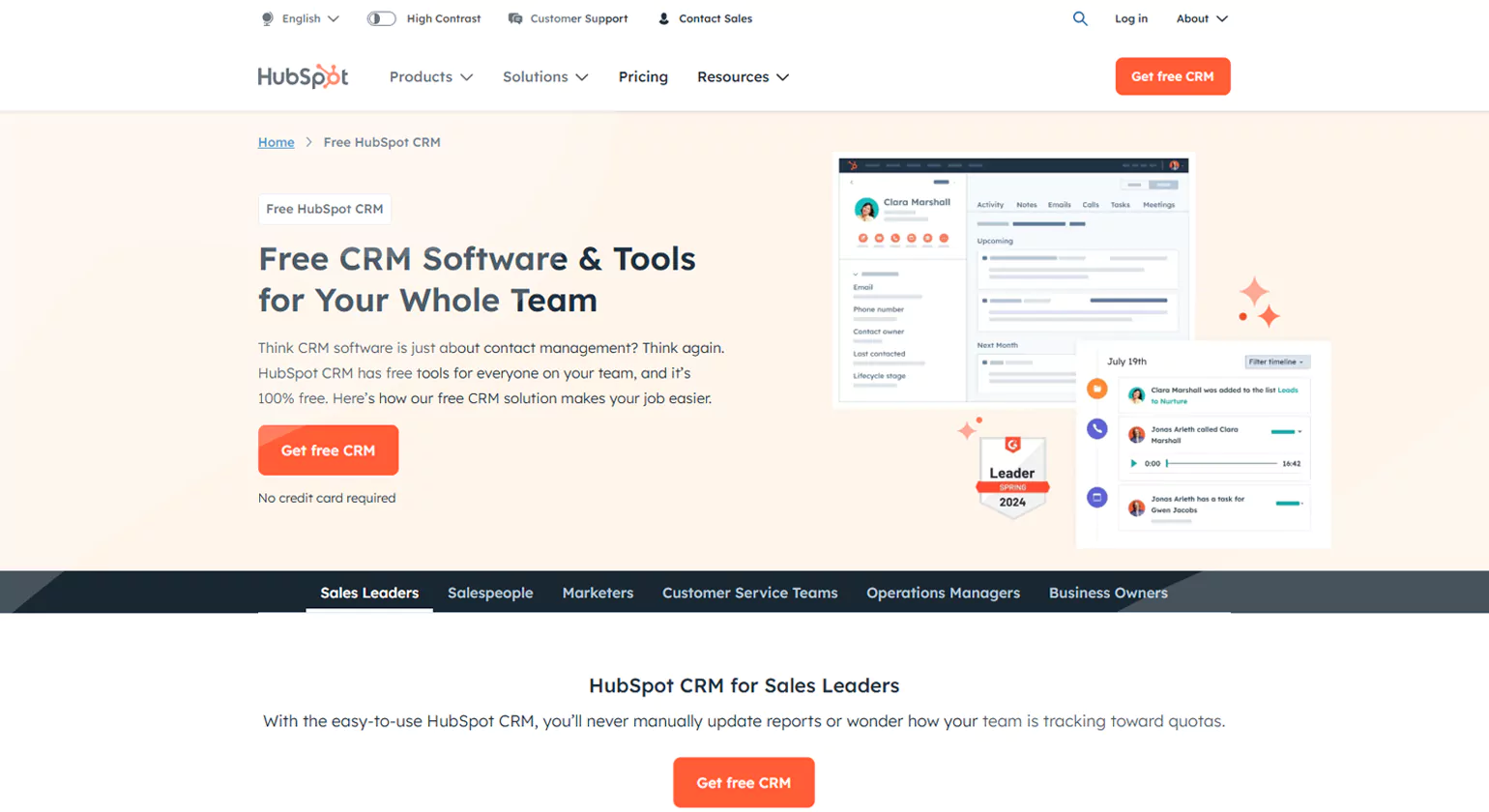
HubSpot is a powerful, all-in-one inbound marketing, sales, and CRM platform. Its marketing intelligence Tools features allow businesses to manage campaigns, analyze traffic sources, and monitor lead behavior with clarity. With a centralized dashboard and automation tools, HubSpot helps marketers convert insights into action quickly.
Key Features
Integrated CRM and marketing automation
Real-time campaign and traffic analytics
Lead scoring and email tracking
SEO tools and content strategy features
Detailed attribution and conversion tracking.
Why Choose HubSpot
User-friendly interface for all business sizes
Excellent for nurturing leads and aligning sales
Scalable platform with strong customer support
Ideal for inbound marketing and full-funnel visibility
2. Semrush
Overview
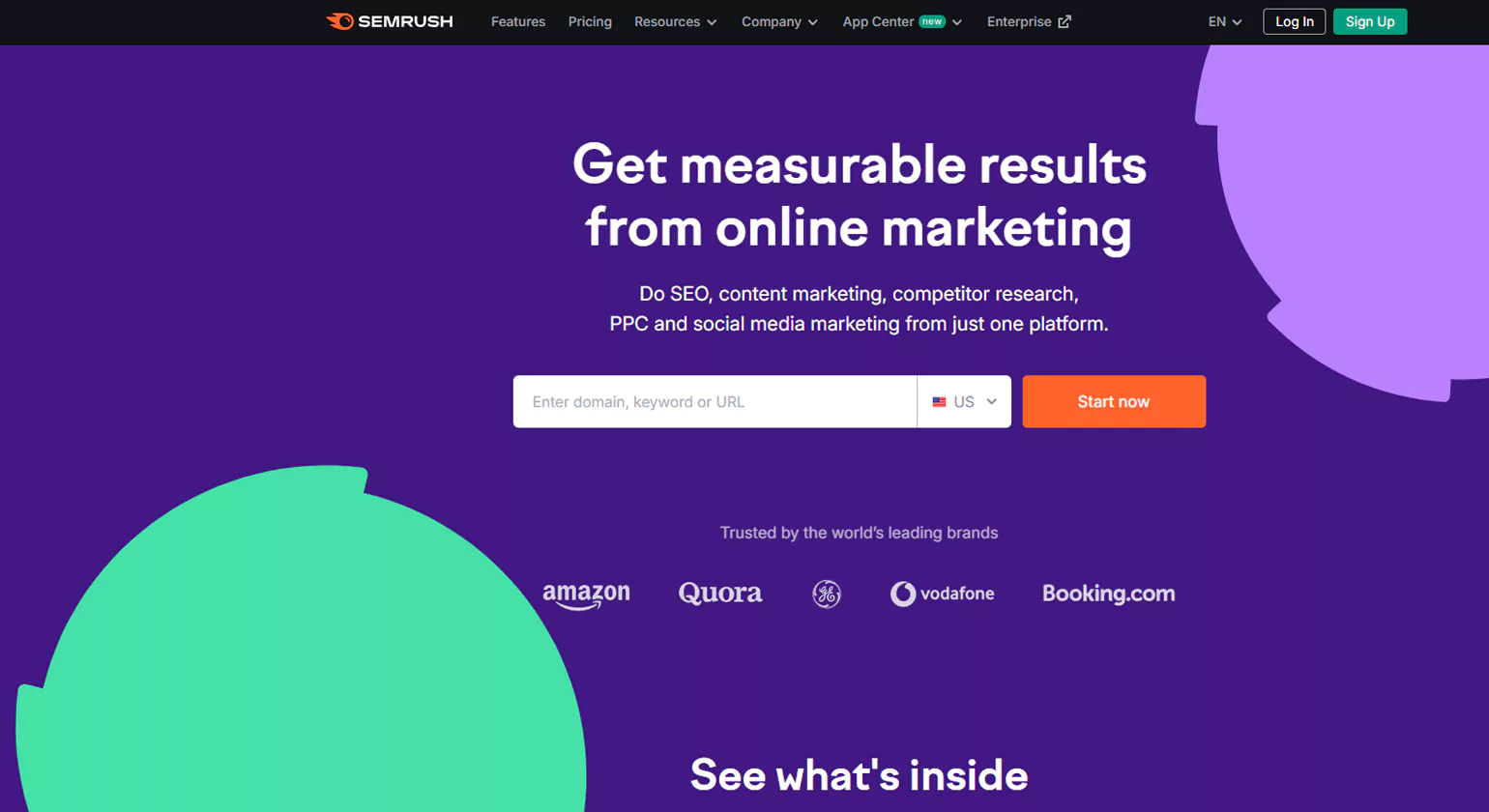
Semrush is a comprehensive digital marketing tool used by SEO experts, content marketers, and PPC specialists. It offers competitive intelligence research, keyword tracking, backlink auditing, and site health monitoring. With access to vast databases across industries, it provides a deep look into what competitors are doing and how to outperform them.
Key Features
Keyword research and SERP position tracking
Backlink analysis and toxic link detection
Site audit and technical SEO fixes
Competitor traffic and advertising insights
Content optimization and topic research
Why Choose Semrush
All-in-one SEO and marketing suite
Valuable insights for organic and paid strategies
Extensive keyword database for multiple languages
Highly visual and customizable reports
3. Sprout Social
Overview
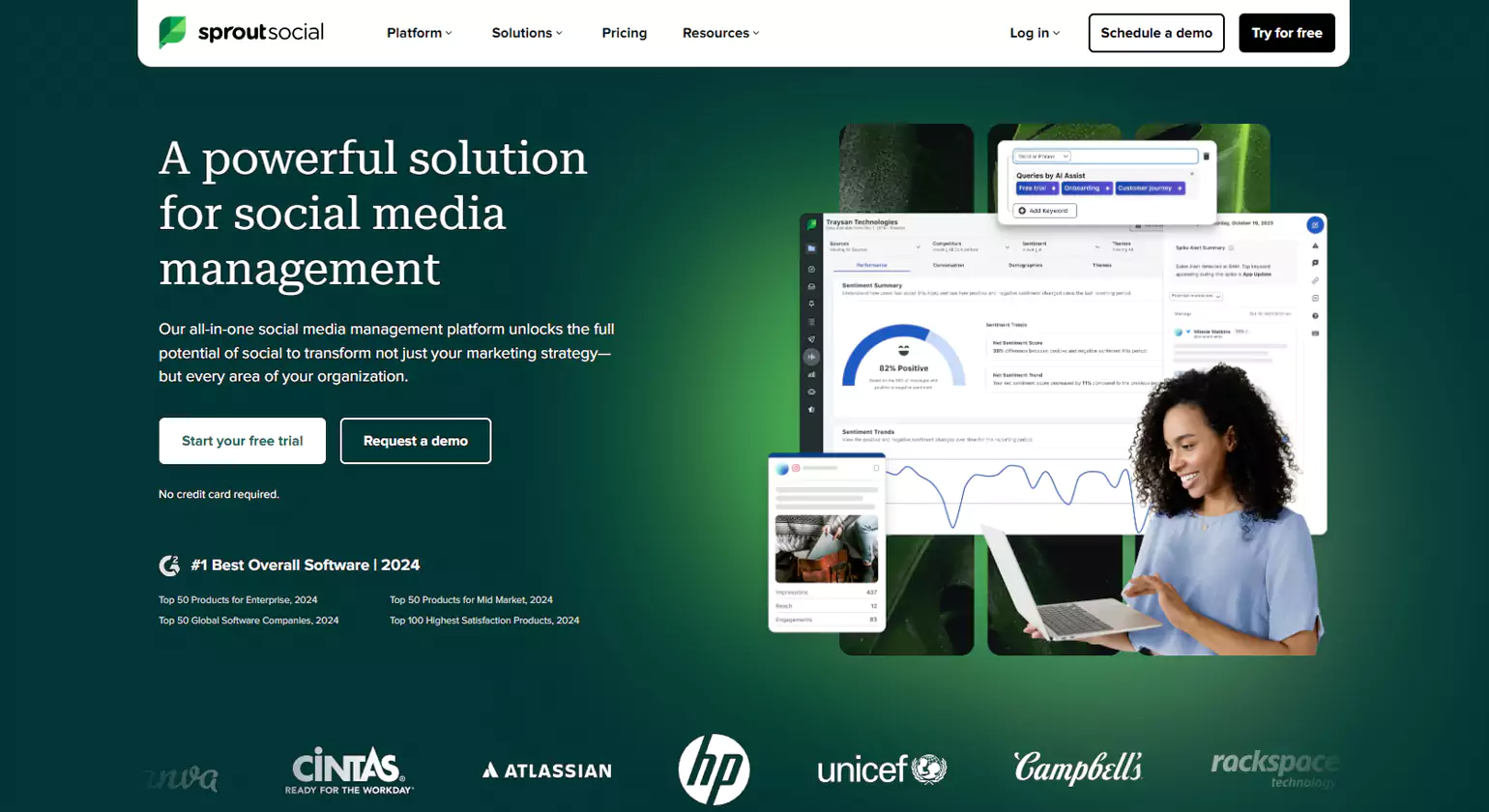
Sprout Social is a robust social media management and intelligence platform. It offers advanced analytics, scheduling, publishing, and Marketing Intelligence Tools that help businesses monitor brand mentions, understand audience sentiment, and improve engagement.
Key Features
Social media analytics and reporting
Unified inbox for engagement tracking
Social listening and sentiment analysis
Post scheduling across platforms
Performance tracking by content type and time
Why Choose Sprout Social
Excellent for brand monitoring and audience engagement
User-friendly interface with enterprise scalability
Data-driven insights for campaign optimization
Strong customer support and team collaboration tools
4. Tableau
Overview
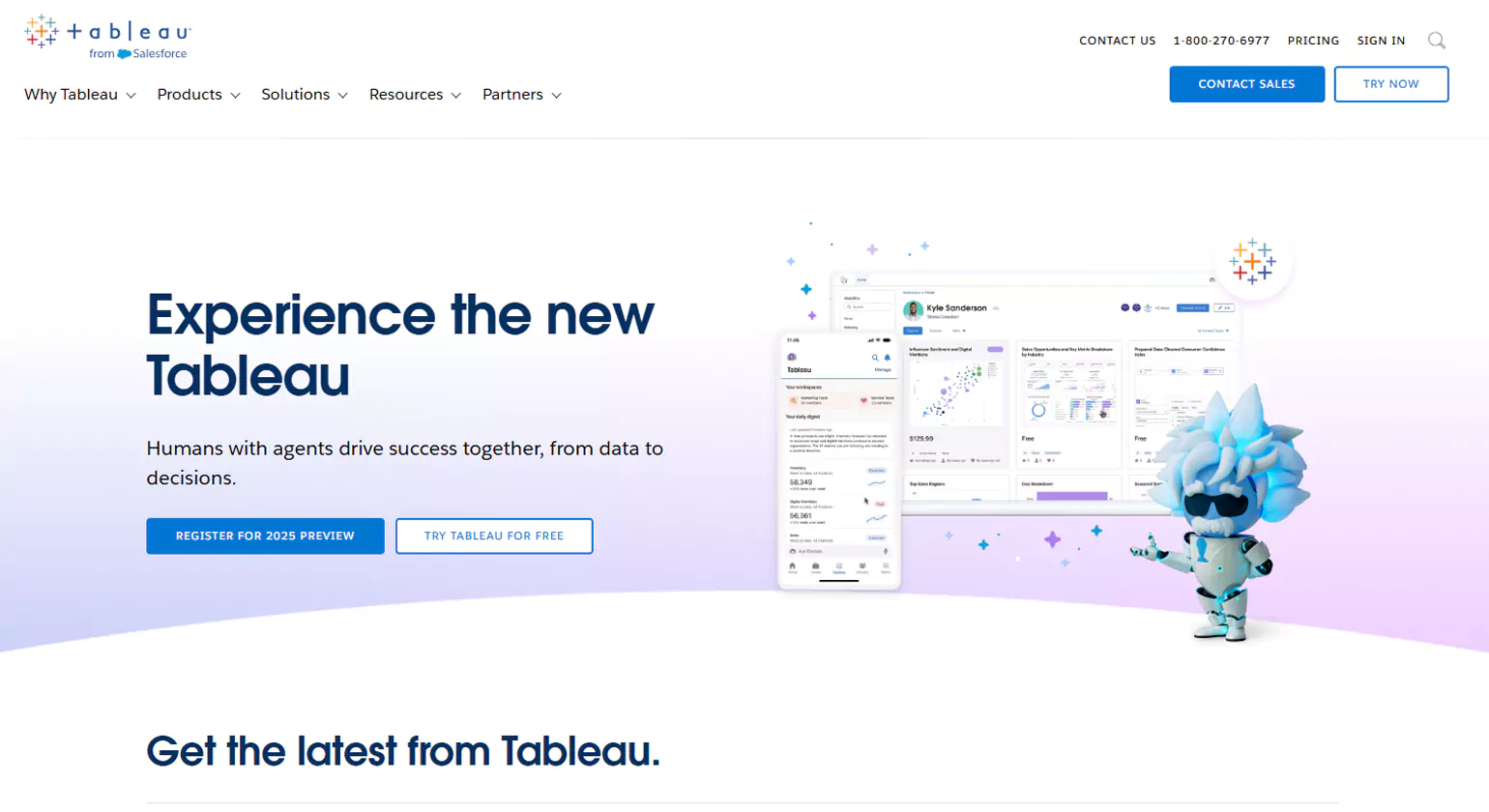
Tableau is a leading business intelligence and data visualization tool. Though not built solely for marketers, its power lies in transforming complex data into interactive, understandable dashboards. As one of the top Marketing Intelligence Tools, marketing teams use Tableau to analyze customer journeys, campaign ROI, and channel performance.
Key Features
Drag-and-drop visual dashboard builder
Integration with major data sources
Advanced analytics and forecasting
Custom visualizations and sharing options
Real-time collaboration and insights
Why Choose Tableau
Ideal for analyzing large marketing datasets
Enables informed, data-driven decisions
Highly customizable and scalable
Trusted by enterprises and marketing analysts worldwide
5. Google Analytics 4 (GA4)
Overview
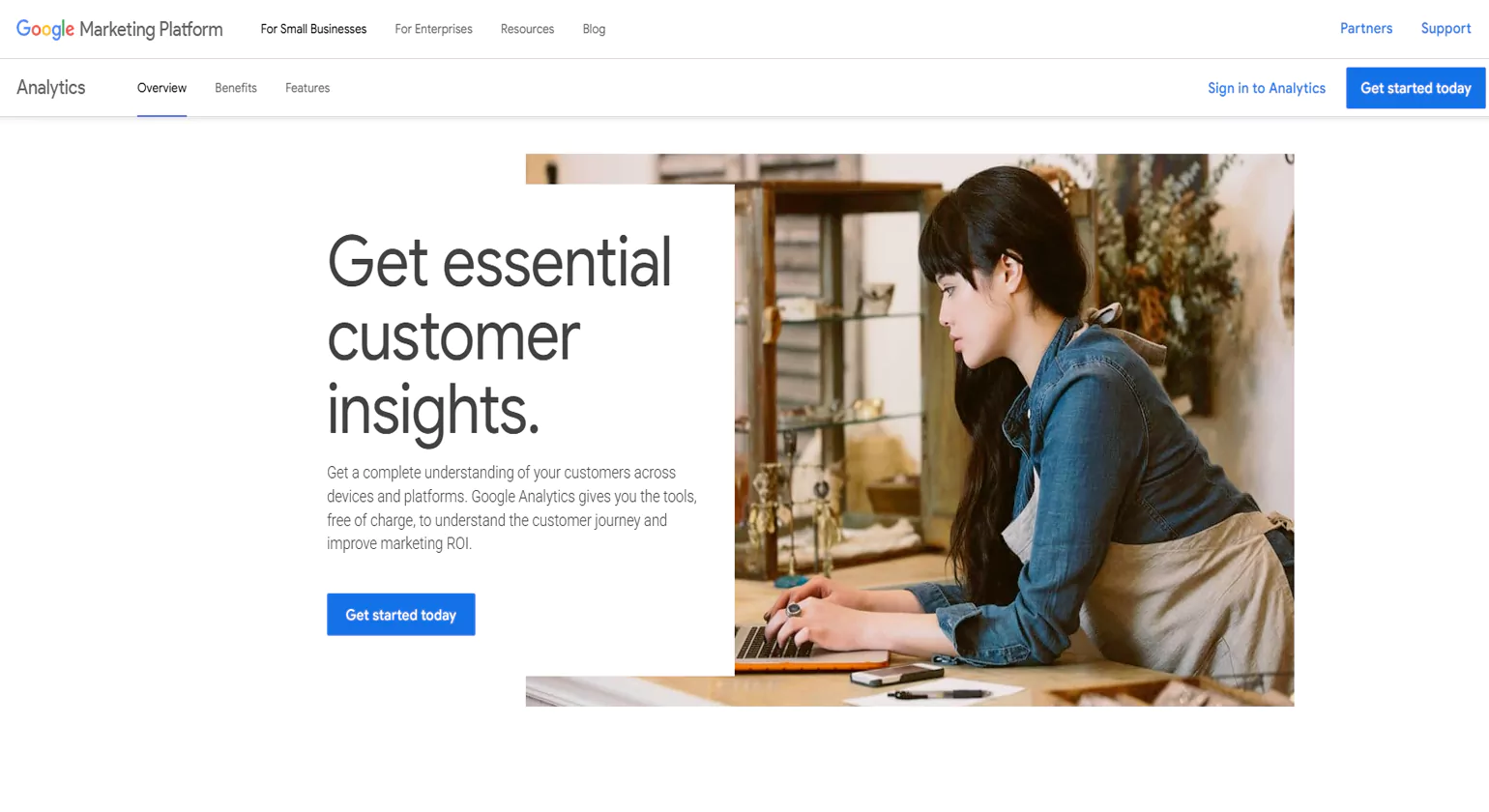
GA4 is Google’s latest evolution in web analytics. Unlike its predecessor, GA4 uses event-based tracking to give marketers a clearer picture of user behavior across platforms and devices. Counted among essential Marketing Intelligence Tools, it’s designed to be privacy-focused and adaptable for future marketing needs.
Key Features
Event-driven data model for detailed insights
Cross-device and cross-platform tracking
Integration with Google Ads and BigQuery
Predictive metrics and audience creation
Privacy-focused design with consent controls
Why Chhose Google Analytics 4
Free and powerful with deep integration into the Google ecosystem
Future-proof with machine learning features
Accurate cross-platform tracking for omnichannel analysis
Essential for optimizing digital campaigns and user journeys
6. Brandwatch
Overview
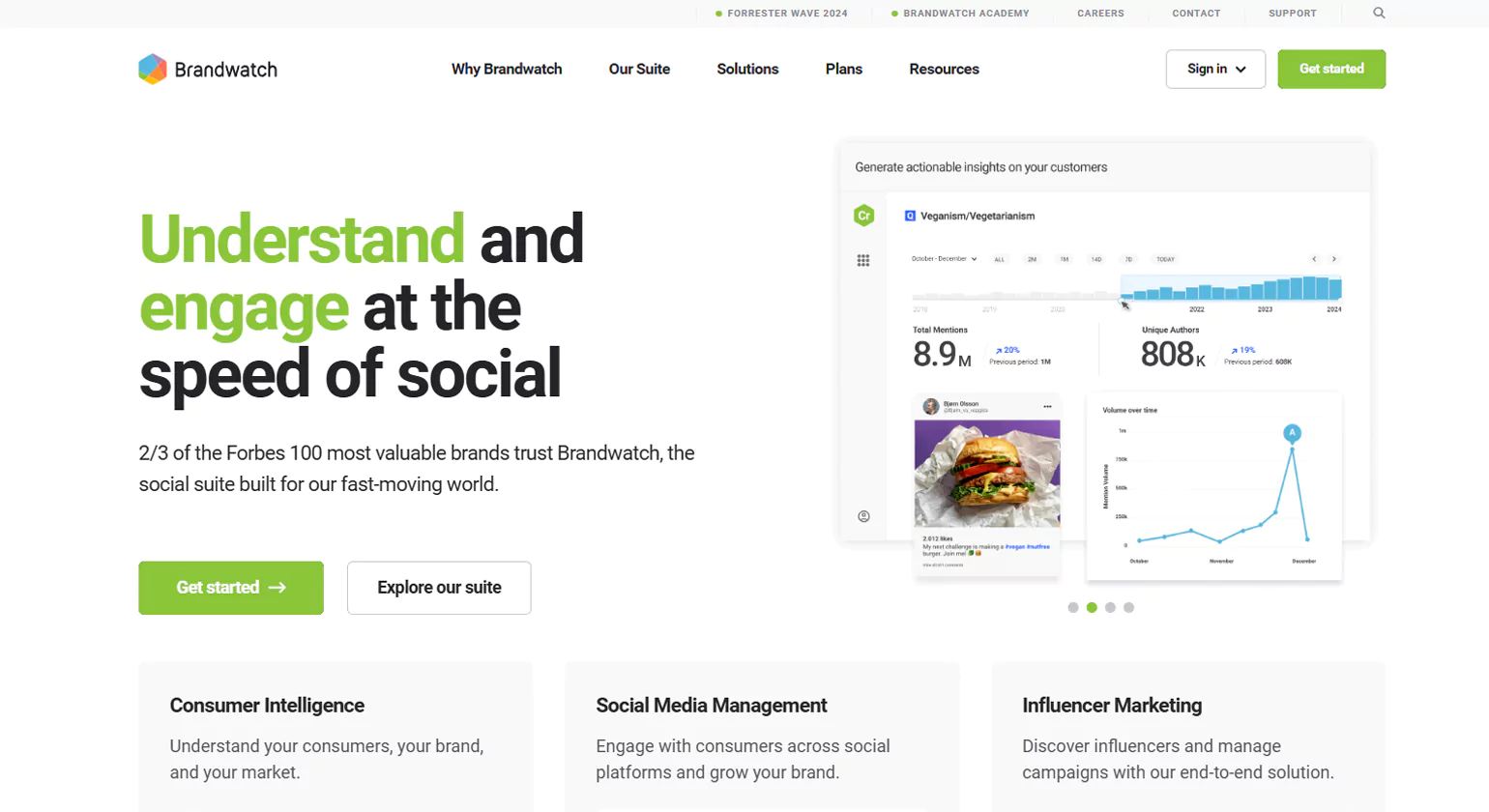
Brandwatch offers comprehensive social listening and consumer intelligence capabilities. As part of leading Marketing Intelligence Tools, it helps brands track mentions, analyze sentiment, and detect market trends in real time, across social media, blogs, forums, and news sources.
Key Features
AI-powered sentiment and image analysis
Real-time social media monitoring
Competitor tracking and industry benchmarking
Demographic and psychographic audience insights
Integration with social platforms and BI tools
Why Choose Brandwatch
Essential for proactive brand reputation management
Helps spot crises or viral trends early
Delivers deep audience and market intelligence
Perfect for enterprise brands monitoring large-scale conversations
7. Klaviyo
Overview
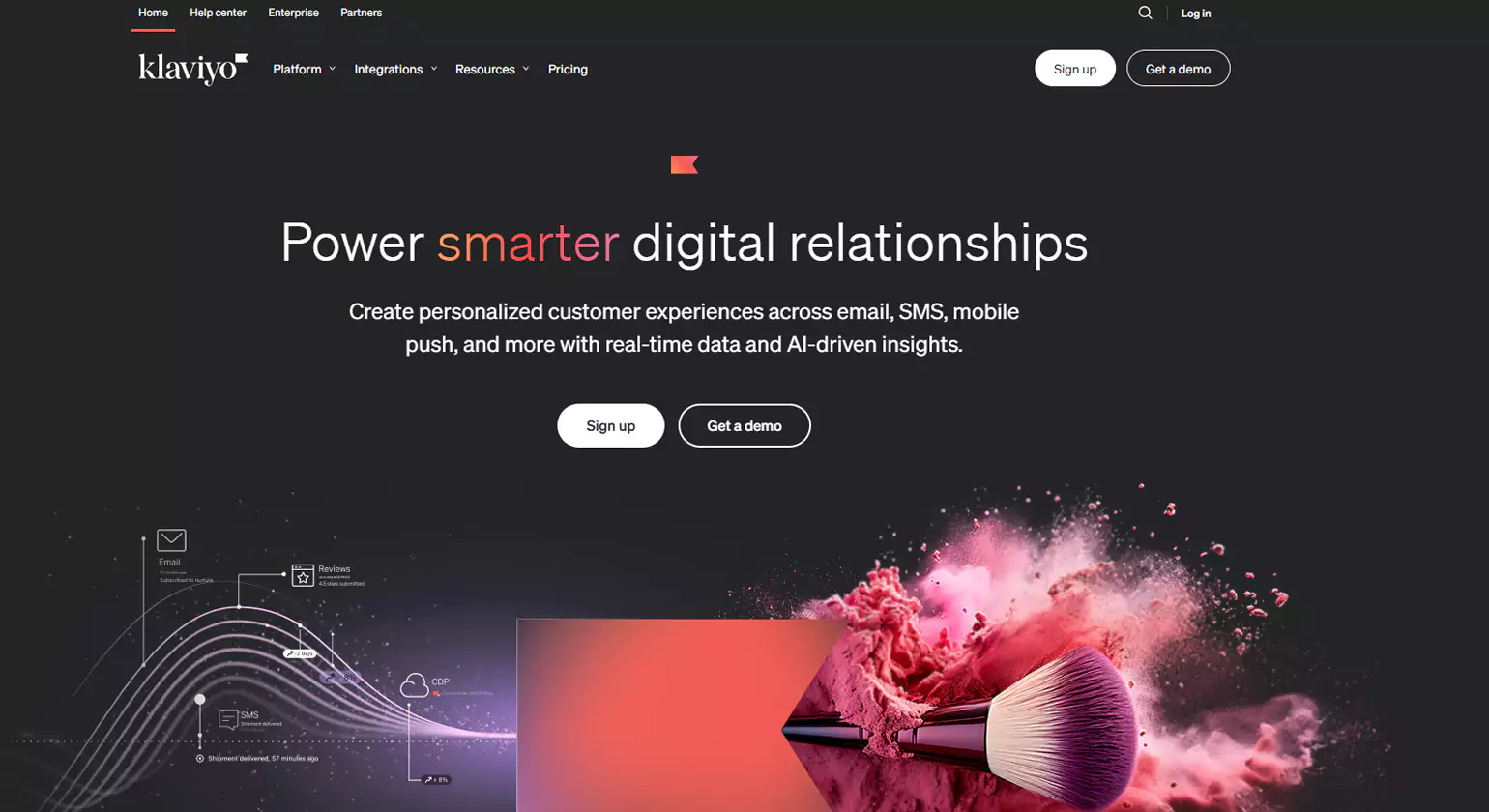
Klaviyo is an email and SMS marketing automation platform built with eCommerce in mind. Counted among modern Marketing Intelligence Tools, it excels in customer segmentation, personalization, and revenue attribution—empowering businesses to grow through targeted communications.
Key Features
Real-time customer activity tracking
Advanced segmentation based on behavior
Revenue analytics for each campaign
Integration with Shopify, Magento, and WooCommerce
Drag-and-drop automation workflows
Why Choose Klaviyo
Exceptional for personalized eCommerce marketing
Easy integration with popular online store platforms
Transparent ROI tracking through detailed dashboards
Ideal for small to medium-sized online businesses scaling up
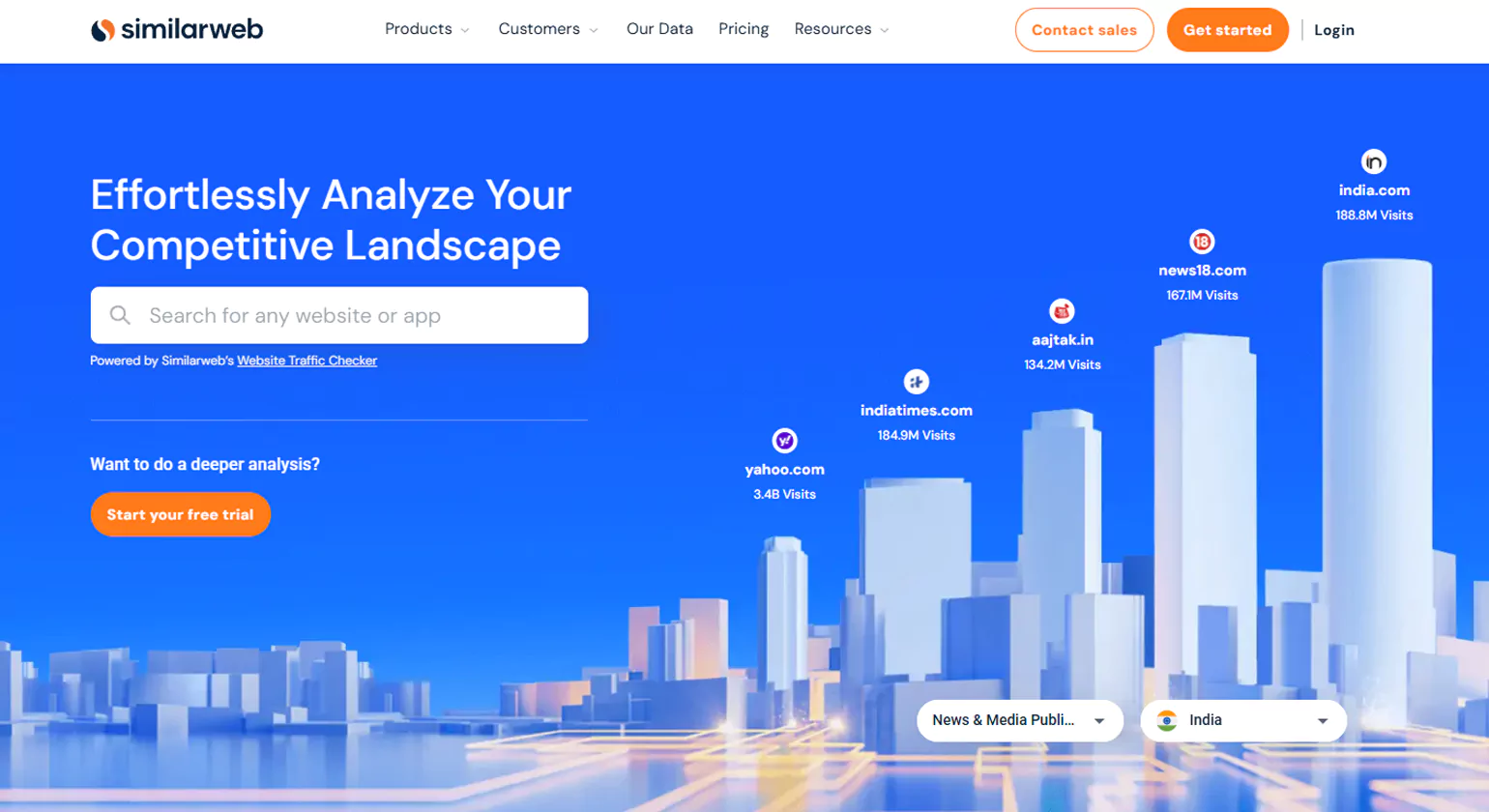
8. SimilarWeb
Overview
SimilarWeb delivers digital Marketing intelligence Tools and web analytics that help brands understand market trends and competitor strategies. It provides insights into traffic sources, audience engagement, and top-performing content.
Key Features
Traffic estimation by channel and geography
Competitor benchmarking tools
Audience interest and behavior mapping
Referral and keyword analysis
Market share and category ranking metrics
Why Choose SimilarWeb
Ideal for competitive research and market validation
Helps optimize acquisition and content strategy
Powerful visualizations for reporting and presentations
Valuable for marketers, growth teams, and analysts alike
9. Hotjar
Overview
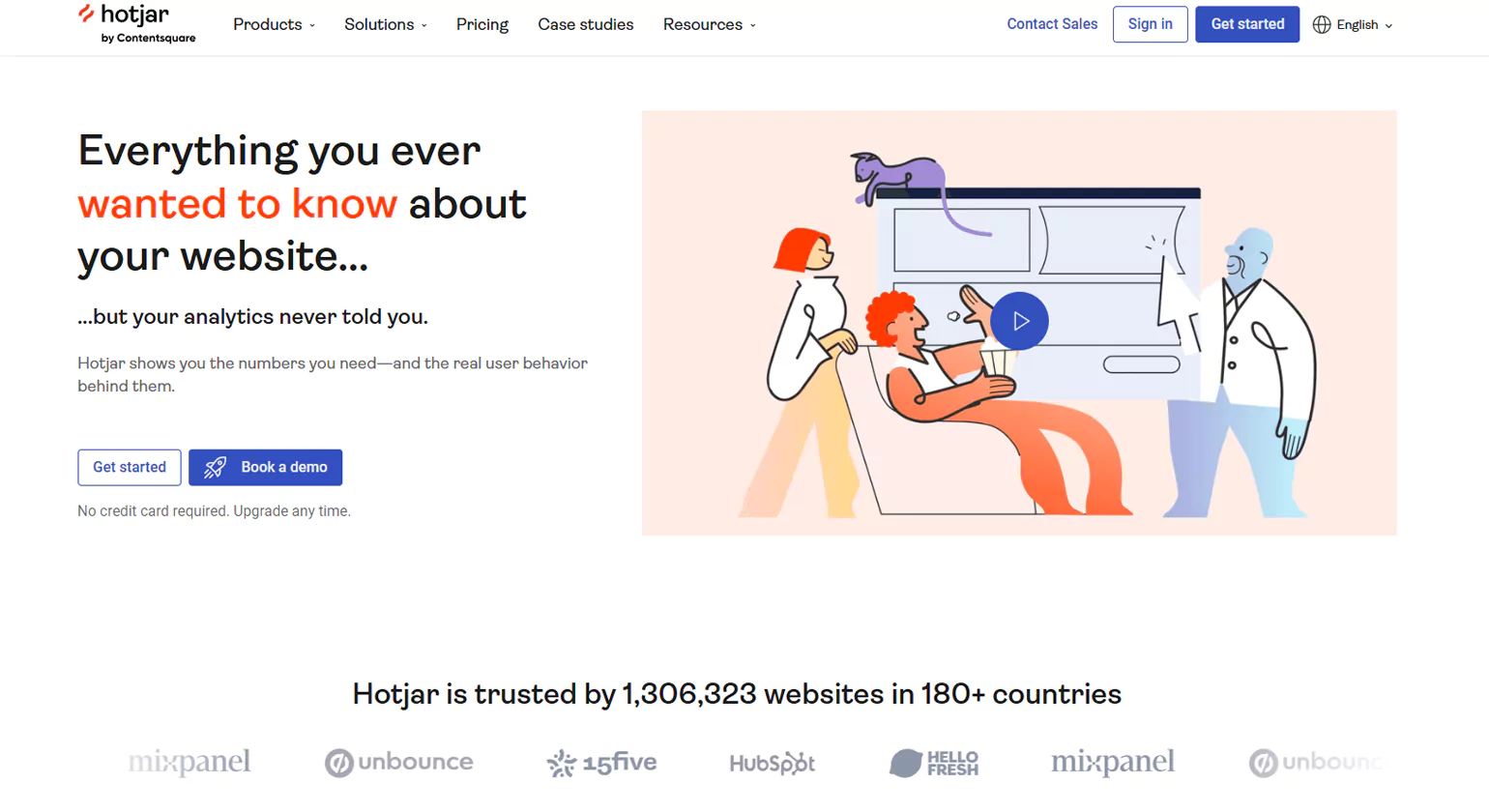
Hotjar focuses on user behavior analytics through visual tools like heatmaps, session recordings, and surveys. As one of the widely used Marketing Intelligence Tools, it provides actionable insights into how users interact with your website and where improvements are needed.
Key Features
Heatmaps for clicks, scrolls, and movement
Session recording and funnel analysis
On-site feedback and NPS surveys
Incoming feedback widget for user input
Easy integration with most CMS and eCommerce platforms
Why Choose Hotjar
Understands the ‘why’ behind user actions
Complements traditional analytics platforms
Affordable and quick to implement
Excellent for UX optimization and A/B testing support
10. Zoho Analytics
Overview
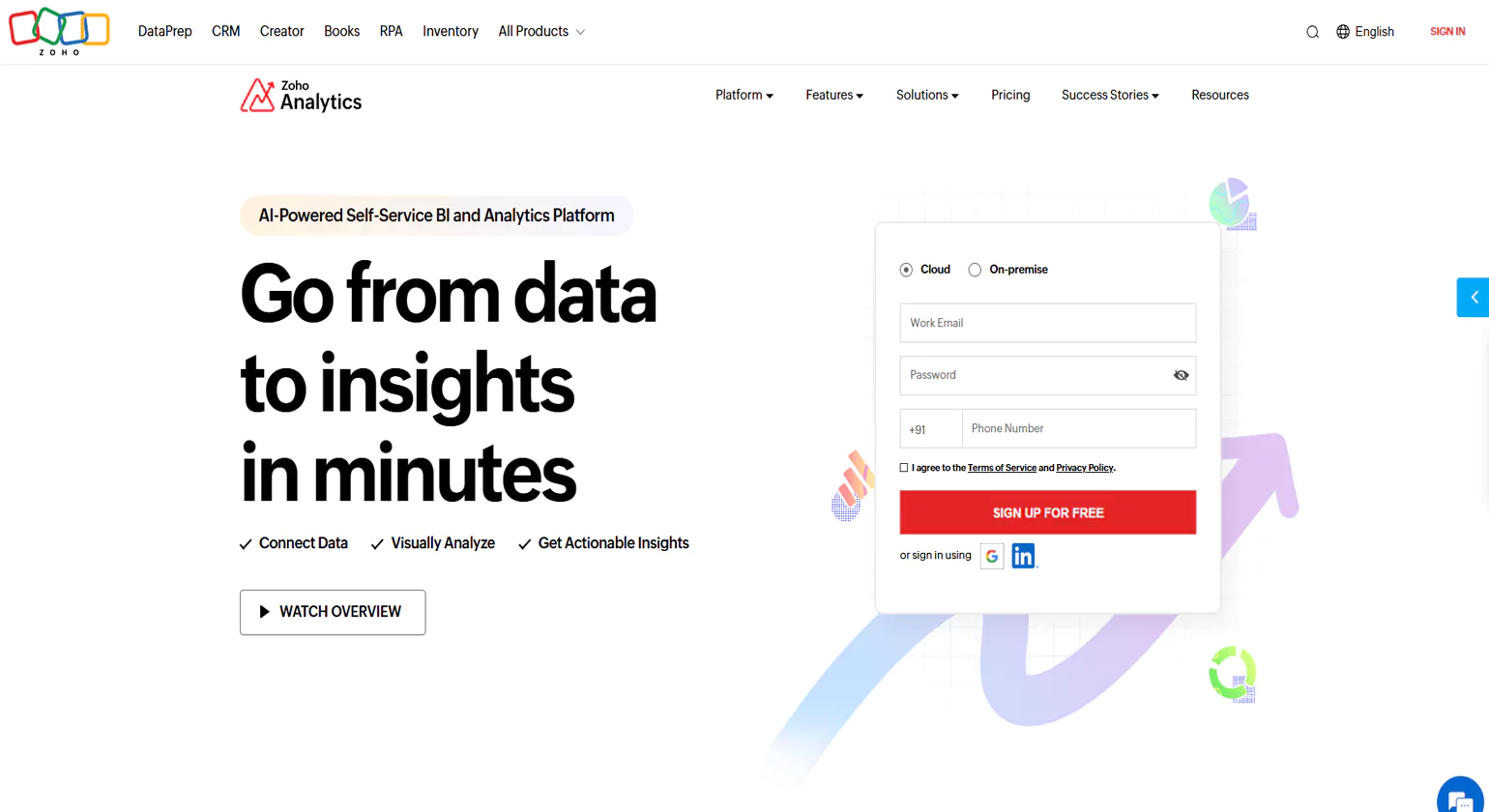
Zoho Analytics is a self-service BI and analytics platform offering rich dashboards and automated reporting. As one of the versatile Marketing Intelligence Tools, it’s designed for marketing teams that need fast, reliable insights across campaigns, sales, and customer journeys.
Key Features
- AI-powered data analysis assistant (Zia)
- Custom dashboards and widgets
- Pre-built connectors for over 500 apps
- Embedded analytics and white-label options
- Predictive analytics and trend forecasting
Why Choose Zoho Analytics
Affordable yet powerful for SMBs and mid-sized enterprises
Flexible integrations with popular marketing platforms
Intuitive interface for non-technical users
A solid choice for cross-departmental analytics alignment
How to Choose the Right Marketing Intelligence Tool for Your Business

Selecting the perfect Best market intelligence tools for your business can feel overwhelming, especially with the abundance of options available in 2026. However, a systematic approach can simplify the process and ensure you make an informed decision that aligns with your business goals. Here are the key steps to guide your selection:
1. Define Your Goals and Needs
Start by identifying what you hope to achieve with a marketing intelligence tool. Are you looking to analyze competitors, track customer behavior, improve SEO, or monitor social media performance? Clearly outlining your objectives will help narrow down the tools that best suit your needs.
2. Assess Your Budget
Marketing intelligence tools are available at a wide range of price points, from free versions with basic features to premium tools offering advanced analytics. Determine how much you’re willing to invest, and choose tools that provide the best value for your budget.
3. Evaluate Feature
Look for tools with features that match your requirements. For instance:
- Comprehensive dashboards for easy data visualization.
- Integration capabilities with your existing CRM or marketing stack.
- Real-time analytics for quick decision-making.
- Automation features to save time and reduce manual work.
4. Check User-Friendliness
A tool should be intuitive and easy to use, especially if your team lacks technical expertise. Many platforms offer free trials, so take advantage of these to test the usability.
5. Consider Scalability
As your business grows, your marketing needs will evolve. Choose a tool that can scale with your company and accommodate increasing data volumes and advanced functionalities.
6. Read Reviews and Case Studies
Research reviews from users in similar industries and explore case studies to see how the tool has benefited other businesses. This real-world insight can provide valuable perspective.
7. Prioritize Customer Support
Reliable customer support can make a significant difference when you encounter issues or need assistance. Check if the tool offers multiple support channels, such as live chat, email, or phone.
Maximizing ROI With Market Intelligence Analysis Tools: Tips for Success
Investing in marketing intelligence tools can yield substantial returns, but only if they are used effectively. Here are some actionable tips to help you maximize ROI:
1. Align Tools with Business Goal
Ensure that the tool you choose aligns directly with your marketing objectives. For instance, if your goal is to increase website traffic, focus on tools like Semrush or SimilarWeb.
2. Train Your Team
Invest time in training your team to use the tools effectively. Familiarity with the platform’s features can significantly enhance productivity and ensure you leverage all available functionalities.
3. Regularly Monitor Metrics
Set up dashboards to track key performance indicators (KPIs) relevant to your campaigns. Regular monitoring helps identify trends, measure success, and make data-driven adjustments.
4. Integrate with Existing Systems
Maximize the tool’s potential by integrating it with your existing CRM, email marketing platforms, and other marketing software. Seamless integration enhances workflow efficiency and centralizes data for better decision-making.
5. Leverage Automation
Many marketing intelligence offer automation features, such as report generation and email alerts. Utilize these to save time and ensure timely actions.
6. Analyze and Act on Insights
Collecting data is only half the battle. Use the insights gained to refine your marketing strategies, improve targeting, and optimize campaigns for better results.
Common Pitfalls to Avoid When Using Marketing Intelligence Tools

While marketing intelligence is invaluable, improper usage can lead to inefficiencies and wasted resources. Avoid these common pitfalls:
1. Overloading on Data
Having access to vast amounts of data can be overwhelming. Focus on the metrics that matter most to your business goals rather than trying to analyze everything.
2. Ignoring Data Privacy Regulations
Ensure that your use of marketing intelligence tools complies with data privacy laws such as GDPR or CCPA. Non-compliance can lead to hefty fines and damage to your brand reputation.
3. Neglecting Regular Updates
Marketing trends and technologies evolve rapidly. Regularly update your tools and strategies to stay ahead of the competition.
4. Misinterpreting Data
Incorrect analysis can lead to misguided decisions. Train your team to interpret data accurately and consider consulting experts if needed.
5. Not Utilizing Full Features
Many businesses underutilize the tools they invest in. Explore all features and functionalities to get the most value from your investment.
6. Lack of Collaboration
market intelligence analysis tools often allow for team collaboration. Failing to involve your team in the insights and planning process can limit the tool’s effectiveness.
How to Integrate Marketing Intelligence Tools with Your Existing Workflow

Marketing intelligence tools have revolutionized how businesses analyze consumer behavior, measure campaign success, and predict market trends. However, integrating these tools into your existing workflow can be daunting without the right approach. Here’s a step-by-step guide to streamline this process:
1. Identify Your Objectives
Before integrating any marketing intelligence tool, define what you aim to achieve. Do you want to improve customer segmentation, enhance campaign tracking, or optimize ROI? Clear objectives will guide your choice of tools and integration strategies.
2. Audit Your Current Workflow
Assess your existing processes, tools, and data sources. Identify gaps and inefficiencies that marketing intelligence can address. For example, if your team struggles with manual data analysis, automation-focused tools could be a game-changer.
3. Choose the Right Tools
Select tools that align with your objectives and existing infrastructure. Popular options include:
- Google Analytics for website performance insights.
- HubSpot for customer relationship management (CRM).
- Sprout Social for social media analytics.
- Tableau for data visualization.
Ensure the tools you choose are compatible with your current systems and scalable as your business grows.
4. Develop a Data Integration Strategy
Integration is the backbone of marketing intelligence. Use APIs, connectors, or middleware to ensure seamless data flow between tools. For example:
- Use Zapier to connect disparate tools.
- Implement a centralized data warehouse like Snowflake for unified insights.
5. Train Your Team
Your team’s proficiency with these tools determines their effectiveness. Provide training sessions, webinars, or certifications to help them master the tools.
6. Automate Reporting and Insights
Set up automated reports and dashboards to reduce manual efforts. Tools like Google Data Studio or Power BI can integrate multiple data sources and provide real-time insights.
7. Monitor and Optimize
Regularly review the performance of your integrated system. Gather feedback from users and adjust improve efficiency and accuracy.
The Impact of Data Privacy on Marketing Intelligence Tools
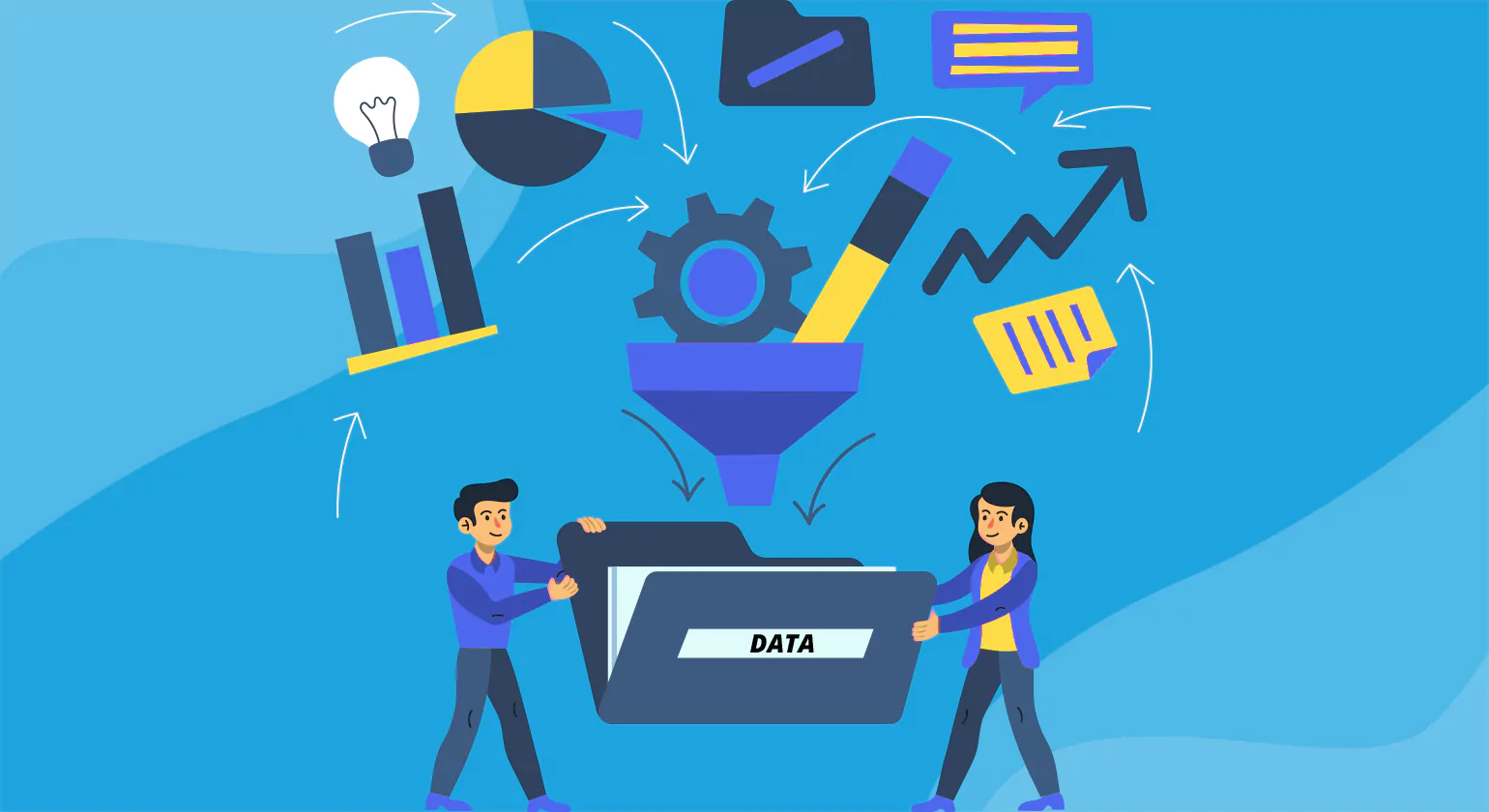
Data privacy has become a pivotal concern for both businesses and consumers. With regulations like GDPR and CCPA in place, marketing intelligence tools face new challenges and responsibilities. Here’s how data privacy impacts these tools and what businesses can do to adapt:
1. Increased Compliance Requirements
Marketing intelligence tool must comply with stringent data protection laws. This means:
- Collecting data only with user consent.
- Ensuring data transparency.
- Providing options for users to opt-out of data collection.
2. Limited Access to Third-Party Data
The crackdown on third-party cookies has reduced marketers’ ability to track user behavior across platforms. This shift emphasizes the importance of:
- Building first-party data through direct user interactions.
- Leveraging contextual advertising instead of behavioral tracking.
3. Data Minimization
Tools now focus on collecting only the data necessary for achieving specific objectives. This reduces storage costs and enhances compliance but requires businesses to refine their data collection strategies.
4. Enhanced Security Features
Data privacy regulations mandate robust security measures to prevent breaches. Features like data encryption, secure APIs, and role-based access control are now standard in marketing intelligence tool.
5. Consumer Trust as a Competitive Advantage
Businesses that prioritize data privacy build trust with their audience. Clearly communicating your data practices when using Marketing Intelligence Tools can enhance customer loyalty and brand reputation.
How to Adapt to These Changes
- Invest in Secure Tools: Choose tools that prioritize data privacy and offer compliance support.
- Educate Your Team: Train your team on data privacy laws and best practices.
- Adopt Privacy-Centric Strategies: Shift to a first-party data approach and focus on transparency.
By addressing data privacy challenges, businesses can continue leveraging Best market intelligence tools techniques effectively while maintaining consumer trust.
How to Build a Data-Driven Marketing Culture in Your Organization

1. Leadership Commitment
Leadership must champion the shift to a data-driven culture. This includes:
- Setting clear goals for data-driven initiatives.
- Allocating resources for technology and training.
- Leading by example in data-driven decision-making.
2. Define Key Metrics and Goals
Identify the metrics that matter most to your organization, such as:
- Customer acquisition cost (CAC).
- Lifetime value (LTV).
- Conversion rates.
Align these metrics with your overall business objectives to ensure relevance.
3. Centralize Data Management
Use a centralized platform to store, analyze, and visualize data. This ensures consistency and accessibility across teams. Popular options include:
- CRM systems like Salesforce.
- Data visualization tools like Tableau.
4. Foster Collaboration
Break down silos between departments. Encourage teams to share insights and collaborate on data-driven strategies. Using Marketing Intelligence Tools in regular cross-departmental meetings can facilitate this.
5. Invest in Training
Equip your team with the skills needed to analyze and interpret data. Provide training on tools, analytics, and data visualization.
6. Encourage Experimentation
A data-driven culture thrives on testing and learning. Implement A/B testing, pilot programs, and iterative improvements to refine strategies.
7. Celebrate Wins
Recognize and reward teams that achieve success through data-driven initiatives. This reinforces the value of using data to drive decisions.
By embedding data-driven practices into your organization’s DNA, you’ll create a culture that’s agile, informed, and poised for sustained growth.
Conclusion
Marketing intelligence tools are indispensable in today’s competitive landscape. Integrating these tools into your workflow requires careful planning; while adapting to data privacy regulations ensures you maintain trust and compliance. Building a data-driven marketing culture amplifies the impact of these tools, fostering a collaborative and informed organization.
By focusing on these three pillars—integration, privacy, and culture—your business can harness the full potential of marketing intelligence, driving innovation and achieving long-term success.
Related Blogs >>> Top Paid Search Intelligence Tools for Competitor Analysis
FAQ's
1. What are Marketing Intelligence Tools and How Do They Help Businesses Make Smarter Decisions?
Data solutions collect and analyze information on market trends, customer behavior, and competitors. They transform raw data into actionable insights that guide strategic decisions, helping businesses identify opportunities, optimize campaigns, and anticipate market shifts. This ensures smarter, faster decisions that enhance marketing ROI and competitive positioning.
2. Why Are Marketing Intelligence Tools Critical for Business Growth and Competitive Advantage?
Advanced platforms provide real-time insights into customer needs, competitor moves, and emerging trends. This empowers businesses to adapt strategies swiftly, reduce risks, and seize new opportunities. By enabling precise targeting and efficient resource allocation, these solutions drive sustainable growth and help companies maintain a strong competitive edge in dynamic markets.
3. How Do Marketing Intelligence Tools Drive ROI through Data-Driven Marketing Strategies?
These tools optimize marketing ROI by delivering accurate data for campaign targeting, performance tracking, and customer segmentation. Marketers can identify high-value audiences, reduce ad spend waste, and adjust strategies in real time. Data-driven insights also reveal new market opportunities, enabling focused investments that maximize revenue and improve overall marketing effectiveness.
4. What Are the Key Types of Market Intelligence and How Does Each Benefit a Business?
The key types are competitive intelligence (tracking rivals), customer intelligence (understanding buyer behavior), product intelligence (evaluating offerings), and market intelligence (analyzing trends). Each provides critical data that supports decision-making, enhances customer targeting, refines product development, and identifies growth opportunities, creating a comprehensive market understanding.
5. What Role Does Marketing Intelligence Play in Enhancing Marketing Performance and Business Strategy?
Marketing intelligence informs marketing and business strategies by delivering actionable insights into customer preferences, competitor activity, and market conditions. It enables personalized campaigns, resource optimization, and risk management. Leveraging these insights boosts campaign effectiveness, fosters innovation, and aligns strategies with evolving market demands, driving sustained business success.
6. How Can Businesses Effectively Gather and Utilize Market Intelligence Using Modern Tools and Techniques?
Businesses gather market intelligence by monitoring competitors, analyzing customer data, and tracking industry trends using tools like analytics platforms, surveys, and social listening. Integrating these data sources with AI-powered analytics enables real-time insights and predictive forecasting, empowering companies to make proactive, informed decisions that align with market changes and customer needs.
7. What are the best marketing intelligence tools for small businesses?
Small businesses benefit most from tools for marketing intelligence that offer scalability, ease of use, and integration capabilities. Popular choices include HubSpot for CRM and automation, Nextiva for unified communication with AI insights, and Adverity for data integration. These tools help streamline data, personalize marketing, and optimize budgets effectively, driving growth without heavy resources.
8. How do marketing intelligence tools integrate with CRM and analytics platforms?
Tools Marketing intelligence integrate seamlessly with CRMs and analytics platforms to unify customer data and enhance insights. This integration allows real-time syncing of leads, customer interactions, and campaign performance metrics, enabling data-driven decisions. Popular tools support APIs and native connectors for platforms like Salesforce, HubSpot, and Google Analytics, boosting marketing efficiency and personalization.
9. How can AI improve marketing intelligence and data analysis?
AI enhances marketing intelligence by automating data collection, cleansing, and predictive analytics. It identifies patterns in customer behavior, forecasts trends, and suggests optimal campaign strategies. AI-powered tools provide real-time sentiment analysis and personalized recommendations, enabling marketers to react swiftly and tailor messaging, improving targeting accuracy and ROI in increasingly competitive markets.
10. What are real-world use cases of marketing intelligence tools in 2026?
In 2026, businesses will use tools for marketing intelligence to optimize omnichannel campaigns, monitor brand sentiment in real time, and predict consumer trends. Retailers analyze competitor pricing dynamically; B2B firms identify high-value leads via predictive scoring; and content creators track engagement metrics to refine SEO. These tools empower data-driven strategies that enhance customer experience and boost revenue growth.