Table of Contents
Introduction
Lead Qualification Tools are essential for businesses looking to streamline their sales process and focus on high-potential prospects. These tools help sales teams identify, categorize, and prioritize leads based on predefined criteria such as engagement level, budget, and decision-making authority. By automating this process, companies can save time and resources while improving conversion rates.
With a wide range of lead qualification tools available, businesses can choose from AI-driven chatbots, CRM integrations, and scoring systems that analyze customer behavior. These tools use data and analytics to determine which leads are most likely to convert, allowing sales teams to personalize their approach. The result is a more efficient pipeline with a higher return on investment.
Investing in the right lead qualification tool can significantly impact a company’s revenue by ensuring that sales efforts are focused on the most promising opportunities. Many platforms also offer automation features, reducing manual work and ensuring that no valuable lead falls through the cracks. Businesses that leverage these tools can improve efficiency and shorten their sales cycles.
Whether you’re a startup or an established enterprise, selecting the right tool depends on factors like integration capabilities, ease of use, and scalability. From AI-powered scoring models to advanced CRM solutions, the right tool can empower your sales team to work smarter and close more deals.
What is Lead Qualification?

Lead qualification is the process of evaluating potential customers to determine their likelihood of becoming paying clients. It involves assessing factors such as their interest level, budget, authority to make purchasing decisions, and urgency. Businesses use lead qualification to ensure that their sales teams focus on high-quality prospects rather than wasting time on leads that are unlikely to convert. This process helps improve efficiency, increase conversion rates, and drive revenue growth by prioritizing the right opportunities.
There are different methods for qualifying leads, including frameworks like BANT (Budget, Authority, Need, and Timeline) and CHAMP (Challenges, Authority, Money, and Prioritization). Modern lead qualification tools use AI and data analytics to score and rank leads based on their behavior, engagement, and fit with a company’s ideal customer profile. By implementing a strong qualification process, businesses can optimize their sales funnel, reduce wasted effort, and improve overall customer acquisition strategies.
Lead qualification tools play a crucial role in automating and optimizing this process, ensuring that sales teams focus on the most promising prospects. These tools use AI, data analytics, and scoring systems to assess leads efficiently, reducing manual effort and improving conversion rates.
Top 10 Lead Qualification Tools for 2026
Lead qualification tools help businesses identify, prioritize, and engage with high-potential prospects. With advanced analytics, AI-driven insights, and automation, these tools streamline the sales process, ensuring teams focus on leads that are most likely to convert. The right tool can significantly enhance efficiency, reduce wasted effort, and boost revenue. Here’s a list of the top 10 lead qualification tools for 2026, along with their key features and benefits:
1. ScoreApp
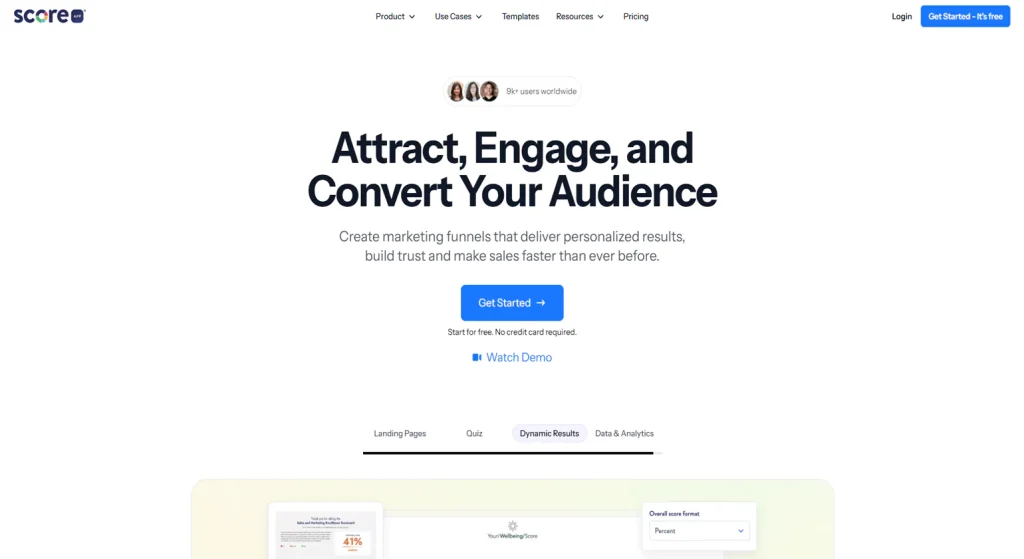
ScoreApp is a powerful lead qualification tool designed to help businesses generate and assess leads through quizzes and assessments. It allows users to create personalized scorecards that engage prospects while gathering valuable data. This interactive approach not only attracts potential clients but also provides deep insights into their needs, helping sales teams tailor their outreach strategies. By scoring leads based on their responses, businesses can prioritize high-value opportunities and nurture them effectively.
With an intuitive interface and customizable templates, ScoreApp simplifies the process of building lead-generation quizzes. The platform integrates seamlessly with CRMs, email marketing tools, and automation workflows to ensure a smooth transition from lead capture to conversion. Businesses that rely on interactive engagement and data-driven decision-making will find ScoreApp an invaluable addition to their sales process.
Key Features
- Interactive quiz-based lead qualification
- Customizable scorecards and assessments
- AI-driven lead scoring and segmentation
- Seamless integration with CRMs and marketing tools
- Detailed analytics and reporting dashboard
- Automated follow-up and nurturing sequences
Why Use It?
ScoreApp is ideal for businesses that want to engage prospects with interactive content while gathering meaningful insights for lead qualification. Its data-driven approach helps prioritize the best leads for conversion.
2. Leadbeam
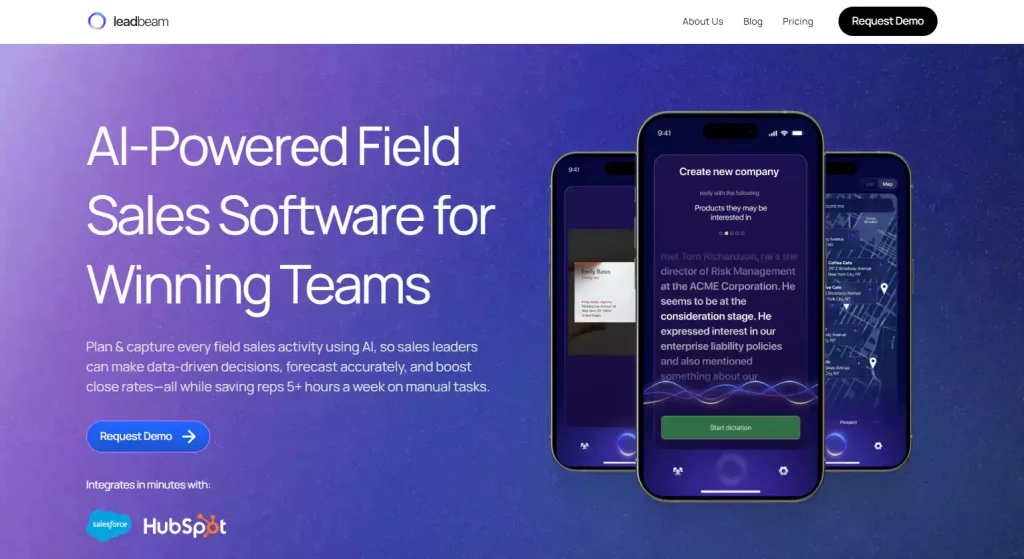
Leadbeam is an AI-powered lead qualification tools that automates the process of identifying and scoring potential customers. Using machine learning algorithms, Leadbeam analyzes leads based on their behavior, demographics, and engagement levels. This ensures that sales teams focus on high-quality prospects, reducing manual work and improving conversion rates. The platform offers predictive analytics to forecast lead potential, enabling businesses to make data-backed decisions.
Leadbeam’s intuitive dashboard provides real-time insights, helping businesses track lead progress and optimize their sales strategy. It also integrates with popular CRM platforms, allowing seamless lead management. With automated follow-ups and personalized engagement, Leadbeam enhances efficiency and ensures no lead is overlooked.
Key Features
- AI-driven lead scoring and qualification
- Predictive analytics for sales forecasting
- Real-time insights and reporting
- Automated lead nurturing workflows
- Seamless CRM and email marketing integration
- Behavior-based lead tracking
Why Use It?
Leadbeam is perfect for businesses that want an AI-powered solution to analyze and qualify leads efficiently, ensuring sales teams focus on the best prospects.
3. Apptivo
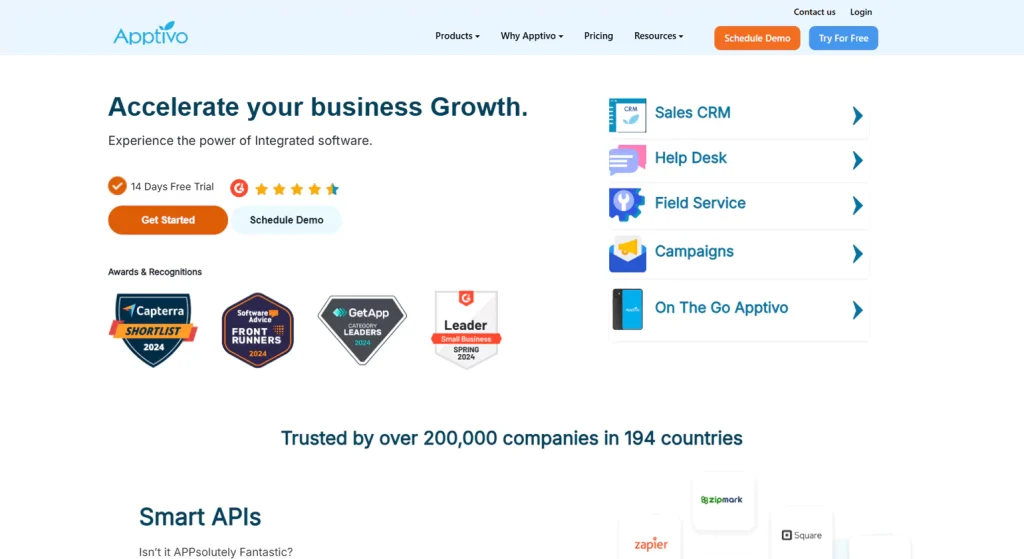
Apptivo is a comprehensive CRM solution with built-in lead qualification tools that help businesses manage and nurture potential customers. It enables companies to track interactions, automate workflows, and assign lead scores based on predefined criteria. By streamlining the qualification process, Apptivo ensures that sales teams target the right prospects at the right time. Its user-friendly interface and cloud-based accessibility make it a great option for businesses of all sizes.
One of Apptivo’s standout features is its ability to integrate seamlessly with email marketing and sales automation tools. Businesses can segment leads, set up automated follow-ups, and monitor lead progression through a centralized dashboard. With its flexible pricing plans, Apptivo caters to both startups and large enterprises looking to optimize their sales pipeline.
Key Features
- Customizable lead scoring system
- Workflow automation for lead nurturing
- Seamless email and CRM integration
- Centralized lead tracking and reporting
- AI-driven insights for better conversion
- Mobile-friendly interface for on-the-go access
Why Use It?
Apptivo is an excellent choice for businesses looking for an all-in-one CRM and lead qualification solution with automation and integration capabilities.
4. Salesmate
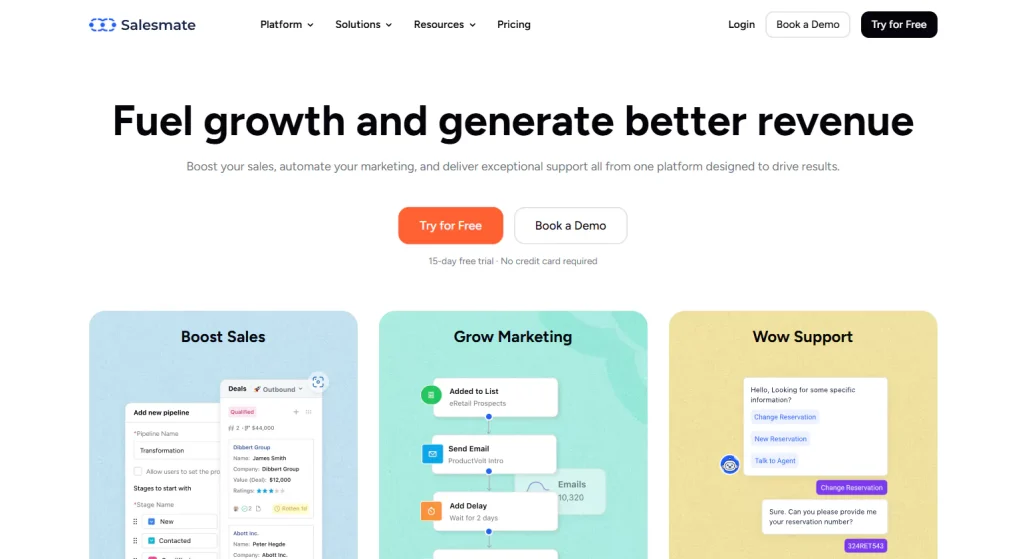
Salesmate is a smart sales CRM that simplifies lead qualification and pipeline management. It provides AI-powered insights to help sales teams identify high-potential leads and take timely action. With Salesmate, businesses can automate workflows, track customer interactions, and personalize communication, leading to higher engagement and conversions. Its user-friendly design and customization options make it suitable for businesses across different industries.
Salesmate’s integrated communication tools, such as email tracking and call logging, provide a 360-degree view of leads. It also offers advanced reporting features that allow businesses to analyze lead performance and optimize their strategies. With its mobile app and cloud-based functionality, sales teams can manage leads from anywhere.
Key Features
- AI-driven lead qualification and scoring
- Sales automation and workflow management
- Built-in calling, texting, and email tracking
- Real-time sales pipeline tracking
- Customizable dashboards and reports
- Mobile app for lead management on the go
Why Use It?
Salesmate is perfect for sales teams that need a powerful yet user-friendly CRM with lead qualification, automation, and communication tools.
5. Zoho CRM
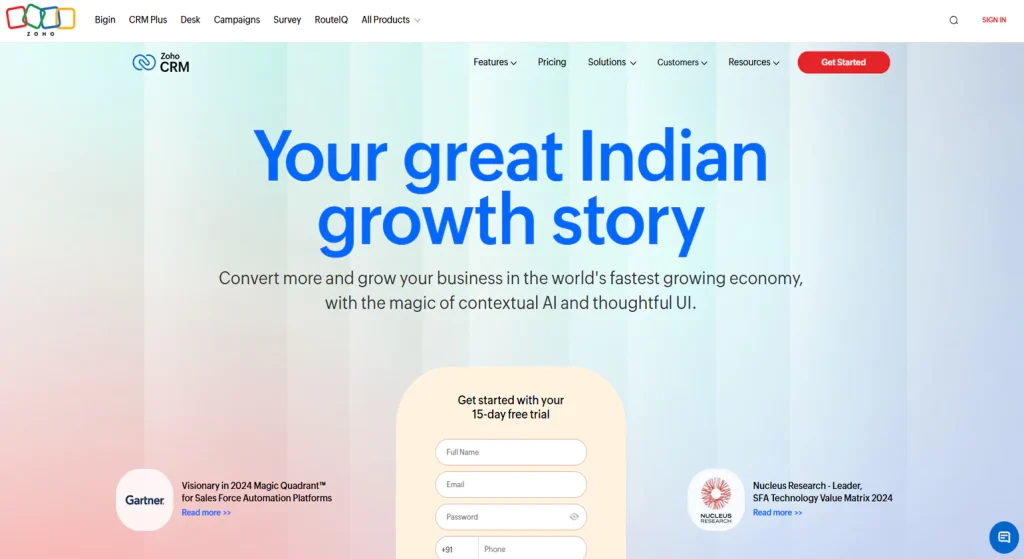
Zoho CRM is one of the top lead qualification tools and robust customer relationship management tool that offers advanced lead qualification features. It allows businesses to automate lead scoring, track interactions, and personalize engagement based on customer behavior. With AI-powered insights from its Zia assistant, Zoho CRM helps sales teams focus on the most promising leads while reducing manual workload. Its affordability and scalability make it an excellent choice for startups and enterprises alike.
Zoho CRM integrates seamlessly with various third-party applications, ensuring a smooth data flow across sales, marketing, and customer support teams. Businesses can set up customized workflows, analyze sales trends, and improve lead nurturing strategies using real-time analytics. With its mobile-friendly interface, Zoho CRM enables on-the-go lead management.
Key Features
- AI-powered lead scoring with Zia assistant
- Customizable workflow automation
- Seamless integration with third-party apps
- Multi-channel communication tools (email, social, phone)
- Real-time analytics and reporting
- Mobile access for remote sales teams
Why Use It?
Zoho CRM is ideal for businesses looking for an affordable yet feature-rich CRM with AI-powered lead qualification and automation capabilities.
6. Chili Piper
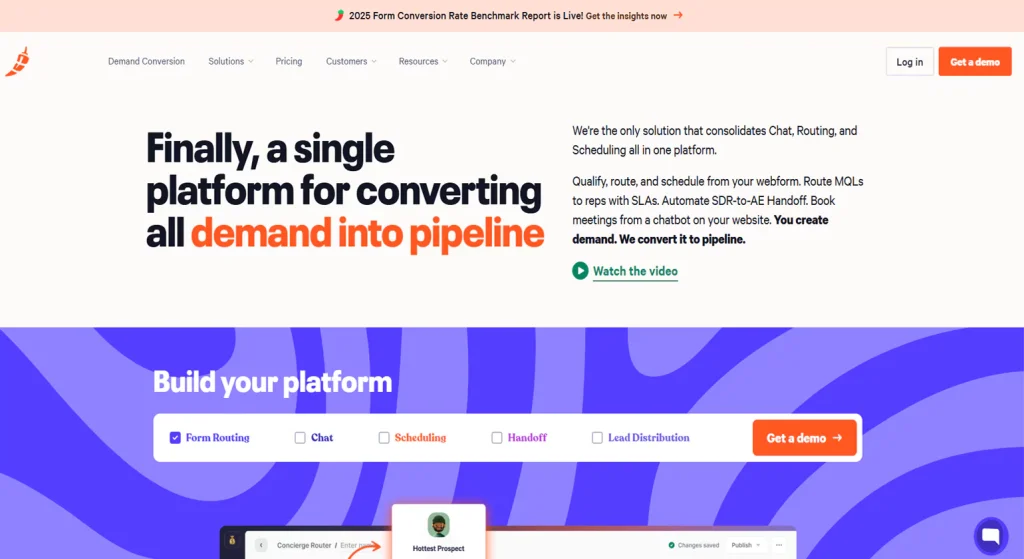
Chili Piper is an advanced scheduling and lead qualification tool designed to help businesses convert more inbound leads into sales meetings. By automating appointment scheduling, it eliminates back-and-forth emails and ensures that high-intent leads are connected with the right sales representative instantly. The platform’s intelligent routing system qualifies leads in real-time and directs them to the appropriate team member based on predefined criteria.
Key Features
- Automated meeting scheduling and lead routing
- Real-time lead qualification and assignment
- Seamless integration with CRMs and marketing tools
- Customizable booking workflows
- AI-driven analytics and insights
- Automated email follow-ups
Why Use It?
Chili Piper is perfect for businesses that want to optimize their inbound lead process by automating meeting scheduling and instantly connecting sales reps with qualified leads.
7. Instantly
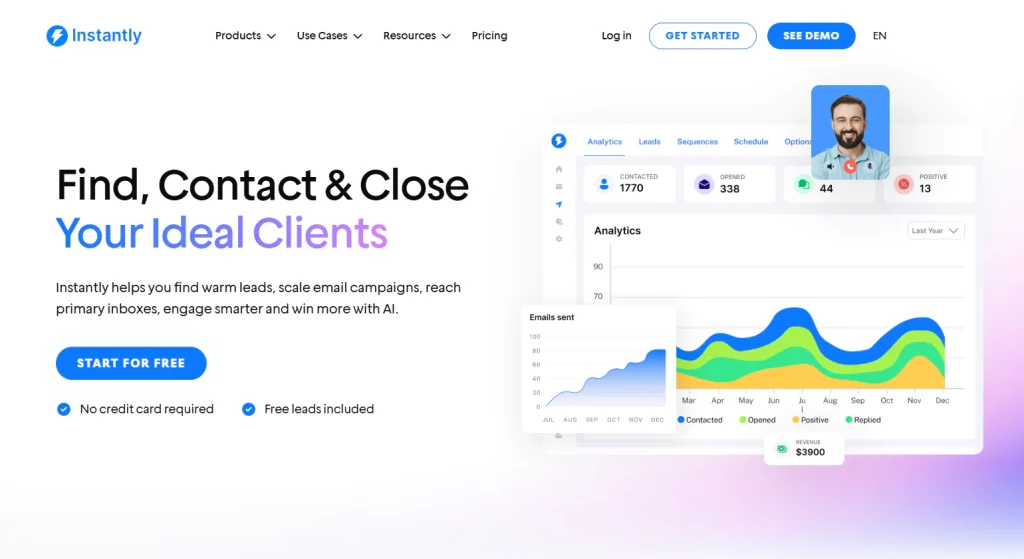
Instantly is one of the best lead qualification tools and a cutting-edge lead qualification and email outreach tool designed for businesses that rely on cold email campaigns to generate leads. It automates email sequences, tracks engagement, and qualifies leads based on their responses. Using AI-driven analytics, Instantly helps businesses focus on high-quality leads by providing insights into open rates, replies, and interest levels.
With built-in lead scoring, Instantly prioritizes prospects that are most likely to convert. The platform also ensures high email deliverability by verifying contacts and avoiding spam filters. This makes it a great tool for sales teams looking to streamline their outreach and maximize engagement.
Key Features
- AI-powered lead qualification and scoring
- Automated cold email sequences
- Email tracking with open and reply analytics
- High deliverability and spam protection
- Integration with CRMs and sales automation tools
- Multi-account email sending for scalability
Why Use It?
Instantly is ideal for businesses that rely on email outreach and want to automate lead qualification, ensuring better engagement and conversion rates.
8. HubSpot CRM
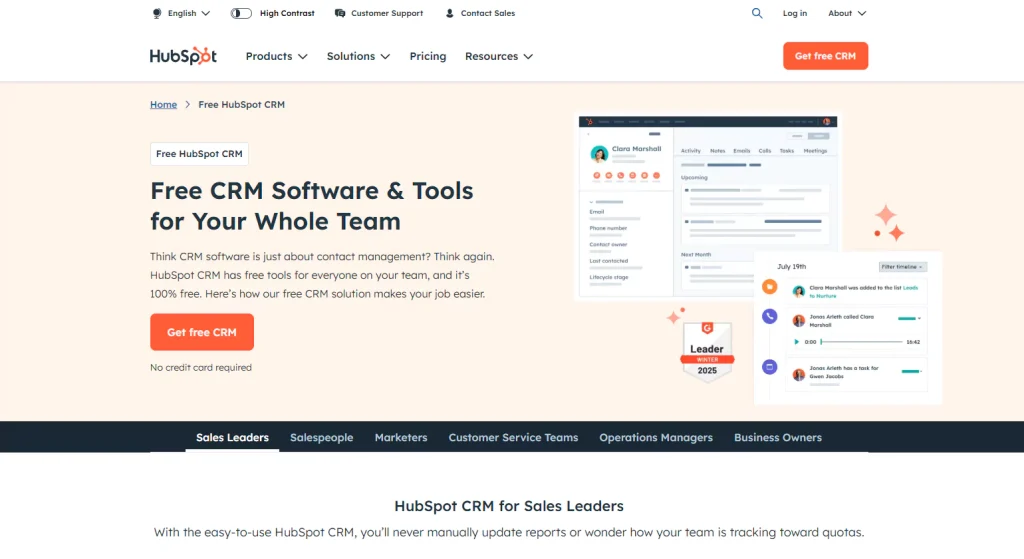
HubSpot CRM is one of the most widely used customer relationship management tools, offering powerful lead qualification features. It helps businesses track interactions, automate follow-ups, and score leads based on engagement and demographics. The platform’s AI-driven insights and pipeline management tools make it easy for sales teams to focus on the most promising opportunities.
HubSpot CRM also integrates seamlessly with email, social media, and marketing automation platforms, ensuring a unified customer view. With an easy-to-use interface and a robust free plan, it caters to businesses of all sizes. Advanced reporting and analytics provide deep insights into lead behavior and conversion patterns.
Key Features
- AI-powered lead scoring and segmentation
- Automated workflows for lead nurturing
- Seamless integration with email and social media
- Detailed sales pipeline and deal tracking
- Real-time analytics and performance insights
- Free plan with premium upgrade options
Why Use It?
HubSpot CRM is great for businesses that need an all-in-one, scalable solution for managing and qualifying leads while integrating with their existing marketing tools.
9. Pipedrive
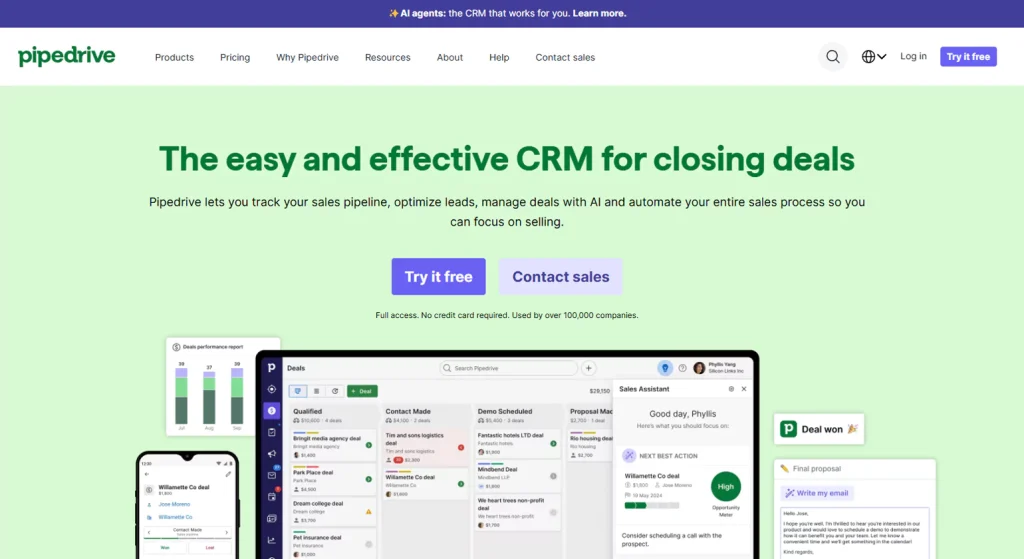
Pipedrive is a sales-focused CRM with built-in lead qualification tools designed to streamline sales processes. Its intuitive interface allows sales teams to track leads, automate follow-ups, and prioritize prospects with AI-driven scoring. With a visual pipeline management system, Pipedrive makes it easy to monitor deal progress and take timely action.
The platform integrates with a variety of tools, including email marketing software and communication apps, to ensure smooth lead management. Its automation features reduce manual tasks, helping sales teams focus on closing deals. Pipedrive’s mobile-friendly design also allows users to manage leads on the go.
Key Features
- AI-powered lead scoring and prioritization
- Visual sales pipeline for easy tracking
- Automated workflows and reminders
- Seamless integration with marketing and communication tools
- Email tracking and follow-up automation
- Mobile-friendly CRM access
Why Use It?
Pipedrive is ideal for sales teams that want a visually intuitive CRM with strong lead qualification and pipeline management features.
10. Overloop
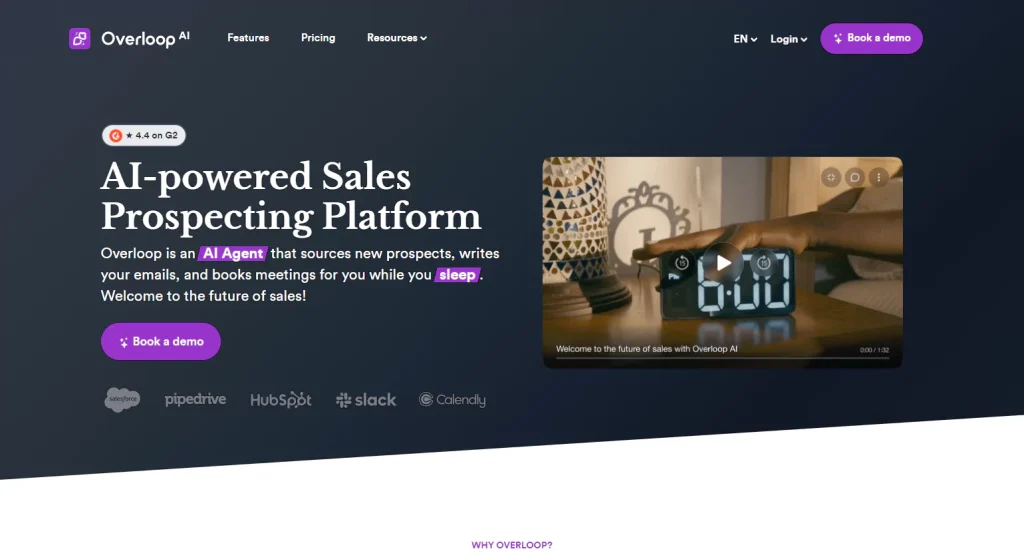
Overloop is a powerful outbound sales and lead qualification platform designed for businesses that use multi-channel prospecting. It allows users to manage cold email campaigns, track engagement, and qualify leads based on their interactions. The platform also supports LinkedIn outreach, making it a great tool for B2B sales teams.
With Overloop’s automation features, sales teams can personalize their outreach while reducing manual tasks. The platform provides deep insights into lead engagement, helping businesses refine their strategies for better conversions. Its built-in CRM functionality ensures that all lead data is organized and accessible.
Key Features
- Multi-channel lead qualification (email & LinkedIn)
- Automated follow-ups and outreach workflows
- AI-driven lead scoring and segmentation
- Real-time tracking of email opens and responses
- Built-in CRM for centralized lead management
- Integration with sales and marketing tools
Why Use It?
Overloop is perfect for businesses that rely on outbound sales and need an all-in-one solution for email and LinkedIn-based lead qualification.
How to Choose the Best Lead Qualification Tool for Your Business

Choosing the best lead qualification tools for your business depends on several key factors, including your sales process, target audience, and integration needs. Start by assessing your specific requirements—whether you need AI-driven lead scoring, automated follow-ups, or seamless CRM integration. Businesses with high inbound lead volumes may benefit from tools like Chili Piper, which streamline scheduling, while outbound-focused companies might prefer platforms like Overloop for multi-channel outreach. Additionally, consider ease of use and customization options to ensure the tool aligns with your team’s workflow.
Another crucial aspect is scalability and cost-effectiveness. As your business grows, your lead qualification tool should be able to handle increased data without compromising performance. Look for features like predictive analytics, automation capabilities, and reporting dashboards that provide actionable insights. It’s also important to choose a tool that integrates well with your existing tech stack, such as CRMs, email platforms, and marketing automation tools. By selecting a solution that aligns with your business goals, you can improve efficiency, enhance lead prioritization, and ultimately drive more conversions.
Step-by-Step Guide: Setting Up a Lead Qualification Tool

Implementing a lead qualification tool correctly ensures that your sales team focuses on high-potential prospects while optimizing efficiency. Follow these steps to set up and maximize the effectiveness of your lead qualification tool:
1. Define Your Lead Qualification Criteria
Before setting up the tool, determine what qualifies a lead as sales-ready. Use common frameworks like BANT (Budget, Authority, Need, Timeline) or CHAMP (Challenges, Authority, Money, Prioritization). Consider factors such as engagement level, company size, industry, and previous interactions.
2. Choose the Right Tool for Your Business
Select a lead qualification tool that fits your business needs. If you rely on inbound leads, tools like Chili Piper or HubSpot CRM may work best. For outbound lead qualification, consider Overloop or Instantly. Ensure the tool integrates seamlessly with your existing CRM and marketing stack.
3. Integrate the Tool with Your CRM and Marketing Platforms
Connect your lead qualification tools to your CRM (e.g., Salesforce, Pipedrive, or Zoho CRM) and email marketing platforms. This integration allows seamless data transfer, ensuring that lead scores and insights are easily accessible to sales teams.
4. Configure Lead Scoring and Automation Rules
Set up automation to score leads based on their behavior (e.g., email opens, form submissions, website visits). Many tools, like Leadbeam, offer AI-powered predictive analytics to help rank leads effectively. Automate follow-ups and routing to ensure leads are nurtured efficiently.
5. Create Custom Workflows for Lead Management
Develop workflows that guide leads through different sales funnel stages. Automate actions such as assigning leads to sales reps, triggering personalized emails, or scheduling calls. A well-structured workflow prevents leads from slipping through the cracks.
6. Test and Optimize the System
Run a test phase to ensure all workflows, scoring systems, and integrations function correctly. Use real-time analytics to track performance and make necessary adjustments. Lead qualification tools like ScoreApp provide detailed reports to help fine-tune the qualification process.
Best Practices for Using Lead Qualification Tools Effectively

1. Define Clear Qualification Criteria
Establish well-defined criteria based on your ideal customer profile (ICP), including budget, authority, need, and timeline (BANT). This helps the tool accurately score leads, ensuring sales teams focus on high-potential prospects while filtering out unqualified ones. Consistently refine these criteria based on real sales data.
2. Integrate with Your CRM
Ensure seamless integration with your CRM to streamline lead management. Automatic data synchronization allows real-time tracking, improves sales team efficiency, and prevents leads from falling through the cracks. Proper integration also helps in generating insightful reports for data-driven decision-making and sales forecasting.
3. Leverage Automation for Efficiency
Use automation features like lead scoring, email nurturing, and follow-up reminders to optimize your workflow. Automating repetitive tasks reduces manual effort, speeds up the qualification process, and ensures consistent engagement with prospects, ultimately increasing conversion rates and improving overall sales performance.
4. Regularly Analyze and Optimize Performance
Continuously review your lead qualification process using analytics. Track conversion rates, response times, and lead sources to identify trends and areas for improvement. Regular optimization ensures that the tool remains effective and adapts to changes in market behavior and business goals.
5. Align Sales and Marketing Teams
Foster collaboration between sales and marketing to ensure both teams are aligned on lead qualification criteria and strategies. Regular communication and feedback loops help refine the qualification process, improving lead quality and ensuring sales teams receive well-vetted leads that match the ideal customer profile.
Effective use of lead qualification tools requires a strategic approach, integrating automation, analytics, and team collaboration. By refining criteria, optimizing processes, and leveraging CRM integration, businesses can maximize conversion rates and sales efficiency. Consistently reviewing and adapting your approach ensures long-term success in lead generation and customer acquisition.
How Lead Qualification Tools Improve Sales Efficiency

Lead qualification tools enhance sales efficiency by helping teams focus on high-potential prospects. Instead of manually sorting through leads, these tools use predefined criteria like budget, authority, need, and timeline (BANT) to score and prioritize prospects. This ensures that sales representatives spend their time on leads that are most likely to convert, reducing wasted effort and improving productivity. By automating the qualification process, businesses can shorten sales cycles and increase overall revenue.
These tools also improve collaboration between sales and marketing teams. By integrating with CRMs and marketing automation platforms, they provide real-time insights into lead behavior, engagement history, and source attribution. This data-driven approach ensures that marketing efforts generate high-quality leads and that sales teams receive well-qualified prospects, reducing friction in the sales funnel. Additionally, automated follow-ups and personalized nurturing campaigns ensure consistent engagement, increasing the likelihood of conversion.
Another key benefit of lead qualification tools is their ability to optimize decision-making through analytics. By tracking metrics such as conversion rates, response times, and lead sources, businesses can identify trends and refine their strategies. Continuous optimization allows sales teams to improve targeting, personalize outreach, and allocate resources more effectively. Ultimately, leveraging these tools results in a more streamlined, data-driven sales process that boosts efficiency and maximizes revenue potential.
Conclusion
In conclusion, lead qualification tools are essential for optimizing sales processes by ensuring that teams focus on high-quality prospects. By automating lead scoring, improving collaboration between sales and marketing, and leveraging data-driven insights, these tools enhance efficiency and drive higher conversion rates. Businesses that integrate and continuously refine their qualification processes can maximize productivity, shorten sales cycles, and ultimately increase revenue. Additionally, these tools help reduce manual effort, allowing sales teams to focus on building relationships and closing deals. As competition grows, leveraging advanced lead qualification methods becomes a key differentiator for sustained business success.
Know More >>>
Outsourced Lead Generation – A Smart Strategy for Small Businesses
What is Lead Enrichment? A Guide to Smarter Sales
FAQs
1. What is lead qualification?
Lead qualification is the process of assessing potential customers to determine their likelihood of converting into paying clients. It involves analyzing factors like interest level, budget, decision-making authority, and purchasing intent to ensure sales teams focus on high-potential prospects.
2. How to qualify leads with AI?
AI-powered lead qualification analyzes customer data, engagement patterns, and behaviors to predict conversion potential. It automates lead scoring, prioritizes prospects based on past interactions, and personalizes outreach efforts, ensuring sales teams engage with the most relevant and ready-to-buy leads.
3. What are the key benefits of using a lead qualification tool?
Lead qualification tools improve sales efficiency, reduce manual effort, enhance lead prioritization, and increase conversion rates. They integrate with CRMs, provide data-driven insights, automate follow-ups, and align marketing and sales efforts to streamline the entire lead management process.
4. How does lead scoring help in qualification?
Lead scoring assigns numerical values to leads based on their demographics, behavior, and engagement level. Higher scores indicate sales-ready leads, allowing teams to focus on high-quality prospects while nurturing lower-scoring leads through automated follow-ups and targeted marketing campaigns.
5. What criteria should be used for lead qualification?
Common lead qualification criteria include budget, authority, need, and timeline (BANT). Other factors include company size, past interactions, engagement levels, pain points, and interest in your product or service, ensuring only high-potential leads enter the sales pipeline.
6. What is an example of lead qualification?
A software company qualifies leads by analyzing website visits, demo requests, and interactions with sales emails. If a lead meets budget and decision-making authority criteria, they are classified as sales-ready, while others enter nurturing campaigns for future engagement.
7. Who is responsible for lead qualification?
Both marketing and sales teams share responsibility for lead qualification. Marketing teams generate and nurture leads, while sales teams validate and engage with high-potential prospects. AI-driven tools and automation also assist in the process by streamlining lead assessment.
8. How to get qualified leads?
Businesses can generate qualified leads by targeting the right audience, using lead magnets, running personalized campaigns, leveraging AI-driven automation, and refining lead qualification criteria. Continuous optimization of marketing efforts and engagement strategies ensures a steady flow of high-quality leads.
9. Are lead qualification tools suitable for small businesses?
Yes, lead qualification tools benefit small businesses by automating prospect assessment, improving efficiency, and optimizing resource allocation. Scalable solutions help small teams manage leads effectively, focus on high-value prospects, and enhance their overall sales performance.
10. What are the challenges in lead qualification?
Challenges include inaccurate data, poor alignment between sales and marketing, inconsistent qualification criteria, and inefficient follow-ups. Overcoming these requires strong CRM integration, AI-driven insights, and continuous process optimization to improve lead accuracy and conversion rates.