Table of Contents
Introduction
Have you ever considered what would happen if your company’s IT systems went down for just one hour? IT Infrastructure Support is the safety net that ensures your critical systems stay up and running smoothly, preventing costly downtime and ensuring business continuity. It involves the management and maintenance of key hardware, software, and networks, as well as providing essential troubleshooting and performance optimization. With infrastructure support, businesses can rest assured that their technology environment is both stable and secure
In today’s fast-paced digital landscape, a robust IT infrastructure is more crucial than ever. Without proper support, even minor system failures can lead to significant productivity losses. In fact, Gartner reports that 98% of organizations experience losses exceeding $100,000 for every hour of unplanned downtime, underscoring the immense value of a reliable IT support system.
What Is IT Infrastructure Support?
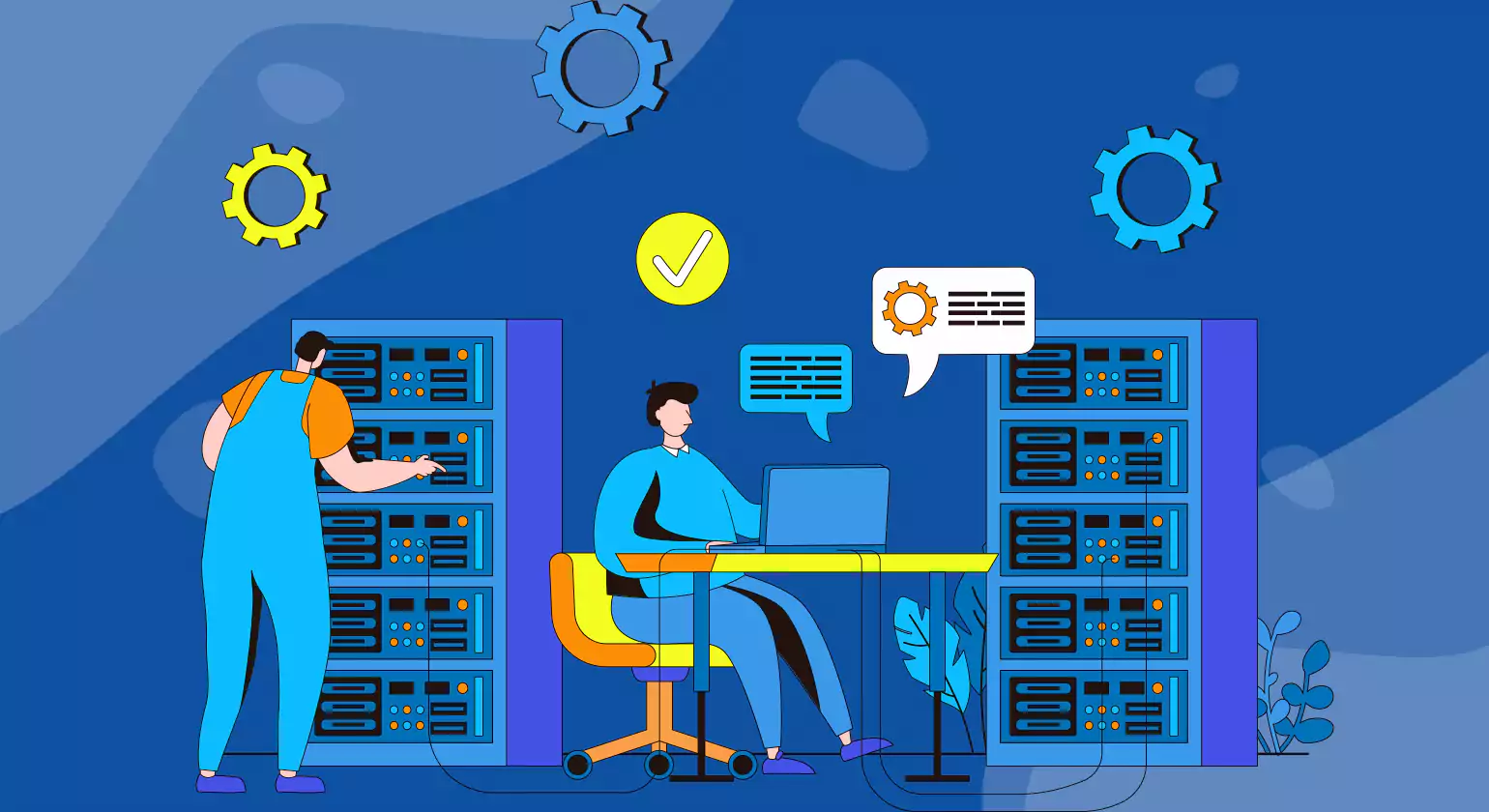
This refers to the comprehensive management, maintenance, and optimization of an organization’s technology environment, which includes hardware, software, networks, data storage, and communication systems. This support ensures that all technology components work seamlessly together, providing stability, security, and efficiency for business operations. IT infrastructure solutions covers a range of services, including troubleshooting technical issues, system monitoring, performance optimization, updates, and disaster recovery planning. Its main goal is to prevent downtime, resolve technical problems quickly, and ensure systems are functioning at peak performance.
The importance of IT support goes beyond keeping systems running; it plays a critical role in enabling businesses to scale and adapt to technological advancements. As companies grow, their IT needs expand, requiring consistent support to handle increased workloads, secure data, and integrate new technologies. A well-supported IT infrastructure helps businesses stay competitive by minimizing disruptions, improving productivity, and providing a secure foundation for innovation. Whether it’s through in-house teams or external providers, IT infrastructure is an essential service for the health and success of any organization.
For a comprehensive understanding of IT infrastructure support, including the role of colo data centers, you can refer to this detailed article.
Three Primary Components Of IT Infrastructure
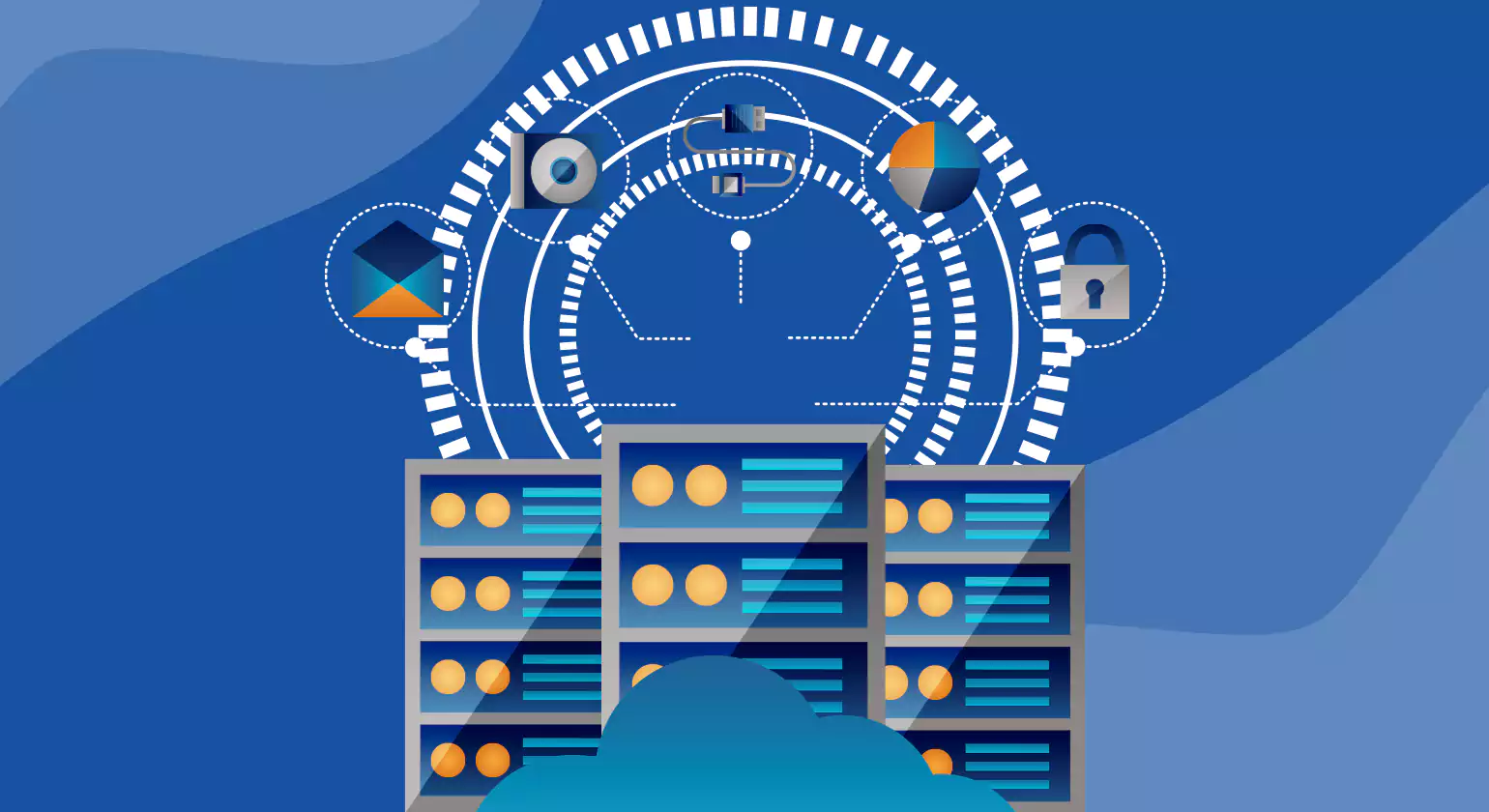
The three primary components of IT infrastructure are hardware, software, and networking. Together, these elements form the foundation that enables businesses to operate, communicate, and process data effectively.
1. Hardware
This is the physical layer of IT infrastructure and includes devices such as servers, computers, data centers, routers, switches, and storage devices. These components provide the computational power, data processing, and storage capabilities that businesses need to run their applications and manage large volumes of data. Hardware is the backbone that supports all other elements of IT infrastructure, and its performance and reliability are critical to the overall system’s efficiency.
2. Software
Software is the set of programs, applications, and operating systems that allow the hardware to function and provide specific services to users. It includes everything from enterprise-level applications like ERP systems, databases, and CRM software to basic operating systems like Windows, Linux, and macOS. Software enables businesses to automate processes, manage data, and perform tasks, making it a crucial part of the IT infrastructure. Regular updates and maintenance are required to ensure security, functionality, and performance.
3. Networking
Networking refers to the communication infrastructure that connects hardware and software components, allowing data to flow between systems and devices. This includes physical components like routers, switches, and cables, as well as wireless technologies like Wi-Fi, and protocols like TCP/IP that govern data transmission. A robust network infrastructure ensures fast, secure, and reliable communication, which is essential for internal collaboration, internet access, and connecting remote offices or cloud services.
Key Benefits of Professional IT Infrastructure Support Services
Professional IT Infrastructure Services offer a range of critical benefits that can significantly enhance an organization’s operational efficiency, security, and scalability. These services ensure that a company’s IT environment is managed proactively, minimizing risks and addressing challenges before they impact business performance. Here are the key benefits:
1. Minimized Downtime
Professional IT support services continuously monitor systems, perform preventive maintenance, and quickly resolve issues, ensuring critical systems remain operational. This proactive approach minimizes unplanned downtime, preventing costly disruptions and maintaining smooth business operations, especially in industries where downtime can significantly impact revenue.
2. Enhanced Security
IT support services provide comprehensive security solutions, including real-time threat monitoring, firewalls, encryption, and backups. Regular security audits ensure compliance with regulations and protect against cyberattacks, safeguarding sensitive data and systems from breaches, malware, and other cybersecurity risks.
3. Scalability and Flexibility
As businesses grow, IT infrastructure needs evolve. Professional IT support services offer scalable solutions, allowing companies to easily expand hardware, software, and network capabilities. This flexibility ensures IT systems can handle increased workloads and new technologies without disruption, supporting long-term business growth.
4. Cost Efficiency
Outsourcing IT support reduces the need for an in-house IT team, cutting labor costs. Proactive maintenance helps prevent expensive emergency repairs or system failures. Additionally, businesses gain predictable, scalable service pricing, allowing them to manage IT budgets more effectively and avoid unforeseen expenses.
5. Access to Expertise
IT support services provide access to skilled professionals with deep expertise in the latest technologies and trends. This helps businesses make informed decisions on system upgrades, process optimizations, and new technology implementations, ensuring they stay competitive and leverage the most efficient solutions available.
Different Types of IT Infrastructure Services
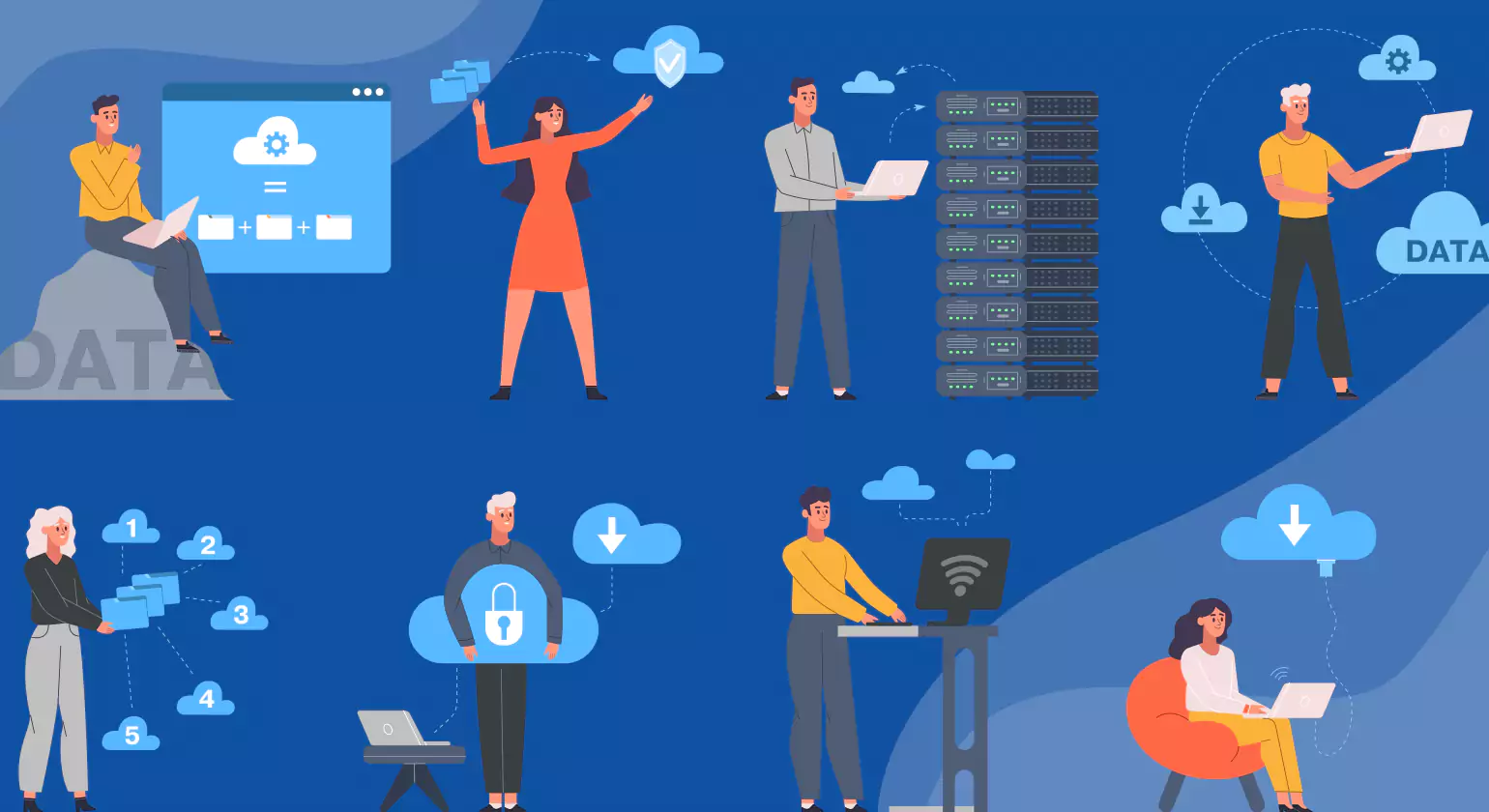
IT Infrastructure Services encompass a wide range of solutions designed to support, manage, and optimize an organization’s technology framework. These services ensure that IT systems function smoothly, securely, and are aligned with business goals. Below are some of the primary types of IT infrastructure services:
1. Network Management Services
These services involve the design, implementation, monitoring, and management of a company’s network infrastructure, including local area networks (LANs), wide area networks (WANs), and cloud networks. Network management ensures optimal performance, security, and scalability, allowing businesses to communicate and collaborate seamlessly. It also includes network security measures like firewalls, intrusion detection, and VPN setup.
Enhancing IT infrastructure not only requires efficient network management but also reliable security measures like VPNs. For Mac users, it is essential to use a Mac VPN to safeguard their systems against unauthorized access and ensure data protection. By downloading the best VPN for Mac, organizations can enhance their network security, contributing to overall business success.
2. Data Center Services
These services provide the physical or cloud-based facilities where a company’s data and critical applications are stored and processed. Data center services can include server management, virtualization, disaster recovery, and backup solutions. Whether a business uses on-premises, cloud, or hybrid models, managing these data centers is essential for business continuity, efficiency, and security.
3. Cloud Services
Cloud infrastructure services enable organizations to store, manage, and access data and applications over the internet rather than on physical servers. This includes public cloud services (such as Amazon Web Services or Microsoft Azure), private clouds, and hybrid models. Cloud services provide flexibility, scalability, and cost savings, allowing businesses to grow without the limitations of physical hardware.
4. Cybersecurity Services
These services focus on protecting IT infrastructure from cyber threats such as hacking, viruses, malware, and data breaches. Cybersecurity services include threat monitoring, encryption, vulnerability assessments, firewalls, and antivirus solutions. Managed security services may also involve compliance management, ensuring businesses meet industry regulations like GDPR or HIPAA.
5. End-User Support Services
Often referred to as IT helpdesk or desktop support, these services assist employees with everyday technology issues, including troubleshooting hardware problems, software installations, and access issues. These services ensure that end-users can remain productive by quickly resolving any technology-related disruptions.
6. IT Consulting and Integration Services
IT consulting services help businesses assess their current infrastructure and develop a strategy for improvement or growth. Integration services involve the implementation of new technologies and solutions that align with a company’s existing systems, such as integrating cloud services, upgrading network systems, or automating business processes.
Overcoming Challenges in IT Infrastructure Support
Overcoming challenges in IT infrastructure is essential for organizations to maintain operational efficiency and adapt to the ever-evolving technological landscape. Here are some common challenges along with effective solutions to address them:
1. Complexity of Systems
- As businesses grow, their IT infrastructure becomes increasingly complex, involving multiple hardware and software components from various vendors. This complexity can lead to difficulties in management, increased chances of errors, and longer troubleshooting times.
- Solution: Implementing centralized management tools can simplify the oversight of the IT environment. These tools allow for real-time monitoring and provide a unified dashboard for managing various systems, reducing complexity and streamlining operations. Regular training for IT staff on the latest technologies can also enhance their ability to manage complex systems efficiently.
2. Security Threats
- Cybersecurity threats are a persistent challenge, with organizations facing risks from malware, ransomware, and data breaches. A single vulnerability can compromise sensitive data and disrupt operations.
- Solution: To mitigate security threats, organizations should adopt a multi-layered security approach. This includes implementing firewalls, intrusion detection systems, and regular software updates. Conducting regular security audits and training employees on cybersecurity best practices can further enhance the organization’s resilience against threats.
3. Downtime and Reliability Issues
- Downtime can lead to significant productivity losses and financial repercussions. IT infrastructure may experience failures due to hardware malfunctions, software bugs, or unexpected outages.
- Solution: To enhance reliability, organizations should implement redundancy and failover solutions, ensuring that critical systems remain operational even during a failure. Regular maintenance and updates, along with a robust disaster recovery plan, can help quickly restore services in case of downtime, minimizing disruptions to business operations.
4. Rapid Technological Changes
- The pace of technological advancement can make it challenging for organizations to keep their infrastructure up-to-date, often resulting in outdated systems that cannot support new applications or processes.
- Solution: Developing a proactive IT strategy that includes regular assessments of technology needs and trends can help organizations stay ahead. Investing in scalable solutions and cloud services allows for flexibility and easier upgrades, ensuring the infrastructure can adapt to changing requirements.
5. Cost Management
- Managing the costs associated with IT infrastructure can be difficult, especially with the constant need for upgrades, maintenance, and training.
- Solution: Adopting a cost-effective approach to IT spending involves careful budgeting and prioritization of IT investments. Organizations can consider outsourcing certain IT functions to managed service providers to reduce overhead costs and focus resources on core business activities.
Best Practices for Effective IT Infrastructure Support Services
Implementing best practices for effective IT support services is essential for ensuring operational efficiency, security, and scalability. Here are eight key practices:
1. Regular Monitoring and Maintenance
Consistently monitor all IT systems to identify potential issues before they escalate. Scheduled maintenance, including software updates and hardware checks, helps maintain optimal performance and reliability, reducing the risk of unexpected downtime and ensuring seamless business operations.
2. Comprehensive Documentation
Maintain detailed documentation of the IT infrastructure, including network configurations, hardware inventories, and software licenses. Comprehensive documentation enables quicker troubleshooting, efficient onboarding of new team members, and ensures continuity in case of personnel changes or unexpected incidents.
3. Robust Security Measures
Implement layered security protocols, including firewalls, intrusion detection systems, and regular vulnerability assessments. Additionally, ensure all software is up to date and conduct employee training on cybersecurity best practices to create a culture of security awareness within the organization.
4. Incident Response Planning
Develop a clear incident response plan outlining steps to take during IT emergencies. This plan should include roles and responsibilities, communication strategies, and recovery procedures. Regular drills can prepare the team to respond effectively, minimizing the impact of disruptions.
5. User Training and Support
Provide ongoing training for end-users on using IT systems efficiently and securely. An educated workforce is less likely to make errors or fall victim to cyber threats, fostering a culture of responsibility and enhancing overall productivity.
6. Scalable Infrastructure
Design the IT infrastructure with scalability in mind. As business needs grow, the infrastructure should easily accommodate increased workloads and new technologies without significant overhauls. Cloud solutions and modular hardware can facilitate this adaptability.
7. Regular Performance Assessments
Conduct periodic assessments of the IT infrastructure’s performance, including system speed, uptime, and resource utilization. These evaluations help identify areas for improvement and inform future investments, ensuring the infrastructure aligns with business objectives.
8. Engagement with Stakeholders
Foster communication with all stakeholders, including IT staff, management, and end-users. Regular feedback helps identify pain points and areas for improvement. Engaging stakeholders ensures that IT infrastructure support services meet the needs of the entire organization effectively.
Top IT Infrastructure Management Tools for Modern Businesses
Here are some of the top IT infrastructure management tools that modern businesses can leverage to optimize their IT operations:
1. SolarWinds Network Performance Monitor
SolarWinds Network Performance Monitor provides comprehensive monitoring for network devices and performance. It offers real-time insights into network health, automated network mapping, and customizable alerts, allowing IT teams to quickly identify and resolve issues to maintain optimal performance.
2. Nagios
Nagios is a powerful open-source monitoring tool that helps organizations monitor systems, networks, and applications. It provides real-time alerts and comprehensive reporting features, allowing IT teams to detect issues proactively, ensure uptime, and enhance overall system reliability and performance.
3. Microsoft System Center
Microsoft System Center is an integrated management platform that enables IT teams to manage data centers, client devices, and cloud resources. It provides tools for automation, monitoring, and orchestration, allowing businesses to streamline operations and enhance their IT infrastructure’s efficiency and scalability.
4. VMware vRealize Suite
VMware vRealize Suite offers a comprehensive cloud management platform for managing hybrid cloud environments. With capabilities for automation, performance monitoring, and cost management, it allows organizations to optimize resource usage, improve operational efficiency, and ensure consistent performance across their IT infrastructure.
5. ServiceNow
ServiceNow is a leading IT service management (ITSM) tool that streamlines IT processes and workflows. It offers a centralized platform for incident management, problem resolution, and change management, enabling organizations to improve service delivery, enhance user experience, and ensure effective IT infrastructure support.
Why IT Infrastructure Solutions Are Crucial for Business Success

IT infrastructure solutions are vital for business success because they provide the essential framework that supports all technological operations within an organization. A robust IT infrastructure enables businesses to streamline processes, enhance productivity, and ensure reliable service delivery. As companies increasingly rely on technology to drive their operations, the ability to maintain a stable and secure IT environment becomes crucial. This foundation allows businesses to respond quickly to market changes, adapt to new technologies, and meet customer demands effectively.
Moreover, effective IT infrastructure solutions contribute significantly to operational efficiency and cost savings. According to a report by IDC, organizations that invest in modern IT infrastructure experience a 30% increase in operational efficiency, allowing them to allocate resources more effectively and reduce operational costs. This efficiency enables businesses to focus on innovation and growth rather than spending time managing outdated systems or resolving technical issues, ultimately driving competitive advantage.
Additionally, IT infrastructure solutions play a critical role in enhancing customer experience and satisfaction. A study by Forrester found that companies with well-structured IT infrastructure see a 50% improvement in customer satisfaction ratings. By ensuring that systems are reliable, responsive, and secure, businesses can deliver high-quality services and products, foster customer loyalty, and build a strong brand reputation. In today’s fast-paced digital landscape, investing in IT infrastructure solutions is not just a necessity; it is a strategic move that can lead to long-term business success.
How to Select the Right IT Infrastructure Support Provider
Selecting the right IT infra support company is a critical decision for any business, as it directly impacts operational efficiency, security, and scalability. Here are eight key points to consider when choosing an IT infrastructure provider:
1. Assess Your Business Needs
Before selecting a provider, clearly define your specific IT infrastructure requirements based on your business goals. Consider factors like the size of your organization, existing technology stack, future growth plans, and specific services you need, such as cloud computing or data management.
2. Evaluate Provider Experience and Reputation
Research potential providers’ backgrounds and expertise in the industry. Look for a provider with a proven track record of success, positive client testimonials, and case studies that demonstrate their ability to meet diverse business needs effectively.
3. Check Certifications and Compliance
Ensure that the provider holds relevant certifications and complies with industry standards and regulations. Certifications such as ISO 27001 or SOC 2 indicate a commitment to security and data management best practices, which are crucial for maintaining the integrity of your IT infrastructure.
4. Review Service Level Agreements (SLAs)
Examine the SLAs offered by potential providers to understand their commitments regarding uptime, response times, and support services. Clear SLAs help ensure accountability and set expectations for service quality, making them a crucial aspect of your selection process.
5. Consider Scalability and Flexibility
Choose a provider that can scale its services according to your evolving business needs. The right provider should offer flexible solutions that can accommodate growth, enabling you to adapt to changing market demands without significant disruption to your operations.
6. Evaluate Support and Customer Service
Assess the quality of customer support and service options provided by potential vendors. Look for providers that offer 24/7 support, multiple communication channels, and a dedicated support team to address any issues promptly and minimize downtime.
7. Examine Security Measures
Security should be a top priority when selecting an IT infrastructure provider. Investigate the provider’s security protocols, data protection strategies, and disaster recovery plans to ensure they align with your organization’s security requirements and industry standards.
Conclusion
In conclusion, IT infrastructure support is vital for maintaining the efficiency, security, and reliability of an organisation’s IT environment. By leveraging expert knowledge, advanced tools, and proactive maintenance, businesses can minimise downtime, enhance security, and focus on their core operations. Effective IT infrastructure solutions ensure that systems run smoothly, adapt to growth, and align with strategic objectives, ultimately driving business success in a competitive digital landscape.
Read More >>>
Top 10 Types of Virtual Managed Services
IT Management Support for Your Business Success Today
FAQs
1. What is IT infrastructure support?
IT infrastructure support involves managing and maintaining an organization’s core technology systems—like hardware, software, networks, and servers—to ensure smooth, secure, and efficient operations. It helps reduce downtime, boost performance, and support growth.
2. What do infrastructure mean?
Infrastructure refers to the fundamental facilities and systems serving a country, city, or organisation, including transportation, communication, utilities, and technology. In IT, it encompasses hardware, software, networks, and data centres required for operations.
3. What is the role of IT infrastructure services?
IT infrastructure services play a crucial role in managing and optimizing an organization’s technology environment. They ensure reliable hardware and software performance, enhance data security, facilitate communication, and support business operations, enabling efficient and scalable growth.
4. What is infrastructure software?
Infrastructure software refers to the software that manages and supports the basic operations of a computer system or network. This includes operating systems, middleware, database management systems, and other tools that enable hardware and software interaction.
5. What is the primary purpose of IT infrastructure?
The primary purpose of IT infrastructure is to provide a stable, secure, and efficient foundation for the operation and management of an organisation’s IT systems. It ensures seamless communication, data management, and application support, driving overall business success.
6. What are the 7 components of IT infrastructure?
The seven components of IT infrastructure include hardware, software, networking, data storage, security systems, cloud services, and IT personnel. Together, they create a cohesive environment that supports the organization’s technology needs and operational efficiency.