Table of Contents
Introduction
Growth Driven Design(GDD) is a modern, user-focused approach to web design that prioritizes continuous improvement and measurable results. Unlike traditional web design, which often involves a complete overhaul every few years, GDD focuses on creating a flexible, data-driven website that evolves over time. This methodology is built on three core stages: strategy, launch, and continuous improvement. The process begins by identifying users’ needs, setting clear goals, and launching a streamlined website—known as a “launch pad”—that serves as a foundation for future enhancements. Through ongoing data analysis and user feedback, the website is continuously refined to improve performance, enhance user experience, and support business objectives. By minimizing risks, optimizing resources, and aligning with real-time insights, Growth-Driven Design helps businesses stay competitive in the digital landscape while ensuring their website remains relevant and effective.
What is Growth Driven Design?

Growth Driven Design (GDD) is a modern approach to web design that focuses on continuous improvement and data-driven decisions. Unlike traditional web design, which often involves a complete overhaul every few years, GDD is an iterative process that evolves with user needs and business goals.
The process begins with developing a Launch Pad website— a streamlined version designed to go live quickly while delivering essential functionality. This allows businesses to start gathering user data and feedback immediately. Instead of aiming for perfection upfront, the launch pad acts as a foundation for ongoing improvements.
The next phase involves regular cycles of analysis, implementation, and testing. User behavior data, analytics, and feedback guide these updates, ensuring the website remains aligned with audience preferences and industry trends. This continuous learning and optimization process enhances user experience, improves engagement, and drives conversions.
GDD offers several advantages, including faster time-to-market, reduced risks, and cost-effective development. By focusing on real-world performance data, businesses can make informed decisions, maximizing the website’s effectiveness. Additionally, this flexible approach ensures the website remains competitive and adaptable as technologies and user expectations evolve.
In essence, Growth-Driven Design transforms web design into an ongoing process of growth and improvement. It empowers businesses to create user-centric websites that deliver long-term value, ensuring sustained growth and success in the digital landscape.
Why Modern Businesses Need a Smarter Design Approach

In today’s fast-paced digital world, a static, one-size-fits-all design approach no longer meets the needs of modern businesses. As customer preferences and market trends evolve rapidly, businesses must adopt agile, smarter design strategies to stay competitive. A smarter design approach focuses on flexibility, user-centricity, and continuous improvement, ensuring that digital platforms adapt to changing demands and deliver optimal results.
Unlike traditional design models, which often require costly overhauls, smarter design emphasizes iteration and innovation. Strategies such as Growth Driven Design (GDD) prioritize launching a functional product quickly and refining it based on user data. This approach reduces risks, enhances user experience, and aligns digital assets with business goals. By focusing on real-time performance metrics, businesses can make informed decisions to improve customer satisfaction and achieve measurable growth.
A smarter design approach also fosters long-term scalability. As businesses grow, their design needs evolve, requiring solutions that can adapt without disrupting operations. This dynamic methodology not only streamlines the design process but also maximizes ROI by keeping businesses ahead of industry trends. Embracing smarter design ensures modern businesses can deliver value, enhance brand credibility, and build lasting customer relationships in an ever-changing marketplace.
10 Benefits of a Growth Driven Design for Website Development

A growth-focused website design prioritizes the continuous optimization of a website to achieve long-term business growth. Unlike traditional website designs, which may remain static, this approach is driven by data, user feedback, and iterative improvements. Below are the top 10 benefits of adopting a growth-driven website design.
Faster Time to Market
Growth driven design focuses on launching a functional website quickly, allowing businesses to go live with an MVP (Minimum Viable Product). This approach enables quicker market entry, allowing companies to start generating traffic, collect user feedback, and iterate on the design sooner than a traditional redesign process.
Continuous Optimization
With a growth driven design, the website evolves. Instead of being fixed after launch, it continuously adapts based on performance data, user behavior, and changing market demands. This results in a constantly improving user experience, keeping the site relevant and effective at meeting business objectives.
Data-Driven Decision Making
Growth-focused websites are built on data analysis and user insights. By tracking user behavior, conversion rates, and other key metrics, businesses can make informed decisions about design improvements, ensuring that every update is based on real data rather than assumptions, leading to better results and ROI.
Improved User Experience
By continuously testing and refining the design based on user feedback and data, growth-driven websites offer an optimized user experience. This approach ensures that the site’s layout, navigation, and content align with user needs and preferences, ultimately boosting engagement and customer satisfaction.
Increased Conversion Rates
A growth-focused design approach allows businesses to experiment with different elements of the website, such as call-to-action buttons, landing pages, and forms, to find what works best for their audience. As a result, conversion rates can improve over time through ongoing testing and optimization efforts.
Better ROI
Rather than investing in a complete redesign upfront, growth-driven design spreads the investment over time. By launching quickly and iterating based on performance, businesses can maximize their return on investment. Each improvement is focused on measurable business goals, making the website an asset that drives tangible results.
Flexibility and Scalability
A growth-focused website design allows businesses to adapt quickly to changes in the market, customer preferences, or technology. Whether it’s updating content, adding new features, or redesigning certain elements, this approach provides flexibility and scalability, ensuring the site grows with the business.
Reduced Risk
By continuously testing and refining the design based on user feedback and data, growth-driven websites offer an optimized user experience. This approach ensures that the site’s layout, navigation, and content align with user needs and preferences, ultimately boosting engagement and customer satisfaction.
Enhanced SEO Performance
Growth-focused websites are optimized from the start for search engines, with a focus on producing high-quality, relevant content and improving page load speeds. Additionally, as the site is continuously updated and refined, it can improve its SEO ranking over time, driving more organic traffic and increasing visibility.
Stronger Competitive Advantage
By continuously improving and adapting to market trends, growth driven design helps businesses stay ahead of the competition. Regular updates and data-driven optimizations ensure that a website remains relevant, effective, and aligned with customer needs, providing businesses with a distinct edge in a crowded marketplace.
The 10 Essential Phases of Growth Driven Design

Growth Driven Design (GDD) is an innovative, iterative approach to website design that focuses on continuous improvement based on data-driven insights. Unlike traditional web design, which often involves a one-time launch and minimal updates, GDD follows a phased process that helps businesses grow and evolve their digital presence. Below are the 10 essential phases of Growth-Driven Design.
Strategy Phase
The strategy phase sets the foundation for a successful GDD project. In this phase, businesses define their goals, target audience, and key performance indicators (KPIs). By understanding user personas and business objectives, companies ensure their website aligns with both user needs and strategic goals, guiding the entire design process.
Launch Pad Website
Rather than waiting for perfection, GDD emphasizes launching a “launch pad” website, which includes the most essential features and functionalities. This initial version is designed to meet immediate business needs, allowing the website to go live quickly, gather data, and serve as the base for ongoing improvements.
User Research & Data Collection
After launching the site, the next critical step is collecting data through user interactions. Tools like heatmaps, surveys, and user testing help businesses understand how visitors engage with the site. This data provides valuable insights into user behavior, preferences, and pain points, informing the next phases of optimization.
Continuous Testing
In this phase, websites are tested regularly to identify areas for improvement. A/B testing, user experience (UX) testing, and other evaluation methods help assess the effectiveness of different elements. The goal is to ensure the website is continually refined to meet user expectations and achieve higher conversion rates.
Iterative Improvements
Growth Driven Design relies on a constant cycle of improvements. After analyzing testing results and user feedback, the website is updated and optimized. Whether through design tweaks, content changes, or feature additions, these incremental updates enhance the user experience and align the site with evolving business needs.
Content Strategy & Development
A solid content strategy is crucial for GDD. In this phase, businesses develop high-quality, relevant content that resonates with their target audience. This may involve creating blog posts, landing pages, videos, or product descriptions. The content strategy evolves based on user engagement and SEO performance to drive ongoing traffic.
Conversion Rate Optimization (CRO)
Conversion Rate Optimization (CRO) focuses on increasing the percentage of website visitors who take a desired action, such as making a purchase or filling out a contact form. By analyzing user behavior and optimizing key elements like CTAs (calls to action), businesses can significantly improve their conversion rates.
Ongoing Maintenance & Support
Even after the website is live and optimized, ongoing maintenance and support are essential. Regularly updating software, fixing bugs, and addressing security issues ensure the site runs smoothly. Additionally, periodic reviews help identify new opportunities for optimization, ensuring the website remains relevant and functional.
Analytics & Reporting
To measure the success of the GDD process, businesses must track key metrics and generate regular reports. Analytics tools like Google Analytics and heatmaps provide data on website traffic, engagement, and conversion rates. These reports help businesses assess progress and adjust strategies for even greater impact.
How the Growth Driven Design Process Works

Growth Driven Design (GDD) is a flexible, data-driven approach that focuses on creating a website that evolves over time based on real user insights. Unlike traditional web design, which often involves a single, large launch, GDD works in iterative cycles. The process begins with a strategic phase where businesses define their goals, audience, and key performance indicators (KPIs). This leads to the creation of a “launch pad” website, which includes essential features and functionality, allowing the site to go live quickly. Once the launch pad is up, businesses start collecting valuable user data through testing, analytics, and feedback.
The next phase in GDD is ongoing optimization. Based on the insights gathered from real user behavior, businesses continuously refine and improve their website. This includes making design tweaks, content updates, and feature enhancements that align with user needs and business goals. GDD also incorporates regular testing, including A/B tests and usability studies, to measure the effectiveness of changes. Over time, this iterative process leads to a more effective, high-performing website that better serves customers, increases conversion rates, and adapts to evolving market trends. The Growth-Driven Design process ensures that websites stay relevant, user-centric, and aligned with long-term business growth.
Must-Have Tools for Smarter Website Optimization

Website optimization is crucial for improving user experience, increasing conversions, and boosting SEO performance. To achieve these goals, businesses need the right tools to measure, analyze, and refine their website’s performance. Below are some must-have tools for smarter website optimization.
Google Analytics
Google Analytics is essential for tracking website traffic and user behavior. This tool provides detailed insights into how visitors interact with your site, including which pages they visit, how long they stay, and where they exit. Using this data, businesses can identify underperforming areas and optimize accordingly.
Hotjar
Hotjar is a powerful tool for visualizing user interactions through heatmaps, session recordings, and surveys. It helps businesses understand how users navigate through a site, where they click, and how they engage with content. These insights are invaluable for improving user experience and enhancing website design.
SEMrush
SEMrush is a comprehensive SEO tool that helps with keyword research, backlink tracking, and site audits. It offers in-depth data on how your website ranks in search engines and identifies areas for improvement. With SEMrush, you can optimize your content strategy and monitor the effectiveness of SEO efforts.
Optimizely
Optimizely is an A/B testing and experimentation platform that allows businesses to test different versions of website pages. By comparing various design elements, such as CTAs or page layouts, you can determine what resonates best with users and implement changes that improve conversion rates and overall performance.
Ahrefs
Ahrefs is an all-in-one SEO toolset known for its backlink analysis and keyword tracking capabilities. It helps businesses monitor their search engine rankings, find link-building opportunities, and analyze competitors. Ahrefs is crucial for maintaining a solid SEO strategy and ensuring your website is optimized for organic search.
Unbounce
Unbounce is a landing page builder that enables businesses to create high-converting landing pages without the need for developers. With built-in A/B testing and analytics, Unbounce allows marketers to optimize landing pages for maximum conversions. It’s an essential tool for improving lead generation efforts.
Moz
Moz is an SEO software suite that provides tools for site audits, keyword research, and link building. It also tracks keyword rankings and SEO performance. Moz’s insights help businesses fine-tune their websites, ensuring they adhere to the latest SEO best practices and improve visibility in search results.
Yoast SEO
Yoast SEO is a WordPress plugin that simplifies website optimization for search engines. It helps optimize content by providing real-time feedback on readability and keyword usage. Yoast also generates XML sitemaps and integrates with Google Search Console, ensuring your site is fully optimized for SEO.
PageSpeed Insights
PageSpeed Insights, by Google, analyzes your website’s speed and performance, providing suggestions for improvement. A faster website enhances user experience and SEO ranking. By identifying slow-loading elements and offering optimization recommendations, this tool helps ensure your website delivers a smooth, responsive experience to visitors.
Best Practices to Maximize Growth Driven Design Results

Growth Driven Design (GDD) is a data-driven approach that focuses on continuously improving your website based on user insights. To maximize the effectiveness of GDD, it’s essential to follow best practices that optimize both the design and performance of your site. Here are key practices to drive success.
Define Clear Business Goals
Before starting the GDD process, it’s vital to define clear business objectives. Whether it’s increasing leads, improving conversions, or enhancing user engagement, aligning your website design with these goals ensures every iteration moves you closer to achieving measurable success. Establishing goals provides direction for future design improvements.
Prioritize User Research
User research should be a priority throughout the GDD process. By understanding your audience’s pain points, preferences, and behaviors, you can make informed decisions that improve the user experience. Use tools like surveys, heatmaps, and analytics to gather insights that guide design iterations and enhance user engagement.
Start with a Launch Pad Website
Launch your website quickly with a “launch pad” design that includes essential features and functionality. This allows you to go live faster, start collecting user data, and make iterative improvements based on real feedback. A functional site at launch is better than waiting for perfection, enabling continuous optimization.
Implement Continuous Testing
Regular testing is a cornerstone of GDD. Conduct A/B tests, usability studies, and split tests to compare different elements of the website. These tests provide data that helps you determine what works best for your audience, allowing you to fine-tune designs and increase conversion rates over time.
Focus on Data-Driven Decisions
Making design decisions based on data ensures that updates are aligned with user needs and business goals. Use analytics tools to track performance, identify patterns, and measure KPIs. Data-driven decisions lead to meaningful improvements and avoid unnecessary changes, making the optimization process more effective and efficient.
Regularly Update Content
To keep your website relevant and engaging, make content updates a regular part of the GDD process. Fresh content improves SEO, increases user engagement, and encourages repeat visits. Regularly publishing blog posts, case studies, or product updates ensures your website provides value to your audience consistently.
Optimize for Mobile
With the increasing use of mobile devices, ensuring your website is mobile-friendly is crucial. A responsive design that adapts to various screen sizes improves user experience and supports higher conversion rates. Prioritize mobile optimization in every iteration to cater to the growing mobile audience.
Incorporate SEO Best Practices
SEO is essential for driving organic traffic. Optimize on-page elements like meta tags, header tags, and alt text to improve search engine visibility. Regularly review and refine your SEO strategy as part of the GDD process to ensure your website continues to rank well in search engine results.
Collaborate Across Teams
GDD requires close collaboration between marketing, design, and development teams. Each department brings unique insights that can shape the website’s evolution. Regular meetings and feedback loops ensure that every update is aligned with business goals, user needs, and technical feasibility, driving better results.
Track Key Performance Indicators (KPIs)
To measure the success of your GDD efforts, track key performance indicators (KPIs) that align with your business objectives. Whether it’s conversion rate, bounce rate, or average session duration, tracking these metrics allows you to evaluate the impact of design changes and refine your strategy for continuous growth.
Traditional Web Design vs. Growth Driven Design

Traditional web design typically follows a linear process where a website is built, launched, and then left largely unchanged for a period of time. This approach often involves long development cycles with large upfront costs and a fixed design that may quickly become outdated as user needs and market trends evolve. While traditional web design can result in a visually appealing website, it may not always meet changing business goals or provide insights into how users interact with the site. Updates or redesigns can be costly and time-consuming, which may delay critical optimizations and improvements.
In contrast, Growth Driven Design (GDD) offers a more agile, iterative approach that focuses on continuous improvement based on real user data. With GDD, a “launch pad” website is developed and launched quickly, allowing businesses to start gathering user feedback and data almost immediately. From there, the site is continually optimized based on real-time analytics, A/B tests, and user feedback. GDD emphasizes flexibility, scalability, and alignment with business goals, allowing websites to evolve as user behaviors and market conditions change. This results in higher engagement, improved conversions, and a website that better serves both users and business objectives over time, with fewer risks and lower upfront costs.
Step-by-Step Guide to Launching Your Growth Driven Design Strategy
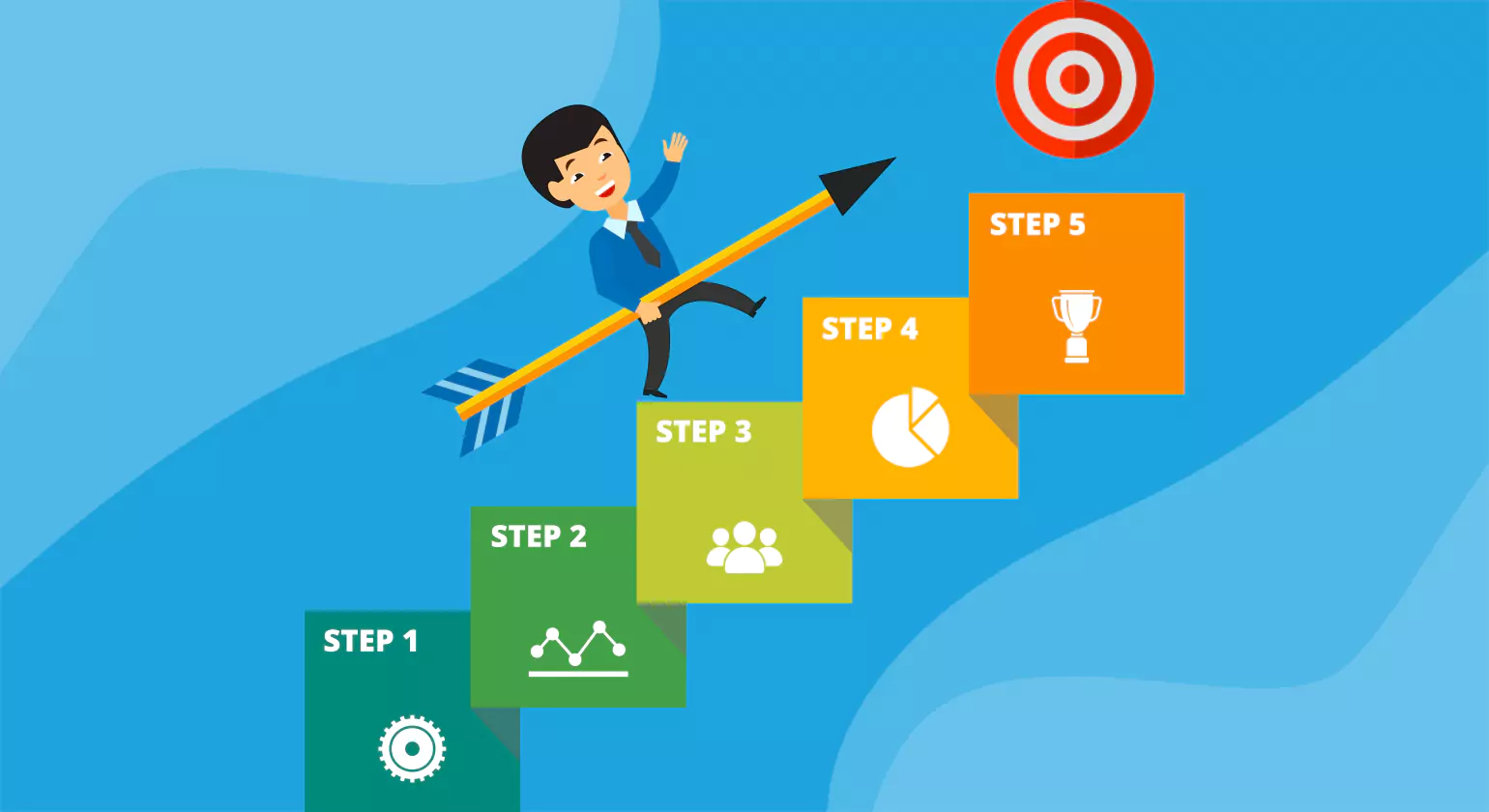
Growth Driven Design (GDD) is an iterative approach to website design that focuses on continuous improvement based on user data and feedback. By following a strategic step-by-step process, businesses can create a website that evolves to meet user needs, improving engagement and conversions over time. Here’s how to get started:
Identify Key Metrics & KPIs
To track the success of your GDD strategy, you must define key performance indicators (KPIs) that align with your business goals. Common KPIs include conversion rates, bounce rates, page load speed, and user engagement metrics. These metrics will be used to measure progress and guide decision-making throughout the optimization process.
Conduct User Research
User research is essential to understanding your target audience’s needs and behaviors. Use surveys, interviews, and analytics tools to gather data on how users interact with your website. This research will inform design decisions and help prioritize features that address the most pressing pain points for your visitors.
Create a Launch Pad Website
With GDD, you start by launching a “launch pad” website, which includes the most important features and functionality to meet initial business objectives. The idea is to get the website live quickly, so you can begin collecting data and insights while keeping development costs manageable.
Launch & Collect Data
Once the launch pad website is live, start collecting data from real users. Use tools like Google Analytics, heatmaps, and session recordings to track user behavior and performance. This data will help you identify areas for improvement and guide your decision-making in future iterations of the site.
Optimize Based on Data
With data in hand, begin optimizing your website by making small, incremental changes. This could involve tweaking content, adjusting navigation, improving calls-to-action (CTAs), or refining the site’s design. Regularly test these updates to ensure they enhance user experience and support your business objectives.
Test & Iterate Continuously
A key principle of GDD is continuous testing and iteration. Run A/B tests, user surveys, and usability studies to evaluate the impact of changes. Monitor your KPIs to ensure that the improvements are having a measurable impact on your business goals. Use the insights from testing to inform the next round of updates.
Prioritize Improvements Based on Impact
Focus on optimizing areas that will have the greatest impact on your business goals. Whether it’s improving site speed, redesigning key landing pages, or refining your sales funnel, prioritize changes based on their potential to drive conversions and improve the user experience. This ensures your efforts yield the best results.
Create a Content Strategy
An effective content strategy is crucial for keeping your website fresh and engaging. Plan regular content updates, such as blog posts, case studies, or product updates, to ensure your website remains relevant to both users and search engines. This also supports SEO and keeps your audience coming back.
Monitor & Adjust Regularly
Even after the initial optimization phase, continue to monitor your website’s performance and user behavior. Regularly revisit your business goals and KPIs to ensure alignment with your objectives. Adjust your strategy based on new data, market changes, and user feedback to keep your website growing and improving.
Conclusion
In conclusion, Growth Driven Design (GDD) offers a dynamic, data-driven approach to creating and optimizing websites. By focusing on continuous improvement, GDD enables businesses to adapt to user needs and market changes effectively. Rather than relying on a one-time launch, this iterative process ensures that websites remain relevant, user-friendly, and aligned with business goals. With regular testing, updates, and optimizations, GDD helps businesses enhance user experience, improve conversions, and drive long-term Growth Driven Design. Adopting GDD is an essential strategy for businesses looking to stay competitive and responsive in today’s fast-paced digital landscape.
Know More >>>> Product development services
Product Operations Manager
FAQ'S
1. What is the concept of growth design?
Growth design focuses on creating user-centric solutions that adapt and improve continuously. It integrates data-driven insights, user feedback, and iterative updates to optimize performance. By aligning design with measurable business goals, growth design ensures a seamless user experience while driving sustainable success for businesses.
2. What does drive growth mean?
Driving growth refers to implementing strategies that increase a business’s revenue, customer base, or market presence. It involves leveraging innovative tactics, optimizing operations, and delivering value to customers, ultimately ensuring long-term scalability and success for the organization.
3. What is a growth-oriented strategy?
A growth-oriented strategy focuses on expanding business operations, revenue, and market share. It includes methods like market penetration, product innovation, and diversification. By analyzing market trends and customer needs, businesses implement scalable strategies to foster sustainable development and competitive advantage.
4. What is the growth-driven design methodology?
Growth-driven design (GDD) is a dynamic web design approach that prioritizes continuous improvement. Unlike traditional static designs, GDD relies on user data, iterative updates, and adaptability to enhance website performance. This methodology ensures websites remain aligned with business goals and user expectations over time.
5. What are the three major growth strategies?
The three major growth strategies are:
- Market Penetration: Expanding sales within existing markets.
- Market Development: Entering new markets with existing products.
- Product Development: Innovating or enhancing products to attract customers and grow revenue.
6. What are the tips on growth-driven design for businesses?
Growth-driven design focuses on continuous improvement by using real user data. Tips include prioritizing user experience, testing and iterating designs, setting measurable goals, leveraging analytics, personalizing content, and aligning design updates with business objectives.
8. What is the concept of growth design?
Growth design focuses on creating user-centric experiences that drive business growth by combining design, data, and experimentation. It emphasizes optimizing user acquisition, engagement, retention, and conversion through iterative design strategies aligned with growth objectives.