Table of Contents
Introduction
eCommerce integration services help businesses streamline operations by connecting their online stores with essential systems like ERPs, CRMs, payment gateways, and shipping providers. These services ensure real-time data sync, automate inventory and order management, and improve customer experience. Whether you’re using Shopify, Magento, WooCommerce, or another platform, expert integration ensures seamless performance and scalability. By eliminating manual tasks, businesses save time, reduce errors, and enhance efficiency. Unlock the full potential of your eCommerce business—partner with professionals for custom integration solutions tailored to your unique needs. Get started today to optimize your online store for growth and success.
Understanding eCommerce Integration Services

eCommerce integration Services is the process of connecting your online store with various back-end systems such as inventory management, ERP, CRM, accounting software, and shipping providers. This connection allows for seamless data flow between systems, ensuring that critical business functions—like order processing, inventory updates, and customer communication—are automatically synchronized. Without integration, businesses often rely on manual data entry, which can lead to errors, delays, and inefficiencies.
The primary benefit of ecommerce integration software is automation. When your store is integrated with other business tools, tasks such as updating product availability, processing payments, generating invoices, and managing shipments are streamlined. This not only reduces operational costs but also improves accuracy and customer satisfaction. For example, if an item is sold out, the system can instantly update stock levels across all platforms, avoiding overselling and backorders.
In today’s competitive market, ecommerce integration platform isn’t just a luxury—it’s a necessity. Whether you operate on Shopify, Magento, WooCommerce, or another platform, integrating your systems can lead to faster order fulfillment, better customer service, and improved scalability. It also empowers decision-makers with real-time data for smarter business insights. As your business grows, integrated systems ensure your operations stay efficient and responsive. To stay ahead, consider working with experienced integration specialists who can tailor solutions to your unique business needs.
Why Your Business Needs eCommerce Integration

In today’s fast-paced digital marketplace, eCommerce integration Services are essential for maintaining efficiency, accuracy, and scalability. By connecting your online store with systems like inventory management, CRM, ERP, and accounting platforms, you automate key business processes such as order processing, stock updates, and customer communication. This reduces the need for manual data entry, minimizes errors, and ensures real-time information flows across all departments—leading to smoother operations and improved customer satisfaction.
Beyond operational efficiency, ecommerce integration software enables your business to scale effortlessly. Whether you’re adding new sales channels, expanding product lines, or growing your customer base, integrated systems can handle increased complexity without adding manual workload. It also provides valuable insights through unified data, helping you make smarter business decisions based on real-time analytics. In a competitive landscape, seamless integration is not just a convenience—it’s a strategic advantage. Investing in the right integration solutions now can save time, cut costs, and lay the foundation for long-term growth.
Core Systems to Integrate with Your eCommerce Platform

To run a successful eCommerce business, it’s not enough to simply have an attractive online store. Behind the scenes, a web of systems and processes must work seamlessly to deliver a smooth customer experience and support efficient operations. Integrating your eCommerce platform with key business systems ensures streamlined workflows, real-time data sharing, and long-term scalability. Here are the core systems every eCommerce business should consider integrating:
1. Inventory and Order Management Systems (OMS)
One of the most crucial integrations is between your ecommerce integration services store and your inventory or order management system. This connection enables automatic updates of product availability, stock levels, and order status. It ensures customers see accurate inventory on your website and helps your team process orders faster, reducing delays and avoiding overselling. Real-time synchronization between your store and inventory helps manage multiple sales channels more effectively.
2. Enterprise Resource Planning (ERP)
ERP systems manage various business functions including finance, HR, procurement, and supply chain operations. Integrating your eCommerce platform with an ERP through professional ecommerce integration services helps centralize data and improve coordination between departments. Sales data from your website flows directly into your ERP, enabling better forecasting, financial tracking, and operational planning. This integration reduces manual entry and boosts efficiency across the board.
3. Customer Relationship Management (CRM)
CRM systems are essential for understanding and nurturing customer relationships. By connecting your eCommerce store to your CRM, customer data—such as purchase history, behavior, and communication preferences—is automatically captured and updated. This helps marketing and sales teams deliver personalized experiences, target campaigns more effectively, and increase customer retention. A CRM integration also supports responsive customer service through a complete view of customer interactions.
4. Accounting Software
Manual accounting tasks can be time-consuming and prone to error. Integrating your eCommerce store with accounting tools like QuickBooks, Xero, or NetSuite ensures automatic syncing of sales, taxes, returns, and other financial data. This not only simplifies bookkeeping but also ensures compliance with tax regulations and enables accurate financial reporting.
5. Shipping and Fulfillment Solutions
Fast and accurate shipping is critical to customer satisfaction. Integrating your eCommerce platform with shipping carriers and fulfillment providers automates label creation, tracking updates, and shipping rate calculations. It ensures that customers receive timely delivery information and that your team has a streamlined order fulfillment process. This is especially important for businesses using third-party logistics (3PL) services.
6. Marketing Automation Platforms
To optimize marketing efforts, many eCommerce businesses integrate their store with tools like Mailchimp, Klaviyo, or HubSpot. This allows for automated email campaigns, abandoned cart reminders, and personalized product recommendations based on real-time customer behavior. It helps convert leads into customers and boosts repeat sales.
The eCommerce Integration Process: Step-by-Step

Successfully integrating your eCommerce platform with back-end systems like ERP, CRM, inventory, shipping, or accounting tools requires a well-structured approach. When done properly, eCommerce integration streamlines your operations, reduces errors, and enhances customer experience. Here’s a step-by-step overview of the integration process:
Define Business Needs and Integration Goals
Start by identifying your business requirements and pain points. Determine which systems you need to connect (e.g., ERP, CRM, OMS) and what processes should be automated. Define clear objectives—such as improving order accuracy, syncing inventory in real time, or automating financial reporting. This step ensures your ecommerce integration services strategy aligns with your operational goals.
Choose the Right eCommerce Platform and Tools
Not all eCommerce platforms support the same level of integration. Choose a platform like Shopify, Magento, WooCommerce, or BigCommerce that offers strong API support or native integrations with your core systems. Also, evaluate third-party middleware or integration platforms like Zapier, Celigo, or MuleSoft if custom integration is needed.
Map Data Flows Between Systems
Create a data mapping plan that outlines how information will flow between systems—such as product data, order details, customer profiles, shipping updates, and inventory levels. Clearly define data fields and rules for syncing to prevent duplication, inconsistencies, or data loss.
Develop or Configure the Integration
Work with developers or integration experts to build or configure the connection between your eCommerce platform and other systems. This could involve using APIs, pre-built connectors, or middleware. Ensure the integration supports two-way communication where needed, and that it handles key events like orders, returns, and stock updates.
Test the Integration Thoroughly
Before going live, test the integration in a staging environment. Simulate order placements, inventory changes, customer updates, and refunds to verify data accuracy and performance. Fix any bugs or mismatches and validate that all systems are syncing correctly.
Deploy and Monitor
Once testing is complete, deploy the integration in your live environment. Monitor performance closely in the early stages to catch any issues quickly. As part of your ecommerce integration services, set up automated alerts or dashboards to track integration health and ensure continuous operation.
10 Key Benefits of eCommerce Integration Solutions

eCommerce integration solutions connect your online store with essential back-end systems such as ERP, CRM, accounting, inventory management, shipping, and marketing tools. These solutions allow data to flow automatically between platforms, creating a more streamlined and efficient operation. Whether you’re a small business or a large enterprise, adopting integration solutions provides numerous advantages that can significantly improve business performance and customer satisfaction. Below are some of the key benefits of ecommerce integration platform solutions.
1. Improved Operational Efficiency
One of the most immediate benefits of ecommerce integration platforms is the automation of routine processes. Manual data entry between your store and systems like inventory or accounting software is time-consuming and error-prone. With integration, data syncs in real-time—orders, stock levels, customer details, and financial records are all updated automatically. This minimizes human error, reduces repetitive tasks, and frees up your team to focus on strategic activities.
2. Accurate, Real-Time Data
Data accuracy is critical for decision-making and customer trust. Integration ensures that your business systems are always aligned, providing accurate and up-to-date information across platforms. For instance, when an order is placed, your inventory updates instantly, avoiding stockouts or overselling. Real-time visibility into sales, finances, and customer behavior also helps with demand forecasting, inventory planning, and financial reporting.
3. Enhanced Customer Experience
Today’s consumers expect a seamless and responsive shopping experience. eCommerce integration enables faster order processing, accurate stock information, timely shipping updates, and personalized communication—all of which contribute to a better customer journey. By integrating CRM and marketing tools, businesses can also offer tailored promotions and targeted follow-ups that drive loyalty and repeat purchases.
4. Faster Order Fulfillment
ecommerce integration services with order management and shipping systems streamlines the entire fulfillment process. Orders flow automatically from the online store to the warehouse or fulfillment center, with real-time tracking and status updates. This reduces delays, improves delivery accuracy, and increases customer satisfaction—all critical for eCommerce success.
5. Scalability and Growth Readiness
As your business grows, managing increasing data volume and process complexity becomes more challenging. eCommerce integration lays the foundation for scalable operations. Adding new sales channels, expanding product lines, or entering new markets becomes easier because your systems can handle more data and tasks without added manual effort.
6. Better Business Intelligence
Integration centralizes your data, allowing for advanced analytics and reporting. You gain insights into sales trends, customer preferences, operational bottlenecks, and financial health. These insights support better strategic decisions and help you identify opportunities for improvement and growth.
7. Cost Savings
While there’s an upfront investment in integration solutions, they often result in significant cost savings over time. Automating processes reduces the need for manual labor, lowers error-related costs, and increases productivity. It also eliminates the need for maintaining multiple disconnected tools and databases.
8. Compliance and Reporting
Centralized data management simplifies tax calculations, regulatory compliance, and reporting. By consolidating all financial, sales, and inventory data in a single system, businesses can generate accurate reports quickly, reducing errors and saving valuable time. This streamlined approach not only aids in strategic planning and auditing but also enhances transparency, ensures accountability, and supports data-driven decision-making across all departments.
9. Competitive Advantage
By streamlining operations, improving customer satisfaction, and leveraging data-driven insights, businesses gain a competitive edge in the market. Integration solutions allow them to stay agile and responsive to market changes. Moreover, these solutions enhance collaboration across teams, reduce operational errors, and provide real-time visibility into performance metrics, enabling faster, informed decisions that drive growth, efficiency, and long-term success in a highly dynamic eCommerce environment.
10. Better Marketing and Personalization
Integrated eCommerce systems enable personalized marketing campaigns based on customer behavior, preferences, and purchase history. By analyzing detailed data, businesses can create targeted offers, recommend relevant products, and send timely promotions. This drives higher engagement, repeat purchases, and revenue growth, while fostering stronger customer loyalty and long-term relationships.
Best Types & Platforms of eCommerce Integration Services
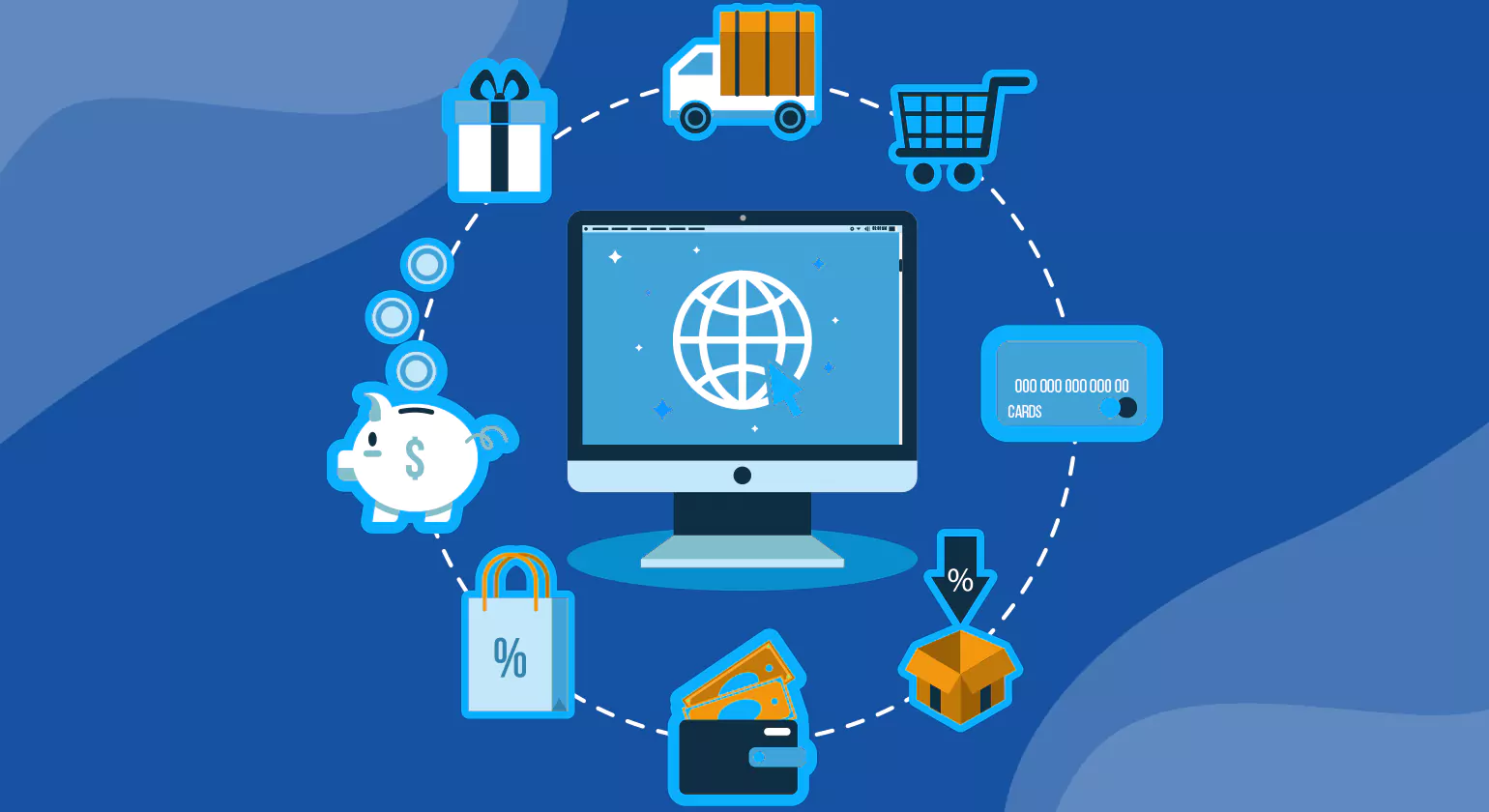
When running an e commerce integration services business, integrating your platform with other business systems is essential for smooth operations. Integration solutions automate processes, reduce errors, and enhance the customer experience. Whether you’re looking to connect your online store with ERP, CRM, shipping, payment gateways, or marketing tools, there are plenty of integration solutions to help. Below are the top 15 eCommerce integration solutions categorized by type:
1. Inventory Management Integration
TradeGecko (QuickBooks Commerce)
TradeGecko provides an all-in-one inventory management solution that integrates with eCommerce platforms like Shopify and WooCommerce. It automates stock updates, order fulfillment, and sales analytics, ensuring accurate inventory tracking and reporting.
Cin7
Cin7 offers comprehensive inventory management that integrates with popular eCommerce platforms like Shopify, Magento, and Amazon. It helps manage stock across multiple locations, synchronize orders, and streamline your supply chain.
2. Enterprise Resource Planning (ERP) Integration
NetSuite
NetSuite is a leading cloud-based ERP solution that integrates seamlessly with various eCommerce platforms. It combines financial management, CRM, order management, and inventory control in one suite, making it perfect for businesses looking to centralize operations.
Microsoft Dynamics 365
Microsoft Dynamics 365 is a powerful ERP that integrates with eCommerce Integration services platforms like Shopify and Magento. It connects sales, customer service, and inventory management, helping businesses streamline operations while improving customer satisfaction.
3. Customer Relationship Management (CRM) Integration
HubSpot
HubSpot is a popular CRM that offers with eCommerce integration services platforms such as Shopify, WooCommerce, and Magento. It helps track customer data, segment contacts, and automate marketing, leading to personalized customer experiences and increased sales.
Salesforce
Salesforce CRM is one of the most widely used platforms for managing customer relationships. It integrates with most eCommerce platforms to provide detailed customer insights, track sales leads, and automate communication, ensuring personalized engagement with every customer.
4. Payment Gateway Integration
Stripe
Stripe is a widely used payment gateway that integrates seamlessly with eCommerce platforms like Shopify, WooCommerce, and Magento. It allows businesses to securely process payments in various currencies and offers additional features like recurring billing, fraud prevention, and analytics.
PayPal
PayPal is one of the most trusted payment gateways worldwide. It integrates easily with various eCommerce platforms to offer secure transactions. It also provides buyers with payment options like credit cards, debit cards, and PayPal balances.
5. Shipping and Fulfillment Integration
ShipBob
ShipBob is a full-service fulfillment solution that integrates with eCommerce platforms like Shopify, BigCommerce, and WooCommerce. It automates inventory management, order processing, and shipping to reduce costs and improve delivery times.
ShipStation
ShipStation integrates with all major eCommerce Integration services platform and shipping carriers like UPS, FedEx, and USPS. It helps businesses streamline order processing, print labels, and track shipments, providing better service to customers.
6. Accounting and Financial Integration
QuickBooks Online
QuickBooks Online integrates with popular eCommerce platforms to help automate bookkeeping, tax calculations, and invoicing. It syncs sales data, payments, and expenses in real-time, allowing for accurate financial reporting.
Xero
Xero is a cloud-based accounting software that offers seamless integration with eCommerce platforms like Shopify and WooCommerce. It simplifies tasks such as invoicing, payroll, and tax filing, helping businesses manage their finances efficiently.
7. Marketing Automation Integration
Klaviyo
Klaviyo is a powerful email marketing platform designed specifically for eCommerce businesses. It integrates with Shopify, WooCommerce, and other platforms to automate email campaigns, abandoned cart recovery, and customer segmentation for targeted messaging.
Mailchimp
Mailchimp is a popular marketing automation tool that offers ecommerce integration services with eCommerce platforms like Shopify and WooCommerce. It enables businesses to create personalized email campaigns, automate follow-ups, and track performance with advanced analytics.
8. Social Media Integration
Hootsuite
Hootsuite integrates with eCommerce platforms to help businesses manage social media campaigns and track performance across multiple platforms. You can schedule posts, monitor engagement, and even run paid social ads, all from one dashboard.
Buffer
Buffer is another social media management tool that integrates with eCommerce stores. It helps businesses schedule posts, analyze social performance, and engage customers through social platforms like Facebook, Instagram, and Twitter.
9. Multi-Channel Selling Integration
ChannelAdvisor
ChannelAdvisor enables businesses to sell across multiple channels like Amazon, eBay, Walmart, and Google Shopping. It integrates with your eCommerce platform to synchronize product listings, inventory, and orders, ensuring a consistent experience across all sales channels.
Linnworks
Linnworks helps businesses manage multiple online marketplaces and channels from one centralized platform. It integrates with eCommerce platforms like Shopify, Magento, and Amazon, allowing businesses to scale while maintaining operational efficiency.
10. Analytics and Reporting Integration
Google Analytics
Google Analytics offers eCommerce Integration Services with eCommerce platforms to track and analyze customer behavior, sales performance, and website traffic. This valuable data helps businesses optimize their marketing strategies and improve the user experience.
Glew.io
Glew.io provides eCommerce businesses with powerful analytics and reporting tools. It integrates with Shopify, WooCommerce, and other platforms to provide actionable insights into customer behavior, product performance, and sales trends.
Common eCommerce Integration Challenges & How to Overcome Them

ecommerce integration services various systems with your e commerce integration services can significantly streamline operations, but it comes with its own set of challenges. From data inconsistencies to technical complexities, these obstacles can delay your integration efforts and impact business performance. Understanding these challenges and knowing how to overcome them is key to a successful integration.
1. Data Inconsistencies and Errors
Challenge:
Data accuracy is crucial for a seamless eCommerce operation. However, when integrating multiple systems like inventory, accounting, and CRM, inconsistencies or errors in data can arise, especially when manual intervention is involved. For example, mismatched product information, incorrect pricing, or outdated inventory levels can lead to issues like overselling or incorrect customer data.
Solution:
To overcome this, ensure that data mapping is clearly defined from the start. Establish standardized formats for data entries across all systems and leverage automated data syncing to ensure real-time updates. Implement thorough testing in a staging environment before going live to identify and fix discrepancies before they affect customers.
2. Integration with Legacy Systems
Challenge:
Many businesses still operate on legacy systems that may not be compatible with modern eCommerce platforms. These older systems can make integration more complicated, as they may lack APIs or have outdated technology that doesn’t easily sync with newer software.
Solution:
In such cases, it’s important to evaluate the flexibility of your current systems. If possible, consider upgrading legacy systems to ones with modern API capabilities. If an upgrade is not feasible, third-party middleware or integration platforms can be used to bridge the gap between old and new systems, ensuring smooth data flow between them.
3. System Downtime and Disruptions
Challenge:
During the ecommerce integration services process, your systems may experience temporary downtime or disruptions, which could impact customer experience and sales. This is particularly true for complex integrations involving multiple systems or platforms.
Solution:
Plan the integration during off-peak hours or schedule maintenance windows to minimize disruptions. Additionally, ensure you have backup systems in place, so your eCommerce store continues to operate without issues during the integration phase. Always communicate potential downtime to customers to manage expectations.
4. Scalability Issues
Challenge:
As your business grows, the systems and integrations that worked initially may not be able to scale effectively. Integrations that function well for a small-scale operation may start to show limitations as your product catalog, order volume, and customer base expand.
Solution:
Choose integration solutions that are scalable and can grow with your business. Prioritize platforms that offer flexibility in adding new features, channels, or sales platforms as needed. Work with integration specialists who can help design scalable systems that accommodate future growth and expansion.
5. Lack of Expertise
Challenge:
eCommerce integration Services often involves a steep learning curve, especially when dealing with APIs, third-party services, and customized solutions. Many businesses struggle to find the right talent or resources to handle complex integrations effectively.
Solution:
Invest in training for your internal teams or partner with experienced e commerce integration services and integration specialists. They can help guide you through the technical complexities, ensure that your integration runs smoothly, and provide valuable insights into best practices.
How to Choose the Right eCommerce Integration Services

Choosing the right eCommerce integration services are essential for streamlining your operations, improving customer experiences, and supporting business growth. With so many options available, it’s important to evaluate your business needs and select a service that aligns with your goals. Here are key factors to consider when choosing the right eCommerce integration service:
1. Understand Your Integration Needs
Before selecting a service, clearly define your business requirements. What systems do you need to integrate? Common integrations include ERP, CRM, payment gateways, inventory management, shipping solutions, and marketing tools. Identify the key functionalities that will have the most impact on your operations, such as real-time stock updates, automated order processing, or multi-channel sales integration. Knowing your specific needs will help narrow down your choices.
2. Compatibility with Your eCommerce Platform
Ensure that the integration service is compatible with your eCommerce platform, whether it’s Shopify, Magento, WooCommerce, BigCommerce, or another. Check if the integration supports your platform’s version and offers seamless communication with third-party tools. An ideal service should allow easy and efficient data flow between all the platforms you’re using.
3. Scalability
Your business is likely to grow, so it’s crucial to choose an integration service that can scale with your business. As your product range, customer base, and order volume increase, the integration service should handle higher data loads and offer new functionalities. Opt for a service that provides flexibility and can accommodate future needs without requiring major rework.
4. Ease of Use and Support
Look for an integration service that is easy to implement and use. A user-friendly interface and robust customer support are essential for smooth deployment and ongoing operations. Check if the service offers tutorials, documentation, and responsive support teams to help with any issues that may arise.
5. Customization and Flexibility
Your business may have unique needs, so a customizable Ecommerce integration services are often the best choice. The ability to tailor workflows, data fields, and processes ensures the integration is designed to meet your specific requirements. Additionally, make sure the service supports custom features that can adapt to future changes.
6. Cost
Evaluate the pricing model of the integration service. While some services offer a one-time fee, others may charge based on monthly subscriptions or transaction volumes. Consider the long-term costs and ensure the service provides a good return on investment. Keep in mind that investing in a robust integration solution can save you time and reduce operational errors, leading to cost savings in the long run.
Conclusion
In conclusion, eCommerce integration services are essential for businesses looking to streamline operations, improve data accuracy, and enhance customer experiences. By connecting key systems such as inventory management, payment gateways, and CRMs, these services eliminate manual processes, reduce errors, and provide real-time insights. With the right integration solutions, businesses can scale efficiently, adapt to changing needs, and remain competitive in the digital marketplace. Investing in reliable ecommerce platform integration ensures smoother workflows, better decision-making, and a seamless experience for both your team and customers.
FAQs
1. What are eCommerce integrations?
eCommerce integrations connect your online store with third-party tools like CRMs, ERPs, and payment gateways, automating operations such as inventory management, shipping, and marketing to enhance efficiency and customer experience.
2. What is an integrated eCommerce platform?
An integrated eCommerce platform seamlessly connects with essential business systems like accounting, logistics, and customer service tools, ensuring synchronized data flow for streamlined operations, better insights, and improved user experience.
3. How to integrate AI in eCommerce?
Integrate AI in eCommerce by using tools for personalized recommendations, chatbots, demand forecasting, dynamic pricing, and fraud detection. Platforms like Shopify and Magento support AI plugins and APIs to automate and optimize customer journeys.
4. What stores can I integrate with Shopify?
You can integrate Shopify with major marketplaces like Amazon, eBay, Walmart, and Etsy. It also supports social platforms like Facebook and Instagram for direct selling and third-party tools like QuickBooks, Mailchimp, and Salesforce.
5. What is eCommerce channel integration?
eCommerce channel integration links your store with multiple sales channels—like Amazon, eBay, and social media—ensuring real-time inventory sync, centralized order management, and consistent customer experience across platforms.