Table of Contents
Introduction Digital Transformation Specialist
In today’s rapidly evolving digital landscape, businesses are under increasing pressure to innovate, optimize operations, and meet changing customer expectations. A key player in this journey is the Digital Transformation Specialist—a professional who bridges the gap between technology and business strategy. These specialists guide organizations through the integration of digital tools, processes, and mindsets to achieve long-term growth and competitiveness.
What is a Digital Transformation Specialist?
A Digital Transformation is an expert in leveraging emerging technologies to modernize business operations. Their role involves evaluating current systems, identifying areas for digital improvement, and implementing solutions like cloud computing, automation, AI, and data analytics. Beyond tech, they focus on change management—ensuring that people, processes, and culture align with digital goals. Whether working within a company or as a consultant, they enable digital adoption and drive innovation across departments.
Digital Transformation: What Is It and Why It’s Important
Digital transformation is the strategic adoption of digital technologies to improve efficiency, create better customer experiences, and adapt to market shifts. It’s not just about upgrading software—it’s about rethinking how businesses operate and deliver value. In a digital-first world, companies that embrace transformation are better positioned to compete, grow, and meet rising customer demands. As such, the role of a best digital transformation certification has become crucial for future-ready organizations aiming to stay agile, relevant, and resilient.
Why Businesses Need a Digital Transformation Specialist

In today’s rapidly evolving business environment, digital transformation is no longer optional—it’s essential. A digital transformation expert is the catalyst for change, guiding organizations through complex technological shifts while aligning innovation with core business strategies.
1. Driving Innovation and Agility
Digital Transformation Specialists are experts in identifying emerging technologies that can revolutionize business processes. They don’t just implement new tools—they create frameworks for continuous innovation by introducing agile methodologies that promote iterative development and rapid experimentation. This agility enables businesses to pivot quickly in response to market trends, seize new opportunities, and maintain a competitive edge. Specialists also foster cross-functional collaboration, breaking down silos and encouraging knowledge sharing to accelerate innovation cycles.
2. Improving Customer Experience
Customer expectations have skyrocketed, demanding personalized, seamless interactions across multiple channels. Digital Transformation leverage advanced analytics and AI-driven insights to deeply understand customer behaviors and preferences. They design integrated digital ecosystems—combining CRM platforms, AI chatbots, and omnichannel engagement strategies—that provide tailored, consistent experiences at every touchpoint. By enhancing responsiveness and personalization, these specialists help increase customer satisfaction, loyalty, and lifetime value.
3.Streamlining Operations and Reducing Costs
Operational inefficiencies can drain resources and hinder growth. best digital transformation certification conduct comprehensive audits of existing workflows to identify bottlenecks and redundancies. They implement automation tools like robotic process automation (RPA) and cloud-based ERP systems to streamline processes, reduce manual errors, and improve real-time data access. This transformation results in significant cost savings, faster decision-making, and greater scalability, allowing businesses to allocate resources toward strategic growth initiatives.
4. Enhancing Data-Driven Decision Making
In the age of big data, the ability to harness and analyze information effectively is a game-changer. Digital Transformation develop strategies to integrate disparate data sources, implement advanced analytics platforms, and ensure data quality and governance. By turning raw data into actionable insights, they empower leadership teams to make informed decisions swiftly, optimize strategies, and identify new market opportunities with confidence.
5.Ensuring Security and Compliance in a Digital World
As businesses digitize more of their operations, cybersecurity risks and regulatory demands increase. digital transformation expert proactively address these challenges by integrating robust security frameworks and compliance protocols into digital initiatives. They help organizations safeguard sensitive information, minimize risks of breaches, and adhere to industry regulations, thereby protecting brand reputation and avoiding costly penalties.
How Digital Transformation Specialists Elevate Marketing Strategies

Marketing has transformed from traditional methods to data-driven, technology-powered strategies. Digital Transformation plays a pivotal role in shaping this evolution. Here’s how they contribute to marketing success
1. Integrating Advanced Technologies
Digital Transformation Specialists introduce cutting-edge tools such as artificial intelligence (AI), machine learning, and marketing automation platforms. These technologies automate repetitive tasks like email campaigns, social media posting, and lead scoring, freeing marketers to focus on creative strategy. AI-driven analytics enable hyper-personalized marketing by analyzing customer behavior and preferences in real time, delivering tailored content that resonates with each individual. This level of precision boosts engagement and conversion rates while optimizing campaign spend.
2. Enhancing Data-Driven Decision Making
These specialists consolidate data from CRM systems, website analytics, social media platforms, and more, breaking down silos for a unified customer view. They implement advanced analytics and visualization tools that uncover deep insights into customer journeys, preferences, and pain points. With accurate, actionable data at their fingertips, marketing leaders can make strategic decisions about targeting, budgeting, and content creation. This reduces guesswork and increases ROI by focusing efforts on high-impact initiatives.
3. Streamlining Omnichannel Marketing
A key strength of digital transformation expert is their ability to integrate diverse marketing channels into a seamless omnichannel experience. They synchronize messaging and branding across social media, email, mobile apps, websites, and offline touchpoints, ensuring consistency and continuity. This holistic approach strengthens brand recognition, nurtures customer relationships, and maximizes reach by engaging consumers wherever they interact with the brand.
4. Improving Customer Experience
Specialists leverage digital tools such as AI-powered chatbots for instant support, personalized product recommendations based on browsing history, and interactive content like quizzes or videos that increase engagement. These technologies make marketing feel less intrusive and more conversational, building trust and loyalty. By creating personalized and responsive experiences, businesses can significantly improve customer satisfaction and encourage repeat business.
5. Accelerating Innovation and Agility
Digital Transformation Specialists embed agile methodologies within marketing teams, encouraging rapid experimentation, testing, and iteration of campaigns. This culture of agility enables marketers to quickly respond to shifting market trends, competitor moves, and customer feedback. By continuously refining strategies based on real-time data, businesses can stay ahead of the curve, capitalize on new opportunities, and avoid costly missteps.
6. Strengthening Cybersecurity in Marketing
With increased digital interactions, the risk of data breaches rises. A Digital Transformation ensures your marketing data—customer information, campaign details, and analytics—is secure by implementing robust cybersecurity measures.
How a Digital Transformation Expert Can Revolutionize Your Business

In an era marked by rapid technological change, a Digital Transformation Expert is essential for businesses aiming to not just survive but thrive. Here’s a closer look at how they can revolutionize your organization
1. Modernizing Business Processes
Digital Transformation Experts conduct thorough assessments of current workflows, identifying inefficiencies and bottlenecks. They then design and implement technology-driven solutions—such as robotic process automation (RPA), cloud platforms, and AI-powered tools—to streamline operations. This modernization not only accelerates task completion but reduces human error and operational costs, enabling teams to focus on innovation and higher-value activities.
2. Enhancing Customer Engagement
Experts leverage sophisticated data analytics and customer relationship management (CRM) systems to gain deep insights into customer behavior and preferences. By integrating omnichannel strategies—including personalized marketing campaigns, AI-driven chatbots, and seamless mobile experiences—they craft tailored interactions that boost engagement and customer satisfaction. This heightened focus on the customer journey fosters stronger loyalty and lifetime value.
3. Fostering Innovation and Organizational Agility
Digital Transformation Experts champion agile methodologies, encouraging iterative development, rapid prototyping, and cross-department collaboration. This cultural shift empowers businesses to respond swiftly to evolving market demands and emerging technologies, facilitating continuous innovation and quicker time-to-market for new products and services.
4. Driving Data-Driven Decision Making
They implement advanced analytics platforms and data governance frameworks to unify disparate data sources and ensure data quality. By transforming raw data into meaningful, actionable insights, they enable executives and managers to make strategic decisions grounded in real-time information, improving forecasting accuracy and uncovering new business opportunities.
5. Strengthening Security and Compliance
With increased digitization comes heightened cybersecurity risks and regulatory scrutiny. Digital Transformation Experts develop comprehensive security strategies—incorporating encryption, identity management, and compliance automation—to safeguard sensitive data and maintain adherence to industry regulations. This proactive approach protects the company’s assets and reputation from costly breaches and legal penalties.
Top Benefits of Hiring a Digital Transformation Specialist for Marketing

The marketing landscape is evolving at an unprecedented pace, driven by advancements in technology and shifting consumer behaviors. To stay competitive, businesses need expertise in aligning marketing strategies with cutting-edge digital tools. This is where a Digital Transformation comes in. Here are the top benefits of hiring one for your marketing efforts:
1. Strategic Technology Integration
A Digital Transformation Specialist evaluates your existing marketing technology stack and identifies gaps or redundancies. They introduce state-of-the-art tools such as AI-driven analytics platforms, marketing automation, and advanced CRM systems tailored to your business needs. This strategic integration ensures seamless data flow, enhances campaign accuracy, and boosts operational efficiency by connecting disparate tools into a unified ecosystem.
2. Customer Insights Through Data Analytics
By leveraging big data and sophisticated analytics, specialists transform raw customer data into actionable insights. They analyze buying patterns, engagement metrics, and behavioral trends, enabling hyper-personalized marketing campaigns that precisely target customer segments. This approach not only increases conversion rates but also improves customer retention through relevant, timely communication. Additionally, predictive analytics help anticipate customer needs and preferences, allowing businesses to proactively design products and services. Integrating data from multiple channels ensures a 360-degree customer view, enhancing decision-making and fostering stronger, long-term relationships.
3. Seamless and Personalized Customer Experience
Digital Transformation craft omnichannel strategies that unify online and offline customer touchpoints. They design customer journeys that deliver consistent, personalized experiences regardless of the platform—whether it’s social media, mobile apps, or in-store. This consistent engagement boosts customer satisfaction, brand loyalty, and lifetime value. Moreover, they leverage data analytics to continuously refine these experiences, ensuring businesses stay agile and responsive to evolving customer needs and market trends. Their role is critical in driving innovation and maintaining a competitive edge in today’s digital-first marketplace.
4. Enhanced Agility in Marketing Campaigns
Implementing agile methodologies allows marketing teams to operate with flexibility and speed. Specialists introduce iterative planning, continuous testing, and real-time feedback loops so campaigns can be rapidly adjusted based on performance data or market changes. This minimizes wasted spend and maximizes effectiveness. Additionally, agile fosters better collaboration across departments, encourages innovation, and ensures quicker response to customer needs, ultimately driving stronger engagement and improved ROI.
5. Optimized Marketing Budget Allocation
Through detailed performance tracking and attribution models, the specialist helps allocate budgets toward channels and strategies that generate the highest ROI. This data-driven approach prevents overspending on underperforming tactics and ensures marketing dollars are invested wisely. By continuously analyzing campaign metrics, they can quickly identify shifts in consumer behavior and adjust strategies in real time, maximizing efficiency and driving sustained business growth. This proactive budget management also supports better forecasting and resource planning for future campaigns.
6. Automation of Repetitive Marketing Tasks
They implement automation tools for routine activities such as email drip campaigns, social media scheduling, and lead nurturing workflows. This reduces human error, saves time, and frees marketing teams to focus on creativity and strategic initiatives that require a human touch. Additionally, automation provides valuable data insights by tracking user behavior and campaign performance, enabling marketers to optimize strategies in real time and personalize customer experiences more effectively. This combination of efficiency and intelligence helps businesses stay competitive in fast-paced markets.
7. Improved Cross-Department Collaboration and Alignment
Digital Transformation Specialists foster collaboration between marketing, sales, IT, and customer service teams by creating integrated workflows and shared platforms. This alignment improves communication, reduces silos, and accelerates campaign execution and lead conversion. They also implement data-driven decision-making processes, enabling teams to access real-time insights, optimize strategies, and deliver personalized customer experiences seamlessly across channels. This holistic approach drives operational efficiency and boosts overall business agility.
8. Accelerated Time-to-Market for Campaigns
By streamlining processes and automating key functions, specialists reduce the time required to launch marketing initiatives. Faster execution means businesses can seize emerging trends and respond promptly to customer demands, giving a competitive advantage. Moreover, automation minimizes human errors and frees up teams to focus on strategic, creative tasks, ultimately driving innovation and improving overall campaign effectiveness.
9. Competitive Edge Through Continuous Innovation
The specialist keeps your marketing strategy aligned with the latest digital trends and emerging technologies. This forward-thinking approach ensures your business consistently innovates, adapting to evolving consumer expectations and staying ahead of competitors. By leveraging data-driven insights and automation tools, they optimize campaigns for maximum impact and efficiency, driving sustained growth and stronger customer engagement.
10. Robust Measurement and Continuous Improvement
They establish clear KPIs and build comprehensive analytics dashboards that provide real-time visibility into campaign performance. This allows teams to measure success accurately, identify areas for improvement, and optimize strategies continuously based on data insights. Additionally, these dashboards facilitate cross-team collaboration by sharing transparent metrics, enabling faster decision-making and ensuring alignment with overall business goals. With data-driven feedback loops, marketing efforts become more agile and responsive to changing market conditions, maximizing ROI and driving sustained growth.
Digital Transformation and SEO: How They Work Together

Search engine optimization (SEO) is essential for digital marketing, ensuring your brand gets visibility and drives organic traffic. With digital transformation specialists reshaping marketing, SEO strategies have become more advanced, leveraging technology to improve outcomes. Here’s how digital transformation and SEO complement each other
1. Leveraging AI for SEO Insights
AI-powered tools like SEMrush and Ahrefs provide deeper insights into keyword trends, competitive analysis, and content optimization. Digital transformation incorporates these tools into workflows, enhancing SEO effectiveness by automating data collection and reporting, enabling real-time strategy adjustments, and uncovering niche opportunities that manual analysis might miss. This leads to smarter, more targeted marketing campaigns and improved search rankings.
2. Optimizing for Voice Search
Voice search is a growing trend, with users relying on smart devices for queries. Digital transformation ensures your content is optimized for voice-based queries, focusing on natural language and question-based keywords. It also involves adapting SEO strategies to capture conversational phrases and local search intent, improving accessibility and enhancing user engagement across multiple platforms.
3. Enhancing Website Performance
Page speed, mobile responsiveness, and user experience are crucial for SEO. Through digital transformation, businesses adopt tools and frameworks that optimize website performance, ensuring faster load times and seamless navigation across devices. This not only improves search engine rankings but also reduces bounce rates and increases user engagement, ultimately driving higher conversions.
4. Content Personalization for Better Engagement
Personalized content drives higher engagement, which indirectly boosts SEO rankings. Digital transformation tools analyze user preferences and deliver tailored content experiences, increasing time spent on site and reducing bounce rates. By presenting relevant information, these tools enhance user satisfaction and encourage repeat visits, ultimately strengthening brand loyalty and improving overall search visibility.
5. Integrating Analytics for Real-Time Adjustments
Digital transformation integrates advanced analytics platforms to monitor SEO performance in real time. This enables businesses to adjust strategies proactively, quickly identifying which keywords, content, and backlinks are driving traffic and conversions. With these insights, companies can optimize their SEO tactics continuously, improve search rankings, and maximize online visibility to stay ahead of competitors.
6. Localized SEO with Geotargeting
Digital transformation helps businesses refine their local SEO efforts by incorporating location-based tools and strategies. These include geotargeting, localized content creation, and integration with map services like Google Maps. By leveraging real-time location data and mobile search trends, businesses can attract nearby customers more effectively and improve their local search rankings.
How a Digital Transformation ExpertEnhances Data Analytics for Marketing
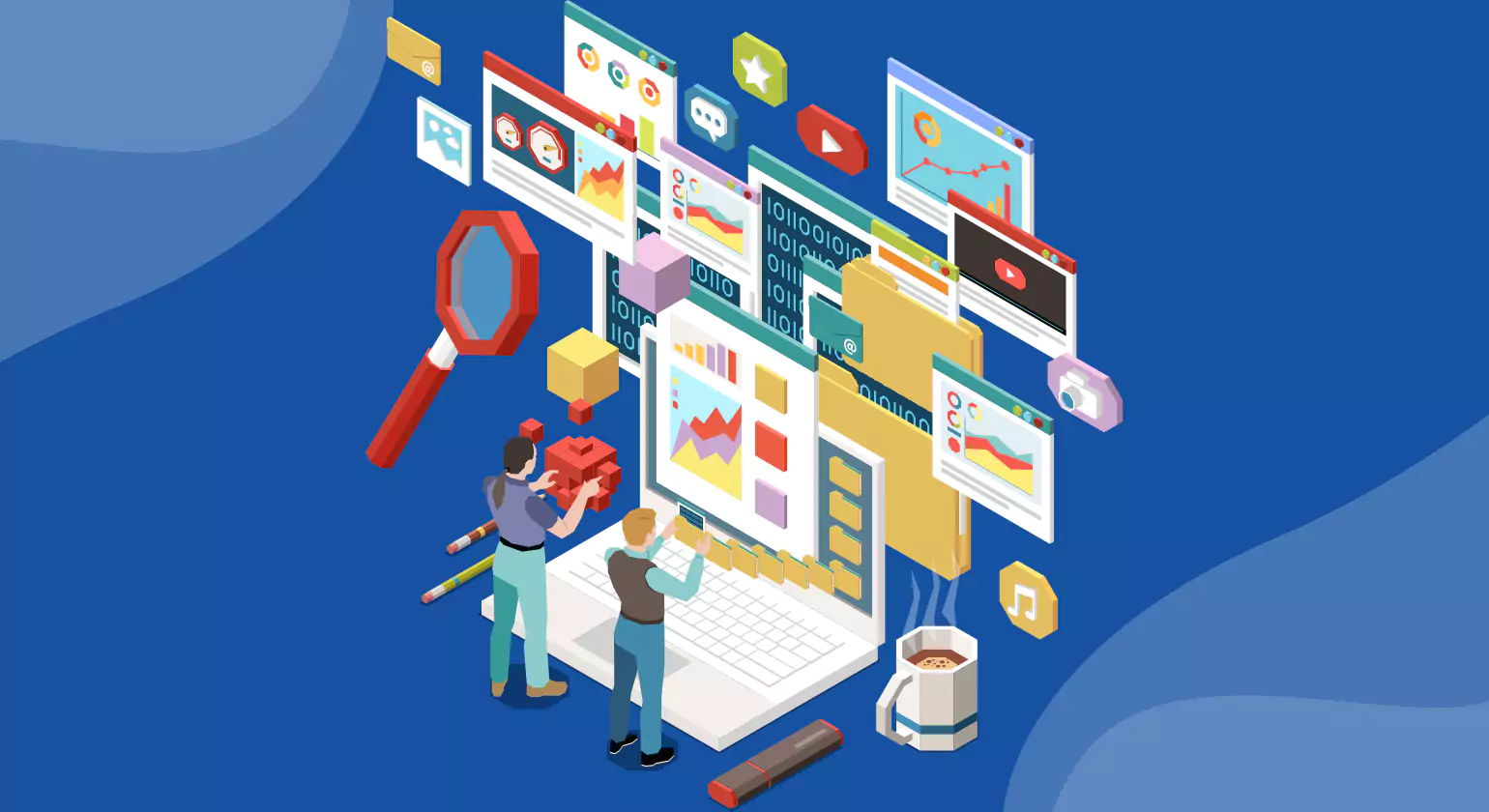
Data analytics is at the heart of modern marketing strategies. With the rise of big data and advanced analytics tools, businesses can gather vast amounts of information to inform their marketing decisions. However, turning raw data into actionable insights requires expertise—and this is where a Digital Transformation Specialist becomes invaluable. Here’s how a Digital Transformation enhances data analytics for marketing
1. Integrating Multiple Data Sources
In today’s digital ecosystem, data comes from multiple sources: customer interactions on websites, social media, CRM systems, and even offline interactions. A Digital Transformation ensures that all these disparate data sources are integrated into one unified platform, providing a holistic view of customer behavior.
Example: Using data integration tools like Zapier or Talend, specialists can automatically sync data from various sources into one central repository, making it easier to analyze and act on. This integration not only improves data accuracy but also enables real-time insights, empowering businesses to make faster, more informed marketing decisions and deliver personalized customer experiences across all channels.
2. Improving Data Quality and Accuracy
For data analytics to be effective, the data needs to be clean, accurate, and well-organized. Digital Transformation Specialists employ advanced data validation techniques to ensure the information collected is both accurate and relevant. They implement automated processes for regular data cleaning, removing duplicates, and filling in missing information to maintain data integrity. Additionally, they establish standardized data entry protocols and continuous monitoring systems to prevent errors at the source.
Example: Implementing automated systems that identify and correct inconsistencies in data, ensuring that marketing campaigns are based on reliable insights, which ultimately leads to more targeted strategies and higher ROI.
3. Leveraging Advanced Analytics Tools
Digital Transformation introduces advanced analytics tools such as Google Analytics, Tableau, or Power BI to make sense of large datasets. These tools use machine learning algorithms to uncover patterns in customer behavior and predict future trends, providing marketers with actionable insights.
For example: by analyzing customer purchasing behavior, businesses can predict which products a customer might be interested in next, enabling highly targeted marketing campaigns that increase conversion rates. Additionally, these insights help optimize inventory management, personalize customer experiences, and improve campaign ROI by focusing resources on the most promising segments. This data-driven approach ensures marketing efforts are more precise and effective.
4. Segmenting Audiences for Better Targeting
Using data analytics, a Digital Transformation can create precise customer segments based on demographics, interests, behaviors, and more. This segmentation helps marketers develop tailored campaigns that resonate with specific audience groups, improving relevance and effectiveness.
Example: A fashion retailer may segment its audience by age, gender, and shopping preferences to create highly personalized email campaigns that increase engagement and conversion rates. Additionally, by analyzing purchase history and browsing patterns, the retailer can recommend products that match individual tastes, boosting upselling opportunities and customer loyalty through targeted promotions.
5. Real-Time Analytics for Immediate Action
A key advantage of data analytics is the ability to make real-time decisions. Digital Transformation implements real-time data monitoring tools, allowing marketers to track the success of campaigns and adjust strategies on the fly.
For example: using tools like Google Data Studio to monitor the performance of a social media ad campaign in real-time, marketers can quickly identify which ads are driving the most traffic or conversions. This immediate feedback enables swift budget reallocation, creative tweaks, or targeting adjustments to maximize ROI. Such dynamic optimization helps avoid wasted spend and ensures campaigns remain relevant and effective throughout their lifecycle.
Top Tools and Platforms for Digital Transformation
Digital transformation relies heavily on the right mix of tools and platforms to drive innovation, efficiency, and improved customer experiences.
1. Cloud Computing Platforms
Cloud services like Amazon Web Services (AWS), Microsoft Azure, and Google Cloud provide scalable infrastructure and flexible computing resources. They enable businesses to quickly deploy applications, store vast amounts of data securely, and access advanced technologies such as AI and machine learning without heavy upfront investment. Cloud platforms support remote collaboration and reduce dependency on physical hardware. Moreover, these services offer robust security features, compliance certifications, and global data centers, ensuring high availability and disaster recovery options. Their pay-as-you-go pricing models allow companies of all sizes to optimize costs while scaling operations efficiently.
2. Customer Relationship Management (CRM) Systems
Tools like Salesforce, HubSpot, and Zoho CRM help companies centralize customer data and interactions. These platforms facilitate personalized marketing campaigns, sales pipeline management, and enhanced customer service through automation and real-time analytics. CRMs empower businesses to build stronger relationships and improve customer retention. Additionally, they enable seamless collaboration across teams by providing shared access to customer insights, streamlining workflows, and tracking performance metrics, which ultimately drives smarter decision-making and higher revenue growth.
3. Automation Tools and Robotic Process Automation (RPA)
Platforms such as UiPath, Blue Prism, and Automation Anywhere automate repetitive, rule-based tasks across various departments including finance, HR, and supply chain. By reducing manual effort, these tools increase accuracy, speed up operations, and free employees to focus on strategic initiatives that add greater business value. Moreover, these automation platforms offer scalability and integration capabilities, enabling businesses to streamline complex workflows and adapt quickly to changing market demands. Their ability to provide detailed analytics also helps organizations identify bottlenecks and continuously improve processes, driving overall operational excellence.
4. Data Analytics and Business Intelligence (BI) Platforms
Solutions like Tableau, Power BI, and QlikSense enable organizations to collect, analyze, and visualize data from multiple sources. These platforms provide predictive analytics, trend identification, and performance dashboards that support data-driven decision-making at every level of the business. They also offer customizable reports and real-time data updates, empowering teams to respond quickly to market changes and optimize operations efficiently. Integration with various data systems ensures seamless workflow and enhances collaboration across departments.
5. Collaboration and Communication Tools
With remote work becoming mainstream, tools such as Microsoft Teams, Slack, Zoom, and Google Workspace facilitate seamless communication and teamwork. They support video conferencing, instant messaging, file sharing, and project management, helping teams stay connected and productive regardless of location. These platforms also integrate with various apps and automation features, streamlining workflows and enhancing collaboration across departments. Their real-time updates and cloud-based accessibility ensure that teams can respond quickly to changes and maintain project momentum, making them indispensable in today’s digital transformation landscape.
6. Cybersecurity Solutions
As businesses digitize, protecting data and systems is critical. Platforms like Palo Alto Networks, CrowdStrike, and Fortinet offer threat detection, endpoint protection, identity management, and compliance monitoring. These tools safeguard against cyberattacks, ensure data privacy, and help meet regulatory requirements. Additionally, they provide real-time threat intelligence, automated response capabilities, and advanced analytics to quickly identify and mitigate vulnerabilities, reducing downtime and maintaining business continuity in an increasingly complex cyber landscape.
The Role of a Digital Transformation Specialist in Social Media Marketing

Social media is an essential part of modern marketing strategies, and digital transformation plays a key role in leveraging these platforms effectively. Digital Transformation enhances social media marketing efforts by integrating advanced tools, strategies, and data analytics. Here’s how they can elevate social media marketing
1. Developing Data-Driven Social Media Strategies
A Digital Transformation Specialist uses data analytics to develop targeted social media strategies. By analyzing user behavior, engagement rates, and demographic data, they ensure that campaigns reach the right audience with the right message. They also monitor real-time campaign performance, allowing for quick adjustments to maximize impact and optimize ad spend effectively. Additionally, they leverage predictive analytics to anticipate trends and customer preferences, enabling proactive campaign planning. Collaboration with marketing and IT teams ensures seamless integration of digital tools and alignment with overall business objectives, driving measurable growth and enhanced brand visibility.
2. Automating Social Media Campaigns
Automating social media campaigns allows businesses to maintain a consistent presence across platforms while reducing the time spent managing posts. best digital transformation certification set up automated scheduling, content curation, and ad management systems that optimize posting times for maximum engagement. They also implement AI-driven tools to analyze performance and adjust strategies in real time, ensuring campaigns stay relevant and effective. This approach not only saves resources but enhances brand visibility and customer interaction consistently.
3. Optimizing Social Media Ads
Automating social media campaigns allows businesses to maintain a consistent presence across platforms while reducing the time spent managing posts. Digital Transformation sets up automated scheduling, content curation, and ad management systems. This not only ensures timely posting but also optimizes audience targeting and engagement by analyzing performance data in real-time, enabling marketers to quickly adjust strategies for maximum impact and improved ROI. Additionally, automation frees up valuable resources, allowing teams to focus on creative content development and strategic planning rather than manual tasks.
4. Enhancing Customer Engagement
Social media platforms offer a unique opportunity to engage directly with customers. Digital Transformation implements tools like chatbots and social listening platforms to track brand mentions, respond to customer queries, and improve overall engagement. These technologies enable businesses to provide instant support, gather real-time feedback, and identify emerging trends, fostering stronger customer relationships and enhancing brand loyalty. Additionally, by analyzing social sentiment and engagement patterns, companies can tailor their marketing strategies to better meet audience needs and stay ahead in a competitive landscape.
5. Tracking and Measuring Social Media ROI
Digital Transformation ensures that social media efforts are measurable. By integrating analytics tools like Google Analytics, Sprout Social, and Hootsuite, they track key performance indicators (KPIs) such as engagement rates, website traffic, and conversions from social media channels. This data-driven approach allows marketers to optimize content strategies in real time, identify high-performing campaigns, and allocate budgets more effectively, ultimately maximizing ROI and driving sustained audience growth
Tips for Getting Into the Digital Transformation Industry

1. Build a Strong Tech Foundation
Digital transformation relies on technologies like cloud computing, artificial intelligence, machine learning, big data, and the Internet of Things (IoT). Start by learning these core technologies through online courses (e.g., Coursera, Udemy) or certifications (AWS, Microsoft Azure). Hands-on projects, like building small apps or analyzing datasets, can deepen your understanding and make your resume stand out.
2. Understand Business Processes and Strategy
Tech alone isn’t enough. Learn how businesses function—sales, supply chain, customer service—and identify areas ripe for transformation. Understanding the challenges and pain points within these departments allows you to propose targeted solutions. Knowledge of business strategy frameworks (like SWOT analysis or Porter’s Five Forces) helps you align tech solutions with business goals, ensuring meaningful impact. Additionally, developing skills in change management and stakeholder communication will enable you to drive adoption of new technologies effectively and navigate organizational dynamics during transformation initiatives.
3. Gain Experience with Digital Tools
Practical familiarity with tools such as Customer Relationship Management (CRM) systems, Enterprise Resource Planning (ERP) software, data visualization platforms, and automation tools is critical. Internships, freelance projects, or volunteering to implement these tools can provide hands-on experience that employers value. Additionally, mastering popular platforms like Salesforce, SAP, Tableau, or Power BI can significantly boost your resume. Understanding how to customize these tools to solve real business problems demonstrates your ability to drive digital transformation effectively.
4. Stay Updated with Industry Trends
The digital transformation space evolves quickly. Regularly read industry publications like TechCrunch, Gartner, or Forrester reports. Attend webinars, workshops, and conferences to learn about emerging trends such as blockchain, edge computing, or low-code platforms. Subscribing to newsletters, joining professional forums, and following thought leaders on social media also provide timely insights. Engaging in continuous learning helps you anticipate market shifts and adapt your skill set proactively, ensuring you remain competitive and valuable to employers in this fast-paced industry.
5. Network and Collaborate
Building connections with digital transformation professionals can accelerate your career. Join LinkedIn groups, attend local tech meetups, or participate in online communities like Reddit’s r/digitaltransformation. Engaging actively by asking questions, sharing insights, and contributing to discussions helps you build credibility. Seek out mentorships or collaborations that provide guidance, insider knowledge, and job leads. Additionally, volunteering for digital projects or hackathons can expand your network and showcase your skills to potential employers and partners.
Common Challenges in Digital Marketing Transformation

While digital marketing transformation can lead to significant improvements, it is not without its challenges. Here are some of the most common hurdle’s businesses face when undergoing a digital transformation, and how to navigate them:
1. Lack of a Unified Strategy
Digital marketing transformation requires a well-defined, cohesive strategy that aligns with overall business objectives. Without this, marketing efforts become disjointed and inconsistent across channels. Teams may pursue conflicting goals, leading to inefficient use of resources and diluted brand messaging. A clear roadmap helps prioritize initiatives, allocate budgets effectively, and ensures all stakeholders are working toward the same outcomes.
2. Organizational Resistance to Change
Change is often met with skepticism or fear, especially when it disrupts established workflows or job roles. Employees may feel uncertain about new technologies or worry about job security. Similarly, leadership might hesitate to commit resources or shift traditional business models. Without proactive change management—such as clear communication, training programs, and leadership buy-in—the transformation process risks delays or failure.
3. Skill Gaps and Talent Shortages
Digital marketing relies heavily on skills like data analytics, automation, SEO, content creation, and customer experience design. Many organizations find it challenging to hire or develop employees with this expertise, especially as technology evolves rapidly. This skills gap slows the adoption of new tools and limits the ability to execute advanced campaigns or analyze data for insights.
4. Legacy Technology and Infrastructure
Older systems are often incompatible with modern digital marketing platforms and cannot easily integrate with new tools. This creates bottlenecks in workflows and prevents seamless data sharing across channels. Upgrading infrastructure to cloud-based, API-enabled solutions is costly and complex but necessary for agility, scalability, and real-time marketing capabilities.
5. Data Silos and Fragmentation
Customer data often resides in separate databases or software applications managed by different departments (e.g., sales, marketing, customer support). This fragmentation results in incomplete customer profiles and inconsistent messaging. Without unified data platforms, personalization, targeted marketing, and accurate performance tracking become almost impossible, reducing campaign effectiveness.
Conclusion
A Digital Transformation Specialist plays a crucial role in guiding organizations through the complex journey of integrating digital technologies to enhance business performance. Their expertise bridges the gap between technology and business strategy, ensuring that transformation efforts align with company goals and deliver measurable value. By addressing challenges such as legacy systems, skill gaps, and resistance to change, these specialists enable smoother adoption of innovative solutions and foster a culture of continuous improvement. Ultimately, a skilled digital transformation expert helps organizations stay competitive in an ever-evolving digital landscape, driving growth, efficiency, and customer satisfaction. Investing in such expertise is essential for businesses aiming to successfully navigate digital disruption and unlock new opportunities for innovation and success.
Know more>>> The Role of a Social Media Marketing Specialist – Key Skills Uncovered
>>> Why is Data Modernization Necessary for Successful Digital Transformation
FAQ'S
1. What is a Digital Transformation Specialist?
A Digital Transformation is a professional who guides organizations in integrating digital technologies to improve processes, enhance customer experiences, and foster innovation. They assess a company’s technological needs and develop strategies to implement necessary changes effectively.
2. What does a Digital Transformation Specialist do
A Digital Transformation Specialist guides businesses in adopting new digital technologies to improve processes, customer experience, and overall efficiency. They analyze current workflows, design strategic plans, implement solutions, and ensure smooth change management, helping organizations stay competitive in a rapidly evolving digital landscape.
3. What skills are essential for a best digital transformation certification
Key skills include digital strategy development, data analytics, change management, technology integration, and project leadership. Strong communication and problem-solving abilities are crucial to bridge business and technology, ensuring successful digital adoption and measurable business outcomes.
4. How can a digital transformation expert benefit my business
They streamline operations, boost customer engagement, and drive innovation by aligning technology with business goals. Their expertise reduces costs, improves agility, and enhances decision-making, giving your business a competitive edge in the digital age.
5.What industries require Digital Transformation Specialists?
best digital transformation certification are needed across industries like finance, healthcare, retail, manufacturing, and technology. Any sector aiming to improve efficiency, customer experience, or innovate with digital tools benefits from their expertise.