Table of Contents
The digital media companies are the core of the online economy today and shape the manner in which people consume or find their digital media. These include streaming services and ad agencies that utilize AI and data analytics to innovate their creations. By 2026, their worth will be demonstrated through ROI as they align their content strategies with the latest SEO trends. In essence, digital media companies help businesses remain competitive and future-proof in a dynamic and digital-centric market.
Key Takeaways
Digital media companies create, distribute, and manage content across platforms such as websites, social media, streaming services, and digital advertising networks.
They help brands reach audiences through targeted campaigns, multimedia storytelling, and data-driven marketing strategies.
Leading digital media companies in 2026 focus on AI-powered content production, audience analytics, and omnichannel engagement.
Despite growth opportunities, these companies face challenges like changing algorithms, content saturation, and evolving consumer expectations.
Businesses partnering with digital media companies gain improved brand visibility, stronger audience engagement, and measurable marketing performance in an increasingly digital marketplace.
What Are Digital Media Companies?
Definition
Digital media companies are companies that design, distribute, and manage content in different online environments. These companies operate with digital media, including videos, audio, graphics, and interactive content, to connect with their audiences through websites, applications, and social media.
Core Functions
Digital media companies focus on creating engaging content, tracking it using analytics, and monetizing it through advertising, subscription, or partnership strategies. These companies often combine search engine optimization, social media marketing, and programmatic advertising to increase their reach and return on investment.
Types of Digital Media Companies
Publishing Platforms: News sites, blogs, and online magazines.
Streaming Services: Video and music platforms like Netflix or Spotify.
Marketing Agencies: Firms offering digital advertising, SEO, and branding.
Creative Studios: Companies producing multimedia campaigns and interactive experiences.
Importance in 2026
Digital media companies are vital to businesses by 2026, as they help businesses maintain their presence in the ever-changing digital world through artificial intelligence, personalization, and search engine optimization.
ROI Impact
Digital media companies offer measurable return on investment through better targeting, increased engagement, and business growth opportunities if content strategies align with user intentions and structured data.
Audience engagement techniques combine content creation with strategies rooted in the fundamentals of marketing to maximize reach and ROI.
Top Digital Media Companies in 2026

“To understand how leading digital media companies structure their strategic priorities — from target audiences to revenue streams and growth goals — it helps to explore a comprehensive marketing company business plan that outlines how agencies build sustainable and scalable operations.”
1. Netflix
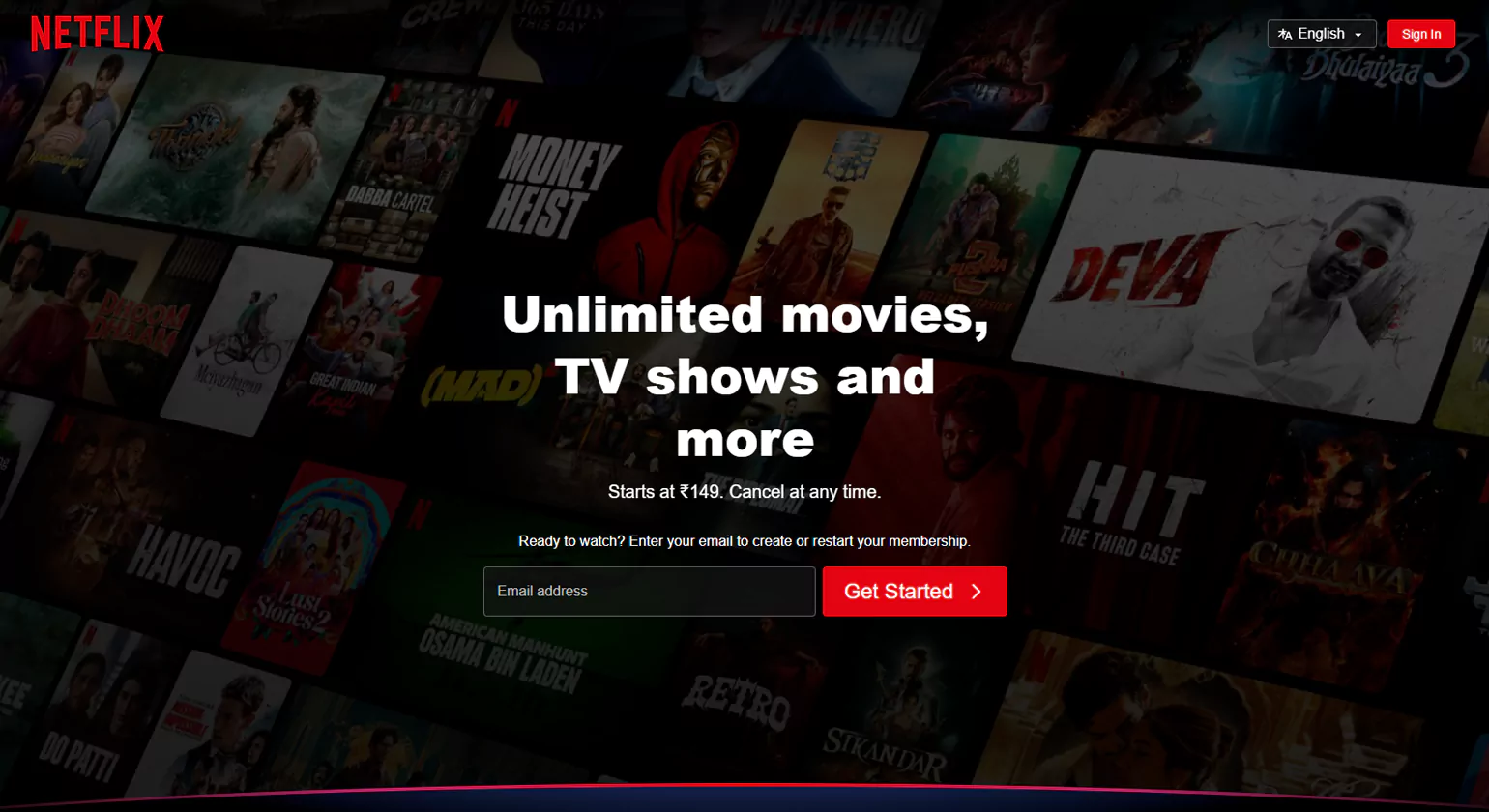
Netflix kicked off the streaming revolution and still stands as the biggest subscription streaming service out there. By 2026, they’re leading the pack with over 269 million paid subscribers in more than 190 countries, bringing in $33.7 billion a year.
Business Model:
- Subscription-based ($6.99-$22.99/month depending on tier)
- Ad-supported tier launched 2022, now 40+ million users
- Original content production ($17B+ annual budget)
- No third-party licensing dependency
What Makes Netflix Unique:
- Data-driven content: Algorithms determine what shows to produce
- Global localization: Content in 30+ languages
- Full-season release model: Entire seasons drop at once
- Tech innovation: Adaptive streaming, offline downloads, profile sharing controls
2026 Performance:
- 269.6 million paid memberships (Q4 2025)
- $9.37 billion quarterly revenue
- Operating margin: 27%
- Expanding into gaming and live sports (WWE, NFL deals)
Industry Impact:
The way people watch TV changed because of Netflix. Suddenly, old-school networks had to jump in with their own services—think Disney+, Max, Peacock—just to keep up.
Strategic Insight:
Now, in 2026, Netflix is all about making money, not just grabbing new users. They’re doubling down on ad revenue, cracking down on password sharing, and rolling out live events—anything to squeeze more out of each subscriber.
2. The New York Times
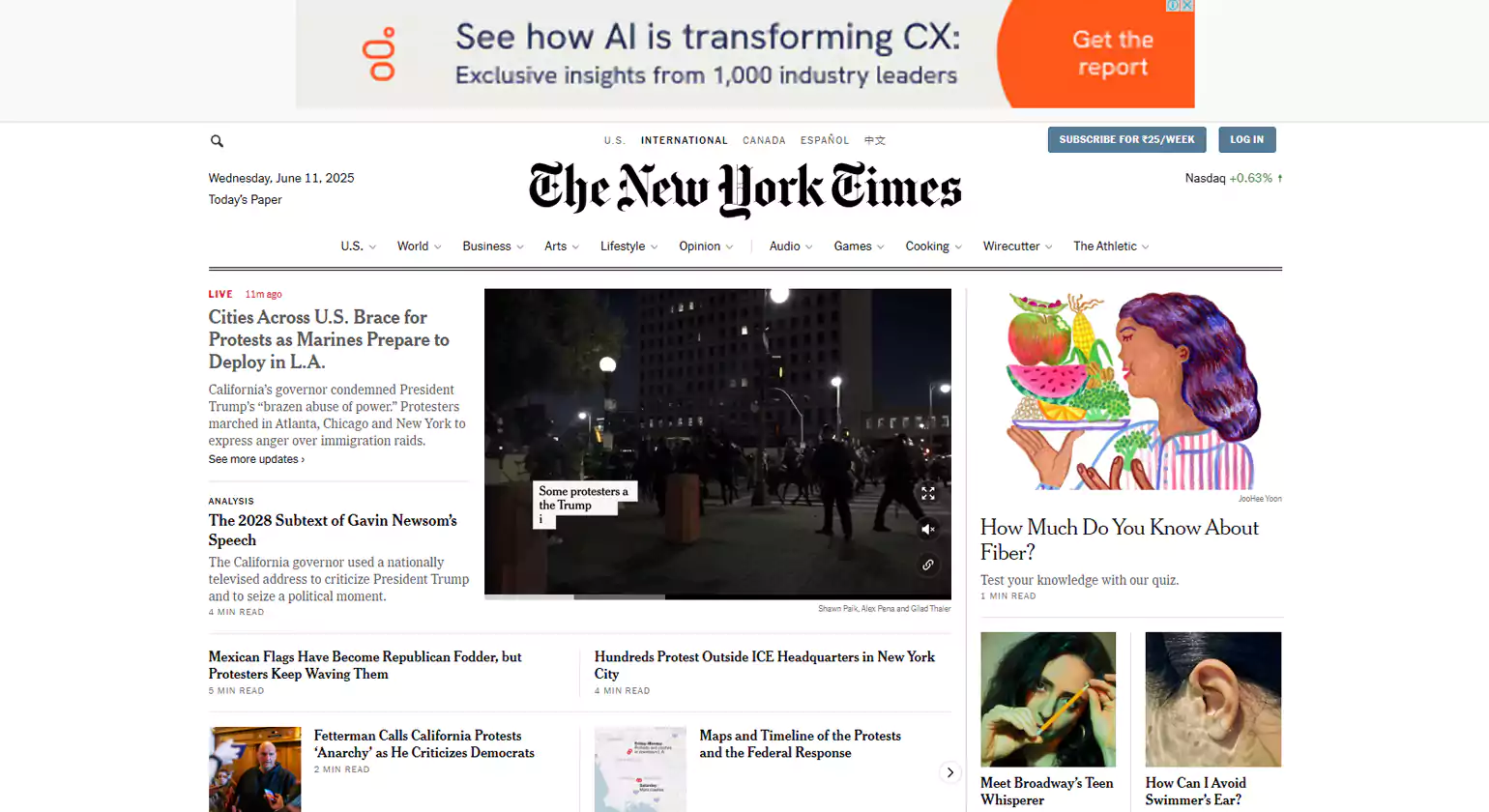
The New York Times went from fighting for survival as a print paper to owning the digital news world. Now, with over 10 million subscribers—almost all of them online—the Times shows everyone that strong journalism still matters, even now.
Business Model:
- Digital subscriptions ($4/week for News, $8/week for All Access)
- Print subscriptions (legacy business)
- Advertising (declining but still significant)
- Licensing and syndication
What Makes NYT Unique:
- Investigative journalism: Pulitzer Prize-winning reporting
- Product diversification: Cooking, Games (Wordle), Wirecutter, The Athletic
- Paywall success: Metered model allows some free articles
- Audio strategy: The Daily podcast (4+ million listeners)
2026 Performance:
- 10.2 million total subscribers
- 9.7 million digital-only subscribers
- $2.4+ billion annual revenue
- Operating profit: $400+ million
Industry Impact:
Their playbook shook up newsrooms everywhere. Suddenly, media companies started chasing subscribers instead of just ad dollars.
Strategic Insight:
The Times didn’t just stick to straight news. They rolled out things like NYT Cooking and Games, bought up The Athletic for sports fans, and pushed hard to reach readers all over the world.
3. Apple
Apple never started out as a media company, but with Apple Music racking up 93 million subscribers, Apple TV+ pulling in 40 million, plus Apple News+, Podcasts, and Arcade, it’s now a real force in digital media Companies. Out of Apple’s $394 billion in yearly revenue, over $85 billion comes from services alone.
Business Model:
- Hardware sales (iPhone, iPad, Mac) drive ecosystem
- Services subscriptions (Music, TV+, Arcade, News+, Fitness+)
- Apple One bundle ($19.95-$37.95/month)
- App Store commissions (30% cut from subscriptions)
What Makes Apple Unique:
- Device integration: Seamless across iPhone, iPad, Mac, Apple Watch, Apple TV
- Privacy focus: No ad targeting, user data protection
- Quality over quantity: Apple TV+ has fewer shows but higher budgets
- First-party advantage: Pre-installed apps on 2+ billion devices
2026 Performance:
- Apple Music: 93+ million subscribers
- Apple TV+: 40+ million subscribers (estimated)
- Services revenue: $85.2 billion annually
- Apple One bundle driving adoption
Industry Impact:
Apple shows that building an ecosystem people don’t want to leave actually works. Folks stick around for how smoothly their devices play together, not because each Apple service is the absolute best on its own.
Strategic Insight:
The whole media game for Apple isn’t about squeezing out profit from subscriptions. It’s about holding onto users—making sure they stay in the Apple world, buy more iPhones and Macs, and don’t jump ship to Android or Windows.
4. Disney (Disney+)
Disney+ showed up in November 2019 and wasted no time climbing the ranks—it shot straight to the number two spot among global streaming services. No surprise there, really. With Marvel, Star Wars, Pixar, Disney Animation, and National Geographic all under one roof, Disney+ had a library nobody else could touch. By the end of 2025, it pulled in 150.2 million subscribers.
Business Model:
- Standalone Disney+ subscriptions ($7.99-$13.99/month)
- Bundle with Hulu & ESPN+ ($14.99/month)
- Ad-supported and ad-free tiers
- Theatrical window shortened to 45 days before streaming
What Makes Disney Unique:
- Franchise strength: Exclusive Marvel, Star Wars, Pixar content
- Multi-generational appeal: Content for kids to adults
- Theatrical synergy: Movies premiere on Disney+ after theater runs
- ESPN+ sports integration: Live sports bundle advantage
2026 Performance:
- 150.2 million Disney+ subscribers
- Combined streaming (Disney+, Hulu, ESPN+): 235+ million
- Streaming division turned profitable Q3 2024
- Focus on bundling to reduce churn
Industry Impact:
It also showed how well big movies can move from theaters to streaming without losing steam.
Strategic Insight:
Disney prioritizes profitability over subscriber growth in 2026, raising prices and pushing bundle subscriptions to improve retention and revenue per user.
5. Spotify
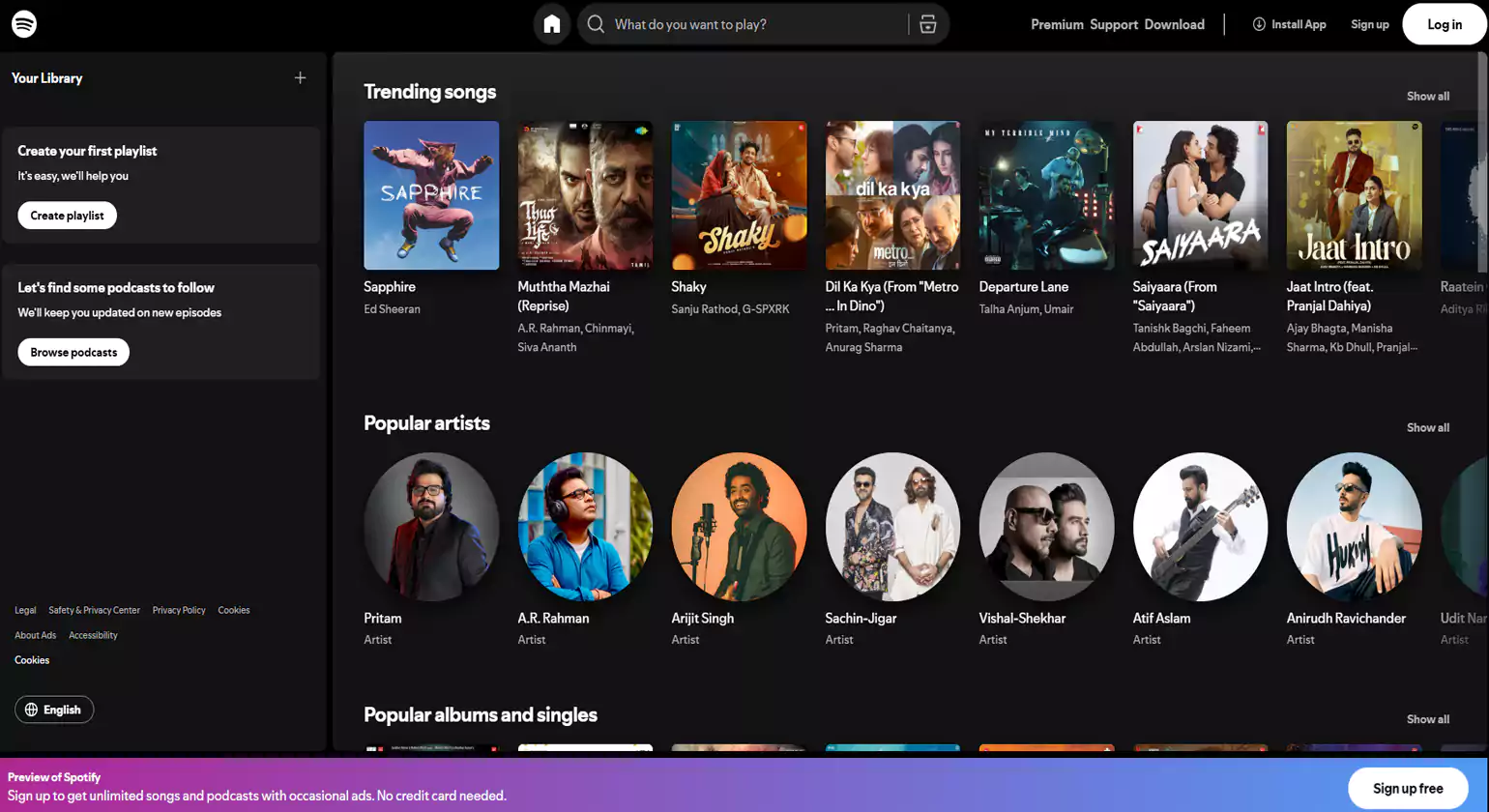
Spotify isn’t just big in music streaming—it’s massive. They’ve got 602 million people tuning in every month, with 236 million paying for Premium (as of late 2025). That’s a lot of ears. Inside the app, you get access to over 100 million tracks, more than 5 million podcasts, and now, audiobooks too.
Business Model:
- Freemium model: Ad-supported free tier + Premium ($10.99/month)
- Family plans ($16.99 for 6 accounts)
- Student discounts ($5.99/month)
- Podcast advertising and exclusive content deals
What Makes Spotify Unique:
- Discovery algorithms: Personalized playlists (Discover Weekly, Daily Mix)
- Podcast dominance: Exclusive shows (Joe Rogan, Call Her Daddy)
- Cross-platform: Desktop, mobile, smart speakers, cars, gaming consoles
- Social features: Collaborative playlists, friend activity, Spotify Wrapped
Industry Impact:
- 602 million MAUs (monthly active users)
- 236 million premium subscribers
- €3.6 billion quarterly revenue
- Operating margin turned positive (long-awaited profitability)
Industry Impact:
Let’s be real, Spotify changed how we listen to music. Artists found new ways to make money, even if there’s still plenty of arguing about royalties.
Strategic Insight:
Looking ahead to 2026, Spotify’s got its sights set on more than just music. They’re pushing deeper into audiobooks, rolling out playlists built by AI, and figuring out how to make podcasts more profitable. It’s all about finding new ways to grow—and not getting stuck with just music licensing fees.
6. Adobe
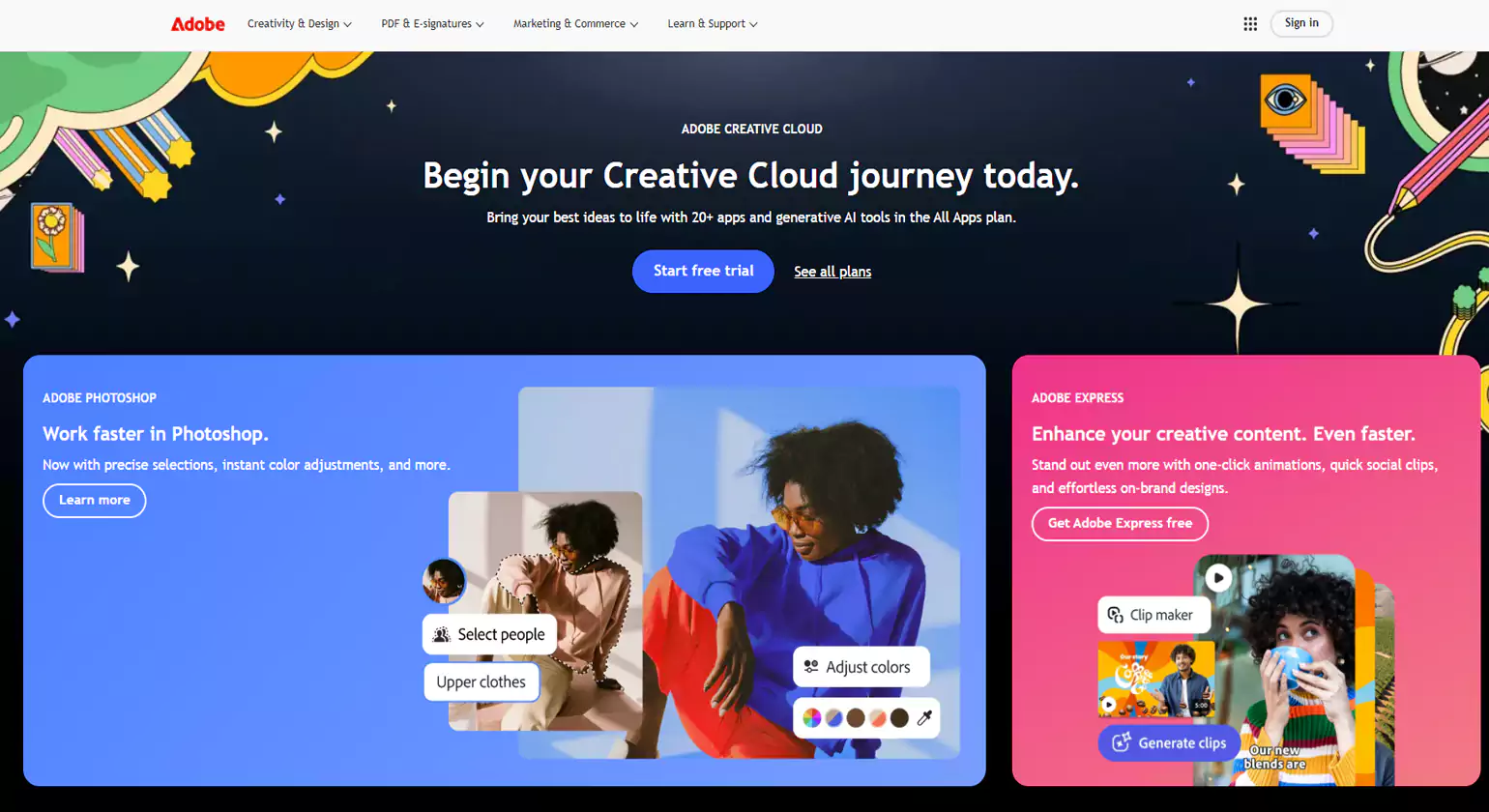
Adobe pretty much owns the creative software world. Over 30 million people—pros and hobbyists alike—use Creative Cloud apps like Photoshop, Illustrator, Premiere Pro, and After Effects. That’s a massive audience, and with $19.
Business Model:
- Creative Cloud subscriptions ($54.99/month individual, $84.99/month all apps)
- Enterprise licensing for agencies and studios
- Stock photography marketplace (Adobe Stock)
- Document Cloud (Acrobat, PDF services)
What Makes Adobe Unique:
- Industry standard: Photoshop is synonymous with image editing
- Cross-app integration: Files move seamlessly between apps
- Cloud collaboration: Real-time co-editing, version control
- AI integration: Adobe Firefly generative AI, Sensei automation
2026 Performance:
- 30+ million Creative Cloud subscribers
- $19.4 billion annual revenue
- Operating margin: 35%+
- Firefly AI generating 9+ billion images
Industry Impact:
Back in 2013, Adobe shook things up with Creative Cloud, turning software into a subscription. Now, every SaaS company copies that playbook.
Strategic Insight:
Looking ahead to 2026, Adobe’s all in on AI. They’re pushing Firefly to keep their lead, especially now that free AI tools like Midjourney and DALL-E are nipping at their heels. They know their creative monopoly’s under threat, and they’re not planning to give it up easily.
7. Medium
Business Model:
- Medium membership ($5/month or $50/year)
- Partner Program: Writers earn based on member engagement
- Free reading with limited access (metered paywall)
- Publications and newsletters
What Makes Medium Unique:
- Clean, distraction-free reading: No ads, minimalist design
- Algorithmic curation: Quality content surfaces regardless of follower count
- Writer monetization: Direct earnings from member reading time
- Topic diversity: Tech, business, health, culture, personal development
2026 Performance:
- 170+ million monthly readers
- Undisclosed subscriber base (estimated 1-2 million paying)
- $100+ million annual revenue (estimated)
- Active writer community of 600K+ creators
Industry Impact:
Anyone can write, find an audience, and make money—no need to run your own website.
Strategic Insight:
But it’s not all smooth sailing. With Substack building tighter connections between writers and readers, Medium’s shifting gears. Lately, they’re leaning into niche publications and smarter recommendations to keep people coming back.
8.Crunchyroll

What Makes Comcast Unique:
- Vertical integration: Owns content, distribution, and infrastructure
- Live sports rights: NBC Sunday Night Football, Olympics, Premier League
- Peacock strategy: Free tier, next-day NBC shows, exclusive originals
- Broadband dominance: 32+ million internet subscribers
2026 Performance:
- Peacock: 36+ million paid subscribers (Q4 2025)
- Total Comcast revenue: $121.4 billion
- Broadband subscribers: 32.1 million
- Peacock turning profitable by late 2025
Industry Impact:
What’s interesting about Comcast is how it manages to keep its cable and broadband business humming along while also jumping into streaming. It’s a classic example of a media giant trying to keep up with how people actually watch TV now.
Strategic Insight:
Looking ahead to 2026, Comcast is betting big on Peacock. They want to use it to keep their cable and internet customers around, even as more people ditch cable. At the same time, they’re counting on broadband to keep bringing in steady profits, no matter how fast cord-cutting picks up.
9.Comcast (NBCUniversal, Peacock)

Crunchyroll stands as the biggest anime streaming platform out there, owned by Sony’s Crunchyroll LLC since it merged with Funimation in 2022. Right now, it’s got over 15 million paying subscribers and more than 130 million people signed up in total. Basically, Crunchyroll runs the global anime scene.It’s not just about numbers, though.
Business Model:
- Free ad-supported tier (1-week delayed episodes)
- Premium subscriptions ($7.99-$14.99/month)
- Manga digital library access
- Merchandise and events (Crunchyroll Expo)
What Makes Crunchyroll Unique:
- Simulcast dominance: New episodes hours after Japan broadcast
- Massive library: 50,000+ episodes, 1,300+ titles
- Global reach: Available in 200+ countries
- Community features: Forums, watch parties, seasonal guides
Industry Impact:
Crunchyroll played a huge role in making anime mainstream around the world. By giving fans a legal way to watch, they helped cut down on piracy and made it way easier for people everywhere to dive into the genre.
Strategic Insight:
After merging with Funimation, Crunchyroll pulled most of the anime streaming market under one roof. Still, the competition isn’t letting up—Netflix and Disney+ keep pouring money into anime, so the battle for viewers is only heating up.
10. Refine Labs
Business Model:
- Consulting and advisory for B2B SaaS companies
- Cohort-based courses (Demand Gen U)
- Community and events
- Content marketing (free) drives inbound leads
What Makes Refine Labs Unique:
- Thought leadership: Chris Walker’s LinkedIn has 500K+ followers
- Anti-MQL movement: Champions attribution-free marketing
- Podcasting: State of Demand Gen reaches 100K+ B2B marketers
- Data transparency: Publicly shares client results
Industry Impact:
Refine Labs pushed a lot of companies to ditch the tired lead-gen playbook. Thousands took notice and started reworking their own demand gen strategies.
Strategic Insight:
Honestly, they’re living proof that if you combine a personal brand with educational content, you can build an enterprise consulting pipeline. Their media presence isn’t just for show—it’s the whole marketing machine.
Platforms like Netflix and Adobe leverage creative digital marketing to deliver engaging campaigns that resonate across multiple channels.”
Challenges Digital Media Companies Face

While the opportunities in digital media are significant, the industry also faces complex challenges. Navigating these obstacles requires strategic thinking, technological adaptation, and sometimes fundamental business model shifts.
Monetization, Privacy Laws, Content Saturation
Despite advancements in digital monetization strategies, many digital media companies still struggle to generate consistent revenue. For platforms dependent on advertising, increasing competition for ad dollars, ad blockers, and privacy restrictions make profitability harder to achieve.
Privacy laws such as GDPR (General Data Protection Regulation) in Europe and CCPA (California Consumer Privacy Act) in the U.S. impose strict guidelines on how companies collect and store user data. Complying with these regulations can require significant technical investment and ongoing compliance management.
Another key challenge is content saturation. The sheer volume of content being published daily makes it harder for any single article, video, or podcast to break through the noise. Brands and creators must invest in high-quality, unique content and SEO to differentiate themselves.
Ad Fatigue & Platform Dependency
Audiences are increasingly experiencing ad fatigue, turning out banner ads, pop-ups, and even video ads. To combat this, successful digital media focuses on native advertising, branded content, or creating seamless integrations that add value to the user experience.
Another risk is over-dependence on major platforms like Google, Meta (Facebook/Instagram), or YouTube for traffic and monetization. Algorithm changes or policy shifts on these platforms can dramatically impact a company’s revenue overnight. The solution for many is to diversify traffic sources and invest in owned media channels they can fully control.
To combat content saturation and changing algorithms, companies must adopt a robust digital audience strategy to engage the right viewers effectively
Conclusion
Digital media companies are key to brand growth in today’s marketplace, offering strategy, content creation, data expertise, and performance marketing. By 2026, success will be about incorporating AI into your process, telling stories with the audience in the spotlight, and proving ROI on all channels. Brands should look to collaborate with digital media partners that believe in openness, flexibility, and making data-driven decisions. An ideal agency should be about more than simply churning out content; it should be about building digital ecosystems that increase visibility, drive engagement, and grow revenue in the long term.
Releted Blogs >>> How Virtual Event Production Services Make Events Successful
Essential Professional Design Strategies Every Brand Need Now
FAQs
1. What is a digital media company?
A digital media company specializes in the creation, production, aggregation, and distribution of content and information in electronic formats, such as text, images, audio, and video, that is consumed on electronic devices (smartphones, computers, smart TVs, etc.). Unlike traditional media, their content is interactive, measurable, and delivered via the internet or digital networks.
2. How are digital media companies different from traditional media?
The main difference lies in the delivery and interaction model. Traditional media (print newspapers, broadcast TV, radio) is typically static and one-way. Digital media is dynamic, allows for real-time audience engagement, offers precise content targeting, and relies heavily on data/analytics for measurable feedback and optimization.
3. What is programmatic advertising in digital media?
Programmatic advertising is the automated, data-driven buying and selling of digital ad space in real-time. It uses software and algorithms to execute ad campaigns, allowing advertisers to target highly specific audience segments across millions of websites and apps more efficiently than traditional manual ad buying.
4. Who are the largest digital media companies globally?
The largest digital media companies are often massive tech conglomerates. As of recent data, companies like Alphabet (Google, YouTube), Meta Platforms (Facebook, Instagram), ByteDance (TikTok), and The Walt Disney Company are consistently ranked among the top due to their immense global reach and diverse media holdings.
5. What is a digital content ecosystem?
A digital content ecosystem is a comprehensive, interconnected network of owned and operated digital assets (websites, apps, streaming services, social accounts) that a company uses to distribute content, engage users, collect data, and generate revenue across multiple channels seamlessly.