Table of Contents
Introduction to Cloud Lending
Cloud lending solutions are digital platforms that help financial institutions streamline and automate the lending process using cloud technology. These solutions offer end-to-end loan management capabilities, including loan origination, underwriting, servicing, and reporting. By leveraging cloud infrastructure, lenders gain real-time access to data, faster processing, and enhanced scalability while reducing operational costs. Cloud lending platforms also support regulatory compliance and provide improved customer experiences through digital interfaces. They are widely adopted by banks, credit unions, fintech firms, and alternative lenders aiming to modernize operations, launch new products quickly, and stay competitive in an evolving financial landscape.
What Exactly Is Cloud Lending?

Cloud lending refers to digital lending solutions that operate on remote servers, allowing financial institutions to automate and streamline their entire lending process. By leveraging advanced cloud based lending software and modern cloud architecture, lenders can efficiently manage key functions such as loan origination, underwriting, servicing, and reporting within a unified platform. This approach eliminates the need for extensive manual intervention, helping institutions handle large volumes of applications with greater speed and accuracy. Cloud lending software ensures data consistency, reduces human errors, and improves collaboration between departments. As a result, financial organizations can achieve better workflow efficiency and compliance management while maintaining data security through a scalable and secure cloud lending system.
In addition to operational benefits, cloud based lending solutions significantly enhance customer experience by offering faster approvals and real-time access to loan management systems. Borrowers can easily apply, track, and manage their loans online through user-friendly interfaces. For lenders, this translates to improved decision-making with real-time data analytics and customizable dashboards. The scalability of cloud platforms also allows financial institutions to adapt quickly to changing market demands without major infrastructure investments. Overall, cloud lending represents a modern, cost-effective, and customer-centric evolution of traditional lending models.
The Evolution of Lending Systems
Traditional lending systems have long relied on cumbersome, on-premises software that is often slow to adapt to changing market demands. However, the rise of cloud lending has transformed this landscape. Financial institutions are now migrating from legacy systems to agile cloud lending software platforms that allow for rapid deployment, seamless integration, and scalability. This evolution reflects a broader trend toward digital transformation in the financial sector, where responsiveness and efficiency are paramount.
What Is Digital Transformation in the Banking Industry?

Maintaining Competitive Advantage
Digital transformation is vital for banks to stay competitive in today’s fast-evolving financial landscape. By adopting advanced technologies like cloud based lending software, financial institutions can match the agility and innovation of fintech companies while improving overall service delivery through modern cloud lending software capabilities.
Meeting Customer Expectations
Modern customers demand speed, transparency, and convenience in banking services. Cloud lending solutions enable institutions to offer faster approvals, digital loan management, and real-time updates. With the support of scalable cloud based lending technology, banks can ensure a seamless and customer-friendly experience.
Enhancing Operational Efficiency
Embracing digital tools allows banks to automate manual processes, reduce errors, and streamline loan origination and servicing. Using an integrated cloud lending system leads to lower operational costs, quicker turnaround times, and improved productivity across all departments.
Ensuring Regulatory Compliance
Cloud-based platforms come with built-in security and compliance features that help financial institutions meet industry regulations. They ensure data integrity, provide transparent reporting, and support secure operations—all strengthened by advanced cloud lending software functionalities.
Driving Innovation and Growth
Digital transformation fosters innovation by enabling banks to adopt data-driven decision-making and develop personalized financial products. With flexible cloud based lending solutions, institutions can scale efficiently and position cloud lending as a cornerstone for future-ready, customer-centric banking.
Key Features of Cloud Lending Solutions
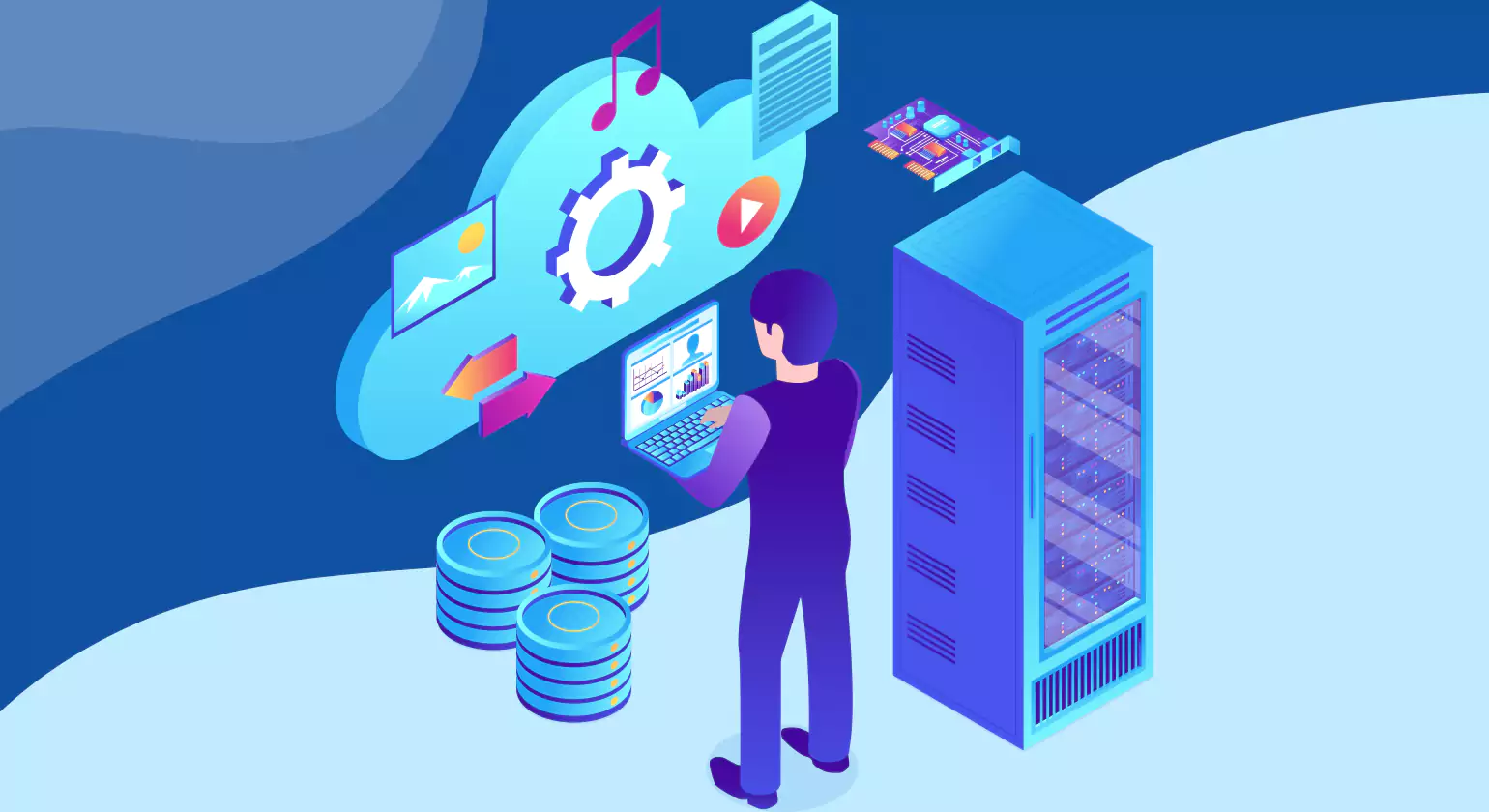
Cloud lending solutions are transforming the lending landscape for financial institutions by providing comprehensive features that enhance efficiency, accuracy, and customer experience. Here are the key features of cloud lending solutions, broken down into essential points:
1. End-to-End Lending Solutions
Comprehensive Services
Cloud lending platforms offer a complete suite of services that covers the entire lending process, including:
- Loan Origination: Streamlining the initial application process for borrowers.
- Underwriting: Automating credit assessments to expedite decision-making.
- Servicing: Managing ongoing borrower relationships and payment schedules.
- Collections: Facilitating the collection of overdue payments effectively.
Streamlined Workflows:
The automation of key workflows reduces manual intervention, allowing for:
- Faster Processing Times: Quicker turnaround on loan applications and approvals.
- Improved Accuracy: Minimizing human error by relying on automated systems.
- Enhanced Customer Experience: Providing borrowers with timely updates and a smoother overall process.
Resource Optimization:
By automating routine tasks, financial institutions can free up valuable resources for higher-value activities, such as strategic planning and customer engagement.
2. Integration with Core Banking Systems (CBS)
Seamless Integration:
Cloud lending solutions excel in their ability to integrate smoothly with existing Core Banking Systems (CBS). This integration is critical for:
- Data Flow via APIs: Application Programming Interfaces (APIs) facilitate real-time data sharing between traditional banking systems and modern cloud-based platforms.
- Unified Customer View: Financial institutions can maintain a consolidated view of customer data, improving service delivery and decision-making.
Operational Streamlining:
By connecting CBS to cloud lending solution, lenders can:
- Access Real-Time Information: Ensuring that all lending decisions are made based on the latest data available.
- Enhance Efficiency: Streamlining operations leads to faster and more accurate loan processing.
Resource Optimization:
By automating routine tasks, financial institutions can free up valuable resources for higher-value activities, such as strategic planning and customer engagement.
3. Modular Services and Customization
Tailored Solutions
One of the standout features of cloud lending platforms is their modular approach:
- Specific Functionality Selection: Lenders can choose which functionalities they need, such as:
- Underwriting Automation: Automating the assessment of borrower applications.
- Risk Assessment Tools: Incorporating advanced analytics to evaluate borrower risk.
- Customer Relationship Management (CRM): Integrating tools to manage customer interactions effectively.
Adaptability
This modularity allows institutions to:
- Quickly Respond to Market Changes: Adapting to shifts in regulatory requirements or customer expectations without a complete system overhaul.
- Create Customized Platforms: Tailoring the lending process to align with specific operational goals, ultimately enhancing efficiency and customer satisfaction.
4. Enhanced Security and Data Protection
Prioritization of Security:
With the rise of digital threats, security and data protection are vital in cloud lending solutions. Key security measures include:
- Data Encryption: Protecting sensitive information during transmission and storage to prevent unauthorized access.
- Multi-Factor Authentication: Implementing additional layers of security to verify user identities.
- Regular Security Audits: Conducting frequent assessments to identify vulnerabilities and improve security protocols.
- Mitigation of Risks: Storing sensitive data on secure, remote servers offers several advantages:
- Reduced Risk of Data Breaches: Remote storage minimizes the chances of physical data breaches.
- Shared Responsibility Models: Many cloud providers operate on a shared responsibility model for security, alleviating some of the cybersecurity burdens from financial institutions.
5. Overall Advantages of Cloud Lending Solutions
Innovation and Competitiveness
By leveraging the key features of cloud lending solution, financial institutions can:
- Enhance Operational Efficiency: Streamlined processes lead to cost savings and better resource allocation.
- Deliver Superior Customer Experiences: Improved accuracy and faster processing times contribute to higher customer satisfaction levels.
Adaptation to Evolving Needs
As the lending landscape continues to evolve, cloud lending solutions position financial institutions to:
- Stay Ahead of Competitors: By adopting innovative technologies and responding to market dynamics quickly.
- Meet Regulatory Demands: Flexibility in customization ensures compliance with changing regulations.
5 Benefits of Cloud Lending for Financial Institutions

Cloud lending solutions are revolutionizing the way financial institutions manage their lending operations. By leveraging cloud technology, these solutions provide a range of significant benefits that enhance efficiency, customer satisfaction, and adaptability in a competitive marketplace. Below are the key benefits of cloud lending, organized into distinct points.
1. Streamlined Authentication and Verification Processes
- Automation of Manual Checks: Traditional lending systems often require extensive manual verification processes, which can lead to delays and increased operational costs. cloud based lending software address this issue by automating these checks.
- Access to Multiple Data Sources: Cloud lending platforms allow lenders to quickly verify borrower information through various data sources, enhancing the accuracy of the underwriting process.
- Improved Credit Assessment: With real-time access to applicant data, financial institutions can efficiently assess creditworthiness. This leads to:
- Quicker Loan Approvals: Reduced processing time enables faster decisions on loan applications.
- Enhanced Customer Satisfaction: Speedy approvals improve the overall experience for borrowers, fostering positive relationships.
- Risk Reduction: Automating the verification process also minimizes the risk of non-performance by ensuring thorough checks are conducted promptly.
2. Scalability and Flexibility in Lending Operations
- Exceptional Scalability: Cloud lending solutions provide the capability to scale operations up or down based on loan volume fluctuations. This is crucial for:
- Peak Lending Seasons: Financial institutions can handle higher application volumes during busy periods without sacrificing service quality.
- Economic Shifts: The flexibility to adjust operations in response to market changes helps lenders remain competitive.
- Adaptation to Market Conditions: Unlike legacy systems, which may struggle under increased workloads, cloud platforms easily accommodate changing market demands.
- Quick Product and Service Launches: Financial institutions can introduce new lending products and services swiftly, enabling them to capitalize on growth opportunities.
- Operational Efficiency: The ability to scale operations efficiently allows banks to optimize resources and enhance performance.
3. Faster Document Management and Turnaround Times
- Centralized Document Storage: Cloud-based systems securely store and manage documents in one location, making it easier for authorized users to access and modify information in real time.
- Enhanced Collaboration: This centralized access facilitates quicker collaboration among:
- Lending Teams: Team members can work together more efficiently on loan applications.
- Borrowers: Borrowers can provide necessary documentation and updates promptly.
- Third-Party Service Providers: Communication and document sharing with external partners are streamlined.
- Minimized Paperwork: By automating document workflows, financial institutions can significantly reduce the amount of paperwork involved in the lending process.
- Quicker Loan Processing: The result is a much shorter time frame from loan application to funding, improving operational efficiency.
- Increased Customer Loyalty: Faster turnaround times enhance the overall borrower experience, contributing to greater customer satisfaction and retention.
4. Enhanced Operational Efficiency
- Cost Savings: Automation and streamlined processes lead to lower operational costs, as manual labor is minimized and resources are optimized.
- Improved Accuracy: Automated systems reduce human error, ensuring more accurate loan processing and assessments.
- Real-Time Updates: Lenders can provide borrowers with timely updates throughout the loan process, enhancing transparency and trust.
- Long-Term Sustainability: By adopting cloud lending solutions, financial institutions position themselves for long-term success in an evolving market.
5. Competitive Advantage
- Innovation and Agility: Embracing cloud technology enables financial institutions to remain agile and innovative in a rapidly changing fintech landscape.
- Meeting Customer Expectations: With improved speed, accuracy, and flexibility,
cloud lending software solutions allow banks to meet and exceed customer expectations. - Future-Proofing Operations: Financial institutions that leverage cloud lending are better equipped to navigate future market changes and technological advancements.
Cloud Lending vs. Legacy Systems

Challenges of On-Premises Lending Solutions
On-premises lending solutions, often referred to as legacy systems, present numerous challenges for financial institutions striving to remain competitive in today’s fast-paced digital landscape. These traditional systems are typically cumbersome, inflexible, and costly to maintain. As they rely on outdated technology, they often struggle to keep up with evolving customer expectations and regulatory requirements.
Additionally, on-premises solutions require significant upfront investments in hardware and software, as well as ongoing maintenance costs. This not only ties up capital but also limits the institution’s ability to innovate and respond to market changes swiftly. Furthermore, the lengthy loan processing times and cumbersome workflows associated with legacy systems can lead to poor customer experiences, ultimately impacting a financial institution’s reputation and profitability.
The Advantages of Cloud-Based Architecture
In contrast, cloud lending solutions offer a modern, agile architecture that addresses many of the challenges faced by legacy systems. With cloud-based lending, financial institutions can deploy solutions quickly without the need for extensive hardware investments. The scalable nature of cloud based lending software allows lenders to adjust their resources based on fluctuating loan volumes, ensuring they can meet demand without compromising service quality.
Moreover, cloud lending solution are designed for continuous updates, enabling institutions to benefit from the latest technological advancements without downtime or extensive system overhauls. This agility enhances operational efficiency and significantly reduces time-to-market for new products and services. Additionally, cloud-based architecture typically includes built-in compliance features, allowing financial institutions to more easily adhere to regulatory changes.
How Cloud Lending Meets Customer Expectations
Cloud lending solutions are specifically designed to meet the growing expectations of today’s tech-savvy consumers. In an era where speed and convenience are paramount, customers demand quick loan approvals and seamless digital experiences.
cloud lending software platforms provide automated workflows and real-time data access, enabling financial institutions to process applications faster and enhance overall customer engagement.
These systems allow borrowers to access their loan information anytime, anywhere, fostering transparency and trust. Furthermore, cloud lending can leverage advanced technologies like artificial intelligence and machine learning to offer personalized loan products, improving the customer experience and aligning with individual borrower needs.
How APIs Have Transformed Lending
Understanding Application Programming Interfaces (APIs)
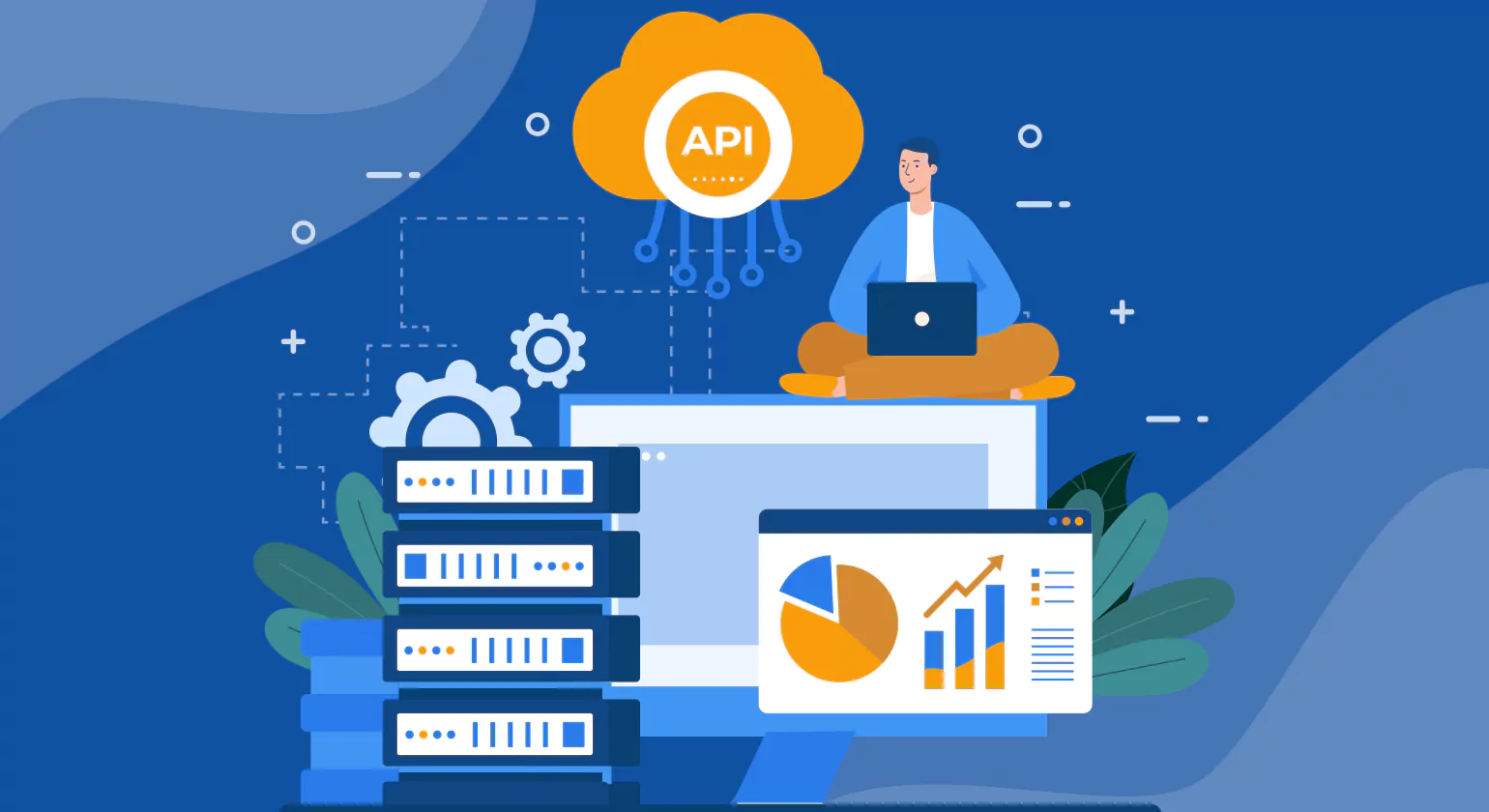
Application Programming Interfaces (APIs) are essential tools in modern software development, especially in the context of a cloud lending solution. APIs serve as bridges that facilitate communication between different software applications, allowing them to share data and functionality seamlessly.
In the lending industry, APIs enable financial institutions to integrate their existing systems with advanced cloud based lending software, enhancing their operational capabilities. By utilizing APIs, lenders can streamline processes such as loan origination, underwriting, and servicing, ultimately creating a more efficient lending experience for both institutions and borrowers. The flexibility and scalability offered by APIs make them a cornerstone of digital transformation in the financial services sector, particularly when paired with powerful cloud lending software.
Connecting CBS to Cloud Lending Solutions
One of the critical advantages of cloud lending solution is their ability to integrate with Core Banking Systems (CBS) through APIs. This integration allows financial institutions to connect their existing CBS with cloud-based lending platforms, enabling them to leverage the strengths of both systems. Generative AI in banking is also transforming how financial institutions operate, offering advanced data analysis capabilities that enhance decision-making and improve customer personalization in services.
By connecting CBS to robust cloud based lending platforms, lenders can achieve a unified view of customer data, streamline workflows, and ensure consistent information across all channels. This integration reduces operational silos while improving data accuracy, accessibility, and compliance. Financial institutions can quickly adapt to market demands and regulatory requirements through a cohesive ecosystem of interconnected applications, ultimately delivering better customer service and satisfaction.
Third-Party Integrations and Enhancements
Cloud lending solutions also support a wide range of third-party integrations, further enhancing their functionality and value. Through APIs, financial institutions can connect seamlessly with external services such as credit bureaus, identity verification providers, and payment gateways.
These integrations allow lenders to automate essential processes, such as credit checks and KYC (Know Your Customer) verifications, resulting in faster loan approvals and a more streamlined application experience. Modern cloud lending software can also incorporate advanced technologies like machine learning and artificial intelligence through these integrations. This capability enables lenders to utilize predictive analytics for better risk assessment, personalized loan offerings, and improved customer engagement—all supported by the scalability of cloud based lending software.
Choosing the Right Cloud Lending Partner

Selecting the appropriate Cloud lending solutions is essential for financial institutions aiming to enhance their lending operations. To make an informed decision, consider the following key features and factors:
1. End-to-End Lending Solutions
Cloud lending platforms should provide comprehensive end-to-end solutions covering the entire loan lifecycle. This includes:
- Origination: The process of generating new loans.
- Underwriting: Evaluating the risk and creditworthiness of borrowers.
- Servicing: Managing ongoing loan payments and customer relations.
- Reporting: Generating necessary reports for regulatory compliance and internal analysis.
A holistic approach ensures lenders can manage all aspects of their lending processes seamlessly within a single platform.
2. Modular Services and Customization
Look for cloud lending solutions that offer flexibility through modular services, allowing institutions to tailor the platform to their unique needs.
- Integration Capabilities: Ability to integrate with existing systems, such as Core Banking Systems (CBS).
- Adaptability: The platform should evolve with changing regulatory requirements and market demands.
- Platforms with robust API integration capabilities are vital, enabling easy connections with third-party services. This can enhance functionalities, including:
- Identity Verification: To ensure that the borrowers are who they claim to be.
- Credit Scoring: Access to various scoring models for better risk assessment.
3. User-Friendly Interfaces
A user-friendly interface is crucial for enhancing operational efficiency. Consider the following:
- Streamlined Workflows: A well-designed platform can reduce unnecessary steps in processes, leading to faster turnaround times.
- Reduced Training Time: A straightforward interface can minimize the time needed for staff training, enabling quicker adoption.
- Improved Borrower Experience: An intuitive platform can lead to a better experience for borrowers, fostering loyalty and repeat business.
4. Automation Features
Automation plays a significant role in enhancing operational efficiency within cloud lending solution:
- Accelerated Underwriting: Automation can speed up the underwriting process by quickly assessing applications against set criteria.
- Faster Approvals: Automated systems allow lenders to respond quickly to customer needs, leading to improved service delivery.
Ensuring Compliance and Data Security in Cloud Solutions
1. Regulatory Compliance
Cloud lending solutions platforms should provide comprehensive end-to-end capabilities across the entire loan lifecycle. A reliable partner offering advanced cloud based lending software should prioritize regulatory compliance, helping institutions adhere to required standards such as:
- GDPR:Ensures customer data protection and privacy.
- PCI DSS:Protects card transactions through secure processing standards.
This strong compliance foundation not only safeguards sensitive information but also reduces the risk of legal consequences. Modern cloud lending software ensures these controls are consistently applied across all operations.
2. Data Security Features
Robust data security is non-negotiable for any cloud lending system. Financial institutions should evaluate key features such as:
- Encryption: To protect data during transmission and storage, ensuring that unauthorized access is prevented.
- Multi-Factor Authentication: An additional layer of security that verifies user identities before granting access.
- Advanced Cybersecurity Protocols: Regular updates and monitoring for vulnerabilities to protect against cyber threats.
These features, supported by secure cloud based lending platforms, help maintain data integrity and reduce vulnerability to cyber risks.
3. Disaster Recovery and Business Continuity Plans
It’s important to understand the provider’s disaster recovery strategies to ensure uninterrupted operations in unexpected situations:
- Data Backups:Secure, regular backups to prevent data loss.
- Recovery Strategies:Detailed plans outlining how services will resume after disruptions.
A well-structured recovery plan ensures that even during downtime, essential cloud lending software functions can be restored quickly.
4. Transparent Reporting and Audit Trails
Transparency is crucial for maintaining oversight and accountability in cloud lending operations:
- Activity Monitoring: Institutions should be able to monitor all activities within the platform to ensure compliance.
- Audit Trails: The ability to track changes and access logs can help identify potential risks swiftly, allowing for timely interventions
These capabilities are strengthened by modern cloud lending software and ensure institutions maintain full visibility across their cloud-enabled lending ecosystem.
Conclusion
In today’s rapidly evolving financial landscape, cloud lending solutions have emerged as a pivotal force driving digital transformation within the banking sector. By leveraging the power of cloud technology, financial institutions can streamline their lending processes, enhance customer experiences, and gain a competitive edge. The shift from legacy systems to cloud-based platforms offers numerous benefits, including automation of underwriting, improved data security, and seamless integration with existing Core Banking Systems (CBS).
Know more >>>Financial SEO Services Roadmap 2025 for Growth & Trust Today
What You Need to Know About Financial SEO Services
FAQs
1. What is cloud-based lending?
Cloud-based lending uses remote servers and advanced cloud based lending software to automate and streamline lending processes. This modern cloud lending system improves efficiency, reduces operational costs, and enhances customer experience through real-time access to loan management and underwriting tools.
2. How do Cloud Lending Solutions streamline the loan process?
Cloud Lending Solutions automates intake, credit evaluation, underwriting, and approvals using powerful cloud lending software. AI-driven data extraction reduces errors, while centralized workflows in a cloud based lending platform improve collaboration and document management, resulting in faster decisions and better portfolio control.
3. What is Q2 cloud lending?
Q2 Cloud Lending is an end-to-end digital platform that leverages secure cloud based lending software to streamline origination, underwriting, servicing, and reporting. It helps financial institutions enhance portfolio management and customer engagement through an efficient cloud lending system.
4. What are the key features and benefits of Cloud Lending Solutions?
Cloud Lending Solutions offer automation, real-time data access, and scalability using advanced cloud lending software. They improve efficiency, reduce costs, and speed up loan processing. With secure cloud based lending tools and seamless integrations, institutions deliver a faster and more user-friendly lending experience.
5. How does Cloud Lending compare to traditional lending systems?
Cloud lending provides faster processing, greater agility, and better customer experiences than traditional setups. A modern cloud based lending software platform offers scalability, flexible updates, and real-time access—advantages not possible with legacy systems—helping institutions stay competitive with an adaptable cloud lending system.
6. Which Cloud Lending Solutions providers offer the best features for financial institutions?
Top providers like Q2 Holdings, Cloud Lending Solutions, and Oracle deliver robust cloud based lending platforms with AI underwriting, customizable workflows, and strong compliance. Their advanced cloud lending software ensures scalability, security, and seamless integrations across diverse loan products.
7. How do automation and AI improve Cloud Lending Solutions?
Automation and AI enhance cloud lending software by reducing manual tasks and accelerating underwriting, risk analysis, and decision-making. These technologies improve predictive accuracy, ensure compliance, and increase processing speed. In a cloud based lending environment, this results in lower costs and better borrower experiences.
8. What are the benefits of using Cloud Lending Solutions for financial institutions?
Using cloud based lending software enables improved efficiency, lower operational costs, secure data management, and scalable operations. These cloud lending system tools support faster loan processing, stronger compliance, and superior customer experiences through innovative digital capabilities.