Table of Contents
Blog In a Nutshell
Bakeries without websites lose 70% of potential customers who search online first before deciding where to order from.
Building a functional baking business website takes two to four weeks using simple drag-and-drop builders like Shopify or Squarespace.
Clear online ordering systems reduce phone chaos, prevent booking mistakes, and let customers browse menus and pay anytime, day or night.
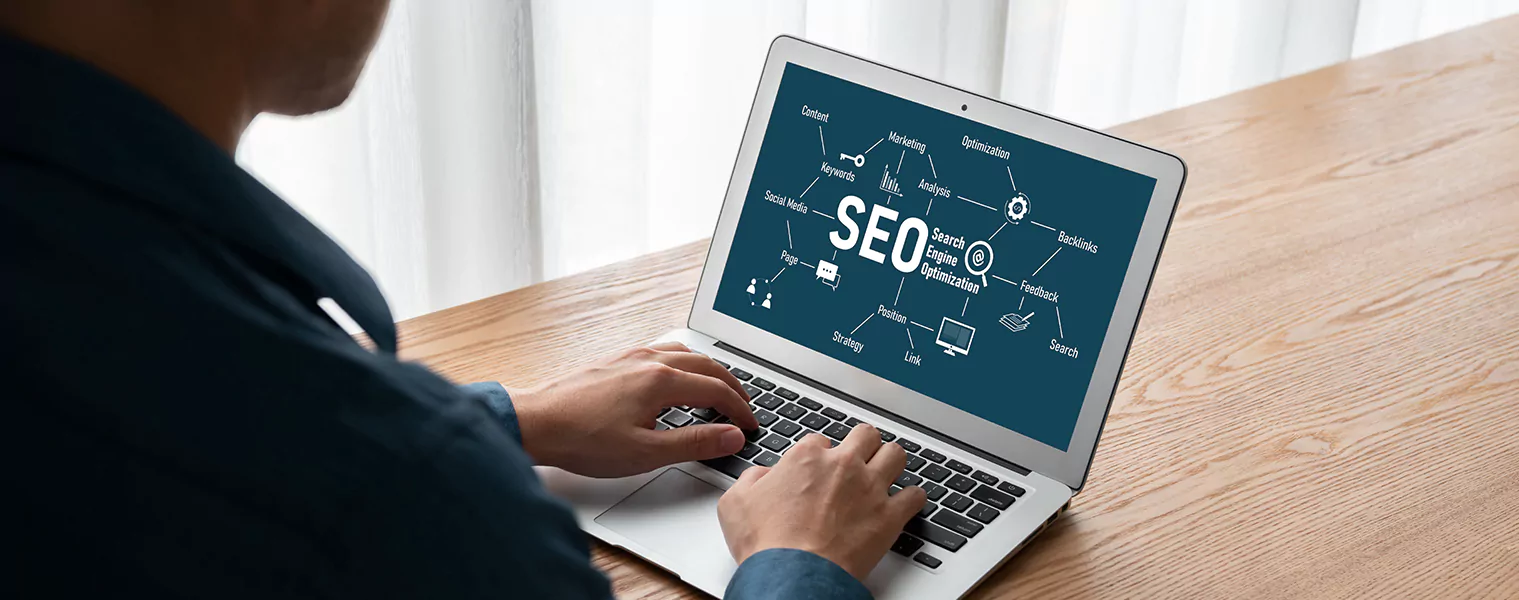
Local SEO with neighborhood names and phrases like “birthday cake Portland” helps bakeries appear in search results and map listings.
What is the Need for Having a Baking Website?
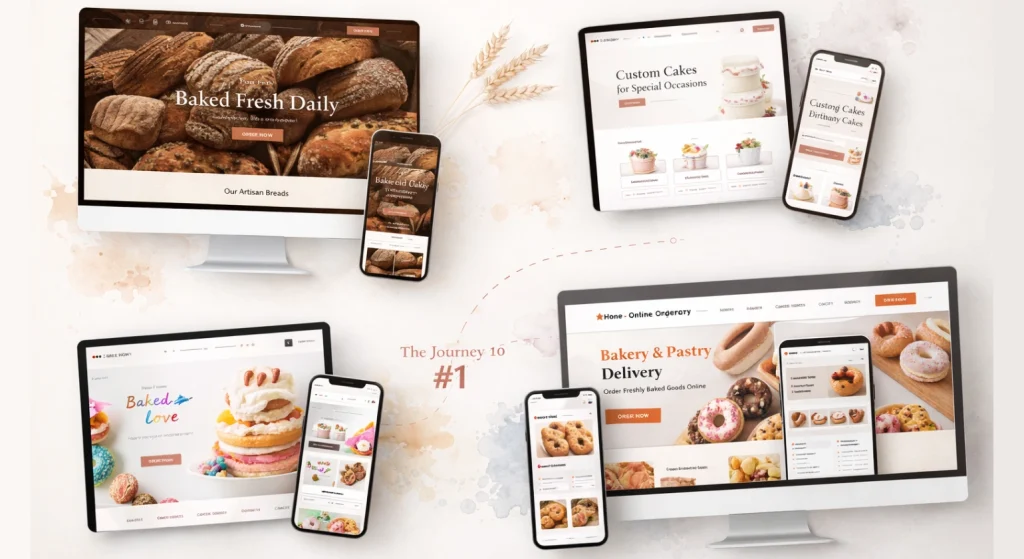
A lot of bakeries still run on sticky notes, regulars, and a phone that never stops ringing. That works, until a new chain opens around the corner.
Most owners think the problem is location or pricing. In many cases the real leak is visibility. Locals search “bakery website” and never even see the shop. According to the U.S. Small Business Administration, understanding your digital market is a critical pillar for long-term growth and staying competitive against larger chains.
Customers quietly expect a baking business website now. They check menus from the couch, compare photos, read reviews, then decide who gets their Saturday morning.
Think of the website as the front counter that never closes. Someone in Cedar Falls can browse your cake flavors at 11:43 pm without waiting on you. Conflict appears when loyal regulars age out or move away, and no new people show up. The trays look a little too full at noon.
Content that fixes this is a site that shows up for “birthday cake near me” and turns that search into a prepaid order, instead of another slow afternoon.
A website gives control over information. No more old Yelp hours or wrong menu on someone else’s blog confusing people before they even visit. Every seasonal flavor can live on a simple page. Pumpkin brioche in October, cranberry orange rolls in December, all there with photos and prices.
Online ordering changes the morning rush. Regulars in Lakewood place pickup orders at night, so you bake closer to actual demand instead of guessing.
A solid bakery website design also filters out the wrong customers. Clear minimums for custom cakes mean fewer “can you do a three tier cake by tomorrow” calls. There is another quiet benefit. Wholesale buyers like coffee shops or offices often check a baking business website before sending a single email.
A one page PDF with wholesale pricing and delivery windows answers half their questions. That earns trust before you even speak. Many bakers fear tech more than 4 am dough mixing. Truth is, platforms now hide most of the messy code, especially for simple food businesses.
For customers, a clean cake shop website design feels like hygiene. If the site is cared for, they assume the kitchen is too. With this in mind, let’s take you on a journey to create a nice, aesthetic, and top-notch website for your bakery.
How to Create a Baking Business Website? (A Step-By-Step Process)
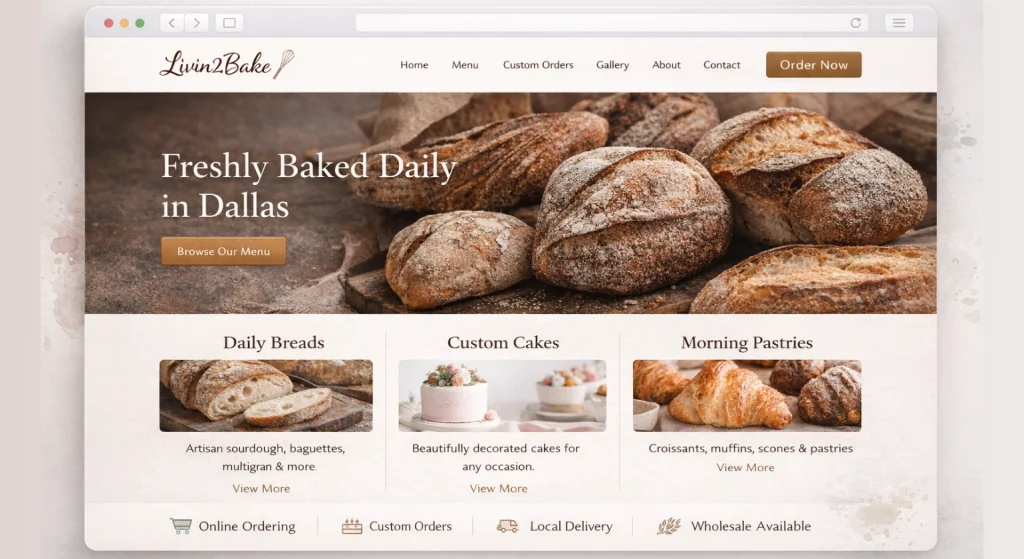
Conflict shows up like this. The bakery spends on new packaging, paints the storefront, boosts Instagram posts, yet online orders stay flat. Content that works is not more random posts. It is a focused baking business website that captures people already searching for exactly what is sold.
1. Decide what the website must actually do
Some shops in places like Oakridge only want custom cake inquiries. Others want full ecommerce for bread, pastries, and classes. List the main jobs:
- Online orders
- Custom quote requests
- Gallery of past work
- Wholesale info
- Email list.
Each job turns into one clear page or feature.
2. Pick a domain and basic tech
Short, readable domains win. “SunnySideBakery.com” beats “SunnySideArtisanBreadsPortlandUSA.com” every time for a tired customer on their phone.
Many US bakers pick Shopify or Squarespace because hosting, security, and updates come bundled. WordPress with WooCommerce works too, but needs a bit more care.
Look for templates already built for food or cake shop website design. Menu sections, gallery blocks, and online ordering widgets save hours of fiddling.
3. Sketch the structure before touching the screen
Create a rough sitemap on paper, as it usually helps more than most people think. Home, Menu, Custom Orders, About, Gallery, FAQ, Contact, maybe a Blog later.
Home page usually carries the hero photos, top sellers, and a clear “Order Now” path. Think of it as the smell of fresh bread when someone opens the door.
Custom Orders page answers size, flavor, pricing ranges, notice period, and pickup rules. Many bakers forget to include minimum order amounts.
4. Plan content that feels like the shop
Good bakery website design is not only fonts and colors.
It is how clear the options feel to a sleepy customer at 6 am.
For example, photos with real crumbs on the tray always beat stock images. Many small US bakeries shoot on a cheap tripod near the only north facing window.
Write product names the way staff actually say them.
“Brown Butter Pecan Roll” tells more story than “Cinnamon Pastry Number 4”. Add tiny details regulars already love. For instance, mention that the challah only appears on Fridays after 10 am because of longer proof.
5. Set up menu and product pages
While setting up a menu, remember every item needs an ingredient summary, allergens, portion info, and serving suggestions. A six inch cake that feeds six to eight is clearer than “small”.
Organize into categories that match local habits.
- Morning pastry
- Daily breads
- Celebration cakes
- Cookies
Cluttered lists increase drop offs. This is where secondary keywords live naturally. A section heading like “Bakery website examples of our holiday boxes” can pair photos with copy. For custom cakes, many owners in towns like Willow Point share three price tiers with starting prices instead of a confusing full matrix.
6. Wire up ordering, payments, and pickup rules
Customers expect payment options like cards, Apple Pay, Google Pay, maybe even Venmo for deposits. Platforms often have these baked in. Conflict here looks familiar. Orders pile in via text, Instagram DMs, and voicemail. Details get lost, payments are late, and mistakes hit reviews. To stop the chaos, a virtual assistant can help manage these incoming digital orders and customer inquiries, ensuring your baking schedule stays on track.
Content that fixes it is a single ordering path on the website with required fields. Flavor, size, message on cake, pickup time, and payment in one clear flow. For local delivery, list exact ZIP codes and fees. Just to give you a real-life example, one bakery in Riverbend actually stopped wasted calls by listing a small map image next to service areas.
7. Layer in local SEO quietly
Search engines read simple things first. Page titles, headings, and how often phrases like “Portland birthday cake bakery” appear in real sentences. A baking business website should mention neighborhood names where customers actually live. Sell in Northfield and Briar Creek, write those names on the page.
Work secondary phrases in gently. Lines like “Curious how to make a bakery website feel modern without losing charm” satisfy both readers and search bots. If you find the world of keywords overwhelming, specialized SEO services can help your bakery rise to the top of local search results without you having to touch a single line of code.
P.S: Add a Google Business Profile link on the Contact page. Matching address and phone number there helps the bakery show in local map results.
8. Show proof that strangers can trust the oven
For bakery websites, short testimonials with specifics work best. For example, “Fed 60 people at our Willow Heights office breakfast” tells more than “great food”. Screenshots of five star Google reviews can live near the order button. People skim them faster than long case studies.
Do not forget to show the process too, such as before and after photos of a plain sheet cake beside the finished decorated version quietly show skill, especially useful for wedding decisions.
9. Handle rules, safety, and tiny legal bits
Customers quietly wonder about nut handling, gluten policies, and refund rules. Clear answers avoid long explanation phone calls. Add simple pages for Terms, Privacy, and Refund or Cancellation policy. Many platforms offer short generators, which can be adjusted for bakery realities. Mention health permits or certifications if the county requires them. Some buyers in larger cities look for that line before ordering for events.
10. Keep the website living
Menus change, staff changes, ovens sometimes change too. A frozen website starts to look like a bakery no one bakes in anymore. Set one small habit. Maybe every first Monday, someone updates sold out flavors, uploads one new photo, or adds next month’s holiday pre order info.
Even small tweaks signal freshness to search engines and to that cousin in Denver checking if the shop still exists before sending a gift box. If you lack the time for regular updates, professional website design and development can keep your site fresh and functional.
Final Thoughts
A baking business website does not replace the smell of cinnamon in the air. It simply brings that smell into more homes around town. The first version rarely feels perfect. That is fine. The goal is a clear place where locals can see, choose, and pay without extra friction.
Traditional bakers already know consistency and timing better than most industries. Those same instincts transfer surprisingly well into simple, steady website upkeep. Over time, the site becomes another reliable oven. Quietly working, often in the background, but always shaping the bakery’s daily rhythm and revenue. It’s quite possible that you are having a lot more questions about web design and development; therefore, we have curated a few more helpful resources to clear any such doubts.
In case you are interested to Read More? Check Out >>> 20 Best Website Maintenance Checklist to Improve SEO & UX
You can also Read >>> Key Tips to Hire a Dedicated WordPress Developer for Your Website
FAQs
1. How much does it cost to build a small bakery website?
Typical ranges sit between 300 and 3,000 dollars in the US. Lower costs if using a template and doing photos in-house, higher if hiring a full custom designer.
2. Can a baker without tech skills launch a site alone?
Yes, there are plenty of owners who use drag-and-drop builders with already-preset bakery themes, and video tutorials close most of the gap.
3. What pages are essential on a baking business website?
Home, Menu or Products, Custom Orders, About, Contact, and FAQs. Many also add a Gallery of past cakes and a simple Wholesale page for offices and cafes.
4. Are bakery website examples really useful before building?
Looking at sites from other cities helps spot what feels cluttered or clear. Collect three or four favorites, then borrow structure, not exact words.
5. Is there a difference between bakery and cake shop website design?
Cake focused shops usually lean more on galleries and inquiry forms. Bread heavy bakeries care more about daily availability, pickup timing, and quick reordering tools.
6. How long does it take to finish the first version of the baking website?
Many small teams reach a solid first version in two to four weeks while still baking. Short, regular work sessions beat rare, long, exhausting build days.
7. Can online bakery orders cause more stress than they solve?
They can, if limits are not clear. Order cut off times, minimums, blackout dates, and automatic buffers between pickup slots keep the kitchen from drowning.