Table of Contents
What Is B2C Marketing Automation?
Based on my experience, B2C Marketing Automation is nothing less than making smarter conversations with customers as opposed to performing all the tasks manually. For example, instead of sending emails or messages or deals to customers one by one, marketing automation allows you to reach the right customer at the right time based on their actions. When customers visit your website, press on a particular product, or abandon their carts, the process is automated.
I’ve witnessed the power of B2C Marketing Automation to make marketing less anxiety-inducing and more successful. It enables the brand to remain linked to the customers by sending them personal messages via emails, SMS, or app notifications, despite the small team. The greatest advantage is the fact that the customers do not get spammed, and they get a sense of being understood.
Why Modern B2C Brands Rely on Marketing Automation
From my experience working with growing consumer brands, marketing today moves too fast to rely on manual processes. Customer expectations are higher, attention spans shorter, and every interaction matters. This is where B2C Marketing Automation becomes essential. It helps brands deliver the right message at the right time without burdening internal teams. Instead of making guesses, automation allows customer behavior to guide emails, ads, and interactions on a website in a more personalized manner.
I’ve seen many modern B2C brands take a leap into B2C Marketing Automation to maintain consistency across channels without losing their human feel. It saves time, reduces errors, and allows the marketer to focus on creativity instead of mundane tasks. More importantly, it helps brands build relationships with their customers by responding to their needs in real time-not after the moment has passed.
Core Features of High-Performing B2C Marketing Automation Platforms
Having worked with several different platforms and analyzed how leaders are positioning their features, it is evident that most of them talk about features, but very few of them discuss how these features benefit online marketing. Below are some of the most fundamental features that go a long way, from my experience with B2C Marketing Automation solutions.
1. Intelligent Customer Segmentation
With a high-performance platform, you can segment customers based on behavior, location, purchase history, and engagement. This is where improvements start to show in real-world campaigns; when messages match the intent of customers, open rates and conversions start going up naturally. Good segmentation avoids sending the same message to everyone.
2. Omnichannel Campaign Management
The top platforms support e-mail, SMS, push notifications, in-app messages, and social ads from one dashboard. From experience, this saves time and keeps messaging consistent. Customers don’t interact on one channel anymore, so B2C Marketing Automation follows them everywhere without breaking the flow.
3. Personalized Messaging at Scale
Rivals are always talking about the power of personalization, but the best platforms are the ones that can do it well. This includes things like dynamic content, personal product targeting, and behavioral triggers. I have witnessed the difference that happens when the audience feels like the content was tailored for them.
4. Automation workflows that are easy to build
The most effective tools are those that don’t require skills. The use of drag and drop operations makes it easy for marketers to set up campaigns. Regardless of cart abandonment and re-engagement tools, it should be easy and less complicated.
5. Real-Time Analytics & Reporting
Better performing platforms provide detailed dashboards with information regarding opens, clicks, conversions, and revenue. In practical knowledge, real-time data helps optimize marketing campaigns faster compared to waiting for days. This is where average tools go wrong.
6. AI Insights & Predictions
Contemporary marketing automation tools for the B2C world employ the use of AI, which is able to predict the future behavior of the customers, send communication to the right customer at the right time, as well as provide a recommendation on the next course of action.
7. Ease of Integration with Other Tools
Good platforms integrate smoothly with CRM tools, e-commerce platforms, and analytics softwares. This presents a holistic view of a customer. Often, their implementation gets poorly described by their rivals.
How to Build a Scalable B2C Marketing Automation Strategy
I remember the moment I began working on B2C marketing campaigns. The idea of automation seemed overwhelming to me. Everyone was talking about tools and process-related stuff, but no body was discussing the process of scaling without the human element. However, over time I discovered that a scalable process involves doing the right things rather than more because of B2C Marketing Automation.
Begin with the Customer Journey
Scalability will fail if you have unclean data. Ensure your customer data from your website, emails, CRM system, as well as your online ads is all fed into one system. Cleaner data will help automation systems send the message you want to send, to who you want to send it to, while simple segmentation such as new users, returning users, or buyers with your highest intent will be incredibly valuable.
Automate What Repeats, Not What Requires Emotion
Also based on my own understanding and knowledge, automation is most useful in routine jobs such as welcome emails, reminder emails, and also for emails related to purchase and re-engagement emails. Just don’t automate all your emails. Something like complaints or high-end client emails can and must be handled manually.
Build Modular Campaigns
Rather than writing long and inflexible processes, you can create small blocks of automation, which you can reuse. For instance, you can use one email flow for several campaigns with slight variations. Using this method, you are able to easily scale your B2C Marketing Automation when you acquire more audience.
Test, Learn, and Improve Regularly
Automation is a “set it and forget it” process. I examine open rates, clicks, and conversions as a way to determine what I can do better. Getting a little better somehow is a powerful way to optimize.
Think Long-Term, Not Tool
Tools matter, but strategy really matters. Customer experiences, consistency, and flexibility should be the focus. If the customer need is genuine and automated, scaling becomes organic rather than artificial.
B2C Marketing Automation Examples That Deliver Results
1. Welcome Email Journeys That Actually Convert
One of the easiest but most impressive applications of this is automated welcome emails. Rather than having a single generic message, a small email sequence is employed by brands.
For instance, during the registration process, the user receives the following:
- A welcome mail
- An example of a product recommendation email
- Small discount reminder
I have seen this alone cause a customer to make a new purchase as a result of being led versus being pushed.
2. Cart Abandonment Reminders That Are More Personal
Everybody talks about abandoned carts, but the trick is in the execution.”
A good automation system involves the following messages sent between
- Reminder in a few hours
- A follow-up piece featuring social proof
- A Final PUSH with URGENCY
The automation system I have worked on in real campaigns helped retrieve sales that could have been lost without B2C Marketing Automation.
3. Customized Product Recommendations
Rather than displaying similar items for each visitor, these automation tools are concerned with tracking their browsing as well as purchasing patterns.
If the customer views the shoes, they eventually see:
- Emails related to shoes
- Shoe ads on Social Sites
- Comparable products on the website
This also makes the brand feel relevant and responsive rather than random.
4. Automated SMS and Push Notifications
For B2C businesses, speed is important. Here are some tasks that can be automated by sending alerts via SMS or applications:
- Flash Sales
- Order updates
Back in stock alerts I have seen higher engagement levels from auto messages than from emails.
5. Re-engagement Campaigns for Inactive Users
Rather than forgetting old customers, automation assists in bringing them back. The brands send emails or make an offer if the individual has not had any form of interaction with the brand for weeks. Many people end up returning to the brand because the brand had contacted them when the time was right.
B2B vs. B2C Marketing Automation: Key Differences Explained
How I’ve Seen B2B Marketing Automation Work
My understanding is that B2B marketing automation is about building long-term relations. The buying cycle is longer in B2B marketing. You have several decision-makers. The content requirement is about educating. The tools are more about lead scoring, email nurturing, CRM integration, and account-based marketing. The idea is straightforward: “Nurture prospects over time until they are ready to buy.”
My Experience With B2C Marketing Automation
On the flip side, B2C Marketing Automation happens at a much faster pace. I’ve seen it succeed at brands that focus on the immediate engagement of personalized emails, texts, push communications, and behavior-based targeted offers. Emotional and impulse purchases are very common, and therefore, the purchase is immediate, and the automation software is designed accordingly.
The Actual Gap That Matters
The most noticeable difference is in terms of intent and timing. B2B automation facilitates complex purchases, whereas B2C automation fosters volume, speed, and personalized experiences. Recognizing the difference in purpose can assist organizations in selecting the most suitable options for messaging style and automation.
B2C Marketing Automation Tools for Small and Growing Teams
HubSpot - Best All-in-One Marketing
Competitors talk a lot about HubSpot, and for good reason: the platform aggregates email marketing, CRM, landing pages, and analytics in a single suite. For small teams, this cuts down on tool overload. The interface is simple, and even beginners can set up basic workflows in record time.
Mailchimp Was Just Plain Simple And Dirt Cheap
Mailchimp works great for starting teams. It’s really easy to use and is primarily for email automation. This tool enables you to set up customer journeys, send personalized emails, and analyze performance without technical skills. The majority of its competition has failed to appreciate the value in using it for lean teams on a budget.
ActiveCampaign-Strong Personalization
If personalization matters, ActiveCampaign is second to none. Advanced audience segmentation and behavior-based automation in the tool it allows. From experience, great for teams wanting more control without moving towards enterprise-level tools.
Klaviyo - Best for eCommerce Brands
Klaviyo is a great choice for B2C eCommerce Platforms teams. It has deep connectivity with online stores and tracks customer browsing and purchasing actions, making timely messaging relevant and effective for conversion.
Why These Tools Work for Growing Teams
Why these tools can be so effective is not merely because of automation—it’s scalability. With a scaling business and a customer base that increases daily, these platforms will also scale with you. In regard to many other lists of competitors that have been provided, ease of use and learning curve are what truly matter with respect to how fast a team can see results.
Measurable Benefits of B2C Marketing Automation for Brands
Higher Engagement with Less Effort
Beforehand, the process of sending out “emails/messages” was like a shoot-and-forget solution. With automation, brands can now trigger “emails, SMS, or push notifications” based on actual customer behavior. I’ve seen first-hand improvements in open rates and the consistency of customer engagement with this tactic because it reaches the customer at the right time and not at a random interval.
Improved Lead Nurturing and Conversion
Among the many advantages I was able to observe, automation helps to nurture customers automatically. Rather than following up, brands are now able to walk consumers through an experience from awareness to conversion. This, in turn, affects conversion rate positively as customers are led but not pushed.
Defining ROI and Performance Measurement
What brands love most is visibility. With B2C Marketing Automation, all clicks, conversions, and abandonments can now be measured. From personal experience, teams have moved budgets because for the first time, brands knew what actually worked.
Time and Cost Savings
Automation cuts down on repetition, follow-ups, segmentation, and scheduling. Marketing teams will have to spend less time on execution and more on strategizing. This saves a lot of time and saves on operational costs incurred by an growing B2C brand.
Personalized Customer Experience at Scale
Personalization used to mean extra effort. Automation makes it simple. Brands can personalize content based on interests, location, or past behavior—at scale. Customers notice this, and brand loyalty improves naturally.
How to Choose the Right Omnichannel Marketing Automation Platform for B2C
Understand Where Your Customers Actually Are
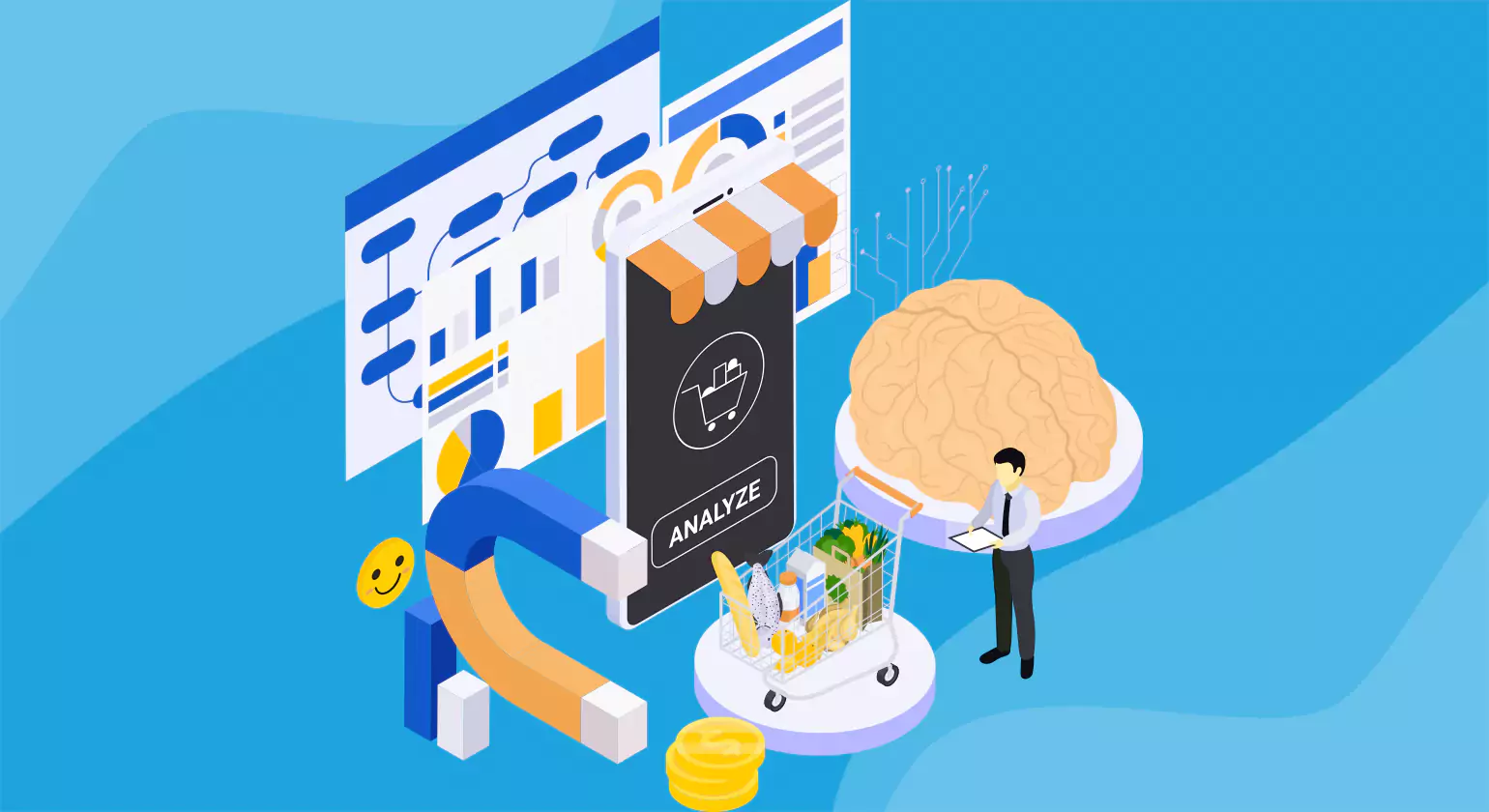
It was important for me to understand the areas where my customers interact—email, social media, SMS, website, and mobile. An effective omnichannel platform must allow the customer to move effortlessly across all these interaction points. Based on my experience, B2C Marketing Automation is most effective when the customer data comes to one place, thus maintaining uniform communication.
Seek Out Simplicity Rather Than Just More Features
Most tools provided sophisticated functions, but if the user interface is complicated, the team won’t utilize the tool effectively. The features that I was looking for in the platforms included simple dashboards and journey builders and understandable automation rules.
Check for Personalization and Real-Time Triggers
Personalization is a need in B2C e-commerce. The right e-commerce platform will allow you to send messages triggered by user behavior: for example, browsing behavior, purchase behavior, or inactivity. This is where B2C Marketing Automation delivers real value: it sends the right message at the right time.
The Need for Integration and Scalability
Then, I considered integration functionalities for CRM, Analytics, and eCommerce. The software must be able to scale with the size of your audience.
Conclusion
B2C Marketing Automation enables brands to deliver timely, personalized experiences across multiple channels without manual effort. When aligned with customer behavior and data, it improves engagement, retention, and conversions. More than automation, it acts as a growth enabler by helping businesses respond faster to customer needs while maintaining consistent, relevant communication at scale.
FAQs
What advantages come with B2C marketing automation?
It elevates client interaction, sharpens sales via activity-driven prompts, and frees up hours by streamlining routine jobs. Furthermore, automation enhances tailored communication, keeps customers coming back, and refines promotions based on immediate success metrics.
How does automation enhance customer tailoring?
Automation tools leverage shopper details such as likes, site activity, and past purchases to deliver fitting communications and item suggestions, fostering unique journeys that build trust and boost sales.
Which avenues are utilized in B2C automated efforts?
Successful programs utilize email, text messages, app alerts, social platforms, and website chat, permitting consistent dialogue across all points of contact to boost noticeability and involvement.
Can smaller enterprises gain from automation?
Absolutely; even modest groups can automate introductory series, abandoned cart nudges, and win-back routines, conserving effort and generating outcomes without demanding big budgets or complicated configurations.
How does automated processes aid in lessening abandoned shopping carts?
Timely follow-ups and special offers are dispatched to shoppers who exit without buying their selected goods, boosting the likelihood of regaining sales and achieving desired outcomes.