Table of Contents
Introduction
In today’s ever-changing automotive landscape, leveraging the internet to promote cars has become not just important but downright crucial. This comprehensive guide is your road map to understanding and navigating the realm of Automotive Digital Marketing. We’ll delve into the reasons why it’s not just a want but a need, exploring its pivotal role in the car business. From overarching strategies to the nitty-gritty details that can make a significant difference, we aim to cover it all. Building trust and credibility in this digital space is as essential as tackling challenges head-on, and we’ll guide you through both.
Moreover, we’ll unravel the latest trends shaping the world of digital advertising on cars marketing, providing insights into what’s working now and what could steer the future. So, if you’re curious about how the internet is fundamentally transforming the way we sell and communicate about cars, join us on this journey! Additionally, we’ll explore the role of digital marketing for automotive industry strategy and its impact on consumer behavior and brand engagement.
What is Automotive Digital Marketing?
Automotive digital marketing refers to the use of digital channels and strategies to promote and sell vehicles, parts, and services within the automotive industry. In today’s digital age, consumers increasingly turn to online platforms to research, compare, and ultimately make purchasing decisions, making digital marketing crucial for automotive businesses to reach their target audience effectively. This form of marketing encompasses a wide range of tactics, including search engine optimization (SEO), social media marketing, email marketing, content marketing, pay-per-click (PPC) advertising, and more.
One of the key benefits of automotive digital marketing is its ability to target specific demographics and interests with precision. By leveraging data analytics and targeting tools offered by various digital platforms, automotive marketers can tailor their campaigns to reach consumers who are most likely to be interested in their products or services. Additionally, digital marketing allows for real-time tracking and analysis of campaign performance, enabling marketers to make data-driven decisions and optimize their strategies for better results. Implementing a strong digital marketing for automotive industry strategy helps brands stay competitive and maximize their reach in the ever-evolving landscape.
The Need of Automotive Digital Marketing
In today’s fast-paced car world, getting noticed online is more important than ever. That’s where automotive digital marketing comes in – it’s a set of strategies to help car businesses connect with people on the internet. Let’s break down why it’s crucial and how it works. Understanding digital marketing for automotive industry can give businesses a competitive edge, ensuring they reach the right audience with targeted campaigns.
1. Getting Seen Online
When people look for information about cars, they often start online. Automotive digital marketing helps car businesses stand out, making it easier for potential customers to find them. It’s like putting up a big sign in the digital world that says, “Hey, we’ve got what you’re looking for!”
2. Making Friends on Social Media
Social media sites like Facebook, Instagram, and Twitter are like the town square of the internet. Automotive Industry businesses use these places to share news, special deals, and chat with people. This friendly interaction not only makes customers happy but also keeps the business in their minds.
3. Showing Up on Search Engines
If you want people to find your car business, you need to be easy to find on search engines like Google. This is where automotive search marketing and digital marketing automotive come into play. By using words that people commonly search for, businesses make sure they pop up when someone looks for a car.
4. Ads That Catch the Eye
Ever see ads on the internet? That’s digital advertising! For cars, businesses use automotive digital advertising to show their cars to people who might be interested. It’s like putting up a poster in a place where lots of car enthusiasts hang out.
5. Sharing Cool Stuff
Imagine writing stories, making videos, or sharing interesting facts about cars. That’s content marketing! When car businesses do this online, it helps them become experts in the eyes of customers. Using keywords like auto marketing and digital automotive marketing in these stories makes sure they get noticed.
6. Sending Friendly Emails
Sometimes, businesses want to talk directly to customers. That’s where email marketing comes in. By sending emails with exciting news or special offers, car businesses stay connected with their audience. It’s like sending a friendly letter to a friend who loves cars.
7. Understanding What Works
Imagine having a tool that tells you what people like. That‘s what data analytics does! Car businesses use it to see what‘s working and what‘s not in their online efforts. This way, they can make smart decisions and keep getting better at reaching people.
Importance of Digital Marketing in the Automotive Industry
In today’s car world, leveraging the internet for Automotive Digital Marketing is crucial for promoting cars effectively, akin to placing your vehicles on a massive digital billboard for widespread visibility. Let’s delve into why digital marketing for automotive industry matters so significantly. Embracing a strong automotive digital marketing strategy ensures brands can engage potential customers through targeted ads, social media, and search engine optimization.
1. Easy-to-Use Websites
Think of a website as a digital showroom. Making it easy for people to browse cars, explore features, and access key information is crucial. This is the essence of Automotive Internet Marketing. When potential buyers search for cars online, you want your website to appear prominently in search results. A strong digital presence helps attract more visitors, showcase your inventory effectively, and generate qualified leads.
2. Getting Found with SEO
Making sure your website shows up when people search for cars is key—this is known as Automotive Search Marketing. It ensures that your dealership or car listings appear at the top of search engine results, making it easier for potential buyers to find you. By targeting relevant keywords, optimizing your website content, and using paid search ads strategically, you increase the chances of attracting high-intent customers.
3. Hangin' Out on Social Media
Social media also allows you to engage directly with potential buyers through comments, messages, and interactive posts. Sharing high-quality photos, videos, and customer testimonials builds trust and boosts visibility. Paid ads can further amplify reach, ensuring your automotive inventory reaches the most interested and relevant audience efficiently.
4. Cool Content Rules
Content marketing helps build trust and engage potential buyers. By sharing tips, car reviews, maintenance advice, and behind-the-scenes stories, you create a connection with your audience. Consistent, valuable content keeps people coming back, increases brand awareness, and can turn casual visitors into loyal customers over time.
5. Emailing for Keeps
Email marketing not only keeps your audience informed but also builds trust and loyalty over time. By sharing updates, promotions, and personalized content, you can nurture leads, boost engagement, and drive conversions. It’s a cost-effective way to maintain meaningful connections and guide customers along their buying journey.
6. Ads That Catch the Eye
Online advertising lets you target people actively looking for cars, increasing the chances of a sale. You can use search ads, social media promotions, and display banners to reach the right audience. It’s a cost-effective way to drive traffic, build brand awareness, and showcase your inventory to buyers ready to engage.
7. Numbers Tell a Story
Data Analytics goes beyond just tracking clicks or visits. It reveals patterns in customer behavior, identifies trends, and highlights areas for improvement. By analyzing this data, businesses can optimize marketing strategies, enhance user experience, increase engagement, and ultimately boost sales and ROI more effectively.
8. Buying Cars Online
E-commerce integration lets customers browse, compare, and purchase vehicles directly from your website or app. It streamlines payments, financing options, and delivery scheduling, creating a seamless buying experience. By reducing friction in the sales process, dealerships can increase conversions, improve customer satisfaction, and drive higher online revenue.
Top 10 Digital Marketing Strategy for Automotive Industry
In the fast-paced world of selling cars, embracing an effective automotive digital marketing strategy is crucial. Let’s explore simple yet powerful approaches to digital marketing for automotive industry that can help your business stand out. Leveraging digital marketing for the automotive industry ensures businesses reach the right audience, drive engagement, and boost sales.
1. Search Engine Optimization (SEO)
Make your auto business stand out online by optimizing your website for search engines. Use targeted keywords like “automotive search marketing” to attract potential buyers. Ensure fast loading speeds, mobile-friendly design, and easy navigation. Combine with local SEO strategies and engaging content to drive more traffic and generate leads effectively.
2. Content Marketing
You can also create how-to guides, car maintenance tips, and comparison reviews to engage your audience. Share updates on new models, industry trends, and customer stories. Consistently posting valuable content not only drives traffic but also positions your brand as an authority in the automotive market.
3. Social Media Marketing
Engage your audience with eye-catching visuals, videos, and stories showcasing your vehicles and services. Respond promptly to comments and messages to build trust. Use targeted ads to reach potential buyers and track performance with analytics. Consistent, interactive social media efforts can significantly boost brand visibility and sales.
4. Pay-Per-Click (PPC) Advertising
Want quick results? Try PPC advertising on Google. Pick words related to cars (like auto marketing) to show your ads to people looking for them. Optimize your ad copy and landing pages for clarity, include strong calls-to-action, and target the right audience to maximize clicks and conversions effectively.
5. Email Marketing
Keep in touch with your customers through emails. Send them special offers, updates on new car models, and news about the automotive industry. Personalize your messages, segment your audience, and include clear calls-to-action to boost engagement and build long-term loyalty in your automotive internet marketing strategy.
6. Video Marketing
People love watching videos. Create short, engaging clips showcasing your cars’ features, performance, and behind-the-scenes moments. Share them on YouTube, social media, and your website. Use captions, appealing thumbnails, and clear calls-to-action to attract viewers and turn them into potential customers through digital automotive advertising.
7. Influencer Marketing
Collaborate with car enthusiasts and influencers who have a large following. They can showcase your cars, share reviews, and create authentic content that reaches a wider audience. Leveraging their credibility and engagement is a powerful strategy to boost brand awareness and drive sales in automotive digital marketing.
8. User-generated Content (UGC)
Encourage your customers to share their experiences with your cars through reviews, photos, or videos. Highlighting real stories builds trust, boosts credibility, and creates authentic content. Featuring customer experiences on your website and social media strengthens your brand and is an essential strategy in automotive digital advertising.
9. Mobile Optimization
Ensure your website is mobile-friendly and loads quickly on all devices. With many users searching for cars on their phones, a responsive design, clear navigation, and fast performance enhance user experience, keep visitors engaged, and improve your results in digital automotive marketing.
10. Data Analytics and Measurement
Keep an eye on how well your digital marketing is working. Look at numbers like how many people visit your site. This will help you know what’s working and what can be improved in your automotive search marketing.
A virtual assistant can streamline these digital marketing efforts, from managing social media to analyzing data. By delegating tasks, you can focus on growing your automotive business. To learn more about our diverse range of virtual assistant services, visit our Virtual Assistant Services page.
Building Trust and Credibility in Automotive Digital Marketing
In the world of online car selling and promotion, gaining trust is vital. Let’s explore some straightforward strategies, without fancy jargon, to build trust and credibility in automotive digital marketing strategy.
1. Open Communication and Honesty
Be clear about your cars, services, and prices. Honest and simple language helps your brand connect with people. This is the foundation for trust in auto marketing.
2. High-Quality Content
Creating good content is essential. Whether it’s blog posts, videos, or pictures, share useful info about car care, trends, and buying tips. This shows you know your stuff in digital marketing automotive.
3. Customer Reviews and Stories
Encourage happy customers to share their experiences online. Responding to both good and bad reviews show you care about customers, a key aspect of digital automotive marketing.
4. Consistent Branding
Keep the same look and message everywhere – on your website, social media, and ads. This helps people remember your brand in auto marketing.
5. Social Proof and Recommendations
Use happy customer stories, case studies, and shoutouts from influencers or car experts. These builds trust in automotive digital advertising.
6. User-Friendly Website
Make sure your website is easy to use and safe. People need to feel secure online when checking out cars. This is crucial in automotive internet marketing.
7. Active on Social Media
Engage with people on social media. Respond quickly to comments and messages. Encourage customers to share their stories. This builds a real and trustworthy digital presence in automotive search marketing.
8. Educational Events
Host online events to teach people about cars. This shows you’re an expert and care about sharing knowledge in auto marketing.
9. Influencer Partnerships
Work with influencers – people who are known and trusted. They can help spread the word about your cars and build credibility in digital automotive advertising.
10. Great Customer Service
Give top-notch customer service online and offline. Answer questions fast and professionally. This is a key part of automotive internet marketing.
By using these simple strategies, your online car business can become a trusted and credible choice for customers.
Challenges and Solutions in Automotive Digital Marketing
In the world of selling cars online, there are some tricky parts that need smart solutions. Let’s talk about the challenges and easy fixes in automotive digital marketing.
Challenges in Automotive Digital Marketing
1. Buying Cars Can Be Confusing
Picking a car is a big decision, and people take their time deciding. Digital marketing needs to be smart at every step, helping out folks as they figure out what car to get.
2. Cars Cost a Lot
Buying a car is a big deal, and buyers want to be sure they’re making the right choice. So, digital marketing needs to build trust by being honest and not spending too much money on ads.
3. Cars Have Lots of Features
Cars have so many cool things, but telling people about them can be tough. Digital marketing should use pictures and easy-to-read websites to show off all the cool stuff.
4. Rules to Follow
There are rules in the car world that everyone must follow. Digital marketing needs to stick to these rules, making sure everything is legal and fair.
5. People Shop for Cars Online
More and more folks are looking for cars online. So, digital marketing needs to be in lots of places, like social media and search engines, to catch their eye.
Solutions in Automotive Digital Marketing
1. Make Ads Personal
Use what we know about customers to make ads that fit what they like. This is called personalized marketing, and it helps folks feel like the car was made just for them.
2. Chat on Social Media
Social media is where everyone hangs out, so let’s talk to them there! Share stories and pictures, and let people share their car stories too.
3. Easy Phone Stuff
Lots of people look for cars on their phones. Make sure everything looks good and works well on phones so that everyone can see the good stuff.
4. Check the Numbers
Look at the numbers to see what people like and what works. This is called data, and it helps make good decisions about ads.
5. Make Cool Pictures and Videos
People love looking at cool pictures and videos. Use them in ads and on the website to show off the cars in the best way possible.
Best Practices for Digital Marketing For Automotive
In the world of selling cars online, there are some tricky parts that need smart solutions. Let’s talk about the challenges and easy fixes in automotive digital marketing.
Challenges in Automotive Digital Marketing
1. Buying Cars Can Be Confusing
Picking a car is a big decision, and people take their time deciding. Digital marketing needs to be smart at every step, helping out folks as they figure out what car to get.
2. Cars Cost a Lot
Buying a car is a big deal, and buyers want to be sure they’re making the right choice. So, digital marketing needs to build trust by being honest and not spending too much money on ads.
3. Cars Have Lots of Features
Cars have so many cool things, but telling people about them can be tough. Digital marketing should use pictures and easy-to-read websites to show off all the cool stuff.
4. Rules to Follow
There are rules in the car world that everyone must follow. Digital marketing needs to stick to these rules, making sure everything is legal and fair.
5. People Shop for Cars Online
More and more folks are looking for cars online. So, digital marketing needs to be in lots of places, like social media and search engines, to catch their eye.
Solutions in Automotive Digital Marketing
1. Make Ads Personal
Use what we know about customers to make ads that fit what they like. This is called personalized marketing, and it helps folks feel like the car was made just for them.
2. Chat on Social Media
Social media is where everyone hangs out, so let’s talk to them there! Share stories and pictures, and let people share their car stories too.
3. Easy Phone Stuff
Lots of people look for cars on their phones. Make sure everything looks good and works well on phones so that everyone can see the good stuff.
4. Check the Numbers
Look at the numbers to see what people like and what works. This is called data, and it helps make good decisions about ads.
5. Make Cool Pictures and Videos
People love looking at cool pictures and videos. Use them in ads and on the website to show off the cars in the best way possible.
Content Marketing for Automotive Brands
Content marketing for automotive brands is a powerful strategy to engage with your audience, showcase your expertise, and build brand loyalty. Here are some key elements to consider when crafting your content marketing strategy for automotive brands:
1. Understand Your Audience
Know who your target audience is and what they are interested in. Are they car enthusiasts, potential buyers, or existing customers? Tailor your content to meet their needs and preferences.
2. Create Compelling Content
Develop high-quality content that educates, entertains, and inspires your audience. This could include blog posts, videos, infographics, podcasts, and social media posts. Share stories about your brand, showcase your latest models, provide maintenance tips, and offer insights into the automotive industry.
3. Optimize for SEO
Make sure your content is optimized for search engines so that it ranks well in search results. Use relevant keywords, meta tags, and descriptive titles to improve your visibility online. This will help attract organic traffic to your website and increase your brand’s online presence.
4. Utilize Visuals
Visual content such as photos and videos are highly engaging and can help showcase your products effectively. Use high-quality images of your vehicles, behind-the-scenes footage of your manufacturing process, and videos highlighting key features and benefits.
5. Tell Stories
People love stories, so use storytelling to connect with your audience on a deeper level. Share customer testimonials, success stories, and employee spotlights to humanize your brand and build trust with your audience.
6. Be Consistent
Consistency is key in content marketing. Establish a regular posting schedule and stick to it. Whether you’re publishing content daily, weekly, or monthly, make sure you’re consistently delivering valuable content to your audience.
7. Engage with Your Audience
Encourage interaction and engagement with your content by responding to comments, asking questions, and soliciting feedback. This not only helps you build relationships with your audience but also provides valuable insights into their preferences and interests.
8. Promote Across Channels
Distribute your content across multiple channels to reach a wider audience. This could include your website, social media platforms, email newsletters, and industry publications. Tailor your content for each channel to maximize its impact.
9. Measure and Analyze
Track the performance of your content marketing efforts using analytics tools. Monitor metrics such as website traffic, engagement, and conversion rates to see what’s working and what’s not. Use this data to refine your strategy and make informed decisions moving forward.
By implementing these strategies, automotive brands can create compelling content that resonates with their audience, drives traffic to their website, and ultimately boosts sales and brand loyalty.
Pay-Per-Click (PPC) Advertising in the Automotive Industry
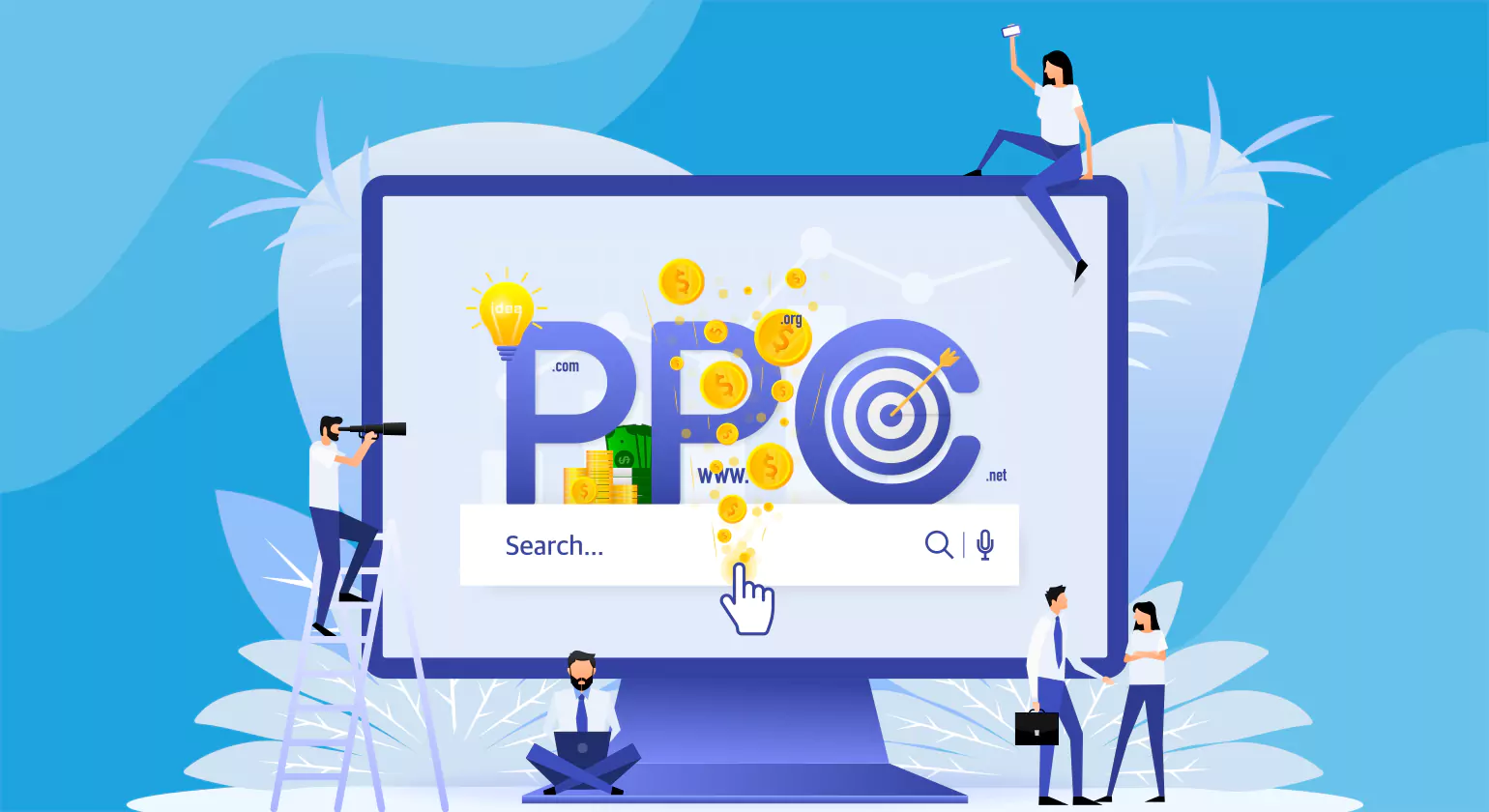
Pay-per-click (PPC) advertising has become an essential marketing strategy in the automotive industry, offering a highly effective way for businesses to reach potential customers and generate leads. Here are some key aspects to consider when implementing PPC advertising in the automotive sector:
1. Targeted Keywords
Research and select relevant keywords that potential car buyers might use when searching for vehicles, services, or information related to the automotive industry. This includes specific car makes and models, as well as related terms like “car financing” or “auto repair.”
2. Ad Copy and Creatives
Craft compelling ad copy that highlights the unique selling points of your products or services. Use high-quality images and engaging visuals to capture the attention of your target audience. Including incentives such as promotions or discounts can also increase click-through rates.
3. Geo-Targeting
Utilize geo-targeting features to ensure that your ads are displayed to users in specific geographic locations relevant to your dealership or service area. This helps maximize the relevance of your ads and ensures that you’re reaching potential customers in your target market.
4. Ad Extensions
Take advantage of ad extensions such as call extensions, location extensions, and sitelink extensions to provide additional information and encourage users to take action directly from the search results page. This can include click-to-call buttons, links to specific landing pages, or directions to your dealership.
5. Conversion Tracking
Implement conversion tracking to measure the effectiveness of your PPC campaigns in terms of generating leads and sales. This allows you to identify which keywords, ads, and targeting strategies are driving the best results and optimize your campaigns accordingly.
6. Remarketing
Set up remarketing campaigns to re-engage users who have previously visited your website or interacted with your ads. This helps keep your brand top-of-mind and encourages users to return to your website to complete a purchase or inquire about your products and services.
7. Competitive Analysis
Monitor and analyze the PPC strategies of your competitors to identify opportunities and stay ahead of the competition. This includes analyzing their ad copy, keywords, targeting strategies, and budget allocation to inform your own PPC campaigns.
By implementing these strategies effectively, automotive businesses can leverage PPC advertising to increase brand awareness, drive website traffic, and ultimately, generate more leads and sales.
Analytics and Measurement in Automotive Digital Marketing
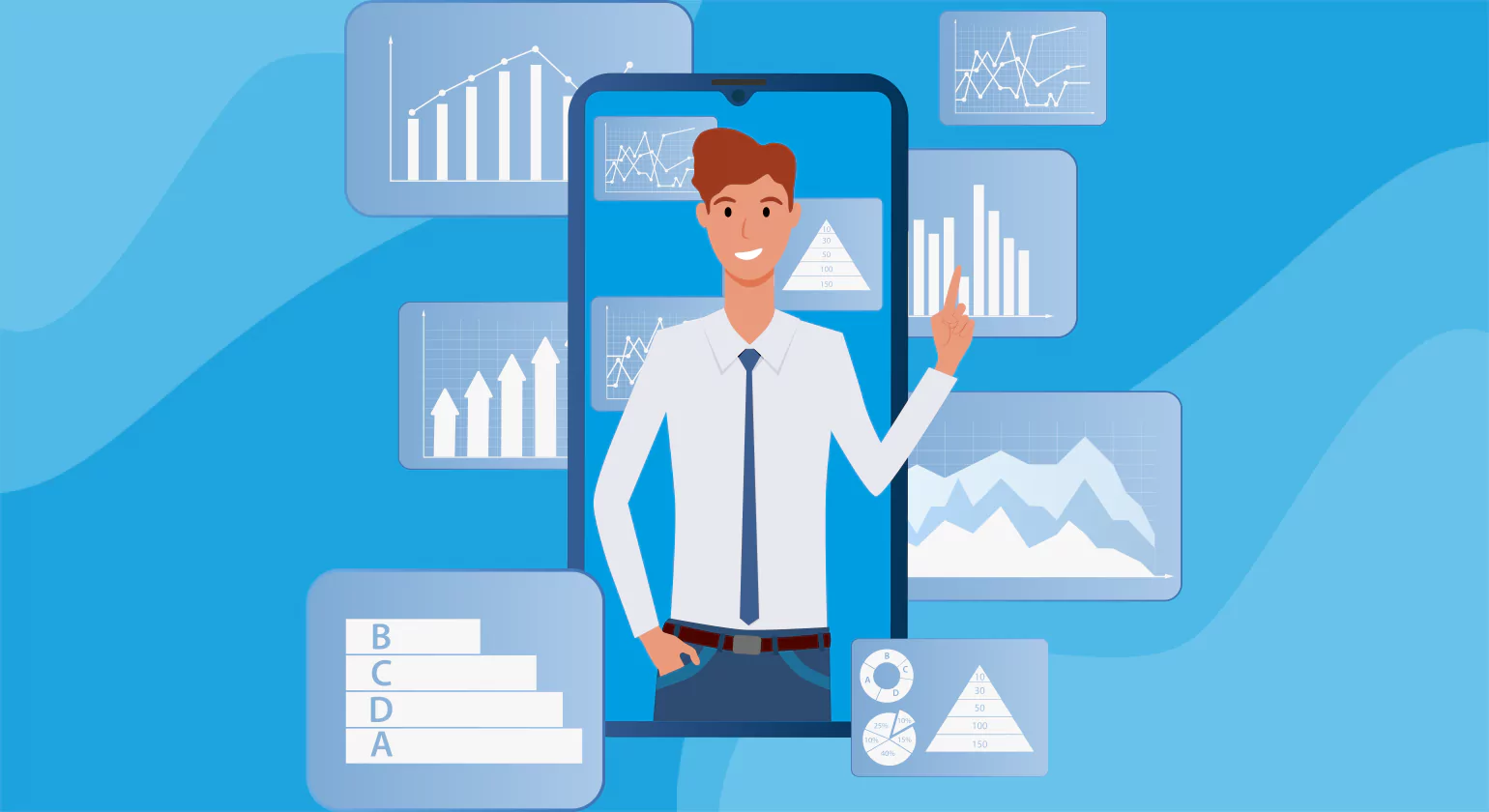
In the realm of automotive digital marketing, analytics and measurement play a critical role in understanding consumer behavior, optimizing campaigns, and ultimately driving sales. Here’s a breakdown of key aspects:
1. Website Analytics
Tracking website traffic, user behavior, and engagement metrics such as bounce rate, time on site, and page views. Tools like Google Analytics provide insights into where website visitors are coming from, which pages they’re viewing, and how they interact with the site.
2. Conversion Tracking
Monitoring conversion events such as form submissions, brochure downloads, or test drive requests to measure the effectiveness of marketing efforts in driving desired actions. This helps in assessing the ROI of different marketing channels and campaigns.
3. SEO Metrics
Analyzing organic search performance including keyword rankings, organic traffic, and click-through rates (CTRs). Understanding which keywords are driving traffic and leads can inform content creation and optimization strategies.
4. Paid Advertising Metrics
Tracking performance metrics for paid advertising campaigns across various platforms such as Google Ads, Facebook Ads, and display networks. Key metrics include impressions, clicks, click-through rates, cost per click (CPC), and conversion rates.
5. Social Media Analytics
Monitoring engagement metrics on social media platforms including likes, shares, comments, and follower growth. Analyzing the effectiveness of content types, posting times, and audience demographics can inform social media strategy.
6. Email Marketing Metrics
Evaluating the performance of email marketing campaigns through metrics like open rates, click-through rates, conversion rates, and unsubscribe rates. A/B testing different subject lines, content, and sending frequencies can help optimize email campaigns.
7. Customer Journey Analysis
Understanding the entire customer journey from awareness to purchase and beyond, and identifying touchpoints where digital marketing efforts influence consumer decisions. This can involve multi-channel attribution modeling to attribute conversions accurately across different marketing channels.
8. Customer Lifetime Value (CLV)
Calculating the lifetime value of customers acquired through digital marketing efforts, taking into account repeat purchases, referrals, and retention rates. This helps in allocating marketing budgets more effectively towards acquiring high-value customers.
9. Competitor Analysis
Monitoring and benchmarking against competitors’ digital marketing activities, including their website performance, search rankings, social media presence, and advertising strategies. This can provide insights into industry trends and opportunities for differentiation.
9. Data Visualization and Reporting
Presenting key insights and performance metrics in visually appealing dashboards and reports for stakeholders. Data visualization tools like Tableau or Google Data Studio can help in creating customized reports that facilitate data-driven decision-making.
By leveraging these analytics and measurement practices, automotive marketers can gain valuable insights into their target audience, optimize marketing strategies, and drive tangible business results in a highly competitive industry.
How To Choose Automotive Digital Marketing Company
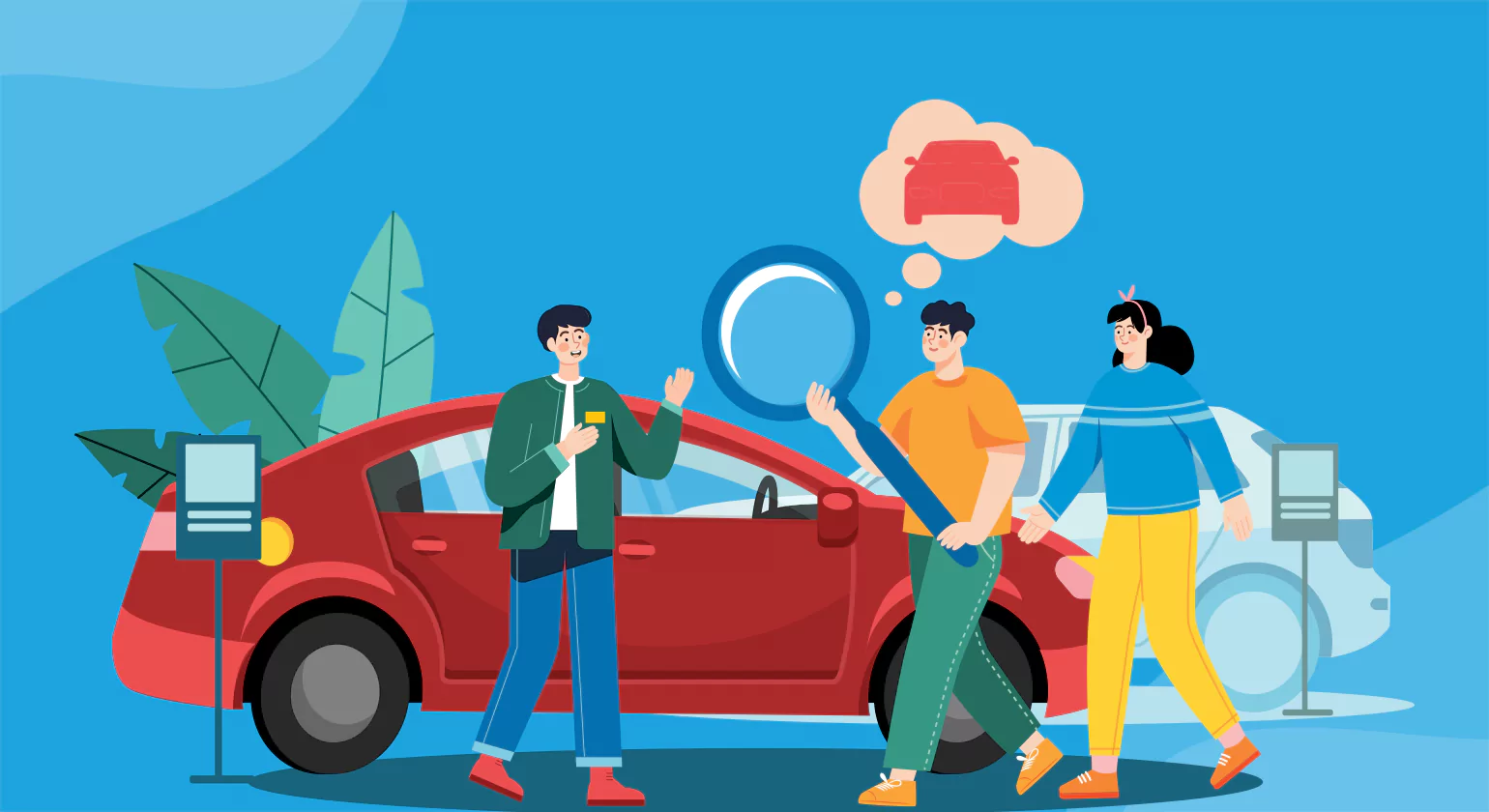
Choosing the right automotive digital marketing company is essential for car dealerships and automotive businesses aiming to boost online visibility, generate quality leads, and drive showroom traffic. With the right agency, your brand can stay competitive in a digital-first marketplace. Here’s how to make the best choice.
Understand Your Marketing Goals
Start by defining your specific marketing objectives. Do you want to increase website traffic, improve local SEO, run paid ad campaigns, or build your brand on social media? Having clear goals allows you to evaluate agencies based on their specialties and track records in those areas.
Look for Automotive Industry Experience
Digital marketing in the automotive sector requires industry-specific knowledge. Choose an agency that has proven experience working with dealerships, auto repair shops, or car brands. They should understand the unique buyer journey in the automotive space and tailor strategies accordingly.
Check the Range of Services Offered
A well-rounded automotive digital marketing company should offer services like SEO, PPC, website design, content marketing, social media management, email marketing, and reputation management. The more comprehensive their offerings, the easier it is to manage your digital efforts under one roof.
Review Case Studies and Client Results
Ask for case studies or examples of previous work with automotive clients. A reputable company should show measurable results like increased traffic, lead generation, or improved ROI. Real success stories demonstrate their ability to deliver on promises.
Evaluate Their SEO and Local Marketing Expertise
Local visibility is critical for car dealerships and service centers. Ensure the agency is proficient in local SEO, including Google Business Profile optimization, local listings management, and localized content creation to help you rank in area-specific searches.
Consider Transparency and Reporting
Choose a company that provides transparent reporting and regular updates. You should know how your campaigns are performing, what’s working, and where improvements are needed. Look for an agency that offers clear communication and easy-to-understand analytics.
Check Reviews and Reputation
Look at online reviews, testimonials, and ratings on platforms like Google, Clutch, or Trustpilot. These insights reflect the agency’s reliability, customer service, and results. A strong reputation is a good indicator of long-term client satisfaction.
Ensure Alignment with Your Budget
Finally, make sure the agency’s pricing aligns with your budget. While cheaper isn’t always better, the agency should offer a fair return on investment. Ask for a detailed quote that outlines services and expected results.
Conclusion
In wrapping up, Automotive Digital Marketing is a big car dealer marketing in the car world. It helps car businesses a lot. As people spend more time online, having a good online plan is super important for car companies. The success of digital marketing for cars is all about building trust, using ads in smart ways, and dealing with problems well.
Making sure the online stuff is interesting, backed by data, and easy to use is key for car companies to be noticed. Facing challenges means being ready and keeping up with what’s happening. Looking ahead, the car industry can use new online trends to grow and reach even more people. So, having a good plan for online marketing isn’t just about showing off – it’s a solid foundation for success in today’s car world.
FAQs
1. What is automotive digital marketing?
Automotive digital marketing refers to online strategies used by car dealerships to promote their products and services. It encompasses various channels like social media, search engine optimization (SEO), email campaigns, and online advertising. Dealers leverage these tools to reach and engage potential customers, enhance brand visibility, and drive sales in the highly competitive automotive industry. Effective digital marketing boosts online presence and fosters customer relationships.
2. How is digital marketing used in the automotive industry?
Digital marketing in the automotive industry is crucial for reaching and engaging consumers. Leveraging social media, targeted ads, and SEO optimization can enhance brand visibility. Car manufacturers use online platforms to showcase models, features, and promotions, while dealerships employ digital strategies to attract local customers. By integrating data-driven approaches, the automotive sector maximizes online presence and drives sales through effective digital marketing campaigns.
3. What is digitalization in automotive?
Digitalization in the automotive industry refers to the integration of digital technologies into various aspects of vehicle design, manufacturing, and operation. For innovative solutions in assessing vehicle damage, consider integrating AI damage detection, which provides accurate, efficient, and automated analysis, revolutionizing how the automotive sector handles claims and repairs. This includes features like connected cars, autonomous driving, and digital platforms for vehicle management. Digitalization enhances efficiency, safety, and user experience, shaping the future of transportation. Stay informed about emerging technologies for a competitive edge in the dynamic automotive landscape.
4. How to do marketing for automotive?
To market an automotive business, focus on digital ads targeting car buyers, invest in local SEO, and create engaging content around vehicle features and maintenance tips. Utilize social media platforms for promotions, collaborate with influencers, offer limited-time discounts, and attend car shows or events to connect with potential customers.
5. How can an automobile customer experience be digitized?
Automobile customer experience can be digitized through online showrooms, virtual test drives, AI-powered chatbots, and personalized digital interactions. Customers can explore vehicles, schedule services, receive real-time support, and access tailored promotions online. This seamless digital approach enhances convenience, engagement, and satisfaction throughout the buying and ownership journey.
6. Is digital marketing beneficial for the automotive industry?
Yes, digital marketing is highly beneficial for the automotive industry. It helps dealerships and brands reach targeted audiences, generate leads, and increase sales. Through social media, SEO, online ads, and email campaigns, automotive businesses can engage customers effectively, track performance, and optimize strategies for better visibility and higher conversion rates.