Table of Contents
Introduction
Application Delivery Management (ADM) is a planned way to make sure that applications are delivered, perform well, and are of high quality throughout their entire lifecycle. It includes a set of tools, methods, and practices that make it easier to develop, test, deploy, and maintain applications over time. ADM’s main goal is to improve user experiences by solving problems like scalability, security, and performance in a variety of IT settings. Modern application delivery software helps companies get their products to market faster while keeping high quality standards by combining automation, continuous delivery, and performance monitoring. It also encourages teamwork amongst development, operations, and business teams, making it easier for everyone to work toward the same goals. In today’s fast-paced digital world, application delivery solutions are particularly important for ADM because they help businesses offer reliable, high-performing applications that help them succeed.
What is Application Delivery Management?

ADM is a comprehensive framework designed to oversee the entire lifecycle of an application, from development and deployment to performance optimization and maintenance. It involves a combination of tools, processes, and best practices aimed at ensuring applications are delivered efficiently, securely, and with the highest quality.
At its core, ADM seeks to address key challenges such as application delivery services scalability, security, and user experience, which are critical in today’s fast-paced digital environment. It enables organizations to accelerate time-to-market by integrating agile development, continuous delivery, and automated testing into their workflows. Additionally, ADM includes performance monitoring and analytics to ensure applications meet user expectations and business goals after deployment. By leveraging application delivery solutions, businesses can enhance efficiency, reliability, and alignment with strategic objectives.
ADM also fosters collaboration across development, operations, and business teams. This cross-functional alignment ensures that technical efforts are directly tied to organizational objectives, enabling faster decision-making and better resource utilization.
As more and more businesses use cloud computing, hybrid infrastructures, and DevOps methods, ADM has become an important part of staying competitive. Businesses may swiftly respond to changing market needs by using specialized application delivery software. This software also keeps their apps reliable, secure, and fast in a variety of settings.
10 Key Features of Application Delivery Management

End-to-End Lifecycle Management
ADM is the process that includes all the steps of an application’s life, from design to development to testing to deployment to maintenance. This all-encompassing strategy makes sure that every step is in line with business goals, which makes it easier to go from one step to the next and cuts down on operational silos.
Automation and Continuous Delivery
Performance Monitoring and Analytics
ADM includes advanced tools for real-time monitoring of application delivery services performance, helping organizations detect and resolve issues such as slow response times or system outages. Analytics provide actionable insights to optimize performance and ensure applications meet predefined KPIs and SLAs.
Scalability and Load Balancing
ADM ensures applications can scale dynamically to handle varying workloads. Load balancing tools distribute traffic evenly across servers, preventing downtime and ensuring consistent user experiences, even during peak usage periods.
Security and Compliance
ADM integrates security measures throughout the application lifecycle, such as automated vulnerability scanning, encryption, and access controls. This ensures that applications remain secure while adhering to regulatory and compliance standards like GDPR, HIPAA, or PCI DSS.
Collaboration and Alignment
ADM fosters collaboration across development, operations, and business teams, breaking down silos. This alignment ensures that technical efforts align with organizational objectives, enabling faster decision-making and smoother delivery processes.
Agile and DevOps Integration
ADM makes application development and delivery more flexible and adaptable by supporting Agile and DevOps methods. This integration lets teams work in cycles, which speeds up releases and makes it easier to respond to changing user or market needs.
Hybrid and Multi-Cloud Support
ADM offers the flexibility to deploy and manage applications across hybrid and multi-cloud environments. This enables organizations to choose the best infrastructure for their needs, optimize costs, and improve application availability and performance.
User Experience Optimization
With features such as user behavior tracking, session monitoring, and feedback collection, ADM ensures applications are designed and updated to meet end-user expectations. Improved user experiences translate to higher engagement and satisfaction rates.
Comprehensive Testing Frameworks
Integrated testing frameworks within ADM ensure thorough and automated testing at every stage of the application lifecycle. This includes unit, integration, performance, and security testing, helping to identify and address potential issues early.
The Top Application Delivery Management Software for Businesses

F5 BIG-IP
F5 BIG-IP is one of the best application delivery and load balancing solutions because it makes sure that applications are always available, can grow, and are safe. It is great for businesses with big, high-demand applications since it can manage traffic, offload SSL, guard against DDoS attacks, and speed up applications. It works well with both on-premises and cloud systems.
Citrix ADC
Formerly known as NetScaler, Citrix ADC (Application Delivery Controller) offers advanced load balancing, traffic optimization, and application security. It ensures fast and secure application delivery with capabilities like GSLB (Global Server Load Balancing) for geo-distributed users, SSL VPN, and integrated firewall functionalities.
Nginx Plus
Nginx Plus is a high-performance load balancer and web server that is particularly strong in delivering dynamic and containerized applications. It provides reverse proxy, SSL termination, and caching, as well as advanced health checks and monitoring. It’s widely popular for microservices architectures and cloud-native environments.
A10 Networks
A10 Networks delivers application delivery and security services with its Thunder Series. It offers high-performance load balancing, application acceleration, and SSL offloading, along with DDoS protection. Its flexibility in deployment, whether on-premise or in the cloud, makes it ideal for both enterprises and service providers.
Radware Alteon
Radware Alteon offers a full range of application delivery and load balancing solutions, with a strong focus on security and performance. It has capabilities like SSL offloading, worldwide traffic control, and speeding up applications. Alteon also offers real-time analytics and robust security protocols to keep threats like DDoS attacks at bay.
Kemp LoadMaster
Kemp LoadMaster is a cost-effective yet powerful load balancing solution, offering both on-premises and cloud deployment options. It delivers high availability, secure access, and easy configuration for applications, including web apps, databases, and VoIP services. Kemp offers flexible licensing, scaling from SMBs to enterprise-level needs.
Broadcom (Symantec) ProxySG
Broadcom’s ProxySG provides application-level security and control. It delivers secure web gateway, application visibility, traffic management, and access control with advanced features like SSL interception, secure browsing, and user authentication. It’s especially beneficial for organizations that require granular control over data access and security.
AppViewX
AppViewX offers intelligent automation for application delivery, load balancing, and network management. It integrates well with multi-cloud environments, automating manual tasks like configuration, provisioning, and troubleshooting. AppViewX helps organizations scale their application delivery operations while ensuring reliability and compliance.
F5 Silverline
F5 Silverline is a managed service in the cloud that helps with application delivery. It protects against DDoS attacks, makes sure access is secure, and speeds up performance. It offers high-availability load balancing, a web application firewall (WAF), and application acceleration for enterprises that want to hand off control to a third party while still keeping their data safe.
Infoblox NetMRI
Infoblox NetMRI focuses on automating and optimizing network performance, improving application delivery in complex IT environments. It provides real-time monitoring, configuration management, and troubleshooting. NetMRI’s integration with network infrastructure ensures high availability and performance, making it particularly valuable in large-scale enterprise networks.
10 Tips for Success in Application Delivery Management

1. Define Clear Objectives
Begin by setting clear, measurable objectives for your Application Delivery Management process. Define KPIs such as time-to-market, performance benchmarks, defect rates, deployment frequency, and user satisfaction levels. Establishing clear goals provides direction, enhances collaboration, and ensures continuous improvement. Regularly review and refine these objectives based on evolving business needs, market trends, and customer feedback.
2. Adopt Agile and DevOps Practices
Integrating Agile and DevOps methodologies fosters a culture of continuous collaboration, automation, and rapid iteration. Agile emphasizes adaptive planning, customer feedback, and incremental progress, while DevOps enhances deployment efficiency through CI/CD pipelines, infrastructure as code, and automated testing. Together, they streamline workflows, reduce bottlenecks, and ensure faster, high-quality software delivery with minimal downtime.
3. Leverage Automation
Automating key processes such as testing, deployment, and performance monitoring enhances efficiency, minimizes manual errors, and streamlines workflows. Implementing CI/CD pipelines ensures faster release cycles while maintaining consistency, reliability, and quality. Additionally, integrating automated security scans, infrastructure as code (IaC), and real-time monitoring helps detect issues early, optimize performance, and improve overall system resilience.
4. Prioritize User Experience (UX)
For application delivery services to be successful, they need to focus on user experience. To find out what users don’t like, regularly ask them for feedback through surveys, analytics tools, and direct conversations. To make people happier, put intuitive designs, quick loading times, and dependable operation at the top of your list. Make sure that all devices have a smooth and interesting user experience by adding accessibility features, making navigation easy, and offering responsive customer care.
5. Invest in Scalable Infrastructure
Utilizing cloud-native architectures and scalable infrastructures ensures optimal application performance during peak demand. Load balancing distributes traffic efficiently, preventing bottlenecks. Containerization technologies like Kubernetes enhance resource management, enabling rapid scaling. Additionally, microservices architecture, auto-scaling, and serverless computing further optimize performance, ensuring resilience, fault tolerance, and cost efficiency in dynamic environments.
6. Implement Robust Security Measures
Add security to every step of the application lifecycle. To lower risks and keep user data safe, you should do regular vulnerability assessments, follow secure coding techniques, and follow all rules and regulations. Use threat modeling, enforce access rules, use encryption, and set up security monitoring. To make sure your protection is strong, keep your dependencies up to date, train your staff on security, and use a DevSecOps approach.
7. Monitor and Analyze Performance Continuously
Use real-time monitoring tools to track metrics like response time, error rates, and resource utilization. Analytics enables you to identify issues early and make informed decisions to enhance application performance. Additionally, setting up alerts for anomalies, leveraging log analysis, and using AI-driven insights can help proactively address potential bottlenecks and ensure seamless user experiences.
8. Encourage Cross-Team Collaboration
Promoting collaboration between development, operations, and business teams fosters seamless communication, ensuring alignment with business objectives. Cross-functional teams enhance efficiency by breaking silos, enabling faster issue resolution, and improving application delivery. Regular meetings, shared goals, and integrated workflows help teams adapt quickly to changing user needs and market demands, driving innovation and success.
9. Stay Updated with Emerging Technologies
Stay updated on emerging trends such as serverless architectures, progressive delivery, and micro frontends. Leverage DevSecOps for enhanced security and implement observability tools for real-time insights. Explore low-code/no-code platforms for faster development cycles. Continuously optimize CI/CD pipelines and integrate automated performance monitoring to ensure seamless application delivery and user experience.
10. Measure and Iterate
To make sure your tactics are in line with your business goals, you should always check their results against KPIs. After big releases, do post-mortems to find out what went wrong, get feedback from stakeholders, and change your plans as needed. You may improve your processes, make them more efficient, improve the quality of your products, and continuously get better outcomes by making small changes over time. Long-term success depends on thinking about things regularly and making choices based on data.
The Role of Application Delivery in Digital Transformation

Accelerates Time-to-Market
application delivery platform plays a critical role in speeding up the time it takes to bring new digital solutions to the market. By integrating agile and DevOps practices, businesses can continuously deliver new features and updates, enabling faster adaptation to market changes.
Enhances User Experience
In digital transformation, delivering seamless and intuitive user experiences is essential. Applications Delivery Management ensures that applications are optimized for performance, accessibility, and user satisfaction, contributing to positive brand perception and improved customer engagement.
Drives Collaboration Across Teams
Effective Application Delivery Management requires close collaboration between development, operations, and business teams. This cross-functional collaboration supports alignment with business objectives and ensures successful digital transformation initiatives.
Supports Data-Driven Decisions
Application delivery tools include real-time analytics and performance monitoring, providing organizations with valuable insights. This data supports informed decision-making and continuous improvement throughout the digital transformation journey.
Fosters Innovation
Through efficient application delivery, organizations can quickly experiment with new ideas, technologies, and business models. Continuous delivery allows businesses to implement innovations faster, test them in real-world scenarios, and scale them quickly across the organization.
Improves Operational Efficiency
By streamlining processes through automation, Application Delivery Managements optimizes resource management and reduces operational overhead. This allows organizations to be more agile, cost-effective, and responsive to customer demands.
Ensures Scalability and Flexibility
Digital transformation often involves scaling operations to meet growing user demand. application delivery platform leverages cloud-native architectures and scalable infrastructure, ensuring application delivery solutions can efficiently handle increased traffic and evolving business needs.
10 Benefits of Using a Cloud-Based Application Delivery Solution
Scalability
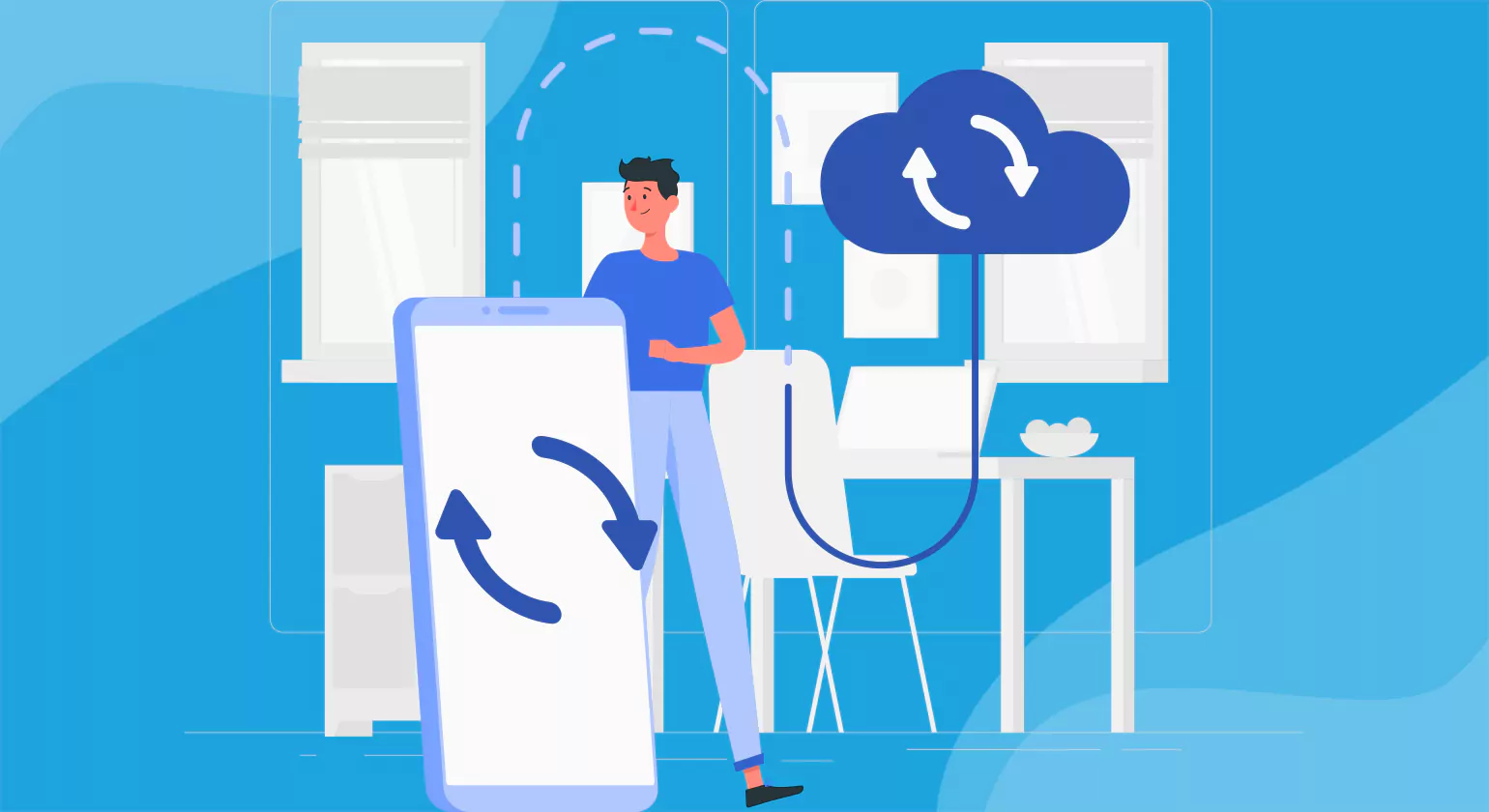
Cloud-based solutions are very scalable, so firms can quickly grow or shrink based on demand. Cloud application delivery platforms like AWS, Azure, and Google Cloud automatically assign resources to keep applications running at their best, whether they’re dealing with a sudden increase in traffic or business development. This means you don’t have to do anything yourself. This flexibility helps organizations make sure that their applications run well no matter how much work they have to do, and it also keeps them from giving out too many resources, which may be expensive.
Cost Efficiency
Cloud platforms adopt a pay-as-you-go pricing model, meaning businesses only pay for the resources they use, rather than committing to large capital expenditures for physical infrastructure. This reduces upfront costs and ongoing operational expenses associated with maintaining on-premises servers and hardware. Additionally, businesses can avoid the cost of IT staff for hardware management and maintenance, since these responsibilities are managed by cloud service providers.
Improved Performance
Cloud solutions ensure higher application performance by utilizing distributed architecture across multiple data centers. This means applications can handle increased traffic with better load balancing and reduced latency, resulting in faster page loads and a more responsive user experience. With global data centers, cloud providers ensure that application delivery solutions can deliver content quickly to users regardless of their geographic location.
Flexibility and Agility
Cloud-based Application Delivery Management offers flexibility, allowing businesses to quickly deploy, modify, or scale applications. With the rapid deployment of cloud services, businesses can experiment with new features, conduct A/B testing, and rapidly respond to market changes. The flexibility of cloud solutions allows organizations to innovate faster, meeting evolving customer needs and gaining competitive advantages.
Automatic Updates and Maintenance
Cloud providers handle all software updates, security patches, and system maintenance automatically, ensuring that applications are always up to date with the latest features and security enhancements. This reduces the burden on internal IT teams, as they no longer need to manually manage updates or worry about vulnerabilities in outdated systems. Additionally, with regular updates and patching, cloud-based solutions ensure minimal downtime and continuous application availability.
Global Accessibility
With cloud-based Applications Delivery Management, users can access applications from virtually anywhere in the world, if they have an internet connection. This global accessibility is especially valuable for businesses with remote teams or a global customer base. Cloud applications are not limited by geographical location, enabling employees and customers to access and collaborate on applications in real-time from different locations, improving business continuity and operational efficiency.
Enhanced Security
Cloud providers invest heavily in security infrastructure and protocols to protect applications and data. Features like encryption (both in transit and at rest), multi-factor authentication, and regular security audits ensure that application delivery solutions are protected from data breaches and unauthorized access. Cloud providers also implement continuous monitoring and threat detection systems to proactively identify and mitigate security risks, offering businesses a higher level of security than traditional on-premises setups.
Disaster Recovery
Cloud solutions come with built-in disaster recovery capabilities. Data is regularly backed up to multiple geographically distributed locations, ensuring that businesses can recover quickly from system failures, data loss, or natural disasters. This redundancy significantly reduces the risk of prolonged downtime and data loss, providing a level of business continuity that would be difficult and expensive to achieve with on-premises systems.
Resource Optimization
Cloud platforms optimize resource utilization by allowing businesses to adjust computing power, storage, and network capacity based on real-time requirements. With resource scaling, businesses can allocate more resources during peak usage times and scale down when demand is lower, ensuring that resources are used efficiently and cost-effectively. This flexibility reduces the need for over-provisioning and minimizes wasted resources.
Simplified Management
Cloud-based solutions provide centralized application delivery platform for managing, monitoring, and optimizing applications. Through cloud management consoles, businesses can track performance metrics, manage configurations, and monitor security alerts from a single interface. This ease of management reduces the complexity of overseeing applications and infrastructure, allowing IT teams to focus on strategic initiatives rather than day-to-day maintenance. Centralized monitoring tools also help detect issues early, enabling quick resolutions and minimizing disruptions.
Important Features to Look for in Application Delivery Management Software

Automation and CI/CD Support
Look for tools that support Continuous Integration and Continuous Delivery (CI/CD). Automation of build, testing, and deployment processes ensures faster, error-free releases and reduces manual intervention, accelerating ADM.
Real-Time Performance Monitoring
Real-time monitoring capabilities are essential to track application performance. The software should provide insights into metrics such as response times, server health, and user interactions, enabling proactive issue resolution and performance optimization.
Scalability and Flexibility
Ensure the software can scale according to the business needs. It should handle increased demand during traffic spikes and allow the flexibility to adapt to changing infrastructure, including hybrid and multi-cloud environments.
Comprehensive Security Features
Strong security tools are crucial in ADM software. Look for features like vulnerability scanning, encryption, role-based access control, and compliance monitoring to protect applications from security threats and ensure regulatory compliance.
User Experience Analytics
A key feature to consider is user experience analytics, which provides detailed insights into how users interact with the application. This helps identify friction points and optimize the overall user journey for improved satisfaction.
Collaboration Tools
ADM software should facilitate collaboration between cross-functional teams—development, operations, and business units. Integrated communication features enable seamless coordination, ensuring alignment on goals and faster issue resolution.
Reporting and Analytics
Built-in reporting and analytics provide actionable insights into delivery performance, identifying bottlenecks, resource usage, and areas for improvement. Data-driven decision-making enhances optimization and continuous improvement.
Version Control Integration
Integration with version control systems like Git enables better management of code changes and release tracking. This ensures versioning consistency and simplifies rollback if issues arise during deployment.
Cloud and Hybrid Support
The software should offer support for cloud-native, hybrid, and multi-cloud infrastructures, ensuring application delivery solutions are optimally deployed and managed across various environments without compatibility issues.
Disaster Recovery and Backup
Ensure the software includes built-in disaster recovery and backup capabilities to protect applications delivery and data from system failures. This ensures business continuity in case of unforeseen outages or data loss.
Conclusion
In short, Application Delivery Management (ADM) is incredibly important for businesses that want to make sure their apps are fast, safe, and work well in today’s fast-paced digital world. ADM solutions make the delivery process easier by using current technologies like automation, AI, cloud services, and edge computing. This helps businesses satisfy consumer needs for applications that are frictionless, responsive, and scalable. Also, as security threats get more complex, it will be very important to safeguard apps and data by using advanced models like Zero Trust. As microservices, containerization, and network optimization keep becoming better, the proper application delivery software is likely to have an even bigger impact on how applications are built, delivered, and kept up to date. Companies that adopt these new technologies will not only make their operations more efficient, but they will also provide better user experiences, giving them an edge over their competitors in their marketplaces. The future of ADM is always changing, therefore it needs people who are flexible, work well with others, and can see problems coming.
Know more >>>
Ultimate Guide to Custom Application Development Services
10 Easy Steps on How to Create a Custom Web Application
FAQ'S
What is Application Delivery Management?
ADM refers to the process of overseeing the end-to-end delivery, performance, and security of applications. It focuses on ensuring applications are efficiently deployed, updated, and scaled to meet user needs while maintaining high availability, performance, and security.
What does an Application Delivery Manager do?
An Application Delivery Manager (ADM) oversees the lifecycle of applications, ensuring timely delivery, quality, and performance. They coordinate teams, manage resources, streamline processes, and implement best practices in application development and deployment to meet business objectives.
What is Application Delivery Management Software?
ADM Software helps automate and manage the deployment, monitoring, and optimization of applications across multiple environments. It ensures performance, security, and scalability while providing insights and metrics to enhance the delivery process.
What are the components of Application Services Delivery Management?
Key components include application monitoring, performance optimization, security management, cloud integration, automation, resource allocation, and incident response. These components work together to ensure efficient, secure, and high-quality application delivery.
What activities does Application Management perform?
Application Management activities include monitoring performance, troubleshooting issues, managing updates, ensuring security, optimizing resource usage, and coordinating with development teams for enhancements. It ensures applications delivery function smoothly, meeting user and business requirements.