Table of Contents
Quick Overview
- The Ad Intelligence Tools operate across different platforms to gather and evaluate digital advertisements which they use to generate insights about competitors and their advertising results.
- The system monitors multiple metrics which include impression count, click-through rate, user engagement, advertising expenses, creative types, audience targeting methods, and rivalry between competitors.
- The system provides various capabilities which include active competitor advertisement tracking, advertisement design evaluation, and automatic report generation.
- The Tools enable you to track your competitors’ advertising activities while you analyze their creative content and track how frequently they run ads and study their methods for reaching specific audiences to enhance your market positioning.
What are Ad Intelligence Tools?
Ad intelligence tools function as dedicated software systems which gather and process and present advertising information from competing companies through online platforms including social media and search engines and display networks and video sharing services.
Core Functionality
The tools conduct automated searches on advertising platforms such as Facebook and Google and TikTok to collect information about current advertising initiatives which includes details about creative materials and promotional text and audience targeting information and website content and user interaction statistics and predictive analytics services. The system lets marketers find successful strategies through keywords and industry and brand searches without needing to do manual work.
Top 10 Best Ad Intelligence Tools in 2026
1. Omneky
Overview
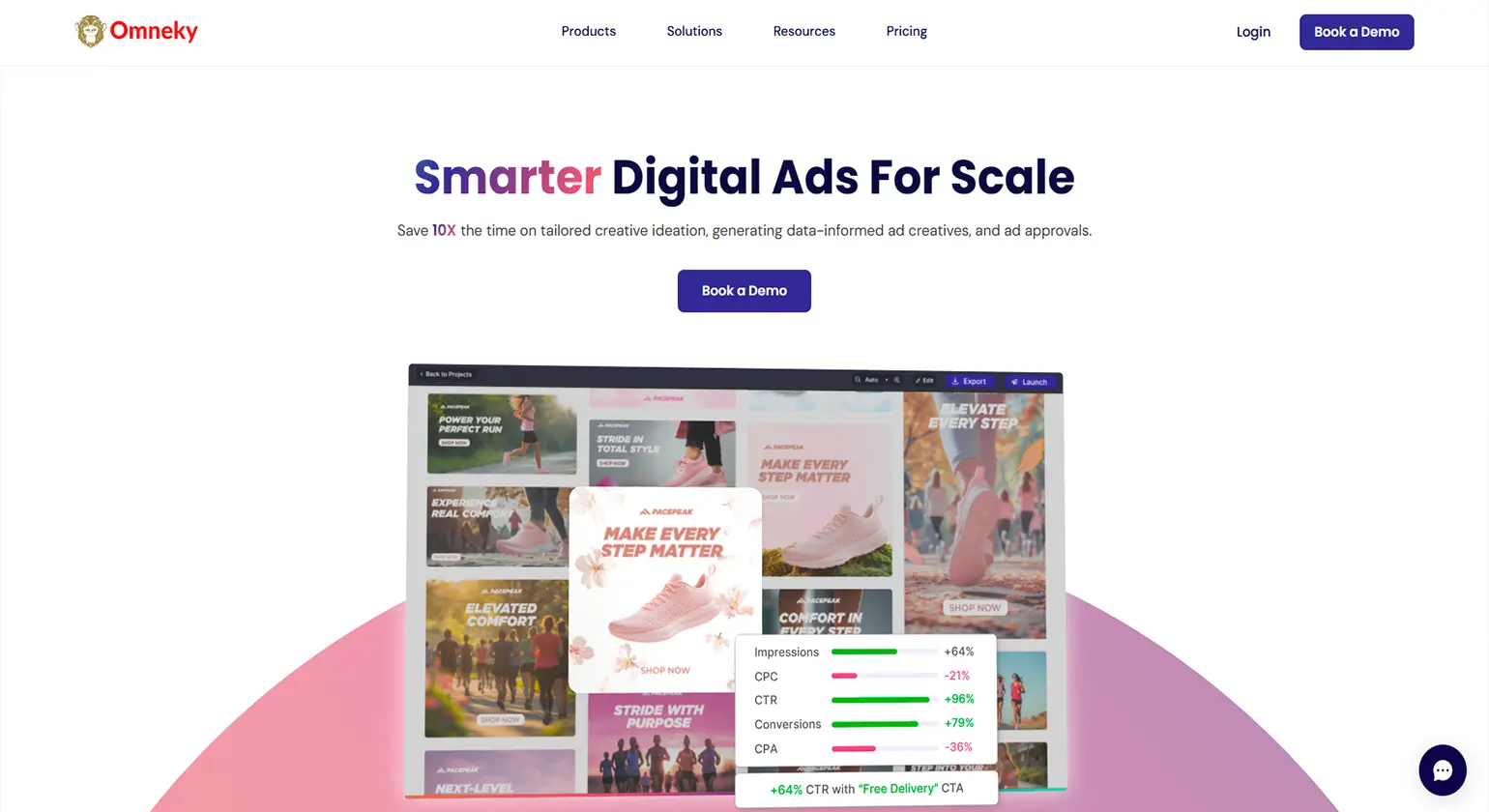
Omneky harnesses the power of AI to generate, test, and analyze ad creatives across a wide range of platforms. It combines machine learning and human insights to produce personalized and high-performing ads tailored to specific audience segments. By using deep learning, Omneky identifies which creatives resonate best, ensuring that each ad iteration is more effective than the last. This helps brands connect better with their audience and scale their creative production efficiently.
Key Features
- AI-generated creatives
Performance-driven optimization
Integration with Facebook, Google, and TikTok
Real-time ad testing
Why Choose Us
Omneky is the go-to solution for marketers aiming to maximize the impact of their ad creatives. Its AI-driven insights provide a competitive edge, allowing businesses to scale campaigns quickly while improving ROI. With the ability to continuously optimize content based on performance metrics, Omneky makes your creative strategy smarter, more targeted, and results-driven.
2. YouScan
Overview
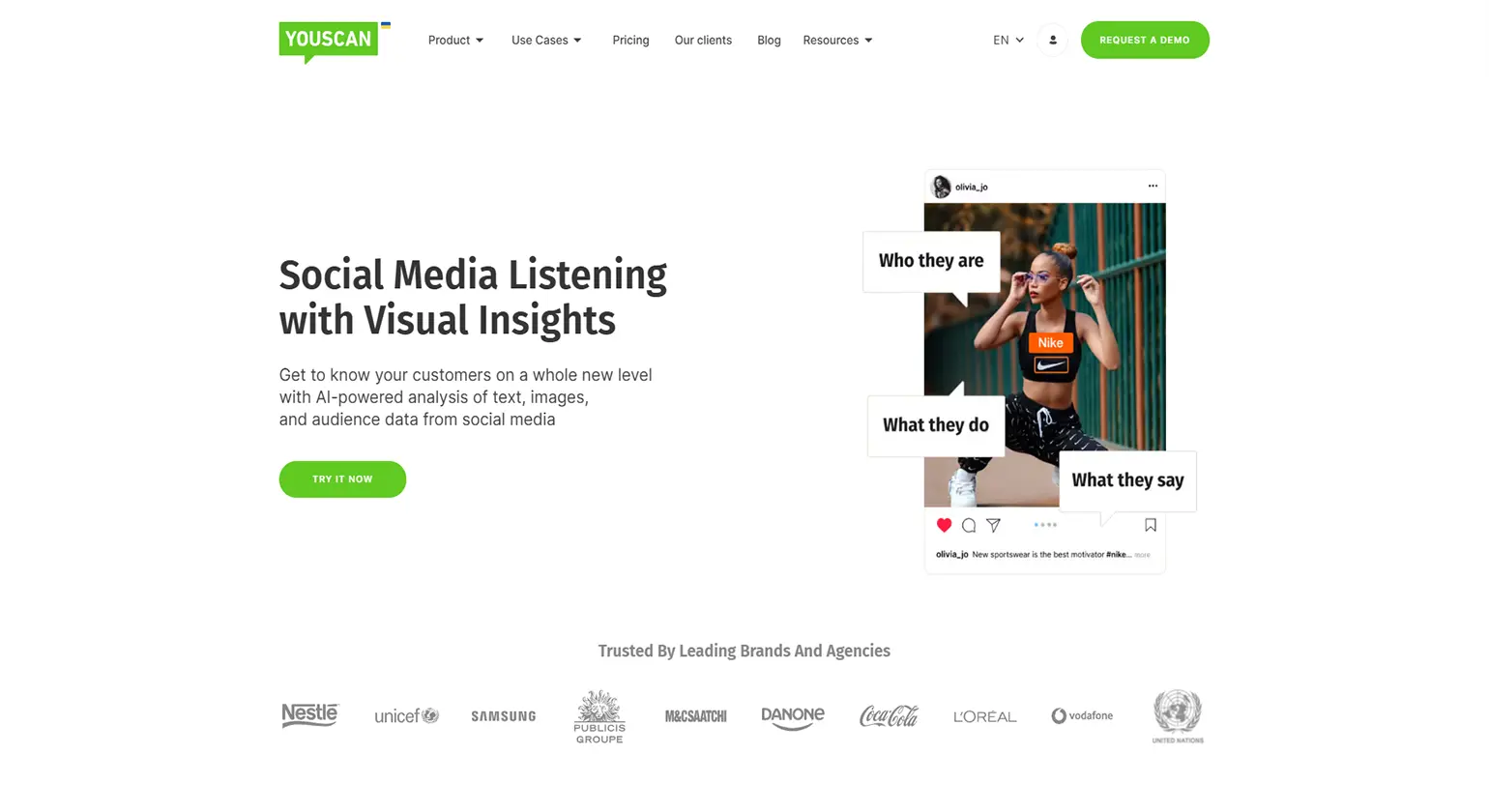
YouScan is a cutting-edge social media listening tool equipped with powerful visual recognition capabilities. It enables brands to monitor online conversations and visual content to uncover how their ads and brand are perceived. YouScan provides in-depth analysis of customer sentiment, trends, and visual mentions, making it easy for marketers to stay informed and agile. It helps brands understand the full scope of their digital footprint and gain real-time insights.
Key Features
- Image recognition and logo detection
- AI-powered sentiment analysis
- Real-time alerts and dashboards
- Multi-language support
Why Choose Us
YouScan offers a comprehensive suite for brand monitoring, giving you an edge in competitive intelligence and customer sentiment tracking. It’s an essential tool for marketers who want to be proactive in managing brand perception and optimizing visual campaigns. With YouScan, you’re always in tune with how your ads are received, both verbally and visually.
3. Taboola’s 'Abby'
Overview
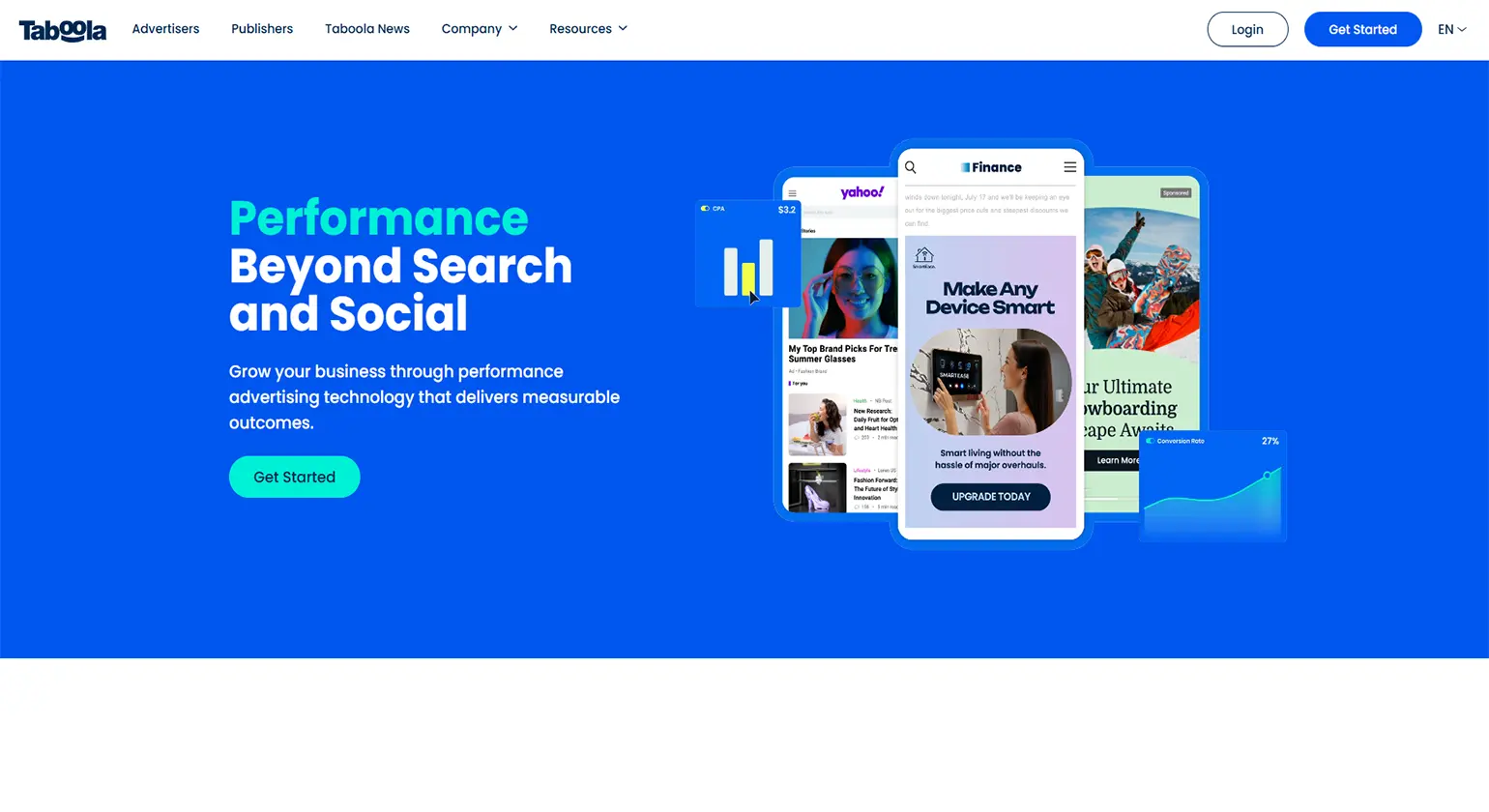
Abby is Taboola’s AI-powered assistant designed to optimize native advertising campaigns. It delivers data-driven insights, content recommendations, and targeting enhancements, enabling marketers to make better, faster decisions. Abby bridges the gap between campaign performance and strategic improvements by analyzing vast datasets in real time to offer actionable guidance tailored to specific goals.
Key Features
- Smart content recommendations
Real-time campaign performance analysis
Personalized optimization suggestions
Predictive targeting
Why Choose Us
Abby is an excellent companion for native advertisers looking to drive performance with less guesswork. With its intuitive suggestions and real-time insights, Abby empowers marketers to enhance content placement, boost click-through rates, and make data-backed decisions effortlessly. If you’re running Taboola ads, Abby is your key to smarter scaling.
4. Firsthand
Overview
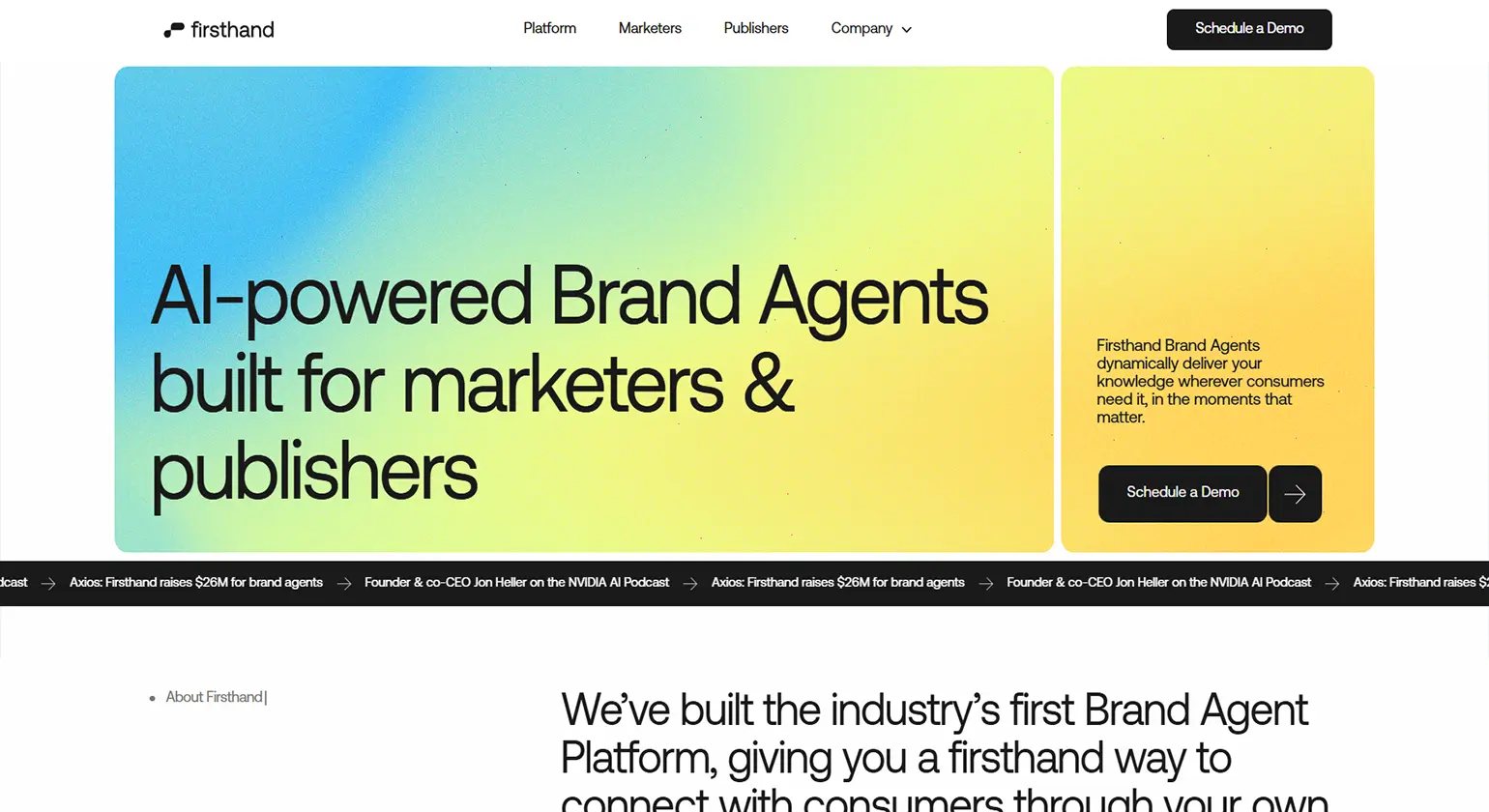
Firsthand offers a unique approach to advertisement intelligence Tools by focusing on authentic user feedback. This platform captures real-time consumer reactions to ads, helping marketers fine-tune their messaging, design, and overall strategy. With Firsthand, brands get access to qualitative insights, like emotional reactions and detailed commentary, that typical analytics tools may overlook.
Key Features
- User feedback collection
- Sentiment tracking
- Creative heatmaps
- Audience persona insights
Why Choose Us
Firsthand is ideal for brands seeking a more human-centric understanding of ad performance. By listening directly to real user opinions, companies can improve ad relevance, eliminate guesswork, and build campaigns that truly connect. It’s perfect for creative teams looking to validate ideas and continuously improve through customer-centric data.
5. Epsilon
Overview
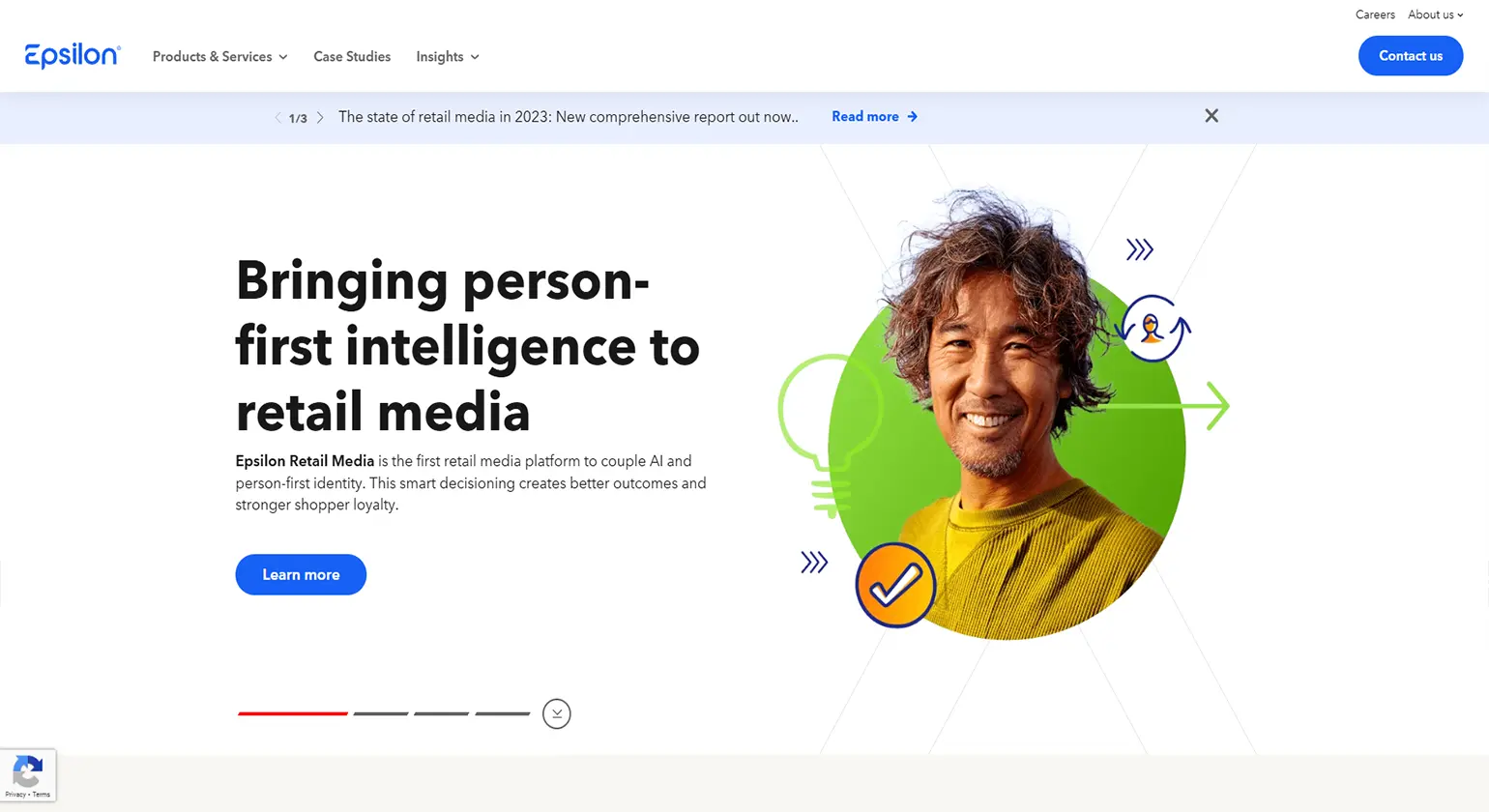
Epsilon is a powerhouse in data-driven marketing and advertisement intelligence Tools. It blends consumer data with advanced analytics to drive hyper-personalized advertising experiences. Epsilon helps businesses unify fragmented data, map customer journeys, and reach the right audiences at the right time. Its emphasis on identity resolution and omnichannel targeting makes it a go-to tool for enterprise-scale advertising.
Key Features
- Proprietary consumer data
Cross-channel attribution
Personalized targeting
Privacy-compliant data usage
Why Choose Us
Epsilon stands out for its ability to drive deeply personalized and scalable ad experiences. Marketers benefit from one of the largest consumer databases, sophisticated targeting, and reliable attribution modeling. Whether you’re running omnichannel campaigns or refining customer segmentation, Epsilon gives you the tools and data to outperform competitors.
6. Amazon’s Complete TV
Overview
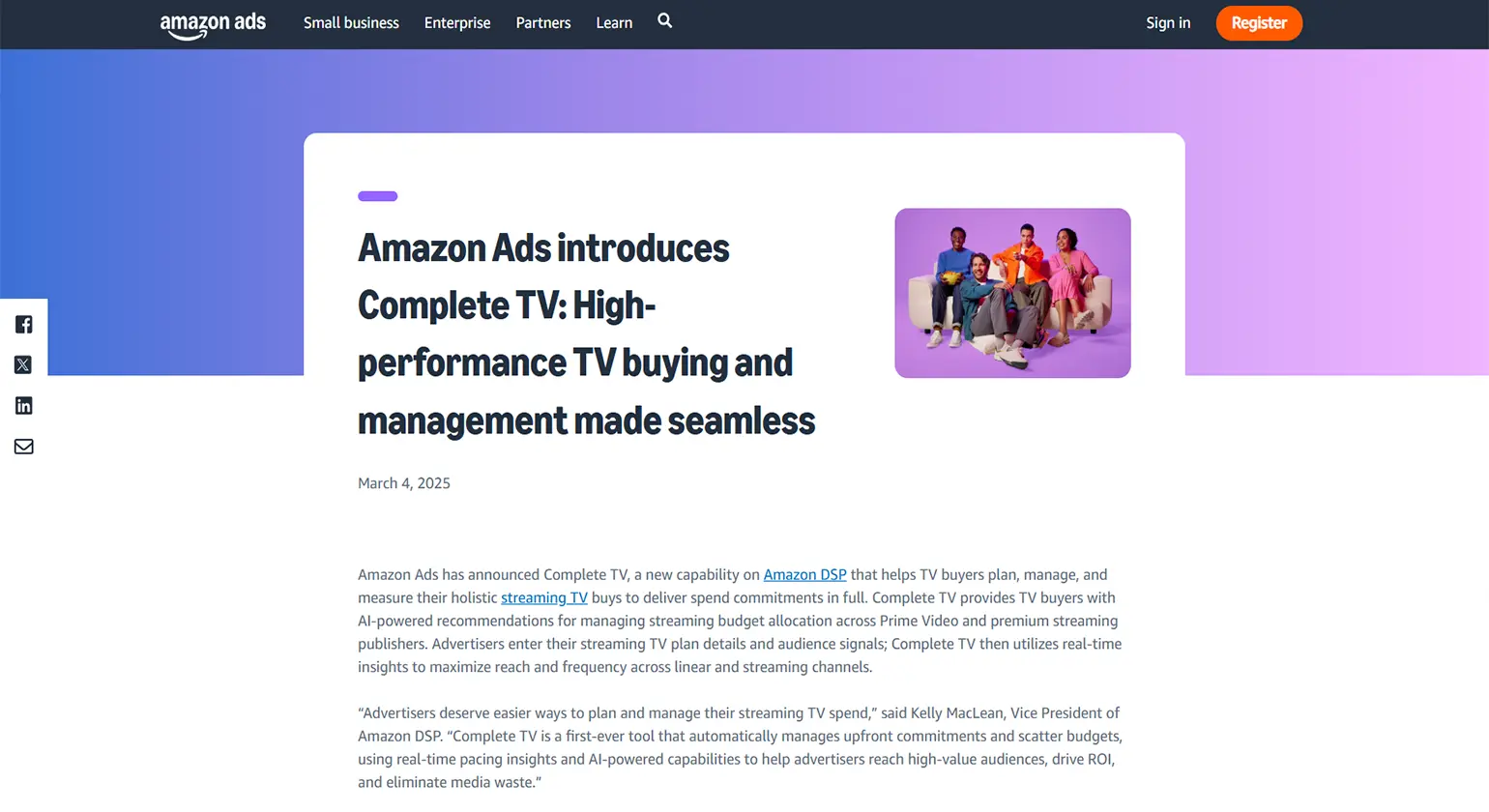
Amazon’s Complete TV platform unites streaming, live TV, and shopper data to offer brands an end-to-end view of their advertising performance. It leverages Amazon’s vast ecosystem to provide data-rich insights that connect viewing habits with consumer behavior. Advertisers gain a complete picture of how their TV ads influence real-world purchases.
Key Features
- Streaming and live TV insights
- Amazon shopper data integration
- Audience reach and frequency reports
- Performance attribution
Why Choose Us
Amazon’s Complete TV is unmatched in combining advertising with shopping behavior. For brands targeting high-intent consumers, it provides granular performance metrics and access to highly engaged audiences. With Amazon’s data backbone, your TV advertising becomes more measurable, more actionable, and ultimately more profitable.
7. Intent Connect
Overview:
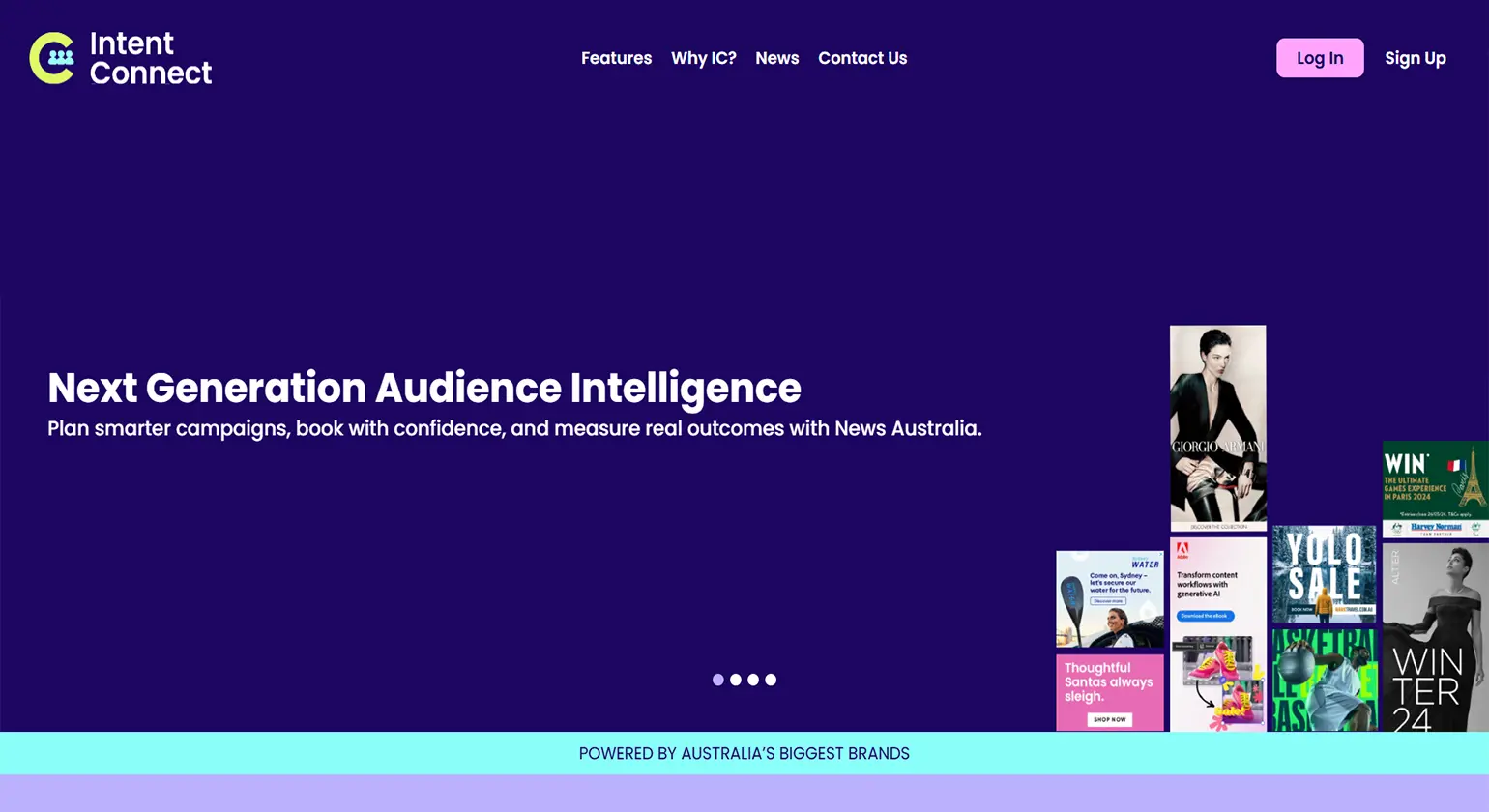
Intent Connect is designed to help advertisers capture and act on buyer intent data across digital channels. It leverages AI to analyze user behaviors, predict buying signals, and enable timely ad interventions. Whether in B2B or B2C, Intent Connect offers real-time data that sharpens audience targeting and ad effectiveness.
Key Features
- Buyer intent scoring
Predictive targeting
Real-time behavioral tracking
Seamless CRM integration
Why Choose Us
Intent Connect helps businesses prioritize leads and deliver ads when customers are most likely to convert. Its predictive capabilities reduce wasted spend and boost campaign ROI. Whether you’re nurturing prospects or capturing in-market buyers, Intent Connect aligns marketing with actual customer intent.
8. Google Ads with AI Integration
Overview
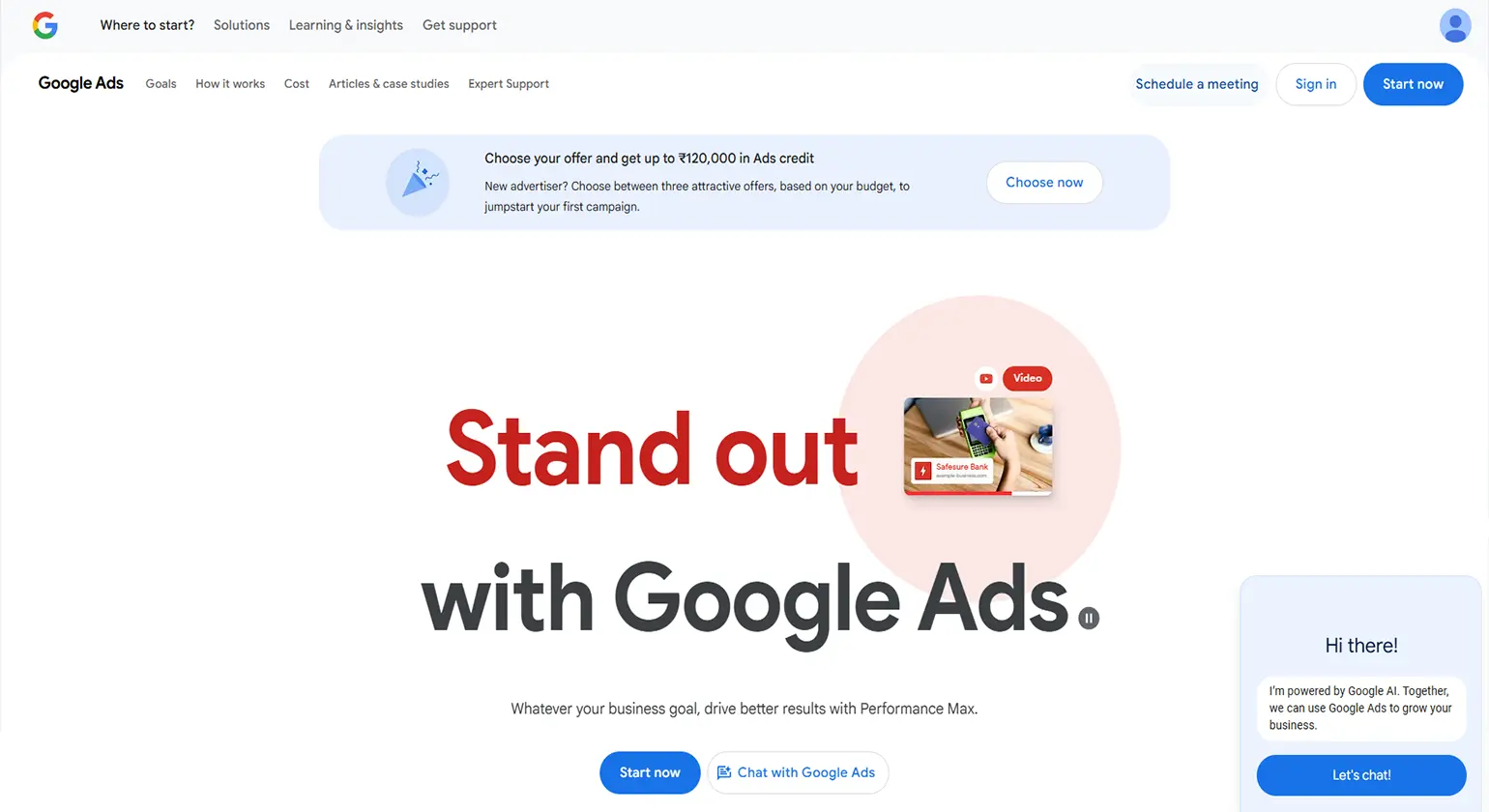
Google Ads continues to innovate with deeper AI integration, making ad creation and optimization smarter and faster. Its AI-driven tools help marketers automate bidding, improve creative, and refine targeting. With vast reach and real-time performance analysis, Google Ads is a cornerstone of modern digital campaigns.
Key Features
- Smart bidding strategies
Responsive ad creation
Audience segmentation with AI
Real-time budget suggestions
Why Choose Us
Google Ads’ AI integration ensures your campaigns are always learning and improving. From startups to global enterprises, it’s built to deliver results with minimal manual input. Its vast user base and deep learning models give you the edge to optimize performance at scale.
9. Meta’s AI
Overview
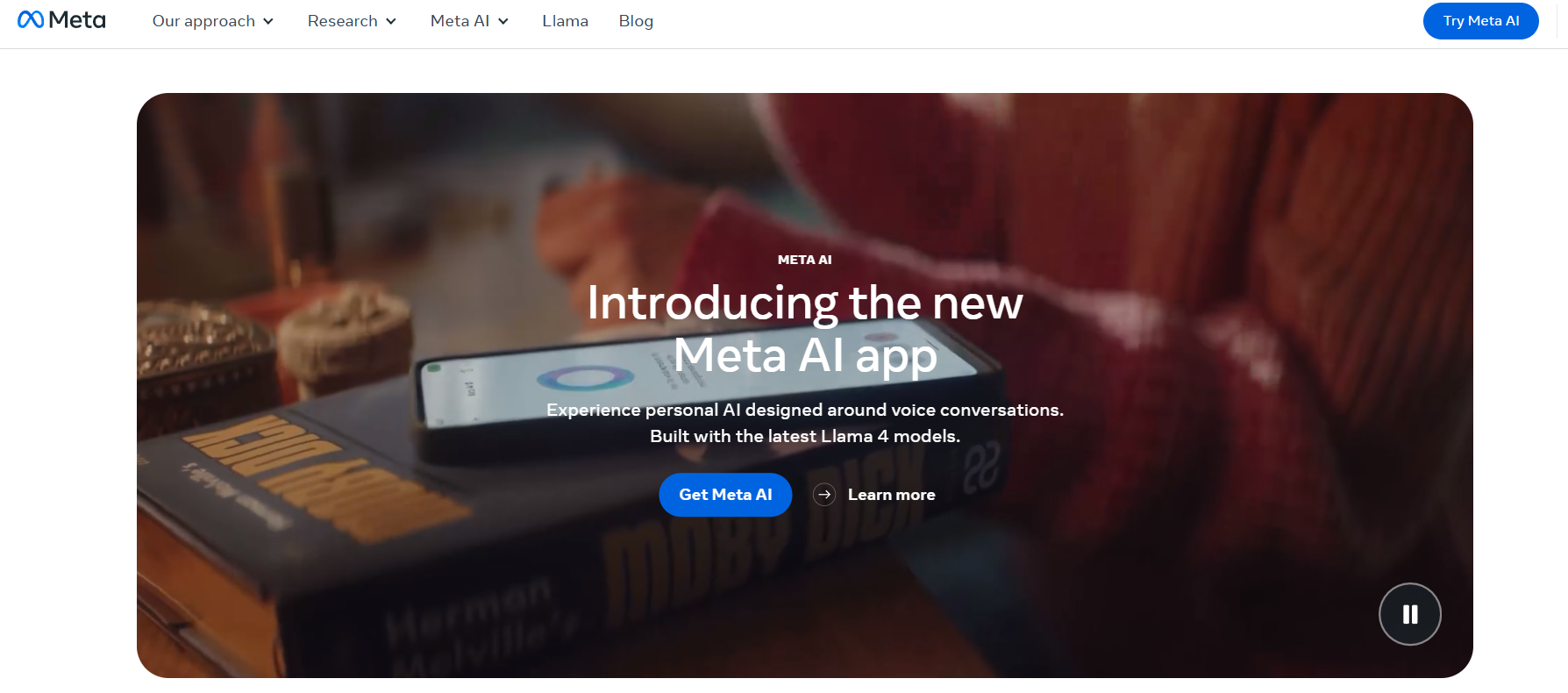
Meta’s AI tools are engineered to enhance ad performance across Facebook, Instagram, and Messenger. These tools automate optimization by analyzing massive user datasets, adjusting ad creatives, placements, and audiences dynamically to increase performance and reduce waste.
Key Features
- AI-powered campaign management
Creative performance insights
Dynamic creative testing
Automated audience expansion
Why Choose Us
Meta’s AI helps brands streamline social ad management and achieve higher returns through continuous optimization. It’s perfect for brands looking to dominate in social commerce, combining scale, data intelligence, and real-time adaptability in one platform.
10. Adbeat
Overview
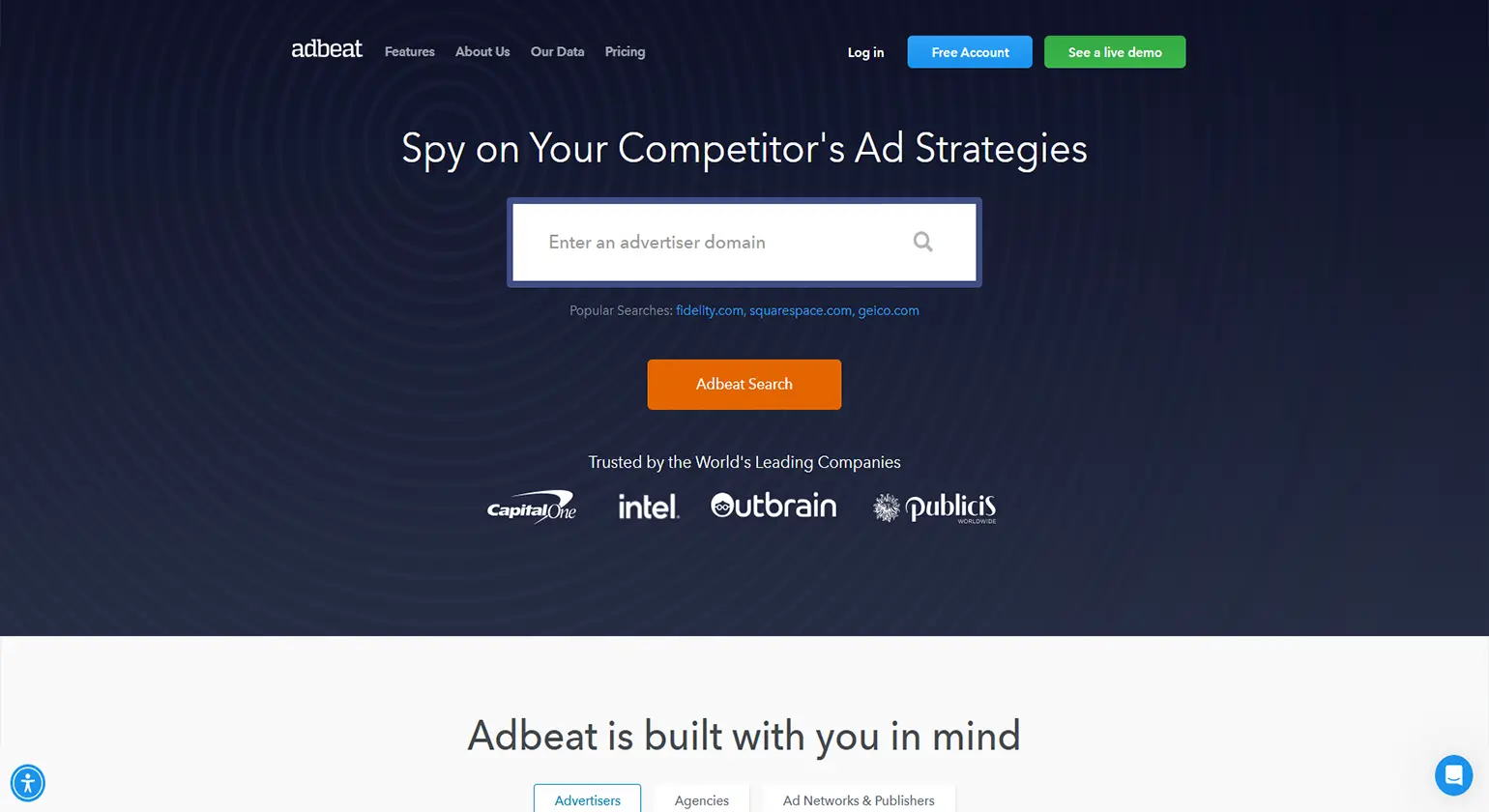
Adbeat is a leading competitive intelligence tool that provides deep insights into digital advertising strategies. It uncovers where competitors are advertising, how much they’re spending, and what creatives they’re using, giving advertisers a blueprint to outperform rivals.
Key Features
- Competitor ad tracking
Spend analysis by channel
Creative archive access
Market trend reporting
Why Choose Us
Adbeat empowers you to stay one step ahead by understanding what works in your industry. It saves time and reduces guesswork by offering a clear view of competitor strategies. Ideal for rich media buyers and strategists, it brings clarity and precision to digital ad planning.
Advanced Metrics Tracked by Ad Intelligence Tools
- Ad Velocity Score: The metric evaluates the speed at which brands introduce new advertisements during a designated period. High velocity often signals aggressive testing or scaling.
- Creative Longevity Index: The system monitors the duration which an advertisement maintaining its operational status. The system helps identify effective advertising materials which provide continuous successful performance.
- Estimated Ad Spend: Artificial intelligence optimization helps to estimate the advertising expenses that competitors incur. The system derives its information from the analysis of impression distribution and advertisement positioning.
- Share of Voice (SOV): The metric assesses how much a brand appears in the market compared to its industry rivals. The measurement shows which company holds the most extensive market share.
- Audience Overlap Score: The system calculates how closely your target market matches the audience of your competing business. The system assists users in discovering market segments that remain unexplored.
Key Features of the Best Ad Intelligence Tools

Choosing the right Digital advertising intelligence tool requires a deep understanding of its features. The best platforms offer a combination of competitive analysis, ad tracking, and performance insights to ensure businesses get the most value. Here are the essential features to look for:
1. Competitor Ad Tracking
One of the primary functions of Digital ad intelligence is to monitor competitors’ advertising strategies. These tools track ads running on Google, Facebook, Instagram, YouTube, and other platforms, allowing businesses to understand which creatives, keywords, and targeting methods are most effective.
2. Ad Spend and Budget Analysis
Understanding how much competitors spend on ads is crucial for budget optimization. Many ad intelligence provide estimates of competitors’ ad spend, helping businesses allocate their marketing budget efficiently.
3. Keyword Research and Analysis
Digital Ad intelligence tools offer keyword insights for paid and organic search, allowing businesses to target high-performing search terms. These insights help marketers refine their Google Ads and SEO strategies to improve visibility and conversions.
4. Audience Targeting Insights
Advanced tools provide detailed audience segmentation, showing demographics, interests, and behaviors of users engaging with competitor ads. This helps brands create more targeted and effective campaigns.
5. Ad Performance Benchmarking
By analyzing click-through rates (CTR), engagement metrics, conversion rates, and return on ad spend (ROAS), businesses can compare their ad performance against industry benchmarks and optimize their strategies accordingly.
6. Multi-Channel Ad Monitoring
The best tools track ads across multiple platforms, including Google, Facebook, LinkedIn, TikTok, Twitter, and YouTube backlink tools. This ensures businesses get a complete picture of their competitors’ marketing activities.
7. Ad Creatives and Copy Insights
Many tools allow users to view actual ad creatives, headlines, descriptions, and CTA buttons used by competitors. This helps brands understand what type of messaging resonates with their target audience.
8. Historical Data and Trend Analysis
Ad intelligence store historical ad data, allowing marketers to analyze past trends and predict future opportunities. This helps in seasonal campaign planning and long-term marketing strategies.
9. Automated Alerts and Reporting
Real-time notifications about competitor ad changes, budget shifts, or new ad launches help businesses stay ahead of the competition. Automated reports save time and provide valuable insights without manual tracking.
10. Integration with Marketing Platforms
The best ad intelligence integrates with Google Analytics, Facebook Business Manager, HubSpot, and other CRM/analytics platforms, making it easier to analyze and use the data in marketing strategies.
Top Benefits of Using Ad Intelligence Tools

Investing in ad intelligence tools offers significant advantages, from competitive insights to cost savings. Here’s how they can enhance your advertising strategy:
1. Gain a Competitive Edge
With real-time competitor tracking, businesses can quickly adapt their ad strategies to stay ahead. Understanding which ads drive the most engagement and which keywords convert best helps brands outperform rivals.
2. Optimize Ad Spend and Budget Allocation
Ad intelligence provide detailed ad spend analysis, allowing businesses to allocate their marketing budget wisely. By identifying high-performing channels and underperforming campaigns, companies can maximize their return on investment (ROI).
3. Improve Ad Targeting and Audience Engagement
By analyzing competitor audience data, businesses can refine their targeting strategies. These insights help create personalized ads that appeal to the right audience, leading to higher conversion rates.
4. Identify High-Performing Keywords
Effective keyword research is essential for SEO and PPC success. Advertisement intelligence tools highlight profitable search terms, allowing businesses to optimize their Google Ads and content marketing strategies.
5. Monitor Market Trends and Industry Shifts
Keeping up with industry trends is vital for maintaining relevance. Ad intelligence provides real-time data on ad trends, helping businesses adjust their campaigns accordingly.
6. Enhance Creative Strategy with Data-Driven Insights
Seeing what types of ad creatives and copy competitors use allows brands to craft more engaging and high-converting ads. Testing different ad formats based on competitor performance can lead to better results.
7. Reduce Wasted Ad Spend
By understanding which ads are working and which aren’t, businesses can avoid spending on ineffective campaigns. Data-driven decisions lead to better allocation of marketing resources.
8. Improve Campaign Performance with A/B Testing
Digital Ad intelligence allows marketers to test different ad creatives, copy variations, and targeting strategies. By comparing performance metrics, businesses can continuously optimize their campaigns.
9. Uncover New Market Opportunities
Many tools highlight emerging trends and untapped markets, giving businesses insights into potential expansion areas before their competitors.
10. Save Time with Automation and Reporting
Instead of manually tracking competitor ads, businesses can set up automated alerts and reports. This allows marketing teams to focus on strategy and execution rather than data collection.
How to Choose the Right Ad Intelligence Tool for Your Business

Selecting the best ad intelligence tools is crucial for businesses aiming to enhance their digital marketing strategy. With a wide range of platforms available, choosing the right one requires understanding your business needs, budget, and marketing goals.
1. Define Your Advertising Goals
Before selecting an Digital advertising intelligence tool, determine what you want to achieve. Whether it’s competitor analysis, keyword tracking, audience insights, or ad performance benchmarking, having clear goals helps you pick the right tool.
2. Identify Your Advertising Channels
Different link insertion tools specialize in various advertising channels, such as Google Ads, Facebook, YouTube, TikTok, and display networks. If your brand focuses on social media advertising, platforms like Meta’s AI or Taboola’s Abby may be ideal. For search engine ads, Google Ads with AI integration or Adbeat might be better.
3. Consider the Features You Need
Key features to look for in a Digital advertising intelligence tool include:
- Competitor ad tracking (Omneky, Adbeat)
- Keyword research and analytics (Google Ads AI, Epsilon)
- Audience targeting insights (YouScan, Firsthand)
- Budget and ad spend analysis (Amazon’s Complete TV, Intent Connect)
- Ad creative benchmarking (Taboola’s Abby, Omneky)
4. Evaluate Integration with Your Marketing Stack
Ensure the tool integrates seamlessly with your existing platforms like Google Analytics, CRM software, and ad networks. A tool that works with your current ecosystem will enhance efficiency and improve data-driven decision-making.
5. Compare Pricing and Scalability
Some tools cater to small businesses, while others are designed for enterprise-level marketing teams. Compare pricing models and consider whether the tool can scale as your business grows.
How to Track Competitor Ads Using Ad Intelligence Tools
Tracking competitor ads is essential for staying ahead in the digital advertising landscape. Ad intelligence tools provide deep insights into competitors’ strategies, allowing businesses to adjust their approach accordingly. Here’s how to effectively track competitor ads.
1. Use AI-Powered Competitive Analysis Tools
Platforms like Adbeat, YouScan, and Intent Connect track competitors’ ad creatives, ad placements, and spending patterns. These tools provide real-time updates on which ads are performing best in the industry, helping businesses refine their ad strategies.
2. Monitor Competitor Social Media Ads
Social media platforms like Facebook, Instagram, and LinkedIn offer transparency tools that allow businesses to view competitors’ running ads. Additionally, tools like Meta’s AI and Omneky analyze social media ad engagement metrics to identify top-performing ads.
3. Analyze Competitor Keywords and Bidding Strategies
Google Ads Intelligence and Taboola’s ‘Abby’ help track competitors’ paid search mobile ads display ad placements. These tools provide insights into the most effective keywords, ad copy, and bidding strategies used by competitors.
4. Evaluate Landing Pages and Conversion Funnels
Beyond ad creatives, analyzing competitors’ landing pages and conversion strategies is crucial. An ad intelligence solution provides insights into bounce rates, lead generation strategies, and CTA effectiveness on competitor landing pages. Businesses can use this information to optimize their own conversion funnels.
5. Track Competitor Ad Spend and Budget Allocation
Understanding how competitors allocate their advertising budget helps businesses optimize their own spending. Tools like Epsilon and Amazon’s Complete TV provide insights into industry-wide ad spend patterns, allowing advertisers to adjust their budget accordingly.
Ad Intelligence Tools for Different Advertising Channels
Ad intelligence tools cater to different advertising channels, including search, display, social media, video, and programmatic advertising. Here’s how businesses can leverage these tools across various platforms.
1. Search Advertising
Search engine advertising relies on bidding strategies and keyword optimization to attract high-intent users.
- Best Tools: Google Ads AI, Adbeat, Epsilon
- Key Benefits:
- Automates bidding for maximum ROI
- Provides insights into keyword trends and competitor strategies
- Optimizes ad copy for higher conversion rates
2. Display Advertising
Display ads require high-quality visuals and strategic placement to increase engagement.
- Best Tools: Taboola’s ‘Abby,’ Intent Connect, YouScan
- Key Benefits:
- AI-powered ad placement on high-performing websites
- Real-time performance tracking for display ads
- Advanced audience segmentation for precise targeting
3. Social Media Advertising
Social media platforms offer powerful audience targeting features that require AI-driven insights.
- Best Tools: Meta’s AI, Omneky, Firsthand
- Key Benefits:
- AI-driven ad creative optimization
- Advanced targeting based on user behavior
- Automated budget allocation for maximum impact
4. Video Advertising
Video ads are crucial for platforms like YouTube, TikTok, and streaming services.
- Best Tools: Amazon’s Complete TV, Google Ads AI, YouScan
- Key Benefits:
- AI-powered video ad creation and optimization
- Audience behavior tracking for better engagement
- Cross-device measurement to track video ad effectiveness
5. Programmatic Advertising
Automated ad buying and real-time bidding help brands maximize ad performance.
- Best Tools: Epsilon, Adbeat, Intent Connect
- Key Benefits:
- AI-driven real-time ad placement
- Predictive analytics for better ad bidding
- Seamless integration with multiple ad networks
How to Use Ads Intelligence Tools to Optimize Your Ad Campaigns

Ad intelligence tools provide data-driven insights to help businesses refine their advertising strategies, maximize conversions, and improve return on investment (ROI). By leveraging AI-powered analytics, businesses can identify top-performing ads, optimize audience targeting, and track competitor strategies. Here’s how to effectively use ad intelligencefor campaign optimization.
1. Analyze Competitor Strategies
One of the most effective ways to improve your ad campaigns is by understanding what works for competitors. Tools like Adbeat, YouScan, and Intent Connect provide detailed insights into competitors’ ad creatives, placements, and bidding strategies. By analyzing their top-performing ads, businesses can refine their own creatives and targeting methods.
2. Optimize Audience Targeting
Reaching the right audience is critical for a successful ad campaign. Advertisement intelligence tools use AI-driven audience segmentation to identify high-converting users based on demographics, behavior, and interests. Platforms like Meta’s AI and Google Ads AI Integration help businesses automate audience targeting, ensuring ads are shown to users with the highest intent to engage or convert.
3. Improve Ad Creatives and Messaging
Search Ads intelligence tool like Omneky and Taboola’s ‘Abby’ uses AI to test different creatives and headlines, helping businesses determine which versions perform best. Regular A/B testing allows advertisers to refine visuals, ad copy, and call-to-actions (CTAs) for maximum engagement.
4. Monitor Ad Performance in Real-Time
Tracking key performance metrics such as click-through rates (CTR), cost-per-click (CPC), and conversion rates ensures campaigns remain profitable. Tools like Epsilon and Amazon’s Complete TV provide real-time insights, allowing businesses to adjust their budget allocation and bidding strategies based on performance data.
5. Automate Bidding Strategies
Using AI-powered bidding automation ensures that ad spend is optimized for the best results. Google Ads AI and Epsilon leverage machine learning to adjust bids dynamically, maximizing conversions while minimizing wasted ad spend.
6. Optimize for Different Advertising Channels
Each advertising platform has unique requirements. Whether running search, display, social media, or video ads, businesses should use tools that cater to each channel. Intent Connect and Firsthand help brands tailor their ad strategies across multiple platforms for better reach and engagement.
AI and the Future of Ad Intelligence Tools (2026 and beyond)
1. Predictive Performance Modeling
AI will predict ROAS and conversions and scaling potential before campaigns start. This enables marketers to take proactive actions which help them handle performance declines.
2. Generative Creative Intelligence
AI will study successful advertisement patterns to create optimized creative content. This process decreases testing duration while it boosts creative production and operational productivity.
3. Cross-Platform Intelligence Integration
Advanced systems will connect data across platforms like Meta Platforms and Google. This system delivers a single platform which shows how audiences interact with different channels and how competitors operate.
4. Automated Competitive Signal Detection
AI will identify scaling indicators and new product introductions and substantial advertising budget changes without delay. Marketers can respond faster to competitive movements with data-backed strategies.
5. Autonomous Campaign Optimization
Future tools will automatically adjust budgets and bids, and creatives in real time. This system allows marketers to move from manual campaign management toward overseeing strategic operations.
Conclusion
Ad intelligence tools are essential for running high-performance ad campaigns. By leveraging AI-driven insights, businesses can track competitor strategies, refine audience targeting, improve ad creatives, and optimize bidding strategies. Consistently analyzing ad performance and adjusting strategies based on data ensures higher engagement, better conversion rates, and improved ROI.
FAQs
1. What are ad intelligence tools?
Advertisement intelligence tools collect and analyze data from online advertisements to provide insights into competitor strategies, audience behavior, and ad performance.
2. What features should I look for in an ad intelligence tool?
Key features include competitor analysis, audience insights, ad performance tracking, predictive analytics, and multi-channel integration.
3. What are the benefits of using advertisement intelligence tools?
They enhance campaign efficiency, provide actionable insights, improve targeting accuracy, and reduce advertising costs by identifying what works best.
4. What are common mistakes when using advertisement intelligence tools?
Over-reliance on automation without human oversight, ignoring data insights, failing to update strategies based on trends, and underutilizing advanced features.
5. How can I use these tools to optimize my campaigns?
Leverage predictive analytics for better targeting, use real-time optimization features to adjust bids and creatives dynamically, and analyze performance metrics for continuous improvement.
6. How do Advertisement intelligence tools improve pitch strategies?
Marketing intelligence tools improve pitch strategies by providing detailed insights into competitor campaigns, audience preferences, and industry trends. This data allows businesses to craft more personalized, data-driven pitches that resonate with target audiences, enhancing the likelihood of success.