Table of Contents
Introduction
Running a successful small business requires more than just a great product or service—it also requires accurate financial management. Bookkeeping, tax preparation, payroll, and compliance can take up valuable time that entrepreneurs could otherwise spend growing their businesses. This is where accounting business services come into play.
Whether you are a startup owner, a freelancer, or an established small business, outsourcing professional accounting can save money, reduce errors, and provide valuable insights into your financial health. In this guide, we will break down what accounting business services are, why they are essential, and how they can benefit small businesses.
What are Accounting Business Services?
Accounting business services are professional financial management solutions designed to support businesses of all sizes. These services range from basic bookkeeping to advanced financial planning. Instead of hiring a full-time in-house accountant, many small businesses choose outsourced accounting because it is cost-effective and provides access to expert knowledge.
Some common business accounting services include:
- Bookkeeping: Recording daily transactions, reconciling bank accounts, and organizing financial data.
- Payroll Management: Ensuring employees are paid correctly and on time while meeting tax obligations.
- Tax Preparation and Filing: Managing tax returns, deductions, and compliance with IRS and state laws.
- Financial Reporting: Creating income statements, balance sheets, and cash flow reports for business analysis.
- Budgeting and Forecasting: Helping businesses plan for growth and manage expenses.
By leveraging these services, small businesses can focus on what they do best while leaving the financial complexities to professionals.
Best Accountant Services for Small Businesses
When it comes to choosing the right Accounting services for small business, the focus should be on affordability, accuracy, and time efficiency. The following are some of the most valuable business accounting services solutions that help small business owners stay financially healthy and compliant.
Accuracy and Compliance in Small Business Accounting
Accuracy is the backbone of business accounting. A single mistake in your books can lead to tax penalties, cash flow issues, or poor financial decision-making. Professional Accounting Business Services ensure that your records are always correct and up to date.
Compliance is another crucial factor. From sales tax to payroll tax, businesses must adhere to a variety of state and federal regulations. Accountants not only ensure compliance but also stay updated with ever-changing tax laws. For example, if you miss a filing deadline, you could face hefty fines. Outsourced accountants eliminate that risk by keeping track of due dates and ensuring all reports are filed correctly.
Accurate and compliant virtual accounting services helps build trust with investors, banks, and stakeholders. It also protects small businesses from audits and penalties that could harm their reputation.
Maximizing Tax Deductions and Credits for Small Business
One of the biggest advantages of hiring Accounting services for small business is maximizing tax savings. Small businesses often miss out on deductions simply because they don’t know they exist. Professional accountants understand the tax code and can identify opportunities to save money.
Some common deductions small businesses may qualify for include:
- Home Office Expenses if you operate from home.
- Business Travel and Meals when meeting clients or attending conferences.
- Equipment and Software Purchases for business operations.
- Retirement Contributions made for business owners and employees.
- Health Insurance Premiums for self-employed individuals.
Additionally, accountants can help businesses apply for tax credits, such as those related to research and development, hiring employees, or investing in clean energy. By leveraging these deductions and credits, businesses can reduce their tax liability and keep more money in their pockets.
Time-Saving Accounting Solutions
Managing business finances can be overwhelming, especially for small business owners who already wear many hats. Time spent reconciling bank statements or preparing tax returns could be better used for marketing, sales, or customer service.
This is why outsourcing to Accounting Business Services can be a game-changer. With access to cloud-based software and automated tools, accountants provide real-time financial updates and reports. Small businesses no longer need to spend hours tracking expenses or organizing receipts.
Some time-saving solutions include:
- Automated Invoicing to speed up payments.
- Expense Tracking Software that syncs with bank accounts.
- Payroll Automation that reduces errors and ensures timely payment.
- Online Portals that allow business owners to view their finances anytime, anywhere.
By saving time on financial management, business owners can focus on scaling their operations and improving profitability.
Affordable Accounting Services for Small Business
Cost is always a concern for small business owners. Hiring a full-time accountant can be expensive, with salaries ranging from $60,000 to $100,000 per year. Outsourcing Accounting services for small business provides the same expertise at a fraction of the cost.
Many service providers offer flexible pricing models tailored to small businesses. Options may include:
- Monthly Bookkeeping Packages for ongoing support.
- Hourly Rates for specific tasks like tax preparation.
- Project-Based Pricing for one-time services such as audits or financial analysis.
Additionally, modern business accounting services often use cloud-based technology, reducing overhead and allowing them to pass savings on to clients. This makes it possible for even the smallest businesses to access high-quality financial management without breaking the bank.
Affordable accounting solutions also help prevent costly mistakes. For example, an accountant might identify unnecessary expenses or recommend ways to optimize cash flow, ultimately saving the business money in the long run.
In-House vs Outsourced Accounting Services

When it comes to managing business finances, small business owners face a crucial decision—whether to keep accounting tasks in-house or outsource them to a professional firm. Both approaches have advantages and challenges, and the right choice depends on your budget, resources, and growth goals.
Pros and Cons of In-House Accounting
Hiring an in-house accountant means having direct access to financial expertise within your company. This is beneficial if your business requires day-to-day financial oversight, such as frequent cash flow analysis or real-time payroll management.
Pros of In-House Accounting:
- Immediate access to financial data.
- Tailored understanding of company-specific needs.
- Easier communication within the team.
Cons of In-House Accounting:
- High costs, including salaries, benefits, and training.
- Limited expertise if only one or two accountants handle all tasks.
- Scalability challenges as your business grows.
For many small businesses, the cost of maintaining a full-time accountant outweighs the benefits, especially in the early stages.
Benefits of Outsourcing Accounting for Small Businesses
Outsourcing accounting is a cost-effective way to access professional services without the expense of hiring full-time staff. By working with firms that specialize in Accounting Business Services, you gain access to a team of experts who handle bookkeeping, payroll, tax preparation, and financial analysis.
Benefits of outsourcing include:
- Lower operational costs compared to in-house hiring.
- Access to specialized expertise across different industries.
- Advanced tools and software for efficient financial management.
- Reduced risk of errors and improved compliance.
- Scalability to adjust services as your business grows.
For small business owners, outsourcing not only saves money but also frees up time to focus on growth activities.
How to Decide Between In-House and Outsourced Accounting
The decision often comes down to the size and complexity of your business. If you are a startup or a growing small business with limited financial resources, outsourcing Accounting Business Services is often the smarter choice. Larger companies with complex operations may find value in a hybrid approach, combining in-house staff for daily tasks and outsourcing specialized services like tax planning or audits.
When choosing between the two, consider these factors:
- Budget and affordability.
- Complexity of financial transactions.
- Need for industry-specific knowledge.
- Long-term growth goals.
Small Business Tax Preparation Tactics
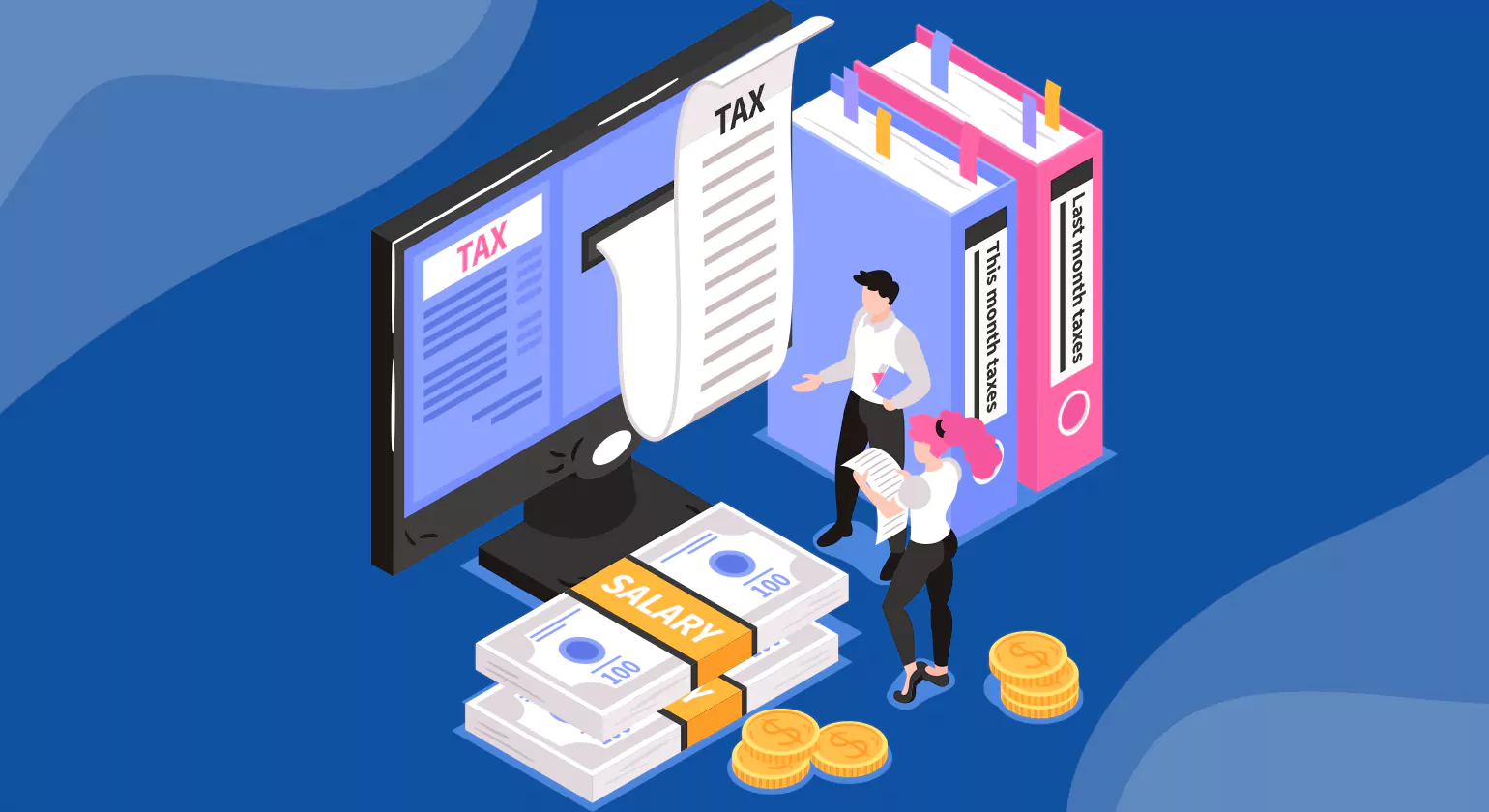
Tax season is often one of the most stressful times for small business owners. However, with the right accounting strategies, you can stay compliant, maximize savings, and reduce errors.
Stay Compliant with Tax Regulations
Tax laws are constantly changing, and small business owners risk penalties if they fail to comply. Professional accountants offering Accounting Business Services ensure all filings meet state and federal regulations, keeping your business in good standing with tax authorities. Compliance also means avoiding unnecessary audits that could drain time and resources.
How Accountants Maximize Small Business Tax Savings
One of the most valuable benefits of business accounting services is the ability to uncover deductions and credits. Accountants look for opportunities that business owners may overlook, such as home office expenses, travel costs, and employee benefits. By applying these strategies, small businesses can significantly reduce their tax burden.
Reducing Errors in Tax Filing
Tax errors can result in penalties, delayed refunds, or audits. Mistakes often occur when business owners attempt to manage tax filings on their own. Accountants minimize errors by using advanced software, conducting regular financial reviews, and ensuring accurate record-keeping throughout the year.
Time-Efficient Tax Preparation Strategies
Small business owners often juggle multiple responsibilities, and tax preparation can become overwhelming. Outsourced Accounting services for small business use time-saving strategies such as automated data collection, cloud-based tools, and electronic filing systems. This ensures faster, more efficient tax preparation while allowing business owners to focus on other priorities.
Technology Tools for Tax Filing
Modern accounting firms leverage technology to simplify the tax process. Tools like QuickBooks, Xero, and specialized tax software provide real-time data, generate error-free reports, and integrate with banking systems. This reduces manual work while improving accuracy. Cloud technology also allows business owners to securely access tax information anytime.
Importance of Regular Financial Reviews
Regular financial reviews are critical for identifying tax-saving opportunities and ensuring accurate reporting. Accountants can spot trends, forecast cash flow, and recommend strategies for minimizing liabilities. By conducting quarterly or monthly reviews, small businesses can prepare for tax season year-round instead of scrambling at the last minute.
Choosing the Right Accounting Partner for Your Business

Finding the right accounting partner is essential for long-term success. The ideal partner goes beyond bookkeeping and tax filing—they act as a strategic advisor who supports your business growth through Accounting Business Services.
Industry-Specific Accounting Expertise
Different industries have unique financial requirements. For example, retail businesses deal with inventory accounting, while healthcare providers must navigate complex billing systems. Choosing an accountant with experience in your specific industry ensures compliance and tailored advice. Industry expertise also means accountants understand the challenges and opportunities unique to your field.
Technology-Driven Accounting Solutions
Today’s accounting landscape is heavily driven by technology. When selecting a partner, look for firms that use cloud-based accounting software, automation tools, and secure digital platforms. These tools not only improve efficiency but also give business owners real-time access to financial data, making decision-making easier.
Scalable Accounting Services for Growing Businesses
As your business expands, your accounting needs will change. A good partner offers scalable Accounting Business Services that can grow with you. This might mean starting with basic bookkeeping and payroll, then adding tax planning, audits, and financial forecasting as your business scales. Scalability ensures you don’t outgrow your accounting partner.
Communication and Reporting Practices
Clear communication is key when working with an accountant. Choose a partner who provides regular financial reports, explains complex terms in simple language, and is available to answer questions. Transparent reporting practices help business owners make informed decisions and build confidence in financial seo strategies.
Strategic Accounting for Business Growth
The best accounting partners go beyond compliance—they help businesses grow. By analyzing financial data, identifying profit opportunities, and developing long-term strategies, accountants act as advisors who guide businesses toward sustainable success. Strategic accounting ensures your financial management supports—not hinders—your growth goals.
Why Outsourcing Accounting Helps Small Businesses Grow
Managing business finances can be overwhelming for small business owners, especially when growth requires more time, efficiency, and accuracy. Outsourcing is becoming a popular solution because it allows businesses to access professional expertise without the high cost of maintaining an in-house accounting team. By leveraging Accounting Business Services, small businesses can cut costs, stay compliant, and free up valuable time for expansion.
Reduce Accounting Costs and Overheads
One of the primary reasons small businesses outsource accounting is to save money. Hiring a full-time accountant or financial team involves salaries, benefits, office space, and training costs. Outsourced services eliminate these overheads by offering flexible plans such as pay-per-project or monthly packages. This means businesses can access professional accounting without the long-term financial commitment of in-house staff.
Access Expert Accountants and Bookkeepers
When outsourcing, businesses gain access to a wide range of accounting professionals. These experts specialize in different areas such as payroll, tax compliance, financial forecasting, and bookkeeping. Unlike a single in-house accountant, outsourced firms often provide a team of specialists who can handle multiple aspects of business finance. This ensures accuracy, compliance, and strategic insights that support growth through business accounting services.
Focus on Core Business Operations
Small business owners often wear many hats, from marketing and sales to customer service. Spending hours reconciling accounts or preparing tax filings takes time away from growth-oriented activities. Outsourcing accounting allows entrepreneurs to focus on what they do best running their business. Meanwhile, financial professionals handle the details of bookkeeping, reporting, and compliance, ensuring that finances are in order without diverting the owner’s attention.
Improve Accuracy and Compliance
Errors in accounting can lead to costly penalties, cash flow issues, and damaged credibility. Outsourced accounting firms use advanced tools and follow strict compliance standards to reduce errors. They also stay updated with changing tax laws and regulations, ensuring that businesses remain compliant year-round. This level of accuracy gives business owners peace of mind while reducing the risk of financial setbacks.
Enhance Financial Scalability
As a small business grows, its financial needs evolve. What starts as simple bookkeeping can expand into tax planning, payroll, and financial forecasting. Outsourced accounting business services and business management software are scalable, meaning you can adjust the level of support as your business grows. This flexibility ensures that businesses never pay for services they don’t need while still having access to advanced support when required.
Budgeting and Bookkeeping for Startups

For startups, financial planning is critical. Poor budgeting and lack of bookkeeping discipline are common reasons why new businesses fail. Implementing structured financial practices early can make the difference between sustainable growth and financial struggles.
How to Budget for Small Business Growth
A well-prepared budget acts as a financial roadmap for startups. It outlines revenue expectations, planned expenses, and potential risks. Creating a budget requires estimating income based on market research and then aligning expenses with business goals. For example, startups may allocate more funds to marketing in the early stages while controlling overhead costs like rent and utilities. Accounting business services can help prepare accurate budgets that support realistic growth.
Tracking and Monitoring Business Expenses
Accurate expense tracking is essential for controlling costs and avoiding cash flow issues. Startups should categorize expenses such as marketing, payroll, rent, utilities, and supplies. Using accounting software or professional bookkeeping services ensures that no expense goes unrecorded. This data not only provides insights into spending patterns but also simplifies tax preparation by keeping receipts and invoices organized.
Projecting Future Costs for Startups
Growth requires foresight. Startups that project future costs can plan for hiring staff, expanding facilities, or investing in technology. Accounting business services use financial forecasting tools to estimate future expenses based on historical data and market conditions. By understanding future costs, startups can set aside funds, secure loans, or attract investors with greater confidence.
Cost-Benefit Analysis in Accounting
Startups often face difficult financial decisions—whether to invest in new equipment, launch a marketing campaign, or hire additional staff. A cost-benefit analysis helps weigh the potential benefits of an expense against its costs. Accountants can perform these analyses, helping startups make informed choices that balance short-term needs with long-term profitability.
Essential Accounting Tools for Small Businesses

Technology is transforming the way small businesses manage finances. Modern accounting tools reduce manual work, improve accuracy, and provide real-time insights into financial health. Choosing the right tools can enhance efficiency and support business growth.
Best Cloud-Based Accounting Software for Small Businesses
Cloud-based accounting software has become the standard for small businesses. Tools like QuickBooks Online, Xero, and FreshBooks allow business owners to manage invoices, expenses, and payroll from any device with internet access. Cloud technology ensures data security, easy collaboration with accountants, and real-time financial updates. This eliminates the need for paper records and provides a centralized system for financial management.
Automated Bookkeeping Systems
Automation is revolutionizing bookkeeping. Automated systems can import bank transactions, categorize expenses, and reconcile accounts without manual input. This reduces human error and saves time. For small businesses with limited staff, automation ensures that financial records remain accurate and up to date with minimal effort.
Real-Time Financial Dashboards
Financial dashboards provide instant visibility into a company’s financial health. These dashboards display key metrics such as cash flow, profit margins, outstanding invoices, and expense trends. By accessing real-time data, business owners can make informed decisions quickly. Dashboards also help identify issues like late payments or high expenses before they become serious problems.
Accurate Financial Reporting and Analysis
Beyond bookkeeping, accounting tools generate detailed financial reports such as income statements, balance sheets, and cash flow reports. These reports provide insights into profitability, debt levels, and liquidity. With accurate reporting, small businesses can evaluate performance, set realistic goals, and make adjustments to improve efficiency. Accounting business services often use these reports to advise business owners on strategies for growth and long-term stability.
How to Find the Best Accountant for Your Small Business

Choosing the right accountant can make a significant difference in the success of your small business. From handling daily bookkeeping tasks to preparing tax returns and offering strategic advice, accountants play a vital role in financial stability and long-term growth. With so many options available, finding the best professional can feel overwhelming. This guide will help you understand what to look for, how to evaluate candidates, and how Accounting Business Services can support your company’s financial journey.
Identify Your Business Accounting Needs
The first step in finding the right accountant is determining your specific needs. Not every small business requires the same level of support. For example, a startup may only need bookkeeping and tax preparation, while a growing business might require payroll management, financial forecasting, or audit support.
Start by asking yourself:
- Do I need help with basic bookkeeping or advanced tax planning?
- Will I require payroll and employee benefits management?
- Am I looking for long-term financial strategy or just compliance services?
By identifying your needs early, you can narrow down your search to professionals who specialize in the exact services your business requires.
CPA vs Accountant vs Bookkeeper: What’s the Difference?
Many small business owners use the terms CPA outsourcing accountant, and bookkeeper interchangeably, but they are not the same. Understanding the difference helps you choose the right level of expertise.
- Bookkeeper: Handles daily financial records, such as recording transactions, reconciling bank statements, and tracking expenses.
- Accountant: Prepares financial statements, helps with tax filings, and provides broader financial insights.
- CPA (Certified Public Accountant): A licensed accountant who can represent you before the IRS, conduct audits, and offer advanced tax and financial planning.
If your business only needs transaction recording, a bookkeeper may be sufficient. For tax planning or audits, however, a CPA is usually the better choice. Many small businesses combine bookkeeping with broader Accounting services for small business for complete financial coverage.
Finding Accountants with Small Business Experience
Not all accountants have the same background. Some specialize in large corporations, while others focus on small business clients. Look for professionals who have experience working with businesses in your industry and of your size.
Industry-specific expertise ensures that your accountant understands unique regulations, common deductions, and typical challenges you may face. For example, a retail business may require inventory management knowledge, while a consulting firm may need expense tracking for travel and client projects.
Asking for Referrals and Reading Online Reviews
One of the most reliable ways to find a trustworthy accountant is through referrals. Ask fellow business owners, colleagues, or mentors if they can recommend someone. Referrals often point you toward professionals who have a proven track record.
In addition to referrals, research online. Websites like LinkedIn, Yelp, and Google Reviews offer insights into the reputation of accounting firms and individual accountants. Pay attention to feedback on responsiveness, accuracy, and professionalism. This step helps you avoid costly mistakes by eliminating poorly reviewed candidates early.
Interviewing and Comparing Accountants
Once you have a shortlist, schedule consultations or interviews. This step allows you to evaluate how well an accountant understands your business and whether they are a good fit.
During the interview, consider asking questions such as:
- What types of small businesses do you typically work with?
- How do you handle communication and reporting?
- What accounting software or tools do you use?
- Can you provide examples of how you’ve helped clients save money or grow?
Comparing responses from multiple accountants gives you a better sense of their capabilities and whether they align with your business goals.
Understanding Pricing and Contract Terms
Cost is always a concern for small businesses. Accountants may charge hourly rates, monthly retainers, or project-based fees. Before signing a contract, make sure you understand what services are included in the fee and whether additional charges apply for tasks like tax filing or audits.
Ask for transparency in billing and written agreements that clearly outline responsibilities. This prevents surprises down the road and ensures that both parties understand expectations. Remember, while affordability matters, the cheapest option is not always the best. Look for value—the balance between cost, expertise, and service quality.
Conclusion
Finding the best accountant for your small business starts with identifying your financial needs, understanding the differences between CPAs, accountants, and bookkeepers, and carefully evaluating candidates based on experience, reputation, and pricing. By choosing the right professional or outsourcing to reliable accounting business services, you gain accuracy, compliance, and strategic financial support that helps reduce errors, save time, and fuel business growth. Ultimately, the right accountant is more than just a number cruncher—they are a trusted partner in guiding your small business toward long-term success.
FAQ's
1. How to outsource accounting services?
Outsourcing accounting services involves hiring an external firm or professional to manage financial tasks such as bookkeeping, payroll, and tax preparation. Start by identifying your business needs, comparing multiple providers, and checking their expertise, technology use, and pricing models. Reputable Accounting Business Services providers often offer flexible packages for small businesses.
2. What are business accounting services?
Business accounting services include bookkeeping, tax filing, payroll management, financial reporting, and budgeting. These services help businesses maintain accurate financial records, ensure compliance with tax laws, and make data-driven decisions for growth. Many small companies choose outsourced Accounting services for small business for cost efficiency and expert guidance.
3. What is business service accounting?
Business service accounting refers to the professional management of a company’s financial processes by an external accounting firm. It covers daily bookkeeping, tax preparation, and strategic financial planning. With the help of Accounting Business Services, companies can streamline operations, reduce errors, and focus on business development.
4. How much do Accounting Business Services cost for small businesses?
The cost of Accounting Business Services depends on business size, complexity, and service scope. Most firms offer affordable options such as hourly rates, monthly retainers, or project-based packages. Cloud-based and outsourced solutions are often more economical than hiring a full-time accountant.
5. What are the benefits of outsourcing Accounting services for small business?
Outsourcing provides professional financial management without the expense of in-house staff. It improves accuracy, ensures tax compliance, saves time, and allows owners to focus on core operations. Many businesses also benefit from expert financial advice and modern tools offered by business accounting services providers.
6. How to choose the right Accounting Business Services provider?
When selecting an accounting partner, look for experience in your industry, transparent pricing, secure technology, and responsive communication. Reading reviews, verifying credentials, and requesting consultations will help you choose a reliable provider that aligns with your company’s financial goals.