Table of Contents
Introduction
Websites have the ability to make or break your business. You could offer the best services or sell the best product out there but without a right outlet like an official website to display them well, you could face a loss. Your website maintenance checklist is crucial for your business. Keeping it up-to-date is vital to protect customer data and keep your business going strong.
Your website is basically the first point of contact your customers will have with you. So if it’s slow, unresponsive, or all in all full of errors, you will lose out on really good and even ready customers in seconds. Not just this, you could also get fined for poorly optimized sites and ultimately have even poor visibility.
What is Website Maintenance Checklist and Why is it Important?

The basic meaning of website maintenance is having a business website and maintaining it. This means updating your content often, checking that all links function flawlessly, and reducing speed of loading.
Web maintenance is a method of going over your website to make sure it is working properly and keeping it fresh to promote traffic development. To begin with, it helps to keep your website always safe and secure. Secondly you can take measures to be fully aware that you are not unintentionally opening the door for any hackers or data thieves. This way your site is working at its full potential with the best practices.
Your ability to maintain a website will help you get more conversions and sales easily. You can also find any technical issues, understand how users find your website, and ensure it adapts to both desktop and mobile. In such cases, preparing a website maintenance plan or website maintenance services list really helps. Let’s get into more reasons why maintaining your website support checklist is important.
1. Improves Customer Satisfaction with Website Maintenance Checklist
The competitive advantage you need can be completely yours if you give outstanding customer service. It’s a known fact that when browsing or shopping online, customers are even less patient, indecisive and confused about their choices.
A Google study showed that 53% of mobile users will leave sites that take any longer than 3 seconds to load. People will turn to your website maintenance when you provide a good and strong first impression, add excellent photos and engaging tools, with website navigation that is simple and easy to use for all.
2. Boosts Your SEO with a Website Maintenance Checklist
The amount of customers you get online is based on your website. So anything that makes your website better also makes your marketing and promotion efforts better. Only the sites that give the best user experience are given priority by Google. You can increase your website’s exposure in search results through ongoing website maintenance and by performing essential tasks included in our website security maintenance checklist.
3. Increases Security
Monitoring for any suspicious activity is another plus point of website maintenance. You can dodge more serious issues by catching these early on. Simply put, performing routine website maintenance is like protecting the walls of your virtual store. This way you can keep data secure for your and your customers.
What is Included in Website Maintenance Checklist?

You would think that the tasks related to maintaining a website would be very generic. But the tasks need to be diverse in a way that it helps your website and business from A to Z. Because any website isn’t just about coding, content, and clicks.
You need to evolve with your audience. This means continuously analyzing their shifting preferences, adapting to trends, and ensuring that user experience remains smooth and engaging. A proactive, multi-task website maintenance checklist helps align with your website maintenance schedule to keep every aspect—technical performance, SEO, or design—optimized. Regular website security and maintenance efforts also ensure you stay one step ahead of the competition and keep your website relevant.
Moreover, monitoring site security, managing backups, and regularly updating software are also vital. A website needs to be flexible and scalable to accommodate future growth. Not only does this ensure a seamless experience for users, but it also helps in maintaining long-term success by fostering brand trust, increasing traffic, and driving conversions. Incorporating website security maintenance as part of a robust backend strategy also allows you to quickly adapt to new technologies and industry shifts through ongoing website maintenance.
20 Ultimate Website Maintenance Checklist

You would think that the tasks related to maintaining a website would be very generic. But the tasks need to be diverse in a way that it helps your website and business from A to Z. Because any website isn’t just about coding, content and clicks.
You need to evolve with your audience. So that means knowing what has changed in their preference. A multi task website maintenance checklist will always keep you one step ahead of the game.
Weekly Tasks
Regular proactive checks can always help you meet your expectations even better. Here are 5 tasks you need to make sure you have your eye on every week.
1. Review Your Metrics
Website statistics will tell you how your visitors engage with your web pages. Working on them every week can help you understand user behavior, spot trends, and find possible issues too. You can clearly see what’s working and what isn’t by looking at analytics like page views, bounce rates, and conversion rates.
2. Backup Your Site
The data on your web platform maintenance is protected by a backup. Without consistent backups, bringing back a website can be hard or, in the worst case scenario, even impossible. You will potentially be wasting your time, money, and trust.
3. Moderate Comments
This is when you review and manage the feedback you get from consumers or visitors even. In this way, you maintain a healthy online community without the spammy, unnecessary, or disrespectful comments. It’s awesome to see real people interacting on your blog! Following a website maintenance checklist and mentioning that the blog uses anti-spam helps keep everyone safe.
4. Update Your Themes and Plugins
Many websites, especially those that are built on platforms like WordPress, depend a lot on themes and plugins. Your back end maintenance can become open to online threats if you don’t update it weekly. This can take care of functioning and helps your user base to have more of the latest features.
5. Scan for Malware
Malware can have negative effects on your business, cash flow, and overall reputation- It’s not just a technical issue. Without weekly inspections, malware might go unnoticed and ruin a fantastic website.
Monthly Tasks
Monthly website support checklist plan serve as a more thorough “health” check-up. This monthly completion allows you to track wider trends, promise robust performance, and also think about possible concerns.
1. Test Your Site’s Speed
Site speed matters a lot, both for the usability of your website and for getting at the top online. If your site is slow, it can hurt sales and turn off repeat visitors. Plus, search engines like Google really care about speed and how much users are happy with it. In fact, speeding up your site by just a second could boost mobile user’s sales by 27%.
2. Create New Content
No one likes boring, generic, and old content on a website. So regularly adding new and interesting content keeps your audience coming back to see what’s new. Including this task in your website maintenance checklist ensures your site stays active and engaging—pushing your SEO rankings up.
3. Improve Your Site’s SEO
Other companies will push you down and rank higher than you in the ranking pages if there is no monthly SEO work. That is why, you need to take care of some type of SEO at least once every month, even if it’s as simple as rechecking your site’s speed and/or adding fresh material to your blogs.
Quarterly Tasks
Quarterly tasks allow you to look at your website every three months to see bigger trends and keep everything running smoothly.
1. Change Your Passwords
Your accounts keep and provide access to a lot of sensitive & important information. Unfortunately, passwords are often seen as a one time thing. But in reality changing your passwords is much more needed. It’s like changing the locks to your digital home ever so often, to protect the valuable content and data in it.
2. Check and Fix Broken Links
Having even a single broken link can harm your site’s usage. It’s very important to regularly keep an eye and correct links on your website. In this way, you’re making sure your website ranks better in search results, keeps your visitors happy, and stays in the good books of Google’s scanning and listing processes.
3. Delete Unnecessary Plugins and Themes
Old themes you tested but didn’t use might still be on your site. Removing them is key because they can cause security issues. Too many old themes can also slow down your site. Even a small improvement in your website’s performance can be ahuge deal for your business!
4. Optimize Your Database with Maintenance Checklist for Performance
A well-organized, clean, and lean database equals a good database. It’s simple logic that when your database is well kept, your backend maintenance will not only run smoother but also be quick and reliable. Including regular database checks in your website maintenance checklist helps boost both user experience and backend management.
5. Test Your Site’s Forms
Website forms are interactive parts of your web platform maintenance that will allow users to enter and submit data- but with their permission. It serves as a bridge between your visitor and the website owner- you business. According to a HubSpot poll, nearly half of users will exit a site if the forms are not working properly. So please make sure that they run well to avoid losing potential customers or business.
6. Test Your Checkout Process
Regardless of what sort of business you run, you have to test your checkout flow as part of your monthly website maintenance strategy. You have to optimise your checkout process so that your website is not overly long or confusing. This is where you actually generate income and create a profit.
7. Check Your Social Media Links
Social media links on your website are so important since a significant portion of almost all businesses have a target audience that uses multiple social media platforms. So if a social media link on a website doesn’t work, you could miss out on countless interactions. This not only lowers your chance to connect with potential customers but also lead to big losses.
Annual Tasks
Although these tasks aren’t done every other day it doesn’t make them less important or needed. Such tasks build the basis for the long-term success of your site + business. They protect the website from potential dangers, guarantee that the goals of your business are met, and that users stay back to have a pleasant, secure, and beneficial experience.
1. Schedule User Testing - Website Maintenance Checklist for Optimization
User testing provides you with honest data on what users enjoy, what confuses them, and/or what can give them cold feet from purchasing or returning. Take Dropbox, for example- they discovered through user testing that the first product tour was confusing consumers. Based on what they found, they eased their procedure, which helped them grow a great deal.
2. Review Your Domain and Hosting Renewals
Domains and hosting are important; if they expire, users will not be able to access your site. Such errors can be very expensive, not just in terms of the money you lose, but also the trust and brand reputation damage. That is why, including them in your website maintenance schedule ensures that this backbone of your website stays solid. Regular website security and maintenance checks help prevent unexpected downtime and avoid possible delays.
3. Update Your Header, Footer, and Legal Policies
Many visitors see the header and footer as the first and last thing. According to an Adobe survey, 38% of people stopped looking through a website if the layout or content was not attractive. As a result, keeping these parts fresh and functional leads to more user engagement. When it comes to privacy policies- laws change frequently; and your website has to keep up. Therefore, your policies should evolve with your company.
4. Review Your ‘About’ Page
The ‘About’ page tells visitors who you are and what you do. Over a year, many things can change in a business. Maybe your team has grown, or your company’s goals have shifted. Products, services, or achievements might be new. An outdated ‘About’ page can make your business seem inactive or not transparent.
5. Perform a Content Audit
Your content could end up being outdated, incorrect, or useless. An annual content audit looks at all of your website’s content. You can compare the popularity of each of your pages. By doing this each year you are able to keep your website fresh, fun, and fruitful .
Steps to Improve Website Management

Improving website management is vital for enhancing user experience and achieving online success. Here are some essential steps to help you streamline your website management using a well-structured website maintenance services list.
1. Regular Content Updates
Frequent content updates are the lifeblood of a dynamic website. Fresh articles, blogs, or product listings keep visitors engaged and encourage them to return. Adding this routine to your website maintenance checklist helps you plan regular updates through a content calendar and ensures your content remains valuable and relevant to your audience.
2. Optimize Loading Speed
A slow web platform maintenance drives users away. Optimize loading speed by compressing images, leveraging browser caching, and minimizing HTTP requests. Use tools like Google PageSpeed Insights to identify performance bottlenecks and fix them for a seamless user experience.
3. Mobile Responsiveness
With mobile users on the rise, a mobile-responsive design is non-negotiable. Ensure your website adapts to different screen sizes and orientations, offering the same functionality and readability as on desktops. Google ranks mobile-friendly sites higher, so it’s crucial for SEO too.
4. Security Measures
Protect your website from cyber threats with security measures like SSL certificates, regular software updates, and robust firewalls. Implement strong password policies and conduct security audits to stay one step ahead of potential breaches.
5. User-friendly Navigation
Simplify website maintainance
navigation by organizing content logically and creating clear, intuitive menus. Users should find what they need within a few clicks. User-friendly navigation enhances the overall user experience, reducing bounce rates.
Protect your website from cyber threats with security measures like SSL certificates, regular software updates, and robust firewalls. Implement strong password policies and conduct security audits to stay one step ahead of potential breaches.
6. SEO Optimization
Boost your website’s visibility on search engines through SEO optimization. Perform keyword research, optimize meta tags, headers, and images, and focus on building high-quality backlinks to improve your search engine rankings.
7. Analytics Tracking
Use tools like Google Analytics to track Website Maintenance Checklist performance. Analyze user behavior, traffic sources, and conversion rates to make data-driven decisions for further improvements and marketing strategies.
8. Regular Backups
Don’t risk data loss. Schedule regular backups of your website’s data and files. Cloud-based solutions or manual backups ensure you can quickly recover from unforeseen disasters like server crashes or hacking attempts.
9. Social Media Integration
Promote your content and engage with your audience by integrating social media buttons and feeds on your website. Encourage sharing to extend your reach and build a loyal online community.
10. Feedback and Testing
Collect user feedback through surveys, comments, and contact forms. Conduct usability testing to identify pain points and areas of improvement. User input is invaluable for refining your website and meeting user expectations.
Should I Hire a Professional or Maintain a Website on my Own?

Now that you have a complete website maintenance checklist, you have two options- work on it yourself or hire a professional. You need to pay attention to the pros and cons of both. A well maintained website can impact the image of your brand and the trust of your users. Here’s some help for you to make the right decision.
Hiring a Professional
Pros of Hiring a Website Pro
- Skills: They know exactly what they’re doing.
- Saves Time: More free hours for you to work on more important things.
- Stay Current: They catch the latest trends.
- Safety First: Better defense against hackers.
- Quick Fixes: No more long website downtimes.
- SEO Magic: They can boost your site’s rank.
- Got Your Back(up): They’ll keep your data safe.
- Tailored Touch: Solutions just for you.
- Money-Saver: Fewer mistakes mean fewer costs later on.
- Always There: They offer constant support and help.
Cons of Hiring a Website Pro
- Pricey: It can be an upfront expense.
- Wait Times: Sometimes you might have to wait patiently in line.
- Less Control: They drive, you’re in the passenger seat.
- Misunderstandings: They might not always understand your point of view.
- Might Take Time: Some changes could be slower.
- Missed Lessons: You won’t ever learn how to work on your site yourself.
- Not Your Vision: What they do might not match your business goals.
- Tied Down: Long contracts can be annoying.
- Sharing Keys: Handing over access can feel uneasy and dicey.
- Different Styles: Outsourced? They might work differently.
Maintaining the Website on Your Own
Pros of Maintaining the Website Yourself
- Save Money: No hiring costs.
- Full Control: Everything’s done your way.
- Instant Changes: Update whenever you want.
- Learn More: Pick up new skills and learn everyday.
- Personal Touch: Your site, your unique ideas are welcome.
- No Waiting: No queues, no waiting or depending on a third party.
- Flexible Schedule: Work on it anytime, anywhere and anyhow.
- Direct Accountability: Only you who gets the praise or blame.
- No Contracts: Freedom from service agreements or any legal forms.
- Data Privacy: All your information stays with you and only you.
Cons of Maintaining the Website Yourself
- Time Consuming: It can take up hours of your daily time.
- Mistake Risks: Easy to make errors without expertise.
- Overwhelming: Too many technological bits to grasp.
- Security Gaps: Pros might have more knowledge on how to keep you more secure.
- Missed Trends: Hard to stay updated as an individual.
- Backup Blunders: You might miss out on regular backups.
- SEO Challenges: Tricky to optimize for search by yourself.
- Stress: Fixing bugs can be tiresome and stressful.
- Limitations: You might not be able to achieve pro-level designs.
- Tech Troubles: You could face unexpected website issues.
Website Maintenance Cost: What to Expect in 2026

This heading includes the primary keyword “website maintenance” and adds a timely element (“2026”), which can increase click-through rates by signaling updated, relevant information. Reviewing such optimization practices in your website maintenance checklist ensures your content remains fresh and aligned with current SEO trends.
SEO-Optimized Content: Website Maintenance Cost in 2026
Maintaining a website is essential for performance, security, and user experience, but understanding the cost involved is key to budgeting wisely. Here’s a comprehensive guide on website maintenance cost in 2026 to help you plan effectively.
What Influences Website Maintenance Cost?
Website maintenance cost varies depending on several important factors:
Type of Website: Simple blogs cost less than complex eCommerce or membership sites.
Frequency of Updates: Regular content updates, security checks, and backups require more resources.
Technical Needs: Custom features, plugin updates, and fixing bugs add to the overall expense.
Typical Cost Breakdown
Here’s how website maintenance costs typically break down:
Basic Website Maintenance: Ranges from $30 to $150 per month, covering backups, updates, and security scans.
Advanced Maintenance: $200 to $500+ monthly, including SEO optimization, content updates, and technical support.
One-Time Fixes: Tasks like redesign or server migration might cost $500 to $5,000 based on complexity.
Why Invest in Website Maintenance?
Regular maintenance avoids costly issues like downtime, security breaches, and poor user experience. You also ensure your site stays fast, secure, and compliant with the latest SEO best practices.
A well-maintained website supports your business goals and improves your site’s ranking. When budgeting, consider both ongoing monthly costs and occasional one-time expenses. Website maintenance cost should be viewed as an investment in your online success.
Static vs. Dynamic Websites

The choice between static and dynamic websites plays a crucial role in shaping the online presence of businesses and individuals alike. Understanding the differences between these two approaches is fundamental to making informed decisions about web development. Reviewing these aspects in your website maintenance checklist helps ensure you select the right approach and optimize performance. Let’s embark on a journey through static and dynamic websites to unravel their distinctive features and advantages.
Static Websites: The Time-Tested Simplicity
Static websites are the digital counterparts of traditional print media. They consist of fixed, unchanging content that remains the same for all users. The web pages are coded in HTML and are typically lightweight, making them easy to load. These websites are suitable for projects where content rarely changes, such as personal portfolios or informational sites.
Advantages of Static Websites
- Speed and Performance: Static websites are renowned for their fast loading times. Since there is no server-side processing involved, the content is delivered quickly to users.
- Security: With fewer points of vulnerability, static websites are considered more secure than their dynamic counterparts. There are no databases or complex server-side processes that can be exploited.
- Cost-Effective: Static websites are often more affordable to host as they require less server resources. This makes them an attractive option for individuals or small businesses with budget constraints.
Dynamic Websites: The Interactive Powerhouse
Dynamic websites, on the other hand, leverage server-side scripting to generate content on the fly, tailoring it to the specific needs of each user. Popular content management systems (CMS) like WordPress, Joomla, and Drupal are widely used to build dynamic websites, allowing for easy content updates and user interactions. Including CMS updates and performance checks in your website maintenance checklist ensures your dynamic site runs smoothly and securely.
Advantages of Dynamic Websites
- Content Management: Dynamic websites excel in scenarios where content needs frequent updates. Content creators can add, modify, or delete content without having to modify the underlying structure of the website.
- User Interactivity: Dynamic website maintainance enable a higher degree of user engagement. Features like comments sections, user accounts, and personalized content recommendations are easily implemented.
- Scalability: As the business grows, dynamic websites can adapt more easily to changing needs. Adding new features, pages, or functionalities is often a smoother process compared to static websites.
- E-commerce Functionality: Dynamic websites are the preferred choice for e-commerce platforms due to their ability to manage a large number of products, handle user accounts, and facilitate transactions securely.
What Happens Without Website Maintenance Checklist?

- Slow Speed: Without regular updates, your website might load slower, turning users away.
- Hackers Welcome: Not updating means easy access for hackers, risking your data.
- So Many Errors: A neglected site can show many technical hitches and display issues.
- Outdated Info: Old content can mislead or confuse your visitors.
- Dropped Rankings: If you don’t optimize, your site might not appear top in search results.
- Dead Ends: Broken links disrupt the user journey, leading them to a dead end.
- Trust Takes a Hit: A poorly maintained site can damage your brand’s image.
- Missed Sales: Fewer visitors and trust can mean fewer customers.
- Legal Troubles: Keeping old compliance policies? You might face fines.
- Traffic Dips: Site issues can push potential customers to competitors.
What Do Website Maintenance Checklist Services Include?

Picking a business that helps you with website maintenance services makes all the difference. Ossisto’s website management services make it simple, profitable, and cost-effective for businesses of all sizes. By exploring a comprehensive website maintenance services list, you can better understand the value each service provides. Let’s learn more about the various services that come with website maintenance.
1. Website hosting
Hosting is like renting space for your website on a company’s computer (server). This company ensures your site has a spot online so more people can visit and see it easily. Including hosting performance and uptime checks in your website maintenance checklist helps ensure your website remains accessible and runs efficiently for all users.
Ossisto’s hosting keeps your website running smoothly and safely. It’s easy to use, fast, and reliable. A smart pick for stress-free hosting starting at just 100$!
Shared hosting
Multiple websites share services such as storage and bandwidth on a single server. It’s a cheap option, but if one website becomes extremely busy, it can slow down the other ones.
Nevertheless, shared hosting is an excellent option for new website owners that don’t generate a lot of traffic. Plus point- you could always upgrade or switch hosting environments at any moment.
Website builder
A website builder is a tool that helps you create your website. It offers easy-to-use templates and tools, so putting together a site feels like playing with digital Legos. You just choose and organize your designs. Great for those new to website creation, it make it a quick and smooth setup process.
Virtual private server (VPS)
A Virtual Private Server (VPS) provides a specific space only for your website. In this space, resources like memory and storage are set aside just for you. Unlike shared hosting, where you share everything, a VPS makes sure your site has its own dedicated resources.
This gives your website better performance and increased security. Even though you’re on a shared server, your space works completely separately. This means what others do doesn’t and cannot impact your site. It’s more advanced than shared hosting but less costly than a dedicated server.
2. Domain name renewal (Pricing)
A domain name is your website’s unique name to be identified with (facebook.com, google.com etc). But this domain name is not a permanent deal. You usually rent it for a set period of time. The task of continuing this lease is known as domain name renewal.
This service helps you maintain your website’s recognition and alerts you to renew it before it expires. It’s important because your website could become inaccessible if you don’t renew on time. Including domain renewal reminders in your website maintenance checklist prevents others from purchasing your domain, avoiding confusion for visitors and potential trouble for you.
TLS certificate
A TLS certificate is in place when you see “https” in a site URL or a padlock icon. Data like login credentials or credit card numbers of your customers are all protected from possible risks by this encryption.
It should be renewed on time to make sure you have ongoing encryption and security. Remember, an expired certificate could cause security alerts to pop up in browsers, stopping users from continuing or visiting your site again.
CMS patches and updates
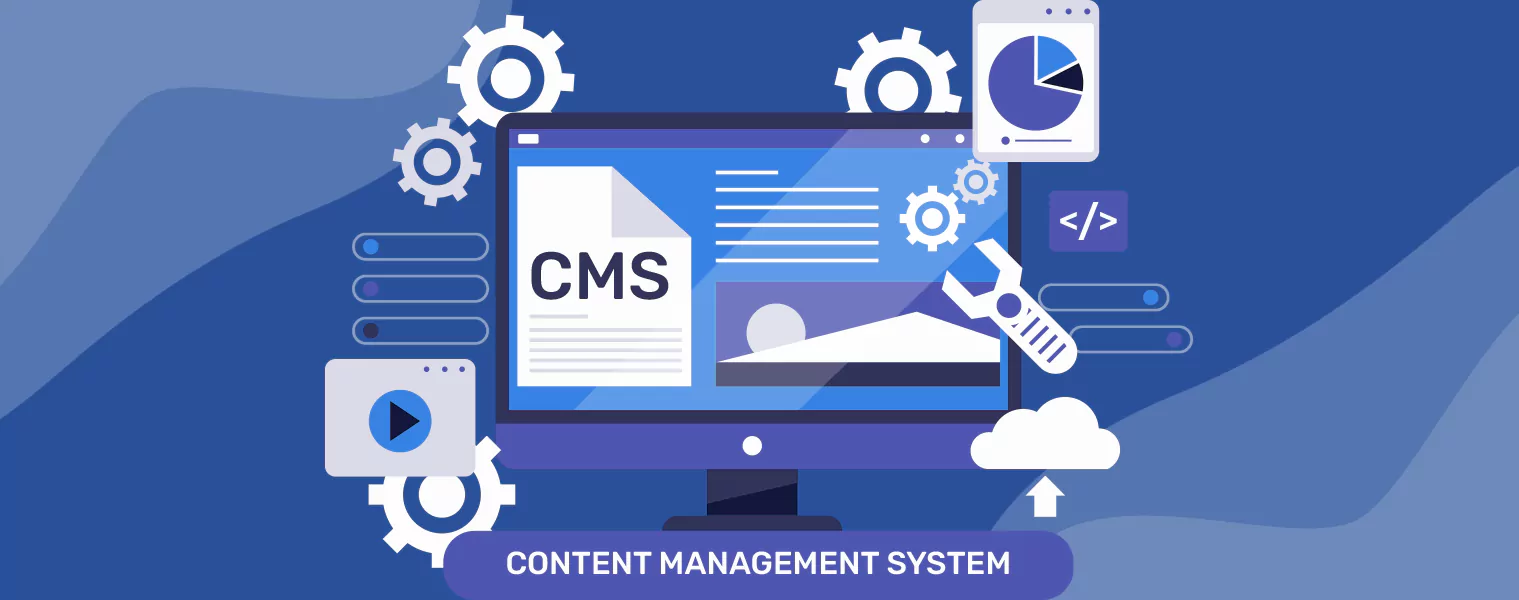
A Content Management System (CMS) makes it easy to change your website and its content without knowing the technicalities. It keeps your site looking good, helps it show up in those top searches, and keeps it safe. It’s a user-friendly service for website changes.
But just like any other software, a CMS too can have its flaws and/or needs improvements over time. That’s where patches and updates come in. Staying updated stops hackers from exploiting any weak points or vulnerabilities of your website. At the end your website runs smoothly, providing your users with the best experience.
Security scans
With this service, your website is scanned for even the tiniest of indications for trouble. Imagine if your website is hacked- you unfortunately will face the risk of losing important data, having it shut down, or even worse, having the personal data of your visitors stolen. In short, regular security scans make sure that all entrances of your website stay locked and secured for good.
Site backup
Site backup services automatically create copies (or backups) of your website regularly—daily, weekly, or monthly—and store them safely in case your website encounters issues. Without a backup, valuable data can be permanently lost. Including backup scheduling in your website maintenance checklist ensures you can easily restore your site to its original form whenever needed.
For just $120, Ossisto takes care of CMS updates, does security checks, and backs up your site, making sure everything’s safe and works well.
Ongoing development
Simply creating a website isn’t the end of the story. Regular updates and enhancements are very important, and that’s where ongoing development comes in. It means updating written and visual content, fixing codes, and refreshing links and more.
This consistent attention will make sure your website works smoothly, remains up-to-date always, and is in line with the present expectations and norms. Ossisto offers effective ongoing website development starting at just $15/hr.
Tech support
With tech support, you’ve got a dedicated team to turn to instead of stressing out or wasting hours online looking for answers. They are the specialists who are familiar with every aspect of your website’s platform just like Ossisto can in just 10$/hr. By using this service for website maintenance, you can be sure that the online persona of your company is always represented in the most positive manner.
Analytics and reporting
Analytics involves collecting demographic data about who visits your website. It tracks details like the number of visitors, the pages they spend most of their time on, and how they arrived at your site—whether through a Google search, social media link, or by entering your URL directly. Adding analytics tracking and reporting review to your website maintenance checklist helps you measure performance and make data-driven improvements.
Without both of these, you’ll be shooting in the dark and hope your aim is good-which is almost never good. This service when executively performed by Ossisto is priced for 300$/Month!
E-commerce system maintenance - 15$/HR
This task handles updates, like changing products and prices, and ensures easy checkouts. For example, if there’s a new payment method people like, adding it can attract more users to your site. An e-commerce system maintenance costs 15$/hr with Ossisto.
Search engine optimization - 300$/Month
Businesses use SEO to boost their online presence. It keeps your site on top always by changing keywords and fixing links. This makes your site super visitor-friendly for both mobile and desktop. Because when it’s user-friendly, users will for sure stick around and return. Consistent SEO work helps your site rank at the top and stand out in your field.
Conclusion
It’s clear at this point just how useful website maintenance and having a checklist for this process is. Maintaining your website is the number one way to hold on tight to your customer base. It keeps everything functioning as it should.
Regular updates make your site user-friendly and efficient for all-, giving visitors a better experience. But this checklist can be best put to use with a professional’s help. Professional website maintenance increases your online visibility and credibility while you concentrate on the success of your business.
FAQs
1. What are Website Maintenance Checklist?
A comprehensive website support checklist ensures smooth site operation. It includes monitoring site speed, security updates, content freshness, and regular backups. By following this guide, your site can stay error-free and user-friendly, enhancing its performance.
2. Why Is Website Maintenance Checklist Important
Website Maintenance is crucial for sustained success. Regular upkeep guarantees optimal performance, security, and a seamless user experience. Consistent updates, error checks, and fresh content uphold your site’s credibility, foster visitor trust, and boost SEO rankings, resulting in greater online visibility.
3. What Are Website Maintenance Services?
Website Maintenance Services encompass a range of tasks to keep your site prime. These services include content updates, security patches, bug fixes, regular backups, and performance optimization. Entrusting professionals with these tasks ensures your website remains secure, up-to-date, and offers a seamless experience, leading to improved search engine rankings.
4. Do websites Need Maintenance?
Yes, websites require regular maintenance. Neglecting upkeep can lead to slow loading, security vulnerabilities, and outdated content. Maintenance guarantees your site’s functionality, security, and user satisfaction. Search engines favor well-maintained sites, reflecting their relevance in higher search rankings and increased organic traffic.
5. What Are Examples of a Website Maintenance Checklist?
A Website support checklist includes diverse tasks. Start with software updates and security checks to ensure smooth operation. Regularly refresh content to engage users and signal relevance to search engines. Confirm mobile responsiveness and fix broken links for a seamless experience. Back up data consistently and monitor loading speed to enhance user satisfaction and boost SEO performance.
6. What should website maintenance include?
Website maintenance involves updating software, plugins, and security patches, fixing broken links, refreshing content, optimizing speed, and performing regular backups. These essential tasks keep your website secure, fast, user-friendly, and up-to-date, enhancing both performance and search engine rankings, while providing visitors a seamless browsing experience.
7. What is ongoing website maintenance?
Ongoing website maintenance involves continuous activities like updating software, plugins, and content, monitoring performance, fixing bugs, and ensuring security. Regular checks keep your site fast, secure, and user-friendly, reducing downtime, safeguarding data, and improving search engine rankings. It’s essential for long-term success and competitive edge.
8. What does a website manager change for a maintenance?
A website manager updates themes, plugins, and security patches to keep your site safe and running efficiently. They fix broken links, optimize load times, refresh content, and monitor site health. These ongoing tasks improve user experience, prevent technical issues, and help maintain strong SEO rankings for consistent online visibility and engagement.
9. How do I write a website maintenance report?
A website maintenance report documents completed tasks, issues found, and their resolutions. Include updates, security checks, performance improvements, backups, and future recommendations. Clear, concise reports showcase your website’s health progress, justify maintenance efforts, and provide a roadmap for ongoing optimization and protection.
10. What are the benefits of website maintenance?
Regular website maintenance improves security by protecting against cyber threats and malware. It boosts site speed and performance, enhancing user experience and SEO rankings. Keeping your content fresh attracts and retains visitors, builds trust, ensures reliability, and supports long-term business growth through a professional online presence.
11. What are the best website maintenance services to improve your website?
Top website maintenance services include regular software updates, malware removal, speed optimization, content management, and SEO enhancements. These services keep your website secure, fast, and engaging, driving traffic and conversions. They maintain optimal performance and ensure your site adapts to evolving search engine algorithms and user needs.
12. How long does website maintenance take?
The time for website maintenance varies based on task complexity and site size. Simple updates like content changes or plugin upgrades typically take minutes. Meanwhile, comprehensive tasks such as security audits, speed optimizations, and regular backups may take several hours, ensuring your website runs securely, efficiently, and optimally.
13. How important is website security maintenance?
Website security maintenance includes installing patches, performing regular security scans, and monitoring suspicious activity. It protects your data from cyber threats, prevents hacking, and maintains customer trust. Timely security updates safeguard sensitive information, ensure compliance, and keep your site operational, reducing risks of costly breaches and downtime.
14. what does website maintenance include
Website maintenance includes regularly updating software, plugins, and themes to ensure security and functionality. It involves backing up your site data, checking for broken links, optimizing site speed, refreshing content, running security scans, and testing forms and checkout processes. These tasks keep your site secure, fast, and user-friendly, improving performance and SEO.