Table of Contents
Blog Overview
- Learn how property owners actually search for property managers in the US (and how to match that intent).
- Get a clear keyword + page mapping plan for services, cities, and comparison searches.
- Follow practical local SEO steps to improve visibility in Google Search and Google Maps.
- Use on-page and technical website fixes that help turn traffic into owner leads.
- Avoid the most common property management SEO mistakes that quietly block rankings.
What Is Property Management SEO (And How Does It Work for US Property Managers)?

If you rely on referrals, you’re not alone. Most US property management companies grow that way for years.
But owners still search online when they’re ready to switch managers. That’s where property management seo becomes your quiet, consistent lead source.
At its core, this is the process of earning visibility when owners search for help in a specific city, neighborhood, or service category.
Property management SEO vs real estate SEO vs apartment leasing SEO
These are not the same thing, and mixing them up is a common reason websites attract the wrong traffic.
- Real estate SEO often targets buyers and sellers.
- Apartment leasing SEO targets renters and lease-up traffic.
- Property management SEO targets property owners looking for a management partner.
Owner leads require trust-building, proof, and local credibility. Renter traffic usually requires inventory, pricing, and fast conversions.
What Google ranks for property management companies (service + location intent)
Google’s results are heavily intent-driven. For owner searches, Google usually rewards pages that clearly answer three questions:
- What services do you offer?
- Where do you offer them?
- Why should an owner trust you?
That’s why local landing pages, strong reviews, and service clarity matter more here than generic blog content.
The difference between tenant-focused traffic and owner-lead SEO
Tenant traffic isn’t “bad,” but it rarely converts into your ideal customer.
Owner-lead SEO focuses on searches like:
- “property manager for single-family homes”
- “HOA management company”
- “rental property management near me”
If your pages talk mostly about “apartments for rent,” you’ll attract the wrong audience and waste your best SEO opportunities.
Why Property Management SEO Matters for US Property Management Companies
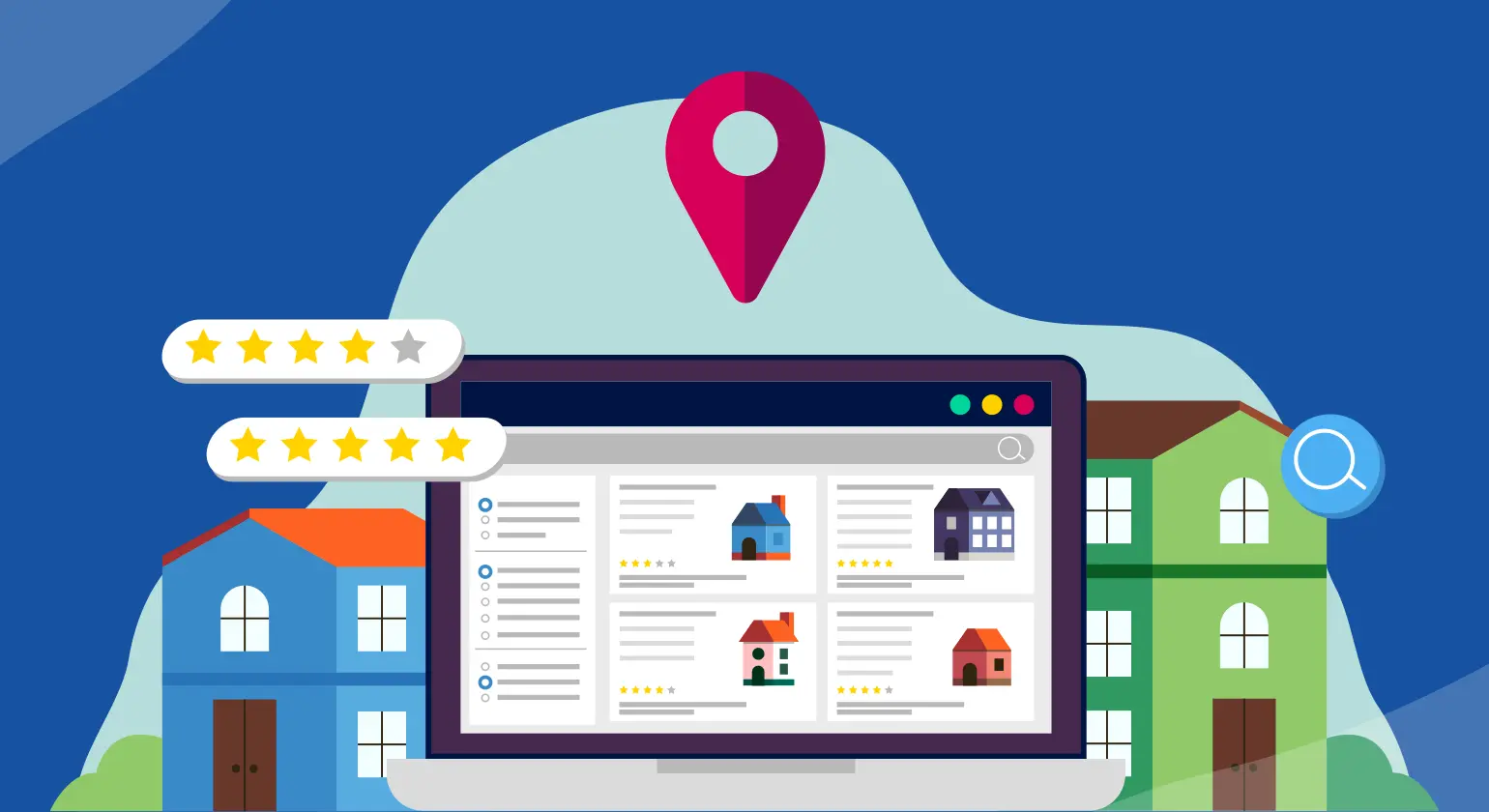
The biggest mistake established companies make is assuming online leads are only for newer competitors.
In reality, owners who can’t get a referral still need help. And they’re searching.
That’s why property management seo is less about “marketing” and more about being findable when the timing is right.
How property owners search for a property manager in the US
Owners typically search in patterns. First, they start broad. Then they get specific.
Common search paths look like this:
- “property management company Dallas”
- “best property management in Dallas”
- “single family property manager Dallas”
- “property management for out of state owners”
They’re comparing trust signals the whole way, not just prices or features.
Why local visibility drives the highest-quality owner leads
Local visibility matters because property owners want local competence.
They care about:
- local leasing demand
- neighborhood rent ranges
- state landlord-tenant laws
- local vendor relationships
Ranking well in your service area positions you as the obvious safe choice.
What results to expect from SEO for property management (ROI without hype)
SEO is not instant. But it compounds.
What you should expect from seo for property management is:
- stronger inbound lead quality over time
- fewer tire-kicker calls
- more owners already pre-sold on your credibility
- a pipeline that doesn’t disappear when referrals slow down
One signed management agreement can often justify months of steady SEO work without needing aggressive sales tactics.
Property Management SEO Keywords: Search Intent, Clusters, and Page Mapping

If you want rankings that turn into contracts, keyword research must start with intent, not volume.
Owners don’t search like renters. They search like decision-makers.
A clean keyword plan also prevents you from publishing content that never converts.
High-intent “property management company + city” keywords
These are the bread-and-butter keywords for owner acquisition.
Examples include:
- property management company Phoenix
- property management San Diego
- property management company Tampa
These searches tend to be high competition, but they’re also the most direct way to acquire new owners.
Service keywords owners use (rent collection, leasing, maintenance, HOA)
Owners often search by problem, not by brand.
High-value service clusters include:
- HOA management
- rental property management
- tenant screening services
- maintenance coordination
- rent collection and accounting
- eviction support and compliance
Service pages created around these topics tend to convert well because they’re closely tied to what owners are most concerned about.
“Best property management in…” and comparison keywords
Comparison keywords are where owners go right before making contact.
They include:
- best property management in [city]
- top property managers in [city]
- property management reviews [city]
- [company] vs [company]
These pages and FAQs should focus on trust, process, and proof, not fluff.
Property management SEO keywords mapping (what pages you need to rank)
This is where many sites fail. They create one “Services” page and expect it to rank for everything.
A better approach is mapping property management seo keywords to the right page type:
- Homepage: brand + primary city
- Service pages: one service per page
- Location pages: one city or service area per page
- Blog: owner education and local trust building
- FAQs: objections, comparisons, and process clarity
This structure helps Google understand your relevance and helps owners find what they need fast.
Local SEO for Property Management: Rank in Google Maps Across US Cities
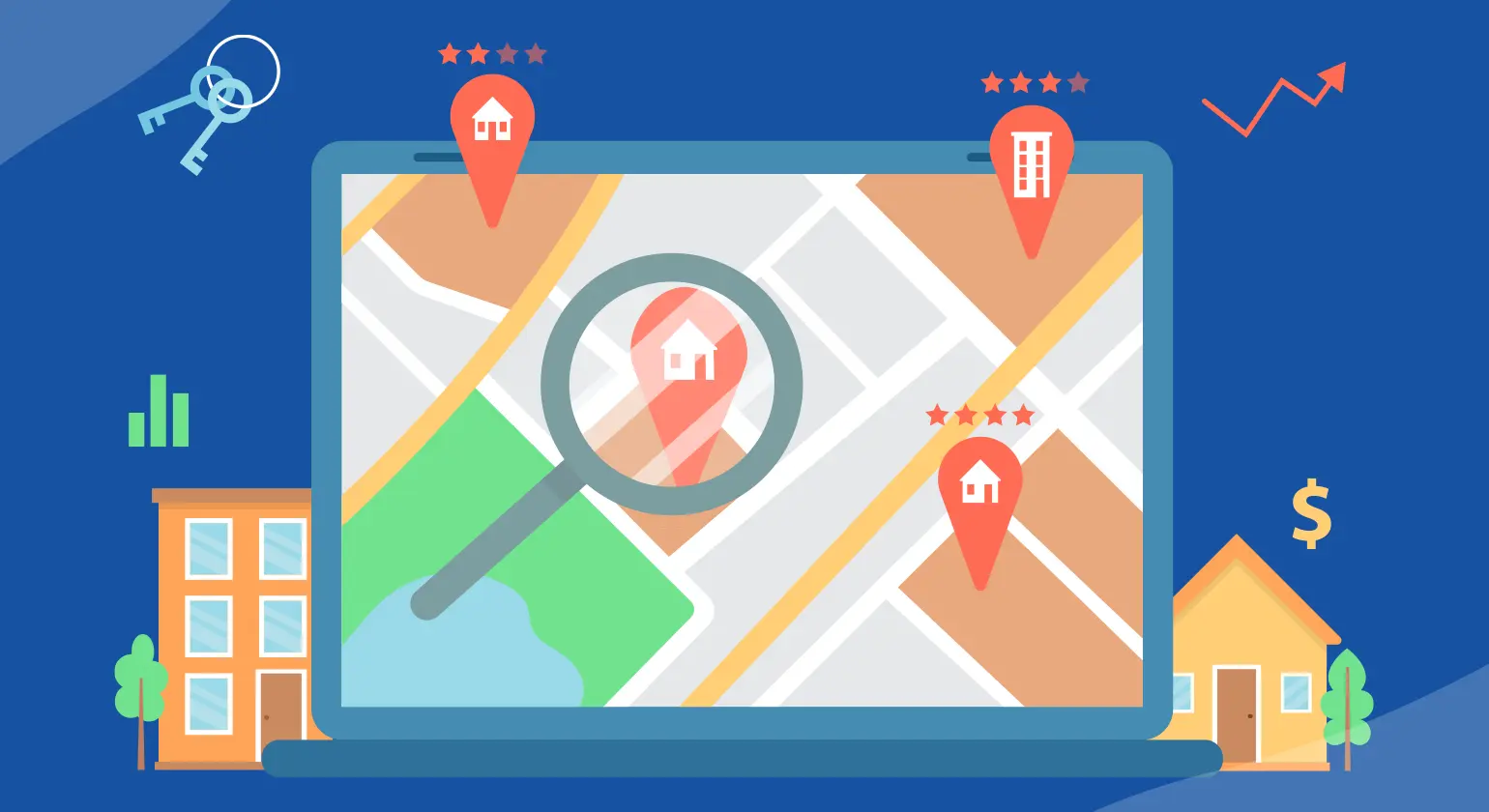
Ask property managers where their best leads come from and most will say Google Maps. It’s where owners go when they want someone local—someone who knows their market, their codes, their neighborhoods.
A strong Maps presence builds trust fast. Good reviews and a complete profile tell an owner more in thirty seconds than your website might in ten minutes.
Google Business Profile optimization for property managers
Your Google profile is often the first thing owners see. A few things make a real difference here:
- correct categories (property management, HOA management—get these right)
- accurate service areas (be honest about where you actually work)
- complete services list (spell out everything you handle)
- real photos of your team and office (let them see who they might hire)
- weekly updates (show you’re active, not abandoned)
- consistent review responses (even a simple thank-you matters)
Small updates here tell Google—and potential clients—that you’re still in the game.
Local citations and NAP consistency for property management SEO
NAP is your Name, Address, and Phone number. If Google sees your info listed one way here and differently there, it starts doubting you. And a doubtful Google won’t show you to searchers.
The fix is simple—make every single listing match exactly. Street vs. St. Same phone number everywhere. Consistency builds trust.
Location pages and service-area targeting (without duplicate content)
If you serve multiple cities, build pages for each one. But skip the copy-paste templates. Owners see through that. So does Google.
Pages that actually work include:
- services you offer in that city (be specific)
- neighborhood references (show you know the area)
- local compliance notes (every city has different rules)
- testimonials from nearby clients (real proof from real people)
- local FAQs (what owners in that city actually wonder about)
Build pages like this and you’re not just targeting a city—you’re proving you belong there.
Reviews strategy: balancing owner reviews vs tenant reviews
This part gets tricky. You serve owners but deal with tenants daily. And tenants leave reviews too—sometimes emotional ones, even when you’re doing your job right.
A realistic approach looks like:
- request owner reviews after wins—renewals, rent increases, tough problems solved
- respond professionally to tenant reviews—stay calm, stay helpful, don’t get defensive
- showcase owner testimonials on service and location pages
Strong reputation isn’t about pleasing everyone. It’s about showing enough proof that the right people feel confident choosing you.
Website Optimization for Property Management SEO (Technical + On-Page)

Even great content won’t perform if your site is slow, confusing, or hard to navigate.
Owners are often on mobile. They’re also scanning for trust signals.
That’s why property management seo requires website fundamentals that support both Google and real humans.
Site structure that supports services and multiple locations
Your navigation should make it obvious what you do and where you do it.
A simple structure usually looks like:
- Services (with individual service pages)
- Areas We Serve (with city pages)
- Resources (blog + FAQs)
- About (team, certifications, trust signals)
- Contact
If an owner can’t find your service in two clicks, you’re losing leads.
On-page SEO for property management pages (titles, headings, internal links)
On-page SEO is mostly clarity.
For your main pages, focus on:
- titles that include service + city
- headings that match what owners search
- internal links between service pages and location pages
- clear calls to action like “Request a proposal” or “Schedule a consultation”
Avoid stuffing keywords. Owners can feel it instantly.
Mobile UX and Core Web Vitals for local lead generation
A slow website kills conversions.
Property owners expect pages to load quickly and forms to work without friction.
Improve mobile experience by:
- compressing large images
- simplifying menus
- removing heavy sliders
- shortening forms
- making phone numbers click-to-call
Better UX improves rankings and lead volume together.
Schema markup for property management companies (LocalBusiness + reviews)
Schema helps search engines understand your business details.
The most useful schema types include:
- LocalBusiness
- Organization
- Review
- FAQ
This can improve how your listing appears in search results and supports stronger relevance for local intent queries.
Authority, Mistakes, and When to Get Professional SEO Support

Once your foundation is strong, the next step is authority.
Google wants to rank companies that look established, trusted, and referenced across the web.
That’s why property management seo is as much about reputation signals as it is about website content.
Authority building and backlinks for property management companies
Backlinks are links from other websites pointing to yours.
For property managers, the best backlink sources are usually:
- local real estate associations
- chambers of commerce
- local business directories
- landlord groups
- community sponsorship pages
- partner vendors (plumbers, HVAC, cleaners)
Avoid spammy link packages. They can hurt more than help.
Common property management SEO mistakes that stop rankings
Most SEO issues in this industry are preventable.
The most common mistakes include:
- targeting renters instead of owners
- having one generic services page
- publishing duplicate city pages
- ignoring Google Business Profile
- inconsistent NAP listings
- weak reviews strategy
- slow mobile experience
- no proof of expertise (case studies, process, results)
Fixing these often creates faster progress than “doing more content.”
When to hire an agency for property management SEO (decision checklist)
Some teams can handle SEO internally. Many can’t, and that’s okay.
Consider professional help if:
- you manage multiple locations and need scalable landing pages
- you don’t have time to maintain citations and reviews
- you need consistent content production without losing quality
- you want reporting that ties SEO to owner leads, not vanity metrics
This is also where a virtual assistant team becomes practical.
A VA can support the execution side, including:
- Google Business Profile updates
- citation cleanup
- content formatting and publishing
- internal linking updates
- review request workflows
- basic SEO reporting support
The strategy stays yours. The workload becomes manageable.
If your goal is steady owner acquisition, property management seo is one of the most reliable long-term assets you can build.
Key Takeaways
Property management SEO works best when it’s built around one goal: getting found by property owners in the exact cities you serve, right when they’re ready to hire. If you focus on high-intent keywords, strong local SEO, and a website that’s fast, clear, and trust-driven, you’ll create a lead channel that keeps growing month after month. The biggest win comes from consistency—small improvements stacked over time. If you’re ready to turn your online presence into a predictable source of owner leads, start by tightening your foundation and committing to a simple, repeatable plan for property management seo.
Find out more >>> Key Roles of a Property Management Virtual Assistant in 2026
FAQs
1. What are the key components of property management SEO?
These are built on a few core pieces that work together. You need strong local SEO, the right keywords, service + city pages, a well-optimized Google Business Profile, fast mobile performance, reviews, citations, and backlinks that show Google you’re trusted locally.
2. What is the best property management SEO strategy for 2026?
The best strategy is still the most practical one: focus on owner-lead searches. Build clear service pages, create location pages for every city you serve, keep your Google Business Profile active, earn real owner reviews, and publish content that answers landlord questions in plain English.
3. Why is local SEO important for property management companies?
Because most owners don’t search nationally. They search locally. Local SEO helps you show up in Google Maps and the top results when someone types “property management near me” or “property manager in [city].” That visibility brings higher-trust leads and better calls.
4. What are effective on-page SEO tactics for property management websites?
Start with the basics, but do them well. Use clear page titles, clean headings, and owner-focused copy. Add internal links between your services and locations, improve page speed, compress images, and include trust signals like reviews, certifications, and your management process.
5. How can blogging improve property management SEO rankings?
Blogging helps you rank for the questions owners actually ask, like “is hiring a property manager worth it?” or “what does a property manager do?” It also builds authority, supports internal linking, and earns backlinks over time—making it easier to rank for competitive local searches.