Table of Contents
Introduction
Marketing automation has become a cornerstone of successful digital strategies, enabling businesses to streamline operations, personalize communication, and drive growth at scale. However, to truly leverage its power, businesses must take a strategic approach. From aligning teams to choosing the right platforms, every step plays a crucial role in maximizing impact. Integrating Marketing Automation Tools is not just about adopting new software—it’s about transforming how your organization connects with customers, manages data, and measures success. This guide explores essential steps and best practices for integrating marketing automation into your business operations effectively. Understand Your Business Goals Before Choosing Automation Tools.
Understand Your Business Goals Before Choosing Automation Tools

Before diving into marketing automation, taking the time to clearly understand your business goals is a crucial first step. Whether your objective is to generate more qualified leads, enhance customer retention, or streamline internal processes, defining your goals will help you select the right automation tools tailored to your specific needs. This clarity enables you to filter through the vast array of options and avoid investing in solutions that offer features irrelevant to your strategy. For instance, a business focused on lead generation might benefit from CRM-integrated automation tools, while another targeting customer loyalty may need tools that support personalized email campaigns. Without well-defined goals, you risk misaligning your efforts and reducing the effectiveness of your automation strategy. A goal-oriented approach not only saves time and resources but also lays the foundation for measurable success.
Integrating marketing automation tools should be a strategic move rather than a reaction to industry trends. Businesses often get caught up in the hype of automation and adopt tools without a clear roadmap, which can lead to inefficiencies and poor ROI. Instead, start by mapping out your marketing funnel and identifying areas where automation can deliver the most value—whether it’s nurturing leads, scoring prospects, or sending timely follow-ups. Understanding your customer journey helps pinpoint where automation can create the most impact. Moreover, having concrete objectives allows for better tracking of KPIs and performance metrics, ensuring your tools are contributing to overall growth. By aligning your automation choices with your business goals, you set the stage for scalable, sustainable marketing success.
Integrating Marketing Automation Tools to Boost Growth & Efficiency
1. HubSpot Marketing Hub

HubSpot offers a robust all-in-one marketing automation platform ideal for growing businesses. It combines CRM, email marketing, content management, and analytics into one intuitive system. With strong lead nurturing tools, dynamic workflows, and detailed reporting, HubSpot makes integrating marketing automation tools simple and scalable for businesses of all sizes.
2. ActiveCampaign
Integrating marketing automation tools should be a strategic move rather than a reaction to industry trends. Businesses often get caught up in the hype of automation and adopt tools without a clear roadmap, which can lead to inefficiencies and poor ROI. Instead, start by mapping out your marketing funnel and identifying areas where automation can deliver the most value—whether it’s nurturing leads, scoring prospects, or sending timely follow-ups. Understanding your customer journey helps pinpoint where automation can create the most impact. Moreover, having concrete objectives allows for better tracking of KPIs and performance metrics, ensuring your tools are contributing to overall growth. By aligning your automation choices with your business goals, you set the stage for scalable, sustainable marketing success.
3. Salesforce Marketing Cloud

Salesforce Marketing Cloud is a comprehensive solution tailored for enterprise-level businesses. It excels in data-driven personalization, omnichannel marketing, and advanced audience segmentation. With AI-powered insights and integration with Salesforce CRM, it enables brands to deliver customized experiences across email, mobile, social, and web at scale.
4. Mailchimp
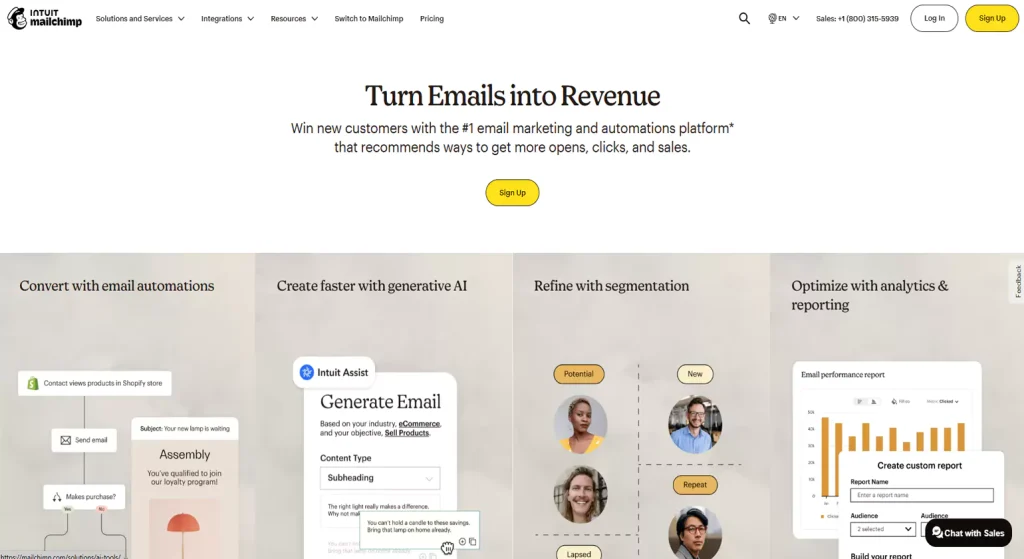
Mailchimp is a user-friendly platform known for its simplicity and versatility. It offers essential Integrating Marketing Automation Tools automation features such as email sequences, A/B testing, and segmentation. Best suited for startups and small businesses, Mailchimp allows for quick setup and easy execution of automated campaigns without a steep learning curve.
5. Brevo (formerly Sendinblue)
Brevo offers multichannel automation that includes email, SMS, chat, and CRM capabilities. It’s ideal for small to medium-sized businesses seeking an affordable, all-in-one solution. Brevo’s intuitive workflow builder and real-time tracking make it easy to manage marketing efforts across various platforms while staying within budget.
6. Marketo Engage
Marketo Engage by Adobe is a robust solution designed for B2B marketers. It offers advanced lead management, account-based marketing (ABM), and detailed analytics. Marketo excels in complex automation workflows and enterprise integrations, making it a top choice for companies with sophisticated marketing needs and larger sales funnels.
7. Autopilot

Autopilot stands out for its visually appealing and intuitive journey builder. It supports multichannel messaging across email, SMS, and in-app notifications. With real-time audience segmentation and behavioral targeting, Autopilot simplifies complex customer journeys and makes it easy for teams to design responsive, goal-oriented automation flows.
8. Klaviyo

Klaviyo is purpose-built for eCommerce businesses. It Integrating marketing automation roi Tools seamlessly with platforms like Shopify and WooCommerce, enabling personalized email and SMS marketing based on shopping behavior. With strong marketing analytics and automation capabilities, Klaviyo helps online retailers increase revenue through highly targeted campaigns and abandoned cart sequences.
9. Omnisend
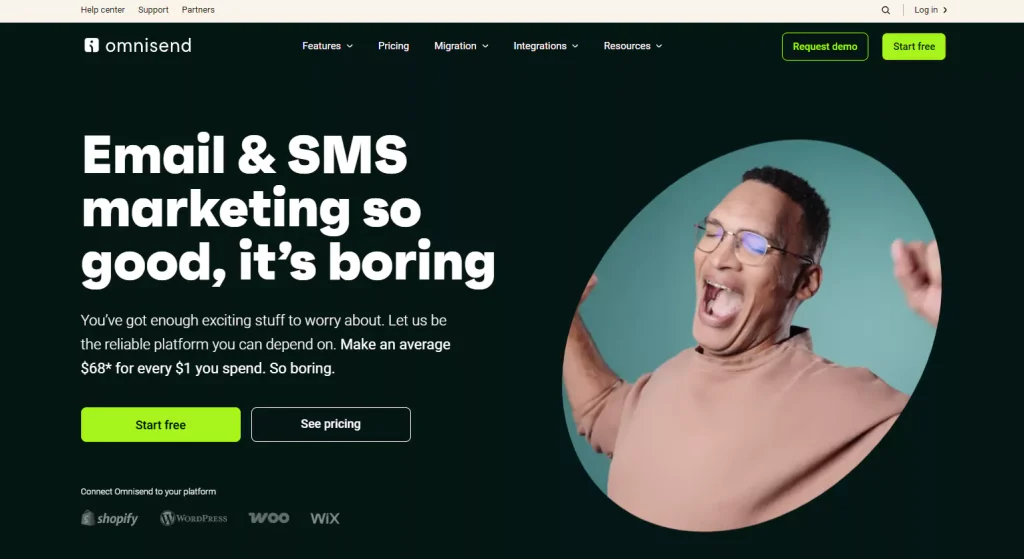
Omnisend is an eCommerce-focused automation tool offering email, SMS, and push notification support. It features pre-built workflows for cart recovery, order confirmation, and product recommendations. With intuitive automation and segmentation features, Omnisend empowers online stores to deliver timely, relevant communications that drive sales and retention.
10. Insider

Insider is a growth-focused marketing platform that leverages AI to personalize experiences across web, mobile, email, and more. It excels in predictive segmentation, customer journey orchestration, and cross-channel engagement. Perfect for data-driven marketers, Insider helps brands deliver seamless, targeted campaigns that increase conversions and customer loyalty.
Key Benefits of Integrating Marketing Automation Tools
Streamlined Workflows
One of the biggest advantages of integrating marketing automation tools is the ability to streamline workflows. Instead of juggling multiple platforms for email campaigns, social media scheduling, lead tracking, and reporting, integration consolidates processes into a single ecosystem. This eliminates manual tasks, reduces human error, and ensures that every campaign runs more efficiently.
Improved Lead Nurturing & Scoring
Integrating marketing automation roi with CRM and analytics tools makes lead nurturing smarter and more effective. Automation platforms can track customer behaviors across multiple touchpoints, from website visits to email clicks. These insights help businesses create targeted campaigns that nurture leads through the sales funnel. Additionally, lead scoring becomes more accurate when multiple systems share data in real time. High-intent leads can be prioritized and handed over to sales, while others continue in automated nurture sequences until they’re ready to convert.
Enhanced Personalization
Personalization is a core driver of modern marketing success, and integration makes it seamless. By combining customer data from different sources—such as CRM records, website interactions, and purchase history—automation tools can deliver highly personalized messages. For instance, a customer who downloads a whitepaper might receive a follow-up email with related content, while another who abandoned a cart could get a personalized discount.
Data-Driven Decision-Making
Finally, integrating marketing automation tools enables businesses to leverage data for smarter decision-making. Instead of fragmented reports from different platforms, integration provides a unified view of customer journeys and campaign performance. Marketers can easily identify which channels drive the most conversions, what type of content resonates with specific audiences, and where customers drop off in the funnel. With this holistic insight, businesses can optimize campaigns, allocate budgets effectively, and forecast results more accurately.
Ensure Your CRM and Automation Tools Are Integrated

For marketing automation to function at its best, integrating your Customer Relationship Management (CRM) system with your automation tools is a must. This connection creates a centralized system where customer data is continuously updated and accessible in real time. Such integration ensures that both marketing and sales teams operate from the same source of truth, helping them align efforts, eliminate redundancies, and deliver a more cohesive customer experience.
When your CRM and automation tools are synced, it becomes easier to segment audiences, personalize campaigns, and automate follow-ups based on real-time behaviors and customer journeys. For example, when a lead engages with a specific product page or downloads a resource, that action is instantly recorded in the CRM. This triggers relevant automated workflows—like sending a personalized email or assigning the lead to a sales rep—ensuring timely and relevant communication. Over time, this level of responsiveness builds trust and boosts conversion rates.
Moreover, integrating marketing automation tools with your CRM enhances lead scoring accuracy by combining behavioral insights with demographic data. This allows your teams to prioritize high-value leads and focus on those most likely to convert. It also supports better forecasting and performance tracking by consolidating metrics in one place. Ultimately, seamless integration strengthens your marketing foundation, making your automation efforts more targeted, efficient, and impactful. Investing in the right integration strategy means not only better team collaboration but also a significant improvement in customer engagement and overall ROI.
Segment Your Audience for Better Personalization

In a market where consumers are constantly bombarded with content, personalized communication has become a key differentiator. One-size-fits-all marketing is no longer effective, as customers expect brands to understand their unique preferences and behaviors. Audience segmentation allows you to break your audience into smaller, more defined groups based on factors such as demographics, past purchases, browsing behavior, and engagement levels. This enables you to deliver highly relevant content that speaks directly to each group’s needs and interests.
Effective segmentation leads to more meaningful interactions. For example, a first-time visitor to your website may need educational content to build trust, while a repeat buyer might respond better to loyalty offers or product recommendations. When your messaging aligns with where the customer is in their journey, it significantly boosts engagement, satisfaction, and conversion rates. Segmentation also helps reduce unsubscribe rates by ensuring recipients receive only the most relevant content.
Integrating marketing automation tools into your segmentation strategy makes the process more efficient and powerful. Automation tools can track real-time customer behavior, automatically assign individuals to the appropriate segments, and trigger personalized campaigns without manual effort. This ensures your audience data stays current and your messaging remains timely and accurate.
Additionally, automation allows for continuous testing and refinement of your segments, helping you uncover what works best for each group. By combining smart segmentation with automation, you can scale personalization, strengthen customer relationships, and drive better results from your marketing efforts.
Create Automated Customer Journeys That Convert
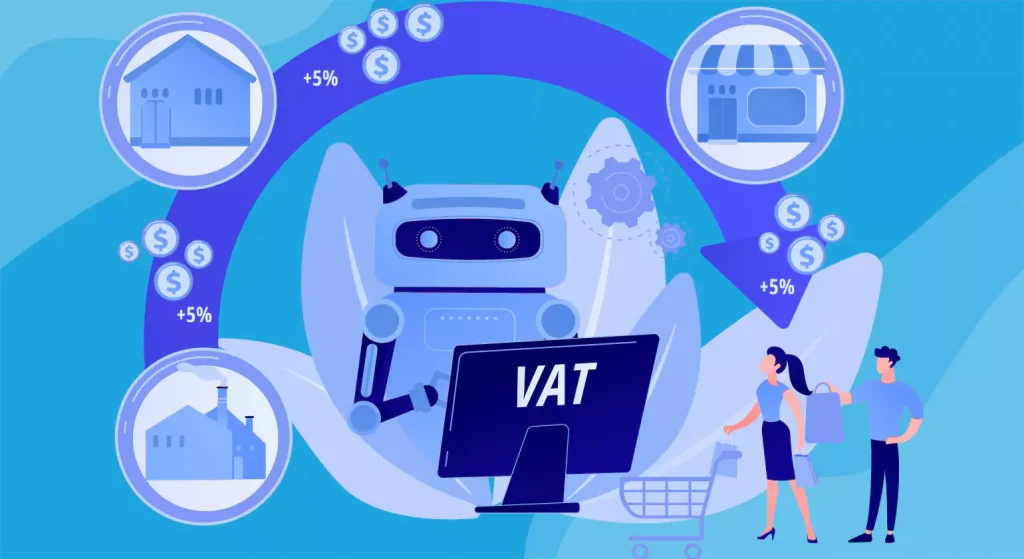
Crafting automated customer journeys is essential for nurturing leads and converting them into loyal customers. A well-mapped customer journey considers each stage of the buyer’s lifecycle—from the moment they discover your brand to post-purchase engagement. By automating these touchpoints, you can deliver timely, relevant content that moves prospects through the funnel efficiently and with minimal manual effort.
Customer journeys can include a variety of triggered workflows based on user behavior. For example, when a visitor views a product page, an automated email can follow up with more information or a limited-time offer. If someone downloads a resource, they can be added to a nurture sequence that introduces them to your solutions over time. These automated actions ensure consistent communication, build trust, and keep your brand top-of-mind without overwhelming your team.
Integrating marketing automation roi tools into your customer journey strategy brings even greater precision and scalability. These tools monitor behavior in real time and adjust workflows dynamically, allowing you to deliver the right message at exactly the right moment. They also help maintain continuity across channels, whether it’s email, SMS, or in-app messaging, creating a seamless experience for the customer.
Moreover, automation allows for data-driven insights and optimization. You can track performance, identify drop-off points, and tweak journeys to improve engagement and conversions. When done right, automated customer journeys don’t just convert—they create lasting relationships by making every interaction meaningful and personalized.
Essential Business Systems to Connect with Marketing Automation
Integrating marketing automation tools with the right business systems creates a seamless ecosystem that drives efficiency, data accuracy, and improved customer experiences. By connecting platforms such as CRM, CMS, email, social media, and analytics, businesses can centralize operations, personalize communication, and measure performance effectively. Below are the core systems every business should integrate with marketing automation.
CRM (Customer Relationship Management)
A CRM system is the backbone of customer data management. When integrated with marketing automation, it ensures that leads and customers are nurtured with personalized campaigns. Sales and marketing teams gain access to the same data, reducing silos and improving lead scoring, follow-ups, and conversions. For example, syncing HubSpot or Salesforce CRM with automation tools helps create targeted campaigns based on customer behavior.
CMS (Content Management System)
A CMS like WordPress, Drupal, or Shopify, when connected with marketing automation, allows businesses to track website visitor activity, personalize web experiences, and trigger automated campaigns. For instance, a visitor reading multiple product-related blogs can be automatically nurtured with relevant email content, pushing them closer to conversion.
Email Marketing Platforms
Email remains one of the most powerful digital marketing channels. Integrating email platforms like Mailchimp or ActiveCampaign with marketing automation tools ensures real-time personalization, automated drip campaigns, and advanced segmentation. Automated email sequences based on user actions, such as cart abandonment or sign-ups, improve engagement and sales.
Social Media Tools
Social media platforms are critical for brand awareness and engagement. Connecting them with marketing automation enables scheduling, tracking, and analyzing campaigns across multiple channels. More importantly, data from social interactions can be used to retarget audiences with personalized messages via email or ads. Tools like Hootsuite and Buffer integrate seamlessly with automation systems for streamlined social campaigns.
Set Up Email Marketing Automation for Better Engagement

Email marketing automation is one of the most effective and affordable tools for staying connected with your audience. Instead of sending one-off emails manually, you can set up automated sequences that are triggered by specific user actions—such as signing up for a newsletter, downloading a guide, or completing a purchase. These timely, behavior-based emails help you maintain consistent communication while ensuring your messages are always relevant and personalized.
By integrating marketing automation tools into your email strategy, you can easily collect and analyze user data, which allows for highly tailored content. For example, a new subscriber can receive a welcome series introducing your brand and offerings, while a repeat customer might get a loyalty reward or personalized product recommendations. Automation also enables you to re-engage inactive users with reminder emails or special offers, maximizing every opportunity to drive engagement.
Moreover, integrating marketing automation tools with your CRM ensures that your email campaigns are aligned with broader customer insights, enabling smarter segmentation and more accurate targeting. These tools also provide real-time analytics, allowing you to monitor open rates, click-throughs, and conversions—so you can optimize performance on the go.
When implemented effectively, email automation doesn’t just save time—it enhances the customer experience, nurtures leads through the sales funnel, and builds long-term loyalty. It allows businesses to scale their email marketing efforts while maintaining a personalized, human touch that today’s consumers expect.
Automate Social Media Scheduling and Campaigns

Managing social media effectively requires more than just posting sporadically—it demands a consistent presence, strategic planning, and timely engagement. Automation tools play a crucial role in simplifying this process by allowing you to schedule posts across multiple platforms in advance. This ensures that your content calendar remains active and aligned with your overall marketing strategy, even during weekends or holidays when your team might be offline.
By integrating marketing automation tools into your social media workflow, you can streamline content distribution and maintain a steady brand voice across channels like Facebook, Instagram, LinkedIn, and X (formerly Twitter). These tools not only help you schedule posts but also allow you to plan entire campaigns, align messaging with product launches or promotions, and maintain consistent engagement with your audience.
In addition to scheduling, automation tools can track user interactions, monitor mentions, and analyze engagement metrics such as likes, shares, and comments. This provides valuable insights into what content resonates most with your audience, allowing you to refine your strategy for better results. Moreover, integrating marketing automation tools with your analytics platform or CRM gives you a deeper understanding of how social media efforts impact lead generation and conversions.
Ultimately, automating your social media campaigns saves time, reduces manual errors, and ensures that every post serves a purpose. It empowers your team to focus more on content creation and strategy, while the tools handle the repetitive tasks—helping you stay agile, consistent, and impactful in a fast-paced digital landscape.
Leverage Behavioral Triggers for Real-Time Marketing

In today’s fast-paced digital environment, timing is everything. Behavioral triggers allow marketers to respond to user actions in real time, delivering personalized messages exactly when they’re most relevant. Whether it’s a customer lingering on a product page, abandoning a cart, or downloading a resource, these actions signal interest and intent—making them perfect moments to engage. By reacting instantly with the right message or offer, you not only capture attention but also guide users further along the customer journey.
Integrating marketing automation tools enables the seamless use of behavioral triggers across various channels. For example, if a user views a pricing page multiple times without converting, an automated system can send a tailored email with a limited-time discount or offer a live chat session. Similarly, if someone downloads an eBook, they can be added to a nurturing sequence that provides more in-depth information on the topic. These real-time reactions feel natural and helpful to the customer, increasing the likelihood of conversion.
Additionally, integrating marketing automation tools with your website analytics and CRM allows you to set up complex, multi-step workflows that react to a combination of user behaviors. This creates a more personalized and intuitive customer experience, where every interaction feels intentional and tailored. Over time, behavioral triggers not only boost engagement and sales but also help build trust by showing that your brand understands and responds to customer needs promptly. This real-time marketing strategy turns passive interest into active engagement with precision and efficiency.
Track and Analyze Automated Campaigns for Continuous Improvement

Implementing marketing automation is just the beginning—true success lies in continuous optimization. To get the most value from your automated campaigns, it’s essential to regularly track and analyze performance metrics such as open rates, click-throughs, conversions, engagement levels, and ROI. These insights allow you to understand how your audience is responding and where your strategy needs fine-tuning.
Integrating marketing automation tools gives you access to built-in analytics dashboards that provide real-time data on every aspect of your campaigns. This means you can quickly identify high-performing content, pinpoint drop-off points in your workflows, and measure the effectiveness of your segmentation strategies. For example, if an email sequence is underperforming, you can test different subject lines, CTAs, or send times to boost engagement.
Furthermore, integrating marketing automation tools with your CRM or customer data platform offers a deeper layer of insight by tying campaign performance directly to sales outcomes. This helps you calculate the true ROI of your marketing efforts and make data-driven decisions. It also allows for smarter attribution, showing which touchpoints are most influential in the buyer’s journey.
By consistently analyzing and optimizing your campaigns, you create a feedback loop that improves efficiency and effectiveness over time. Adjusting your content, refining your audience segments, and updating workflows ensures your automation stays aligned with evolving customer needs and business goals. Continuous improvement turns automated marketing from a set-it-and-forget-it tool into a dynamic, results-driven strategy.
Scale Your Marketing Efforts with Marketing Automation Tools

As your business grows, so does the complexity of managing customer interactions. Manually handling every lead, follow-up, and campaign becomes unsustainable over time. That’s where marketing automation steps in—enabling you to scale your efforts without sacrificing personalization or timeliness. Whether it’s sending welcome emails, delivering product recommendations, or executing long-term nurturing sequences, automation helps you maintain consistent communication with a growing audience while freeing your team to focus on strategic initiatives.
Integrating marketing automation tools allows you to replicate successful campaigns at scale. For instance, you can design a nurturing workflow that responds to user behavior and then apply it across different segments or products without rebuilding it from scratch. As new leads come in or existing customers interact with your brand, these tools trigger relevant messages automatically—ensuring no opportunity is missed, regardless of audience size.
Moreover, integrating marketing automation tools with your CRM, analytics platforms, and other marketing channels ensures seamless data flow and consistent customer experiences. This integrated ecosystem enables smarter segmentation, more accurate targeting, and continuous performance monitoring. You can easily identify what’s working, optimize for better results, and expand your efforts across channels and markets.
Scaling with automation doesn’t mean losing the personal touch. In fact, with the right data and tools, your campaigns become even more tailored and effective. Marketing automation not only saves time and resources—it empowers your business to grow faster, connect deeper, and convert more consistently across every stage of the customer journey.
Overcome Challenges in Marketing Automation Integration

While marketing automation offers immense benefits, integrating these tools into your existing systems can come with its fair share of challenges. Common obstacles include data silos, platform incompatibility, and internal resistance to change. Without proper planning, these issues can hinder adoption and limit the effectiveness of your automation strategy. To overcome these hurdles, a proactive and structured approach is essential.
Start by involving key stakeholders early in the process. Understanding the needs and concerns of marketing, sales, IT, and customer service teams ensures that the solution you choose aligns with organizational goals. Integrating marketing automation tools should not be viewed as just a tech upgrade—it’s a shift in how your teams operate and collaborate. Open communication and a shared vision help build buy-in and reduce resistance.
Choosing flexible and compatible platforms is also critical. Look for automation tools that integrate easily with your CRM, analytics, and content management systems. This prevents data fragmentation and supports a seamless customer experience. Additionally, integrating marketing automation tools should be done gradually. Rolling out features in phases allows teams to adjust, learn, and gain confidence without becoming overwhelmed.
Equally important is training. Equip your team with the knowledge and skills to use the new tools effectively. Provide ongoing support and highlight small wins to maintain momentum. With the right foundation—clear communication, stakeholder involvement, strategic platform selection, and strong training—you can turn integration challenges into a smooth transition, setting the stage for long-term success with marketing automation.
Why Integrating Marketing Automation Tools is a Game Changer for Businesses

In today’s fast-moving digital landscape, businesses must be agile, efficient, and deeply customer-centric. That’s where integrating marketing automation tools becomes a true game changer. When done right, automation doesn’t just save time—it reshapes how businesses engage with prospects and customers, making every interaction more strategic and impactful. By connecting marketing and sales functions, automation ensures both teams have access to the same real-time data, enabling smoother collaboration and a more cohesive customer journey.
One of the greatest advantages of integrating marketing automation tools is the ability to deliver personalized experiences at scale. Automation empowers businesses to send the right message at the right time, based on individual behaviors and preferences. Whether it’s a welcome email, a product recommendation, or a re-engagement campaign, these touchpoints happen automatically—yet feel tailored to each recipient. This level of personalization builds stronger relationships and drives higher conversion rates.
Beyond customer engagement, marketing automation also enhances internal efficiency. It reduces manual, repetitive tasks like list segmentation, follow-ups, and data entry—freeing up your team to focus on high-value strategic work. It also provides detailed analytics and performance insights, helping you make data-driven decisions and optimize campaigns continuously for better ROI.
Ultimately, integrating automation tools equips businesses to scale faster, compete more effectively, and deliver consistent, personalized marketing with less effort. It’s not just about working smarter—it’s about transforming your entire marketing approach to thrive in the digital era.
Conclusion
Marketing automation is not just about saving time—it’s about transforming how you connect with your audience. By carefully selecting tools, aligning with goals, and integrating systems, businesses can drive engagement, conversion, and long-term loyalty. Embrace automation with a strategic mindset, and you’ll unlock its full potential.
FAQs
What should I consider before choosing a marketing automation platform?
Start by defining your business goals and budget. Consider platform features, ease of use, scalability, customer support, and integration with your CRM. Demo multiple tools to ensure the platform aligns with your marketing strategy and long-term automation needs.
How does CRM integration enhance marketing automation?
Integrating CRM with automation tools ensures seamless data flow between marketing and sales. It enables real-time personalization, better lead nurturing, and consistent messaging. This alignment helps deliver a cohesive customer experience and boosts overall campaign effectiveness and ROI.
Why is audience segmentation important in marketing automation?
Segmentation allows you to divide your audience based on behaviors, demographics, or interests. This leads to more personalized and relevant messaging, higher engagement, and better conversion rates. It also improves targeting accuracy across automated campaigns and customer journeys.
How do behavioral triggers improve automated campaigns?
Behavioral triggers respond to specific user actions like email opens or cart abandonment. They create timely, relevant marketing touchpoints that guide prospects along the buyer journey. This responsiveness can significantly increase engagement and lead to higher conversion rates.
What are common challenges in marketing automation integration?
Businesses often face issues like data silos, poor tool compatibility, lack of training, or unclear strategies. Address these by choosing user-friendly, integrative platforms, investing in team training, and aligning automation with clear business objectives from the start.