Table of Contents
Introduction to AI SaaS Companies
In today’s hyper-digital world, artificial intelligence (AI) is no longer a futuristic concept—it’s the driving force behind next-generation software solutions. The blend of AI and Software as a Service (SaaS) is transforming how businesses operate, scale, and interact with customers. Welcome to the age of AI SaaS companies, where intelligent automation, predictive analytics, and personalization redefine productivity and performance.
What Are AI SaaS Companies?
AI SaaS companies are businesses that offer cloud-based software solutions enhanced with artificial intelligence. Unlike traditional SaaS platforms that rely heavily on user input and manual workflows, AI SaaS platforms use machine learning, natural language processing (NLP), computer vision, and automation to optimize tasks in real-time.
These tools learn from historical data, improve over time, and help businesses streamline everything from marketing and sales to HR and customer support—without needing to build AI from scratch.
The Role of AI in SaaS (Software as a Service)
Artificial intelligence is a game-changer for the SaaS ecosystem. It enables platforms to:
- Automate repetitive tasks (like data entry, email routing, or customer support).
- Deliver personalized customer experiences based on real-time behavior.
- Provide predictive insights for better decision-making.
- Detect anomalies for fraud prevention or security monitoring.
- Optimize workflows for higher efficiency.
By embedding AI into the core of SaaS platforms, companies can offer smarter, faster, and more adaptive solutions that respond to user needs in real-time—something that traditional SaaS tools simply can’t do.
Why AI SaaS is the Next Big Thing for Businesses
AI SaaS is quickly becoming essential—not optional—for businesses that want to stay competitive. Here’s why:
- Scalability: AI tools can handle massive data volumes and workloads as businesses grow.
- Cost Efficiency: AI reduces the need for manual labor, cutting operational costs significantly.
- Speed to Market: Automation accelerates product development and customer response times.
- Customer Retention: Personalized recommendations and proactive support improve customer satisfaction.
- Data-Driven Strategy: AI turns raw data into actionable insights, guiding smarter business decisions.
The Top 10 AI SaaS Companies You Need to Know About in 2026
As we step into 2026, these AI SaaS companies based in the U.S. are setting the pace for AI-driven innovation. They are transforming industries through automation, intelligent data processing, and personalized experiences. Below are the top 10 AI SaaS companies you need to know about, along with their key features that make them leaders in this evolving space.
1. OpenAI
Overview:
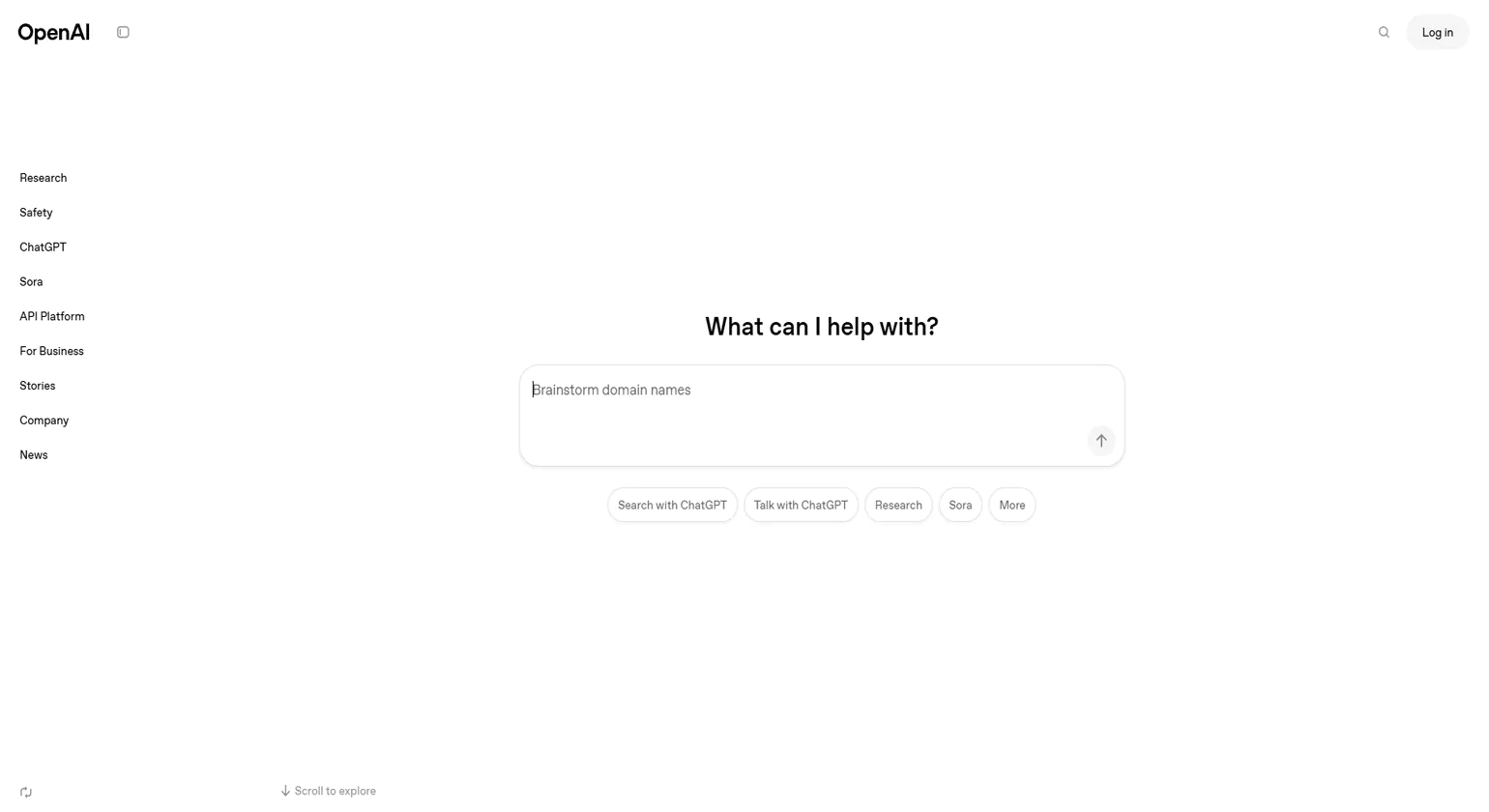
OpenAI leads the charge in generative AI, offering some of the most advanced language models in the world. From powering chatbots to writing code, their tools are shaping the future of work.
Key Features:
- GPT-4 and ChatGPT for natural language understanding and generation
- API integration for customer support, content generation, and coding tools
- Custom GPTs for specific business use cases
- Scalable deployment across platforms via cloud API
2. Salesforce Einstein
Overview:
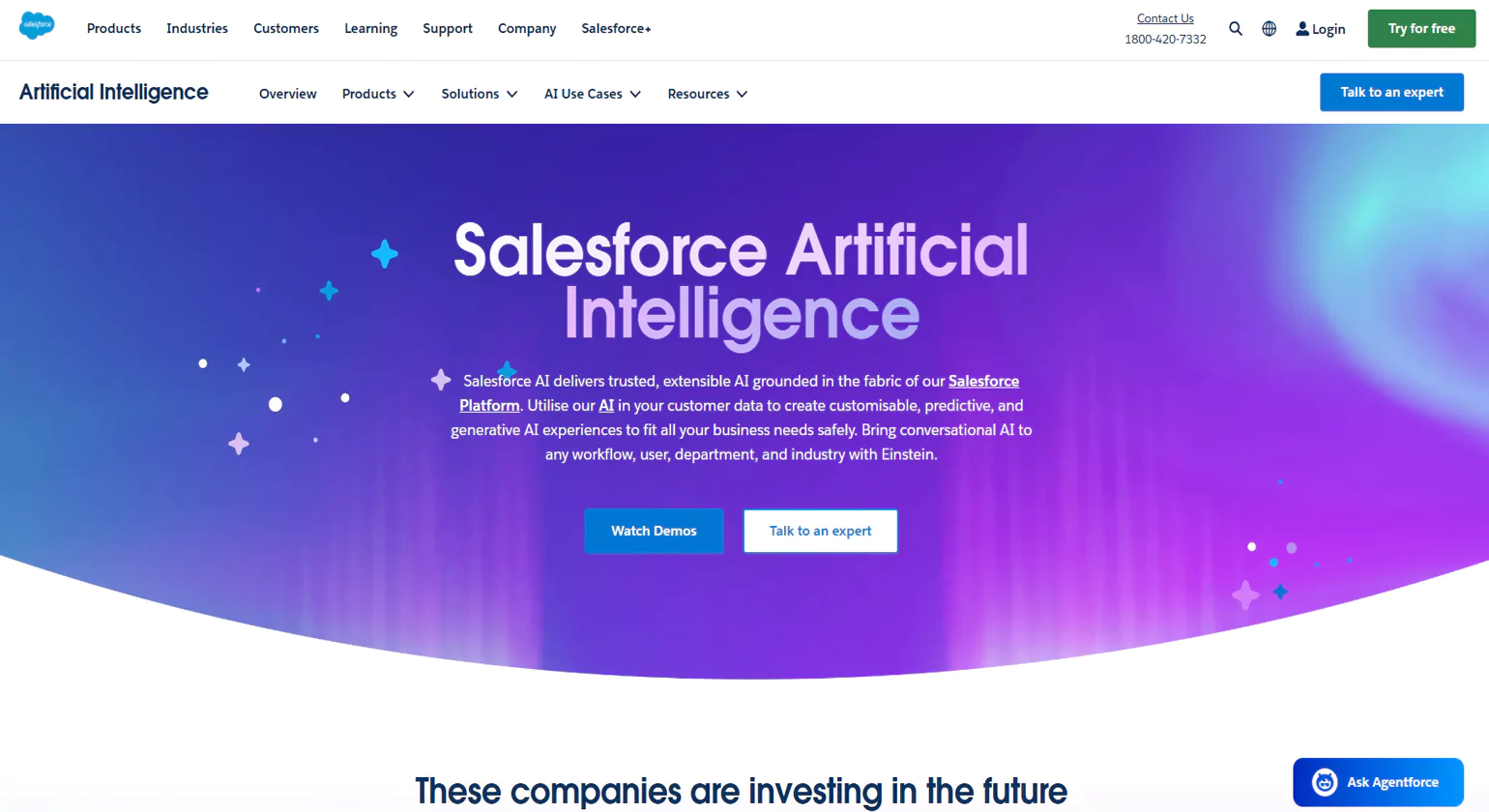
Salesforce Einstein brings AI natively into the Salesforce ecosystem, empowering sales, marketing, and service teams with actionable insights and automation. As one of the leading AI SaaS companies, Salesforce Einstein helps businesses enhance productivity, personalize customer experiences, and streamline operations through intelligent, data-driven automation.
Key Features:
- Predictive lead scoring and customer behavior forecasting
- Sentiment analysis for service case prioritization
- Automated email responses and recommendations
- Visual AI for analyzing product images and data patterns
3. UiPath
Overview:
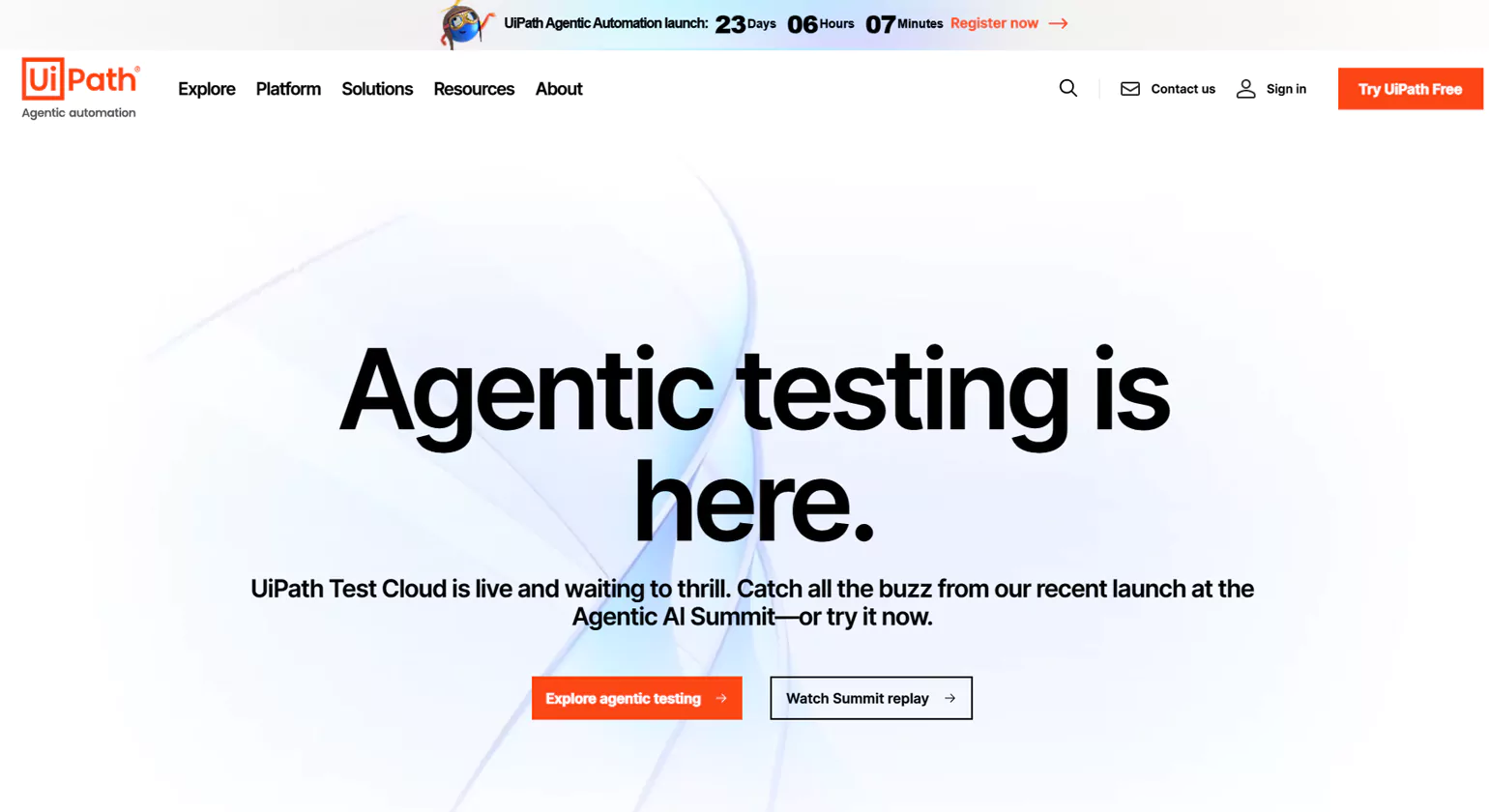
UiPath is the industry leader in robotic process automation (RPA), combining AI with bots to automate time-consuming business processes. Among top AI SaaS companies, UiPath stands out for delivering scalable, intelligent automation solutions that improve efficiency, reduce manual effort, and accelerate digital transformation for businesses worldwide.
Key Features:
- Intelligent document processing and OCR capabilities
- AI Center for managing ML models in workflows
- Task mining and process mining for automation insights
- Scalable automation across departments and industries
4. HubSpot
Overview:
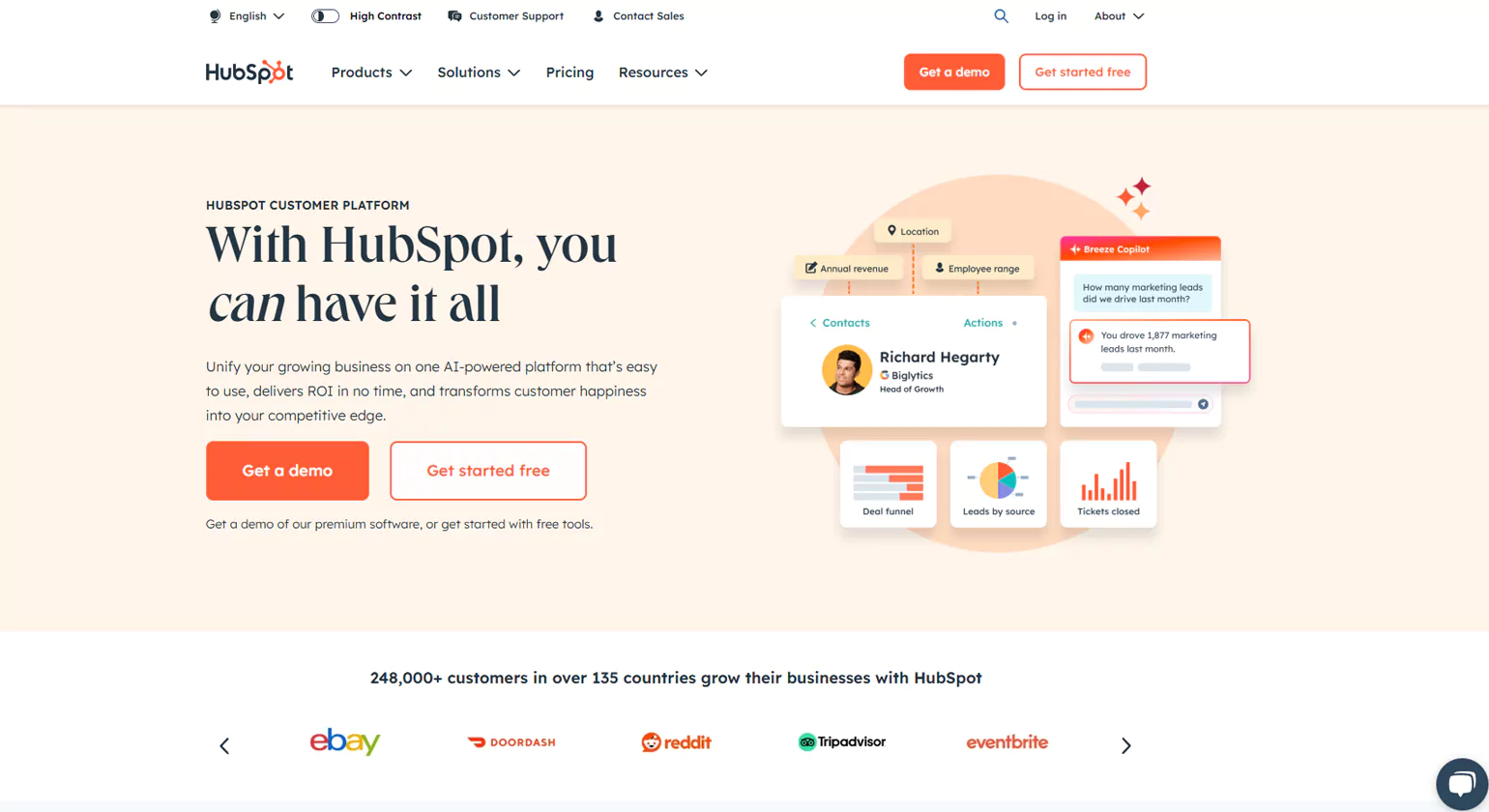
HubSpot is a CRM and marketing automation platform that integrates AI to help businesses improve customer experience and streamline growth.
Key Features:
- AI-driven content generation for blogs, emails, and ads
- Smart CRM recommendations and lead scoring
- Conversational AI for chatbots and live chat
- Workflow automation and predictive analytics
5. ServiceTitan
Overview:
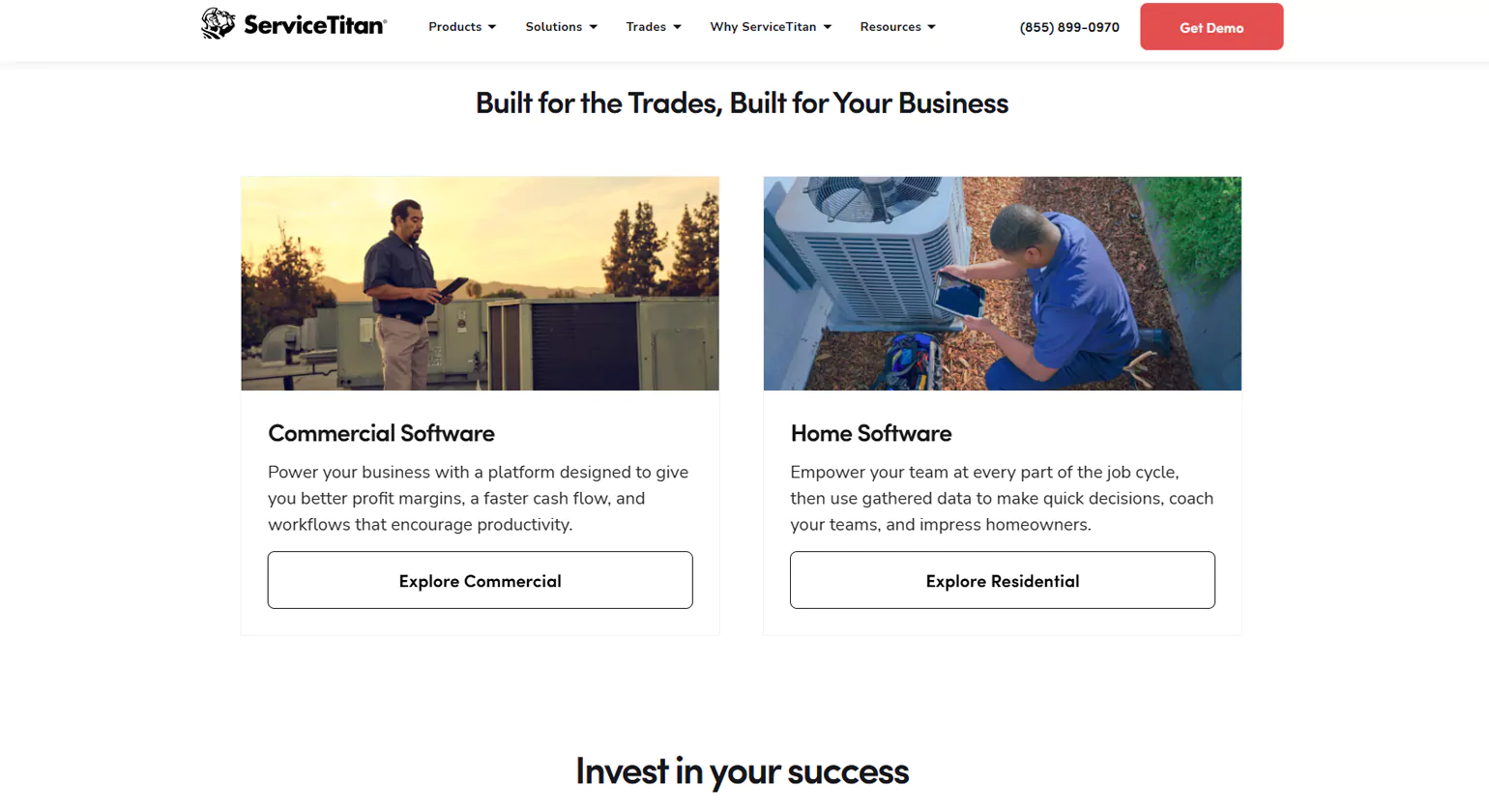
ServiceTitan is purpose-built for the trades industry, using AI to simplify field service operations and drive performance. Among prominent AI SaaS companies, ServiceTitan helps businesses optimize scheduling, improve technician efficiency, and deliver better customer experiences through intelligent automation and data-driven insights.
Key Features:
- AI-powered dispatching and route optimization
- Real-time job costing and profitability tracking
- Predictive maintenance and service alerts
- Customer communication automation
6. DataRobot
Overview:
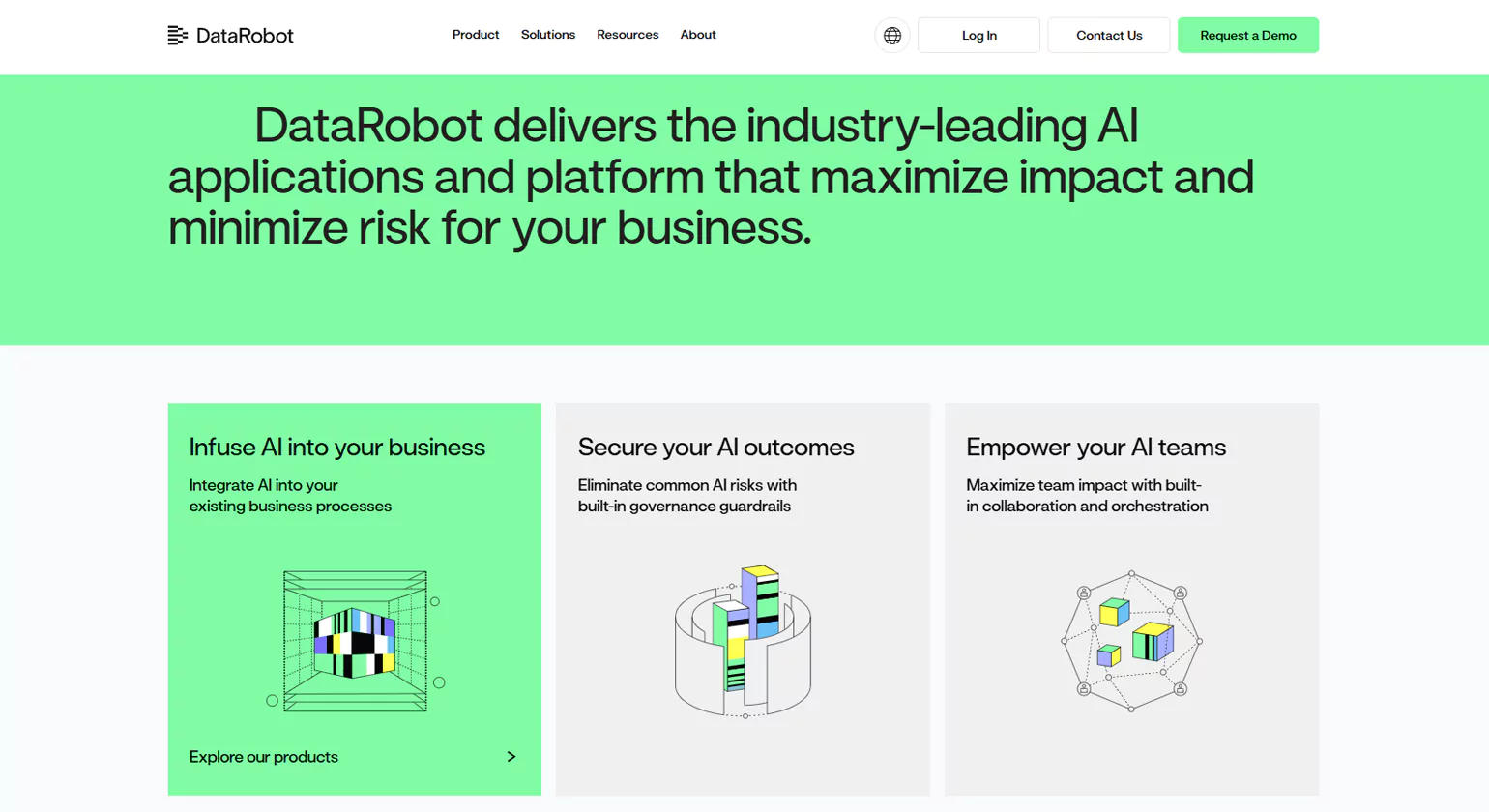
DataRobot is an end-to-end AI platform designed for enterprises. It helps companies create, deploy, and monitor ML models without deep technical expertise.
Key Features:
- Automated machine learning (AutoML) capabilities
- Time series forecasting and anomaly detection
- MLOps for deploying and maintaining models in production
- Bias detection and explainability tools for compliance
7. Drift
Overview:
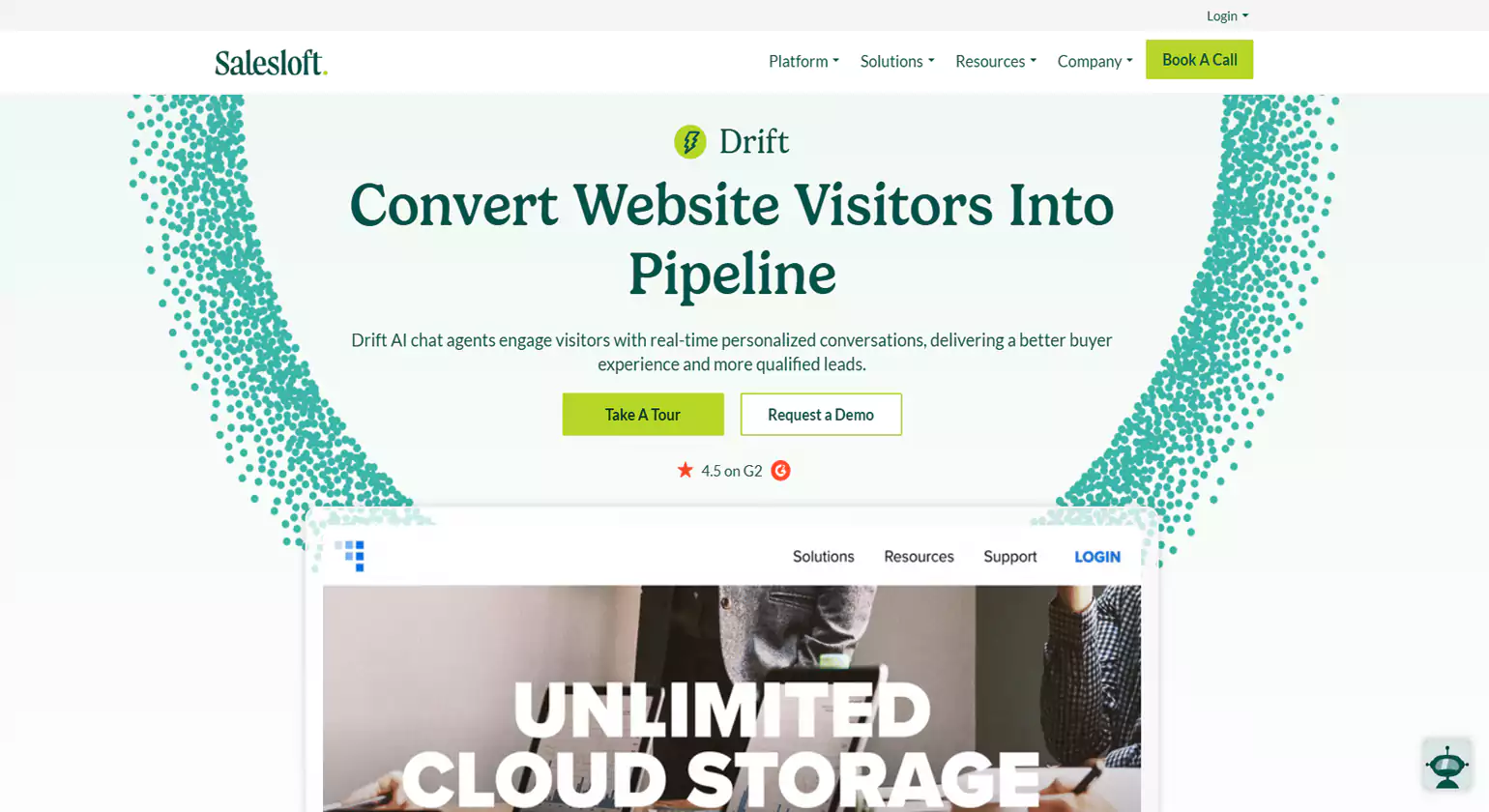
Drift enhances conversational marketing with AI-powered chatbots and real-time personalization for B2B sales funnels.
Key Features:
- AI chatbots that qualify leads automatically
- Account-based marketing (ABM) targeting and routing
- Conversation intelligence and analytics
- CRM and calendar integrations for smooth workflows
8. Gong
Overview:
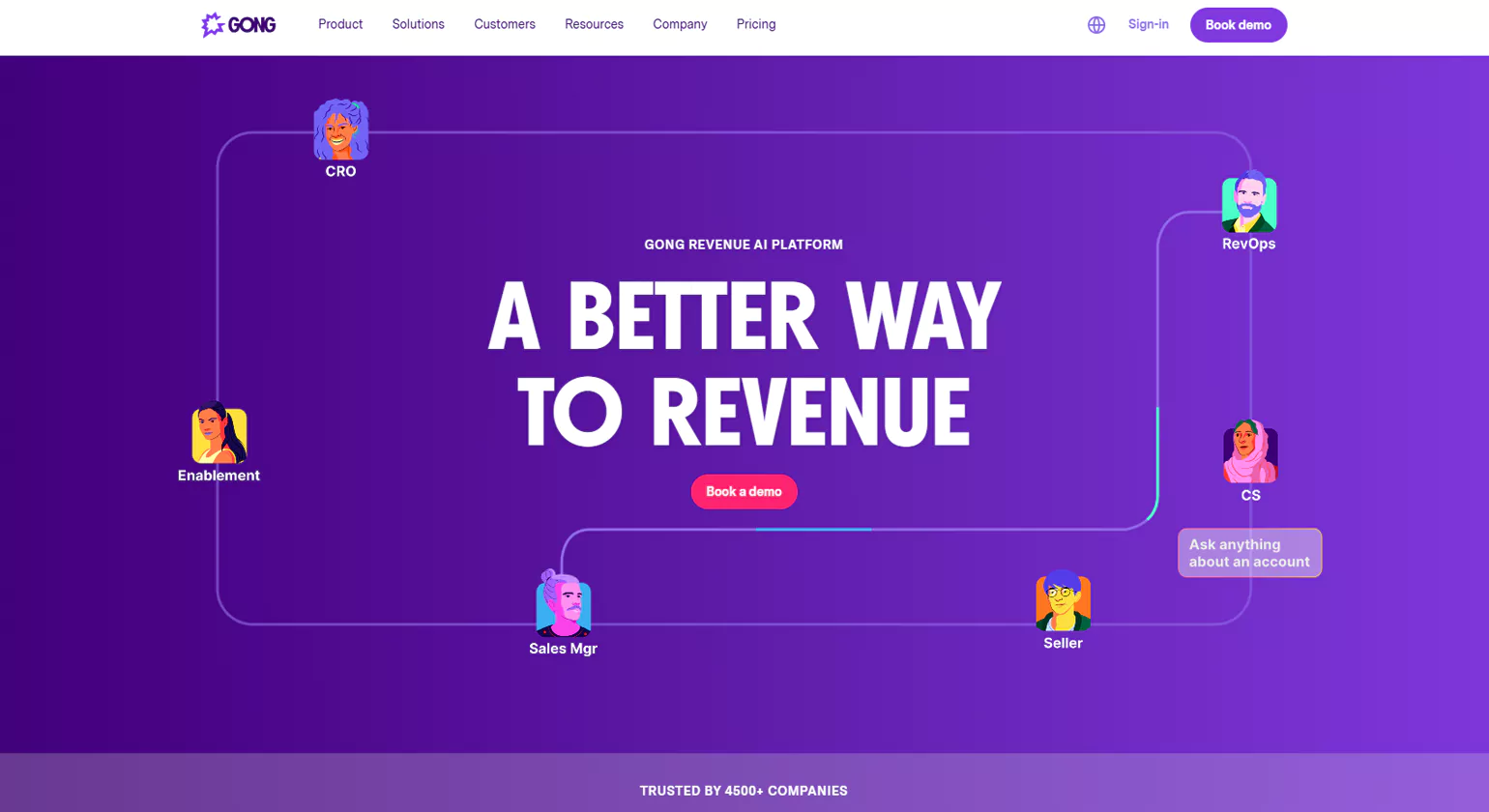
Gong offers conversation analytics to help sales teams improve messaging, close more deals, and track customer sentiment. As one of the leading AI SaaS companies, Gong leverages artificial intelligence to provide actionable insights, optimize sales performance, and enhance customer interactions through data-driven automation.
Key Features:
- AI-powered call and meeting transcription
- Deal risk detection and pipeline forecasting
- Sales coaching based on conversational insights
- Integration with Zoom, Salesforce, and email platforms
9. Snowflake
Overview:
Snowflake is a cloud-based data platform that now incorporates AI to power analytics, ML workloads, and real-time decision-making.
Key Features:
- Native support for machine learning and data science tools
- Secure data sharing and collaboration across teams
- Real-time streaming data and event-driven triggers
- Scalable cloud infrastructure with low-latency performance
10. Freshworks
Overview:
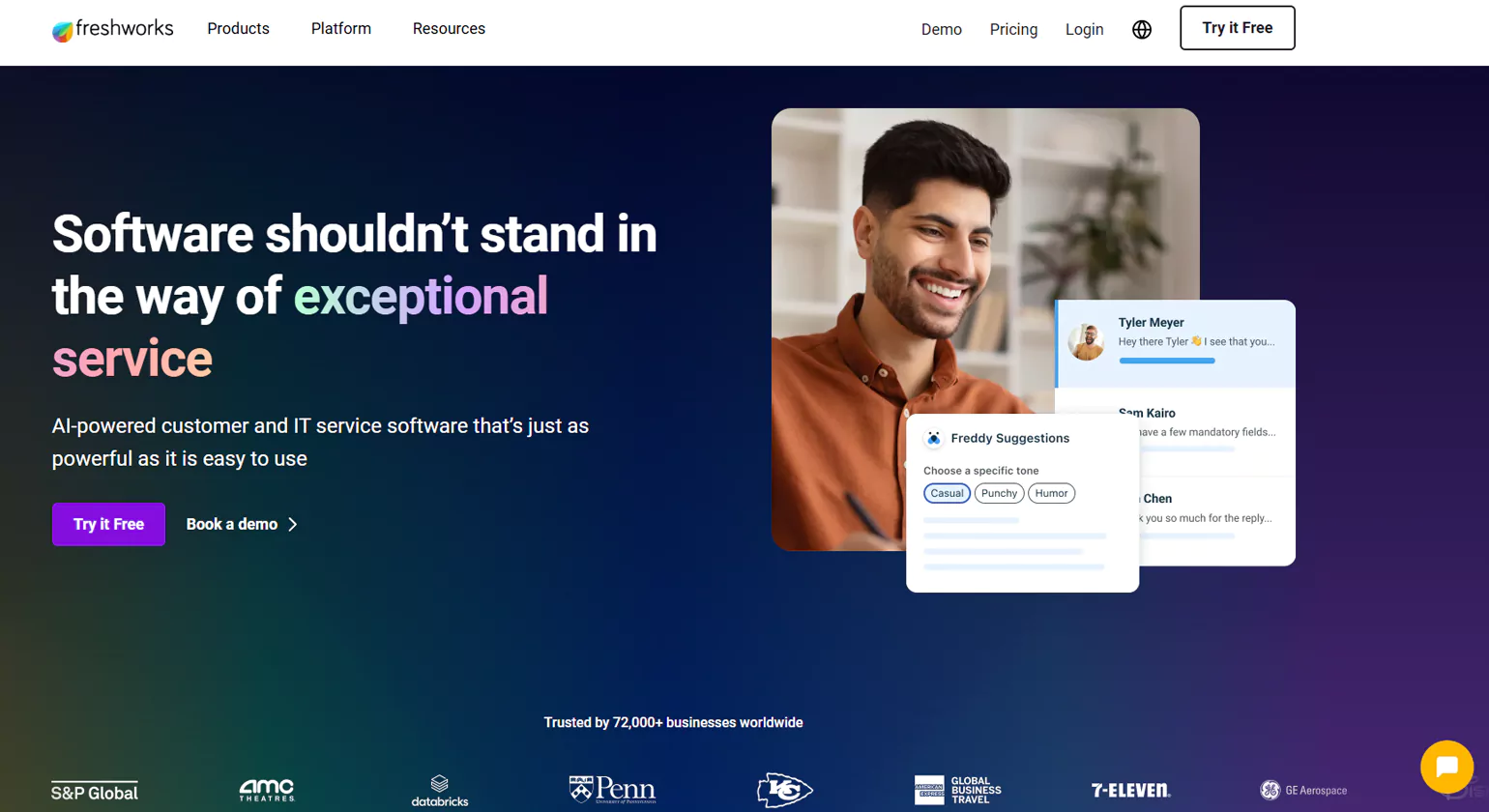
Freshworks provides customer engagement software enhanced with AI, making it easier for businesses to deliver better support, marketing, and sales experiences.
Key Features:
- Freddy AI for ticket routing, response suggestions, and analytics
- Chatbot builder and automation workflows
- Predictive contact scoring in Freshsales
- Omnichannel support across chat, email, and social
Why AI SaaS Companies Are Disrupting Traditional Business Models

AI SaaS companies are changing the way businesses operate at a foundational level. Traditional software models often require heavy infrastructure, manual customization, and long implementation cycles. In contrast, AI SaaS platforms are cloud-based, easy to integrate, and continuously improving through machine learning. They bring automation, real-time analytics, and predictive capabilities directly into the hands of businesses—without the need for deep technical expertise.
This shift enables faster go-to-market strategies, data-driven decisions, and better customer outcomes. Whether you’re a startup or an enterprise, AI SaaS makes innovation more accessible and immediate.
The AI SaaS Advantage: Speed, Efficiency, and Scalability
The core advantage of AI SaaS lies in its ability to rapidly process data and deliver actionable insights. Unlike traditional models, AI SaaS platforms learn and improve over time, becoming smarter with every interaction.
- Speed: Automated processes like data entry, report generation, and customer support response reduce human effort and turnaround time.
- Efficiency: By removing manual bottlenecks, teams can focus on strategic tasks and innovation.
- Scalability: Whether you’re serving 100 or 100,000 users, AI SaaS can scale without a hitch—making it ideal for growing businesses.
These benefits aren’t just “nice-to-haves”—they’re competitive necessities in 2026’s fast-moving digital landscape.
How AI SaaS Companies are Redefining the Customer Experience
Customer experience is now a key differentiator, and AI SaaS companies are taking it to the next level. AI-powered chatbots, recommendation engines, and predictive support systems deliver hyper-personalized experiences that customers love.
- Real-time assistance: Chatbots provide 24/7 customer service without human agents.
- Personalized journeys: AI suggests products, services, or content based on user behavior and preferences.
- Proactive support: Platforms can anticipate customer needs or issues and address them before they escalate.
These tools lead to higher engagement, reduced churn, and ultimately, stronger brand loyalty.
Cost Efficiency and Accessibility: A New Era for Small and Medium Businesses
AI SaaS platforms have democratized advanced technology. What used to require massive IT budgets and in-house AI teams is now available on a subscription basis. This is particularly game-changing for small and medium-sized businesses (SMBs).
- Affordable pricing models: Pay-as-you-go and tiered pricing allow businesses to scale usage as needed.
- No infrastructure investment: Cloud-based delivery eliminates the need for expensive hardware or data centers.
- User-friendly interfaces: Many platforms offer no-code or low-code environments, so non-tech teams can still leverage AI.
In short, SMBs can now compete on a more level playing field with enterprise-level organizations.
The Impact of AI on Industry-Specific SaaS Solutions

AI isn’t one-size-fits-all—it adapts to industry-specific needs and use cases. Let’s dive into how AI SaaS companies is transforming key industries.
AI SaaS in Healthcare: Transforming Patient Care and Diagnostics
The healthcare industry is embracing AI SaaS to enhance diagnostics, personalize treatments, and streamline operations.
- Predictive diagnostics: Platforms analyze patient history, lab results, and imaging to identify early signs of disease.
- Virtual health assistants: AI chatbots guide patients, book appointments, and provide post-care instructions.
- Operational automation: From billing to claims processing, AI speeds up routine tasks, reducing administrative burden.
The result? Better outcomes, reduced costs, and a more efficient healthcare ecosystem.
AI SaaS in Finance: Automating Risk Management and Fraud Detection
Financial institutions are leveraging AI SaaS to manage risk, detect fraud, and automate compliance.
- Fraud detection: AI analyzes transaction patterns in real-time to flag suspicious activity.
- Credit scoring: Enhanced models assess creditworthiness beyond traditional data sources.
- Portfolio optimization: AI recommends investment strategies based on historical data and market trends.
These capabilities improve security, reduce losses, and empower smarter financial decisions for both institutions and their customers.
AI SaaS in Marketing: Optimizing Campaigns and Personalization
Marketing has become data-driven, and AI SaaS tools are central to that transformation.
- Audience segmentation: AI identifies high-converting audience segments automatically.
- Campaign optimization: Real-time A/B testing and performance tracking help marketers double down on what works.
- Content generation: Tools like ChatGPT help create personalized emails, blog posts, and social media updates.
These platforms reduce time-to-market for campaigns and improve ROI with precision targeting.
AI SaaS in Retail: Revolutionizing Supply Chains and Customer Engagement
Retailers are turning to AI SaaS companies to enhance inventory management, optimize logistics, and drive personalized shopping experiences.
- Demand forecasting: AI predicts product demand based on seasonality, trends, and historical sales.
- Customer insights: AI analyzes shopper behavior to recommend products or send timely promotions.
- Smart inventory: Systems automatically restock popular items and flag slow movers for markdowns.
Key Technologies Powering AI SaaS Platforms

The fusion of AI with SaaS is facilitated by several core technologies:
Machine Learning (ML) and Deep Learning
Machine Learning enables systems to learn from data, identify patterns, and make decisions with minimal human intervention. Deep Learning, a subset of ML, utilizes neural networks with multiple layers to analyze complex data structures. In SaaS platforms, these technologies power features like predictive analytics, personalized recommendations, and automated decision-making processes. For instance, AI-driven SaaS applications can forecast customer behavior, optimize marketing strategies, and enhance user engagement by learning from historical data.
Natural Language Processing (NLP)
NLP allows computers to understand, interpret, and generate human language. Integrating NLP into SaaS platforms facilitates advanced features such as chatbots, sentiment analysis, and language translation. This enhances customer support, enables real-time feedback analysis, and broadens market reach by breaking language barriers.
Robotic Process Automation (RPA)
RPA involves the use of software robots to automate repetitive tasks traditionally performed by humans. In the context of AI SaaS, RPA streamlines workflows by automating data entry, invoice processing, and other routine operations. This not only reduces operational costs but also minimizes errors and frees up human resources for more strategic tasks.
Predictive Analytics and Data Visualization
Predictive analytics leverages statistical algorithms and ML techniques to identify the likelihood of future outcomes based on historical data. Coupled with data visualization tools, SaaS platforms can present complex data in an intuitive manner, aiding businesses in making informed decisions. For example, sales forecasts, risk assessments, and market trend analyses become more accessible and actionable.
Autonomous Systems and Edge Computing
Autonomous systems can perform tasks without human intervention, often relying on real-time data processing. Edge computing complements this by processing data closer to its source, reducing latency and bandwidth usage. In AI SaaS companies, this combination is crucial for applications requiring immediate responses, such as real-time analytics and Internet of Things (IoT) integrations.
How AI SaaS Companies Are Integrating with Cloud Platforms

Cloud platforms provide the infrastructure and services necessary for AI SaaS companies to deploy, manage, and scale their applications effectively. Integration with cloud services offers several advantages:
Benefits of Cloud Integration for AI SaaS Companies
- Scalability: Cloud platforms offer on-demand resources, allowing AI SaaS company to scale their operations seamlessly in response to user demand.
- Cost Efficiency: The pay-as-you-go model of cloud services reduces the need for significant upfront investments in hardware, lowering overall operational costs.
- Accessibility: Cloud integration ensures that AI SaaS applications are accessible from anywhere, facilitating remote work and global collaboration.
- Rapid Deployment: Cloud platforms enable faster deployment of applications and updates, ensuring that users have access to the latest features without delay.
- Enhanced Collaboration: Cloud environments support collaborative tools and integrations, fostering teamwork and information sharing across different locations.
Popular Cloud Providers Supporting AI SaaS Solutions
Several leading cloud providers offer services tailored to AI SaaS applications:
- Amazon Web Services (AWS): AWS provides a comprehensive suite of AI and ML services, including Amazon SageMaker for building, training, and deploying ML models. Its global infrastructure ensures high availability and performance for SaaS applications.
- Microsoft Azure: Azure offers AI services such as Azure Machine Learning and Cognitive Services, which integrate seamlessly with Microsoft’s enterprise solutions. This makes it an attractive option for businesses already utilizing Microsoft products.
- Google Cloud Platform (GCP): GCP is renowned for its expertise in data analytics and AI, offering services like Vertex AI and AutoML. Its robust data processing capabilities make it suitable for AI-intensive SaaS applications.
How Cloud Security Enhances the AI SaaS Ecosystem
Security is paramount in the AI SaaS ecosystem, given the sensitive nature of data handled by these platforms. Cloud providers invest heavily in security measures, including:
- Data Encryption: Protects data at rest and in transit, ensuring that unauthorized parties cannot access sensitive information.
- Identity and Access Management (IAM): Controls user access to resources, ensuring that only authorized individuals can perform specific actions.
- Compliance Certifications: Cloud providers adhere to industry standards and regulations, offering compliance assurances that are critical for sectors like healthcare and finance.
By leveraging these security features, AI SaaS company can build trust with their users and ensure the integrity and confidentiality of their data.
Emerging Trends in AI SaaS Companies for 2026 and Beyond

The landscape of Artificial Intelligence in Software as a Service (AI SaaS) is evolving rapidly, introducing transformative trends that are reshaping business operations. As we move through 2026 and beyond, several key developments are emerging:
The Rise of AI-Powered Low-Code and No-Code Platforms
Low-code and no-code platforms have democratized software development by enabling users with minimal coding experience to create applications. The integration of AI into these platforms is further enhancing their capabilities, allowing for more intelligent and responsive applications. In 2026, this trend is accelerating, with AI-powered low-code and no-code platforms becoming more prevalent. These platforms empower businesses to rapidly develop and deploy AI-driven solutions, reducing time-to-market and fostering innovation.
Ethical AI in SaaS: Addressing Bias and Fairness
As AI becomes more integrated into SaaS solutions, ethical considerations are gaining prominence. Issues of bias and fairness in AI algorithms can lead to unintended consequences, making it imperative for companies to adopt responsible AI practices. Strategies to mitigate AI bias include using diverse data collection methods, implementing fairness-aware algorithms, and conducting regular audits to promote ethical AI development. Building an ethical culture within organizations is essential to ensure that AI technologies are developed and deployed responsibly.
AI SaaS for Remote Work: Adapting to the New Normal
The shift to remote work has been significantly accelerated by global events, and AI SaaS company are at the forefront of this transformation. AI-powered tools are enhancing remote work by automating routine tasks, facilitating virtual collaboration, and providing insights into employee productivity. For instance, AI-driven project management tools can predict project timelines and resource needs, while virtual assistants can schedule meetings and manage emails. This integration of AI into remote work tools is enabling organizations to maintain efficiency and connectivity in a distributed work environment.
Sustainable AI SaaS: The Future of Green Computing and Efficiency
Sustainability is becoming a critical focus for AI SaaS companies. The environmental impact of large-scale data processing and AI computations has led to the development of ‘Green AI’ initiatives aimed at reducing energy consumption and carbon footprints. Tech giants are investing in energy-efficient data centers and optimizing algorithms to be less resource-intensive. For example, Google’s Tensor Processing Units (TPUs) have improved the carbon efficiency of AI workloads by a factor of three, demonstrating a commitment to sustainable AI practices.
Choosing the Right AI SaaS Company for Your Business Needs

Selecting an appropriate AI SaaS companies’ provider is crucial for leveraging AI effectively. Key factors to consider include:
- Scalability: Ensuring the solution can grow with your business needs.
- Integration: Compatibility with existing systems and workflows.
- Cost: Alignment with your budget and expected return on investment.
A comprehensive evaluation of potential providers should also assess their track record, customer support, and the robustness of their AI models. According to Forbes, while cost efficiency is important, the true priority should be finding a SaaS solution that offers scalability, flexibility, and composability to grow with the evolving needs of the business.
A Step-by-Step Guide to Selecting the Best AI SaaS Provider
- Identify Business Objectives: Clearly define what you aim to achieve with AI integration.
- Assess Internal Capabilities: Evaluate your team’s readiness to adopt and manage AI solutions.
- Research Providers: Look for vendors with expertise in your industry and a proven track record.
- Evaluate Technology: Examine the AI models’ performance, scalability, and ease of integration.
- Consider Support and Training: Ensure the provider offers adequate support and training resources.
- Review Security and Compliance: Verify that the provider adheres to relevant regulations and industry standards.
- Pilot Testing: Implement a trial to assess the solution’s effectiveness before full deployment.
This structured approach can help in making an informed decision that aligns with your business goals.
How to Ensure Successful AI Adoption in Your Organization
Successful AI adoption requires more than just selecting the right technology; it involves organizational change management. Steps to facilitate this include
- Leadership Commitment: Secure buy-in from top management to drive the AI agenda.
- Employee Training: Invest in upskilling employees to work effectively with AI tools.
- Change Management: Develop strategies to manage the transition and address employee concerns.
- Continuous Evaluation: Regularly assess the impact of AI implementations and make necessary adjustments.
According to SEI, a seven-step guide to successful AI adoption includes assessing readiness, defining a strategy, building a roadmap, developing a pilot, scaling the solution, managing change, and ensuring continuous improvement.
Conclusion: The AI SaaS Revolution Is Just Getting Started
AI SaaS companies are redefining the way modern businesses operate. By blending the scalability of SaaS with the intelligence of artificial intelligence, these platforms are streamlining operations, enhancing customer experiences, and making advanced technologies accessible to businesses of all sizes. From OpenAI’s generative models to Salesforce Einstein’s CRM automation and DataRobot’s machine learning capabilities, AI SaaS tools are empowering organizations to work smarter, faster, and more efficiently.
As we look to the future, the trends shaping AI SaaS—like ethical AI, low-code platforms, sustainability, and deep cloud integration—will continue to evolve. Businesses must carefully assess factors like scalability, pricing, integration, and support when choosing a provider. More importantly, successful AI adoption requires not just tools, but also strategic implementation, staff training, and a strong data foundation. Whether you’re in healthcare, marketing, finance, or retail, AI SaaS offers a path to innovation and competitive advantage.
The AI SaaS revolution isn’t coming—it’s already here. The companies that embrace it early and responsibly will lead the way in 2026 and beyond. Now is the time to explore, invest, and prepare your business for a smarter, AI-powered future.
FAQs
1. What is AI-powered SaaS and how does it work?
AI-powered SaaS integrates artificial intelligence into cloud-based software, enabling automation, data analysis, and intelligent decision-making. It improves efficiency, enhances user experiences, and provides predictive insights. Businesses can streamline operations, reduce manual tasks, and leverage AI-driven intelligence to make smarter, faster, and more scalable decisions.
2. How can artificial intelligence improve SaaS applications and services?
Artificial intelligence improves SaaS by automating repetitive tasks, optimizing workflows, predicting user behavior, and delivering personalized experiences. It reduces errors, accelerates response times, and provides actionable insights. By integrating AI, SaaS applications become more intelligent, efficient, and capable of supporting better business outcomes and customer satisfaction.
3. What are the top AI SaaS companies in 2026?
Leading AI SaaS company in 2026 include OpenAI, Salesforce Einstein, UiPath, HubSpot, ServiceTitan, DataRobot, Drift, Gong, Sn owflake, and Freshworks. These companies offer powerful tools for everything from customer support to automation and data analytics.
4. What industries benefit most from AI SaaS?
AI SaaS solutions are revolutionizing industries like healthcare, finance, retail, marketing, and logistics. Each sector uses AI to improve efficiency, reduce risks, and create more personalized customer experiences.
5. What are the main features of AI SaaS platforms?
Key features include machine learning, predictive analytics, chatbot automation, natural language processing, RPA (robotic process automation), and seamless cloud integration. These enable faster decision-making and improved customer satisfaction.
6. Is AI SaaS suitable for small businesses?
Yes, many AI SaaS platforms are designed for startups and small businesses with scalable pricing plans. They provide affordable access to advanced AI features without the need for in-house data science teams.
7. How do I choose the right AI SaaS provider?
Consider factors such as your business needs, budget, scalability, integration capabilities, ease of use, support, and data privacy compliance. Look for providers with proven track records in your industry.
8. What AI solutions are available for SaaS providers to enhance performance?
SaaS providers can use AI solutions like predictive analytics, natural language processing, machine learning, chatbots, and automation tools. These technologies enhance user engagement, optimize processes, improve security, and streamline operations. Leveraging AI allows SaaS platforms to scale efficiently while delivering smarter, high-performing services to customers.
9.How does a SaaS AI platform help businesses scale and automate processes?
A SaaS AI platform enables businesses to automate workflows, analyze large datasets, and gain actionable insights in real time. It reduces manual effort, enhances efficiency, accelerates decision-making, and supports scalable operations. Companies can improve productivity, optimize resources, and maintain high-quality service across all processes.
10. What are the top AI SaaS tools for improving productivity and efficiency?
Top AI SaaS tools include AI-powered analytics platforms, intelligent CRMs, workflow automation software, predictive modeling applications, and smart chatbots. These tools streamline operations, reduce manual work, optimize collaboration, and provide actionable insights. They help businesses improve productivity, efficiency, and decision-making while scaling effectively.