Table of Contents
Introduction
In today’s digital landscape, businesses generate vast amounts of data from various channels, making marketing data management essential. Effectively handling this data helps organizations gain valuable insights, improve customer engagement, and drive business growth. Without a structured approach, companies risk data silos, inaccuracies, and compliance issues. Therefore, a well-managed data strategy is crucial for making informed, data-driven decisions.
A well-organized approach allows businesses to optimize campaigns, personalize customer experiences, and enhance ROI. By leveraging the right tools and best practices, companies can streamline data collection, ensure accuracy, and maintain security. Moreover, with the rise of data privacy regulations, maintaining compliance is more important than ever. Ultimately, a strong data management framework empowers businesses to stay competitive in an evolving market.
What is Marketing Data Management?
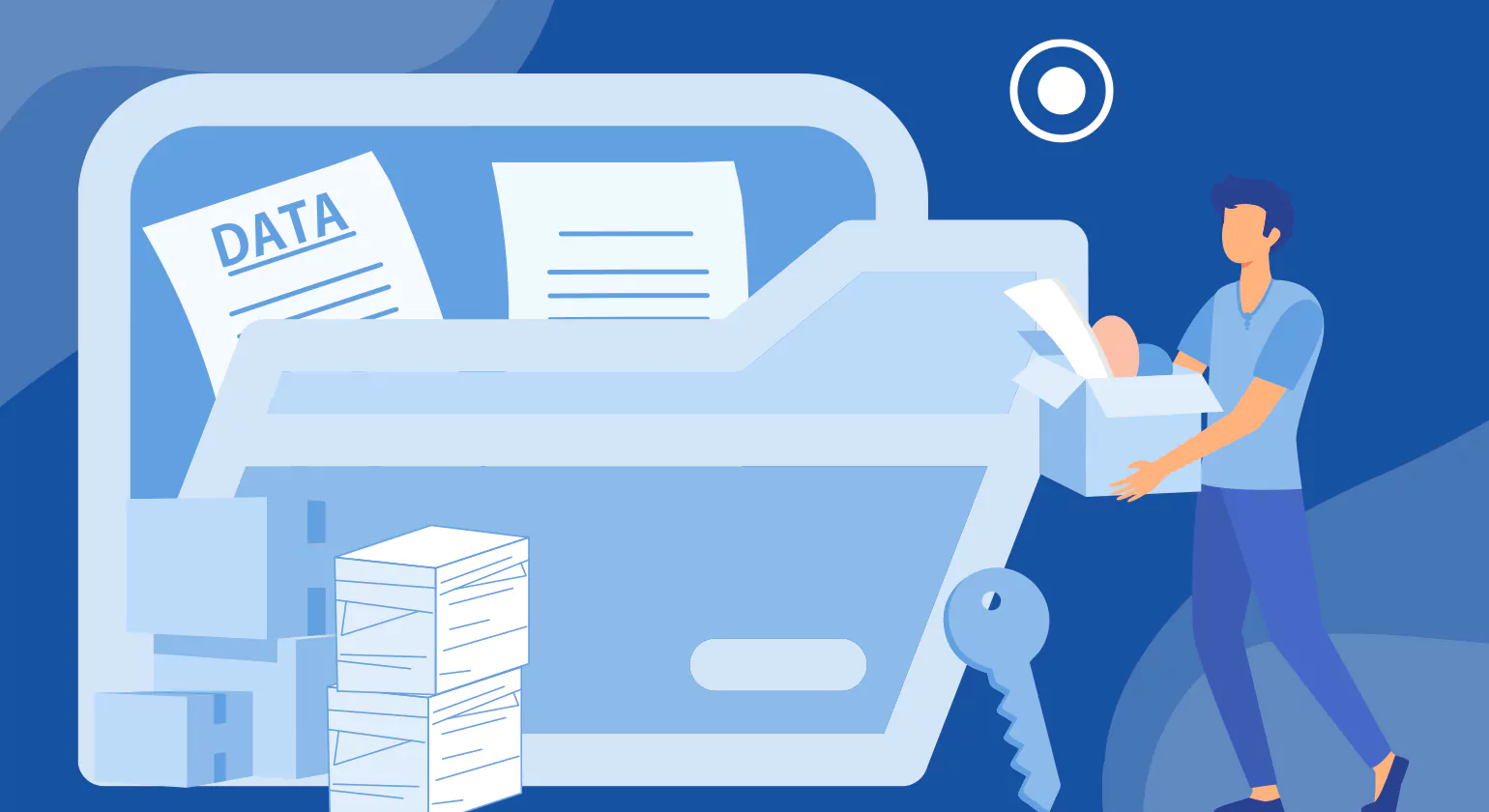
Marketing data management is the process of collecting, organizing, and analysing marketing-related data to improve business outcomes. It involves handling data from multiple sources, such as social media, email campaigns, and customer interactions, to create a unified view. By structuring this data effectively, businesses can gain meaningful insights and enhance their marketing efforts. As a result, organizations can make more informed decisions and maximize their return on investment.
A strong data management system ensures that marketing teams work with accurate, reliable, and up-to-date information. Moreover, it helps eliminate data silos, making collaboration across departments more efficient. With the growing emphasis on data privacy, businesses must also comply with regulations while maintaining data security. To stay ahead of the competition, start implementing a solid marketing data management strategy today!
The Role of Marketing Data Management

In the digital age, businesses rely on data to create impactful marketing strategies.
market data management ensures that companies collect, process, and utilize data effectively for better decision-making and improved customer experiences. Without proper data management, organizations risk inefficiencies, inaccurate insights, and compliance issues. Below are the key roles of marketing data management platform in driving business success.
1. Enhancing Customer Insights & Personalization
Understanding customer behaviour is essential for delivering personalized experiences. With well-managed data, businesses can segment their audience effectively and tailor their marketing strategies based on real insights. This approach leads to higher engagement and customer satisfaction.
- Helps analyze customer behavior, preferences, and purchase history.
- Enables the creation of personalized campaigns that drive higher engagement.
- Improves segmentation by grouping audiences based on accurate data.
- Enhances customer experience by delivering relevant content at the right time.
2. Driving Data-Backed Decision-Making
Data-driven marketing eliminates guesswork, allowing businesses to make informed decisions. By leveraging data analytics, companies can understand trends, measure performance, and optimize strategies for better results.
Provides real-time insights to improve marketing effectiveness.
Eliminates guesswork by using data to predict customer trends.
Enhances decision-making through data-driven testing and analysis.
Supports campaign optimization for improved marketing ROI.
3. Optimizing Multi-Channel Marketing Efforts
Modern marketing involves multiple channels, from social media to email campaigns. Effective marketing data management ensures consistency across all platforms, creating a seamless experience for customers.
- Ensures data consistency across social media, email, and paid ads.
- Tracks customer interactions across multiple touchpoints for better targeting.
- Aligns messaging across platforms to improve the customer journey.
- Identifies the most effective marketing channels for campaign success.
4. Improving ROI Through Data Accuracy
Accurate data is the foundation of a successful marketing strategy. Businesses that maintain clean, up-to-date data can reduce wasted ad spend and increase profitability.
- Prevents duplicate or outdated data from affecting campaign performance.
- Enhances budget allocation by focusing on high-performing strategies.
- Reduces marketing costs by targeting the right audience with precise data.
- Improves revenue generation through data-driven marketing efforts.
5. Ensuring Compliance & Security
With increasing data privacy regulations, businesses must prioritize compliance and security. Proper data management not only protects customer information but also builds trust and credibility.
- Ensures compliance with GDPR, CCPA, and other privacy laws.
- Reduces the risk of data breaches with strong security measures.
- Builds customer trust by maintaining transparency in data usage.
- Strengthens brand reputation by following ethical data practices.
5 Key Components of Marketing Data Management
Effective marketing relies heavily on accurate, organized, and actionable data. Marketing Data Management (MDM) ensures businesses can collect, store, analyze, and utilize data to drive smarter decisions. Here are the five key components:
Data Collection
This is the foundation of MDM. Businesses gather data from multiple sources such as websites, social media, email campaigns, CRM systems, and third-party providers. Accurate and comprehensive data collection ensures that marketing strategies are based on reliable insights.
Data Integration
Marketing data Integration often comes from various platforms and formats. Integration involves consolidating these data sources into a single, unified view. This enables marketers to have a holistic understanding of customer behavior and campaign performance.
Data Quality Management
High-quality data is crucial. This includes removing duplicates, correcting errors, standardizing formats, and updating outdated information. Maintaining data quality ensures that marketing decisions are accurate and reliable.
Data Storage and Security
Collected data must be stored safely in scalable systems like cloud platforms or data warehouses. Ensuring security and compliance with regulations like GDPR and CCPA protects customer information and builds trust.
How to Build a Marketing Data Management Strategy in 10 Steps

A well-structured marketing data strategy helps businesses leverage data to optimize campaigns, enhance customer experiences, and improve decision-making. By effectively managing and analysing data, companies can gain valuable insights, eliminate inefficiencies, and maximize ROI. Implementing the right tools and best practices ensures a data-driven approach that adapts to market trends and consumer behaviour. Below are the key components of a strong marketing data strategy.
1. Define Business and Marketing Objectives
Begin by aligning your data strategy with business goals such as revenue growth, customer acquisition, retention, or personalization. Clearly define how data will support campaign optimization, audience targeting, and ROI measurement.
2. Conduct a Comprehensive Data Audit
Analyze all existing data sources—CRM systems, marketing automation tools, analytics platforms, ad networks, social media, and offline data. Assess data accuracy, relevance, completeness, and duplication to understand your current data maturity.
3. Map the Customer Data Journey
Identify how customer data is collected, stored, shared, and used across touchpoints. Mapping the customer journey helps uncover gaps and ensures consistent data flow across channels.
4. Identify and Prioritize Key Data Sets
Determine which data types are essential, such as demographic, firmographic, behavioral, transactional, and engagement data. Focus on high-impact data that directly improves targeting and personalization.
5. Build a Centralized Data Infrastructure
Implement a centralized system like a Customer Data Platform (CDP), data warehouse, or integrated marketing database. Centralization ensures a single source of truth for accurate reporting and analysis.
6. Establish Data Governance and Ownership
Define clear governance policies covering data access, usage, validation, and lifecycle management. Assign ownership to ensure accountability and consistent data management practices.
7. Maintain Data Quality and Standardization
Implement processes for data cleansing, normalization, and deduplication. Standardized formats, naming conventions, and validation rules improve reliability and reporting accuracy.
8. Ensure Privacy, Security, and Compliance
Adhere to regulations such as GDPR and CCPA by managing consent, securing sensitive data, and maintaining transparency. Strong compliance practices protect both customers and brand reputation.
9. Enable Analytics, Insights, and Activation
Leverage BI tools, dashboards, and AI-driven analytics to convert data into insights. Ensure insights are actionable and easily accessible to marketing teams for real-time decision-making.
10. Optimize, Scale, and Evolve Continuously
Regularly review performance, update processes, and adopt emerging technologies. Continuous optimization ensures your marketing data management strategy evolves with business needs.
Challenges in Marketing Data Management

As businesses increasingly rely on data-driven strategies, managing marketing data effectively presents several challenges. From data fragmentation to regulatory compliance, organizations must address these issues to maximize their marketing efforts. Without proper data management, businesses risk inefficiencies, inaccurate insights, and legal complications. Below are some of the key challenges companies face in marketing data management platform.
1. Data Silos and Fragmentation
One of the biggest obstacles in
market data management is dealing with fragmented data across different platforms. When customer information is scattered across multiple systems, it becomes difficult to create a unified view, leading to inefficiencies and missed opportunities.
- Data stored in separate systems prevents seamless collaboration between departments.
- Inconsistent data across platforms makes it harder to track customer interactions.
- Lack of integration results in poor decision-making and ineffective marketing campaigns.
- Businesses must implement a centralized data management system to break down silos.
2. Ensuring Data Accuracy and Quality
Accurate and high-quality data is crucial for successful marketing campaigns. However, businesses often struggle with outdated, incomplete, or duplicate data, which can lead to poor decision-making and wasted resources.
- Inaccurate data leads to ineffective audience targeting and lower engagement rates.
- Duplicate entries can cause confusion and miscommunication within marketing teams.
- Poor data quality increases the risk of sending irrelevant messages to customers.
- Implementing regular data audits and validation processes helps maintain accuracy.
3. Compliance with Data Privacy Regulations (GDPR, CCPA)
With increasing concerns about data privacy, businesses must ensure they comply with global regulations like GDPR and CCPA. Failing to adhere to these laws can result in heavy fines and loss of customer trust.
- Companies must obtain explicit consent before collecting and using customer data which is why understanding what is consent management is essential for compliance with regulations like GDPR and CCPA.
- Non-compliance can lead to legal penalties and reputational damage.
- Customers expect transparency regarding how their data is collected and used.
- Businesses need robust data governance policies to ensure regulatory compliance.
4. Managing Large Volumes of Data
The rise of digital marketing has led to an explosion of data, making it challenging to process and analyse information efficiently. Without the right infrastructure, businesses can struggle to extract meaningful insights.
- The rapid growth of data can overwhelm traditional storage and processing systems.
- Analysing large datasets requires advanced tools like AI and machine learning.
- Slow data processing can delay decision-making and impact campaign performance.
- Investing in scalable data management solutions improves efficiency and insights.
To overcome these challenges, businesses must adopt a comprehensive marketing data management strategy that ensures data accuracy, security, and compliance. By leveraging advanced tools and best practices, companies can turn data challenges into opportunities, driving better marketing performance and long-term success.
10 Benefits of Data Management in Marketing

Marketing data management plays a crucial role in optimizing campaigns, improving customer interactions, and ensuring compliance with data regulations. By effectively organizing and analysing marketing data, businesses can enhance decision-making, boost ROI, and deliver personalized experiences. Below are five key benefits of implementing a strong
market data managementstrategy.
Enhanced Customer Understanding
Centralized data provides a 360-degree view of customers, revealing preferences, behavior patterns, and purchase journeys. This enables marketers to create more relevant and timely campaigns.
Highly Personalized Marketing
With accurate data, marketers can segment audiences effectively, delivering personalized messages, product recommendations, and offers that resonate with individual customers.
Data-Driven Decision Making
Reliable and structured data empowers marketing teams to base decisions on insights rather than intuition, minimizing guesswork and maximizing strategic outcomes.
Optimized Marketing ROI
By analyzing campaign performance and customer interactions, businesses can identify high-performing channels, reduce wasted spend, and allocate resources efficiently.
Streamlined Campaign Execution
Integrated marketing data allows for seamless coordination across channels, simplifying planning, automation, and performance tracking.
Improved Data Accuracy and Quality
Routine data cleaning and validation ensures trustworthy insights, preventing errors that could impact marketing strategies.
Cross-Channel Consistency
Unified data ensures consistent messaging across email, social media, web, and offline campaigns, improving brand coherence and customer experience.
Stronger Customer Retention
Data-driven insights identify loyal and at-risk customers, enabling proactive retention strategies and loyalty programs.
Regulatory Compliance
Proper data management ensures adherence to privacy regulations such as GDPR, CCPA, and industry standards, reducing legal risks.
Predictive and Future-Ready Marketing
Advanced analytics and AI models enable forecasting trends, anticipating customer needs, and staying ahead in competitive markets.
How Marketing Data Impacts Business Decision-Making

marketing data management platform plays a crucial role in shaping strategic business decisions. By effectively organizing, analysing, and utilizing data, companies can gain deep insights into customer behaviour, market trends, and campaign performance. This data-driven approach enables businesses to make informed decisions, minimize risks, and maximize returns. Below are keyways marketing data strategy impacts business decision-making.
1. Data-Driven Strategy Development
A well-structured marketing data management system helps businesses build strategies based on real insights rather than assumptions. Instead of relying on guesswork, companies can use data analytics to identify what works and adjust their strategies accordingly. This ensures that marketing campaigns are more targeted, efficient, and result oriented.
- Enables data-backed decision-making rather than intuition-based choices.
- Identifies customer preferences, allowing businesses to tailor their offerings.
- Helps predict future trends, giving businesses a competitive edge.
- Reduces the risk of ineffective marketing investments.
2. Improved Customer Insights and Personalization
By analysing marketing data, businesses can gain a deeper understanding of their customers’ needs, preferences, and buying behaviours. This allows them to personalize marketing efforts, leading to higher engagement and better customer experiences. As a result, brands can build stronger relationships and foster long-term customer loyalty.
- Enhances customer segmentation for more precise targeting.
- Increases engagement by delivering personalized experiences.
- Improves customer retention through data-driven interactions.
- Helps predict customer behaviour and anticipate future needs.
3. Optimized Budget Allocation
Marketing data allows businesses to allocate their budgets effectively by identifying high-performing channels and eliminating wasted spending. With detailed insights, businesses can invest in strategies that yield the best ROI and adjust campaigns in real time for maximum impact.
- Identifies the most cost-effective marketing channels.
- Reduces unnecessary ad spend by focusing on high-performing strategies.
- Ensures better utilization of marketing resources.
- Helps businesses adjust budgets dynamically based on performance data.
4. Competitive Advantage Through Market Analysis
By leveraging data analytics, businesses can stay ahead of competitors by understanding industry trends, customer expectations, and emerging opportunities. A strong marketing data management strategy provides companies with the insights needed to refine their competitive positioning and make proactive business decisions.
- Enables businesses to monitor competitors’ strategies effectively.
- Identifies gaps in the market for potential growth opportunities.
- Helps brands adapt quickly to changing market conditions.
- Strengthens brand positioning through informed decision-making.
5. Compliance and Risk Mitigation
With increasing data privacy regulations like GDPR and CCPA, businesses must ensure they handle customer data responsibly. Marketing data management helps companies stay compliant with legal requirements, reducing the risk of penalties and reputational damage. A secure and well-structured data management approach enhances consumer trust and business credibility.
- Ensures compliance with global data privacy regulations.
- Reduces the risk of data breaches and security threats.
- Builds customer trust by safeguarding sensitive information.
- Prevents legal complications that could impact business operations.
The Best Method: Predictive Analytics for Decision-Making
Among various data management approaches, predictive analytics is the most effective method for improving business decision-making. It utilizes historical data, AI, and machine learning to forecast future trends and outcomes. This enables businesses to make proactive decisions, optimize marketing campaigns, and enhance customer experiences.
Why Predictive Analytics?
- Helps forecast customer behaviour and purchasing patterns.
- Identifies potential risks before they impact business performance.
- Improves decision-making speed and accuracy.
- Enhances personalization by predicting customer needs.
By leveraging a strong marketing data management strategy and adopting predictive analytics, businesses can make smarter, data-driven decisions. In the next section, we’ll explore the essential tools that help streamline
market data management platform and maximize efficiency.
Essential Tools for Marketing Data Management
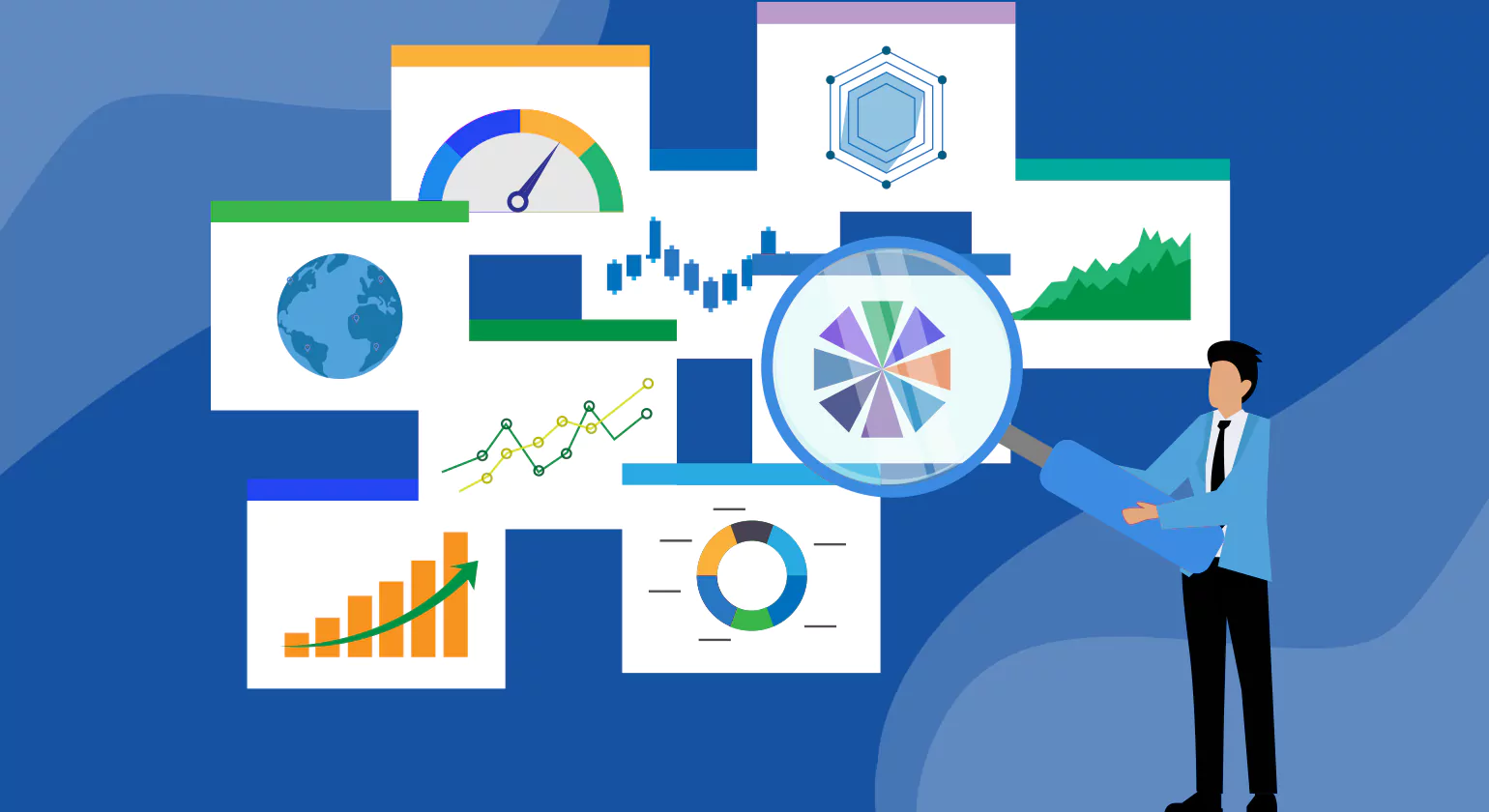
Managing marketing data effectively requires the right tools to collect, analyze, and utilize data efficiently. With the increasing volume of customer information, businesses need advanced solutions to ensure data accuracy, optimize campaigns, and enhance decision-making. Below are the essential tools that help streamline marketing data management.
1. Customer Relationship Management (CRM) Software
CRM systems store and manage customer interactions, providing businesses with a unified view of customer data. These tools help improve customer segmentation, track engagement, and personalize marketing campaigns based on customer behavior.
Popular CRM Tools:
- Salesforce
- HubSpot CRM
- Zoho CRM
- Microsoft Dynamics 365
Key Benefits:
- Centralizes customer data for a complete view of interactions.
- Enhances lead tracking and customer segmentation.
- Automates email marketing and follow-ups.
- Improves customer retention with personalized engagement.
2. Data Analytics and Visualization Tools
Analytics tools help marketers extract valuable insights from raw data by identifying trends, customer behaviour patterns, and campaign performance metrics. These tools allow businesses to make data-driven decisions and optimize their marketing strategies.
Popular Analytics Tools:
- Google Analytics
- Tableau
- Microsoft Power BI
- Looker
3. Data Management Platforms (DMPs)
DMPs collect, organize, and analyze large amounts of customer data from multiple sources. These platforms are essential for businesses running multi-channel marketing campaigns, as they enable effective audience segmentation and targeting.
Popular DMP Tools:
- Adobe Audience Manager
- Oracle BlueKai
- Lotame
- Salesforce DMP
Key Benefits:
- Consolidates data from various online and offline sources.
- Enhances audience segmentation for targeted marketing.
- Optimizes digital advertising and retargeting strategies.
- Improves personalization across multiple marketing channels.
4. Marketing Automation Software
Marketing automation tools streamline repetitive tasks such as email marketing, social media posting, and lead nurturing. These tools use AI and machine learning to enhance customer interactions and improve campaign efficiency.
Popular Marketing Automation Tools:
- Marketo
- Mailchimp
- Pardot
- ActiveCampaign
Key Benefits:
- Automates email marketing and follow-up sequences.
- Improves lead generation and nurturing processes.
- Enhances personalization with AI-driven recommendations.
- Saves time by automating repetitive marketing tasks.
5. Data Integration and ETL Tools
Data integration tools help businesses merge information from multiple sources into a centralized database. Extract, Transform, Load (ETL) tools enable seamless data movement and transformation for more accurate reporting and analysis.
Popular Data Integration Tools:
- Talend
- Apache Nifi
- Informatica
- Fivetran
Key Benefits:
- Integrates data from multiple marketing platforms.
- Improves data accuracy and consistency.
- Enables real-time data synchronization.
- Enhances reporting and predictive analytics capabilities.
6. AI-Powered Predictive Analytics Tools
AI and predictive analytics tools analyze historical data to forecast future trends and customer behavior. These tools help businesses make proactive decisions, optimize marketing campaigns, and enhance personalization.
Popular Predictive Analytics Tools:
- IBM Watson Analytics
- SAS Analytics
- Google Cloud AI
- RapidMiner
Key Benefits:
- Predicts customer behavior and purchasing patterns.
- Identifies high-value leads for targeted marketing.
- Enhances decision-making with AI-driven insights.
- Improves ROI by optimizing marketing spend.
By leveraging these market data management tools, businesses can improve efficiency, enhance decision-making, and drive higher marketing performance. In the next section, we’ll discuss best practices to maximize the effectiveness of marketing data management platform.
Marketing Data Strategy Best Practices

To maximize the effectiveness of marketing data strategy, businesses must follow best practices that ensure data accuracy, security, and usability. By implementing a structured approach, companies can enhance decision-making, improve customer targeting, and maintain compliance with data regulations. Below are key best practices that help businesses manage their marketing data more efficiently.
1. Implementing a Data Governance Framework
A strong data governance framework establishes clear policies for managing marketing data. It defines how data is collected, stored, and used, ensuring consistency and accuracy across all marketing channels. Without proper governance, businesses risk data inconsistencies, compliance issues, and poor decision-making.
Key Steps:
- Define data ownership and responsibilities within the organization.
- Standardize data collection processes across all platforms.
- Establish data validation and auditing procedures to maintain quality.
- Ensure compliance with industry regulations and company policies.
By implementing a structured data governance framework, businesses can improve data integrity and make informed marketing decisions.
2. Ensuring Real-Time Data Processing
In today’s fast-paced digital environment, real-time data processing is essential for making timely and effective marketing decisions. Businesses that rely on outdated or delayed data risk missing valuable opportunities to engage with their customers.
Key Steps:
- Use real-time analytics tools to track customer interactions instantly.
- Automate data collection and integration for immediate insights.
- Optimize marketing campaigns dynamically based on real-time performance data.
- Implement AI-driven data processing for faster and more accurate results.
By ensuring real-time data processing, companies can stay ahead of competitors and respond quickly to changing market trends.
3. Data Security and Privacy Measures
With the increasing number of data breaches and strict regulations like GDPR and CCPA, securing customer data is more important than ever. Businesses must implement strong security measures to protect sensitive information and maintain customer trust.
Key Steps:
- Encrypt customer data to prevent unauthorized access.
- Implement multi-factor authentication (MFA) for data access control.
- Conduct regular security audits to identify potential vulnerabilities.
- Ensure compliance with global data privacy regulations.
By prioritizing data security and privacy, businesses can reduce legal risks and build strong relationships with their customers.
4. Leveraging AI for Predictive Analytics
Artificial intelligence (AI) and predictive analytics help businesses extract valuable insights from marketing data. By analyzing historical patterns and customer behavior, AI-driven tools enable companies to predict future trends and make proactive marketing decisions.
Key Steps:
- Use AI-powered analytics to forecast customer behavior and preferences.
- Implement machine learning models for better audience segmentation.
- Automate personalized marketing campaigns based on predictive insights.
- Continuously refine predictive models with new data for improved accuracy.
Leveraging AI for predictive analytics allows businesses to enhance personalization, optimize marketing spend, and drive higher conversion rates.
Top Marketing Data Management Use Cases for Better Decisions
Fixing Invisible Marketing Data
Problem: A growing business had valuable customer data scattered across tools, making insights unusable.
Marketing Data Management Solution: Centralized data sources, standardized naming, and unified dashboards.
Outcome: Improved data visibility led to a 45% increase in actionable marketing insights.
Eliminating Slow Data Processing
Problem: Campaign decisions were delayed due to slow, unoptimized data pipelines.
Marketing Data Management Solution: Optimized data ingestion, removed redundancies, and improved data architecture.
Outcome: Reporting speed improved by 3x, doubling campaign conversion efficiency.
Unlocking High-Value Marketing Insights
Problem: The business focused on generic metrics instead of high-value customer segments.
Marketing Data Management Solution: Built structured datasets and segmented data for advanced analytics.
Outcome: Organic lead quality improved by 150%, increasing revenue-focused campaigns.
Resolving Multi-Platform Data Confusion
Problem: Inconsistent data across CRM, analytics, and ad platforms caused reporting errors.
Marketing Data Management Solution: Conducted a full data audit and aligned data schemas across platforms.
Outcome: 60% improvement in reporting accuracy and reliable performance tracking.
Leveraging Specialized Marketing Data
Problem: Niche customer behaviors were hidden within general datasets.
Marketing Data Management Solution: Created dedicated data models and applied structured metadata.
Outcome: High-margin campaigns increased profitability by over 30%.
Conclusion
Effective marketing data management helps businesses optimize strategies, enhance engagement, and improve ROI. Implementing best practices like data governance and AI-driven analytics ensures better decision-making and compliance. With the right approach, businesses can turn raw data into valuable insights.
Leveraging predictive analytics and automation is key to staying competitive. Investing in advanced tools enables real-time decisions and better customer targeting. By refining data strategies, companies can drive long-term marketing success.
campaigns lead to better customer engagement. By continuously improving data strategies, companies can maximize marketing performance and long-term growth.
Read More >>>
Understanding Qualitative Data Management with Tools and Steps
Top 20 Marketing Analytics Companies to Watch in 2026
FAQs
1. What is marketing data management, and why is it important?
market data management involves collecting, organizing, storing, and securing marketing data to analyse and extract meaningful insights. Effective management ensures data accuracy, enhances decision-making, and improves marketing strategies.
2. What types of data are included in marketing data?
Marketing data includes customer demographics, behavioural data, transaction history, website analytics, social media interactions, and campaign performance metrics. This data helps businesses understand customer preferences and optimize marketing efforts.
3. How can businesses ensure data quality in their marketing data management?
Ensuring data quality involves implementing data governance frameworks, conducting regular audits, validating data sources, and eliminating duplicates or errors. High-quality data leads to better targeting and more effective marketing campaigns.
4. What are the challenges associated with marketing data management?
Common challenges include data silos, ensuring data accuracy, compliance with data privacy regulations (GDPR, CCPA), and integrating data from multiple sources. Addressing these issues helps businesses maximize the value of their marketing data.
5. How can businesses leverage third-party data in their marketing strategies?
Businesses can use third-party data to gain audience insights, expand market reach, and improve targeting. However, it’s essential to ensure compliance with data privacy laws and verify data accuracy for effective utilization.
6. What role does data governance play in marketing data
Data governance establishes policies and procedures to ensure data quality, security, and compliance with regulations. A well-structured governance framework helps businesses manage data effectively and make data-driven marketing decisions.