

Table of Contents
Introduction
cloud application development company has revolutionized the way businesses operate, offering scalable, secure, and high-performance solutions that enhance efficiency. As organizations increasingly adopt cloud-based applications, the demand for expert development continues to grow. From SaaS platforms to web-based solutions, businesses are leveraging cloud technologies to improve operational agility and reduce infrastructure costs. Partnering with a provider of cloud application development services ensures tailored solutions that align with business goals and maximize the benefits of cloud computing.
In today’s digital world, cloud computing and cloud development services play a crucial role in software development. Companies no longer need to invest heavily in on-premise infrastructure. Instead, they can rely on third-party cloud computing providers like AWS, Google Cloud, and Microsoft Azure to handle their computing power, storage, and security needs. This shift has not only reduced operational expenses but also provided unmatched flexibility in managing workloads.
Why Cloud-Based Apps Are Shaping Tomorrow’s Tech

Why cloud-based apps win today
In a world that demands speed, scale, and security, modern businesses choose cloud-native solutions first. A trusted cloud application development company helps teams deploy updates instantly, scale on demand, and cut infrastructure costs — all while improving developer velocity and user experience.
Key reasons they’re the future
Instant scalability: Cloud platforms let apps handle sudden traffic spikes without downtime, removing the need for costly hardware provisioning.
Faster time-to-market: With serverless functions, containers, and PaaS toolchains, teams iterate features and release safely in hours or days instead of weeks.
Built-in security & compliance: Leading cloud environments provide encryption, identity management, and regulatory controls out of the box, reducing risk and audit overhead.
AI/ML and analytics on demand: Cloud providers deliver elastic compute for AI training and real-time analytics, unlocking smarter products without heavy upfront investment.
Edge + IoT readiness: Processing near the data source lowers latency for IoT and real-time apps, letting companies deliver responsive digital services globally.
What smart teams focus on
Portable architectures: Use containers and microservices so apps move across multi-cloud and hybrid setups without major rewrites.
Automation-first pipelines: CI/CD, Infrastructure as Code, and automated testing speed delivery and improve reliability.
Cost governance: Track consumption and optimize resource use to turn cloud flexibility into predictable ROI.
How to pick the right partner
Choose a provider experienced in secure, scalable cloud builds and one who understands business outcomes — not just technology. A professional cloud application development company will align architecture choices (serverless, containers, hybrid) with your performance, budget, and compliance needs.
Cloud-based applications are the backbone of modern digital strategy. They combine agility, security, and access to cutting-edge services (AI, edge, analytics) so businesses can innovate faster and serve customers better — today and tomorrow.
Top 10 Cloud Application Development Companies in the USA

The rise of cloud computing services has revolutionized the way businesses operate, offering scalable, secure, and high-performance solutions for application development. Companies of all sizes rely on cloud service providers to build, deploy, and maintain cloud-based applications, ensuring efficiency, flexibility, and cost savings. By leveraging cloud development services and partnering with a cloud-based application development company, businesses can create customized solutions that meet their specific needs.
Below are the top cloud application development companies in the USA, recognized for their innovation, infrastructure, and expertise in cloud solutions:
1. Google Cloud Platform (GCP)
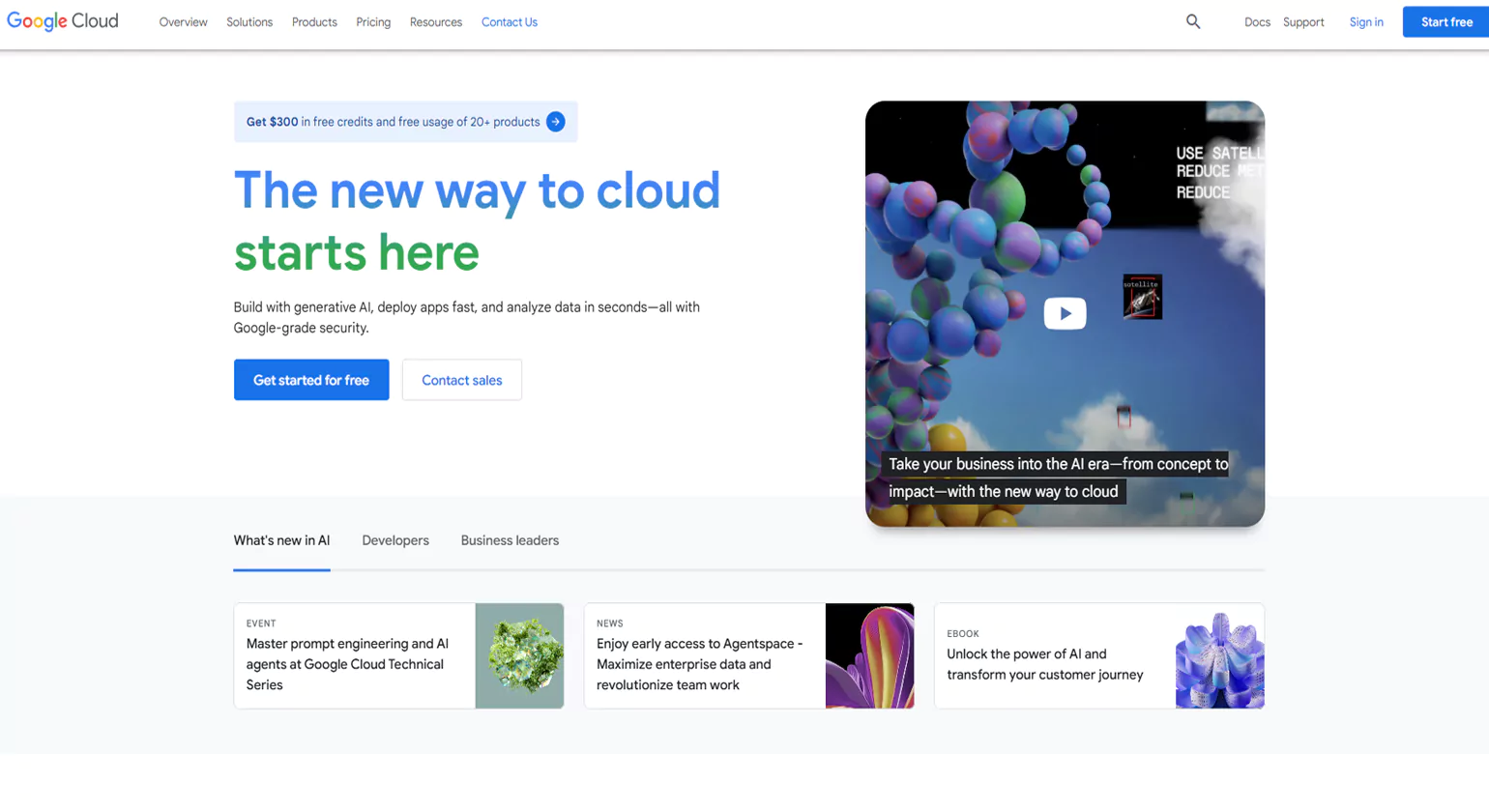
Google Cloud Platform is a leading cloud computing platform, offering a vast ecosystem of tools and services for cloud application development. It provides scalable computing power, AI and machine learning capabilities, and secure data storage. A cloud application development company can leverage Google Cloud to build high-performance, reliable, and cost-effective cloud-based solutions.
- Scalable Cloud Infrastructure – GCP’s global network of data centers ensures high availability and performance, making it ideal for businesses that require low-latency cloud services.
- AI and Machine Learning Integration – Google’s AI-driven solutions, such as Vertex AI and BigQuery, empower businesses with data analytics and predictive capabilities.
- Strong Security & Compliance – With built-in encryption, threat detection, and identity management, Google Cloud ensures a secure cloud environment.
- Serverless & Kubernetes Support – Businesses can develop and deploy applications with Google Kubernetes Engine (GKE) and Cloud Functions, enabling a modern cloud-native approach.
2. Amazon Web Services (AWS)
AWS is the largest cloud service provider, known for its scalability, security, and cost-effective computing power. Businesses choose AWS for:
- Comprehensive Cloud Offerings – From EC2 virtual machines to S3 storage, AWS provides everything needed for cloud application development.
- Advanced AI, IoT & Big Data Services – AWS offers AI-driven solutions like SageMaker, IoT Core, and Redshift for businesses needing powerful analytics.
- Global Reach & Reliability – With data centers worldwide, AWS ensures 99.99% uptime and disaster recovery capabilities.
- Flexible Pricing & On-Demand Computing – Businesses can scale computing power instantly, optimizing costs with AWS’s pay-as-you-go model.
3. Microsoft Azure
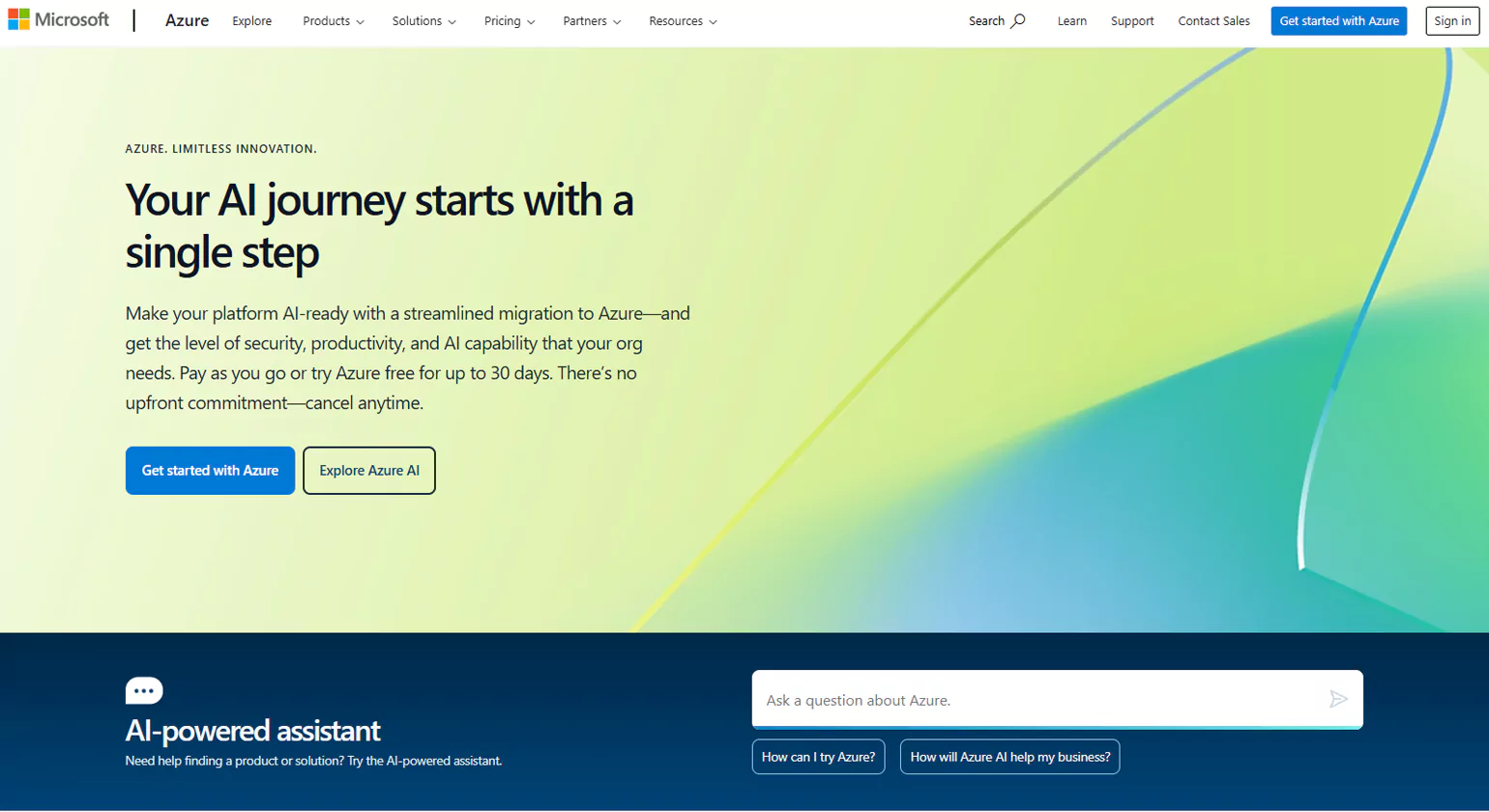
Microsoft Azure is a hybrid cloud leader, offering enterprises a seamless transition between on-premise and cloud application development company. Key advantages include:
- Hybrid Cloud Capabilities – Businesses can run applications across on-premise, public, and private clouds without performance loss.
- Enterprise Security & Compliance – Azure’s multi-layered security, AI-driven threat protection, and compliance certifications make it ideal for regulated industries like healthcare and finance.
- Integration with Microsoft Ecosystem – Azure works seamlessly with Office 365, Dynamics 365, and other Microsoft products, making it easier for enterprises to adopt.
- AI & IoT Solutions – With Azure Machine Learning, Cognitive Services, and IoT Hub, businesses can leverage AI-driven insights for decision-making.
4. IBM Cloud
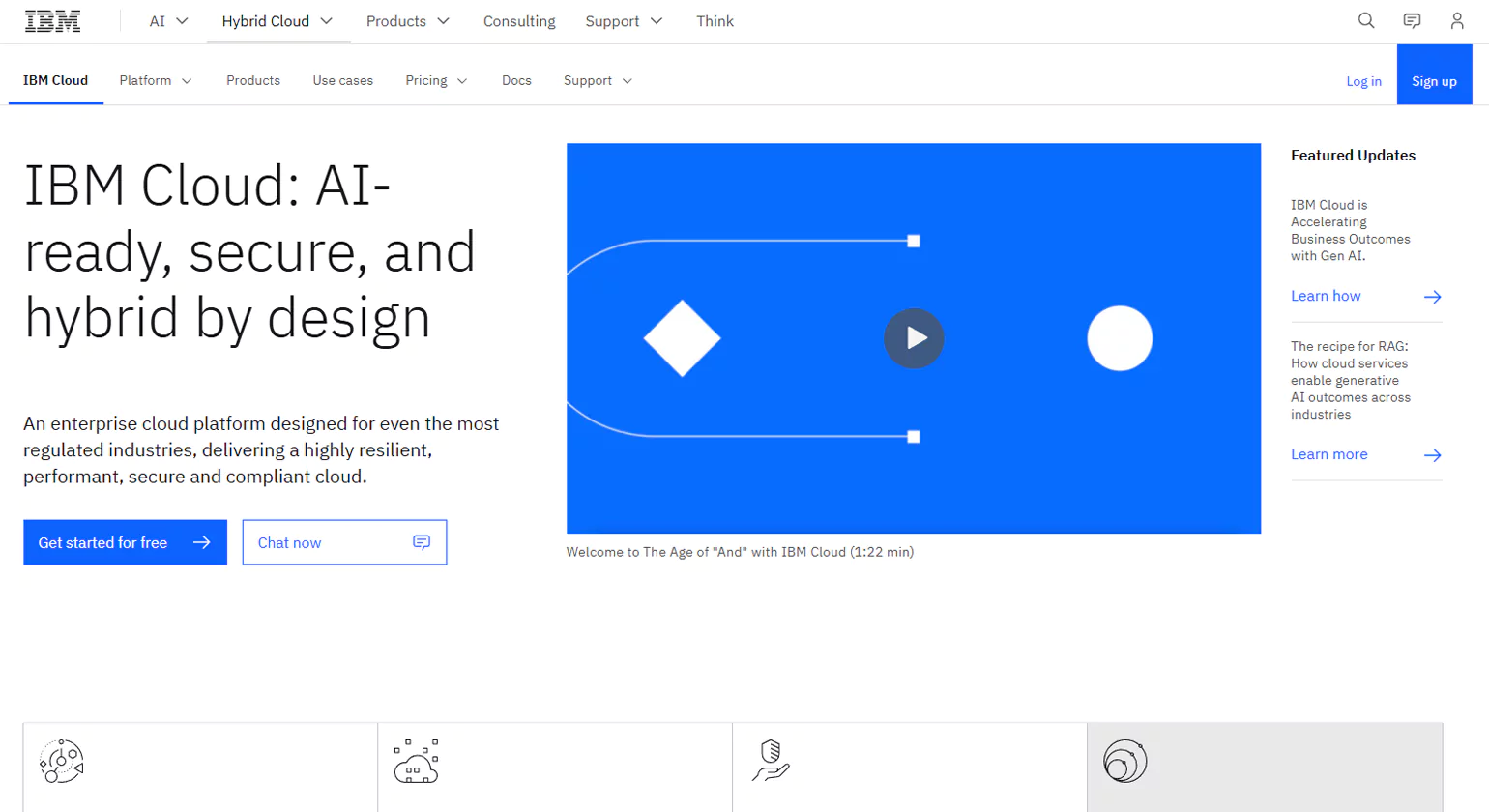
IBM cloud application development company hybrid, multi-cloud, and AI-powered cloud solutions, making it a preferred choice for large enterprises. Features include:
- Hybrid & Multi-Cloud Support – Businesses can manage workloads across multiple cloud providers, ensuring flexibility and security.
- AI & Blockchain Integration – IBM Watson provides AI-driven automation and analytics, while blockchain solutions offer secure transaction capabilities.
- Enterprise-Grade Security – IBM Cloud’s security services help businesses comply with industry regulations like HIPAA, GDPR, and SOC 2.
- Cloud-Native Development – With tools like Kubernetes and OpenShift, businesses can build modern cloud-native applications.
5. Alibaba Cloud
Alibaba Cloud is a top cloud computing provider, particularly popular for e-commerce and big data solutions. Benefits include:
- AI-Powered Cloud Services – Alibaba Cloud’s AI-driven solutions optimize data processing, improving business decision-making and automation.
- Strong Presence in Asia & Global Expansion – Businesses expanding to Asian markets prefer Alibaba Cloud for its low-latency, high-speed data transfers.
- Security & Compliance – Alibaba Cloud provides anti-DDoS protection, encryption, and compliance with global security standards.
- Cost-Effective Cloud Solutions – Competitive pricing makes Alibaba Cloud a great alternative for businesses seeking budget-friendly cloud computing services.
6. Azul
Azul is a specialized cloud application development company focusing on high-performance Java applications. It stands out for:
- Optimized Java Performance – Azul ensures low-latency, high-efficiency execution for Java-based applications.
- Scalability & Reliability – Azul’s cloud infrastructure allows businesses to handle large workloads with minimal downtime.
- Security & Compliance – Businesses using Java-based cloud solutions rely on Azul for enhanced security and real-time threat detection.
7. VMware

VMware is a pioneer in virtualization and cloud computing, offering multi-cloud solutions as a leading cloud application development company for cloud-native application development. Key highlights:
- Multi-Cloud & Hybrid Cloud Solutions – Businesses can deploy applications across AWS, Azure, Google Cloud, and private cloud environments.
- Cloud-Native Application Development – VMware’s Tanzu platform helps businesses build and manage modern cloud applications.
- Security & Automation – VMware provides built-in DevSecOps solutions, ensuring secure and automated cloud application development.
8. Salesforce
Salesforce is the leading cloud-based CRM provider, helping businesses streamline customer interactions. Its cloud application development solutions include:
- SaaS-Based Business Applications – Businesses can leverage Salesforce Sales Cloud, Service Cloud, and Marketing Cloud for end-to-end customer management.
- AI-Powered Analytics – With Einstein AI, businesses can automate workflows and enhance customer engagement.
- Scalability & Customization – Salesforce’s Lightning App Builder allows businesses to develop custom cloud applications tailored to their needs.
9. Atlassian Corporation
Atlassian offers cloud application development company for software development teams, making it a favorite among DevOps and agile teams. Features include:
- Project Management & Collaboration – Tools like Jira, Confluence, and Trello improve productivity across distributed teams.
- Cloud-Native DevOps – Atlassian’s Bitbucket and Bamboo streamline CI/CD pipeline management.
Secure & Scalable Cloud Hosting – Businesses can deploy applications on Atlassian Cloud with enterprise-grade security.
10. Digital Ocean
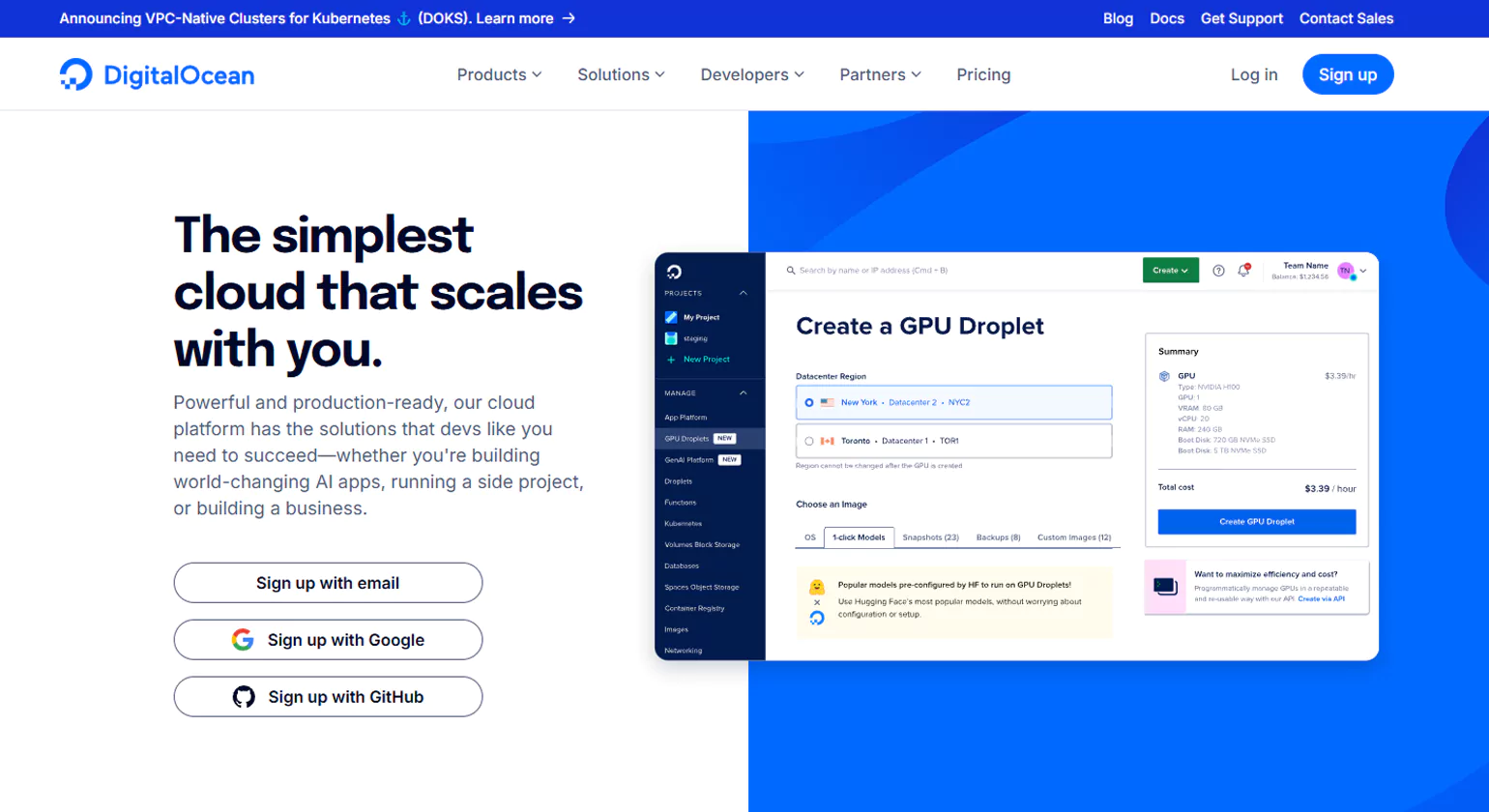
Digital Ocean is a developer-friendly cloud platform known for its simplicity and affordability. Benefits include:
- Cost-Effective Cloud Hosting – Offers low-cost droplets (virtual machines), Kubernetes, and scalable cloud storage.
- One-Click App Deployments – Businesses can easily launch WordPress, Node.js, and other applications with one-click deployment.
- High-Performance Compute Resources – Designed for startups, SaaS companies, and developers needing reliable cloud infrastructure.
- Built-In Security & Monitoring – Provides DDoS protection, automated backups, and real-time performance monitoring.
Top Benefits of Cloud Application Development Services

As businesses continue to embrace digital transformation, cloud application development has become a game-changer in the software industry. Whether it’s SaaS applications, web-based cloud applications, or enterprise solutions, leveraging cloud computing services offers numerous benefits. From improved app performance to enhanced security, cloud-based applications provide businesses with scalable, cost-effective, and highly efficient solutions. Choosing the right cloud application development company ensures seamless deployment and long-term success.
Improved App Performance with Cloud Services
One of the key advantages of cloud-based applications is their ability to deliver superior performance. Unlike traditional apps that rely solely on local hardware, cloud apps use powerful cloud computing platforms like AWS, Google Cloud, and Microsoft Azure to handle data processing, analytics, and storage. This results in:
- Faster load times and seamless user experience.
- Reduced latency, ensuring real-time responsiveness.
- High availability of computing power to support complex operations.
Increased Uptime & Reliability of Cloud Apps
Businesses that depend on software solutions need cloud application development to ensure high availability. Cloud computing services offer automated backups, disaster recovery, and redundant data centers, minimizing downtime and improving app reliability. Partnering with a trusted cloud application development company helps businesses build secure, scalable, and resilient applications for long-term success.
- Cloud services distribute data across multiple servers, reducing the risk of failure.
- Service providers use advanced monitoring tools to detect and resolve issues proactively.
- Continuous uptime ensures uninterrupted access for users worldwide.
Scalability & On-Demand Computing Power
A major advantage of cloud application development is the ability to scale resources based on business needs. Cloud computing allows companies to expand or reduce server capacity dynamically without investing in expensive infrastructure.
- Auto-scaling features help manage unexpected traffic surges.
- Businesses can pay for only the resources they use, making it cost-efficient.
- Seamless expansion to global markets without hardware constraints.
Enhanced Security in Cloud-Based Applications
Security is a top priority in cloud app development. Leading cloud service providers implement SecOps best practices, ensuring data protection, encryption, and compliance with industry regulations. Cloud-based applications benefit from:
- Multi-layer security measures, including firewalls and authentication protocols.
- Regular security updates and patches to protect against cyber threats.
- Reduced risk of data loss due to cloud-based backups and disaster recovery solutions.
Easy Software Updates & Maintenance
Unlike traditional software that requires manual updates, cloud-based applications enable seamless software updates and maintenance. By integrating DevOps practices, businesses can:
- Deploy new features and security patches automatically.
- Reduce downtime associated with maintenance.
- Ensure a consistent and smooth user experience.
Understanding the Cloud: What Is Cloud Computing?

In today’s digital age, cloud computing has become the foundation of modern technology. From SaaS applications to cloud-based applications, businesses and individuals rely on cloud services for storage, computing power, and seamless collaboration. But what exactly is cloud computing, and why is it essential for cloud application development company success in delivering scalable and efficient solutions?
What Is Cloud Computing?
Cloud computing refers to the delivery of on-demand computing services over the internet, including storage, processing power, and networking, without requiring users to own or manage physical infrastructure. Instead of running applications on a local server or personal computer, businesses and developers can utilize cloud development services and platforms like AWS, Google Cloud, and Microsoft Azure to access scalable and secure IT resources.
How Cloud Computing Works
Cloud computing services function through a network of remote data centers that store and manage data, applications, and services. These services are typically categorized into three main models:
- Infrastructure as a Service (IaaS) – Provides virtualized computing resources, such as servers and storage, allowing businesses to scale their infrastructure on demand.
- Platform as a Service (PaaS) – Offers a development framework for building, testing, and deploying cloud-based applications without worrying about underlying hardware or software.
- Software as a Service (SaaS) – Delivers fully functional applications over the internet, like Netflix, Spotify, Google Drive, and Zoom, which users can access from any device.
Why Cloud Computing Is Essential for Businesses
The rise of cloud application development has been driven by the numerous advantages that cloud computing offers, including:
- Cost Efficiency – Businesses can reduce IT infrastructure costs by using cloud services, eliminating the need for expensive on-premise hardware.
- Scalability – Companies can scale their cloud apps and resources based on demand, ensuring high performance during peak usage.
- Security & Reliability – Leading cloud service providers implement SecOps strategies, ensuring data protection and disaster recovery solutions.
- Remote Accessibility – Employees and users can access cloud-based applications from anywhere, making it easier to collaborate and work remotely.
Cloud Computing & Cloud Application Development
For businesses looking to develop web-based cloud application development services, choosing the right cloud application development company is crucial. Skilled developers leverage DevOps best practices, Kubernetes, and microservices architecture to create secure and high-performance cloud apps.
Cloud-Based Application: Definition & Examples
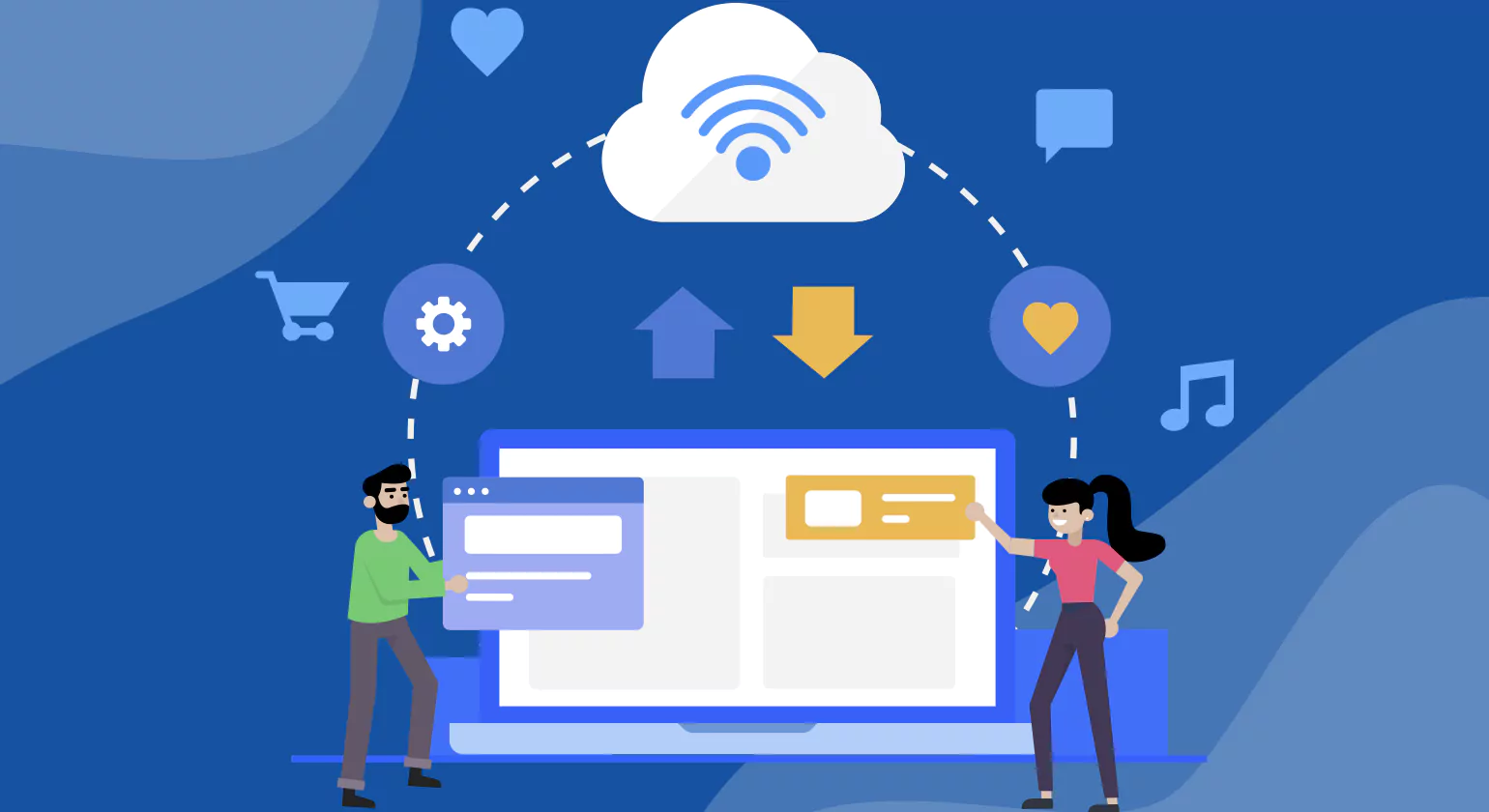
What is a cloud-based application?
A cloud-based application runs on remote servers and delivers functionality over the internet instead of being installed on each device. If you’re evaluating a cloud application development company, this model gives you on-demand access, centralized updates, and the ability to scale resources as your usage grows.
Core benefits at a glance
Accessibility: Use the app from any device with a browser or thin client.
Scalability: Automatically increase compute and storage during traffic spikes.
Lower ops overhead: The provider handles patches, backups, and infrastructure monitoring.
Cost model: Pay-as-you-go pricing reduces upfront licensing and hardware costs.
How cloud apps differ from standard web apps
Infrastructure: Cloud apps leverage dynamic cloud resources (IaaS/PaaS/SaaS) for elasticity.
Integration: They often connect to managed services (databases, analytics, AI) provided by cloud platforms.
Resilience: Built-in redundancy and multi-region deployment improve uptime and disaster recovery.
Typical cloud app features
Real-time collaboration and syncing across devices
Automated scaling and load balancing
Centralized user access control and audit logs
API-driven architecture for faster integrations
When to choose cloud-based apps
You expect variable or rapidly growing traffic.
You need fast time-to-market and frequent feature releases.
You want to minimize in-house infrastructure and operations costs.
Choosing the right partner matters. Partnering with a reliable provider offering cloud development services ensures your cloud app is secure, scalable, and aligned with business goals — not just a hosted website but a resilient, future-proof platform.
Key Technologies Used in Cloud Application Development Company

Developing a cloud application development company requires the use of advanced technologies to ensure scalability, security, and efficiency. From cloud infrastructure management to automation tools and security protocols, the right technologies are essential for building high-performance cloud applications.
Kubernetes & Cloud Infrastructure Management
Kubernetes is essential for deploying, scaling, and managing containerized applications in cloud environments.
- Containerization with Docker & Kubernetes – Ensures portability across cloud platforms.
- Scalability & Load Balancing – Automatically scales applications based on real-time demand.
- Multi-Cloud & Hybrid Cloud Deployment – Runs applications across AWS, Google Cloud, and Azure.
- Automated Monitoring & Self-Healing – Enhances uptime with built-in recovery mechanisms.
Kubernetes helps businesses reduce infrastructure complexity while boosting efficiency in cloud-native application development.
DevOps & SecOps in Cloud App Development
DevOps accelerates cloud application development through automation and continuous integration, while SecOps ensures security.
DevOps Practices
- CI/CD (Continuous Integration & Deployment) – Automates software updates and releases.
- Infrastructure as Code (IaC) – Tools like Terraform automate cloud infrastructure management.
- Microservices Architecture – Supports scalable and independent cloud-based services.
SecOps for Cloud Security
- Zero Trust Security Model – Strengthens authentication and access controls.
- Data Encryption & Compliance – Protects sensitive data and ensures regulatory compliance (GDPR, HIPAA).
- AI-Powered Threat Detection – Identifies and mitigates cyber threats in real time.
By integrating DevOps and SecOps, businesses can ensure faster development cycles while maintaining robust cloud security.
Cloud Platforms: AWS, Google Cloud, Azure
Leading cloud application development company the computing power, security, and AI-driven tools essential for cloud applications.
Amazon Web Services (AWS)
- EC2 & Lambda – Scalable cloud computing resources.
- S3 & CloudFront – Secure cloud storage and fast content delivery.
- AI & Machine Learning – Tools like SageMaker and Rekognition for intelligent applications.
Google Cloud Platform (GCP)
- Google Kubernetes Engine (GKE) – Fully managed Kubernetes for containerized apps.
- BigQuery & Cloud SQL – High-performance cloud databases.
- Cloud AI & Machine Learning – AI solutions for automation and analytics.
Microsoft Azure
- Azure Virtual Machines & App Services – Scalable compute solutions.
- Azure DevOps & CI/CD Pipelines – Automated deployment and software delivery.
- Azure AI & IoT Hub – AI-powered analytics and IoT services.
Each platform offers unique features tailored to business needs, making cost, scalability, and security key factors in choosing the right cloud provider.
How to Develop a Cloud Application Development Company
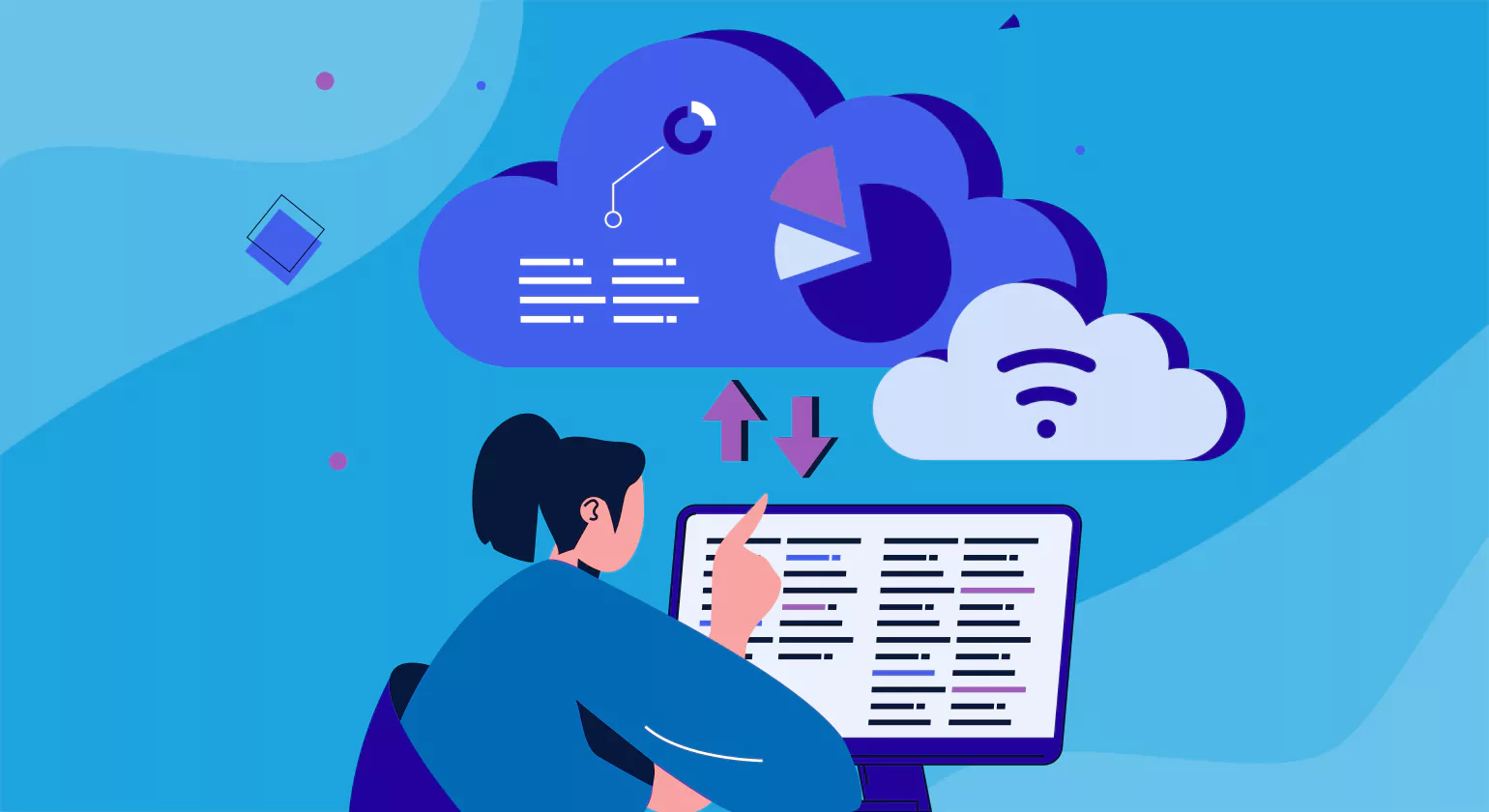
Building a cloud-based application requires a well-planned approach to ensure scalability, security, and efficiency. Cloud application development involves multiple stages, from conceptualization to deployment, and choosing the right cloud development company is crucial for success. Additionally, certifications from AWS, Google Cloud, and Microsoft Azure help validate expertise in cloud computing.
Steps in Cloud Application Development
1. Define Business Goals & Requirements
Before starting cloud based application development company, businesses must define their objectives, target audience, and key features. Understanding how cloud computing services can enhance performance and user experience is essential. A cloud application development company helps organizations select the right cloud infrastructure, ensuring scalability, security, and seamless integration for a successful application.
2. Choose the Right Cloud Service Model
There are three main cloud service models to consider:
- Software as a Service (SaaS) – Cloud-hosted applications like Google Drive, Dropbox, and Salesforce that users access via the internet.
- Platform as a Service (PaaS) – Platforms like Google App Engine and AWS Elastic Beanstalk, which provide frameworks for developers to build, deploy, and manage cloud apps.
- Infrastructure as a Service (IaaS) – Full-scale infrastructure solutions like AWS EC2, Microsoft Azure, and Google Cloud Compute Engine, offering on-demand computing power and storage.
3. Select the Cloud Provider
Leading cloud platforms like Amazon Web Services (AWS), Google Cloud Platform (GCP), and Microsoft Azure provide the backbone for cloud applications. Factors such as pricing, scalability, security, and AI capabilities must be evaluated before selecting a cloud service provider.
4. Develop Cloud Architecture & Tech Stack
Choosing the right cloud architecture ensures efficient app performance, security, and scalability. Popular cloud app development services technologies include:
- Kubernetes & Docker for containerization
- Microservices architecture for flexibility
- Cloud storage solutions like AWS S3 & Google Cloud Storage
- AI & Machine Learning for automation and data analytics
5. Build & Test the Application
Developers use DevOps practices, CI/CD pipelines, and cloud-based testing tools to create and test applications in staging environments before launching. Automated testing and security compliance checks ensure reliability.
Choosing the Right Cloud App Development Company
Selecting a cloud application development company is a critical step that affects the quality, scalability, and security of your application. Here’s what to consider:
1. Experience & Portfolio
Look for a company with a proven track record in cloud development services. Check their portfolio to see if they have built scalable SaaS applications, web-based cloud applications, or enterprise cloud solutions.
2. Cloud Technology Expertise
Ensure the company has expertise in leading cloud technologies such as:
- Amazon Web Services (AWS), Google Cloud, Microsoft Azure
- Kubernetes & DevOps tools for automation
- Cloud security best practices & compliance
3. Use of DevOps & Agile Methodologies
A company that follows Agile and DevOps practices can speed up development cycles and ensure smooth deployment with continuous integration and automated testing.
4. Security & Compliance Standards
Ensure the development company follows cloud security best practices, including data encryption, threat monitoring, and compliance with regulations (GDPR, HIPAA, SOC 2).
5. Cloud Certifications & Industry Recognition
Top cloud development companies often hold AWS, Google Cloud, or Microsoft Azure certifications, proving their expertise in cloud computing services.
Importance of Cloud Computing Certifications (AWS, Google)
Cloud certifications demonstrate technical expertise, credibility, and industry recognition. Companies and developers certified in AWS, Google Cloud, or Azure can ensure high-quality solutions when partnering with a cloud application development company.
1. AWS Certifications
Amazon Web Services (AWS) is the leading cloud platform and offers certifications such as:
- AWS Certified Solutions Architect – For designing scalable cloud solutions.
- AWS Certified DevOps Engineer – Covers CI/CD, automation, and security.
- AWS Certified Security – Specialty – Focuses on cloud security best practices.
2. Google Cloud Certifications
Google Cloud Platform (GCP) is widely used for AI, machine learning, and big data processing. Certifications include:
- Google Cloud Professional Cloud Architect – For designing cloud-based applications.
- Google Cloud Associate Cloud Engineer – Covers infrastructure setup and management.
3. Microsoft Azure Certifications
Microsoft Azure provides strong hybrid cloud and AI-driven solutions. Certifications include:
- Microsoft Certified: Azure Solutions Architect Expert – For designing cloud infrastructures.
- Microsoft Certified: Azure DevOps Engineer Expert – Covers cloud automation and CI/CD.
Cloud computing certifications provide businesses with confidence in their development team’s skills, ensuring they can deliver secure, scalable, and high-performing cloud applications.
Popular Cloud-Based Applications Used Worldwide
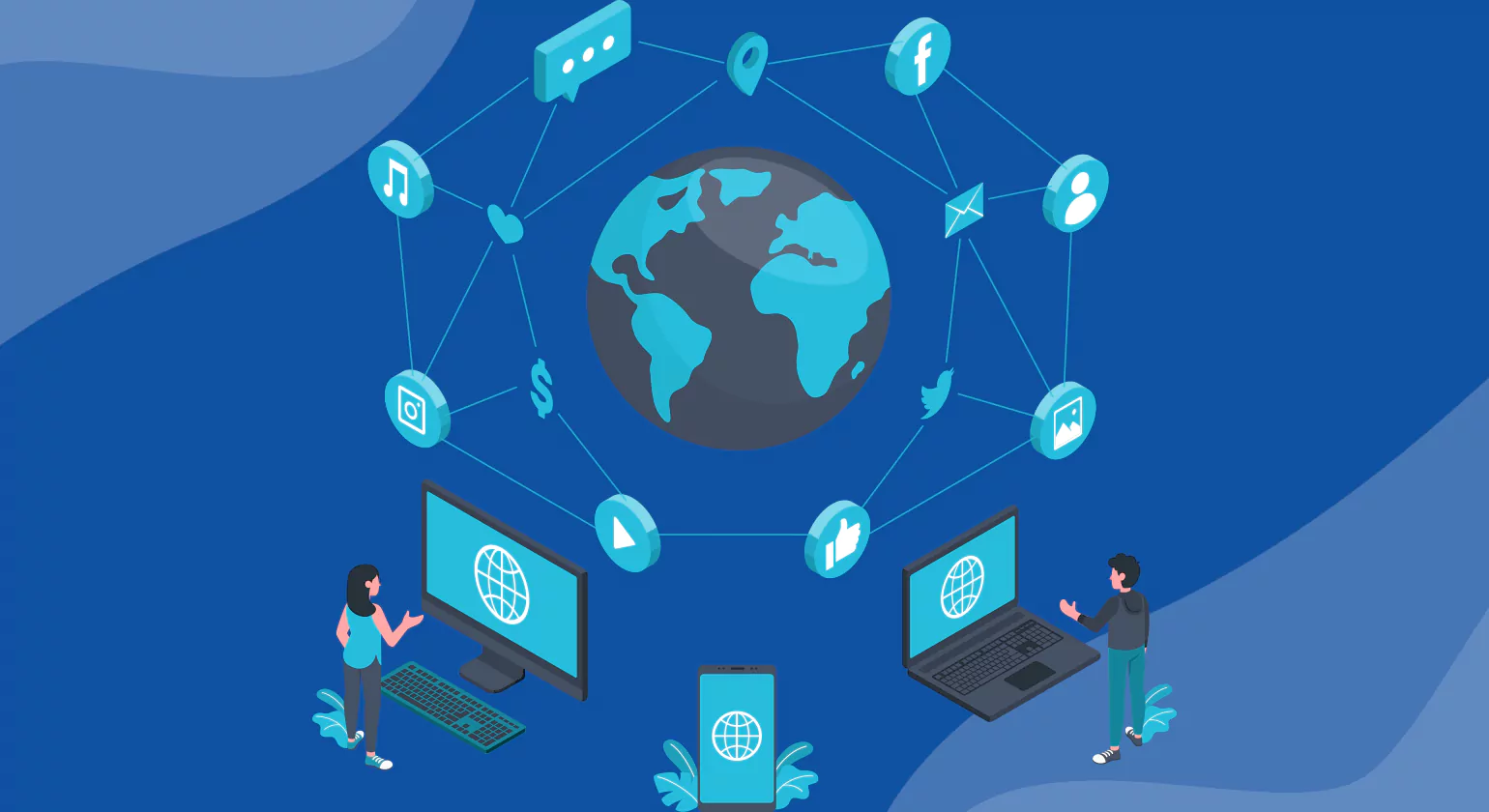
Cloud-based applications have transformed the way businesses and individuals work, collaborate, and manage data. By leveraging cloud computing services, these applications provide scalability, flexibility, and accessibility like never before. Below are some of the most widely used cloud-based applications across different categories, developed by leading cloud application development company experts.
Collaboration Tools: Miro, Figma, Lunacy
1. Miro – A Cloud-Based Whiteboard for Teams
Miro is an intuitive, cloud-based collaboration tool that helps remote teams brainstorm, plan projects, and visualize ideas. With its real-time collaboration features, Miro allows users to work simultaneously, add sticky notes, and use pre-built templates for efficient teamwork.
2. Figma – A Powerful Cloud-Based UI/UX Design Tool
Figma is a cloud-native design application used by UI/UX designers to create interfaces, prototypes, and wireframes. Unlike traditional design tools, Figma enables real-time collaboration, where multiple users can edit the same project simultaneously, making it ideal for distributed teams.
3. Lunacy – Lightweight Cloud-Powered Graphic Design
Lunacy is a cloud-powered vector graphics editor that offers AI-powered features for designers. It provides cloud-based storage, auto-suggestions, and collaboration tools, making it a great alternative to Adobe Illustrator for those seeking a fast and efficient design experience.
Cloud Storage Solutions: Dropbox, Google Drive
1. Dropbox – Secure Cloud Storage for Individuals & Businesses
Dropbox is a leading cloud storage service that provides file synchronization, sharing, and backup solutions. Businesses and individuals use Dropbox to store important documents, collaborate on files, and ensure data accessibility from any device.
Key features include:
- Automatic syncing across devices
- File version history & recovery
- End-to-end encryption for data security
2. Google Drive – Seamless Integration with Google Workspace
Google Drive is a cloud-based file storage and synchronization service that integrates seamlessly with Google Workspace tools like Docs, Sheets, and Slides. It enables real-time collaboration, file sharing, and cloud-based document management.
Key features include:
- 15GB of free cloud storage
- Integration with third-party applications
- Secure sharing with role-based access
Cloud-Based Design & Animation Tools: Flipsnack
Flipsnack – Digital Flipbook Animation Software
Flipsnack is a cloud-based animation tool that allows users to create interactive flipbooks, e-magazines, and brochures. Businesses, educators, and publishers use Flipsnack to design and share engaging digital content with realistic page-flip effects. A cloud application development company can help integrate such tools with advanced cloud features for better scalability and performance.
Key features include:
- Drag-and-drop editor for easy customization
- Online publishing with cloud storage
- Collaboration tools for team-based projects
Conclusion
Cloud-based applications have become an essential part of our daily lives, enabling businesses and individuals to collaborate, store data securely, and design digital content efficiently. With the power of cloud computing, tools like Miro, Figma, Dropbox, and Google Drive provide scalable, flexible, and secure solutions for various industries. A cloud application development company plays a crucial role in building these innovative solutions. As cloud application development continues to evolve, the future will bring even more advanced and AI-powered cloud applications, revolutionizing the way we work and interact with digital content.
Know more>>> 10 Best Cloud Based Marketing Tools in 2026
FAQs
What is a cloud-based application?
A cloud-based app runs on remote servers and is accessed online. It supports scalability, remote access, and collaboration. Through custom cloud application development, businesses can get tailored apps optimized for performance, ensuring secure, efficient, and flexible operations with modern custom application development services.
What is cloud application development?
Cloud application development builds scalable apps using platforms like AWS or Azure. With custom cloud application development, businesses gain secure, flexible, and cost-effective solutions. Partnering with experts offering custom application development services ensures applications are tailored to meet specific operational and business goals effectively.
What are the benefits of using cloud-based applications?
Cloud-based apps enhance scalability, cost savings, and collaboration. Through custom cloud application development, companies get personalized, secure, and high-performance solutions. These custom application development services help businesses reduce IT costs, increase accessibility, and ensure seamless user experiences across multiple devices and locations.
What types of cloud-based solutions are available for enterprises?
Enterprises use SaaS, PaaS, and IaaS for different needs. A custom cloud application development company provides end-to-end integration for these models, while custom application development services ensure efficient, scalable, and flexible cloud-based solutions that drive productivity and long-term business growth.
What is Infrastructure as a Service (IaaS)?
IaaS offers virtualized computing resources over the internet. Through custom cloud application development, businesses use IaaS to build secure, scalable systems without heavy hardware investment. Expert custom application development services leverage platforms like AWS or Azure to improve agility and reduce operational costs.
How does a cloud-based application work?
Cloud-based apps run using internet-based servers for data and functionality. With custom cloud application development, companies deploy apps accessible from any device. Supported by custom application development services, these solutions ensure secure data handling, real-time performance, and enhanced collaboration across global teams.












