Table of Contents
Introduction
Hybrid app development services combine the best of native and web technologies to deliver versatile, high-performance applications that work across multiple platforms. By using a single codebase, hybrid apps are more cost-effective to develop and maintain, making them an ideal solution for businesses looking to reach both iOS and Android users quickly. These services cover everything from UI/UX design and development to testing and deployment, ensuring the app’s functionality and appearance are consistent across devices. With hybrid mobile app development services, businesses benefit from faster time-to-market, easy updates, and enhanced scalability. Ideal for startups and enterprises alike, hybrid solutions provide an efficient way to create responsive, feature-rich apps that deliver a seamless user experience across platforms.
What is Hybrid App Development
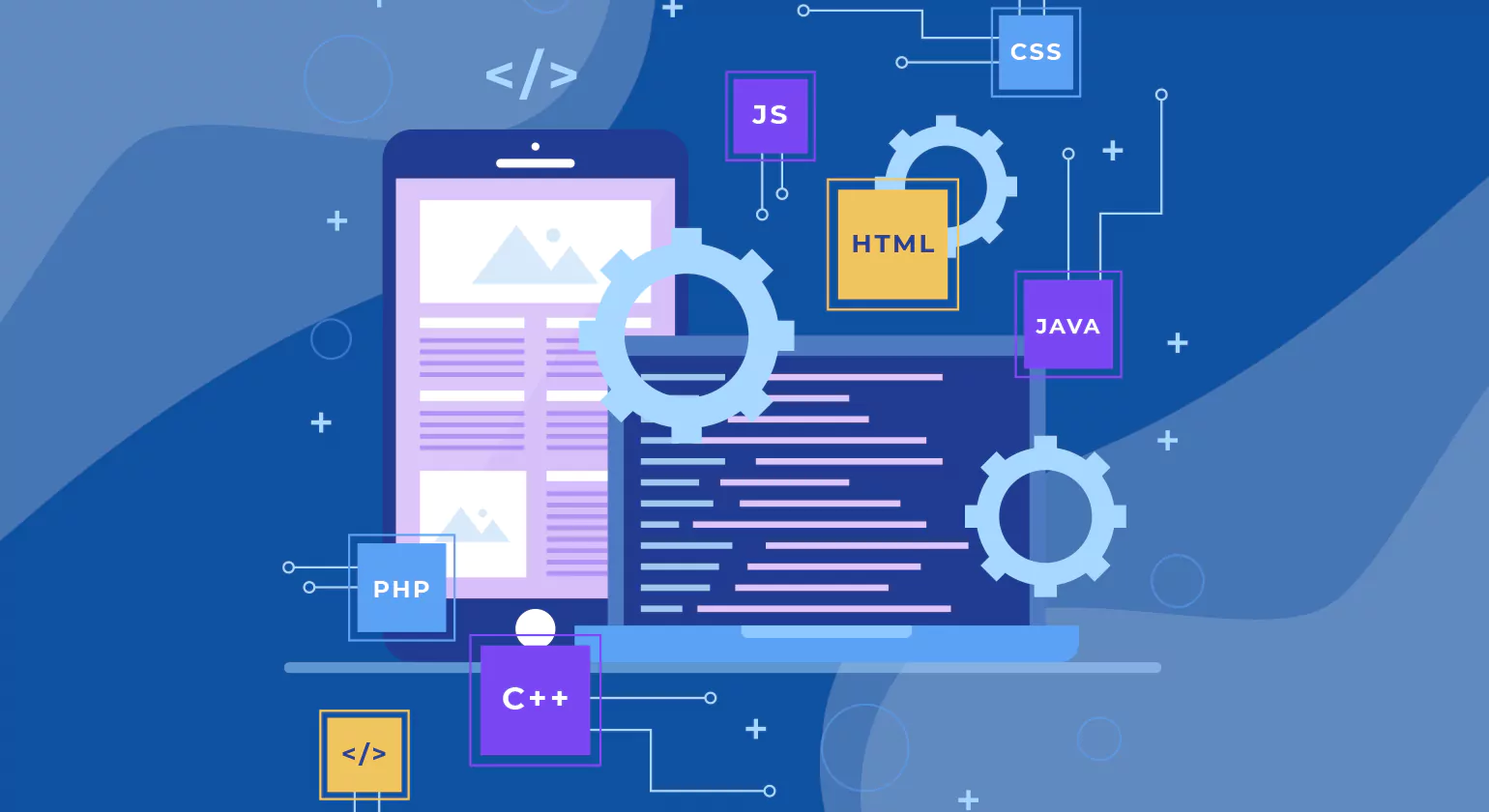
Hybrid app development is a method of building mobile applications using a single codebase that runs seamlessly across multiple platforms, such as iOS and Android. Unlike native apps, which are built separately for each platform, hybrid apps combine elements of both native and web applications. This approach allows businesses to save time, reduce costs, and accelerate the launch process.
Typically, hybrid apps are developed using web technologies like HTML5, CSS, and JavaScript and then wrapped in a native container through frameworks such as Ionic, React Native, or Flutter. As a result, they can access native device features—like cameras, GPS, and push notifications—just like native apps.
Moreover, hybrid app development offers greater flexibility and scalability. Since the code is shared across platforms, updates can be pushed quickly and consistently, ensuring a smoother user experience. This not only improves app performance but also simplifies maintenance and future enhancements.
In today’s fast-paced digital environment, businesses increasingly rely on hybrid app development to deliver high-quality, cross-platform mobile experiences without compromising functionality or user interface. Whether you’re launching a startup or expanding an existing mobile presence, understanding hybrid app development is the first step toward building a cost-effective and scalable solution.
10 key Benefits of Hybrid App Development Services
Investing in Hybrid App Development Services can transform how businesses approach mobile strategy. Let’s explore ten compelling benefits that highlight why hybrid app development is a smart choice for organizations of all sizes.
Cross-Platform Compatibility
Hybrid apps are designed using a single codebase that functions seamlessly across iOS, Android, and even web platforms. This cross-platform compatibility significantly reduces the need for developing separate apps for different operating systems, ensuring faster deployment and unified performance across all devices.
Reduced Development Costs
Instead of hiring separate teams for Android and iOS development, businesses can rely on one hybrid development team. This unified approach slashes development costs while still delivering robust and scalable mobile solutions.
Accelerated Time to Market
Because the hybrid app shares a single codebase, updates and bug fixes can be pushed simultaneously across all platforms. This streamlined maintenance approach reduces errors and ensures consistency in user experience.
Simplified Maintenance and Updates
Because the hybrid app shares a single codebase, updates and bug fixes can be pushed simultaneously across all platforms. This streamlined maintenance approach reduces errors and ensures consistency in user experience.
Native-Like Performance
Thanks to modern frameworks like Flutter, React Native, and Ionic, hybrid apps now offer performance levels nearly equivalent to native apps. They support smooth animations, fast loading speeds, and access to device hardware—making user interactions feel natural and responsive. As a result, many businesses are turning to Hybrid App Development Services to achieve native-like performance with cross-platform flexibility.
Wider Market Reach
With hybrid app development, your mobile app can be made available on multiple platforms from day one. This broader reach increases your chances of attracting and retaining a larger user base, regardless of their device preferences.
Access to Native APIs
Hybrid frameworks allow integration with native APIs, enabling features such as camera access, GPS, file storage, and push notifications. Users get a fully-featured mobile experience, while developers enjoy the flexibility of web-based tools.
Improved Offline Functionality
Many hybrid apps support offline access to essential features, improving usability when the user has limited or no internet connectivity. This benefit is especially useful for field-based or travel-centric applications.
Consistent UI/UX Design
By using shared design components and style guides, hybrid apps maintain a uniform look and feel across platforms. A consistent user interface enhances brand credibility and simplifies user onboarding.
Faster Iteration and Testing
With shared logic and unified testing processes, hybrid apps allow faster iterations during the development and testing phases. This agility supports agile development models and helps businesses react quickly to user feedback or market changes.
How Does Hybrid App Development Work?
To fully understand the value of Hybrid App Development Services, it’s essential to grasp how the process works from a technical perspective. Hybrid apps function as a bridge between web technologies and native mobile environments.
The Core Structure of Hybrid Apps
At the heart of every hybrid app is a web view—a browser embedded inside a native container. This web view renders HTML, CSS, and JavaScript code, allowing the app to function much like a traditional website. However, hybrid apps go one step further by incorporating plugins or APIs that provide access to native device features.
Step-by-Step Process
Codebase Creation
Developers start by building a shared codebase using frameworks like React Native, Flutter, or Ionic. These frameworks provide reusable UI components and libraries that simplify cross-platform development.
Embedding in Native Shell
The shared code is wrapped in a native shell using platforms like Apache Cordova or Capacitor. This shell enables the app to run inside native environments and interact with device-specific APIs.
Integration with Native APIs
Hybrid frameworks include plugins or modules to interface with native functionalities such as camera access, GPS, and notifications. This ensures the hybrid app can deliver experiences close to that of a native app.
Testing and Debugging
Hybrid apps undergo rigorous testing on emulators and real devices. Tools like Browser Stack, Appium, and Firebase Test Lab are commonly used to ensure cross-device and cross-platform compatibility.
Deployment
Once testing is complete, the app is compiled and submitted to app stores like Google Play and Apple App Store. Because hybrid apps are bundled in native containers, Hybrid App Development Services follow the same submission process as native apps.
Frameworks Powering Hybrid Development
React Native: Developed by Facebook, it uses JavaScript and supports a near-native user experience.
Flutter: Created by Google, it uses Dart and offers high performance with custom UI components.
Ionic: Built on Angular and web technologies, it’s ideal for progressive web apps and hybrid mobile apps.
Reasons for Adopting Hybrid App Development

Hybrid app development has become increasingly popular among businesses looking to create mobile applications for both iOS and Android platforms. By combining the advantages of native and web apps, hybrid apps are designed to work across multiple platforms using a single codebase. Below are the key reasons why adopting Hybrid App Development Services is a smart choice for businesses.
Cost Efficiency
One of the most significant reasons to adopt hybrid app development is the cost savings it offers. Developing separate native apps for both iOS and Android can be expensive, as it requires different development teams, tools, and codebases. Hybrid apps, however, use a single codebase for both platforms, reducing development time and overall costs. This makes it an ideal option for businesses with limited budgets or those looking to maximize their investment in mobile app development.
Faster Development and Time to Market
Hybrid apps can be developed more quickly than their native counterparts because they rely on a single codebase. Instead of creating separate versions for each platform, developers only need to write code once, which can then be deployed to both iOS and Android. This reduces development time and allows businesses to launch their app much faster. For companies looking to get their product to market quickly, hybrid app development is an excellent solution.
Wider Reach
Since hybrid apps are designed to work on both iOS and Android, businesses can reach a wider audience. With millions of users on each platform, adopting hybrid app development allows companies to tap into a larger customer base without having to invest in separate apps for each platform. By providing an app that works on both platforms, businesses can ensure that they don’t miss out on potential customers due to platform restrictions.
Access to Device Features
Hybrid apps can access the hardware and software features of a device, such as the camera, GPS, and microphone, through plugins and APIs. This makes it possible for businesses to build feature-rich apps that offer the same level of functionality as native apps. Whether the app requires real-time location tracking or integration with device sensors, hybrid apps can be customized to provide a seamless experience across platforms.
Easier Maintenance and Updates
Since hybrid apps use a single codebase, maintenance and updates become much easier. When an update is made to the app, it can be applied to both the iOS and Android versions simultaneously. This eliminates the need for managing separate versions and ensures that both platforms stay up-to-date with the latest features and fixes. Businesses can streamline their maintenance efforts and avoid the hassle of updating multiple apps.
Improved Performance
While hybrid apps traditionally had some performance limitations compared to native apps, technological advancements have significantly improved their speed and functionality. With modern frameworks such as React Native, Flutter, and Ionic, hybrid apps can deliver high performance and smooth user experiences. By using these tools, businesses can develop apps that closely mimic the performance of native applications—making Hybrid App Development Services a powerful and efficient solution for cross-platform mobile development.
Better User Experience
Hybrid apps are built using web technologies such as HTML, CSS, and JavaScript, which allows for more flexibility in design and a consistent user experience across both iOS and Android. Hybrid apps can be designed to look and feel like native apps, ensuring a seamless and intuitive experience for users. By focusing on creating a responsive, user-friendly interface, businesses can improve customer satisfaction and engagement.
Easy Integration with Backend Services
Hybrid apps can easily integrate with backend services such as databases, cloud storage, and other third-party tools. This integration helps businesses deliver real-time updates, push notifications, and data synchronization across devices. It also ensures that users have access to the most current information without needing to download updates manually, making Hybrid App Development Services a reliable solution for maintaining seamless user experiences.
Scalability
Hybrid apps are highly scalable and can be expanded or modified easily to accommodate new features as a business grows. As user needs evolve, hybrid apps can be updated to support additional platforms or functionality. This scalability ensures that businesses can continue to improve their apps over time without the need for a complete redesign.
Essential Steps in the Hybrid App Development Process

Requirement Gathering and Analysis
The first step involves understanding the business goals, target audience, and specific requirements for the app. Stakeholders should provide insights into what features and functionalities they envision. This phase may include market research to analyze competitors and identify trends, ensuring the app meets user expectations.
Wireframing and Prototyping
Once the requirements are defined, the next step is to create wireframes and prototypes. Wireframes serve as blueprints of the app’s layout, while prototypes provide a more interactive representation of the app’s flow and user experience. This stage allows stakeholders to visualize the app’s structure and functionality, making it easier to gather feedback before moving forward.
Technology Stack Selection
Choosing the right technology stack is crucial for hybrid app development. Developers must select frameworks and tools that will support the app’s functionalities. Popular frameworks for Hybrid App Development Services include Ionic, React Native, and Flutter. The chosen technology should align with the app’s requirements, ensuring optimal performance and user experience.
Development
In this phase, developers begin coding the app based on the defined requirements and design specifications. The hybrid app will utilize web technologies such as HTML, CSS, and JavaScript, along with the chosen framework to create a seamless experience across platforms. Regular collaboration between developers and stakeholders during this stage helps ensure the project stays on track.
Testing
Comprehensive testing is essential to ensure the app functions smoothly and meets quality standards. This phase involves various testing methods, including functional testing, usability testing, performance testing, and device compatibility testing. Identifying and fixing issues during this stage helps deliver a polished product to users, minimizing potential problems after launch.
Deployment
Once testing is complete and the app is refined, it’s time for deployment. This involves publishing the app on relevant app stores (Google Play Store, Apple App Store) and ensuring compliance with their guidelines. Additionally, businesses may need to implement a marketing strategy to promote the app and encourage downloads.
Post-Launch Support and Maintenance
The Hybrid App Development Services process doesn’t end with deployment. Continuous monitoring, support, and maintenance are crucial for the app’s long-term success. Regular updates, bug fixes, and new feature enhancements ensure the app remains relevant and functional in response to user feedback and changing market conditions.
Criteria for Choosing a Hybrid App Development Company

Choosing the right hybrid app development Services company is essential for ensuring the success of your app. Hybrid apps, which combine web and native technologies, allow businesses to reach both iOS and Android users efficiently, but selecting the right partner for this task requires careful consideration of several key criteria. Here are the primary factors to evaluate when choosing a hybrid app development company:
Technical Expertise and Experience
A reputable hybrid app development company should have a strong track record in developing apps with frameworks like React Native, Flutter, and Ionic. Check the team’s experience in building hybrid applications, as well as any specialized knowledge they may have in integrating advanced functionalities like push notifications, offline capabilities, and real-time data updates. Look for case studies or client references that demonstrate their expertise.
Portfolio and Client Testimonials
Reviewing a company’s portfolio can give you a clear understanding of their design and development quality. Look for apps similar to what you envision for your business and assess their functionality and user experience. Client testimonials are equally important; they provide insight into the company’s ability to deliver projects on time, manage communication, and handle client feedback effectively.
Development Process and Communication
An organized and transparent development process is essential. Top companies usually follow agile methodologies, which involve regular updates, iterative testing, and client feedback integration. Effective communication channels, whether through email, project management tools, or regular meetings, are crucial to keep you informed and involved in the development progress.
Post-Launch Support and Maintenance
Hybrid app development Services don’t end with the launch. Apps require ongoing updates, performance enhancements, and compatibility adjustments. Verify that the company offers post-launch support and maintenance packages to keep your app running smoothly and securely in response to software updates and user feedback.
Cost and Timeline Estimates
Get detailed cost estimates and project timelines from potential companies, but avoid choosing solely on the basis of cost. Consider the value of quality, reliability, and on-time delivery. A transparent pricing structure helps you budget effectively without unexpected expenses.
How to Develop Hybrid Mobile App?

Developing a successful hybrid mobile app involves a well-planned, step-by-step process that blends web technologies with native capabilities. Whether you’re a startup or an established enterprise, understanding this development lifecycle can help you unlock the full potential of hybrid app development services.
Step 1: Define App Goals and Target Audience
Start by identifying the core purpose of your mobile app. What problems will it solve? Who will use it? Defining user personas, use cases, and business goals ensures your app stays aligned with market needs. This step lays the foundation for both design and functionality decisions.
Step 2: Choose the Right Framework
The success of hybrid mobile app development depends heavily on selecting the right framework. Options like Flutter, React Native, and Ionic offer various advantages depending on your performance, UI, and scalability requirements. More on this in the next section.
Step 3: Design the User Interface (UI)
User experience is critical. Create intuitive and responsive UI mockups using design tools like Figma or Adobe XD. The goal is to deliver a consistent and native-like user experience across Android and iOS platforms while keeping performance smooth and minimalistic.
Step 4: Develop the App Using a Shared Codebase
Once your designs are approved, begin coding the app using your selected hybrid framework. Developers use web technologies like HTML, CSS, and JavaScript or Dart to create reusable components that work across platforms. This stage also involves setting up routing, authentication, and business logic.
Step 5: Integrate Native Features and APIs
Leverage plugins or native modules to access device-specific features such as camera, location, push notifications, or file systems. Hybrid frameworks often provide wrappers or community-built plugins that enable easy access to native device functionalities.
Step 6: Test the Application
Thorough testing is essential to ensure your app runs flawlessly across devices. Use a combination of unit testing, integration testing, and UI testing tools such as Appium, Detox, or BrowserStack. Check for performance issues, UI consistency, and API responsiveness.
Step 7: Deploy to App Stores
After testing, the hybrid app is packaged into native containers and submitted to the Google Play Store and Apple App Store. Be sure to follow each platform’s specific guidelines for app listing, icons, and compliance.
Step 8: Monitor and Optimize
Post-launch, continuously monitor user behavior using analytics tools like Firebase, Mixpanel, or Google Analytics. Collect feedback, fix bugs, and roll out updates to maintain app quality and user satisfaction. These steps are essential for maximizing the impact of your Hybrid App Development Services and ensuring long-term app success.
Popular Frameworks and Tools Used in Hybrid App Development

Hybrid mobile app development services combine the flexibility of web applications with the performance and native feel of mobile apps, allowing developers to create cross-platform solutions efficiently. Here’s an overview of the most popular frameworks and tools driving this approach:
Ionic Framework
Ionic is an open-source framework that relies on HTML, CSS, and JavaScript to build hybrid mobile apps. Paired with Angular or React, Ionic offers powerful pre-designed UI components, making it easier to create visually appealing applications. The framework is ideal for building applications that need a consistent look across multiple devices, making it a valuable tool in delivering high-quality Hybrid App Development Services.
React Native
One of the most popular frameworks, React Native by Facebook uses JavaScript to build cross-platform mobile apps with near-native performance. Known for its modular architecture, React Native allows developers to reuse components, speeding up the development process. Its strong community support also provides a wealth of libraries and tools.
Flutter
Backed by Google, Flutter uses the Dart language to build visually appealing and highly performant hybrid apps. It offers a “write once, run anywhere” solution, where developers can maintain a single codebase that renders effectively across Android and iOS. Its powerful widget library enables smooth, native-like UIs.
Apache Cordova
Formerly known as PhoneGap, Cordova allows developers to use standard web technologies like HTML, CSS, and JavaScript to create mobile applications. It acts as a bridge between the web and native device functions, offering plugins to access native device features like cameras and GPS.
Xamarin
Owned by Microsoft, Xamarin uses C# and .NET to develop apps for Android, iOS, and Windows. With its powerful libraries and full integration into Visual Studio, Xamarin enables developers to share up to 90% of their code across platforms, improving efficiency while maintaining native performance.
NativeScript
Framework7 is a full-featured framework for building hybrid mobile apps and web apps. It provides a rich set of UI components and is particularly well-suited for developing apps with a native look and feel. Framework7 supports both Vue.js and React, offering flexibility for developers who prefer these popular JavaScript libraries. Its easy-to-use syntax and comprehensive documentation make it accessible for developers of all skill levels.
Conclusion
As mobile usage continues to surge, businesses can no longer afford to invest in siloed, platform-specific apps. Hybrid App Development Services present an intelligent, future-forward solution that bridges performance, affordability, and scalability. By adopting hybrid mobile app development services, companies can streamline their development cycles, reduce time-to-market, and maintain a consistent user experience across all platforms. With advanced frameworks like Flutter and React Native, hybrid apps now rival native ones in terms of performance and UI responsiveness.
Read More >>> How Virtual Event Production Services Make Events Successful
Top 10 Advantages of Application Development Outsourcing
FAQ’s
1. What is hybrid application development?
Hybrid application development is the process of creating mobile apps using a single codebase that runs on both iOS and Android. It combines web and native technologies, offering faster development, lower costs, and cross-platform compatibility to reach more users efficiently.
2. What are the benefits of hybrid app development?
Hybrid app development offers key benefits like faster time to market, reduced development costs, cross-platform compatibility, easier maintenance, and wider audience reach. It allows businesses to build high-performing apps using a single codebase for both iOS and Android.
3. How is a hybrid app built?
A hybrid app is built using web technologies like HTML, CSS, and JavaScript, then wrapped in a native shell using frameworks like React Native or Flutter. This allows the app to run on both iOS and Android from a single codebase while accessing native device features.
4. What is the difference between hybrid and native apps?
Hybrid apps use a single codebase to run on multiple platforms (iOS and Android), combining web and native features, while native apps are built separately for each platform using platform-specific languages. Hybrid apps offer faster development and cost savings, but native apps deliver higher performance.
5. What are the features of a hybrid app?
Hybrid apps offer cross-platform compatibility, access to native device features, offline support, faster development, easier updates, and a single codebase. They also provide consistent UI/UX across platforms, reduced costs, and seamless integration with third-party plugins and APIs.
6. Can hybrid apps work offline?
Yes, hybrid apps can work offline. They can store data locally using caching or local storage, allowing users to access essential features without an internet connection. This enhances user experience, especially in areas with poor or limited connectivity.
7. What are examples of hybrid apps?
Popular examples of hybrid apps include Instagram, Uber, Twitter, Gmail, and Evernote. These apps use a single codebase to deliver smooth performance across both iOS and Android platforms while offering native-like functionality and user experience.
8. Which is the best language for hybrid app development?
JavaScript, along with frameworks like React Native or Flutter, is commonly used for hybrid app development. These technologies offer versatility and performance while allowing developers to build apps for multiple platforms with a single codebase.
9. How much time does it take to build a hybrid app?
Building a hybrid app typically takes 2 to 6 months, depending on the app’s complexity, features, design, and testing requirements. Simple apps may take a few weeks, while feature-rich or enterprise-level apps require more time for development and optimization.
10. What is the best hybrid app framework?
The best hybrid app framework depends on your project needs, but popular choices include Flutter for high-performance UI, React Native for widespread community support, and Ionic for web-based apps. Flutter is often preferred for its speed, flexibility, and native-like experience.