Table of Contents
Introduction
In today’s digital world, businesses are flooded with vast amounts of data, often stored in a variety of formats. Effective management of this data is essential for making informed decisions, maintaining accuracy, and ensuring smooth business operations. This is where data conversion services play a critical role. By converting data from one format to another, businesses can streamline their workflows, enhance data accessibility, and maintain consistency across platforms.
What is Data Conversion and Why Does it Matter?

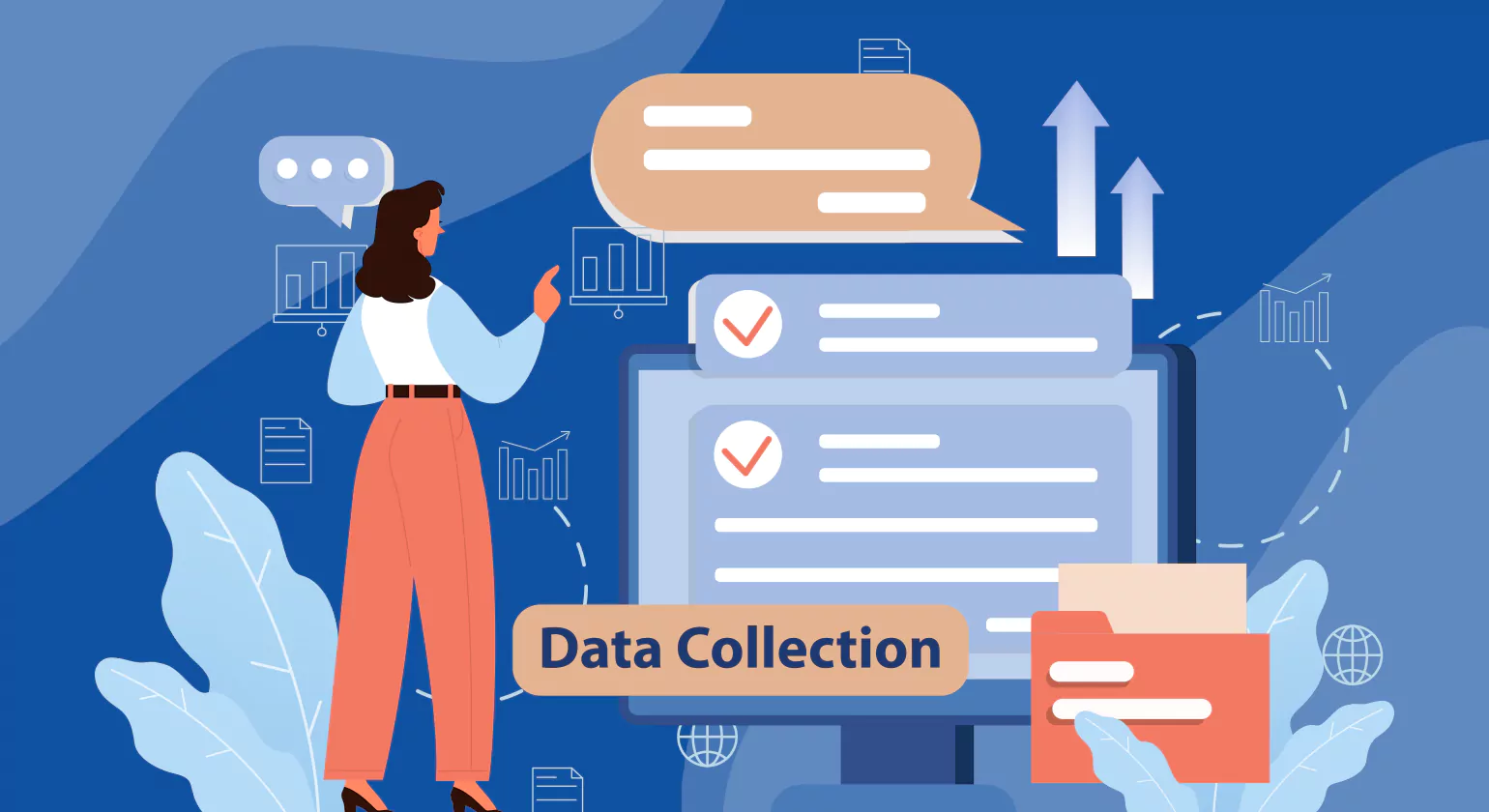
Data conversion is the process of transforming data from one format to another to ensure compatibility across different systems, software, or platforms. It involves restructuring data to fit the specific requirements of new environments without compromising its integrity. This process is crucial in today’s digital landscape, where businesses rely on multiple systems that may store or interpret data in diverse formats. For instance, data conversion may involve transforming paper documents into digital formats through pdf conversion services, migrating databases from older legacy systems to modern platforms with the help of database conversion services, or converting files between formats such as Excel, XML, or CSV. As businesses grow, their data management needs also evolve, making data format conversion services and advanced data conversion software an essential aspect of maintaining operational efficiency and data accuracy.
Data conversion services are particularly valuable for organizations managing large volumes of data or undergoing technological upgrades. Many companies choose to outsource data conversion to improve accuracy and reduce manual workload, especially when dealing with large or complex datasets. Professional data conversion outsourcing partners can standardize data, making it easily accessible across different departments and systems. These providers can also handle tasks such as migrating legacy data into cloud-based systems, converting multimedia files for enhanced accessibility, and ensuring data complies with industry standards. By teaming up with an experienced data conversion company, businesses can save time, reduce errors, and minimize risks associated with inconsistent data formats. Additionally, leveraging outsourcing data conversion services helps facilitate smoother system integrations and better decision-making by ensuring the converted data is accurate, consistent, and ready for analysis.
Types of Data Conversion Services
data conversion software encompass a wide range of specialized processes designed to help businesses transform their data into formats that are compatible with modern systems and platforms. These services play a crucial role in enhancing data accessibility, improving operational efficiency, and ensuring data integrity. Let’s take a closer look at the different types of data conversion services that cater to specific business needs:
Document Conversion
Document Conversion is one of the most common types of data conversion outsourcing . It involves converting physical documents, such as paper records, into digital formats like PDFs or text documents. This process allows businesses to reduce physical storage needs, improve document accessibility, and ensure easy sharing and editing of files across digital platforms.
Database Conversion
Database Conversion focuses on migrating data from one database format to another. For example, businesses may need to transfer data from MS Access to SQL Server or Oracle when upgrading systems. This ensures that data remains functional and accessible in the new environment without loss of integrity. Effective database conversion is essential during system upgrades, mergers, or transitions to cloud-based platforms.
XML/HTML Conversion
XML/HTML Conversion is essential for businesses involved in web publishing or data sharing over the internet. These formats are widely used for structuring data in a web-friendly manner, allowing for better integration with online platforms. By converting data into XML or HTML, businesses can streamline their web development processes and ensure that data is readable by browsers and other applications.
Media Conversion
Media Conversion involves converting multimedia files such as video, audio, and images into compatible digital formats for efficient storage and distribution. This is especially useful for businesses that rely on media content for marketing, training, or record-keeping purposes.
EDI (Electronic Data Interchange) Conversion
EDI (Electronic Data Interchange) Conversion facilitates the seamless exchange of business data between organizations in a standardized format. It ensures smoother B2B communication by eliminating manual data entry, reducing errors, and speeding up transaction processing.
Legacy System Conversion
Legacy System Conversion helps businesses migrate data from outdated legacy systems to modern platforms, ensuring that valuable historical data is not lost during the transition. This service is critical for businesses looking to adopt new technologies without sacrificing the information stored in older systems.
Benefits of Data Conversion Services
Data conversion services offer a wide range of benefits that help businesses manage their data more effectively while improving operational efficiency. By converting data into standardized, digital formats through database conversion services, businesses can address common challenges related to data accessibility, security, and cost. Let’s explore some of the key benefits in detail:
Enhanced Data Accessibility
Enhanced Data Accessibility is one of the most significant advantages of data conversion software . When data is standardized into a unified format, it can be easily accessed and shared across different departments, systems, or geographical locations. This improved accessibility facilitates better collaboration among teams, allowing them to work with up-to-date, accurate information. It also eliminates the bottlenecks that arise from working with inconsistent or incompatible data formats, streamlining workflows.
Cost Reduction
Cost Reduction is another major benefit of data conversion services. Converting physical documents into digital formats reduces the need for physical storage, cutting costs associated with maintaining and managing paper records. Additionally, digital data is easier to organize, search, and retrieve, leading to reduced labor costs and time savings. Businesses also save on overhead expenses related to physical infrastructure, as digital storage is more cost-efficient and scalable.
Data Security
Data Security is significantly improved when businesses digitize their data. Unlike physical files, digital data can be encrypted and securely stored, reducing the risk of unauthorized access, theft, or loss due to natural disasters. Additionally, digital backups ensure that important data can be easily recovered in case of accidental deletion or system failure. By implementing proper security protocols, businesses can ensure that their sensitive information is protected throughout the data conversion process.
Streamlined Operations
Streamlined Operations result from having standardized data across all systems. When data is consistent, it reduces redundancies and errors in data processing, leading to more efficient workflows. Automated processes can be implemented to handle tasks like data entry and reporting, minimizing the need for manual intervention and improving productivity.
Better Decision-Making
Lastly, Better Decision-Making becomes possible when businesses have access to accurate, reliable data. With standardized, clean data at their fingertips, decision-makers can perform analyses more quickly and derive insights that drive business strategies. data conversion companies enable businesses to turn raw data into valuable, actionable information, allowing them to respond to market changes and customer needs more effectively.
What Are The Key Steps In The Data Conversion Process?
The outsource data conversion services process involves several crucial steps that ensure the accurate and seamless transformation of data from one format to another. Each step is essential in maintaining data integrity and minimizing potential disruptions during the conversion. Let’s explore the detailed steps involved:
Data Assessment
Data Assessment is the first step in the process, where the existing data is analyzed to understand its scope, structure, and complexity. During this phase, the data conversion services team identifies the types of data that need to be converted, the source and target formats, and any specific requirements. Whether a business needs pdf conversion services, database conversion services, or broader data format conversion services, this step is critical for planning and preventing issues later in the process. It also helps define the timeline, tools, and resources required, especially when organizations choose data conversion outsourcing for improved efficiency.
Data Cleansing
Data Cleansing follows the assessment, where the data is cleaned to ensure accuracy and consistency. This involves removing duplicates, correcting errors, filling in missing information, and standardizing formats. Clean, structured data is essential for avoiding errors during conversion and ensuring that the converted data is reliable and ready for use. A professional data conversion company ensures that cleansing is thorough, minimizing risks associated with inaccurate or inconsistent data.
Data Conversion
Conversion Planning is the next step, where a comprehensive strategy is developed to ensure a smooth and efficient conversion process. This includes deciding on the conversion methods, tools, and protocols to be used, as well as planning for potential challenges such as system downtime or data integration issues. Businesses often outsource data conversion at this stage to leverage expert tools and proven methodologies, ensuring minimal disruption during the transition. With the support of outsourcing data conversion services, companies can migrate data from legacy platforms, restructure file formats, or manage large-scale transformations with confidence.
Validation and Quality Check
Validation and Quality Check are essential to confirm that the converted data is accurate, complete, and free from errors. Rigorous testing is done to ensure that no data is lost or corrupted during the conversion. Whether the project involves pdf conversion services, bulk document digitization, or complex database conversion services, quality assurance ensures that the final output meets the required standards.
Data Integration
Finally, outsource data conversion services ensures that the converted data is properly integrated into the target systems or platforms. The integration process verifies that the data functions correctly within its new environment and is fully accessible to end users. This step is especially crucial when businesses rely on data format conversion services or undertake full-scale data conversion outsourcing to support cloud migration, software upgrades, or system modernization.
Why Does Your Business Need Data Conversion Services?
To Preserve Historical Data
Many organizations accumulate vast amounts of data over time, often stored in outdated or incompatible formats. When transitioning to modern systems, businesses need to ensure that this historical data is not lost. outsource data conversion companies enable the seamless migration of legacy data into newer systems, allowing businesses to retain valuable insights and make use of past information. This is especially important for industries like healthcare, finance, and legal sectors, where maintaining records is crucial.
To Improve Efficiency
As businesses grow, they often deal with multiple systems and data formats, which can lead to inefficiencies and increased manual labor. Converting data into unified formats reduces the time spent managing and reconciling various formats across departments or locations. By streamlining data management, businesses can enhance operational efficiency, reduce redundancies, and enable faster decision-making processes.
To Facilitate System Integration
In today’s interconnected business landscape, companies frequently merge, acquire new systems, or integrate with partners. data conversion software help ensure compatibility between different platforms, allowing seamless integration. Whether it’s merging databases during a corporate acquisition or integrating a new customer relationship management (CRM) system, data conversion ensures that all data functions correctly across systems.
To Achieve Compliance
Many industries have strict regulations regarding data storage formats and accessibility. For example, healthcare must comply with HIPAA, while financial institutions follow SOX guidelines. Data conversion services ensure that your data meets regulatory requirements by converting it into compliant formats. This helps avoid legal complications and ensures the business remains compliant with industry standards.
How Outsourcing Data Conversion Services Can Transform Business Data

Outsourcing data conversion companies provides businesses with an efficient and cost-effective way to manage their data, ensuring smooth operations without the complexities of handling the process in-house. By entrusting this critical task to experts, companies can transform their data management and improve overall productivity. Here are key ways outsourcing can make a difference:
Expertise
When businesses outsource data conversion services, they gain access to professionals with specialized skills in handling various data formats, systems, and platforms. These experts are well-versed in the latest tools and technologies, which ensures the data conversion process is executed accurately and efficiently. By leveraging this expertise, businesses can avoid the common pitfalls associated with in-house conversions, such as data loss, errors, or inconsistencies.
Cost-Effectiveness
One of the main advantages of outsourcing is cost savings. Setting up an in-house team requires significant investment in hiring, training, and purchasing specialized software or technology. Outsourcing eliminates these overhead costs, allowing businesses to pay only for the services they need, without long-term commitments. This makes outsourcing a flexible, affordable option for companies of all sizes.
Faster Turnaround
Professional data conversion service providers are equipped to handle large volumes of data quickly and efficiently. Their streamlined processes and advanced tools enable faster delivery of converted data without sacrificing quality. This ensures that businesses can access and use their data more rapidly, reducing downtime and maintaining operational continuity.
Focus on Core Business
Outsourcing data conversion allows companies to focus on their core competencies rather than diverting time and resources to non-core activities. With the burden of data conversion companies lifted, teams can concentrate on strategic objectives like product development, customer service, or market expansion.
Scalability
Outsourcing offers flexibility in scaling services to match a company’s changing needs. Whether a business requires a one-time project or ongoing data conversion, service providers can adjust their efforts accordingly without straining internal resources.
What Data is Typically Converted to Doc.It?
Doc.It is a robust document management system (DMS) designed to help businesses streamline their file organization, enhance document security, and improve database conversion services accessibility. The system supports a wide range of document types, making it a versatile tool for businesses in various industries. When businesses migrate to Doc.It, database conversion services are often utilized to transform and upload critical data into the system, ensuring that vital information is securely stored and easily retrievable. Here’s an overview of the data typically converted to Doc.It:
Paper Documents
One of the most common conversions involves digitizing physical paper documents. These documents are scanned and converted into PDF formats, allowing businesses to reduce physical storage needs and improve data accessibility. From contracts and invoices to employee records and policy documents, digitization ensures that businesses can access important files within seconds rather than sifting through filing cabinets.
Financial Statements and Tax Documents
Doc.It is often used by accounting firms and financial institutions to store crucial financial records, such as tax returns, financial statements, and audit reports. Converting these records into digital formats ensures they are secure, organized, and easily retrievable for audits or compliance purposes.
Client Records and Reports
Many businesses store client-related data, including reports, project files, and correspondence, in Doc.It. data conversion companies Converting client database conversion services to digital formats helps ensure that all relevant information is centralized, making it easier to manage client accounts and maintain strong relationships.
Contracts and Agreements
Legal and business contracts, agreements, and other binding documents are typically converted into digital formats and stored in Doc.It for safe-keeping. This allows businesses to maintain easily accessible records of all signed agreements.
Emails and Correspondence
Businesses often convert emails, letters, and other forms of correspondence into digital files for better management. Storing these communications in Doc.It helps maintain a clear audit trail and supports compliance with industry regulations.
Multimedia Files
Audio and video files are also converted into compatible formats for secure storage and easy access within Doc.It. This allows businesses to maintain comprehensive records of meetings, interviews, and multimedia presentations.
Brilliant Ways to Overcome Data Conversion Challenges
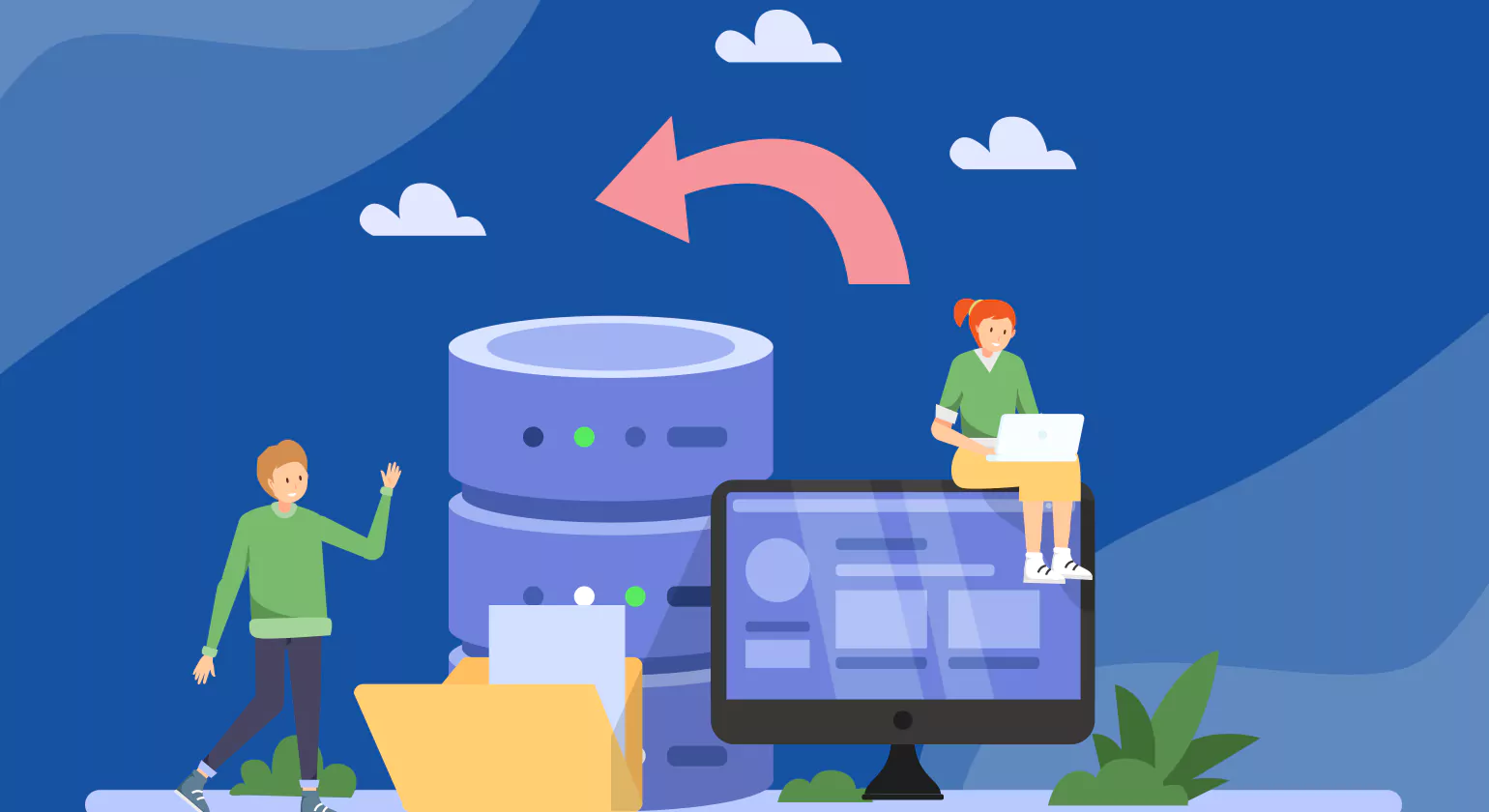
While data conversion companies are crucial for businesses looking to streamline operations and improve data management, the process also presents several challenges that must be carefully addressed. These challenges can impact the efficiency and success of data conversion outsourcing services projects if not managed properly. Below are some of the common hurdles businesses face during data conversion:
Data Loss Risk
One of the primary concerns during projects handled by data conversion companies is the risk of data loss. Improperly executed conversion processes can result in incomplete data, corruption, or the permanent loss of vital information. This can disrupt business operations, negatively affect decision-making, and lead to compliance issues. Using reliable tools such as pdf conversion services, database conversion services, and experienced professionals through end-to-end data conversion services can significantly reduce these risks and help maintain data integrity throughout the process.
Complexity with Large Data Volumes
Managing large volumes of data can be particularly complex. As businesses grow, their databases and records become more extensive, making it challenging to convert all data seamlessly. The sheer size of the data requires robust tools and skilled expertise—especially when organizations choose to outsource data conversion or rely on outsourcing data conversion services to handle large-scale migration. Any oversight during the conversion of large data sets can result in errors, duplication, or missing records, reinforcing the need for strong data format conversion services and structured planning.
Incompatible Systems
Another common challenge is dealing with system incompatibility. When migrating data between different platforms or software systems, businesses often face issues related to differing data structures, formats, or storage methods. These compatibility issues complicate the conversion process and may require custom solutions or advanced tooling. Partnering with a specialized data conversion company ensures access to proven processes and technologies that simplify cross-platform migration.
Data Security Concerns
During the data conversion company process, there is an increased risk of sensitive data being exposed to unauthorized access. Without proper security measures, data breaches can occur, jeopardizing confidential business or customer information. Encryption, secure access controls, and the expertise provided through trusted data conversion outsourcing partners play a crucial role in maintaining data security.
Cost Overruns
Without adequate planning, data conversion projects can easily experience cost overruns. Unexpected complexities such as incompatible data formats, legacy system limitations, or missing records can extend timelines and increase expenses. Proper project management, clear goals, and partnering with the right data conversion services provider can help control costs, avoid overruns, and ensure an efficient and predictable conversion process.
Choosing the Right Data Conversion Service Provider
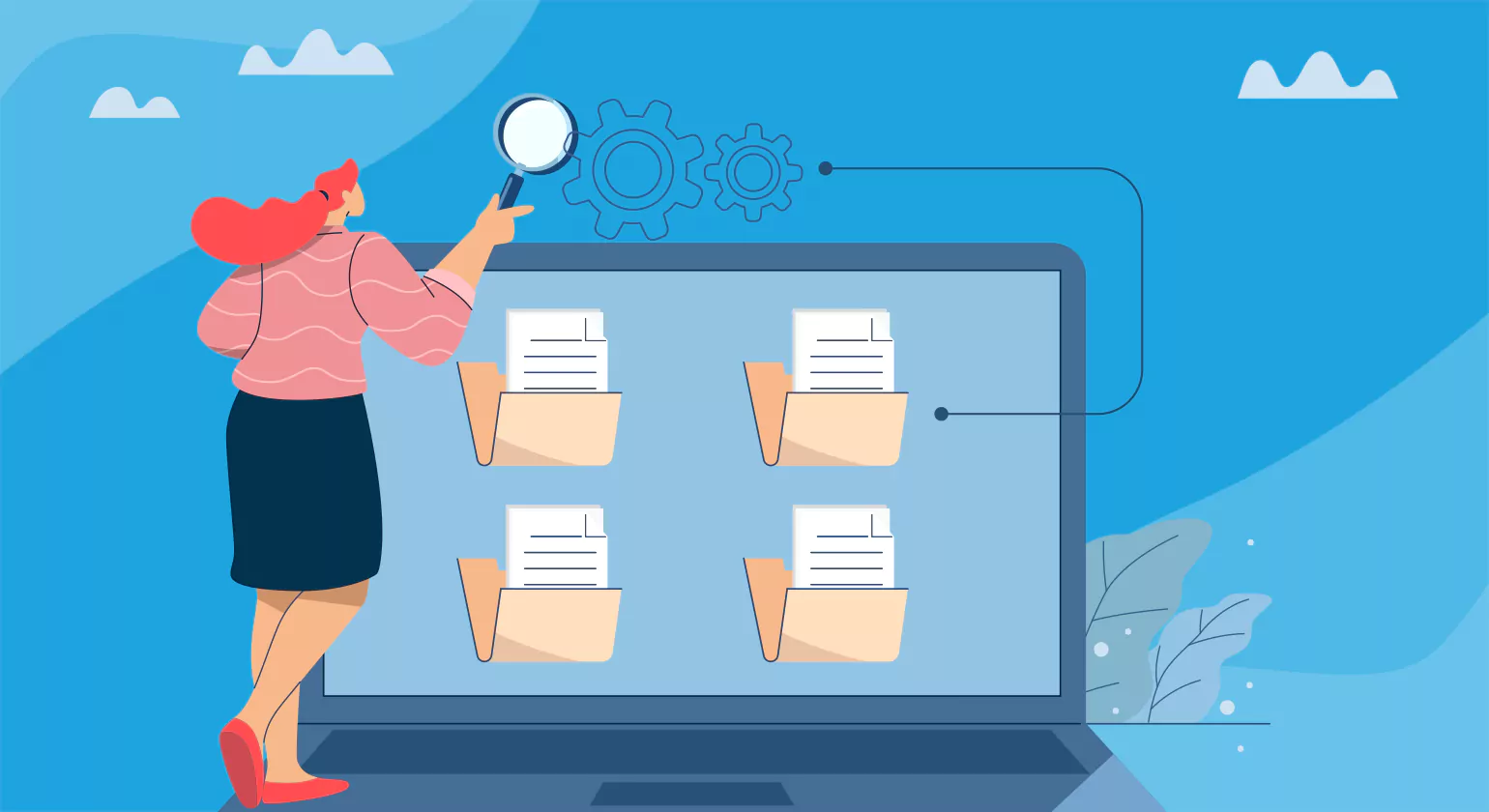
While data conversion is crucial for businesses looking to streamline operations and improve data management, the process also presents several challenges that must be carefully addressed. These challenges can impact the efficiency and success of data conversion projects if not managed properly. Below are some of the common hurdles businesses face during data conversion:
Data Loss Risk
One of the primary concerns during data conversion company is the risk of data loss. Improperly executed conversion processes can result in incomplete data, corruption, or the permanent loss of vital information. This can disrupt business operations, negatively impact decision-making, and result in compliance issues. Using reliable tools and experienced professionals through data conversion services can mitigate the risk of data loss, ensuring that data integrity is maintained throughout the process.
Complexity with Large Data Volumes
Managing large volumes of data can be particularly complex. As businesses grow, their databases and records become more extensive, making it challenging to convert all data seamlessly. The sheer size of the data requires robust tools and skilled expertise to ensure a smooth conversion process. Any oversight during the conversion of large data sets can result in errors, duplication, or missing records.
Incompatible Systems
Another common challenge is dealing with system incompatibility. When migrating data between different platforms or software systems, businesses often face compatibility issues, such as differences in data formats, structures, or storage methods. This can complicate the conversion process and lead to the need for additional resources or custom solutions.
Data Security Concerns
During the data conversion outsourcing services process, there is an increased risk of sensitive data being exposed to unauthorized access. If proper security measures are not in place, data breaches can occur, jeopardizing confidential business or customer information. Encrypting data and ensuring secure access controls are crucial steps in mitigating this risk.
Cost Overruns
Without adequate planning, data conversion projects can experience cost overruns. Unexpected complexities, such as incompatible data formats or missing records, can extend the timeline and increase expenses. Proper project management, clear goals, and selecting the right data conversion services provider can help control costs and avoid overruns.
Conclusion
Data conversion services are essential for businesses looking to manage their data more effectively and make it compatible with modern systems. Whether it’s converting paper records to digital formats, migrating databases, or translating data for new systems, the right conversion process ensures data integrity, accessibility, and security. Outsourcing this task to specialized providers can save time, reduce costs, and help businesses focus on their core activities, all while ensuring that the data is reliable and ready for future use.
FAQs
1. What is a data conversion service?
A data conversion company provides data format conversion services, transforming information into usable formats. Businesses can outsource data conversion to ensure accuracy, consistency, and seamless integration across systems. Outsourcing data conversion services improves efficiency and allows teams to focus on core operations.
2. What is an example of data conversion?
An example is using PDF conversion services to transform paper-based records into digital formats. Businesses often outsource data conversion for efficiency and accuracy. Data conversion outsourcing ensures smooth migration across platforms while maintaining data integrity, making information easier to access and manage.
3. Why do we need data conversion?
Data conversion is crucial for compatibility across platforms. Companies can outsource data conversion to handle complex tasks efficiently. Using database conversion services and other data format conversion services enhances usability, ensures accuracy, and streamlines operations, making data more accessible for analysis and decision-making.
4. What are the benefits of outsourcing data conversion services?
Outsourcing data conversion services to a specialized data conversion company offers cost savings, accuracy, and expertise. PDF conversion services and database conversion services help streamline operations. Outsource data conversion to improve data quality, operational efficiency, and ensure timely, error-free transformation across formats.
5. How long does data conversion take?
The timeline depends on data volume, complexity, and conversion type. Data conversion outsourcing or using a data conversion company with database conversion services speeds up the process. PDF conversion services and other data format conversion services ensure accurate, timely results for small or large-scale projects.