Table of Contents
Introduction
In the ever-evolving landscape of business, digital product marketing stands as a pivotal strategy, seamlessly blending innovation with consumer engagement. As technology continues to reshape industries, mastering an effective digital product strategy becomes imperative for brands aiming to thrive in the digital age.
This multifaceted approach involves leveraging online platforms, data analytics, and creative storytelling to effectively showcase digital marketing products to target audiences. From social media campaigns to personalized email marketing, businesses can connect with consumers in meaningful ways, driving awareness, engagement, and ultimately, conversions. In this dynamic realm, adaptability and creativity reign supreme, guiding brands toward sustainable growth and success through a strategic online product strategy.
What is Digital Product Marketing and Why is it Important?
Digital product marketing is the process of promoting and selling digital products—such as software, apps, e-books, and online courses—using online channels. It focuses on understanding the needs of a specific audience, crafting messaging that resonates, and delivering this message through digital advertising, social media, content marketing, and email campaigns. Unlike traditional product marketing, it often involves direct, data-driven strategies that can be measured and optimized in real-time, allowing businesses to adapt to consumer behaviors and trends rapidly.
This approach is important because it allows businesses to effectively reach their target audience in a highly competitive, digital-first market. By leveraging online channels, a strategic digital product strategy offers a scalable way to engage users, drive conversions, and build brand loyalty. With tools for tracking user interactions, analyzing data, and personalizing customer experiences, companies can ensure their products meet customer needs and improve over time. Incorporating online product marketing strategies further strengthens long-term customer relationships and enhances overall brand growth.
Top 10 Digital Product Marketing Strategies

Top 10 Digital Product Marketing strategies help businesses effectively reach their target audience, boost engagement, and drive sales. By combining techniques like social media campaigns, email marketing, influencer collaborations, SEO, content marketing, and personalized campaigns, brands can maximize visibility, build trust, and achieve long-term growth in the competitive digital landscape.
Content Marketing Excellence
Master the art of creating valuable, relevant content to attract and engage your target audience, driving traffic and conversions.
Social Media Engagement Tactics
Learn effective strategies to boost your social media presence, foster meaningful interactions, and build a community around your brand through digital product advertising.
Email Marketing Innovations
Explore cutting-edge techniques to craft compelling email campaigns that resonate with subscribers and drive conversions.
Search Engine Optimization (SEO) Mastery
Unlock the secrets to improving your website’s visibility and ranking on search engines, driving organic traffic and maximizing online presence.
Influencer Partnerships and Collaborations
Harness the power of influencers to expand your reach, build credibility, and create authentic connections with your audience.
Data-Driven Decision Making
Utilize data analytics to make informed decisions, optimize marketing strategies, and drive measurable results.
Conversion Rate Optimization (CRO) Techniques
Implement tactics to optimize website and marketing campaigns, increasing conversion rates and maximizing ROI.
User Experience (UX) Enhancement
Improve website or app usability to create seamless experiences that delight users and foster customer loyalty.
Mobile Optimization Strategies
Optimize digital presence for mobile devices, ensuring a smooth user experience and maximizing engagement on smartphones and tablets.
Agile Product Launches and Iterations
Embrace agile methodologies to streamline product development, iterate rapidly, and deliver innovative solutions to market efficiently, enhancing your digital product marketing efforts and ensuring your offerings meet customer needs effectively.
Right Way to Marketing Digital Products

Marketing digital products effectively requires a comprehensive approach that encompasses various strategies tailored to your target audience and product offerings. Firstly, understanding your audience is crucial; conduct thorough research to identify their needs, preferences, and pain points. Armed with this knowledge, create compelling content that resonates with your audience and showcases the value of your digital marketing products, leveraging online product marketing techniques.
Optimizing for search engines (SEO) ensures your products are easily discoverable online, driving organic traffic to your website or platform. Additionally, leverage social media platforms to engage with your audience, build a community around your brand, and promote digital products effectively.
Email marketing remains a powerful tool for nurturing leads, communicating product updates, and driving conversions. Providing valuable content and offers through email campaigns can significantly impact your sales and customer retention rates.
Building trust is paramount in the digital space. Transparency, authenticity, and delivering on promises help establish credibility with your audience. Offering free trials or samples allows potential customers to experience the value of your products firsthand, increasing the likelihood of conversion.
Customer reviews and testimonials serve as social proof, enhancing your brand’s reputation and influencing purchase decisions in digital product promotion. Continuously gather feedback from customers to improve your products and address any issues or concerns promptly.
Lastly, monitor and analyze key metrics such as website traffic, conversion rates, and customer engagement to measure the effectiveness of your marketing efforts. Use these insights to refine your strategies and optimize your digital product marketing for sustained success.
Understanding Your Target Audience
To effectively market your digital products, you must first understand your target audience. Conduct thorough market research to identify the demographics, preferences, behaviors, and pain points of your potential customers. This insight will help you tailor your marketing strategies and product offerings to meet their specific needs and desires. Utilize tools like surveys, interviews, and analytics to gather data and gain valuable insights into your audience’s motivations and preferences.
Creating Compelling Product Messaging
Once you have a profound understanding of your target audience, craft compelling product messaging that resonates with them and highlights your digital marketing products. Communicate the unique value of your offerings and how they address the pain points or challenges faced by your audience. Use persuasive language and storytelling to evoke emotion, establish a connection, and clearly demonstrate the benefits and relevance of your products to your customers.
Utilizing Multiple Marketing Channels
To reach a wider audience and maximize your digital product’s exposure, utilize multiple marketing channels. This may include social media marketing, email marketing, content marketing, search engine optimization (SEO), influencer marketing, and paid advertising. Each channel offers unique opportunities to engage with your audience and drive traffic to your digital products. Experiment with different channels to identify the most effective ones for your target audience and adjust your marketing strategies accordingly.
Building a Strong Online Presence
Building a strong online presence is essential for effectively marketing your digital products. This involves creating a professional website or landing page where customers can learn more about your products, and product purchases, and contact you for support. Optimize your website for search engines to improve visibility and attract organic traffic. Additionally, establish a presence on social media platforms relevant to your target audience and regularly engage with your followers to build a community around your brand.
Consistently publishing high-quality content that provides value to your audience can help establish your credibility and authority in your niche. This content can take various forms, including blog posts, articles, videos, podcasts, and infographics. Share your content across multiple channels to support your digital product marketing efforts and drive traffic back to your website or landing page.
In conclusion, effectively promoting your digital products necessitates a blend of strategies, including understanding your target audience, crafting compelling product messaging, utilizing multiple marketing channels, and building a robust online presence. By adopting a strategic and comprehensive digital product strategy, you can attract, engage, and convert potential customers, ultimately driving success for your digital products.
6 Ways to Promote Your Digital Products and Boost Sales

Harness the Power of social media
Harness the power of social media to amplify your brand’s reach and engagement. Craft a strategic approach: define goals, select platforms aligned with your audience, create compelling content, maintain consistency, engage authentically, utilize paid ads effectively, and analyze performance for continual improvement.
Implement Effective Email Marketing Campaigns
Implementing effective email marketing campaigns involves several key steps. First, build a targeted email list of subscribers who have opted in to receive communications from your brand. Next, segment your list based on demographics, past purchases, or engagement levels to tailor messages to each recipient’s interests. Craft compelling email content that provides value, whether through informative newsletters, exclusive promotions, or personalized recommendations, as part of your digital product marketing efforts. Use attention-grabbing subject lines and visually appealing designs, optimize for mobile devices, and track performance metrics such as open rates, click-through rates, and conversions to continuously refine your strategies.
Optimize Your Product for Search Engines (SEO)
To optimize your product for search engines (SEO), start by conducting keyword research to identify relevant terms and phrases your target audience is searching for. Incorporate these keywords naturally into your product descriptions, titles, and metadata to improve SEO for digital products. Optimize product images with descriptive file names and alt tags, enhance website loading speed, ensure mobile-friendliness, and create high-quality, valuable content to attract backlinks and boost search rankings. Regularly monitor and analyze SEO performance to make adjustments for better visibility and organic traffic.
Leverage Influencer Marketing
To leverage influencer marketing effectively for digital product promotion, begin by identifying influencers whose audience aligns with your target demographic. Reach out to them with personalized pitches, offering collaboration opportunities such as sponsored posts, product reviews, or giveaways. Provide influencers with clear guidelines and expectations, but also allow them creative freedom to authentically promote your product. Monitor the performance of influencer campaigns, tracking metrics like reach, engagement, and conversions. Cultivate long-term relationships with influencers for ongoing partnerships and maximize the impact of your influencer marketing efforts.
Offer Compelling Discounts and Promotions
Offering compelling discounts and promotions is a powerful way to attract customers and boost sales. Create irresistible offers such as limited-time discounts, buy-one-get-one deals, or exclusive bundles to incentivize purchases. Promote your discounts across various channels, including email marketing, social media, and your website. Highlight the value customers will receive and create urgency by emphasizing the limited availability of the promotion. Monitor the performance of your discounts and adjust your strategies based on customer response to maximize effectiveness.
Enhance Customer Experience with Reviews and Testimonials
Enhance customer experience by leveraging reviews and testimonials. Encourage satisfied customers to share their positive experiences, showcasing social proof of your digital marketing products value and reliability. Use these testimonials on your website and marketing materials to build trust and credibility with potential customers. Additionally, address any negative feedback promptly and constructively to demonstrate your commitment to customer satisfaction.
15 Most Profitable Digital Products to Sell in 2025
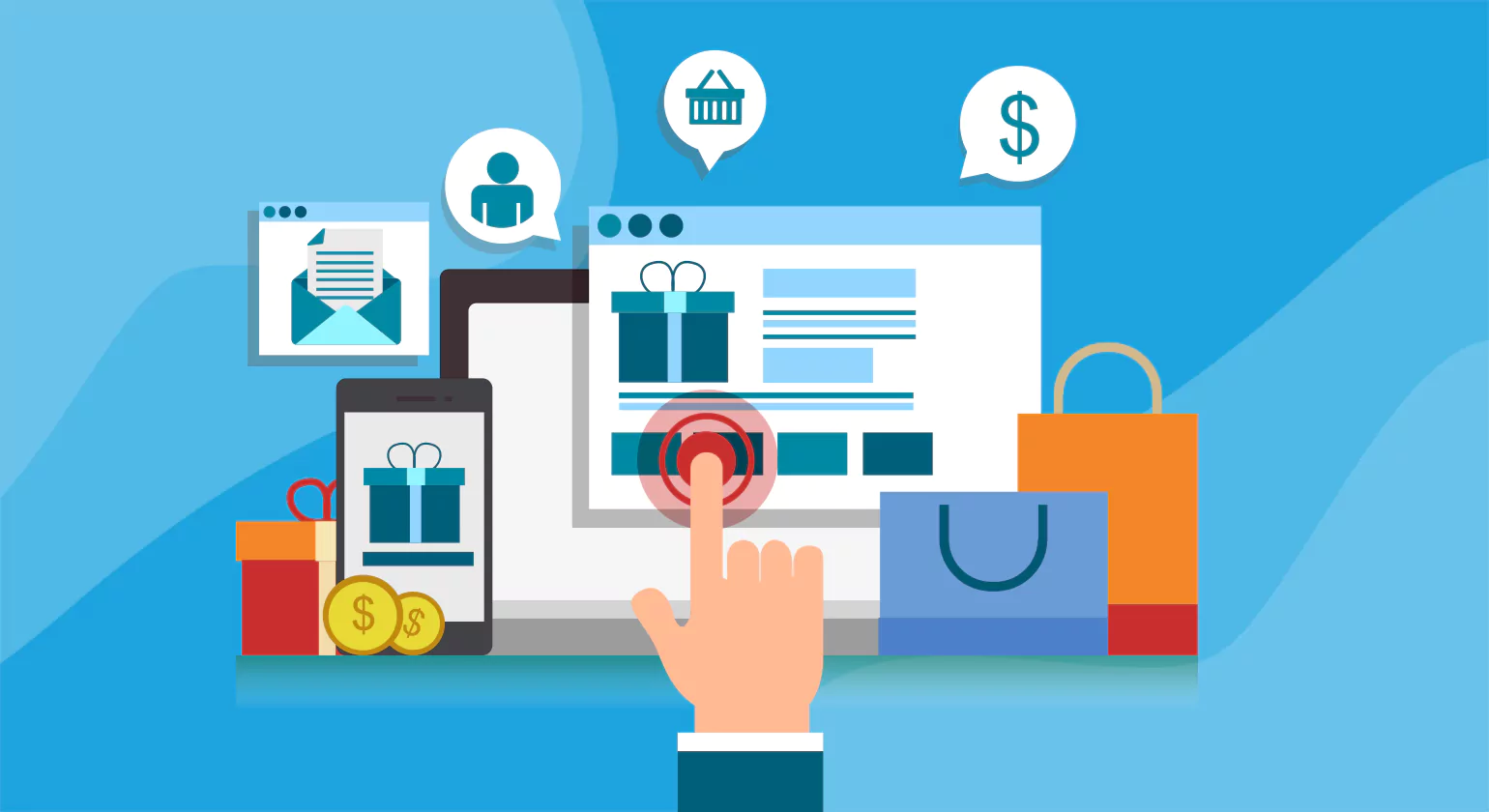
In today’s digital age, the market for digital products is booming. Whether you’re an entrepreneur starting an online business or a creator looking to monetize your expertise, there’s a vast array of digital products you can sell online. With effective digital product marketing strategies, you can promote these offerings successfully and reach a global audience. Here are the top 15 digital products to consider:
1. Online Courses
High-ticket, recurring value (cohorts, certifications).
Quick launch tip: Pre-sell a mini-course to validate demand before creating full modules.
2. eBooks & Guides
Low production cost; great for list-building and upsells.
Quick launch tip: Bundle an eBook with a companion workbook to increase perceived value.
3. Tutorials & Step-by-Step Guides
Problem-focused, quick wins for buyers.
Quick launch tip: Offer micro-tutorials as gated lead magnets that funnel to paid products.
4. AI Prompt Packs & Prompt Libraries
Fast-growing niche as businesses buy ready-made prompts for content, code, and design. Market demand is expanding rapidly.
Quick launch tip: Publish a free sample pack to capture emails and upsell premium prompt collections.
5. Digital Templates (social, slides, resumes)
Repeatable design work that saves customers time.
Quick launch tip: Create platform-specific bundles (Canva + PowerPoint + Figma) to widen reach.
6. Design Assets (icons, fonts, UI kits)
Evergreen for creators and agencies.
Quick launch tip: Sell source files and commercial licenses separately for tiered pricing.
7. Digital Art & Printables
Passive income via instant downloads and print-on-demand.
Quick launch tip: Test niche micro-audiences on Etsy or creative marketplaces before scaling.
8. Stock Photography & Presets
High demand from creators and small brands.
Quick launch tip: Package themed collections (e.g., “remote work”) instead of one-off photos.
9.Membership Sites & Exclusive Communities
Predictable recurring revenue and high lifetime value.
Quick launch tip: Start with a paid newsletter or Discord group and add tiered extras.
10. Coaching, Consulting & Done-for-You Services (digital delivery)
Personalized, high-ARPU offerings.
Quick launch tip: Offer short discovery sessions to convert leads into retainer clients.
11. Software, Plugins & Mobile Apps (SaaS / micro-SaaS)
Scaleable with subscription revenue.
Quick launch tip: Launch an MVP plugin or no-code app to validate product-market fit quickly.
12. Web Templates & Themes
Fast adoption by agencies and small businesses.
Quick launch tip: Target niche industries (restaurants, photographers) with tailored demo content.
13. Printables (planners, trackers, worksheets)
Low-effort, recurring purchases for organization niches.
Quick launch tip: Create seasonal variants (Q1 goal planner, year-end review) for repeat buys.
14.Music, Beats & Sound Effects
Licensing revenue for creators, films, and games.
Quick launch tip: Offer bundles and custom-licensing options for different use cases.
15.Notion Templates & Productivity Systems
Explosive creator economy demand; Notion hosts thousands of templates.
Quick launch tip: Publish a free lite version and sell a paid “all-in-one” workspace.
What Are Digital Products? Sell These Products Online (2025)

Digital product marketing are non-physical, intangible goods that are delivered electronically. Unlike traditional products, there’s no shipping, inventory, or production for each sale. Examples include:
- eBooks & Guides – Knowledge shared in a downloadable format.
- Online Courses – Skill-building modules or certifications.
- Software & Apps – Tools or productivity solutions sold digitally.
- Digital Templates & Art – Graphics, designs, and printables for creators and businesses.
In 2025, this category has expanded to include AI-generated content, NFTs, and subscription-based interactive experiences, reflecting emerging trends in technology and digital engagement.
How to Sell Digital Products Online
Selling digital products successfully requires a strategic approach:
- Choose a Platform: Options include Gumroad, Shopify, Etsy, Teachable, or your own website.
- Build a Landing Page: Clear headlines, product benefits, and a call-to-action improve conversions.
- Promote Your Product: Use content marketing, SEO, email campaigns, and social media to reach your audience.
- Automate Delivery: Ensure customers receive instant access after purchase.
- Offer Upsells or Bundles: Increase revenue by combining products or offering premium versions.
Digital Product Marketing Strategy Best Practices

Comprehensive Market Research
Market research is an essential component of any successful digital product marketing strategy. It involves gathering and analyzing data about your target market, competitors, and industry trends to make informed decisions. Comprehensive market research provides valuable insights that can guide product development, marketing efforts, and overall business growth.
Clear and Compelling Value Proposition
A clear and compelling value proposition communicates the unique benefits and advantages of your product or service to your target audience. It answers the question, “Why should customers choose you?” By clearly articulating the value you offer and how it addresses customer needs or pain points, you can differentiate yourself from competitors and attract potential customers effectively.
Targeted Audience Segmentation
Targeted audience segmentation involves dividing your target market into distinct groups based on characteristics such as demographics, behaviors, interests, or preferences. By understanding the unique needs and preferences of each segment, you can tailor your marketing messages, products, and services to better resonate with specific audience segments. This enables more personalized and effective marketing strategies, ultimately leading to higher engagement, conversion rates, and customer satisfaction.
Multichannel Marketing Approach
A multichannel marketing approach involves reaching customers through various channels such as social media, email, website, and offline methods. By diversifying your marketing efforts, you can engage with customers across different touchpoints, increase brand visibility, and maximize reach. This strategy allows you to meet customers where they are and deliver consistent messaging and experiences across multiple platforms, ultimately driving better results and customer engagement.
Creating and Launching Profitable Digital Products in 2025

To build a thriving digital products marketplace, identify a clear market need and develop a user-friendly, secure platform. Attract sellers and buyers with value-driven incentives, and promote your marketplace through digital product marketing and targeted campaigns. Continuously optimize the user experience and leverage feedback to drive sales, engagement, and long-term growth.
Step 1: Idea Creation and Validation
Successful digital products solve a specific problem for a defined audience, not just your personal interest.
- Identify a market need: Use surveys, social media polls, or online communities (Reddit, Facebook Groups) to discover what your audience wants. Analyze competitors and read reviews to spot gaps.
- Choose the right format: Options include online courses, eBooks, templates, software, apps, or membership sites. Pick what delivers maximum value for your audience.
- Create a Minimum Viable Product (MVP): Focus on core functionality. Use tools like Canva, Notion, or Google Sheets to create polished products quickly. Soft-launch to beta testers for initial feedback.
Step 2: Launch and Marketing Strategies
- Build a High-Converting Storefront
- Use platforms like Shopify, Gumroad, or Thinkific for payments, secure delivery, and affiliate support.
- Create product pages with benefit-focused copy, visuals, and testimonials.
- Simplify checkout to minimize cart abandonment.
- Price Based on Value
- Research competitor pricing and set a benchmark.
- Offer tiered packages (Basic, Pro, Premium) to appeal to multiple segments.
- Use psychological pricing tactics and early-bird discounts to boost conversions.
- Promote Your Launch
- Leverage content marketing: blogs, webinars, or videos that educate your audience.
- Use email marketing to nurture leads and announce launches.
- Share teasers and countdowns on social media.
- Recruit affiliates or influencers to expand reach.
- Gather Feedback and Iterate
- Collect post-purchase surveys and reviews to build social proof.
- Track analytics for traffic, conversion, and sales performance.
- Refine and update your product or launch complementary offerings for ongoing value.
Conclusion
Digital product marketing is essential for successfully promoting and selling digital goods or services online. It involves understanding customer needs, crafting compelling messaging, and leveraging various digital channels to reach and engage target audiences. By implementing effective digital product sales strategies and continuously refining them based on data insights and market trends, businesses can drive awareness, engagement, and conversions, ultimately achieving growth and success in the digital marketplace.
FAQs
1. What are the key elements of a successful digital product marketing strategy
key elements of a successful digital product marketing strategy include defining your target audience, crafting compelling messaging, selecting the right digital marketing channels, optimizing conversion funnels, and analyzing data to refine strategies and drive results.
2. How to market digital products ?
To market digital products effectively, build an email list with freebies, promote on relevant social media with tutorials or live demos, collaborate with creators, leverage influencer marketing and targeted ads, create platform-specific landing pages, and use a product ladder to encourage repeat purchases.
3. What are examples of digital products?
Examples of digital products include eBooks, online courses, software, digital art, audiobooks, music, templates, digital planners, and NFTs. These intangible goods are delivered electronically via downloads, email, or platform access, allowing creators to sell content efficiently without physical inventory or shipping.
4. what's a digital product?
A digital product is a non-physical, intangible good or service delivered electronically, such as eBooks, software, online courses, or music. Accessible on computers and mobile devices, digital products offer scalability, low startup costs, and passive income, as they can be sold repeatedly without extra production.
5. How to create and sell digital products ?
To create and sell digital products, identify a profitable niche, develop a high-value product like an eBook or online course, set up a professional online store, and promote it via social media and email marketing. Use a product ladder, compelling copy, and solve a clear customer problem.
6. What are the two advantages of selling digital products?
Two key advantages of selling digital products are lower overhead costs, since there’s no inventory, shipping, or storage, and global scalability, allowing instant delivery to customers worldwide. These benefits enable higher profit margins and the ability to reach a larger audience efficiently.
7.Where can i sell my digital products?
You can sell digital products for free or low cost on plYou can sell digital products on marketplaces like Etsy, Gumroad, Sellfy, and Envato Market, or set up your own store using Shopify or WordPress with WooCommerce. Other options include your website, social media, Patreon, or Teachable, depending on your product type, control, and audience. atforms like Payhip, Gumroad, and Instamojo using their free tiers or transaction-based fees. You can also use social media, community groups, or your own website with landing pages to reach and sell to your audience.
8.How to use SEO for digital products effectively?
Use SEO for digital products by researching relevant keywords, optimizing product titles, descriptions, and landing pages, and creating content that addresses customer queries. Include backlinks, internal links, and metadata to improve visibility, attract organic traffic, and increase sales for your digital products.
9.What are the top ways for digital product promotion?
Top digital product promotion strategies and digital product marketing include social media marketing, influencer collaborations, email campaigns, and targeted ads. Boost engagement with tutorials, live demos, free trials, and user-generated content to build trust, attract traffic, and efficiently convert potential leads into paying customers.
10. What is the most effective digital product strategy for growth?
The most effective digital product strategy for growth involves thorough market research, competitive and strategic pricing, a well-structured sales funnel, targeted marketing campaigns, and exceptional customer support. Continuously monitor and analyze performance data to refine your approach, improve conversions, and sustainably scale sales over time.