Table of Contents
Introduction
What if your data could reveal secrets, boost security, and make your business run smoother? That’s where data classification solutions come in. They’re like super-smart organizers for your data, sorting it into categories and deciding how important or sensitive it is.
Imagine you’re swimming in a sea of data – some of it really important, some not so much. How do you tell the difference? Data classification services do the heavy lifting, using clever tricks to sort and label data based on how crucial it is. This helps keep sensitive info safe and makes sure only the right people can access it. Plus, it helps companies follow rules about data privacy, like GDPR or HIPAA. So, these solutions aren’t just tools – they’re like digital superheroes, and a strong data classification platform keeps your data safe and sound.
What is Data Classification? Guidelines and Process
Data classification is the structured method of categorizing information based on its sensitivity, value, and compliance requirements. It enables organizations to apply the right security controls, reduce data-related risks, ensure regulatory compliance, and improve operational efficiency. A well-defined classification framework supported by data classification solutions enhances data governance, supports informed decision-making, and strengthens overall information security posture.
Understanding the Core Purpose of Data Classification
The primary purpose of data classification is to ensure that every piece of information receives the appropriate level of protection. It helps organizations safeguard sensitive data, control access, reduce exposure risks, and meet legal or regulatory obligations. By categorizing data accurately, businesses streamline data management, support secure collaboration, and prevent unauthorized use or disclosure.
Why It Matters
- Enhances data privacy and protection
- Supports compliance with GDPR, HIPAA, PCI-DSS, and other regulations
- Reduces the impact of security breaches
- Improves data lifecycle management and resource allocation
Key Types of Data Classification Categories
Organizations commonly use four main classification levels, each guiding how data should be accessed, shared, and protected.
- Public Data- Information intended for open access, such as marketing materials or published reports.
- Internal Data- Non-sensitive data meant only for internal use, like internal communications or operational documents.
- Confidential Data-Sensitive business information requiring controlled access, such as financial records or customer data.
- Highly Sensitive Data- Critical data that poses severe risk if exposed, including medical records, credentials, and intellectual property.
Essential Guidelines for Effective Data Classification
Effective data classification relies on clear, consistent policies that govern how information is handled.
Core Guidelines
- Establish a formal classification policy aligned with business and compliance requirements.
- Evaluate data sensitivity, regulatory impact, and business value.
- Use standardized labels for simplicity and accuracy.
- Implement role-based access controls to limit exposure.
- Document handling instructions for each category.
- Incorporate automation tools for improved consistency and faster tagging.
Supporting Practices
- Train employees regularly on classification protocols.
- Apply encryption and monitoring tools where necessary.
- Use DLP (Data Loss Prevention) solutions to enforce rules and prevent leaks.
Step-by-Step Data Classification Process
A structured process ensures accuracy and repeatability across all departments, especially when supported by data classification solutions.
1. Identify and Locate Data – Discover all data sources—databases, cloud systems, file storage, and endpoints.
2. Assess Data Sensitivity – Evaluate confidentiality, compliance requirements, business value, and risk exposure.
3. Assign Classification Labels – Apply predefined categories to each dataset using manual or automated tagging.
4. Implement Security Controls – Deploy appropriate controls such as encryption, access restrictions, and monitoring.
5. Manage Access and Usage – Grant permissions only to authorized users and enforce least-privilege policies.
6. Review and Update Regularly -Continuously validate classification status to accommodate new risks or changes in data use.
Best Practices for Maintaining Ongoing Data Accuracy
Maintaining accuracy requires continuous oversight and adaptation to new threats and regulatory updates.
Recommended Practices
- Schedule periodic classification reviews and audits.
- Use automated tools to detect and tag new sensitive data.
- Update classification labels as data value or usage changes.
- Enforce consistent access policies across all platforms.
- Maintain logs to track handling, sharing, and modifications.
Continuous Improvement Tips
- Integrate data classification into onboarding and training programs.
- Coordinate with security, compliance, and IT teams for governance alignment.
- Use analytics to identify gaps and optimize data protection strategies.
Top 10 Essential Data Classification Tools
1. Microsoft Azure Information Protection
Microsoft Azure Information Protection offers powerful data classification and labeling capabilities. Integrated with Microsoft 365, it enables automated and manual classification, policy enforcement, and encryption. It’s ideal for organizations seeking seamless data protection within a Microsoft ecosystem.
2. Symantec Data Loss Prevention (DLP)
Symantec DLP combines data classification with advanced protection measures. It monitors data in motion, at rest, and in use, while enforcing compliance rules. Its strong policy creation features help detect and respond to sensitive data exposures in real time.
3. Titus Classification Suite
Titus provides a flexible data classification platform that supports email, documents, and files. It integrates with existing security ecosystems to improve policy enforcement and reduce data loss. Titus helps users make informed decisions about data sensitivity using classification prompts.
4. Boldon James Classifier
Boldon James specializes in user-driven classification. It integrates with Outlook, Office, and Windows, encouraging end users to classify data at the point of creation. This proactive approach enhances compliance and data control across the organization.
5. Varonis Data Classification Engine
Varonis offers a powerful engine that identifies and classifies sensitive files stored on-premises and in the cloud. It uses advanced algorithms to detect PII, HIPAA, and other sensitive data, providing visibility and context around data access and usage.
6. GTB Inspector
GTB Inspector is a high-performance DLP and data classification tool. It allows businesses to classify and control data movement across networks and endpoints. It supports exact data matching and fingerprinting, making it suitable for strict compliance environments.
7. Digital Guardian Data Classification
Digital Guardian offers endpoint-based data classification and protection. It leverages real-time monitoring to classify data based on content and context. Its integration with DLP policies ensures data security without interrupting workflow or productivity, making it one of the most effective data classification solutions for enterprise environments.
8. Spirion (formerly Identity Finder)
Spirion helps businesses discover, classify, and protect sensitive data across endpoints, cloud storage, and servers. It excels in locating hidden personal data such as social security numbers and credit card details, making it ideal for privacy-focused organizations.
9. McAfee Total Protection for Data Loss Prevention
McAfee’s solution combines data classification with a comprehensive DLP suite. It identifies and protects sensitive information through centralized policies. The software is suitable for large enterprises needing scalable and consistent data governance across multiple environments.
10. DataGuise DgSecure
DgSecure by DataGuise offers precise data classification and masking. It scans structured and unstructured data repositories for sensitive content and applies protection mechanisms. DgSecure supports compliance with regulations like GDPR, CCPA, and HIPAA.
The Importance of Data Classification Solutions for Data Loss Prevention
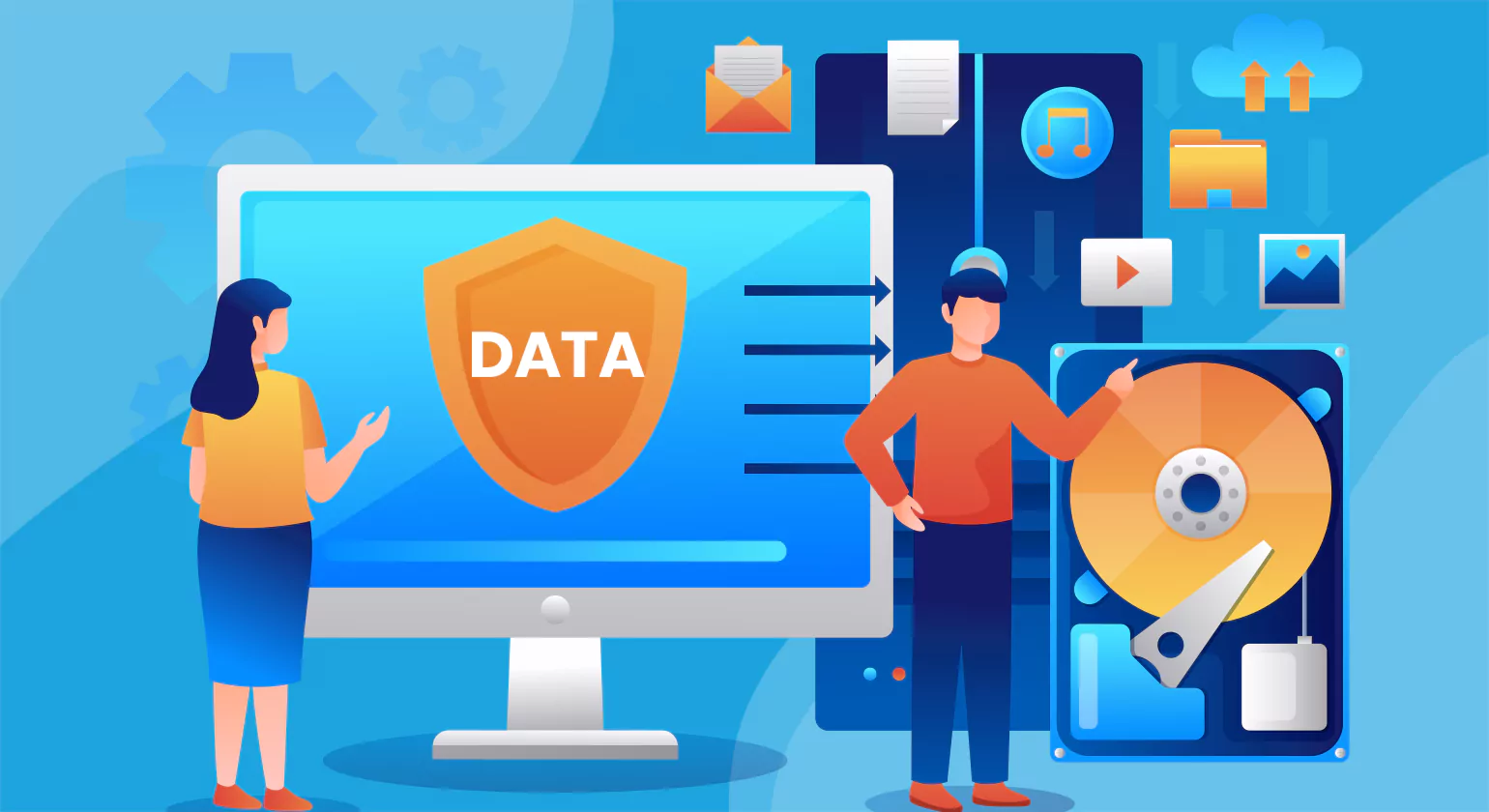
Data classification solutions are essential for identifying, labeling, and securing sensitive information across an organization. By clearly defining data categories and applying appropriate controls, they help prevent unauthorized access, reduce data exposure, strengthen compliance, and support proactive data loss prevention (DLP) strategies. Effective classification ensures accurate protection throughout the entire data lifecycle.
How Data Classification Strengthens Data Loss Prevention
Data classification strengthens DLP by providing visibility into what data exists, where it resides, and how sensitive it is. This clarity allows organizations to apply tailored security controls that prevent leaks and misuse. By integrating classification with DLP tools, businesses can automate threat detection, enforce handling rules, and minimize risks associated with accidental or intentional data exposure.
Key Benefits
- Enables precise DLP policy enforcement
- Improves detection of risky data flows
- Enhances protection across endpoints, networks, and cloud environments
Identifying and Protecting Sensitive Information
Classification solutions help organizations accurately identify sensitive information such as customer records, financial data, intellectual property, and confidential business documents. Once identified, automated labels trigger security measures including encryption, restricted access, and monitoring. This targeted protection ensures critical data remains secure across all devices, platforms, and communication channels.
What Sensitive Data Includes
- Personal identifiable information (PII)
- Protected health information (PHI)
- Financial and payment information
- Proprietary and strategic business data
Enforcing Access Controls Through Classification
Data classification directly supports access control by assigning security levels that determine who can view, edit, or share specific data. Role-based access rules ensure that only authorized users interact with sensitive information, minimizing risks of exposure. This structured control reduces internal vulnerabilities and keeps data handling aligned with security and governance requirements.
How It Improves Access Security
- Supports least-privilege access
- Prevents unauthorized sharing or copying
- Ensures consistent handling protocols
Reducing Insider Threats with Better Data Visibility
Insider threats often arise from misuse, negligence, or lack of awareness. Classification increases visibility into sensitive data, helping detect unusual behavior and prevent accidental leaks. Employees understand how information should be handled, reducing mistakes. Security teams can monitor sensitive data movements and respond quickly to any suspicious activity.
Common Insider Risks Addressed
- Accidental file sharing
- Mishandling of confidential documents
- Unauthorized downloads or transfers
Supporting Compliance and Regulatory Requirements
Data classification plays a crucial role in meeting regulatory standards like GDPR, HIPAA, PCI-DSS, and SOX. It ensures sensitive data is labeled correctly and handled in accordance with legal obligations. Classification also simplifies audits by offering clear documentation of data types, retention policies, and security controls applied across the organization.
Compliance Advantages
- Reduces penalties from regulatory violations
- Improves reporting and audit readiness
- Ensures consistent adherence to data protection rules
Enhancing Incident Response and Risk Mitigation
When incidents occur, classification helps organizations quickly identify impacted data, assess severity, and prioritize response actions. Security teams can isolate high-risk information, apply mitigation measures, and prevent further leakage. Classification also improves incident reporting accuracy, and data classification solutions enable faster root-cause analysis and long-term threat reduction.
Supports Faster Response By
- Highlighting sensitive data involved in breaches
- Guiding containment strategies
- Improving communication with stakeholders
Improving Overall Data Governance and Security Posture
Data classification enhances data governance by providing structure, visibility, and accountability. It ensures data is handled consistently across departments, supports informed decision-making, and reduces operational risks. By integrating classification with security systems and leveraging automated data classification tools, organizations strengthen their security posture, achieve long-term data hygiene, and protect their most valuable digital assets.
Governance Improvements
- Standardized data handling and retention
- Stronger alignment between IT, security, and compliance
- Better lifecycle management and documentation
Types of Data Classification Tools
Data classification tools come in various forms, each serving distinct purposes in organizing, managing, and securing data. Here are the main types of data classification tools:
1. Manual Data Classification Tools
These tools rely on human intervention for data classification. Users review the content of data files or documents and assign classification labels or metadata manually based on predefined criteria or policies. Manual tools offer flexibility and customization but can be time-consuming and prone to inconsistencies.
2. Automated Data Classification Tools
These tools leverage machine learning algorithms and pattern recognition techniques to classify data automatically. These tools analyze data attributes such as keywords, file types, and content patterns to assign classification labels or metadata without human intervention. Automated data classification tools offer scalability, efficiency, and consistency in classification decisions.
3. Hybrid Data Classification Tools
These tools combine elements of both manual and automated approaches. They offer a balanced approach, allowing organizations to benefit from the flexibility of manual classification while harnessing the efficiency of automation. In hybrid Data Classification Solutions, users may have the option to manually review and refine automated classification results or intervene in the classification process when necessary. Hybrid data classification tools provide greater control and accuracy in data classification, catering to diverse business requirements and compliance needs.
Data Classification Benefits of Using Classification Software
Using data classification software offers numerous benefits to organizations across various industries. Here are some key advantages:
1. Improved Data Security
Data classification software helps organizations identify and categorize sensitive information, such as financial records, personal identifiable information (PII), and intellectual property. By classifying data according to its sensitivity level, organizations can implement appropriate security measures, such as encryption, access controls, and data loss prevention (DLP) policies, to safeguard against unauthorized access, data breaches, and insider threats.
2. Enhanced Regulatory Compliance
Many industries are subject to regulatory requirements regarding data privacy and security, such as GDPR, HIPAA, and PCI DSS. Data classification software facilitates compliance with these regulations by enabling organizations to classify data based on regulatory requirements and apply appropriate controls and protections accordingly. By maintaining compliance with regulatory standards, organizations can avoid costly fines, legal consequences, and reputational damage.
3. Streamlined Data Management
Data classification solutions or software helps organizations organize and manage their data more effectively. By categorizing data according to its type, relevance, and importance, organizations can streamline data storage, retrieval, and archival processes. This enables users to locate and access data more efficiently, improving productivity and decision-making across the organization.
4. Reduced Data Storage Costs
Classification software enables organizations to identify redundant, obsolete, or trivial (ROT) data and prioritize storage resources accordingly. By classifying data based on its value and usage, organizations can implement data retention policies that optimize storage space and reduce storage costs. Additionally, data classification software facilitates data archival and tiered storage strategies, allowing organizations to store less frequently accessed data on lower-cost storage tiers. For organizations specifically working towards GDPR compliance, a GDPR compliance checklist can help ensure all necessary steps are covered to maintain data security and avoid costly penalties.
5. Data Governance and Risk Management
Data classification software plays a crucial role in data governance and risk management efforts. By providing visibility into data assets and their associated risks, organizations can make informed decisions regarding data handling, access controls, and security measures. Classification software also facilitates risk assessments, audits, and compliance reporting, enabling organizations to proactively manage risks and demonstrate compliance to stakeholders.
Data Classification Process
The data classification process involves several steps aimed at organizing and categorizing data based on its attributes, sensitivity, and importance. Data Classification Solutions typically follow this process to enhance data security, ensure compliance, and streamline information management.
Step 1- Identifying Data Sources
The first step in the data classification process is to identify the sources of data within the organization. This may include databases, file servers, email systems, cloud storage, and other repositories where data is stored or generated.
Step 2- Defining Classification Criteria
Organizations need to establish criteria for classifying data based on factors such as sensitivity, confidentiality, regulatory requirements, and business relevance. These criteria help determine how data should be categorized and protected.
Step 3- Inventorying Data Assets
Once classification criteria are defined, organizations conduct a comprehensive inventory of their data assets. This involves identifying and documenting the types of data stored, including structured data (e.g., databases) and unstructured data (e.g., documents, emails).
Step 4- Analyzing Data Content
Data content analysis involves examining the contents of data files or documents to determine their classification. This may involve scanning for keywords, patterns, or metadata that indicate the sensitivity or importance of the data.
Step 5- Assigning Classification Labels
Based on the results of data content analysis and classification criteria, data is assigned classification labels or metadata. Common classification labels may include public, internal use only, confidential, or restricted, depending on the level of sensitivity.
Step 6- Implementing Security Controls
Once data is classified, organizations implement security controls and access policies based on classification labels. This may include encryption, access controls, data loss prevention (DLP) measures, and user authentication mechanisms to ensure that sensitive data is protected from unauthorized access or disclosure.
Step 7- Enterprise Digital Rights Management (EDRM) Systems
Integrating data classification with EDRM systems enables organizations to apply dynamic access controls and usage policies to classified documents and files. EDRM systems can use classification labels to automatically enforce encryption, access restrictions, and usage permissions based on data sensitivity levels. This ensures that only authorized users can access, view, edit, or share classified documents, regardless of their location or device.
Data Classification Best Practices for Effective Implementation
Implementing data classification solutions requires careful planning and execution to ensure effectiveness and compliance with organizational policies and regulatory requirements. Here are some best practices for implementing data classification:
1. Define Clear Objectives
- Clearly define the objectives and goals of the data classification initiative. Determine the specific types of data to be classified, the classification criteria to be used, and the desired outcomes of the classification process.
- For example, an organization may set objectives such as improving data security by identifying and protecting sensitive customer information or enhancing compliance with regulatory requirements such as GDPR or HIPAA.
2. Involve Stakeholders
- Involve key stakeholders from across the organization, including IT, security, legal, compliance, and business units, in the data classification process. Ensure that all relevant parties understand the importance of data classification and their roles and responsibilities in the implementation.
- For instance, legal counsel can provide guidance on regulatory requirements, while business unit representatives can offer insights into the types of data critical to their operations.
3. Develop Classification Policies
- Develop comprehensive data classification policies that outline the classification criteria, classification labels, and associated security controls and handling procedures. Ensure that these policies align with regulatory requirements and industry best practices.
- For example, a policy might define data classification labels such as Public, Internal Use Only, Confidential, and Restricted, along with guidelines for assigning these labels based on data sensitivity and importance.
4. Educate and Train Users
- Provide training and awareness programs to educate users about the importance of data classification and how to classify data correctly. Empower users with the knowledge and tools they need to effectively classify data according to organizational policies and procedures.
- For instance, employees can be trained to recognize PII (Personally Identifiable Information) and classify it as Confidential.
5. Select Appropriate Tools
- Choose data classification solutions tools that align with the organization’s needs, budget, and technical requirements. Consider factors such as scalability, integration with existing systems, ease of use, and support for regulatory compliance.
- For example, if the organization deals with large volumes of unstructured data, it might select a tool with advanced content analysis capabilities, such as Symantec Data Loss Prevention (DLP) or Varonis Data Classification Engine.
6. Start with Pilot Projects
- Begin implementation with small-scale pilot projects to test the effectiveness of data classification policies, procedures, and tools. Gather feedback from users and stakeholders and make adjustments as needed before scaling up the implementation.
- For instance, a pilot project could involve classifying email communications within the HR department to assess the effectiveness of classification policies and tools in practice.
7. Automate Where Possible
- Leverage automation capabilities in data classification tools to streamline the classification process and reduce the burden on users. Automate repetitive tasks such as data scanning, classification labeling, and enforcement of security controls.
- For example, data classification tools like Microsoft Azure Information Protection can automatically apply classification labels based on predefined rules, reducing the need for manual intervention.
8. Regularly Review and Update Policies
- Regularly review and update data classification policies and procedures to reflect changes in regulatory requirements, business needs, and technology advancements. Ensure that classification labels and criteria remain relevant and accurate over time.
- For instance, policies may need to be updated to account for new data types or changes in compliance standards.
9. Monitor and Audit Compliance
- Implement monitoring and auditing mechanisms to track compliance with data classification policies and detect any deviations or unauthorized access. Conduct regular audits to assess the effectiveness of data classification controls and identify areas for improvement.
- For example, audit logs generated by data classification tools can be reviewed regularly to identify any unauthorized access or data breaches.
10. Continuously Improve
- Data classification is an ongoing process that requires continuous monitoring, evaluation, and improvement. Solicit feedback from users and stakeholders, analyze classification metrics and trends, and make adjustments to policies, procedures, and tools as necessary to enhance effectiveness and compliance.
- For example, user feedback may reveal challenges in the classification process that can be addressed through additional training or enhancements to classification tools.
Integration of Data Classification Solutions with Other Security Measures
Integrating data classification with other security measures is essential for creating a comprehensive and cohesive cybersecurity strategy. Here are several ways data classification services can be integrated with other security measures:
1. Data Loss Prevention (DLP) Solutions
Integrating data classification with Data Loss Prevention solutions enables organizations to enforce policies for preventing unauthorized access, sharing, or leakage of sensitive data. DLP solutions can use classification labels applied by data classification tools to enforce granular access controls and monitor data movement across networks, endpoints, and cloud environments.
2. Identity and Access Management (IAM) Systems
Integrating data classification with IAM systems allows organizations to enforce role-based access controls (RBAC) based on data sensitivity levels. IAM systems can use classification labels to determine user permissions and restrict access to sensitive data to authorized personnel only.
3. Encryption Technologies
Data classification solutions can integrate with encryption technologies to automatically encrypt classified data based on its sensitivity level. Encryption ensures that even if unauthorized users gain access to data, they cannot view or manipulate it without the appropriate decryption keys.
4. Security Information and Event Management (SIEM) Platforms
Integrating data classification with SIEM platforms enables organizations to correlate security events with classified data to detect and respond to potential threats more effectively. SIEM platforms can use classification metadata to prioritize security alerts and identify anomalous activities involving sensitive data.
5. Data Loss Incident Response Plans
Integrating data classification techniques with incident response plans helps organizations streamline the response process in the event of a data breach or leakage incident. Classification metadata can provide valuable insights into the affected data and help organizations assess the impact, contain the breach, and initiate remediation measures promptly.
6. Data Governance Frameworks
Integrating data solutions with data governance frameworks enables organizations to align data classification efforts with broader governance initiatives. Data classification metadata can be used to track data lineage, ownership, and usage, ensuring compliance with regulatory requirements and organizational policies.
7. Cloud Security Controls
Integrating data classification with cloud security controls allows organizations to extend classification policies and controls to data stored in cloud environments. Cloud security controls can enforce classification labels and access policies consistently across on-premises and cloud-based data repositories.
8. User Training and Awareness Programs
Integrating Data Classification Solutions with user training and awareness programs helps educate employees about the importance of data classification and their responsibilities in safeguarding sensitive information. Training programs can use real-world examples of classified data and demonstrate how classification labels impact data handling and sharing practices.
Conclusion
In conclusion, data classification solutions play a pivotal role in modern data management and cybersecurity strategies. As organizations grapple with the challenges of managing ever-growing volumes of data while ensuring its security and compliance, data classification emerges as a fundamental tool for organizing, categorizing, and protecting data assets effectively. By implementing data classification, organizations can gain insights into their data landscape, prioritize resources, and mitigate risks associated with data breaches and compliance violations.
As organizations continue to navigate the complexities of the digital age, data classification remains a critical component of their data governance and security efforts, enabling them to harness the power of data while safeguarding its integrity and confidentiality.
Read More >>>
How can an Ecommerce Virtual Assistant Help Business
Data Entry Services – Top 15 Types Explained
FAQ’S
1. What is automatic data classification?
Automatic data classification is the process of using AI or software tools to identify, categorize, and label data based on content, sensitivity, or compliance needs. It helps improve data security, ensures regulatory compliance, and streamlines information management.
2. How does a classification management tool help?
A classification management tool helps by automating the process of labeling data based on sensitivity, type, or compliance needs. It improves data security, ensures consistent policies, supports regulatory compliance, and reduces the risk of data breaches.
3. What is a data classification framework and why is it important?
A data classification framework is a structured approach for categorizing data based on predefined criteria. It helps organizations establish consistent classification practices, improve data governance, and facilitate compliance with regulatory standards.
4.What is data categorization?
The three types of data classification are confidential, internal, and public. Confidential data needs strict protection, internal data is limited to organizational use, and public data is non-sensitive and can be shared freely without causing security or privacy risks.
5. How does data classification help to comply with regulations?
Data classification helps comply with regulations by identifying and labeling sensitive information, ensuring it’s properly handled and protected. It supports adherence to laws like GDPR, HIPAA, or CCPA by enforcing access controls, reducing risk, and guiding secure data practices.
6. How does DLP help to achieve regulatory compliance?
Data Loss Prevention (DLP) helps achieve regulatory compliance by monitoring, detecting, and blocking unauthorized data transfers. It ensures sensitive data is protected, prevents breaches, enforces security policies, and supports compliance with laws like GDPR, HIPAA, and CCPA.
7. What is data discovery?
Data discovery is the process of identifying, locating, and cataloging data across an organization’s IT environment. It involves scanning data repositories, systems, and networks to uncover data assets, including structured and unstructured data.
8. What makes an effective Data Classification Tool?
An effective data classification tool uses automation, AI, and customizable policies to accurately identify, label, and manage data. It should support regulatory compliance, integrate with existing systems, offer real-time monitoring, and ensure scalability and ease of use.
9. What is data categorization?
Data categorization is the process of organizing data into specific groups or types based on shared characteristics, making it easier to manage, retrieve, protect, and analyze information effectively across systems.
10. How to do data classification?
To do data classification, identify data types, define sensitivity levels, apply classification labels, and use tools or software to automate the process. Ensure ongoing monitoring and adjust classifications as data evolves or risks change.