Table of Contents
Key Takeaways
- Automotive social media marketing increases brand visibility by helping dealerships reach potential buyers where they spend most of their time online, improving discovery and recall.
- It connects businesses with the right audience by targeting users based on interests, behavior, and purchase intent, leading to more qualified leads.
- It builds trust through authentic content like customer reviews, real experiences, and behind-the-scenes insights, which strongly influence decision-making.
- It helps educate users by answering common questions about vehicles, pricing, features, and maintenance, improving both engagement and search visibility.
- It drives better conversions using data-driven strategies such as retargeting and personalized ads, ensuring your marketing efforts deliver measurable results.
What is Automotive Social Media Marketing?
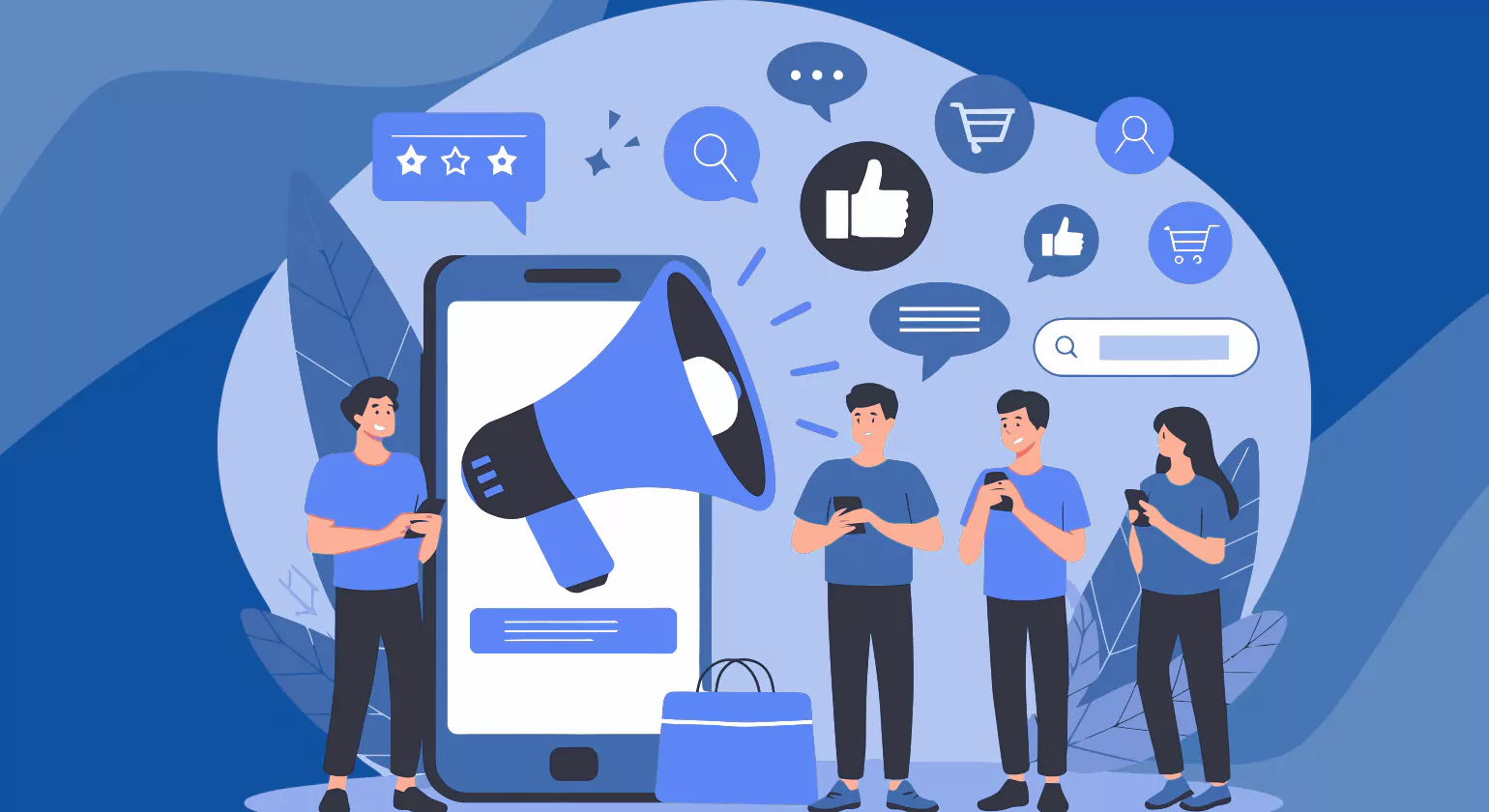
Automotive social media marketing is the use of platforms like Facebook, Instagram, YouTube, TikTok, and LinkedIn to promote vehicles, build brand awareness, and connect with potential car buyers. It helps dealerships and automotive brands reach people who are actively researching, comparing, or planning to purchase a vehicle.
Unlike traditional advertising, social media allows direct interaction with buyers. Customers can ask questions, watch real vehicle videos, read reviews, and even book test drives—all within the platform. This creates a faster and more informed buying journey.
From an SEO and AEO perspective, automotive social media marketing supports visibility across search engines and AI-driven results. When content answers common buyer questions clearly—such as pricing, features, and comparisons—it increases the chances of appearing in voice search and AI summaries.
How It Influences the Car Buying Journey
Social media plays a role at every stage of the buying process:
- Awareness: Users discover new models and brands through ads and videos
- Consideration: They compare features, watch reviews, and explore options
- Decision: They engage with dealerships, check availability, and book visits
This makes it a powerful tool not just for visibility, but for actual sales.
Automotive Social Media Marketing Trends Shaping 2026
The automotive industry is rapidly evolving, and social media trends are shaping how brands connect with buyers. Staying updated with these trends helps businesses remain competitive and visible in search and AI-driven platforms.
Rise of Social Commerce in Automotive – Buyers are now exploring and even initiating purchases directly through social media platforms. Features like in-app messaging, product catalogs, and lead forms make the process faster and more convenient. This reduces the gap between discovery and action, helping dealerships generate more qualified leads.
AI-Driven Personalization in Campaigns – Artificial intelligence is improving how ads are shown to users. Platforms can now identify people who are likely to buy a car within a short period and display relevant vehicles to them. This improves ad performance and ensures that marketing budgets are used efficiently.
Virtual Experiences and Digital Showrooms – Virtual tours and interactive content are becoming more common. Buyers can explore vehicle interiors, compare models, and even visualize cars in their own space. This is especially useful for users who prefer online research before visiting a dealership.
Growth of Short-Form Video Content – Short videos on platforms like Instagram Reels and TikTok are gaining high engagement. These videos quickly highlight key features, offers, or customer experiences. They are also more likely to appear in voice search results and AI-generated summaries due to their concise and clear format.
Building Brand Trust Through Automotive Social Content
Trust is one of the most important factors in automotive marketing. Buyers want to feel confident before making a high-value purchase. Social media helps build that trust through consistent and transparent content.
Importance of Authentic and Transparent Content – Customers prefer real content over polished advertisements. Showing actual vehicles, real pricing details, and honest reviews creates credibility. Avoid overly promotional language. Instead, focus on helpful information that answers buyer concerns.
Leveraging Customer Reviews and Testimonials – Positive customer experiences influence new buyers. Sharing testimonials, delivery moments, and feedback videos adds authenticity. User-generated content also helps potential customers relate to real experiences rather than marketing messages.
Showcasing Dealership Culture and Team – Introducing your team, sharing daily activities, and highlighting community involvement makes your brand more human. When customers see the people behind the business, it builds familiarity and comfort.
Consistency in Messaging and Engagement – Regular posting and timely responses show that your brand is active and reliable. Answering queries quickly and clearly improves customer satisfaction. Consistency also helps search engines and AI systems recognize your content as trustworthy and relevant.
Creative Content Ideas to Drive Automotive Audience Engagement
Engaging content keeps your audience interested and encourages interaction. It also improves your chances of ranking higher in search results and appearing in AI-generated answers.
“Car of the Week” Showcases
Highlight one vehicle each week with detailed visuals and simple explanations of features, pricing, and benefits.
This helps users quickly understand what makes the vehicle a good choice.
Educational Content for Buyers
Create content that answers common questions such as:
- How to choose the right car
- Tips for financing
- Maintenance advice
This type of content performs well in voice search because it directly addresses user queries.
Interactive Content Like Polls and Q&A – Use polls, quizzes, and question stickers to engage users. Ask about their preferences, budget range, or favorite features. This not only increases engagement but also provides insights into customer interests.
Video Testimonials and Delivery Stories – Capture real moments when customers receive their vehicles. Share their feedback and experience in short videos. These stories create emotional connections and influence buying decisions.
Behind-the-Scenes and Daily Updates – Show what happens at the dealership—new arrivals, service processes, or team activities. This builds transparency and keeps your audience connected.
User-generated content also plays a crucial role in social media automotive marketing. Encouraging customers to share their experiences with the brand—whether through photos, videos, or reviews—helps to build trust and authenticity. Automotive businesses can further engage their audience by running hashtag campaigns, challenges, or encouraging customers to showcase their cars in real-world settings, enhancing both the community feel and brand loyalty. Integrating user-generated content into social media advertising can also amplify reach and credibility, making campaigns more relatable and impactful.
12 Best Automotive Social Media Marketing Strategies

Automotive social media marketing in 2026 is no longer just about posting images—it’s about creating helpful, engaging, and search-friendly content that answers real buyer questions. The strategies below are designed to improve visibility in search engines, voice search, and AI-generated results while driving real customer engagement.
1. Use Short-Form Video and Live Streaming
Short videos are now one of the most effective ways to capture attention. Use quick clips to show vehicle features, test drives, and comparisons. Live sessions can be used for launches, walkarounds, or answering buyer questions in real time.
Focus on simple, clear explanations like “Top features of this SUV” or “Is this car good for city driving?”—this improves voice search visibility.
2. Focus on Hyper-Local Content and Targeting
Create content that speaks directly to your local audience. Share driving tips based on local conditions, promote nearby events, and highlight offers for people within a specific area.
Geo-targeted campaigns help attract buyers who are more likely to visit your showroom, improving lead quality.
3. Leverage User-Generated Content (UGC) and Social Proof
Encourage customers to share photos and videos with their new vehicles. Reposting this content builds trust and shows real experiences.
You can also ask customers to share short video feedback within a few days of purchase. This creates authentic content that influences new buyers.
4. Apply Platform-Specific Content Strategies
Each platform serves a different purpose:
- Facebook for local offers and community engagement
- Instagram and TikTok for visual storytelling and short videos
- YouTube for detailed reviews and comparisons
Tailoring content for each platform improves performance and reach.
5. Build Niche Automotive Communities
Create groups or communities for specific interests such as electric vehicles, family cars, or off-road driving.
These communities encourage discussions, increase engagement, and position your brand as a trusted source of information.
6. Share Behind-the-Scenes and Team Content
Show daily dealership activities, introduce your team, and share how vehicles are prepared for delivery.
This type of content builds transparency and helps customers feel more connected to your brand.
7. Create Educational and Interactive Content
Post simple, helpful content that answers common questions:
- How to choose the right car
- Financing options explained
- Maintenance tips
Use polls, quizzes, and Q&A formats to increase interaction and gather insights about your audience.
8. Educate with “How-To” Content
Posting maintenance tips, car-care advice, and how-to guides engages your audience and establishes your brand as a knowledgeable source. This type of content serves customers beyond the initial sale, enhancing brand loyalty and encouraging repeat business.
9. Host Live Q&A Sessions
Live Q&A sessions allow you to interact directly with followers, answer questions, and discuss car features in real time. These sessions can address common queries and provide insights that help convert hesitant followers into potential buyers.
10. Use Geo-Targeted Campaigns for Local Engagement
Geo-targeted ads and posts are effective for reaching local customers. Promoting regional sales, dealership events, or service offers can draw nearby customers into your showroom. This localized approach ensures that your campaigns reach the right audience at the right time.
11. Run Paid Social Media Ads with Smart Targeting
Use advanced targeting to reach people who are actively looking to buy a car. Dynamic ads can show users the exact vehicles they viewed earlier, increasing the chances of conversion. Keep ad content clear and focused on benefits, pricing, and availability.
12. Optimize Content for AEO (Answer Engine Optimization)
Create content that directly answers specific questions people ask, such as:
- “Which car is best for long drives?”
- “Best SUV under budget in [city]”
Use simple language, clear headings, and structured answers. This increases your chances of appearing in AI overviews and voice search results.
Why is Automotive Social Media Marketing Important?

1. Brand Awareness
In the realm of automotive social media management, social media platforms serve as invaluable tools for showcasing a company’s brand identity, values, and unique selling points to a wide audience. By actively engaging with potential customers, responding to inquiries, and sharing compelling content, automotive companies can not only increase brand visibility and recognition but also humanize their brand and establish emotional connections with their audience.
2. Customer Engagement
In addition to fostering a sense of community and loyalty, social media also serves as a powerful platform for automotive search marketing. Brands can leverage targeted advertising and keyword optimization to ensure their products and services appear prominently in search results. By engaging with consumers through comments, messages, and interactive content, automotive companies can not only build brand awareness but also drive traffic to their websites and increase conversions. This direct line of communication allows brands to understand consumer preferences and tailor their marketing strategies accordingly, ultimately leading to greater customer satisfaction and brand loyalty.
3. Product Promotion
Social media platforms offer effective channels for promoting new vehicles, features, and promotions. Through targeted advertising and content marketing, automotive companies can reach specific demographics and generate interest in their products.
4. Feedback and Insights
Social media platforms provide valuable feedback from customers regarding their experiences with vehicles, customer service, and brand perceptions. This feedback can inform product development, marketing strategies, and customer service improvements.
5. Influencer Partnerships
Collaborating with automotive influencers and enthusiasts on social media can amplify brand reach and credibility. Influencers can create authentic content, share their experiences with vehicles, and influence their followers’ purchasing decisions.
6. Competitive Advantage
In the competitive automotive industry, a strong social media presence can differentiate brands from competitors. Companies that actively engage with consumers and offer valuable content are more likely to stand out and attract potential customers.
7. Customer Support
Social media platforms serve as channels for providing customer support and addressing inquiries, complaints, and issues in real-time. Prompt and helpful responses can enhance customer satisfaction and loyalty.
10 Top Benefits of Automotive Social Media Marketing

Social media marketing has transformed the automotive industry, allowing brands to reach more customers, engage with potential buyers, and build loyalty. Here are the top benefits of automotive social media that can drive growth and customer engagement.
1. Enhanced Brand Visibility
Social media platforms provide automotive brands with a powerful tool to increase their visibility among potential customers. Regular posts, ads, and interactive content can help brands reach a wider audience and showcase their vehicles, technology, and services to millions of people.
2. Direct Customer Engagement
Social media allows brands to engage directly with customers, offering a space to answer questions, provide information, and receive feedback. This direct communication builds trust and can positively influence purchasing decisions. It also helps brands address customer concerns and strengthen relationships.
3. Increased Website Traffic
Social media posts and ads often link back to an automotive brand’s website, driving more traffic to their site. This additional traffic increases the chances of potential customers browsing inventory, booking test drives, or even making a purchase online.
4. Targeted Advertising Opportunities
Platforms like Facebook, Instagram, and LinkedIn allow automotive brands to target specific audiences based on demographics, interests, location, and behaviors. This targeted approach ensures that marketing efforts reach the right audience, increasing the likelihood of attracting interested customers.
5. Showcase Vehicle Features and Updates
Social media is a great way to highlight new models, upgrades, and unique features. Automotive brands can create visually engaging content that showcases their vehicles’ best attributes, such as fuel efficiency, safety features, or tech advancements, enticing potential buyers to consider their brand.
6. Improved Customer Loyalty and Retention
Consistent and positive interactions on social media help cultivate a loyal customer base. By sharing relevant content, responding to inquiries, and engaging with followers, automotive social media marketing helps brands foster long-term loyalty, making customers more likely to return for future purchases or recommend the brand to others.
7. Influencer Partnerships
Collaborating with influencers, especially those in the automotive niche, can significantly expand a brand’s reach. Influencers offer access to their dedicated followers and bring credibility, as followers often trust recommendations from personalities they admire.
8. Increased Brand Credibility
Automotive Social media Content marketing enables brands to showcase customer testimonials, reviews, and success stories. This content builds credibility and encourages others to trust the brand. Positive customer experiences, highlighted on social media, can significantly influence prospective buyers’ decisions.
9. Real-Time Analytics and Insights
Social media platforms provide detailed analytics, allowing automotive brands to track the performance of their content and ads. These insights help brands understand what resonates with their audience, allowing them to refine their strategies and improve future campaigns.
10. Cost-Effective Marketing
Compared to traditional marketing methods, social media advertising is highly cost-effective. Automotive brands can create impactful campaigns that fit a range of budgets, and with analytics, they can optimize ads for the best return on investment, saving money while maximizing impact.
How has Social Media Changed the Automobile Industry?
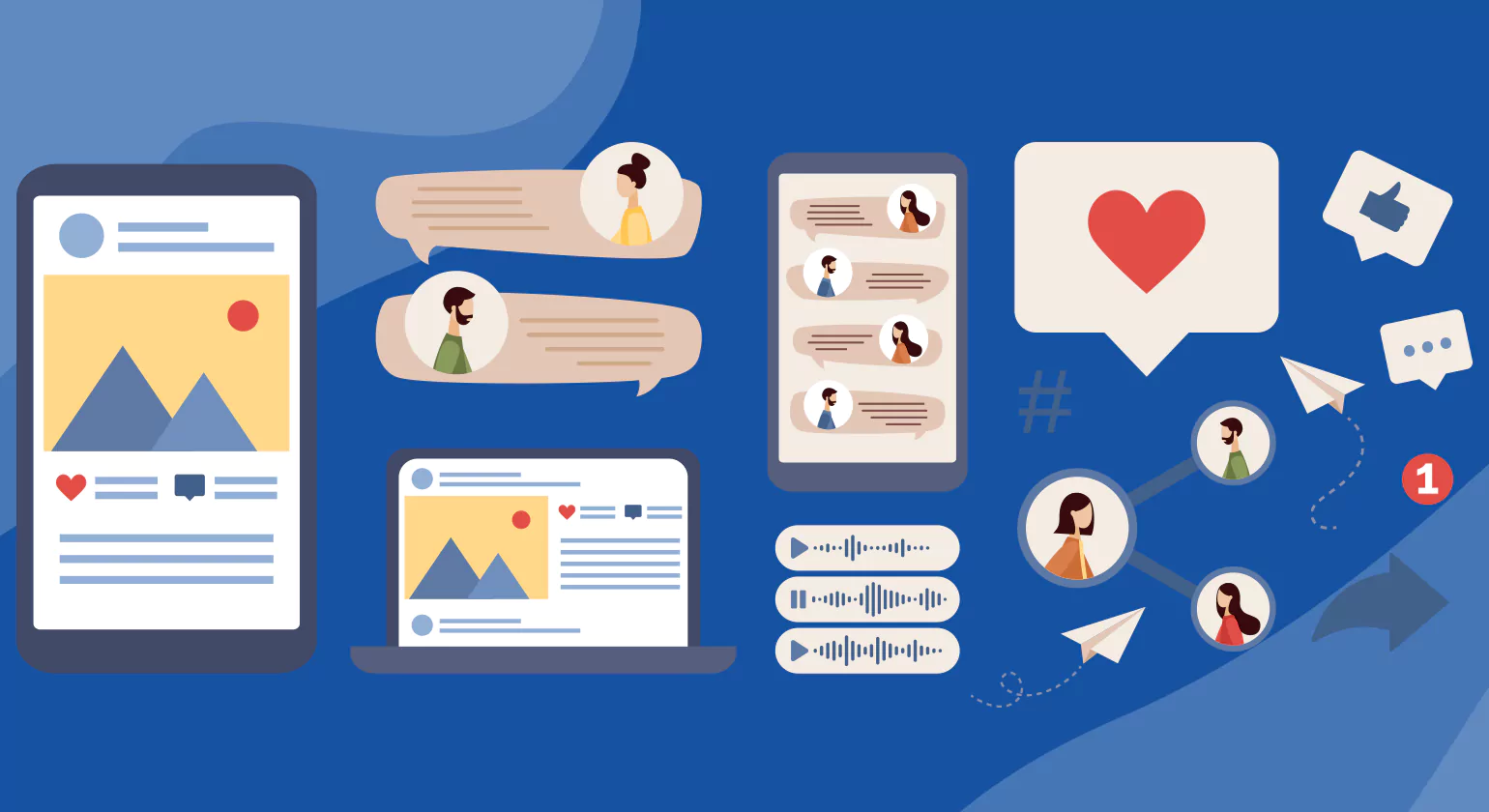
Social media has had a significant impact on the automobile industry in several ways:
Marketing and Advertising
Social media platforms provide car manufacturers and dealerships with powerful tools to reach their target audience. They can run targeted ad campaigns, engage with users through interactive content, and create viral automotive social media marketing campaigns to promote new models and services.
Customer Engagement
Social media has become an invaluable tool for automotive companies to engage with their customers in real-time. Through platforms like Facebook, Twitter, and Instagram, car manufacturers can directly interact with consumers, addressing their inquiries, concerns, and feedback promptly. This direct line of communication enables companies to gather valuable insights into customer preferences and pain points, ultimately informing product development and service enhancements. Automotive social marketing has revolutionized the way car companies connect with their audience, fostering a more dynamic and responsive relationship between brands and consumers.
Brand Building
Automobile manufacturers use social media to build and strengthen their brand image. By sharing engaging content, behind-the-scenes glimpses, and user-generated content, they can create a loyal community of followers who identify with their brand values.
Influencer Marketing
Influencers play a significant role in shaping consumer opinions, and many car manufacturers collaborate with influencers to promote their vehicles. These influencers create authentic content that resonates with their followers, potentially driving sales and brand awareness.
Product Launches and Teasers
In the domain of automotive social media management, social media platforms provide a crucial platform for car companies to launch new products and tease upcoming models. By generating excitement and anticipation through teaser campaigns and sneak peeks, they can create buzz around their latest offerings.
Customer Support and Service
Social media is used as a customer service channel by many automobile companies. Customers can reach out for assistance with product inquiries, technical support, and issue resolution, creating a seamless and convenient experience.
Market Research and Insights
Social media platforms offer valuable insights into consumer preferences, trends, and sentiments. Car companies can analyze conversations and feedback on social media to gather market intelligence and tailor their products and marketing strategies accordingly.
Automotive Social Media Platforms that Drive Results

When it comes to automotive social media platforms that can drive results, there are several key players worth considering:
1. Instagram
Instagram’s visually-driven format provides a dynamic platform for automotive search marketing. It offers an ideal space for showcasing cars, sharing captivating behind-the-scenes content, and fostering engagement with enthusiasts through strategic use of hashtags and stories. Additionally, influencer partnerships play a pivotal role in amplifying reach and engagement within automotive social media marketing on Instagram.
2. YouTube
YouTube’s dominance in video content makes it an essential platform for automotive brands in their social media marketing strategy. Here, companies can showcase detailed product features, offer virtual test drives, and provide maintenance tutorials to engage and educate their audience. By crafting compelling and informative videos, automotive brands can cultivate a dedicated subscriber base, strengthening their online presence and fostering deeper connections with potential customers. Leveraging YouTube effectively is crucial for maximizing the reach and impact of automotive social media efforts. rem ipsum dolor sit amet, consectetur adipiscing elit. Ut elit tellus, luctus nec ullamcorper mattis, pulvinar dapibus leo.
3. Facebook
Despite changes to its algorithm, Facebook remains a powerful platform for automotive marketing, offering targeted advertising options and community-building through pages and groups. Live streaming events, car reveals, and Q&A sessions can help boost engagement.
4. Twitter
Twitter is a valuable platform for real-time updates, industry news, and engaging in conversations with enthusiasts, influencers, and customers. Participating in relevant hashtags and Twitter chats can increase visibility and brand awareness.
5. LinkedIn
For B2B automotive brands, LinkedIn offers a platform to establish thought leadership, share industry insights, and connect with professionals in the automotive sector. Publishing articles, participating in groups, and leveraging LinkedIn ads can drive results in terms of networking and lead generation.
6. TikTok
While primarily known for its younger audience, TikTok is gaining traction in the automotive industry, with opportunities for creative and viral content that can appeal to a broad demographic. Brands can showcase their vehicles in unique ways and collaborate with influencers to reach new audiences.
7. Reddit
In addition to collaborating with influencers, Reddit offers a unique opportunity for brands in the digital marketing automotive space to authentically engage with enthusiasts across various automotive communities, or subreddits. These communities serve as hubs where enthusiasts discuss everything from car modifications to industry news, creating a fertile ground for meaningful interactions.
8. Snapchat
Although Snapchat’s user base skews younger, it offers opportunities for automotive brands to create engaging content through lenses, geofilters, and behind-the-scenes glimpses. Brands can leverage Snapchat to showcase limited-time offers, events, and exclusive content to drive engagement and brand loyalty.
How to Build Trust with Prospective and Current Customers (2026)

Trust is the foundation of strong customer relationships. In 2025, transparency, empathy, and consistent performance matter more than ever. Here’s how automotive social media marketing can help build trust with both prospective and current customers effectively.
- Provide Excellent Customer Service – Deliver fast, helpful, and personalized support. Train staff to listen actively and go beyond solving issues to create positive experiences that show customers they’re valued.
- Be Authentic and Transparent – Be upfront about pricing, policies, and product limitations. Clear, honest communication prevents misunderstandings and strengthens credibility.
- Use Social Proof – Showcase customer reviews, testimonials, and case studies across your website and social channels. Seeing others’ positive experiences builds confidence in your brand.
- Foster Genuine Relationships – Listen to customers, respond with empathy, and personalize interactions. Treat every customer as an individual, not a transaction.
Actions for Prospective Customers
- Showcase expertise: Share insights, blogs, or videos that highlight your knowledge and reliability.
- Focus on solutions: Address customer pain points instead of pushing sales.
- Share valuable content: Offer free, useful resources to build credibility.
- Stay responsive: Be easy to reach and quick to reply across all channels.
Actions for Current Customers
- Take ownership: Admit mistakes and fix them quickly — accountability builds long-term trust.
- Request feedback: Ask for customer opinions and act on them.
- Reward loyalty: Offer incentives or referral bonuses to show appreciation.
- Follow up: Check in after purchases or services to ensure satisfaction.
Various Content Formats and Ideas for Automotive Social Media

Here are various content formats and ideas for automotive social media marketing:
Behind-the-Scenes Videos
Showcasing the manufacturing process, design meetings, or even test drives can give followers a deeper look into your brand’s ethos.
Car Maintenance Tips
Share short videos or infographics offering quick tips on car maintenance, such as changing a tire, checking oil levels, using car covers or basic troubleshooting.
User-Generated Content
Encourage followers to share images or videos of their own cars using a specific hashtag. Reposting user content not only engages your audience but also builds a sense of community.
Car Reviews and Comparisons
Create in-depth reviews of new models or compare different cars in the same category, highlighting their features, performance, and pricing.
Interactive Polls and Quizzes
Engage your audience by posting polls or quizzes related to cars, such as “Which car color do you prefer?” or “Can you guess the horsepower of this engine?”
Virtual Tours
Take followers on virtual tours of your showroom or production facilities, giving them an immersive experience from the comfort of their homes.
Historical Content
Share interesting facts, milestones, or throwback photos related to your brand’s history in the automotive industry.
Car Care Challenges
Challenge followers to participate in car care challenges, such as cleaning their cars and sharing before-and-after photos, or organizing a DIY car detailing contest.
Live Q&A Sessions
Incorporating automotive social media management tactics includes hosting live Q&A sessions featuring experts from your team. These sessions offer followers the opportunity to engage directly with knowledgeable individuals about specific models, technology advancements, or current automotive trends. By facilitating these interactive sessions, brands can foster a sense of community, build trust, and provide valuable insights to their audience, enhancing engagement and brand loyalty on social media automotive platforms.
Interactive Stories
Use Instagram or Facebook Stories to create interactive content, such as polls, quizzes, or “Swipe Up” features to direct followers to specific products or articles.
Event Coverage
Share interesting facts, milestones, or throwback photos related to your brand’s history in the automotive industry.
Community Spotlights
In addition to seeking common ground with potential buyers, featuring stories or profiles of loyal customers, car enthusiasts, or local car clubs can be a powerful way to build rapport and trust in the digital marketing automotive realm. By highlighting their passion for automobiles and sharing their experiences with our brand, we humanize our company and demonstrate our commitment to fostering genuine connections with our community.
Virtual Test Drives
Offer virtual test drive experiences through interactive videos or 360-degree tours, allowing followers to explore the interior and features of your latest models. Automotive social media Content marketing to reach a wider audience and ensure that potential customers are aware of these engaging experiences.
DIY Tutorials
Share step-by-step tutorials for car-related DIY projects, such as installing new accessories, upgrading headlights, or customizing interiors.
Environmental Initiatives
Highlight your brand’s commitment to sustainability and environmental responsibility by sharing updates on electric or hybrid models, eco-friendly manufacturing processes, and recycling initiatives.
Automotive Social Media Marketing Campaigns in the Real World
Identifying Target Audience
Before launching a campaign, automakers conduct thorough research to identify their target demographic. This could include age, gender, location, interests, and buying behavior.
Content Creation
Once the target audience is identified, automakers create engaging content tailored to their interests and preferences. This could include car photoshoots, videos showcasing features, user-generated content, and behind-the-scenes glimpses of the manufacturing process.
Platform Selection
Different social media platforms cater to different demographics. For instance, Instagram might be ideal for visually appealing content, while Facebook allows for more detailed product information and community engagement. Automakers choose platforms that align with their target audience.
Engagement and Interaction
In automotive social media strategy, automakers leverage various platforms to not only broadcast messages but also actively engage with their audience. This engagement involves responding to comments, addressing queries, and actively participating in conversations related to their brand and industry. By fostering dialogue and building relationships with their audience, automakers can enhance brand loyalty and strengthen their online presence.
Influencer Collaborations
Integrating automotive social media management involves leveraging partnerships with influencers who hold sway within the automotive niche. These influencers can significantly extend the reach of automotive social media marketing campaigns by crafting sponsored content showcasing the brand’s vehicles or endorsing particular features.
User-Generated Content Campaigns
Encouraging users to create and share content featuring the brand’s vehicles can be highly effective. Automakers may launch contests or hashtags to incentivize user-generated content creation.
Paid Advertising
social media automotive platforms offer robust advertising options, allowing automakers to target specific demographics with sponsored posts, carousel ads, or video ads. These ads can appear in users’ feeds or stories, depending on the platform.
Tracking and Analytics
Throughout the campaign, automakers closely monitor key performance indicators (KPIs) such as engagement rate, reach, clicks, and conversions. Analyzing this data helps them refine their strategies and optimize future campaigns.
Community Building
In the realm of digital marketing automotive, building a robust online community around the brand is paramount for fostering loyalty and advocacy. Automakers can take proactive steps by creating dedicated groups or forums where enthusiasts can gather to connect, share experiences, and discuss the latest developments in the automotive industry. These communities serve as valuable hubs where like-minded individuals can come together to exchange ideas, seek advice, and build relationships based on their shared passion for automobiles.
Measuring ROI
Automakers assess the impact of the campaign on sales, brand perception, and customer satisfaction to determine its effectiveness. Automotive social media strategy involves leveraging platforms like Facebook, Instagram, Twitter, and YouTube to reach target audiences, engage with potential customers, and showcase products and services. Through compelling content, targeted advertising, and strategic engagement, automakers aim to not only increase sales but also enhance brand loyalty and foster positive relationships with customers.
Automotive Social Media Marketing: 5 Critical Trends
In 2025, the automotive industry continues to evolve in the digital space, with social media playing a central role in brand visibility, customer engagement, and sales conversion. Here are the five most critical trends shaping automotive social media \today.
1. AI-Driven Personalization
Artificial intelligence is transforming how car brands connect with customers.
- Personalized experiences: AI analyzes user behavior, preferences, and interactions to deliver tailored content and product recommendations.
- Targeted advertising: With advanced analytics, dealerships can reach specific demographics and in-market shoppers more efficiently — reducing ad spend while increasing conversion rates.
AI ensures that every ad or post feels relevant, personal, and timely.
2. The Dominance of Video Content
Video continues to lead in 2025 as the most engaging content format.
- Short-form video: Reels, TikToks, and YouTube Shorts help automotive brands capture attention and highlight vehicles dynamically.
- Immersive experiences: Use virtual tours, 360° walkarounds, and video demonstrations to let potential buyers explore vehicles from anywhere.
Visual storytelling drives engagement and helps customers connect emotionally with your brand.
3. Strategic Use of Influencer Marketing
Influencer partnerships are now a key strategy for building trust and authenticity.
- Authenticity and trust: Collaborating with auto enthusiasts or lifestyle creators gives your brand a credible voice and relatable presence.
- Diverse content: Influencers can showcase design, performance, and features in ways that appeal to niche audiences beyond traditional ads.
The right influencer bridges the gap between brand and consumer, turning awareness into action.
4. User-Generated Content and Community
The most successful automotive brands connect the digital journey with real-world experiences.
- Omnichannel consistency: Maintain a unified brand message across social media, websites, and dealerships.
- Bridge the gap: Use digital campaigns to drive showroom visits, test drives, or service bookings — creating a smooth path from online discovery to offline purchase.
A cohesive digital-to-dealership experience boosts customer satisfaction and sales.
5. Seamless Online-to-Offline Integration
The most successful automotive brands connect the digital journey with real-world experiences.
- Omnichannel consistency: Maintain a unified brand message across social media, websites, and dealerships.
- Bridge the gap: Use digital campaigns to drive showroom visits, test drives, or service bookings — creating a smooth path from online discovery to offline purchase.
A cohesive digital-to-dealership experience boosts customer satisfaction and sales.
Conclusion
In conclusion, Automotive Social Media Marketing plays a crucial role in reaching and engaging with potential buyers within the automotive industry. By implementing effective social media strategies, automotive brands can increase brand awareness, build relationships with customers, and drive sales. By staying informed about the latest trends and leveraging first-party data, automotive marketers can refine their strategies and stay ahead in an increasingly competitive market.
FAQs
1. What is automotive social media marketing?
Automotive social media marketing is the use of platforms like Facebook, Instagram, and Twitter by car dealerships, manufacturers, or service providers to promote vehicles, engage with customers, build brand awareness, and drive sales through targeted content and advertising.
2. Why is social media marketing important for the automotive industry?
Social media marketing allows automotive companies to connect directly with their target audience, build brand awareness, generate leads, and drive website traffic. It also provides a platform for showcasing new vehicles, sharing customer testimonials, and providing customer support.
3. Which social media platforms are best for automotive marketing?
The best social media platforms for automotive marketing depend on the target audience and marketing goals. However, platforms like Facebook, Instagram, and YouTube are popular choices due to their large user bases and visual nature, which is ideal for showcasing vehicles.
4. What is automotive content marketing and how does it help car brands grow online?
Automotive content marketing involves creating and sharing valuable content like blogs, videos, and social media posts to attract and engage car buyers. In 2025, it helps car brands grow online by boosting visibility, driving organic traffic, generating qualified leads, building loyalty, and supporting sales through informative, trust-building digital experiences.
5. How can automotive companies engage with their audience on social media?
Automotive companies can engage with their audience on social media by sharing behind-the-scenes content, responding to comments, running contests, posting polls, showcasing customer testimonials, and using interactive content like stories, reels, and live videos to spark real-time engagement.
6. What is the best social media for the automotive industry?
The best social media platforms for the automotive industry are Instagram, Facebook, and YouTube. These platforms allow for engaging visuals, videos, and advertising, making them ideal for showcasing vehicles, running promotions, and connecting with potential buyers.
7.How can social media marketing for automotive businesses increase customer engagement?
Social media marketing for automotive businesses boosts customer engagement by creating interactive content like polls, contests, and videos, sharing real customer stories, and encouraging user-generated content. In 2025, it builds trust through transparency, personalized communication, and social proof while fostering community loyalty and providing insights to refine future marketing strategies.
8. What are the best marketing strategies for automotive industry growth in 2026?
The best marketing strategies for automotive industry growth in 2026 include leveraging AI-driven personalization, omnichannel engagement, and video marketing. Brands should focus on local SEO, influencer collaborations, and social media community building. Personalized offers, strong customer reviews, and loyalty programs further boost trust, retention, and overall sales performance.
9.How is social media marketing automotive industry evolving with new digital trends?
Social media marketing automotive industry trends in 2025 focus on personalization, AI chatbots, and immersive content like virtual showrooms and short-form videos. Brands use influencer collaborations and user-generated content to build trust, while promoting EVs and sustainability. These strategies create authentic engagement, enhance customer experiences, and drive stronger online-to-offline conversions.
10.What makes automotive social media campaigns effective for brand awareness and sales?
Automotive social media campaigns in 2026 are effective by combining engaging visual content, interactive posts, and user-generated stories to build trust. Targeted ads and influencer partnerships reach the right audience, while real-time engagement, exclusive offers, and responsive customer service foster loyalty, increase brand awareness, and drive both online and in-dealership sales.