Table of Contents
Introduction
In today’s fast-paced digital world, ensuring the legitimacy of your business is crucial for building trust and credibility. Business verification services play a vital role in this process, offering a range of benefits that help protect your reputation, streamline operations, and foster customer confidence. By verifying business details and credentials, including business identity verification, these services provide a solid foundation for secure verification services and transparent transactions, paving the way for growth and success in a competitive marketplace.
What Is Business Verification Services?

Business verification services confirm the legitimacy and accuracy of information provided by a business entity, such as its legal name, address, ownership structure, registration status, and financial standing. These services ensure compliance with regulatory requirements, mitigate the risk of fraud and identity theft, and build trust and credibility with customers, partners, and stakeholders.
Methods of Verification may vary depending on the context and requirements, but commonly include conducting background checks, reviewing official documents and records, and cross-referencing information with trusted sources such as government databases, financial institutions, and industry regulators. By verifying the authenticity of business information, organizations can make more informed decisions, establish stronger relationships, and protect themselves against potential risks and liabilities.
Importance Of Business Verification Services

Business verification services play a crucial role in today’s business landscape by providing a means to authenticate and validate the legitimacy of entities and their operations. In an era marked by increasing concerns about fraud, identity theft, and regulatory compliance, verifying the credentials of businesses has become essential for maintaining trust and security in commercial transactions.
These services help organizations mitigate various risks associated with engaging with unknown entities, such as financial fraud, money laundering, and reputational damage. By ensuring that businesses are properly registered, licensed, and compliant with relevant regulations, verification services help safeguard against potential legal and financial liabilities.
Moreover, b/s verification services contribute to fostering a transparent and trustworthy business environment, which is vital for building strong relationships with customers, suppliers, investors, and other stakeholders. By providing assurance about the authenticity and integrity of business entities through business identity verification, these services facilitate smoother transactions, enable informed decision-making, and ultimately support the growth and sustainability of businesses in today’s competitive marketplace.
How Business Verification Works
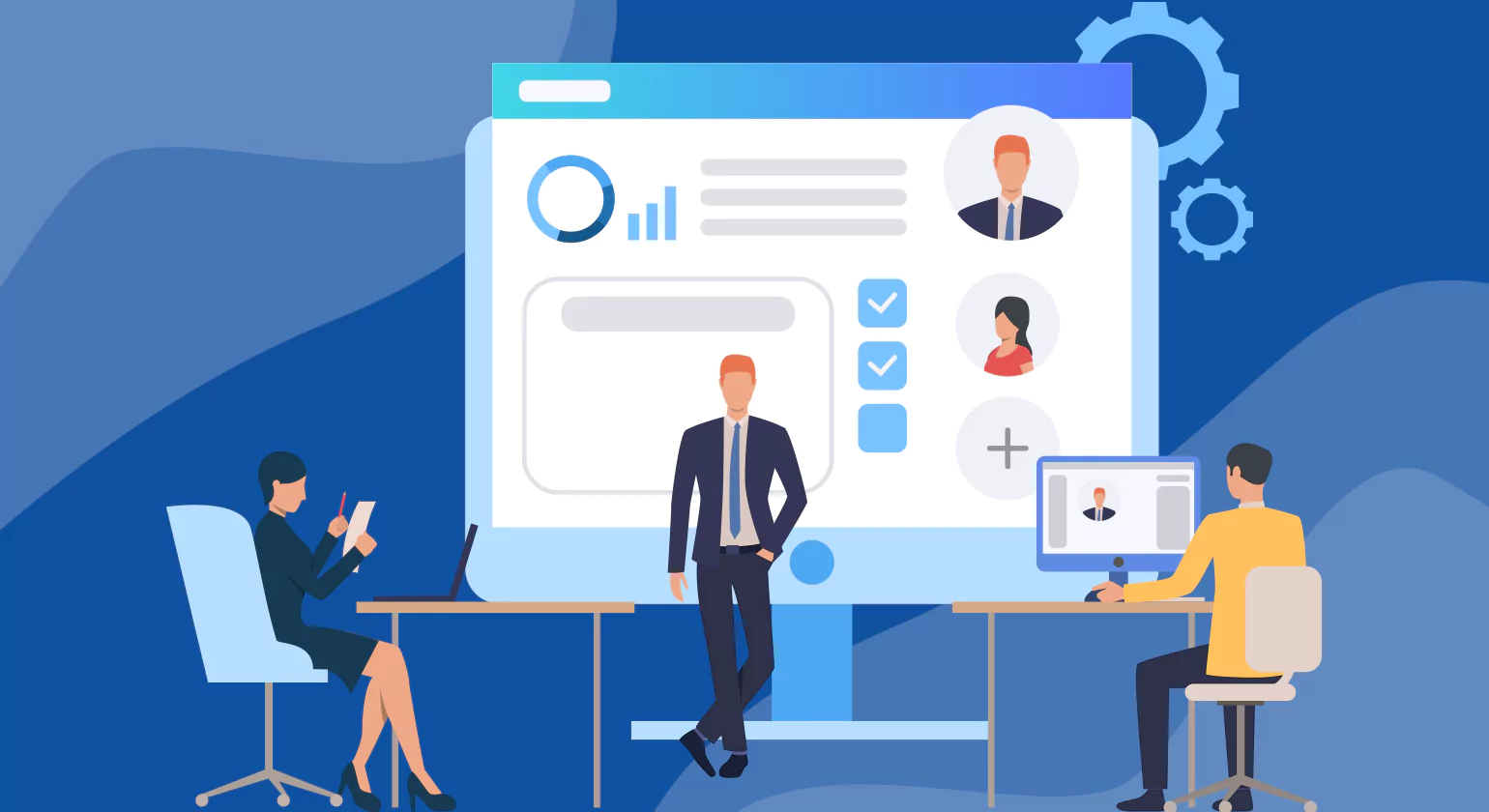
Business verification Services is a crucial process that ensures the legitimacy and authenticity of a company’s identity and operations. It involves confirming various aspects of a business, such as its legal status, ownership, and financial standing. Here’s how business verification typically works:
Legal Documentation Review
The verification process often begins with a review of the company’s legal documents, including its registration certificate, articles of incorporation, and business licenses. These documents help establish the company’s legal existence and ownership structure.
Identification of Key Stakeholders
Verifying the identity of key stakeholders, such as company directors, shareholders, and executives, is essential for ensuring transparency and accountability within the organization. This may involve reviewing personal identification documents, such as passports or driver’s licenses, and conducting background checks if necessary.
Financial Verification
Assessing the financial health and stability of a business is another critical aspect of Business Verification services. This may include reviewing financial statements, bank statements, tax returns, and credit reports to ensure that the company is financially sound and capable of fulfilling its obligations.
Physical Verification (Optional)
In some cases, verification services businesses may undergo physical verification, where a representative from the verifying entity visits the company’s premises to confirm its physical location, infrastructure, and operational activities. This step provides additional assurance regarding the company’s existence and operations.
Verification Platforms and Services
Many organizations utilize specialized verification platforms and services to streamline the verification process. These platforms may leverage advanced technologies such as artificial intelligence and machine learning to analyze data and detect any inconsistencies or discrepancies.
Compliance Verification
Ensuring compliance with relevant laws, regulations, and industry standards is essential for businesses operating in various sectors. Verification processes often include checks to confirm compliance with anti-money laundering (AML), know your customer (KYC), and other regulatory requirements.
Ongoing Monitoring
Business verification Services is not a one-time process but rather an ongoing effort to maintain transparency and integrity. Companies may implement systems for continuous monitoring and updates to ensure that verified information remains accurate and up to date.
Organizations That Require Business Verification

Several types of organizations across various industries require business verification to ensure compliance, transparency, and security. Here are some examples:
Financial Institutions
Banks, credit unions, and other financial institutions verify the identities and financial statuses of businesses to comply with regulatory requirements such as anti-money laundering (AML) and know-your-customer (KYC) regulations.
E-commerce Platforms
Additionally, outsource offers Business Verification services startups cost efficiencies and resource optimization. By outsourcing non-core functions such as administrative tasks, IT support, or accounting, startups can reduce overhead expenses associated with hiring and maintaining a full-time workforce. This cost-saving measure allows startups to allocate resources more strategically towards core activities such as product development, marketing, and expansion efforts.
Government Agencies
Government agencies security verification services to confirm their eligibility for licenses, permits, contracts, and government assistance programs. This verification helps maintain transparency and accountability in government operations.
Suppliers and Manufacturers
Suppliers and manufacturers verify the identities and capabilities of their business partners to ensure quality, reliability, and compliance with contractual agreements. This Business verification Service is crucial for building trust and maintaining long-term partnerships.
Healthcare Providers
Healthcare organizations verify the credentials and certifications of businesses such as medical device manufacturers, pharmaceutical companies, and healthcare service providers to ensure patient safety and regulatory compliance.
Real Estate and Property Management
Real estate agencies and property management companies verify the identities and financial statuses of businesses seeking to lease or purchase commercial properties to minimize risks and ensure legal compliance.
10 Benefits Of Business Verification Services

Business verification services offer numerous benefits to organizations across various industries, helping them mitigate risks, ensure compliance, and build trust with stakeholders. Through business identity verification, these services enhance confidence in business relationships by confirming legitimacy and reducing the risk of fraud or misrepresentation. Here are some key advantages:
1. Risk Mitigation
Business verification solutions help organizations identify and mitigate potential risks associated with fraud, money laundering, identity theft, and other fraudulent activities. By verifying the identities, ownership structures, and financial statuses of businesses, organizations can minimize the likelihood of engaging with unreliable or malicious entities.
2. Compliance Assurance
Many industries are subject to regulatory requirements such as anti-money laundering (AML), know-your-customer (KYC), and due diligence regulations. Business verification services help organizations comply with these regulations by verifying the identities of individuals and businesses and ensuring they meet legal requirements.
3. Enhanced Security
Business verification services help organizations mitigate risks by ensuring that they are dealing with legitimate and trustworthy entities. By verifying the identities of business partners, suppliers, and customers, organizations can minimize the potential for fraud, scams, and identity theft.
4. Improved Customer Trust
Demonstrating a commitment to verifying the identities of customers and safeguarding their information can enhance trust and confidence in a business. Customers are more likely to engage with organizations that prioritize security and transparency, leading to stronger relationships and increased loyalty.
5. Streamlined Onboarding Processes
B/s verification services streamline the onboarding process for new customers, suppliers, and partners by automating the verification process and reducing the need for manual checks. This results in faster onboarding times, improved efficiency, and a better overall experience for all parties involved.
6. Fraud Prevention
Fraudulent activities such as identity theft, financial fraud, and counterfeit goods pose significant risks to businesses. Business verification solutions or services help detect and prevent fraud by verifying the identities and credentials of individuals and businesses, flagging suspicious activities, and implementing fraud prevention measures.
7. Better Decision Making
Access to accurate and up-to-date information about business partners, suppliers, and customers enables organizations to make informed decisions. B/s verification services provide valuable insights into the financial stability, reputation, and compliance status of entities, empowering organizations to make better-informed decisions.
8. Reduced Operational Costs
By automating and streamlining the verification process, organizations can reduce the time and resources spent on manual checks and paperwork. This leads to cost savings, increased operational efficiency, and a more agile and competitive business environment.
9. Protection of Intellectual Property
Businesses invest significant resources in developing intellectual property, such as patents, trademarks, and trade secrets. B/s verification services help protect intellectual property by verifying the identities of partners and suppliers and implementing measures to safeguard sensitive information.
10. Business Growth and Expansion
By establishing trust and credibility with stakeholders, complying with regulations, and mitigating risks, organizations create a solid foundation for growth and expansion. Business verification services support business growth by facilitating secure verification services transactions, fostering collaboration, and enabling strategic partnerships.
Business Verification is Simply Ethical
Business verification Services are more than just a regulatory requirement; they embody ethical principles fundamental to business conduct. At its core, business verification ensures transparency, honesty, and integrity in all commercial transactions. By verifying the identities and credentials of stakeholders, organizations uphold ethical standards and demonstrate a commitment to fairness and accountability.
Moreover, the verification services business fosters trust and mutual respect among the parties involved. It assures customers, investors, and partners that they are engaging with reputable and trustworthy entities. Ethical business identity verification practices not only protect against fraud and misconduct but also promote a culture of honesty and reliability within the business ecosystem. Ultimately, business verification is not merely a legal obligation but a moral imperative, reflecting the values of integrity and responsibility that underpin ethical business practices.
How Caller ID Reputation Verifies Businesses
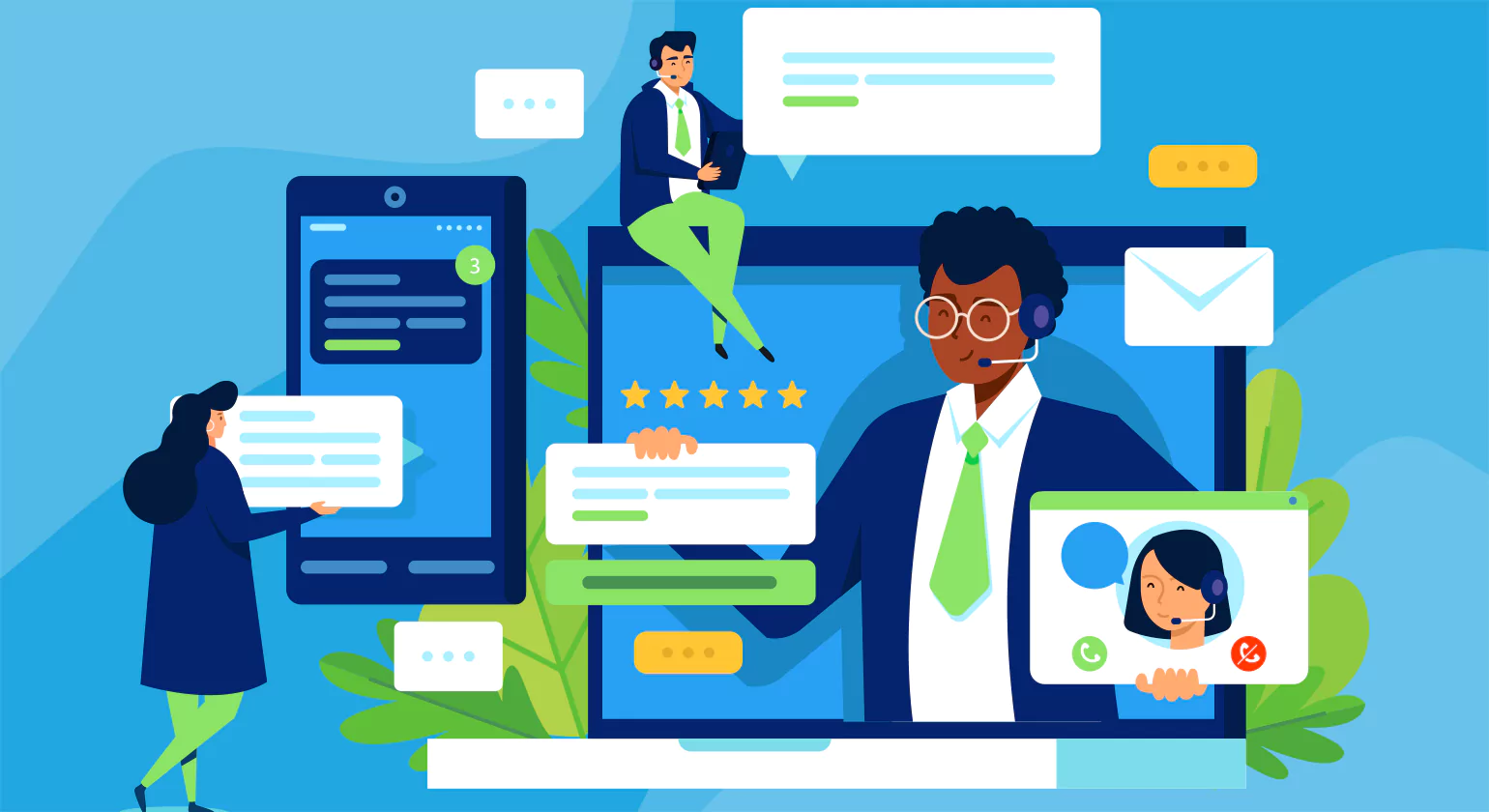
Caller ID reputation is a valuable tool for Business Verification services, particularly in the context of telephone communications. By analyzing the history and behavior associated with a specific phone number, caller ID reputation services assess the legitimacy and trustworthiness of incoming calls. These services compile data on call frequency, patterns, and user feedback to generate a reputation score, which helps users identify potential scams, spam, or fraudulent activity.
For businesses, maintaining a positive caller ID reputation is essential for building trust and credibility with customers. A reputable caller ID enhances the likelihood that recipients will answer calls from the business, increasing the effectiveness of communication and engagement efforts. By proactively monitoring and managing their caller ID reputation, businesses can ensure that their communications are perceived as legitimate and trustworthy, fostering positive relationships with customers and stakeholders.
How To Verify A Business Properly For KYB Compliance

To verify a business properly for Know Your Business (KYB) compliance, companies should follow a systematic approach that encompasses thorough due diligence and documentation. Here are key steps:
Collect Required Documentation
Obtain relevant legal documents, such as business registration certificates, articles of incorporation, and licenses, to verify the business’s legal status and ownership structure. Additionally, review tax identification numbers, regulatory filings, and shareholder agreements to ensure compliance with local laws and provide a clear view of the company’s legal and operational legitimacy.
Verify Identity of Key Stakeholders
Confirm the identities of key individuals associated with the business, such as directors, shareholders, and beneficial owners, through government-issued identification documents and other identity verification measures. This process ensures transparency, reduces the risk of fraud, supports regulatory compliance, and helps build trust among stakeholders, financial institutions, and regulatory bodies.
Assess Business Activities
Understanding the nature of Business Verification services activities involves analyzing their core offerings, such as identity verification, document authentication, and compliance screening. Assessing the target market—whether it’s financial institutions, e-commerce, or global enterprises—and geographic scope helps determine exposure to regulatory, reputational, and operational risks in a potential business relationship.
Conduct Background Checks
Perform background checks on the business and its key stakeholders to identify any criminal history, sanctions, or adverse media that may pose reputational or regulatory risks. These checks provide a comprehensive view of the entity’s legal standing and integrity, helping organizations avoid high-risk associations and maintain compliance with global standards.
Evaluate Financial Standing
Perform background checks on the business and its key stakeholders to identify any criminal history, sanctions, or adverse media that may pose reputational or regulatory risks. This includes reviewing global watchlists, litigation records, financial misconduct, and news coverage to ensure the business maintains ethical standards and complies with relevant regulations.
Document Verification Process
Maintain detailed records of the verification process, including documentation reviewed, verification methods used, and findings obtained, to demonstrate compliance with KYB regulations. These records should be securely stored, regularly updated, and readily accessible for audits or regulatory reviews. Proper documentation ensures transparency, supports due diligence, and protects against potential legal or financial liabilities.
5 Top Business Verification Tools To Use For KYB Compliance

For businesses seeking to Know Your Business (KYB) compliance, utilizing robust Business verification Services tools is essential. Here are four top business verification tools renowned for their effectiveness:
1. Thomson Reuters World-Check
Trusted by financial institutions worldwide, World-Check provides comprehensive risk intelligence solutions. It enables businesses to screen entities against global sanctions, politically exposed persons (PEPs), and adverse media to ensure compliance with regulatory requirements.
2. LexisNexis Risk Solutions
LexisNexis offers a suite of identity Business Verification services and due diligence solutions tailored for KYB compliance. Their vast database and advanced analytics help businesses verify business entities, assess risk, and enhance due diligence processes.
3. Dow Jones Risk & Compliance
Dow Jones provides access to extensive databases containing beneficial ownership information, sanctions lists, and adverse media coverage. Their risk management solutions enable businesses to identify and mitigate financial crime risks while meeting KYB compliance standards.
4. Trulioo GlobalGateway
Trulioo’s GlobalGateway platform offers real-time identity verification solutions for businesses operating globally. With access to over 500 data sources, including government registries and credit bureaus, Trulioo enables businesses to verify business entities and comply with KYB regulations efficiently.
5. Clearbit
Clearbit delivers real-time business intelligence through enriched company data, including firmographics, employee count, and domain verification. It’s especially useful for B2B platforms looking to automate onboarding while staying KYB compliant.
Conclusion
In conclusion, business verification services play a crucial role in mitigating risks, ensuring compliance, and maintaining trust in business transactions. By leveraging these services, organizations can verify the identities, credentials, and financial standings of their business partners, suppliers, and customers. This helps prevent fraud, enhance security, and foster transparency in the business ecosystem. With the increasing complexity of regulatory requirements and the growing threat of fraud and misconduct, business verification solutions are indispensable tools for safeguarding businesses and promoting integrity and trust in commercial dealings.
Additional Blog>>> Expert Financial Services Outsourcing Solutions 2025
Creative Digital Branding Services That Deliver Results
FAQs
1. What are business verification services?
Business verification authenticate the legitimacy of companies by validating their identity, ownership, and operational details. They ensure compliance with regulations and mitigate risks associated with fraud and money laundering.
2. How do I verify my business verification?
To Business Verification services, log into your Google My Business account, enter your business details, and request verification via postcard, phone, or email. Follow the instructions provided to complete the process.
3. How do you verify a business customer?
Verify a business customer by validating their registration documents, conducting background checks, confirming their legal status, and verifying their contact details and business operations.
4. What is a business verification document?
A business verification document is a record that validates the authenticity of a company’s registration, ownership, and operational information. Examples include business licenses, registration certificates, and articles of incorporation.
5. How do I verify a business on Google?
To verify a business on Google, claim your business listing on Google My Business verification service, follow the verification process by mail, phone, or email, and provide the required documentation to confirm your business’s identity and ownership.
6. What is business operation verification?
Business operation verification is the process of confirming that a business is legitimate and functioning as claimed. It involves reviewing documents, licenses, and operational practices to ensure compliance with regulations and industry standards.
7. Does Google charge to verify a business?
No, Google does not charge businesses to verify their listings on Google My Business verification service. Verification is free, and businesses can confirm their details through various methods like postcard, phone, email, or video verification.
8. What is the benefit of business verification?
Business verification enhances credibility, builds trust with customers, and ensures legitimacy. The business verification process also helps prevent fraud, enables access to certain services, and can improve relationships with partners, investors, and regulatory bodies through increased transparency.
9. How to verify a business?
To verify a business, check its registration details with government databases, confirm its contact information, review its online presence (website and social media), read customer reviews, and ensure compliance with local regulations and certifications.
10. Why business verification is important in customer service?
Business verification in customer service builds trust and security by preventing fraud, confirming identity, and ensuring accurate interactions. It protects both parties and enhances relationships, while customer verification services streamline and secure the process for efficiency and compliance.