Table of Contents
Key Takeaways
- SEO guide for event marketing: The strategy for increasing the visibility of events on search engines, which helps drive more traffic and increase event ticket sales without the need for paid ads.
- Conducting keyword research helps you target the right keywords for event marketing, which are more aligned with the goals of event marketing SEO.
- Optimizing event pages and adding meta tags and event page structures helps improve event marketing SEO.
- Using event schema helps increase visibility for events on search features such as rich snippets and event listings.
- Local SEO for events helps increase visibility for city-based events.
- Technical SEO, backlinks, content marketing, and analytics refine performance and scale SEO for events.
Why Visibility Is the Real Challenge in Event Marketing
You’ve put your heart and soul into planning an amazing event. The speakers are top-notch, the venue is booked, and the experience is going to be life-changing. But as you look at your registration numbers, they just aren’t moving. And in this digital age, social media hype is a flash in the pan, and paid advertising is becoming more and more pricey. To really succeed, you’ve got to be where your audience is looking, even when they’re not staring at their screens: at the search bar.
This is where a definitive seo guide for event marketing becomes your secret weapon. Organic search isn’t just a technical “to-do” list; it’s a bridge between your stage and the people who need to be in the audience. When you optimize your event for Google, you aren’t just chasing rankings. You’re building a sustainable engine that drives ticket sales while you sleep.
This guide is designed to move your event from a hidden gem to a front-page authority. As a consultant who has seen countless organizers struggle with stagnant ticket sales, I can tell you that the difference often lies in how you handle search engines. Let’s walk through the exact steps to ensure your event isn’t just a great experience, but a visible one.
What Is Event SEO and Why It Matters for Event Marketing
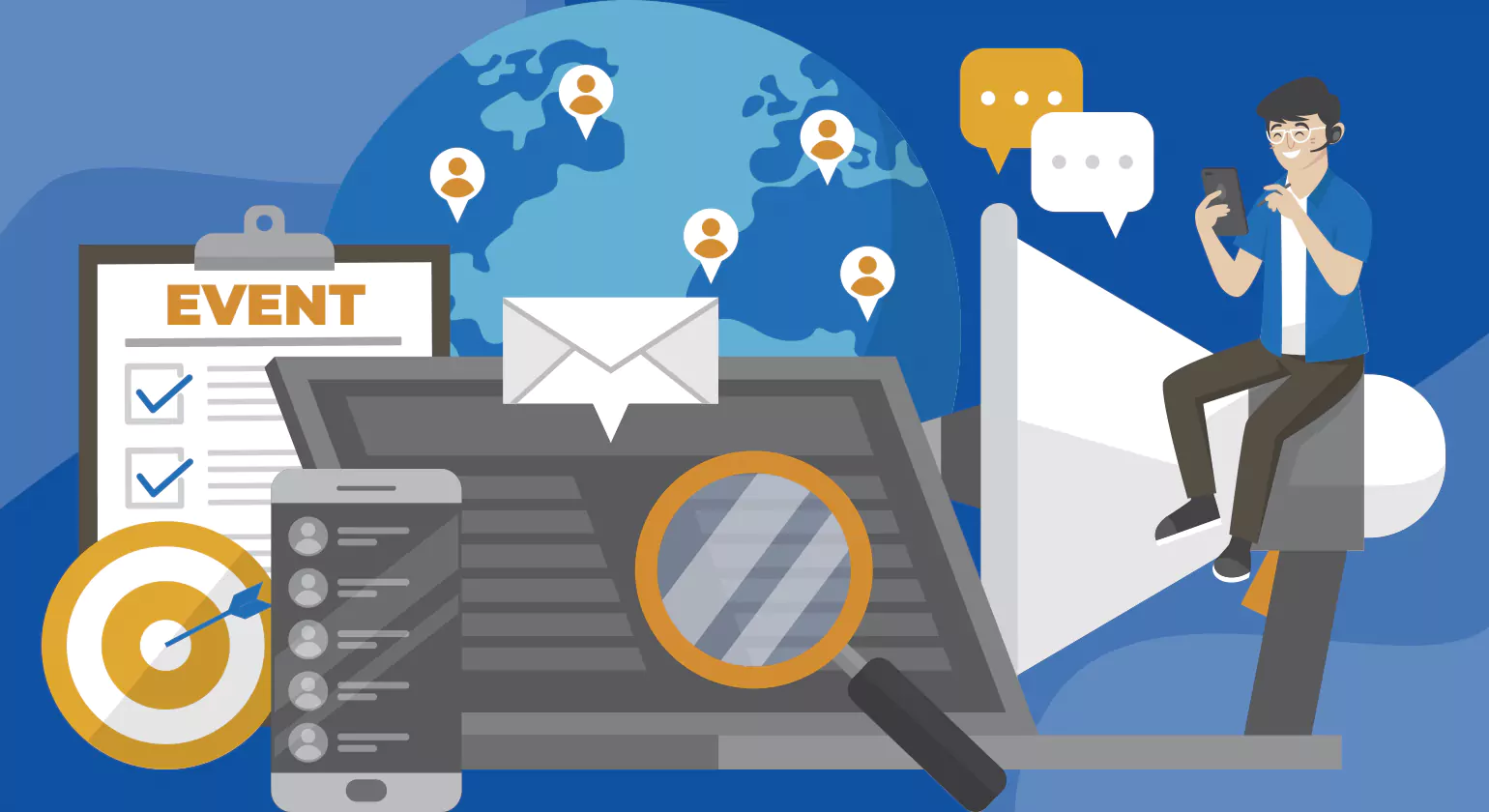
If you feel like “SEO” is just a buzzword for techies, let’s demystify it right now. In the context of the US market, event seo is the strategic process of making your event discoverable. It’s the reason why, when someone searches for “best marketing conferences in Austin,” certain names show up on page one while others are buried on page ten.
What event SEO means in practical terms
Practical SEO involves more than just keywords. It’s about ensuring your website is fast, mobile-friendly, and contains the specific code that tells Google exactly what you’re hosting. Think of it as a digital PR agent that works 24/7. According to Google’s SEO Starter Guide, the goal is to help search engines understand and present your content effectively.
How SEO supports event marketing management
Strategic event marketing management demands a multi-channel approach. Email and social media help you build on your existing fan base, but search engine optimization is your main way of being found. It allows you to reach people who have never heard of you but are seeking the value proposition you offer.
Organic search vs paid promotion
Paid advertising gives you instant results, but these results evaporate as soon as your budget does. Organic search is something that gains in value. Even though the first result in Google can capture nearly 40% of the traffic, paid advertising typically manages to snag 2-3%. This is why, by using organic search, you’re building a long-term advantage that your competitors cannot pay their way out of.
How Google ranks event-related searches
Google has complex algorithms in place to decide what is most relevant to their users. This is why, if you have a high-reviewing event page, full of quality content and links from local news websites, Google will consider this a high-authority event and display it to their users.
The 6-Month Roadmap for Event Success
Success in search doesn’t happen overnight. You need a runway.
- Months 6-5: Keyword research and site audit.
- Months 4-3: Content creation and link building.
- Months 2-1: Technical polish and local directory submissions.
Starting early ensures your site has enough authority to compete when ticket demand peaks.
Keyword Research for Event Marketing Success

If SEO is a journey, keyword research is your GPS. Without it, you’re just driving in the dark. A great seo guide for event marketing must focus on intent—what is the person actually trying to find?
How to find high-intent keywords for your event
High-intent keywords signal a readiness to buy. Phrases like “tickets for,” “early bird registration,” or “live event dates” are gold. Use tools like Semrush to find what your audience is asking. Don’t just look for high volume; look for high relevance.
Local and national keyword targeting in the U.S.
In a country as large as the United States, location is everything. If you’re hosting a tech summit, you aren’t just competing nationally. You’re competing for the attention of people in specific cities. Use “Tech Summit in San Francisco” or “New York business networking events” to capture that geographic intent.
Long-tail keywords for registrations
Long-tail keywords are specific phrases. They might have lower search volume, but the conversion rate is much higher. Instead of just “marketing event,” try “digital marketing workshops for small business owners in Seattle.” These searchers know exactly what they want.
Competitor keyword gap analysis
One of the smartest things you can do is see what your competitors are ranking for that you aren’t. If a similar event is getting 5,000 visitors a month from a specific blog topic, that’s your signal to create a better, more in-depth version of that same content.
Mapping keywords into your marketing plan for event pages
Once you have your keywords, they need a home. Every page on your site should have a primary focus. Your homepage might target the broad event name, while your “Agenda” page targets specific session topics. This organized approach should be a core part of your marketing plan for event promotion to avoid keyword cannibalization.
How to Optimize Your Event Website and Landing Pages
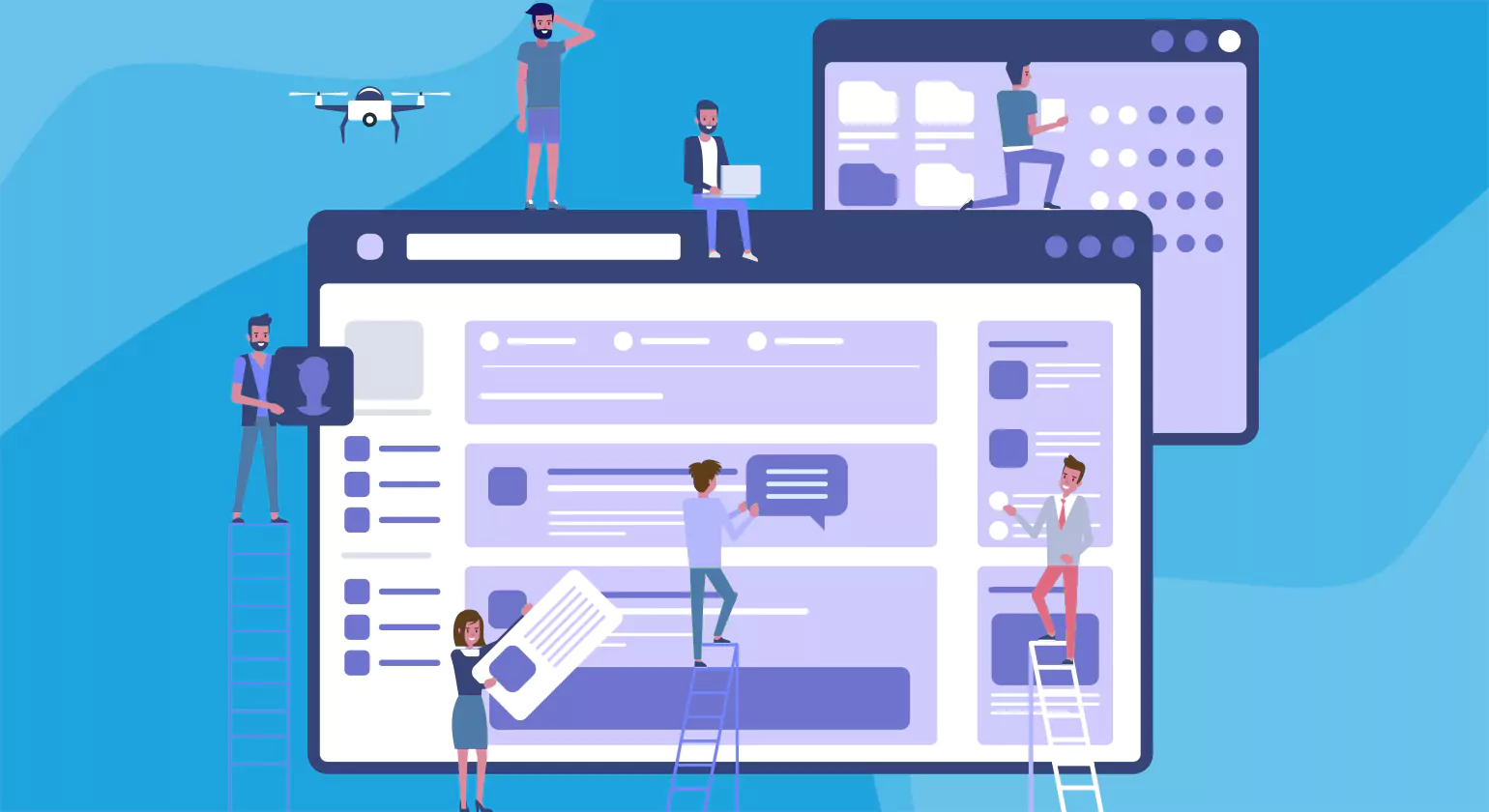
Your event landing page is where the sale happens. If this page isn’t optimized, all your traffic-building efforts are wasted.
SEO-friendly URLs and site structure
Keep your URLs short. Instead of generic strings, use website.com/seo-summit-2026. This tells both the user and Google exactly what to expect. A clean site structure allows search bots to crawl your pages efficiently, ensuring every session and speaker bio gets indexed.
Writing optimized titles, meta descriptions, and headers
Your title tag is your first impression. Keep it under 60 characters. Your meta description should be exactly 145-155 characters. It’s your ad copy in the search results—make it compelling. For the best character counting, you can use a tool like LetterCount.
Creating compelling event descriptions
Don’t just list the “what.” Explain the “why.” Use your headers to break up the text and answer specific questions. If you’re hosting a session on “Future Tech,” use that as a header. Google rewards content that provides a deep, comprehensive answer.
Image optimization and internal linking
Images make your page beautiful, but they can slow it down. Always compress your images and use descriptive Alt-Text. Internal linking is also vital. Link your speaker bios to the main registration page. If you need help scaling this, professional content creation services can ensure your site stays fresh.
Conversion-focused landing pages for product launch event management
When you are managing a high-pressure product launch event management project, your landing page needs to be a conversion machine. This means minimal distractions and a frictionless checkout process. If the page is too slow or confusing, your organic visitors will leave before they ever see the “Buy” button.
Local SEO and Technical Optimization for Events
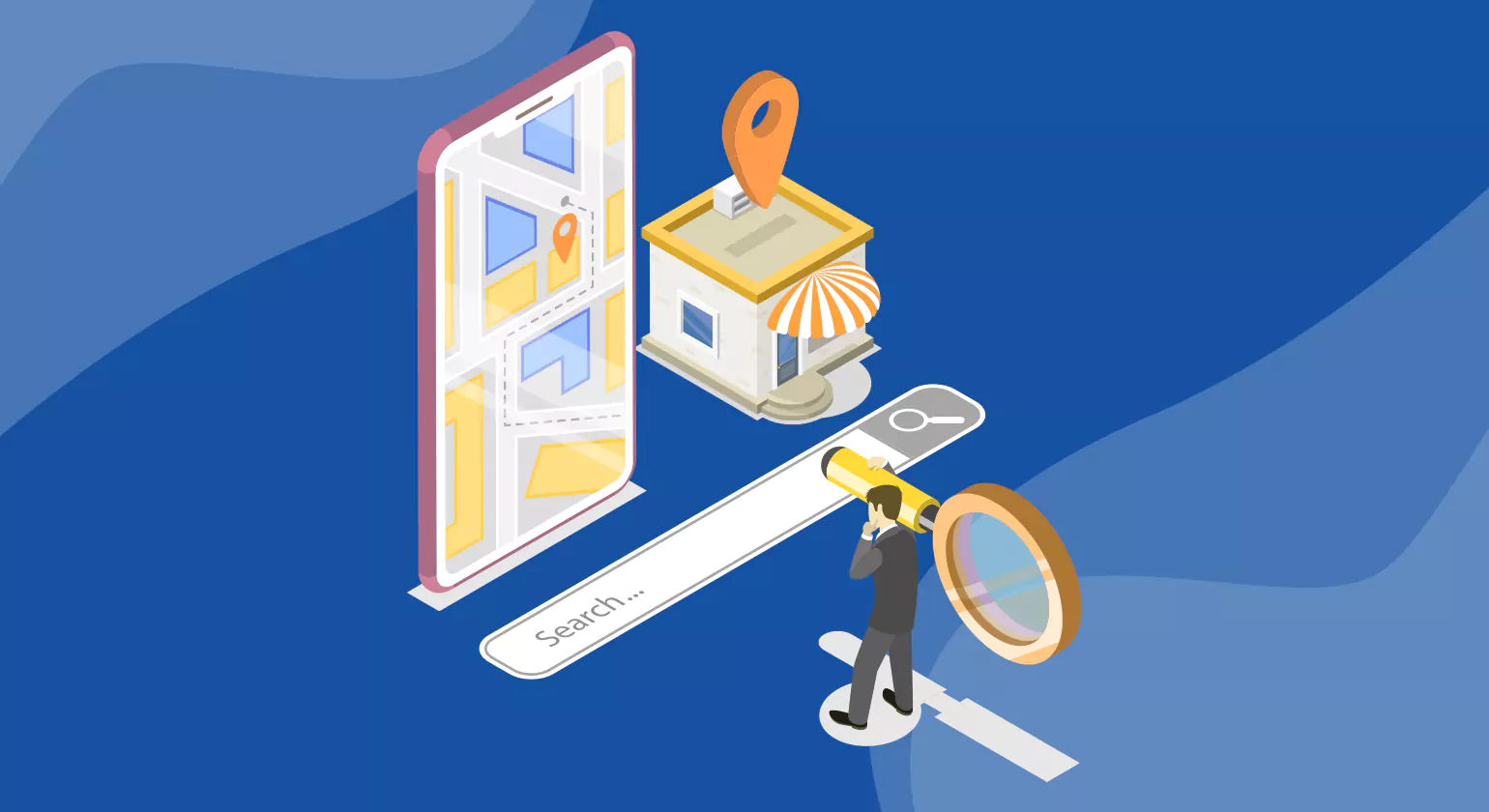
Since events happen in the physical world, local SEO is your best friend. You want to show up in the “Map Pack”—those top results that appear with a map.
Optimizing for city-based searches
Incorporate your city and neighborhood names naturally. Mentioning nearby landmarks doesn’t just help attendees; it signals to Google that you are a relevant local entity.
Google Business Profile and event listings
Keep your Google Business Profile updated. Post updates about your upcoming events directly to your profile. Additionally, get listed on local US directories like Yelp or city-specific calendars. Consistency in your Name, Address, and Phone number across these sites is critical for trust.
Mobile optimization and Core Web Vitals
Most event searches now happen on mobile devices. If your site isn’t thumb-friendly, you’re failing. Check your site’s health using Google PageSpeed Insights. You want to aim for a “green” score to satisfy Google’s requirements.
Event schema markup and structured data
This is the “secret sauce.” Event schema markup is a specific type of code you add to your site that tells Google the exact date, location, and price. This allows Google to show your event in the “Event Carousel,” which can dramatically increase your click-through rate.
Avoiding duplicate event page issues
If you host the same event every year, don’t create a brand-new URL each time. Reuse the same high-authority URL and simply update the content. This allows you to keep the backlinks and authority you built in previous years rather than starting over.
Content and Link-Building Strategies for Event Promotion

Google ranks pages that other people talk about. In the SEO world, “talking about” means linking to.
Blogging for event digital marketing visibility
A blog is your best tool for capturing top-of-funnel traffic. If you’re hosting a wellness retreat, write about ways to reduce stress. This attracts people interested in the topic who may then decide to attend. Effective event digital marketing uses content to solve problems first and sell tickets second.
Speaker announcements and authority content
Every time you announce a new speaker, create a dedicated page for them. Ask that speaker to share the link on their own site. These are high-quality backlinks from relevant experts that tell Google your event is the place to be.
Earning backlinks from sponsors and media
Reach out to local US news outlets and industry blogs. Offer them a unique hook or a press pass in exchange for a feature. A single link from a reputable news site like The New York Times is worth more than a thousand low-quality links.
Leveraging partnerships for event marketing management
Partnerships are the backbone of great event marketing management. Co-create content with your partners and ensure they link back to your registration page. This cross-pollination of audiences is an SEO goldmine.
Supporting your marketing plan for event growth
Everything should lead back to your core registration goal. Ensure that your guest posts and social mentions are all feeding into a unified marketing plan for event growth. If execution feels like too much, a social media virtual assistant can help manage the outreach.
Measuring Event SEO Performance and Improving Results
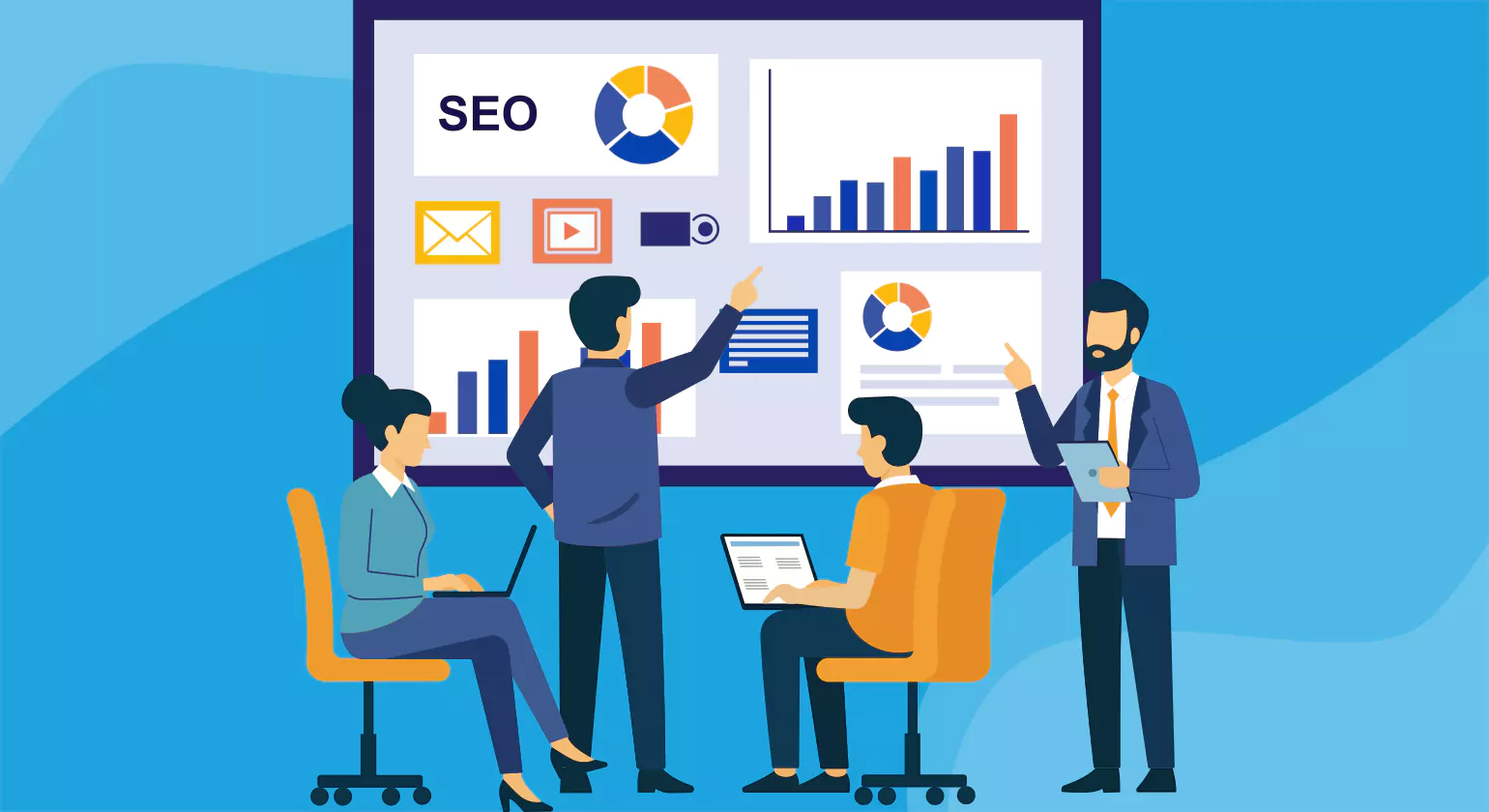
You cannot improve what you do not track. SEO is an iterative process.
Tracking rankings and traffic
Use Google Search Console to see which keywords are actually driving people to your site. Are you ranking for what you thought you would? If not, you may need to adjust your content to better match user intent.
Monitoring click-through rate (CTR)
If your page is appearing in search but no one is clicking, your title is the problem. A strong seo guide for event marketing must emphasize the Search Snippet—the tiny bit of text that convinces someone to click your link instead of the one below it.
Measuring conversions and registrations
At the end of the day, traffic is a vanity metric; tickets sold are the reality. Set up conversions in GA4 so you can see exactly which blog post or search term resulted in a sale. This allows you to double down on what’s working.
Adjusting your strategy based on performance data
If you see that your local keywords are outperforming your national ones, shift your focus. SEO requires agility. If the data shows people are bouncing off your mobile site, fix the technical issues. For those who lack the time to dive into data, digital marketing virtual assistant services can provide regular audits.
Common event SEO mistakes to avoid
Don’t start too late. If you launch your SEO efforts two weeks before the event, you’ve already lost. Avoid keyword stuffing, as writing for bots instead of humans will get you penalized. Finally, never ignore mobile; if your checkout process is hard on a phone, your sales will tank.
How Virtual Assistants Execute Your Event SEO Strategy
As an event organizer, your time is your most precious resource. You should be focused on the stage, not on image alt-tags. This is where delegating to a virtual assistant becomes a game-changer. SEO is a set of consistent tasks that a VA can handle with precision.
They can handle the repetitive data entry of directory submissions, the technical setup of schema, and the time-consuming outreach for backlinks. This keeps your strategy moving while you handle the logistics of the event itself.
A VA can help you scale your event digital marketing by:
- Finding and submitting your event to niche local US directories.
- Managing your event schema markup via plugins or manual code.
- Reaching out to influencers for backlinks and mentions.
By delegating these tasks to digital marketing virtual assistant services, you can stay focused on the event itself while your organic traffic grows in the background.
Summary: Your Practical Event SEO Checklist
To win the search race, you need a plan. Here is your quick-start checklist:
- Define Your Audience: Who are they and what are they typing into Google?
- Optimize the Core: Build a fast, mobile-responsive landing page with 145-155 character meta descriptions.
- Go Technical: Implement event seo schema and test it with the Rich Results tool.
- Build Authority: Launch a blog and start your backlink outreach 6 months out.
- Measure and Tweak: Use GA4 to track your ROI and registrations.
SEO is the most powerful, sustainable way to ensure your event is a success. By following this seo guide for event marketing, you aren’t just getting clicks—you’re building a lasting brand.
Ready to get your event on page one? Our virtual assistants can handle the execution of your entire SEO strategy so you can stay focused on hosting the event of the year.
Conclusion
Your event deserves more than temporary buzz—it deserves lasting visibility. As we discussed at the beginning, even the most powerful experience will struggle if it remains hidden from the very audience searching for it. By applying this seo guide for event marketing, you create a sustainable discovery engine that attracts high-intent attendees long before doors open. Start early, stay consistent, and focus on delivering real value through search. When visibility and strategy align, ticket sales naturally follow.
Get more insights >>> How Event Planning Virtual Assistant Benefit Businesses
>>>> Essential Event Marketing Tools Every Marketer Needs in 2026
FAQs
1. What is the best keyword research tool for event marketing?
One of the best keyword research tools for event marketing is Semrush because it provides information on volume and intent of keywords as well as gaps in your competitors’ strategies in one place. This tool will be useful in finding high-converting keywords for event SEO and will help you refine your event marketing SEO strategy successfully when combined with Google Search Console.
2. How do I optimize event pages for local SEO?
To optimize event website pages for local SEO, incorporating city-based keywords into the website content will be helpful. In addition to this, incorporating event schema will be helpful. Earning a Google business profile will be helpful in optimizing the website for local SEO. Earning links from local directories and media outlets will be helpful as well. Optimizing title tags, meta descriptions, and headings with local intent will be helpful in optimizing the website for SEO.
3. How long does SEO take to improve event visibility?
SEO for events takes three to six months before results are measurable in terms of increased visibility on search engines. The ranking of your event pages will depend on your competition and quality of content. It is best to optimize your event pages at least six months prior to the event date.
4. How to use SEO for virtual and hybrid events?
SEO for virtual and hybrid events focuses on optimizing landing pages with intent-driven keywords like “online conference” or “live stream summit.” Use structured data, clear session descriptions, and strong internal linking. Promote content through blogs and backlinks to expand reach beyond location limits and increase global registrations.
5. What are the top on-page SEO tips for event websites?
Top on-page SEO best practices for event websites include optimizing title tags to be under 60 characters in length, writing engaging meta descriptions for the website, and incorporating keyword-heavy headings like H1 and H2. Optimizing page speed, compressing images with descriptive alt text, and incorporating event schema will also help with SEO. Clear calls to action will not only help with SEO rankings but will also drive more conversions for the event website.