Table of Contents
Quick Read
- Finally, grasp what SCO marketing actually is and resolve the confusion between SEO, Social Channel Optimization, and Sales Cycle Optimization.
- Understand why SCO is on the rise in 2026 as AI technology and social media change the way people search for and find businesses.
- Get a quick explanation of SCO vs SEO so you understand the difference and how they complement each other.
- Discover a real-world approach to appearing on Google, YouTube, LinkedIn, and other platforms.
- Don’t make the same mistakes and focus on what really matters so your visibility increases on all platforms, not just search engines.
Let’s cut through the confusion.
You’ve probably heard “SCO” thrown around lately. Maybe you’ve seen it mean three different things. Sales Cycle Optimization. Social Channel Optimization. Search Channel Optimization.
Here’s the truth: all three exist. But if you’re a business owner trying to understand where search is headed in 2026, there’s one definition that matters most.
SCO marketing stands for Search Channel Optimization. It’s how you get found everywhere your customers actually search—not just Google.
And yes, it’s different from SEO. Let’s break down exactly how.
What Is SCO Marketing?
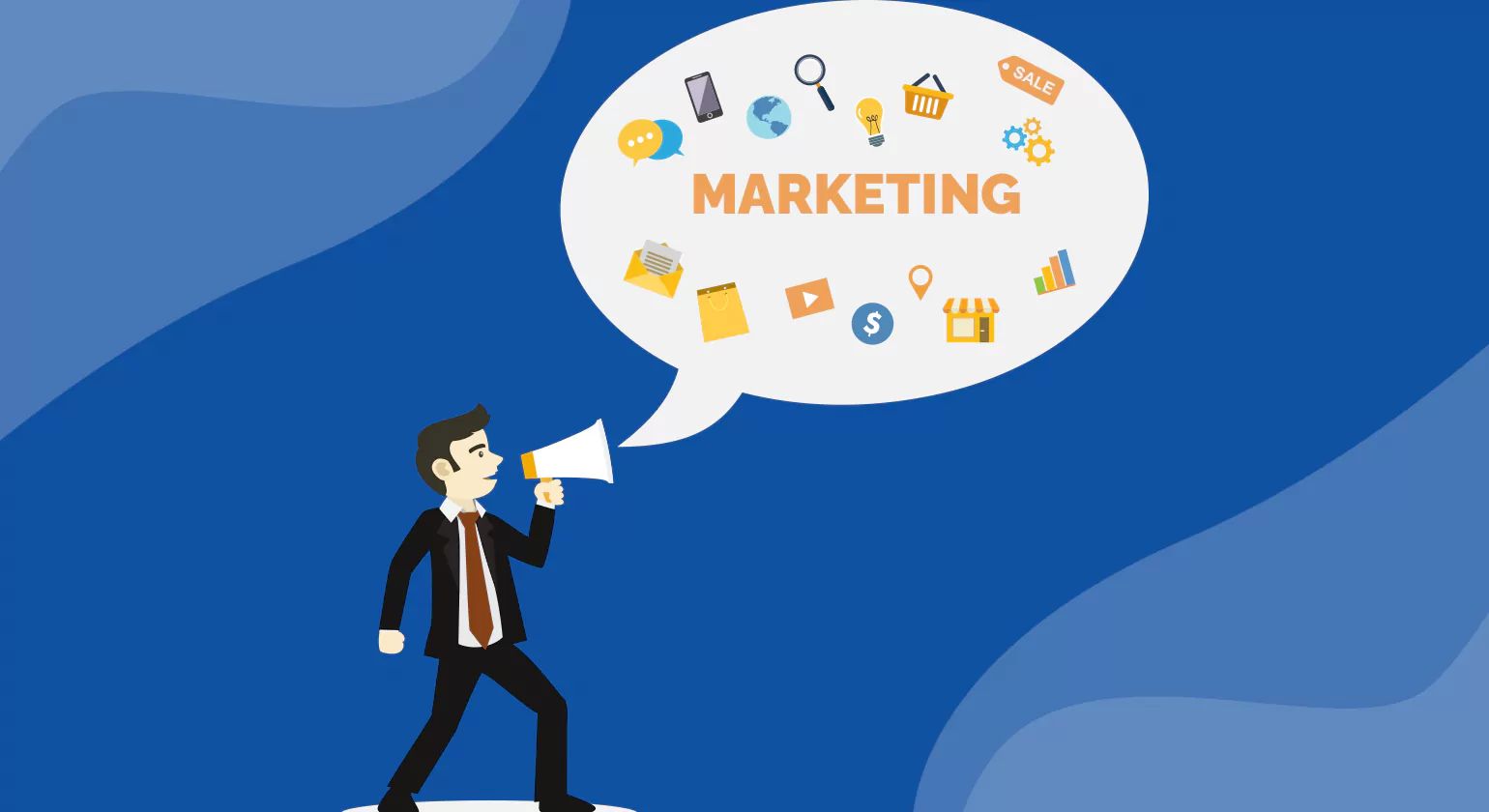
SCO in marketing means optimizing your content to appear when people search across every platform—YouTube, LinkedIn, Instagram, Reddit, AI tools, and yes, Google too.
Think of SEO as your home base. SCO is your presence everywhere else.
What Does Marketing SCO Mean?
When we talk about marketing SCO, we’re talking about a simple shift: your customers don’t start on Google anymore. They start where they already are.
A business owner looking for help doesn’t open Google first. They open LinkedIn, see who’s posting useful content, and click through. That’s SCO in action.
What Is SCO in Digital Marketing?
SCO in digital marketing is the recognition that search behavior has fragmented. People search on TikTok for product recs. They search on YouTube for tutorials. They search on Reddit for honest opinions.
If you’re only on Google, you’re invisible to huge chunks of your market.
Why Is This Term Emerging Now?
Three reasons:
First, social platforms became search engines. Half of young adults now use TikTok or Instagram to search instead of Google.
Second, AI changed everything. ChatGPT, Perplexity, and Gemini are search engines now—and they pull from everywhere, not just websites.
Third, trust is fragmented. People want to see you in multiple places before they believe you’re legit. LinkedIn for credibility. Instagram for realness. Google for authority.
Is SCO the Same as Social Channel Optimization?
No. And this is where the confusion lives.
Social Channel Optimization is about getting more traffic from social media. Important, but narrower.
Sales Cycle Optimization is about nurturing leads through your funnel. Also important, but different.
Search Channel Optimization is about being discoverable everywhere people search. That’s what we’re covering here.
Why SCO Marketing Is Emerging in 2026?
The Rise of Social Search
Here’s a number that should stop you: 40% of young adults use TikTok or Instagram for search instead of Google.
Read that again.
If your ideal customers are under 40, they might be searching for what you offer on platforms you’re not even posting on.
AI and Multi-Platform Discovery
AI search tools don’t just read your website. They pull from YouTube transcripts, LinkedIn articles, Reddit discussions, and industry forums.
If you’re active across platforms with consistent messaging, AI treats you as more authoritative. If you’re only on your website, you’re harder to surface.
Why Traditional SEO Alone Isn't Enough
Look, SEO isn’t dead. Please hear that.
SEO is still your foundation. It’s your website, your blog, your home base. But in 2026, customers rarely go straight to home base. They discover you somewhere else first.
A typical journey now:
- Sees your LinkedIn post about hiring virtual assistants
- Clicks to your website
- Reads your blog
- Weeks later, searches “virtual assistant services” on Google
- Recognizes your name and clicks
Google gets the credit. LinkedIn started the relationship. SCO connects those dots.
SCO Marketing vs SEO – What's the Real Difference?
SEO Focus vs SCO Focus
SEO focuses on: ranking in Google for specific keywords.
SCO focuses on: being discoverable wherever your audience searches—across all platforms.
Platform Scope Comparison
Where People Search | SEO | SCO |
✅ Primary | ✅ Primary | |
YouTube | ❌ | ✅ Integrated |
❌ | ✅ Integrated | |
❌ | ✅ Integrated | |
AI Platforms | ⚠️ Indirect | ✅ Direct |
Forums/Reddit | ❌ | ✅ Integrated |
Content Strategy Differences
SEO content answers a question once, thoroughly, on your website.
SCO content answers the same question across multiple formats:
- A blog post (SEO)
- A LinkedIn carousel with key points (SCO)
- A YouTube short explaining the concept (SCO)
- A Reddit comment answering related questions (SCO)
Metrics Comparison
SEO success looks like: rankings, organic traffic, backlinks.
SCO success looks like: branded searches going up, referral traffic from social platforms, people recognizing your name across channels.
Can SCO and SEO Work Together?
Absolutely. They’re better together.
SEO builds your foundation. SCO builds your reach. When someone searches your brand name on Google after discovering you on LinkedIn—that’s both working.
How SCO Works in Digital Marketing (Practical Framework)
Multi-Channel Keyword Mapping
Begin with your core keywords. Then ask: how would someone search this on different platforms?
Example with “virtual assistant”:
- Google search: “how to hire a virtual assistant”
- LinkedIn angle: “signs your business needs admin support”
- YouTube angle: “step-by-step guide to hiring your first VA”
- Reddit angle: “honest review of working with a VA”
Same topic. Different platforms. Different content.
Platform-Specific Optimization
Each platform has its own algorithm.
YouTube cares about watch time and keywords in titles. LinkedIn cares about engagement and profile authority. Instagram cares about hashtags and saves. Learn each one.
Content Repurposing Strategy
You don’t need new content for every channel. You need to repurpose smartly.
Write one detailed blog. Then:
- Pull 5 LinkedIn posts from it
- Create a 3-minute YouTube summary
- Turn key stats into Instagram graphics
- Answer related questions on Quora linking back
One piece of core content becomes ten pieces of SCO content.
Channels to Include in Your SCO Strategy
Google – Still essential. Your website must answer searcher intent completely.
YouTube – Second largest search engine. Every “how to” question deserves a video.
LinkedIn – Where professional decisions get researched. Share your thinking here.
Instagram – Visual search. Behind-the-scenes builds trust.
Forums (Reddit, Quora) – Where people ask real questions. Show up helpful, not salesy.
AI Platforms – ChatGPT, Perplexity. You can’t optimize directly, but you can be the source they pull from by being active everywhere else.
Metrics to Track
- Branded search volume – Are more people searching for your company name?
- Referral traffic by platform – Which channels actually send visitors?
- Platform-specific rankings – Does your YouTube content rank on YouTube?
Common SCO Mistakes
Mistake 1: Treating every platform the same. Adapt your content.
Mistake 2: Posting and ghosting. Engage with comments. Be present.
Mistake 3: Ignoring AI search. Create content AI tools want to cite.
Mistake 4: Doing it alone. SCO takes time—more than most owners have.
Key Takeaways
Search behavior has changed, and businesses can no longer rely on one platform for visibility. As we’ve seen, sco marketing is about showing up wherever your audience searches, not just on Google but across social platforms and forums as well. When paired with strong SEO, it creates a connected and recognizable presence. The key takeaway is simple stay consistent across channels and adapt to how people search today. Now is the time to evaluate your current visibility and align your strategy with real user behavior.
Know more >>> Top 10 YouTube Marketing Tools for Channel Growth
>>>> How Instagram Lead Generation Ads Work: Step-by-Step Guide
FAQs
1. What are the benefits of SCO marketing?
SCO marketing helps your business show up wherever people are actually searching — not just on Google, but on social platforms and AI tools too. It builds brand trust, increases steady traffic, improves engagement, and reduces reliance on one channel. The result is stronger visibility, better leads, and more consistent growth.
2. How does SCO marketing work?
SCO marketing functions by optimizing your content for all the places where your audience is searching, from Google and YouTube to LinkedIn and AI tools. Rather than marketing each place as if it were a separate entity, it coordinates keywords, messages, and types of content.
3. What are some SCO marketing strategies?
Best practices for SCO marketing include optimizing content for multiple platforms, reusing blog content in video or blog form, employing keywords unique to each platform, and monitoring performance. The aim is simple: “Meet your audience where they search and make your content easy to find, engage with, and share.”
4. Why is SCO marketing important for businesses?
The fact is, consumers no longer search for information in one location. They turn to social media, video sites, forums, and AI tools for answers. If your brand is only concerned with SEO, you’re missing the boat. SCO marketing keeps your brand front and center in all these areas.
5. How to implement SCO marketing effectively?
To effectively market on SCO, begin by understanding where your audience is searching. Next, optimize your content for each platform, maintain consistency in messaging, and measure what is effective. Leverage effective content across platforms and make adjustments based on data. With persistence, you will develop improved visibility and a sustainable increase in traffic.