Table of Contents
Introduction
Digital Patient Engagement refers to the use of technology to actively involve patients in their healthcare journey, enhancing communication, education, and collaboration between patients and healthcare providers. It leverages digital tools such as mobile apps, patient portals, telemedicine platforms, and wearable devices to facilitate better access to health information, appointment scheduling, remote monitoring, and personalized care plans. By empowering patients to manage their health, track progress, and communicate directly with healthcare teams, digital engagement promotes informed decision-making and fosters a proactive approach to wellness. This approach not only improves patient satisfaction and outcomes but also helps streamline administrative tasks for providers, leading to greater efficiency in healthcare delivery. The rise of digital patient engagement software is transforming healthcare by bridging gaps in care, particularly in remote or underserved areas.
What is Digital Patient Engagement?

Digital Patient Engagement refers to the use of digital tools and technologies to actively involve patients in their healthcare journey. It encompasses a range of activities aimed at enhancing communication, improving access to information, and empowering patients to take an active role in managing their health. These innovations include digital patient engagement tools, mobile health apps, telemedicine, wearable devices, online portals, and social platforms, all of which support real-time interactions between patients and healthcare providers. A comprehensive digital patient engagement platform or digital health engagement platform integrates these capabilities to deliver a seamless and personalized healthcare experience.
Through these digital channels, patients can track their health metrics, receive personalized health recommendations, access educational content, schedule appointments, and engage in virtual consultations. This fosters a deeper connection with healthcare professionals and allows patients to make informed decisions about their well-being.
Moreover, digital patient engagement services significantly improve patient outcomes by promoting adherence to treatment plans, reducing hospital readmissions, and enhancing preventive care. They also address access challenges—especially for remote communities—by making care more convenient and technology driven through advanced digital health patient engagement solutions.
Ultimately, digital patient engagement bridges the gap between patients and healthcare providers, creating a more patient-centric, collaborative approach to healthcare delivery. By leveraging leading patient engagement platforms and digital tools, healthcare organizations can empower patients to become more informed, proactive, and involved in their care, ultimately leading to better health outcomes.
Understanding What is Digital Patient Engagement

Improved Communication
Digital Patient Engagement tools like secure messaging, video calls, and chatbots facilitate constant and real-time communication between patients and healthcare providers. This breaks down traditional barriers of communication, such as long waiting times for appointments or office visits. Patients can quickly reach out for guidance, report concerns, or ask follow-up questions, leading to a more efficient and transparent healthcare experience. The ease of access to providers promotes a sense of reassurance and confidence, improving overall patient satisfaction.
Personalized Care
A robust digital patient engagement platform or digital health engagement platform enables providers to analyze patient data, medical history, lifestyle factors, and even wearable insights to deliver individualized care. Using AI-driven patient engagement tools, clinicians can recommend tailored treatments, preventive measures, and lifestyle adjustments. This personalization increases adherence, improves recovery, and enhances overall patient well-being, reflecting the core value of modern digital patient engagement.
Convenient Access to Health Information
With online portals, mobile apps, and connected patient engagement platforms, patients gain instant access to medical records, prescriptions, lab results, and educational resources. These digital health patient engagement tools allow users to track their progress, understand their conditions, and communicate with providers more effectively. Having this information readily available reduces uncertainty and empowers patients to make informed decisions about their care.
Enhanced Appointment Management
Through integrated scheduling features within patient engagement software and the best patient intake software, patients can easily book, reschedule, or cancel appointments online. Automated reminders, real-time availability, and streamlined workflows reduce no-shows and administrative burdens. These capabilities—central to leading digital patient engagement tools—keep schedules efficient and improve convenience for both patients and healthcare providers.
Improved Adherence to Treatment Plans
Digital patient engagement systems support adherence through reminders, alerts, and virtual coaching. Wearables integrated with patient engagement platforms share real-time metrics such as vital signs and activity levels, allowing providers to monitor progress and intervene early. These patient engagement tools help patients stay consistent with medications and lifestyle recommendations, significantly improving outcomes.
Access to Telehealth Services
Telemedicine is a key component of digital health patient engagement, giving patients convenient access to care through video consultations. Supported by digital patient engagement platforms, telehealth eliminates the need for travel—especially valuable for rural or underserved populations. Patients with mobility challenges or busy schedules benefit from frequent virtual check-ins, strengthening continuity of care and improving overall accessibility.
Increased Patient Empowerment
Through interactive apps, educational content, symptom tracking, and progress dashboards offered by top patient engagement platforms and digital health engagement platforms, patients become active participants in their care. These digital resources deepen understanding and confidence, enhancing the impact of digital patient engagement. When patients feel informed and empowered, they are more likely to follow treatment plans and achieve better long-term outcomes.
The 10 Benefits of Digital Patient Engagement

1. Improved Communication
Digital engagement tools enable seamless, instant communication between patients and healthcare providers. Through secure messaging, video consultations, and email, patients can share concerns, ask questions, or request follow-ups without the delays and scheduling conflicts typical of in-person visits. This continuous connection enhances trust, reduces patient anxiety, and ensures that healthcare decisions are based on timely, accurate information.
2. Convenient Access to Information
Online patient portals and mobile apps allow patients to access their health records, lab results, prescriptions, and appointment schedules anytime, anywhere. This on-demand access eliminates the need for patients to call or visit the office to obtain basic information, empowering them to stay informed about their health and make better decisions about care.
3. Personalized Health Management
Digital platforms, through integration with wearables and health trackers, collect real-time data on patients’ health metrics—such as blood pressure, glucose levels, and physical activity. This data is used to provide personalized recommendations for lifestyle changes, treatments, or interventions, ensuring that each patient receives care tailored to their unique circumstances.
4. Better Adherence to Treatment Plans
With reminders for medication schedules, appointments, and lifestyle changes, digital tools help patients stay on top of their treatment plans. Whether through push notifications on their phones or integration with other health apps, these reminders reduce the likelihood of missed doses or appointments, leading to better long-term health outcomes.
5. Increased Patient Satisfaction
Digital Patient Engagement today demand more convenience and accessibility in healthcare. digital health patient engagement Services provides them with tools to access care when needed, reducing the frustration of long wait times or difficult-to-schedule appointments. The ability to communicate via digital platforms and receive timely responses contributes to higher patient satisfaction and trust in their healthcare providers.
6. Enhanced Preventive Care
Digital tools actively promote preventive care by providing reminders for vaccinations, screenings, and regular check-ups. Patients can also track their lifestyle habits, such as diet and exercise, receiving encouragement to maintain healthy behaviors and prevent the onset of chronic conditions. These tools help catch potential health issues early, leading to more successful outcomes and reduced healthcare costs
7.Remote Monitoring
Wearable devices like smartwatches or fitness trackers enable continuous monitoring of vital signs such as heart rate, oxygen levels, and sleep patterns. Healthcare providers can remotely track this data, allowing for early intervention when necessary and reducing the need for frequent in-person visits. Remote monitoring is particularly beneficial for managing chronic conditions such as diabetes, hypertension, or heart disease, allowing for more proactive care management.
8. Accessibility
Telemedicine and digital engagement tools ensure healthcare is accessible to everyone, especially individuals in remote areas or those with mobility issues. Virtual consultations reduce the need for patients to travel long distances to see specialists, making healthcare more convenient and equitable. This flexibility increases the chances that patients will seek medical help sooner, reducing complications from delayed care.
9. Cost Efficiency
Digital patient engagement software reduces overhead costs for healthcare systems by minimizing administrative tasks and enabling more efficient appointment scheduling and communication. Virtual consultations reduce the need for physical space and staff, while preventive care tools help avoid costly emergency visits or hospitalizations. Additionally, reduced travel requirements for patients help save time and money, contributing to overall cost-effectiveness.
10. Empowerment
Digital engagement empowers patients by providing them with control over their health journey. Patients can access educational materials, track progress, and participate in decision-making regarding their care. Having access to detailed health data and tools to monitor progress fosters greater engagement and a proactive attitude toward healthcare. When patients feel empowered, they are more likely to follow through on treatment plans and embrace healthier lifestyles, leading to improved outcomes.
10 Essential Tools for Effective Digital Patient Engagement

1. Patient Portals
Patient portals are secure online platforms that provide patients with easy access to their health information. These portals typically include features such as viewing lab results, prescription histories, and medical records. Patients can also request prescription refills, ask questions, and schedule appointments. By offering real-time access to personal health data, patient portals empower patients to make informed decisions, track their health over time, and manage their care more effectively.
2. Telemedicine Platforms
Telemedicine platforms enable virtual consultations between patients and digital patient engagement tools through video or phone calls. These platforms break down barriers such as geographical limitations and long wait times for in-person visits, making healthcare more accessible. Telemedicine is particularly beneficial for patients in remote areas, those with mobility issues, or those seeking follow-up care after surgery. It helps expand access to healthcare services while ensuring continuous care without the need for physical appointments.
3. Mobile Health Apps
Mobile health apps help patients monitor various aspects of their health, such as fitness levels, heart rate, sleep, medication adherence, and diet. Some apps also offer symptom tracking and daily wellness check-ins. By allowing patients to track their progress and set health goals, these apps help patients stay engaged in their care. Additionally, many apps sync with wearable devices, offering a comprehensive view of health trends, and provide notifications for medication reminders or lifestyle tips.
4. Wearable Devices
Wearables such as fitness trackers, smartwatches, and medical-grade devices offer real-time monitoring of key health metrics like heart rate, blood pressure, oxygen levels, and sleep patterns. These devices collect continuous health data that can be shared with Digital Patient Engagement, enabling them to monitor patients’ conditions remotely. This capability is particularly beneficial for chronic disease management, allowing healthcare providers to adjust treatment plans based on real-time data, potentially preventing hospitalizations or complications.
5. Secure Messaging Systems
Secure messaging systems provide a private and encrypted communication channel for digital patient engagement tools and healthcare providers. These systems enable quick and confidential exchanges, allowing patients to ask questions, clarify treatment plans, or follow up on test results without the need for in-person visits. Secure messaging improves patient satisfaction by facilitating direct and timely communication, while also reducing the administrative burden of phone calls and office visits.
6. Appointment Scheduling Systems
Online appointment scheduling systems enable patients to book, reschedule, or cancel appointments at their convenience, reducing wait times and administrative workload. These tools typically allow patients to choose available time slots, receive automated reminders, and view upcoming appointments in real time. Appointment scheduling systems also provide healthcare providers with the ability to manage their calendars more efficiently, minimizing missed appointments and optimizing the use of available time.
7. Medication Management Tools
Medication management tools help Digital Patient Engagement Services keep track of their prescriptions, monitor adherence, and receive medication reminders. These tools often include features such as automatic refills, reminders for when to take medications, and alerts about potential drug interactions. Patients who struggle with medication adherence are more likely to stay on track with their treatments when using these tools, leading to improved health outcomes, particularly in the management of chronic conditions such as diabetes, hypertension, and heart disease.
8. Patient Education Platforms
digital patient engagement tools education platforms provide patients with easy access to information about their health conditions, treatments, and self-management strategies. These platforms offer a wide range of educational resources, including articles, videos, webinars, and interactive tools. By offering customized educational content based on the patient’s condition, these platforms help improve health literacy, empower patients to make informed decisions, and encourage active participation in their care plans.
9. Health Tracking Dashboards
Health tracking dashboards aggregate data from various sources, such as wearable devices, health apps, and electronic health records, into a centralized platform. These dashboards provide both patients and healthcare providers with a comprehensive overview of the patient’s health status, trends, and progress. Healthcare providers can monitor key health indicators, such as blood pressure, glucose levels, and physical activity, and use this information to adjust care plans. For patients, dashboards offer a clear and visual representation of their health, motivating them to stay engaged and track improvements.
10. Virtual Health Coaches
Virtual health coaches, often powered by artificial intelligence, offer personalized guidance and support to patients in managing chronic conditions, improving fitness, or adopting healthier habits. These virtual assistants provide customized health tips, track progress toward goals, and offer motivational feedback. Virtual health coaches may also remind patients to take medications, track symptoms, and monitor lifestyle choices such as diet and exercise. By providing continuous, personalized support, virtual coaches encourage patients to take proactive steps toward achieving better health outcomes.
Digital Patient Engagement Strategies for Healthcare Providers

As healthcare continues to evolve, digital patient engagement has become a critical component for enhancing patient experience, improving health outcomes, and optimizing healthcare delivery. For healthcare providers, implementing effective digital engagement strategies can help build stronger patient relationships, streamline workflows, and drive better care. Utilizing a robust digital patient engagement software platform is essential for executing these strategies efficiently and ensuring consistent, personalized communication across the patient journey.
Invest in User-Friendly Technology
The foundation of digital engagement lies in selecting intuitive platforms that patients find easy to navigate. Patient portals, telemedicine tools, and mobile health apps should have clear interfaces and accessible features. A seamless, user-friendly experience increases patient adoption and ongoing engagement.
Provide Access to Real-Time Health Data
Offering patients the ability to view real-time data—such as lab results, vital signs, or medication history—through patient portals or apps empowers them to stay informed and involved in their care. Real-time access fosters transparency and trust between patients and healthcare providers.
Leverage Telemedicine and Virtual Care
Telemedicine plays a crucial role in improving access to healthcare, especially for patients in remote or underserved areas. Healthcare providers should embrace virtual consultations as an essential tool for routine check-ups, follow-up appointments, and specialist referrals. Virtual visits reduce barriers to care, such as long wait times or travel distance.
Implement Personalized Communication
Personalized communication via email, text, or secure messaging can help keep patients engaged with reminders, health tips, or important updates. Tailoring messages to individual needs—such as appointment reminders, medication adherence, or preventive care—helps patients feel more involved in their health management.
Promote Self-Management Tools
Encourage patients to use digital tools like health tracking apps and wearables to monitor their conditions, such as blood pressure, glucose levels, or physical activity. This fosters a proactive approach to health management and encourages patients to take ownership of their well-being.
Educate Patients Through Digital Resources
Providing educational content through videos, articles, and interactive tools within digital platforms can help patients understand their health conditions, treatment options, and lifestyle changes. By offering relevant, easy-to-understand information, healthcare providers can improve patient health literacy and empower them to make informed decisions.
Offer 24/7 Access to Care
A key benefit of digital patient engagement is the ability to provide round-the-clock access to care. Through online portals, telehealth services, and chatbots, patients can access healthcare services at any time, addressing non-urgent concerns and reducing the pressure on emergency departments.
Collect Patient Feedback
Regularly gathering patient feedback through surveys, polls, or follow-up emails enables healthcare providers to assess the effectiveness of their digital engagement strategies and identify areas for improvement. Understanding patient preferences and concerns helps refine engagement efforts and ensures patient satisfaction.
Focus on Data Security and Privacy
Ensuring the security and privacy of patient data is paramount when implementing digital tools. Healthcare providers must adhere to regulatory standards, such as HIPAA, to maintain patient trust. Implementing encryption, secure authentication, and regular audits ensures that patient data remains protected.
Foster a Collaborative Care Environment
Digital engagement can enhance communication between patients, their families, and their healthcare teams. Tools like shared care plans and collaborative platforms help patients feel like active participants in their care, while providers benefit from streamlined coordination and information sharing.
Top 10 Best Digital Patient Engagement Platforms Compared

The digital transformation in healthcare is driven by patient engagement platforms, designed to enhance communication, improve outcomes, and foster proactive care
MyChart by Epic Systems
A leading platform, MyChart allows patients to access health records, schedule appointments, and message providers. Its user-friendly interface and integration with Epic’s Electronic Health Records (EHR) system streamline patient-provider interactions. Ideal for large hospitals and health systems.
Cerner Patient Portal
Cerner’s platform offers similar features to MyChart, with easy access to Digital Patient Engagement data, appointment scheduling, and secure messaging. Known for its seamless integration with Cerner EHR systems, it’s widely used in large medical networks.
PatientPop
PatientPop focuses on helping providers improve patient experience through personalized care. The platform includes appointment scheduling, automated reminders, patient feedback collection, and marketing tools, making it ideal for independent practices.
Luma Health
Luma Health offers a comprehensive digital engagement solution that includes automated appointment scheduling, reminders, and secure messaging. It also supports patient intake, insurance verification, and telehealth, making it a versatile choice for diverse healthcare settings.
Zocdoc
Zocdoc simplifies appointment scheduling and enhances patient engagement system by offering online booking for both in-person and virtual visits. It also integrates reviews and ratings, enabling patients to find healthcare providers that meet their needs.
Welkin Health
Welkin Health’s platform focuses on personalized Digital Patient Engagement, providing tools for remote monitoring, education, and engagement through messaging. It’s particularly beneficial for managing chronic conditions and improving patient compliance.
HealthTap
HealthTap provides virtual care through text, video, and voice consultations with doctors. The digital patient engagement platform includes health content, symptom checkers, and telemedicine services, enabling patients to receive care quickly and conveniently.
RelayHealth by McKesson
RelayHealth offers secure messaging, appointment scheduling, and prescription management. Its easy-to-use interface and robust patient engagement software system make it ideal for both large healthcare networks and individual practices.
CareSimple
Specializing in remote patient monitoring, CareSimple tracks vital signs and sends alerts to care teams. Its simplicity and ease of use make it a top choice for monitoring patients with chronic conditions or post-discharge needs.
Redox
Redox offers integration capabilities with existing EHRs and digital tools. The platform connects various healthcare systems, making it easier for patients to access their health data and communicate with providers seamlessly.
Basic Functions of Digital Patient Engagement
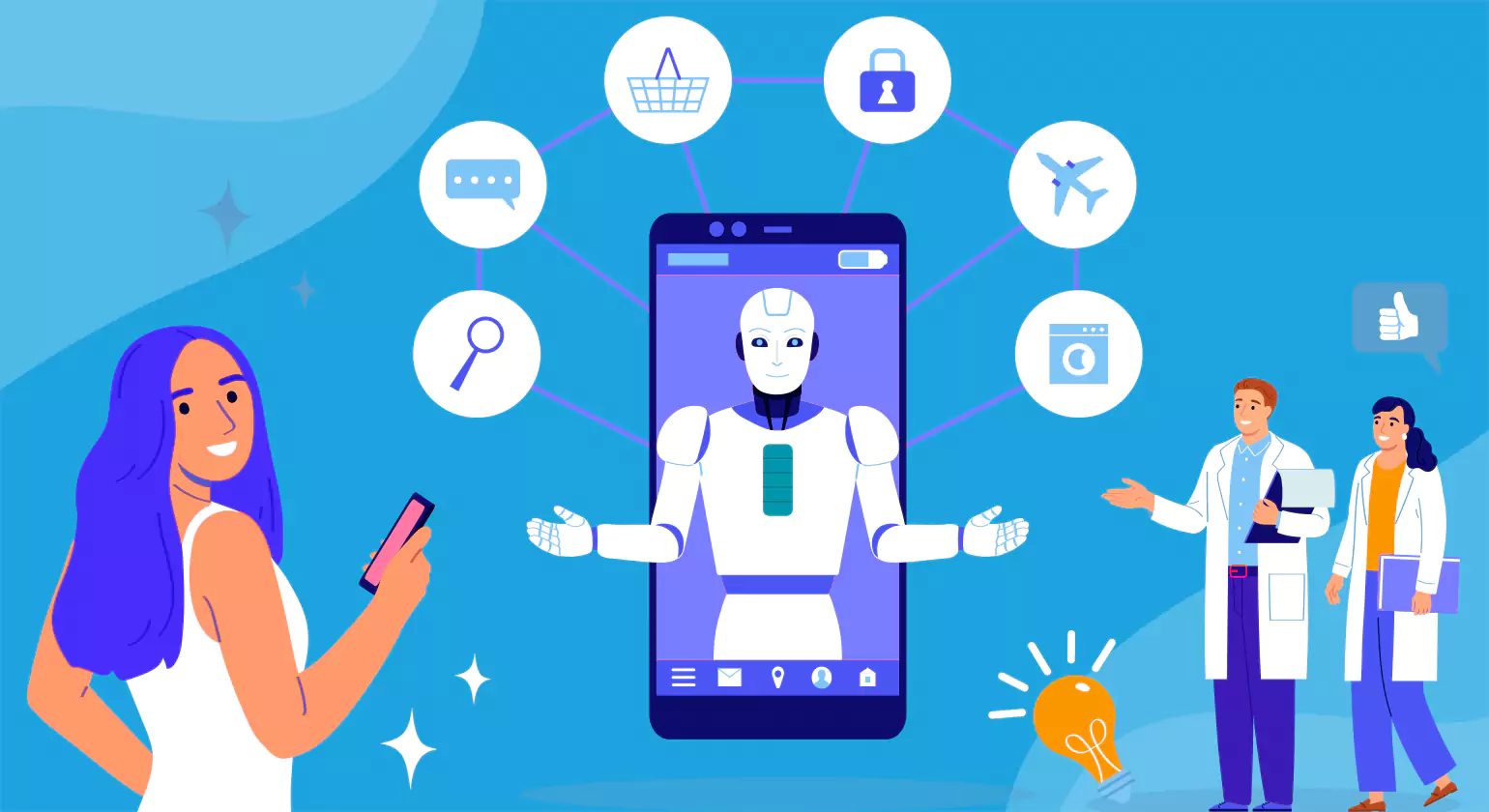
Digital health patient engagement tools are designed to enhance communication, improve care coordination, and empower patients to take an active role in managing their health. A comprehensive digital patient engagement platform or digital health engagement platform brings these capabilities together, integrating patient engagement tools, patient engagement software, and even the best patient intake software to deliver more seamless, personalized, and effective patient interactions. Modern patient engagement platforms make it easier for both patients and providers to stay connected throughout every stage of the care journey.
Access to Health Information
Digital patient engagement tools and connected patient engagement platforms give patients instant access to medical records, lab results, medication details, and appointment histories. This transparency strengthens digital health patient engagement, keeps patients informed, and empowers them to stay actively involved in their care.
Appointment Scheduling and Reminders
With online scheduling features powered by advanced patient engagement software and the best patient intake software, patients can easily book, cancel, or reschedule appointments. Automated reminders—built into leading digital patient engagement tools—help reduce no-shows and ensure patients remain consistent with their healthcare plans.
Secure Messaging
Secure messaging functions within digital patient engagement platforms allow confidential communication between patients and healthcare providers. These patient engagement tools streamline the process of asking questions, sharing updates, or seeking advice without requiring an in-person visit, improving convenience and continuity of care.
Telehealth/Virtual Visits
Virtual consultations supported by digital health engagement platforms expand access through video or phone visits. This essential part of modern digital patient engagement helps patients in remote or underserved areas receive timely care, while also offering flexibility for those with mobility or scheduling challenges.
Health Monitoring and Tracking
Digital systems equipped with wearable integrations and real-time monitoring enable patients to track vital signs and daily health metrics. These insights, shared through patient engagement platforms, support proactive care and allow providers to make data-driven decisions that enhance long-term outcomes.
Patient Education
Many digital patient engagement tools include educational libraries, wellness resources, and condition-specific guidance. This strengthens digital health patient engagement by improving health literacy, enabling better decision-making, and encouraging patients to take an active role in managing their well-being.
The Role of Improving Digital Health Patient Engagement

Healthcare providers play a pivotal role in enhancing digital health patient engagement by not only adopting the latest technologies but also ensuring patients feel comfortable, informed, and empowered to participate actively in their care journey. Implementing a user-friendly digital patient engagement platform or digital health engagement platform can significantly support these efforts by simplifying communication and fostering stronger patient-provider relationships.
Adopting User-Friendly Digital Tools
Healthcare providers must choose digital patient engagement tools and patient engagement software that are accessible and intuitive. Patient portals, telemedicine platforms, mobile health apps, remote monitoring tools, and the best patient intake software should be easy to navigate, customizable for different patient needs, and inclusive for individuals with limited technological literacy or disabilities. The easier and more user-friendly these patient engagement platforms are, the more likely patients will actively use them.
Promoting Digital Health Literacy
Patients, especially older adults or those unfamiliar with technology, may feel overwhelmed by digital patient engagement tools. Providers should educate patients about the benefits of digital patient engagement, demonstrating how to use these tools effectively through tutorials, one-on-one guidance, or educational resources. Ensuring patients understand how digital patient engagement platforms improve care outcomes and address privacy concerns enhances confidence and engagement.
Encouraging Regular and Effective Communication
Providers should encourage the consistent use of patient engagement tools such as secure messaging systems, telemedicine platforms, and digital patient engagement software for routine check-ins and follow-ups. Automated reminders through patient engagement platforms help patients stay on track with appointments, medications, and preventive care. Open communication fosters stronger patient-provider connections and reinforces the value of digital health patient engagement.
Personalizing Care Through Digital Tools
By leveraging data from digital patient engagement platforms, digital patient engagement tools, wearables, and remote monitoring systems, providers can deliver highly personalized care. Tracking metrics like blood pressure, glucose levels, and physical activity through patient engagement platforms allows for real-time insights. Providers can adjust treatment plans, offer tailored advice, and recommend lifestyle modifications to meet each patient’s unique needs, enhancing the impact of digital patient engagement.
Ensuring Data Security and Building Trust
Patient concerns about privacy are addressed through secure digital patient engagement platforms and digital health engagement platforms. Providers must comply with regulatory standards, such as HIPAA, to protect personal health information. Transparent communication about security practices builds trust and encourages patients to confidently use patient engagement tools and patient engagement software.
Fostering a Collaborative and Patient-Centered Approach
Digital patient engagement platforms enable a more collaborative healthcare model. Providers can share test results, educational content, and care plans through digital patient engagement tools and patient engagement software, helping patients understand their conditions and actively participate in decision-making. Encouraging shared decision-making and patient feedback strengthens the patient-provider relationship and promotes meaningful digital health patient engagement.
Conclusion
Digital patient engagement is transforming healthcare by empowering patients to take a more active role in their health and improving communication between patients and providers. By offering access to real-time health information, facilitating easy appointment scheduling, and enabling secure messaging, digital tools enhance the overall patient experience. Telemedicine, wearable devices, and mobile apps further support proactive care, allowing for continuous monitoring and personalized treatment plans. Healthcare providers play a critical role in ensuring the successful implementation of these tools by providing education, fostering trust, and creating user-friendly systems. As digital health patient engagement technologies continue to evolve, they offer a powerful opportunity to improve health outcomes, increase patient satisfaction, and make healthcare more accessible and efficient. Ultimately, embracing digital patient engagement leads to a more informed, involved, and empowered patient population, benefiting both individuals and the healthcare system as a whole.
Know more about >>> Top Healthcare IT Companies 2026 Benefits & How to Choose
FAQs
1. What is an example of patient engagement?
An example of patient engagement is using a patient engagement platform or digital patient engagement platform to view lab results, schedule appointments, and securely communicate with healthcare providers. Patients can also use digital patient engagement tools, patient engagement software, and digital health patient engagement apps to track medications, physical activity, and overall wellness, promoting active participation in their care. The use of the best patient intake software further streamlines interactions and improves engagement.
2. What are the 5 stages of the patient engagement framework
The five stages of patient engagement include: Awareness – understanding health conditions; Education – learning treatment options; Activation – taking action toward health goals; Engagement – actively using patient engagement platforms, digital patient engagement tools, and digital patient engagement platforms; Empowerment – taking full control of health decisions through digital health patient engagement and digital health engagement platforms.
3. What does a patient engagement specialist do?
A patient engagement specialist works to enhance healthcare experiences by guiding patients in using patient engagement platforms, digital patient engagement platforms, patient engagement software, and digital patient engagement tools. They educate patients on care plans, encourage adherence, and ensure patients leverage these tools for telehealth, reminders, and personalized health tracking, improving satisfaction and outcomes through digital health engagement platforms.
4. How do you promote patient engagement
Promoting digital patient engagement involves educating patients about digital patient engagement tools, patient engagement software, patient engagement platforms, and digital health patient engagement solutions. Providers should offer personalized care plans, encourage regular follow-ups, integrate digital health engagement platforms, and foster open communication through digital patient engagement platforms, making it easier for patients to participate actively in their healthcare.
5. What is a patient engagement strategy
A patient engagement strategy is a structured plan that leverages patient engagement platforms, digital patient engagement platforms, patient engagement tools, and digital patient engagement solutions to improve communication, educate patients, and promote shared decision-making. Effective strategies include personalized messaging, telehealth integration, patient engagement software, mobile apps, and feedback systems via digital health engagement platforms and the best patient intake software.
6. How Does Digital Patient Engagement Improve Healthcare Outcomes?
Digital patient engagement improves healthcare outcomes by providing patients with digital patient engagement tools, patient engagement platforms, digital patient engagement platforms, and the best patient intake software to track health, adhere to treatment, and communicate with providers. It enhances participation, promotes preventive care, reduces hospital readmissions, and supports better decision-making, leading to improved overall health outcomes through digital health patient engagement.
7. What Features Should Effective Digital Patient Engagement Tools Have?
Effective digital patient engagement tools and patient engagement software should be user-friendly, customizable, and accessible across devices. Key features include appointment scheduling, automated reminders, secure messaging, patient education, feedback mechanisms, and integration with digital patient engagement platforms, patient engagement platforms, or digital health engagement platforms for seamless patient-provider interaction.
8. How can digital patient engagement tools improve patient satisfaction
Digital patient engagement tools enhance satisfaction by enabling convenient appointment scheduling, secure communication, access to medical records, and personalized care through patient engagement software, patient engagement platforms, and digital patient engagement platforms. These tools foster trust, improve patient experience, and empower individuals to actively participate in their healthcare through digital health patient engagement and the best patient intake software.