Table of Contents
Introduction
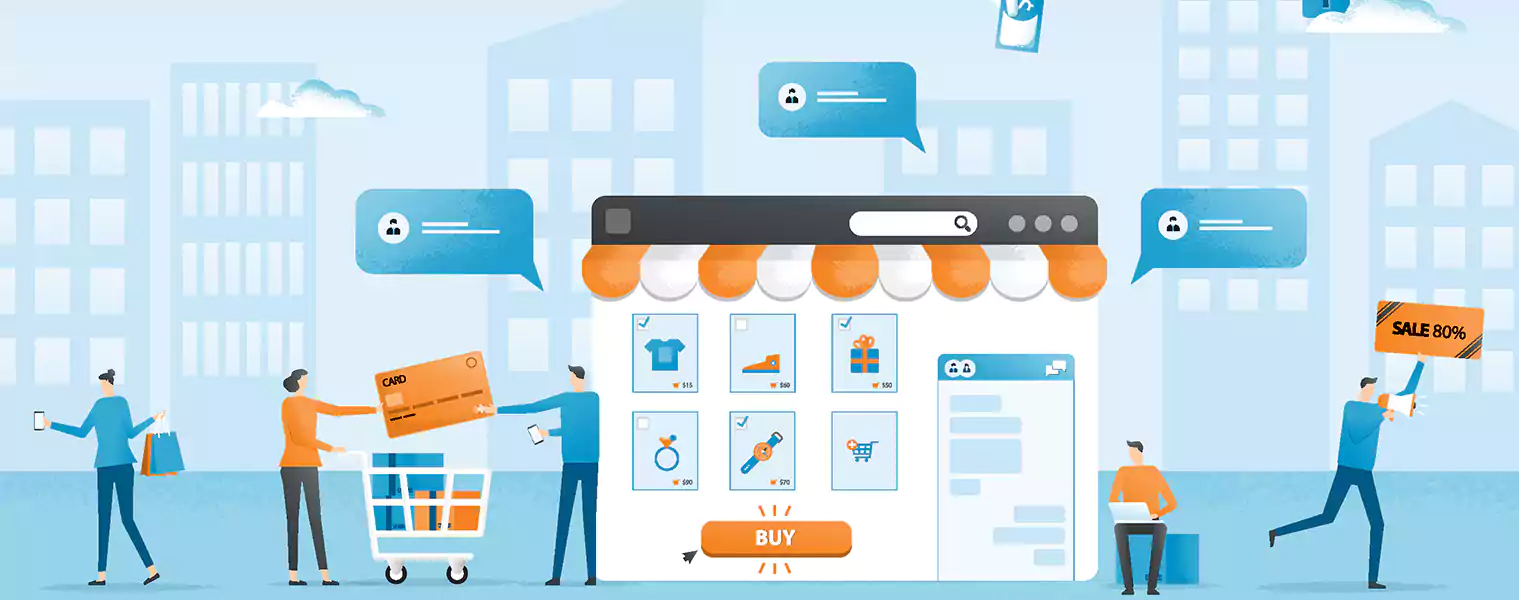
In the competitive world of e-commerce, the ultimate goal is to convert casual visitors into loyal customers. The conversion funnel ecommerce is the strategic approach that guides this transformation, optimising every stage of the customer journey to increase conversions. From initial awareness of your brand to final purchase, understanding and fine-tune this funnel is important for sustainable business growth. In this guide, We’ll explore the key elements of an effective eCommerce conversion funnel and how you can use them to boost your online sales. Whether you are an experienced marketer or new to ecommerce, mastering this funnel will lead to more revenue and lasting customer relationships.
But it’s not just about attracting guests, it’s about creating a simple experience that nourishes them in every aspect of the Keep. This includes understanding your audience’s needs, creating incentives, and removing barriers that can prevent conversion. With the right strategies in place, an conversion funnel ecommerce can help identify where customers drop out and implement targeted interventions to keep them engaged. By focusing on conversion optimisation at every stage, you can ensure that your marketing efforts are not only driving traffic but also converting that traffic into meaningful business results.
Explore the eCommerce Conversion Funnel
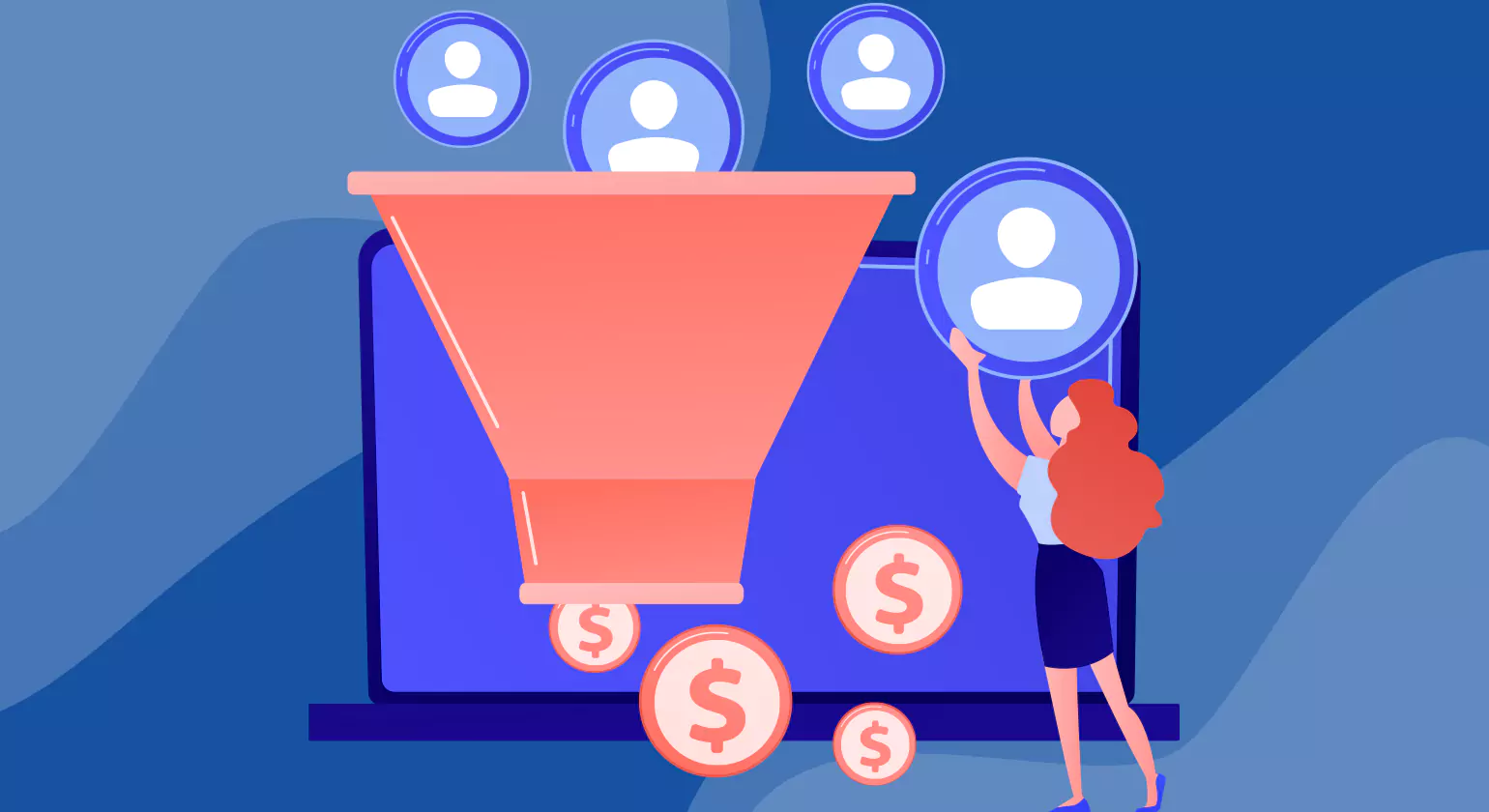
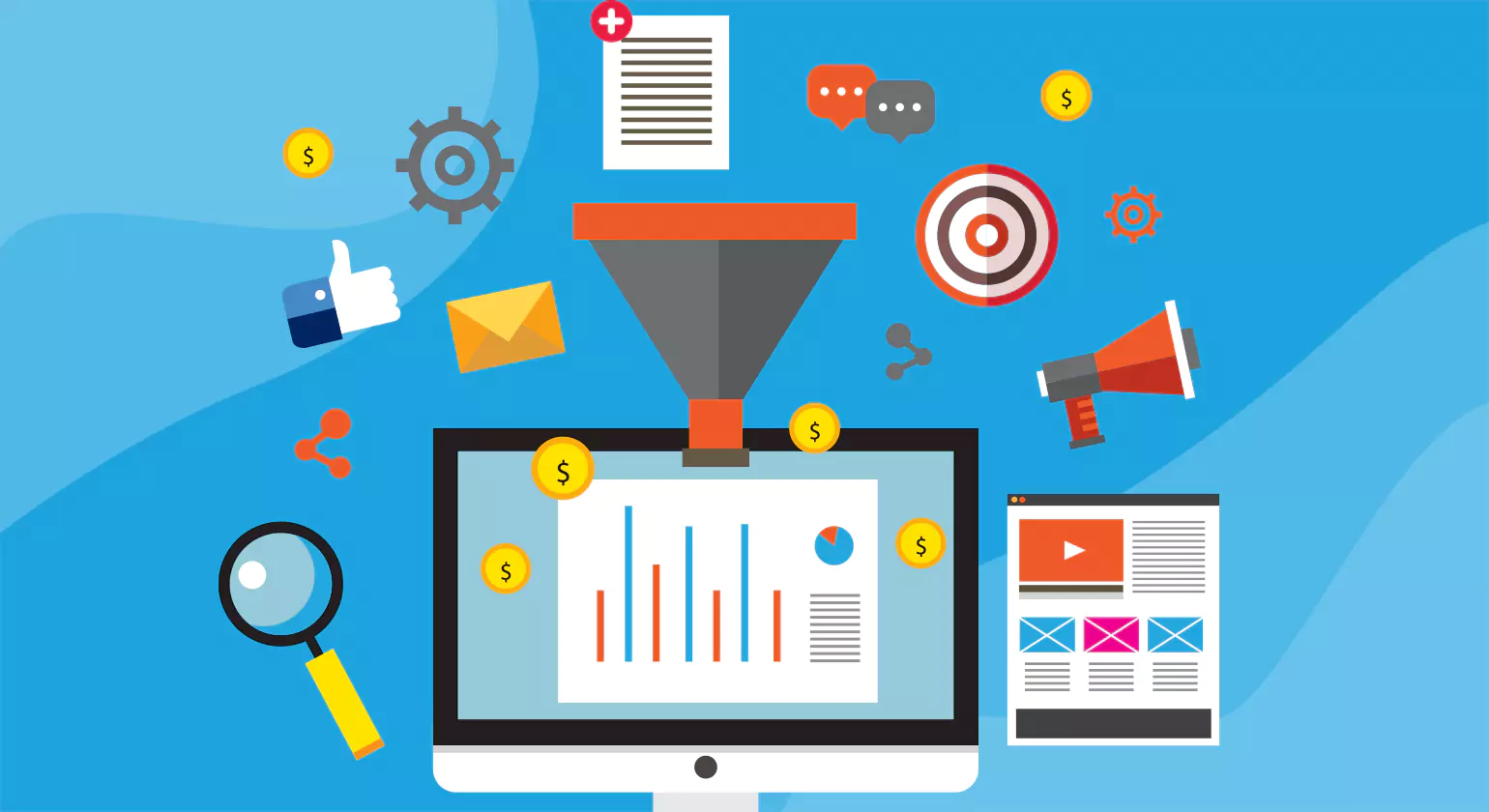
The eCommerce conversion is a conceptual framework that illustrates the journey potential customers take from the moment they first encounter your brand to when they make a purchase and beyond. It’s called a “funnel” because, much like a physical funnel, it narrows down as it progresses. At the top, you have a large number of prospects who become aware of your brand. As these prospects move through the funnel, they are gradually filtered down into smaller, more qualified groups: those who show interest, consider making a purchase, and ultimately become customers.
Understanding this ecommerce marketing funnel is essential to the success of your eCommerce strategy. Typically, the funnel is broken down into several steps: insight, interest, reflection, and conversion. Each stage requires different ways to move prospects to the next stage. For example, in the awareness phase, your goal is to attract as many potential customers as possible through content marketing, social media, and advertising. As they move through the interest and impression stages, personalised email campaigns, product recommendations, and retargeting ads are critical to maintaining engagement Finally, in the conversion phase, your attention and a clear call to action, simplified ways to shop, or discounts Free shipping and other incentives are going to close the sale.
You can significantly increase conversion rates by understanding and improving each stage of the ecommerce conversion funnel. This includes studying buyer behavior, detecting dropouts, and implementing targeted measures to attract new customers. The better you understand your funnel, the more successfully you can convert inactive users into committed customers, ensuring long-term growth for your eCommerce business.
5 Stages of the eCommerce Sales Funnel
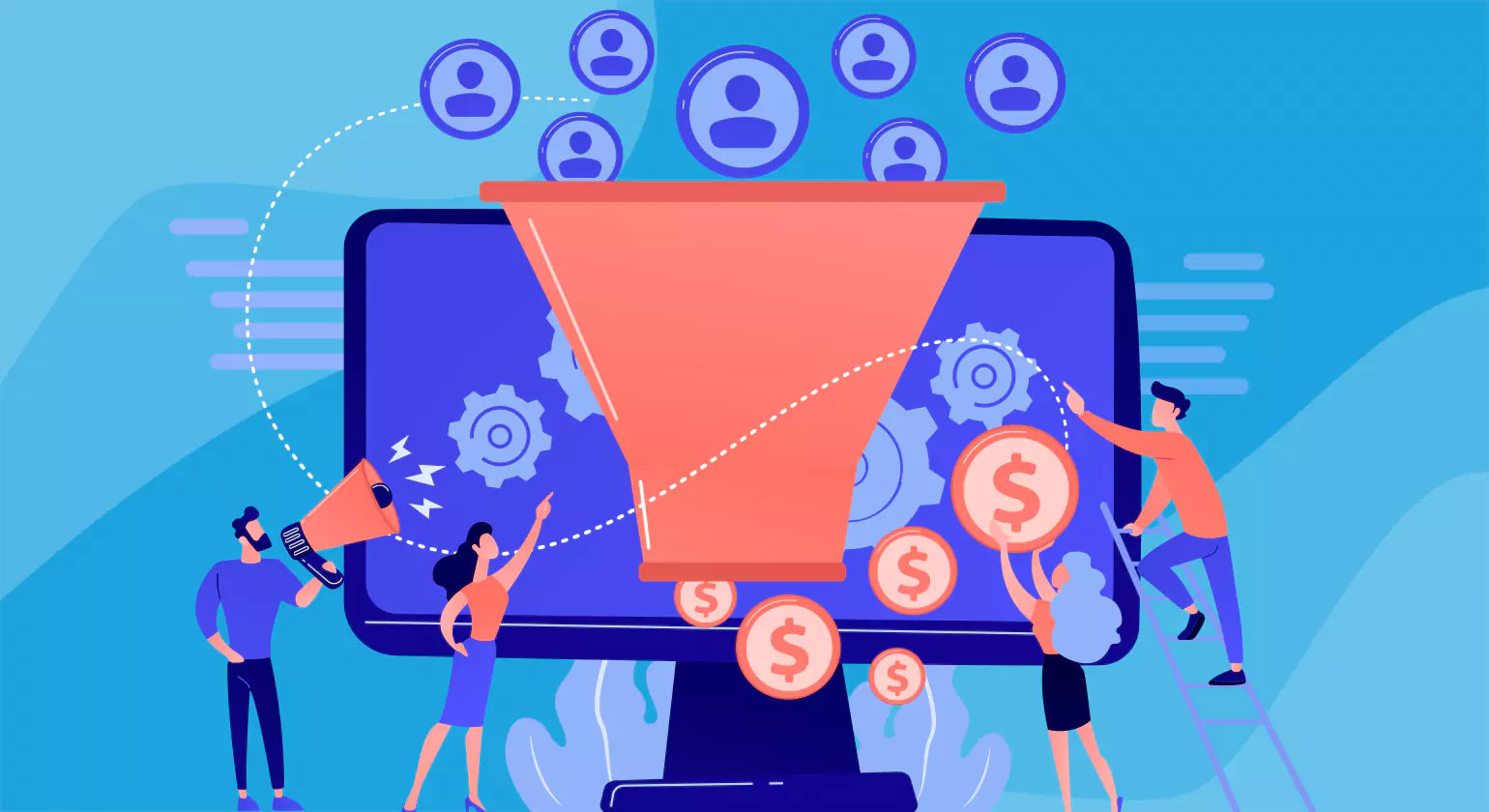
Understanding these five stages and implementing strategies tailored to each one can help you create a robust eCommerce sales funnel that not only drives sales but also fosters lasting customer relationships.
1. Awareness
The first stage of the eCommerce sales funnel is awareness. At this point, potential customers are just discovering your brand, often through channels like social media, search engines, or word of mouth. The goal here is to capture their attention and introduce them to what your brand offers. Effective strategies include content marketing, SEO, and paid advertising, all aimed at increasing your brand’s visibility and drawing visitors to your website.
2. Interest
Once prospects are aware of your brand, the next step is to spark their interest. This stage ecommerce conversion funnel involves engaging audience with relevant content and offers that address their needs or pain points. You can achieve this through blog posts, product demos, informative videos, and email marketing. The key is to provide value and information that resonate with your target audience, encouraging them to explore your products or services further.
3. Consideration
In the consideration stage of the eCommerce conversion, prospects are evaluating their options and comparing your products with competitors. This is where you need to differentiate your offerings by showcasing unique selling points, customer reviews, and case studies. Providing detailed product descriptions, comparison charts, and personalised recommendations can help convince potential buyers that your product is the best choice. Retargeting ads and abandoned cart reminders are also effective in keeping your brand top of mind during this stage.
4. Conversion
The conversion stage of the eCommerce conversion funnel is where prospects make the decision to purchase. At this point, your focus should be on simplifying the buying process and minimising any friction that could cause them to abandon their cart. Clear calls to action, easy-to-navigate checkout processes, multiple payment options, and incentives like discounts or free shipping can all contribute to closing the sale. Ensuring a seamless user experience at this stage is crucial for turning interested prospects into paying customers.
5. Retention and Advocacy
After the purchase, the conversion funnel ecommerce doesn’t end. The final stage is retention and advocacy, where the goal is to build long-term relationships with customers and turn them into repeat buyers or brand advocates. Providing excellent customer service, sending follow-up emails, offering loyalty programs, and encouraging customer feedback are all ways to keep customers engaged. Happy customers are more likely to refer others to your brand, amplifying your reach and bringing new prospects into the top of the funnel.
Boost Conversions with eCommerce Funnel Optimisation
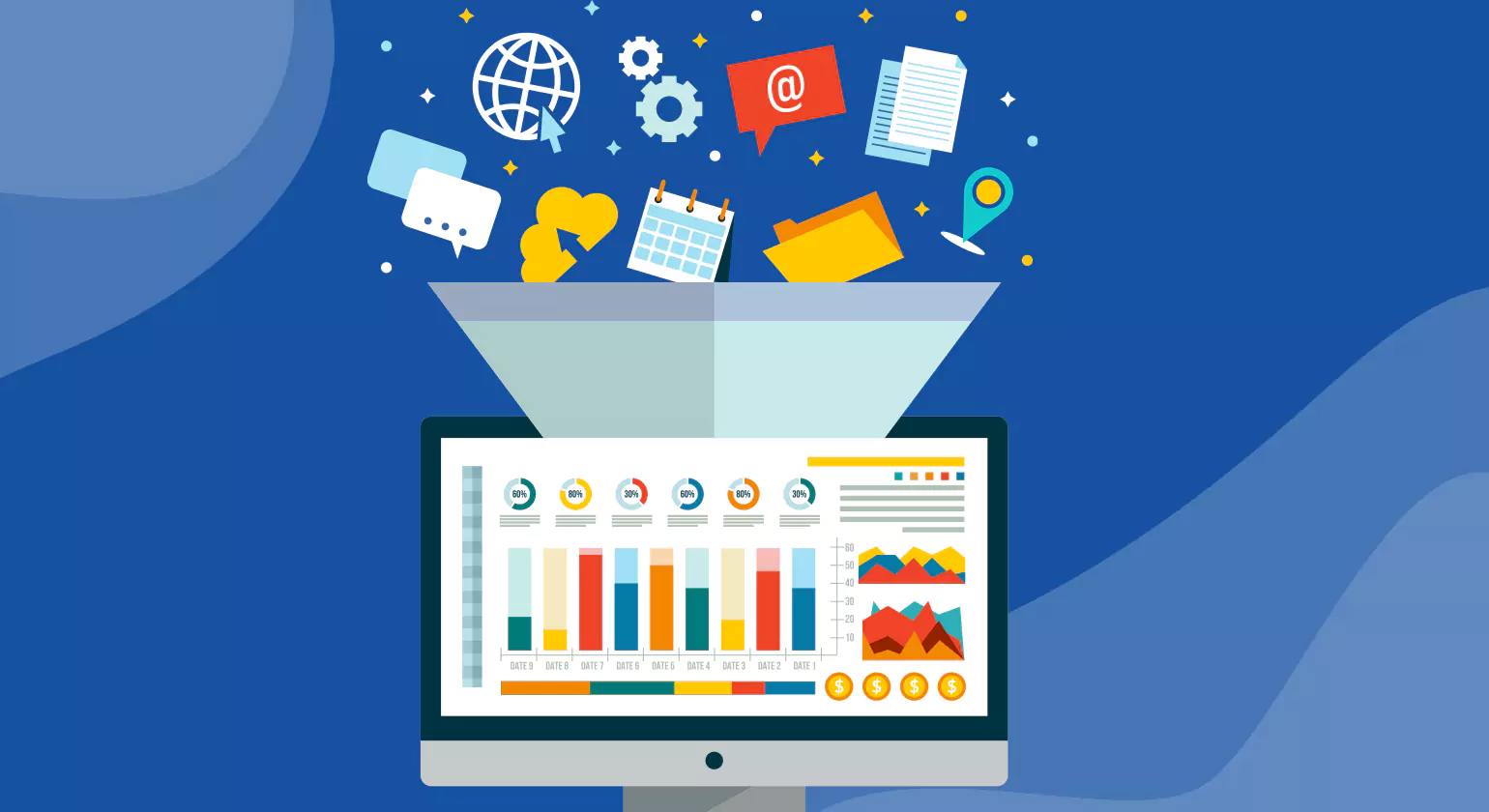
Boosting conversions through Ecommerce Conversion Funnel optimisation is all about fine-tuning each step of the customer journey to enhance engagement and drive more sales. By analysing how users interact with your website at every stage of the funnel from awareness to purchase you can identify areas where prospects might be dropping off and implement changes to keep them moving forward.
One of the most effective ways to optimise your sales funnel for ecommerce is by improving the user experience. This can involve simplifying the navigation, speeding up page load times, and ensuring your website is mobile-friendly. A smooth and intuitive experience can reduce friction and increase the likelihood of conversion. Additionally, personalisation plays a crucial role in funnel optimisation. Tailoring content, product recommendations, and offers to individual users based on their behaviour and preferences can significantly increase engagement and encourage them to take the next step in the funnel.
Another key aspect of eCommerce conversion funnel optimisation is the use of data-driven insights. By regularly analysing metrics such as bounce rates, cart abandonment rates, and conversion rates at each stage of the funnel, you can make informed decisions about where to focus your efforts. Whether it’s refining your product pages, adjusting your pricing strategy, or optimising your checkout process, small tweaks can lead to substantial improvements in conversion rates. With continuous testing and optimisation, your eCommerce marketing management can become a powerful tool for driving sales and building long-term customer relationships.
Ecommerce Conversion Funnel Examples to Boost Your Sales
Product Launch Funnel
A highly effective Ecommerce Conversion Funnel for new product launches involves generating excitement and anticipation before the product is available. The funnel begins with a pre-launch phase, where brands build awareness through teasers, countdowns, and email sign-ups for exclusive early access. Once the product is launched, the funnel moves into the interest and consideration stages with targeted email campaigns, social media ads, and influencer partnerships that showcase the product’s benefits. To convert interest into sales, limited-time offers or early-bird discounts are introduced. Post-purchase, follow-up emails encourage product reviews and referrals, driving both retention and advocacy. For example:
- Pre-Launch: Glossier often creates buzz for new product launches through social media teasers and early access for email subscribers.
- Launch: On the launch day, they use targeted ads and influencer partnerships to highlight the new product’s features and benefits.
- Conversion: They offer limited-time discounts to early buyers to encourage immediate purchases.
- Post-Purchase: Follow-up emails request reviews and offer related product recommendations.
Subscription Funnel
For eCommerce businesses offering subscription-based products or services, the ecommerce marketing funnel includes a subscription strategy designed to turn first-time buyers into recurring customers. This funnel starts with attracting leads through content marketing, free trials, or discounted first-month subscriptions. During the trial or initial purchase, the funnel focuses on educating customers about the ongoing value of the subscription, using personalized content, onboarding emails, and customer testimonials. As the trial period ends, timely reminders and incentives, like discounts on the next billing cycle, encourage customers to continue their subscription. The final stage involves nurturing these subscribers with regular value-added content and exclusive offers to keep them engaged and reduce churn. For example:
- Attract Leads: Dollar Shave Club uses humorous and engaging video ads to attract potential subscribers, offering a low-cost trial for first-time customers.
- Onboarding: After signing up, new subscribers receive a series of onboarding emails that explain the benefits of the subscription, including how-to guides and tips.
- Retention: They send reminders and personalised offers before the trial ends to encourage continued subscription.
- Engagement: Regular emails and exclusive offers keep subscribers engaged and reduce churn.
Abandoned Cart Recovery Funnel
One of the most common challenges in eCommerce is cart abandonment, where customers leave the site before completing a purchase. The Ecommerce Conversion Funnel includes an abandoned cart recovery funnel is specifically designed to win back these potential customers. This funnel begins with an automated email or SMS campaign triggered when a cart is abandoned. These messages typically include a reminder of the items left in the cart, along with incentives like discounts or free shipping to entice customers to complete their purchase. To further optimise this funnel, retargeting ads on social media and search engines can be used to bring customers back to the site. If the customer still doesn’t convert, follow-up emails offering additional incentives or highlighting limited stock can help close the sale. For example
- Abandonment Email: ASOS sends an automated email within hours of cart abandonment, featuring the items left behind and a call to action to complete the purchase.
- Incentives: The follow-up email may include a discount code or offer free shipping to entice the customer back.
- Retargeting: They use retargeting ads on social media to remind customers of their abandoned cart.
- Final Push: A last-chance email highlights the limited availability of the items left in the cart to create urgency.
Upsell/Cross-Sell Funnel
The Ecommerce Conversion Funnel includes an upsell/cross-sell strategy designed to increase the average order value by encouraging customers to purchase additional products or higher-value items. After a customer adds a product to their cart, this funnel introduces related products or premium versions through on-site recommendations, pop-ups, or in-cart suggestions. During the checkout process, customers might be offered complementary products at a discount, or a bundle deal that provides greater value. After the purchase, follow-up emails can promote related products or services, encouraging repeat purchases and maximising customer lifetime value. For example
- Product Page Recommendations: On the product page, Amazon shows “Customers also bought” and “Frequently bought together” suggestions to encourage additional purchases.
- Checkout Offers: During the checkout process, Amazon offers related products or upgrades, such as higher storage options or accessory bundles.
- Post-Purchase Emails: After the purchase, they send emails with recommendations for related products based on the customer’s buying history.
Loyalty Program Funnel
This conversion funnel ecommerce focuses on turning one-time buyers into repeat customers by rewarding them for their loyalty. It begins after a customer makes a purchase, with an invitation to join a loyalty program that offers points, discounts, or exclusive access to new products. The funnel then engages customers through personalised emails that highlight their points balance, remind them of the benefits of the loyalty program, and offer incentives to make another purchase. Regular communication about special promotions and double points events can further encourage repeat purchases, turning satisfied customers into brand advocates who consistently return to your store. For example
- Loyalty Program Enrolment: After a purchase, customers are invited to join Sephora’s Beauty Insider program, which offers points for every dollar spent.
- Engagement: Sephora sends personalised emails highlighting points earned, exclusive promotions, and early access to new products.
- Rewards: They offer personalised discounts and birthday gifts to reward loyal customers.
- Retention: Regular communication about new rewards and exclusive events encourages ongoing engagement and repeat purchases.
Building a Powerful eCommerce Conversion Funnel
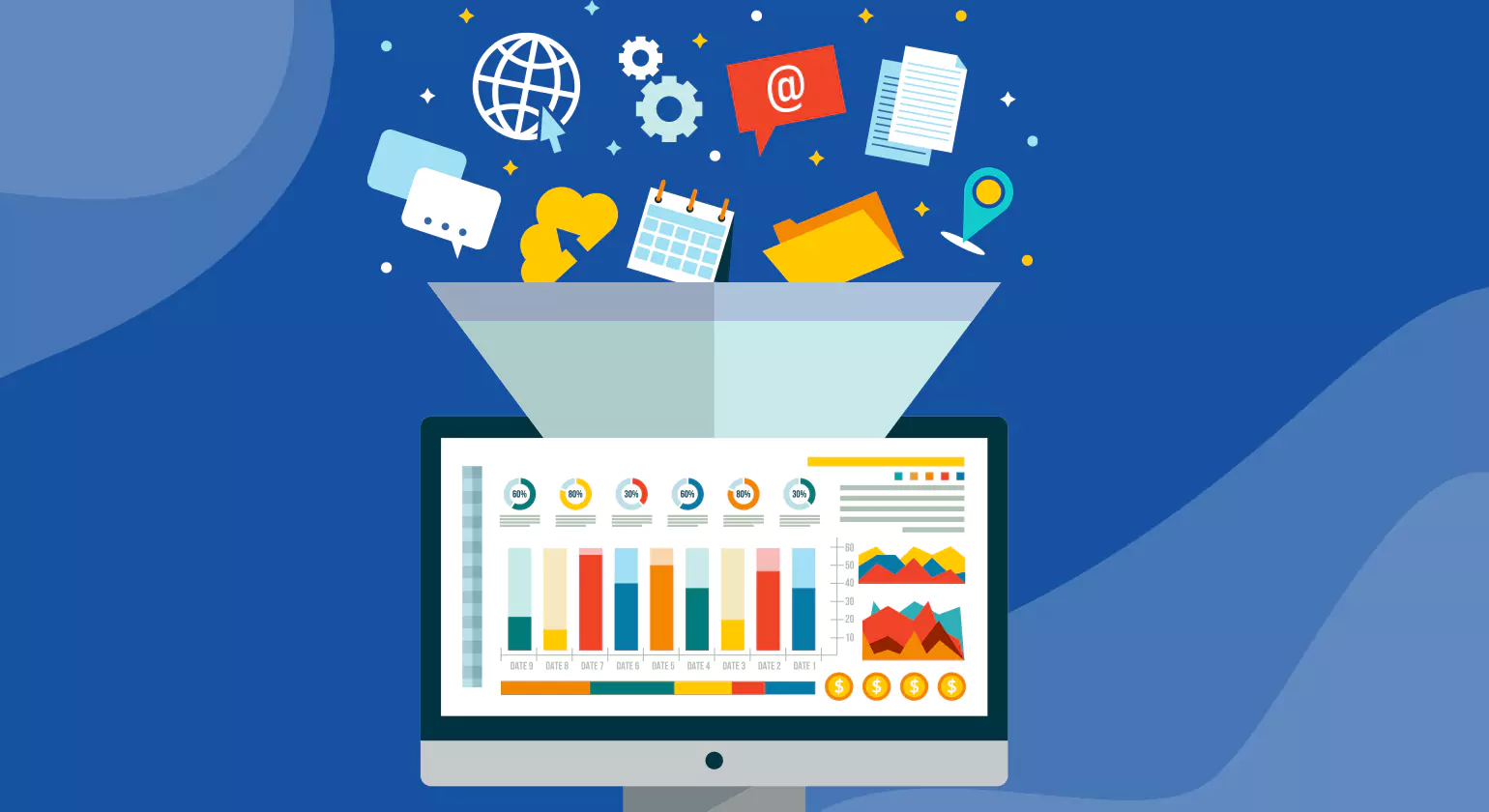
Creating a powerful eCommerce conversion funnel involves strategically designing each stage to effectively guide potential customers from their initial interaction with your brand to a completed purchase and beyond. Here’s a step-by-step guide to help you build a conversion funnel that maximises your eCommerce success
Define Your Funnel Stages
Start by outlining the key stages of your Ecommerce conversion funnel, which typically include.
- Awareness: Attracting potential customers to your site through various channels.
- Interest: Engaging visitors and piquing their interest in your products.
- Consideration: Encouraging visitors to evaluate your products and compare them to competitors.
- Conversion: Guiding prospects through the final steps to make a purchase.
- Retention: Keeping customers engaged and encouraging repeat purchases.
Understand Your Audience
Gain a deep understanding of your target audience by analysing their behavior, preferences, and pain points within the Ecommerce Conversion Use tools like customer surveys, website analytics, and social media insights to gather data. This will help you tailor your messaging and offers to address their specific needs and motivations.
Create Engaging Content
Develop content that speaks to your audience at each stage of the ecommerce marketing funnel.
- Awareness: Use blog posts, social media updates, and advertisements to attract attention. Focus on educational and entertaining content that introduces your brand.
- Interest: Provide valuable information through detailed product descriptions, how-to guides, and customer testimonials. Engage visitors with interactive content such as quizzes or videos.
- Consideration: Offer comparison charts, case studies, and reviews to help prospects make informed decisions. Use retargeting ads to remind them of their interest in your products.
- Conversion: Optimise your product pages with compelling calls to action, clear pricing, and an easy checkout process. Use urgency and scarcity tactics to encourage immediate purchases.
- Retention: Send follow-up emails, loyalty rewards, and personalised offers to keep customers coming back. Provide excellent customer service and gather feedback to improve their experience.
Optimise Your Website
Ensure your website is user-friendly and optimised for conversions within the Ecommerce Conversion Funnel.
- Design: Create a clean, intuitive design that guides users through the funnel. Use high-quality images and clear navigation to enhance the user experience.
- Performance: Ensure fast page load times and mobile responsiveness. A slow or cumbersome site can lead to high bounce rates and lost sales.
- Checkout Process: Simplify the checkout process by minimising steps and offering multiple payment options. Implement features like saved carts and guest checkout to streamline purchases.
Leverage Data and Analytics
Use data to continuously improve your ecommerce conversion funnel.
- Track Metrics: Monitor key performance indicators (KPIs) such as conversion rate, cart abandonment rate, and average order value. Use tools like Google Analytics and heatmaps to understand user behavior.
- A/B Testing: Conduct A/B tests on various elements of your funnel, such as landing pages, CTAs, and email campaigns, to determine what works best for your audience.
- Analyse Feedback: Collect and analyze customer feedback to identify pain points and areas for improvement in your funnel.
Implement Automation and Personalisation
Enhance your ecommerce conversion funnel with automation and personalisation.
- Email Marketing: Use automated email sequences to nurture leads, recover abandoned carts, and follow up with post-purchase offers.
- Personalisation: Personalise content and offers based on user behaviour and preferences. Use dynamic content to tailor messages and product recommendations to individual users.
Continuously Refine Your Funnel
Regularly review and refine your Ecommerce Conversion based on performance data and changing customer needs. Stay updated with industry trends and adapt your strategies to maintain a competitive edge and ensure ongoing success.
Identifying and Fixing Funnel Drop-Offs
To effectively tackle drop-offs in your Ecommerce Conversion Funnel, start by analysing funnel data using analytics tools like Google Analytics and Hotjar. This helps pinpoint where visitors abandon the purchasing process, whether during checkout, product selection, or cart addition. Segment your data by user demographics and device types to uncover patterns and specific problem areas.
Once you identify common drop-off points, use funnel visualisation reports and customer feedback to understand why users leave. Optimise critical stages of your Ecommerce Conversion Funnel, such as simplifying the checkout process, enhancing product pages with detailed descriptions and trust signals, and addressing pricing and shipping concerns transparently. Ensure your website loads quickly and is mobile-friendly to prevent users from leaving due to slow performance or a poor mobile experience.
Implement A/B testing to experiment with different elements of your funnel, such as CTA buttons and page layouts, to determine what reduces drop-offs most effectively. Analyse the results and apply successful changes while continuously monitoring and refining your Sales Funnel for eCommerce to keep pace with evolving user behaviour and industry best practices. This proactive approach ensures a smoother user experience and higher conversion rates.
Best Practices for a High-Converting Ecommerce Funnel
To build a high-converting eCommerce marketing funnel, focus on creating a seamless and engaging experience for your customers from start to finish. Here are some best practices to ensure your Ecommerce Conversion Funnel is optimised for maximum conversions:
- Design a User-Friendly Funnel: Ensure simplicity and clear CTAs for easy navigation within your Ecommerce Conversion Funnel.
- Optimise for Mobile: Make your Ecommerce Conversion Funnel responsive and fast-loading on mobile devices.
- Enhance Product Pages: Use high-quality images, detailed descriptions, and reviews to engage buyers and improve their journey through the Ecommerce Conversion.
- Streamline the Checkout Process: Reduce steps, offer guest checkout, and display all costs upfront to simplify the purchase experience within the Ecommerce Conversion.
- Implement Retargeting Strategies: Use personalised ads to re-engage cart abandoners and interested users.
- Leverage Personalisation: Tailor content and offers based on user behavior and preferences.
- Utilise Social Proof: Add reviews, testimonials, and trust badges to build credibility.
- Optimise for Speed: Improve site performance with fast loading times and optimised images.
- Test and Iterate: Use A/B testing to refine elements and enhance conversion rates.
- Monitor and Analyse Performance: Regularly review metrics and feedback to identify and address issues.
Industry-Specific eCommerce Conversion Funnel Strategies
Retail and Consumer Goods
- Product Discovery: Use detailed filters and search functionalities to help users easily find products. Implement visual search options and product recommendations based on browsing history.
- Promotions and Discounts: Highlight limited-time offers, seasonal sales, and bundle deals prominently in the ecommerce conversion funnel to drive urgency and increase conversions.
- Customer Reviews: Feature product reviews and ratings to build trust and provide social proof, enhancing the credibility of your offerings.
Fashion and Apparel
- Virtual Try-On: Implement virtual try-on tools or augmented reality (AR) features to allow customers to see how clothes or accessories will look on them.
- Personalised Recommendations: Use AI to offer personalised product recommendations based on past purchases and browsing behaviour as part of the conversion funnel optimisation
.
- Easy Returns: Simplify the return process and clearly communicate your return policy to alleviate concerns about purchasing apparel.
Health and Beauty
- Detailed Product Information: Provide comprehensive information about ingredients, benefits, and usage instructions for health and beauty products.
- Before-and-After Photos: Use visual testimonials and before-and-after photos to demonstrate the effectiveness of products.
- Subscription Models: Offer subscription options for recurring purchases, such as beauty products or health supplements, to build customer loyalty within the Ecommerce Conversion Funnel.
Electronics and Gadgets
- Technical Specifications: Include detailed technical specifications and comparison tools to help customers make informed decisions.
- Product Demos: Provide video demonstrations and user guides as part of the Ecommerce Conversion Funnel to showcase the features and functionality of electronics and gadgets.
- Warranty and Support: Highlight warranty information and customer support options to address potential concerns about product longevity and service.
Travel and Hospitality
- Interactive Itineraries: Allow users to build and customise their itineraries or vacation packages directly within the conversion funnel optimisation
- User Reviews and Ratings: Feature reviews and ratings for hotels, destinations, and travel experiences to build trust and provide social proof.
- Booking Flexibility: Offer flexible booking options and easy-to-understand cancellation policies to increase customer confidence.
Food and Beverage
- Subscription Boxes: Offer subscription services for regular deliveries of food or beverage products to encourage repeat purchases.
- Visual Appeal: Use high-quality images and enticing descriptions to showcase the freshness and quality of food and beverages.
- Dietary Information: Provide clear information about dietary restrictions, ingredients, and nutritional value within the Ecommerce Conversion Funnel to cater to specific customer needs.
B2B (Business-to-Business)
- Custom Quotes: Implement a feature for businesses to request custom quotes or bulk pricing to cater to specific needs.
- Case Studies and Whitepapers: Use case studies and whitepapers as part of the Ecommerce Conversion to demonstrate the value and impact of your products or services.
- Account Management: Offer account management features and personalised support to build strong business relationships and streamline purchasing.
Education and Training
- Course Previews: Provide sample lessons, course previews, or free trials within the Ecommerce Conversion to give potential students a taste of the content and format.
- Certification Details: Clearly communicate the value and recognition of certifications or qualifications earned through your programs.
- Student Testimonials: Feature testimonials and success stories from past students to build credibility and showcase the impact of your educational offerings.
Real Estate
- Property Tours: Offer virtual tours or video walkthroughs of properties to provide a comprehensive view without needing an in-person visit.
- Detailed Listings: Include detailed property information, floor plans, and neighborhood insights as part of the Ecommerce Conversion Funnel to assist buyers in making informed decisions.
- Lead Capture Forms: Use lead capture forms to gather potential buyers’ information and follow up with personalised property recommendations and updates.
Boost Your Funnel Performance with Analytics Tools

Track User Behaviours:
Use analytics tools to monitor how users navigate through your Ecommerce Conversion Funnel. Identify drop-off points and understand user interactions to pinpoint areas for improvement.
Analyse Conversion Rates:
Measure conversion rates at each stage of the funnel. Analyse which stages have the highest drop-off rates and implement targeted strategies to address these issues.
Utilize Heatmaps:
Implement heatmaps to visualise user engagement on your pages. See where users click, scroll, and spend the most time to optimise layout and content placement.
Set Up Funnel Visualisation:
Create funnel visualisations to track the flow of users through each step of your Ecommerce Conversion. This helps in identifying where users are abandoning the funnel and assessing overall funnel efficiency.
Monitor User Journeys:
Track individual user journeys to understand common paths and behaviours. Use this data to refine user experience and streamline navigation.
A/B Test Variations:
Conduct A/B testing to compare different versions of funnel elements, such as CTAs and page layouts. Use results to determine which variations lead to better performance.
Leverage Cohort Analysis:
Use cohort analysis to evaluate how different groups of users perform over time. Identify trends and patterns to tailor strategies for different user segments.
Implement Attribution Models:
Apply attribution models to understand how different touchpoints contribute to conversions. This helps in allocating resources effectively and optimising marketing efforts.
Review Funnel Reports:
Regularly review detailed funnel reports to gain insights into performance metrics, such as conversion rates, average time spent in the funnel, and user behaviour.
Integrate Feedback:
Collect and analyse user feedback to understand pain points and areas for improvement. Use this feedback to make data-driven adjustments and enhance Ecommerce Conversion Funnel performance.
Metrics and Benchmarks for Funnel Success
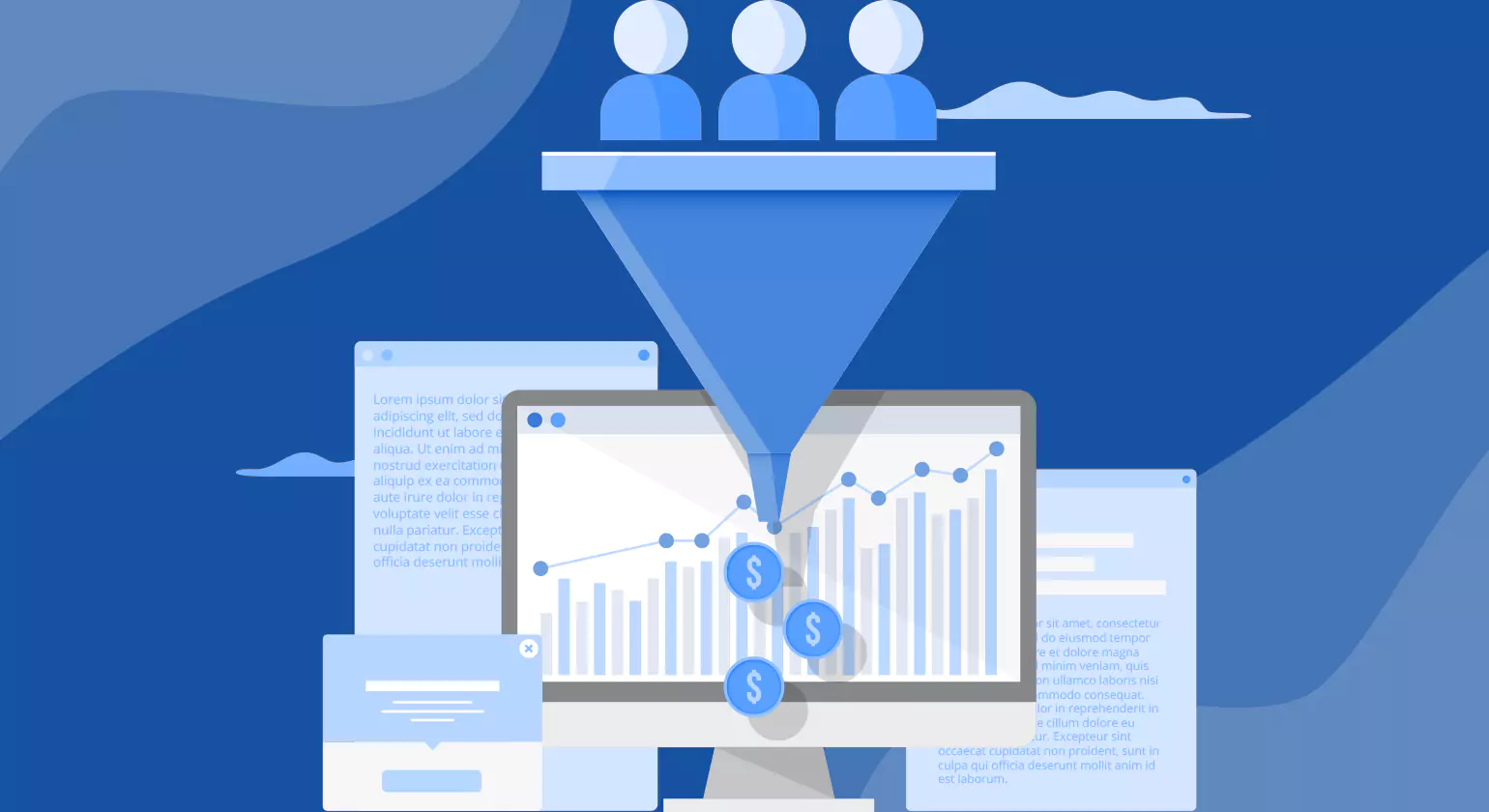
To gauge the success of your Sales Funnel for eCommerce, start by measuring the conversion rate, which shows the percentage of users completing the desired action compared to those entering the ecommerce conversion funnel, with a typical target of 2-5%. Also, monitor the drop-off rate to identify where users abandon the funnel, often ranging from 40-60%. Reducing this rate can greatly enhance performance. Track the average order value (AOV) to understand how much users spend per transaction, aiming to increase this through upselling. Additionally, measure the cart abandonment rate, which averages between 60-80%, and work on strategies to reduce it. The time in funnel helps you gauge how efficiently users navigate through the process, balancing speed with thoroughness.
Assess customer acquisition cost (CAC) and customer lifetime value (CLV) to ensure profitability, with CAC ideally being lower than CLV. Monitor the bounce rate, ideally between 20-40%, to measure user engagement with your content and design. The engagement rate reveals how users interact with the funnel steps, indicating content effectiveness. Lastly, calculate return on investment (ROI) to evaluate profitability, aiming for a positive ROI and optimising continuously. These metrics and benchmarks provide crucial insights for refining your Ecommerce Conversion and improving overall success.
Conclusion
Optimising your ecommerce conversion is essential for driving higher conversion rates and achieving business success. By implementing industry-specific strategies, you can tailor your funnel to address unique challenges and opportunities within your sector. Leveraging analytics tools plays a crucial role in this optimisation process, providing valuable insights into user behavior, funnel performance, and areas for improvement. Tracking key metrics, utilising funnel visualisation, conducting A/B tests, and analysing user interactions help identify and address drop-offs, streamline the user journey, and enhance the overall experience.
Regularly monitoring performance and integrating feedback from users and CRM systems ensures that your ecommerce conversion funnel remains effective and responsive to changing customer needs. By continuously refining your strategies based on data-driven insights, you can create a seamless and engaging eCommerce experience that drives higher conversions and fosters long-term customer loyalty. Embracing these practices will not only improve your funnel’s efficiency but also position your business for sustained growth and success in the competitive eCommerce landscape.
Read more>>> Digital Marketing Virtual Assistant Support and Sales Funnel Strategy
Top 10 Funnel Landing Page Services Examples and Insights for 2026
FAQ's
1. What is an eCommerce Conversion Funnel?
An eCommerce conversion funnel is a model that outlines the stages a customer goes through from discovering your brand to making a purchase. It typically includes stages like Awareness, Interest, Consideration, Intent, and Purchase, helping businesses understand and improve the customer journey.
2. How to Improve the eCommerce Conversion Funnel?
To enhance your eCommerce funnel, simplify navigation with clear CTAs, improve product pages with detailed descriptions and high-quality images, and streamline the checkout process by reducing steps and providing clear cost information. Use A/B testing to identify the most effective funnel elements and apply retargeting to bring back users who have abandoned their carts.
3. What are the stages of an e-commerce conversion funnel?
The main stages are:
Awareness: Attracting visitors through content marketing and SEO.
Consideration: Nurturing leads with detailed product information and comparisons.
Conversion: Encouraging purchases through compelling calls-to-action and streamlined checkout processes.
4. What Are Common Challenges in an eCommerce Conversion Funnel?
Common challenges include high cart abandonment rates, poor site navigation, ineffective product pages, slow site performance, and lack of personalization, which can all lead to lower conversion rates and user dissatisfaction.
5. Why is an e-commerce conversion funnel important?
An e-commerce conversion funnel is crucial as it helps businesses understand customer behavior, optimize marketing efforts, and increase sales by identifying where potential customers drop off in the buying process.
6. What are the key differences between SEO content for awareness and consideration stages?
SEO content for the awareness stage focuses on educating potential customers about their problems, using broad topics. In contrast, consideration stage content provides detailed comparisons and solutions, helping users evaluate specific products or services.