Table of Contents
Introduction
In today’s data-driven world, businesses collect vast amounts of information about their customers, operations, and market trends. However, raw data often lacks context and completeness, which can limit its usefulness. This is where B2B data enrichment services come in. Data enrichment is the process of enhancing, refining, and augmenting raw data to make it more meaningful and actionable. By adding relevant details and filling in gaps, businesses can unlock the full potential of their data.
Data enrichment are essential for companies that want to improve decision-making, personalize customer experiences, and optimize marketing and sales strategies. These services integrate external data sources with internal datasets to provide a more comprehensive view of customers, prospects, and business operations. For example, a basic customer record containing a name and email address can be enriched with additional details like job title, company size, social media profiles, and purchasing behavior. By leveraging data enrichment solutions, businesses can enhance data accuracy, gain deeper insights, and create more targeted and effective engagement strategies.
In the following sections, we’ll explore the benefits of data enrichment, the different types of services available, and how the process works step by step. Whether you’re a small business or a large enterprise, understanding data enrichment is key to staying competitive in a rapidly evolving digital landscape.
What are data enrichment services?
Data enrichment services involve enhancing and refining an organization’s existing data by appending, correcting, and updating it with information sourced from external data sets or internal repositories. This process significantly improves the quality, completeness, and value of the original data, making it more reliable and actionable for business purposes. For example, a company might use enrichment to take a list of customer email addresses and append corresponding demographic, firmographic (for business data), or behavioral data such as job titles, company size, or recent purchase history.
The primary goal of these services is to provide a holistic view of customers, prospects, or market segments, which is essential for effective marketing personalization, sales outreach, risk assessment, and business intelligence. By leveraging more comprehensive data, businesses can achieve better segmentation, more accurate lead scoring, improved fraud detection, and deeper market understanding, ultimately leading to higher conversion rates and more informed strategic decision-making. Data enrichment often utilizes APIs and automated processes to maintain data freshness and consistency.
The Benefits of Data Enrichment Services
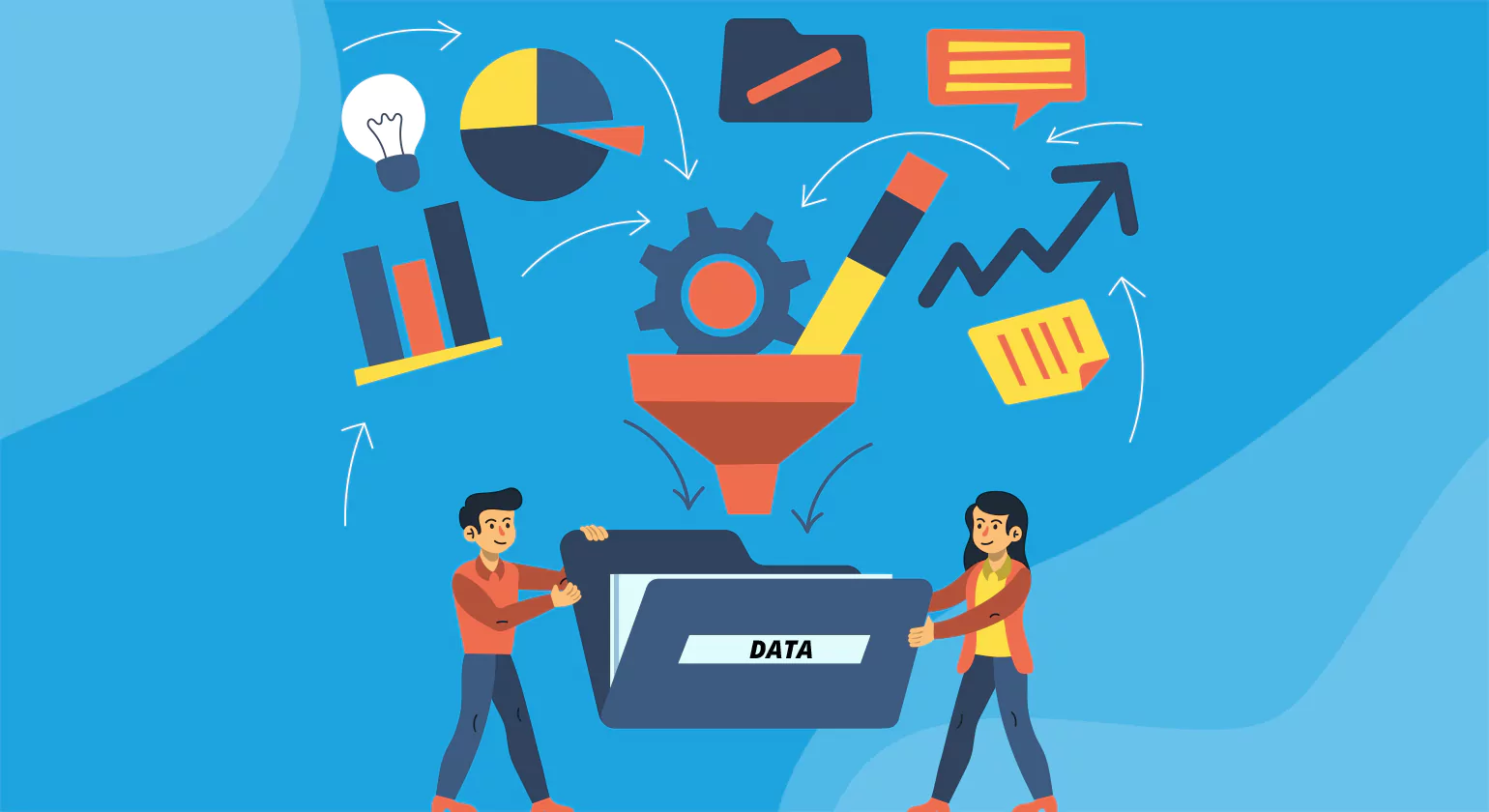
This offer numerous advantages that can help businesses achieve their goals more effectively. Here are some of the key benefits
1. Improved Data Accuracy
One of the primary benefits of data enrichment is the enhancement of data accuracy. Outdated or incomplete data can lead to incorrect assumptions and poor decision-making. Enriched data ensures that businesses work with accurate, up-to-date, and relevant information, reducing the risk of errors in marketing campaigns, customer outreach, and strategic planning.
2. Better Customer Segmentation
enrichment services allow businesses to segment their customers more effectively. By adding demographic, geographic, and behavioral information to existing records, companies can create detailed customer profiles. This enables targeted marketing campaigns that resonate with specific audience groups, leading to higher engagement and conversion rates.
3. Enhanced Personalization
In today’s competitive market, personalization is key to building strong customer relationships. Enriched data provides the insights needed to tailor communication, products, and services to individual preferences. For example, knowing a customer’s purchasing history and interests can help businesses send personalized recommendations and offers.
4. Increased Efficiency
b2b data enrichment solutions streamlines business processes by eliminating the need for manual data collection and verification. With enriched data, sales and marketing teams can focus on high-value activities, such as nurturing leads and closing deals, rather than spending time on data cleanup and research.
5. Higher ROI on Marketing and Sales Efforts
Accurate and comprehensive data enables businesses to target the right audience with the right message at the right time. This leads to more successful marketing campaigns, higher lead conversion rates, and ultimately, a better return on investment (ROI) for marketing and sales efforts.
6. Informed Decision-Making
With enriched data, decision-makers have access to detailed insights that help them identify trends, opportunities, and potential risks. Whether it’s launching a new product, entering a new market, or optimizing operations, enriched data empowers businesses to make informed and strategic decisions.
Types of Data Enrichment Services

This data can be categorized based on the type of data being enriched and the methods used. Here are the main types
1. Demographic Enrichment
Demographic enrichment involves adding information about individuals, such as age, gender, income level, education, and marital status. This type of enrichment is particularly useful for businesses looking to target specific customer groups or tailor their marketing efforts.
2. Firmographic Enrichment
Firmographic enrichment focuses on business-related data, such as company size, industry, revenue, and location. It’s valuable for B2B companies that want to better understand their prospects and identify high-value accounts.
3. Geographic Enrichment
Geographic enrichment adds location-based details, such as postal codes, cities, states, and countries. This type of enrichment helps businesses analyze regional trends, optimize delivery routes, and create location-specific marketing campaigns.
4. Behavioral Enrichment
Behavioral enrichment involves collecting data on customer interactions, preferences, and purchasing behaviors. This type of enrichment provides insights into customer interests and habits, enabling businesses to predict future behaviors and tailor their offerings.
5. Social Media Enrichment
Social media enrichment adds data from social media platforms, such as LinkedIn, Twitter, and Facebook. This can include information like profile links, interests, and activity patterns, which help businesses better understand their audience’s online presence.
6. Transactional Enrichment
Transactional enrichment is the one of B2B data enrichment services focuses on enhancing data related to customer transactions, such as purchase history, order frequency, and average spend. This type of enrichment is crucial for analyzing customer value and identifying upselling or cross-selling opportunities.
7. Technographic Enrichment
Technographic enrichment involves gathering data on the technologies and tools that businesses or individuals use. This is especially useful for companies in the tech industry that wants to target prospects based on their existing tech stack.
How Data Enrichment Works: A Step-by-Step Guide
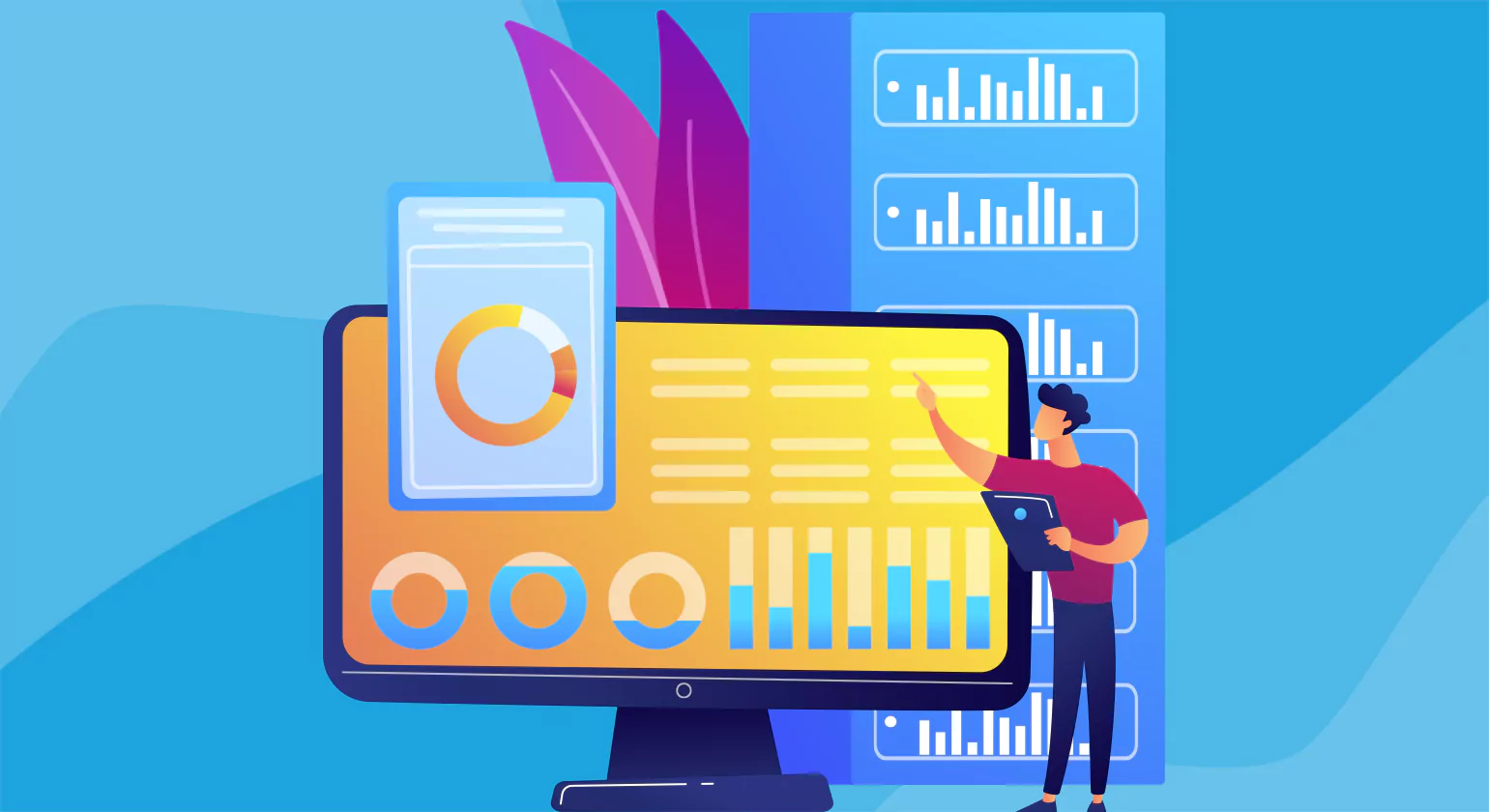
The data enrichment process involves several steps to ensure that raw data is transformed into an asset. Here’s how it typically works:
Step 1: Data Collection
The first step in enrichment data services is collecting raw data from various sources. This can include internal databases, customer relationship management (CRM) systems, social media platforms, and third-party data providers. The goal is to gather as much relevant information as possible to create a foundation for enrichment.
Step 2: Data Cleaning
Before enriching the data, it’s essential to clean it. This involves removing duplicate records, correcting errors, and standardizing formats. Clean data ensures that the enrichment process is accurate and efficient.
Step 3: Data Integration
In this step, the raw data is integrated with external datasets to fill in missing details and add new information. For example, a customer’s basic contact details can be enriched with demographic or firmographic data from third-party sources.
Step 4: Data Validation
After integration, the enriched data is validated to ensure its accuracy and reliability. This can involve cross-checking the data with trusted sources or using automated tools to verify its authenticity.
Step 5: Data Segmentation
Once the data is enriched and validated, it’s segmented into categories based on predefined criteria, such as demographics, behaviors, or geographic locations. Segmentation makes it easier for businesses to analyze and utilize the data effectively.
Step 6: Data Utilization
The final step is putting the outsource data enrichment services to use. Businesses can leverage enriched data for various purposes, such as creating personalized marketing campaigns, improving customer service, and optimizing sales strategies. The insights gained from enriched data can also inform strategic decision-making across the organization.
Top Data Enrichment Service Providers
Selecting the right data services provider is essential for enhancing your business operations. Below are some of the top providers in the industry, known for their reliability and the value they offer
1. Clearbit
Clearbit specializes in B2B data enrichment Services, offering tools to append valuable information such as company size, industry, and contact details to your existing data. Its seamless integration with popular CRMs like Salesforce and HubSpot makes it a go-to solution for many businesses.
2. ZoomInfo
ZoomInfo is a leader in the B2B data space, providing detailed insights into prospects and companies. It offers tools for sales and marketing teams to enhance their targeting capabilities and improve lead quality.
3. LeadGenius
LeadGenius focuses on lead generation and enrichment, offering customized datasets tailored to specific industries. It also provides insights to help businesses better understand their target audience.
4. Skyvia
Skyvia offers data integration and enrichment services, allowing businesses to consolidate and enhance data from multiple sources. It supports over 170 applications and databases, making it highly versatile.
5. FullContact
FullContact’s enrichment services help businesses complete incomplete profiles with additional details such as demographic data, social media profiles, and interests. This enables better audience segmentation and engagement.
6. Datanyze
Datanyze is a browser-based tool ideal for enriching B2B contact data. It integrates with CRMs and provides real-time information, making it a valuable tool for sales teams.
7. Apollo.io
Apollo.io is both a sales engagement and data enrichment platform. It offers verified email addresses, job titles, and company details. What sets it apart is its integration of enrichment with outbound outreach features like automated emailing and dialing, helping sales teams streamline their workflow.
8. InsideView
InsideView, a part of Demandbase, helps organizations improve their account-based marketing efforts. It provides real-time product data enrichment Services, helping align sales and marketing with accurate company profiles, industry news, and decision-maker contacts. It’s widely used in mid-sized to large B2B organizations.
9. Snov.io
Snov.io is a versatile sales automation platform with strong data enrichment capabilities. It enables users to find and verify email addresses, company details, and more. Snov.io is especially favored by small businesses and startups looking for affordable yet effective enrichment and outreach tools.
10. People Data Labs (PDL)
People Data Labs offers developer-friendly APIs for building Prodect data enrichment Services into custom workflows. It provides access to over 3 billion profiles, covering employment history, skills, education, and more. PDL is popular among data scientists, engineers, and product teams looking for scalable enrichment solutions.
Key Features to Look for in Data Enrichment Services
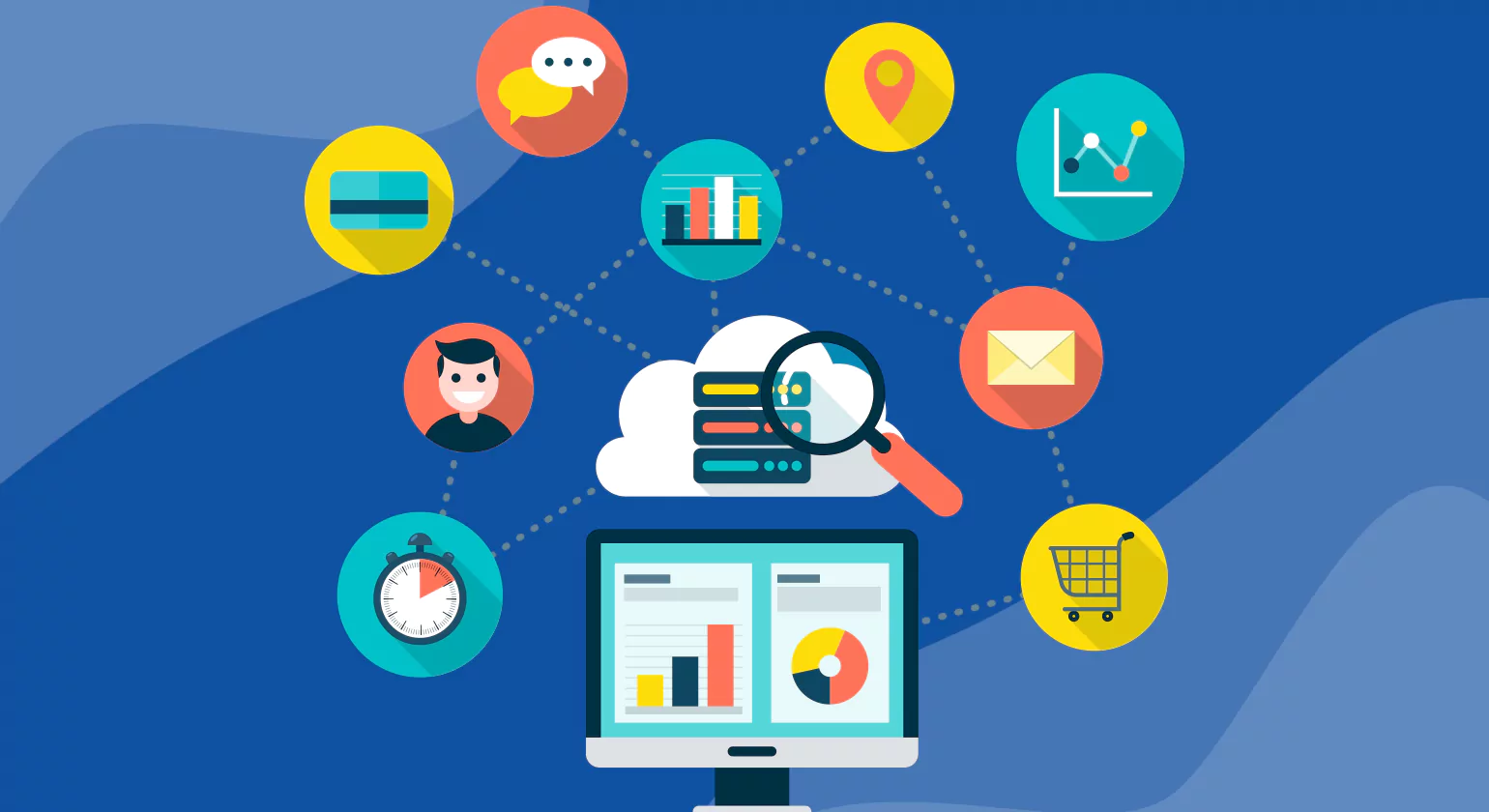
When evaluating enrichment services, it’s crucial to consider the features that align with your goals. A well-chosen service can improve operational efficiency, decision-making, and customer engagement. By leveraging data enrichment solutions, businesses can enhance the quality and accuracy of their datasets, leading to more precise targeting and improved marketing efforts. Here are the key features to prioritize:
1. Data Accuracy and Quality
The success of data enrichment depends on the accuracy and quality of the added information. Choose providers with robust verification processes and reliable data sources. High-quality data ensures that your insights are actionable and reduces the risk of errors in decision-making. Assess the provider’s track record through case studies, client testimonials, or a trial run to evaluate the accuracy of their data.
2. Integration Capabilities
Ensure the service can seamlessly integrate with your existing CRM, marketing automation platforms, or data management systems. This ensures a smooth workflow and avoids the need for manual data entry, saving time and reducing errors. Check compatibility with popular platforms like Salesforce, HubSpot, or Microsoft Dynamics to ensure a hassle-free integration process.
3. Real-Time Updates
Real-time data enrichment service ensure that your information stays current, reducing the risk of acting on outdated or incorrect data. This is especially important for businesses in fast-paced industries like e-commerce, finance, or tech, where timely decisions are critical. Look for providers that offer live data feeds or frequent updates to maintain relevance and accuracy.
4. Customization Options
Look for services that allow you to tailor the enrichment process to your specific business needs, such as adding industry-specific data points. For example, a real estate company might need property-related data, while a healthcare organization may require patient demographics. Customization ensures that the enriched data aligns closely with your business objectives and industry standards.
5. Scalability
As your business grows, your outsource data enrichment services needs will evolve. opt for a service that can scale with your requirements without compromising performance. Whether you’re expanding into new markets or dealing with a surge in customer data, scalability ensures that the service remains effective and efficient.
6. Security and Compliance
Data security is paramount. Choose a provider that adheres to stringent security protocols and complies with relevant data privacy regulations such as GDPR (General Data Protection Regulation), HIPAA (Health Insurance Portability and Accountability Act), or CCPA (California Consumer Privacy Act). Providers should offer encryption, regular audits, and other security measures to protect sensitive data from breaches.
7. Ease of Use and Support
A user-friendly interface and robust customer support are essential. Look for providers that offer intuitive dashboards, clear documentation, and responsive support teams to assist with any challenges. This is especially helpful for businesses without a dedicated data team.
8. Reporting and Analytics
Advanced reporting and analytics capabilities allow you to measure the impact of enriched data on your business processes. Look for tools that provide clear insights and metrics, such as customer segmentation, conversion rates, or campaign performance.
9. Cost-Effectiveness
While price should not be the sole deciding factor, it’s essential to choose a service that provides value for money. Compare pricing models and features to ensure you’re getting the best return on investment. Some providers offer flexible pricing plans based on the volume of data, which can be advantageous for businesses with fluctuating needs.
How to Choose the Best Data Enrichment Service for Your Business
Finding the right data enrichment services for your business involves assessing your specific needs and evaluating potential providers. Follow these steps to make an informed decision
1. Define Your Goals
Identify what you aim to achieve with data enrichment solution. Are you looking to improve lead quality, enhance customer segmentation, or gain deeper insights into your audience? Knowing your goals will help narrow down your options.
2. Evaluate Your Data Needs
Assess the type of data you need to enrich. For example, if you’re in B2B, you may focus on company details and professional roles, while B2C businesses might prioritize demographic and behavioral data.
3. Set a Budget
Determine how much you’re willing to spend on data enrichment. Keep in mind that higher-priced services often provide more comprehensive data and advanced features.
4. Research Providers
Compare providers based on their offerings, reviews, and case studies. Look for testimonials from businesses in your industry to gauge the provider’s effectiveness.
5. Request Demos or Trials
Many providers offer free trials or demos. Use these opportunities to test their features and evaluate their ease of use.
6. Check Integration and Support
Ensure the service integrates smoothly with your existing tools and offers reliable customer support to address any issues that arise.
By following these steps, you can choose a data enrichment service that aligns with your objectives and enhances your business operations.
Best Practices for Implementing Data Enrichment Services
Successfully implementing enrichment services requires careful planning and execution. Here are some best practices to follow:
1. Start with Clean Data
Before enriching your data, ensure your existing database is free from duplicates, errors, and outdated information. This sets a strong foundation for the enrichment process.
2. Define Clear Objectives
Establish what you want to achieve with data enrichment, such as improving customer segmentation, enhancing lead generation, or boosting marketing ROI.
3. Use Automation
Leverage automation tools to streamline the data services process. Automation reduces manual effort and ensures consistent results.
4. Monitor Data Quality
Regularly audit your enriched data to maintain its quality and relevance. This includes verifying the accuracy of new information and removing any outdated records.
5. Train Your Team
Ensure your team understands how to use the enriched data effectively. Provide training on how to integrate it into marketing campaigns, sales strategies, and customer service processes.
6. Protect Customer Privacy
Adhere to data privacy regulations and ethical practices. Inform customers about how their data will be used and ensure secure handling of sensitive information.
7. Measure Success
Track the performance of your data enrichment efforts using key metrics, such as improved conversion rates, enhanced customer engagement, and increased ROI.
By implementing these best practices, you can maximize the value of data enrichment services and achieve your business goals efficiently.
Common Challenges in Data Enrichment

While data enrichment service offer numerous benefits, they also come with their share of challenges. Businesses must navigate these obstacles to ensure they maximize the potential of enriched data without compromising its quality or utility. Below are some of the most common challenges organizations face in the data enrichment process and how to address them.
1. Data Accuracy and Quality
One of the most pressing challenges in b2b data enrichment solutions is maintaining accuracy. Enriched data is only valuable if it is correct and up to date. Outdated or incorrect information can lead to poor decision-making and wasted resources.
Solution:
- Regularly verify and update your data sources.
- Use tools and services that emphasize data accuracy and employ advanced validation techniques.
- Cross-check enriched data with internal records to ensure consistency.
2. Integration Issues
Integrating enriched data with existing systems can be challenging, particularly if different platforms use incompatible formats or structures. This can create data silos and hinder seamless workflows.
Solution:
- Choose enrichment services that offer robust integration capabilities, such as APIs and compatibility with popular CRM or ERP systems.
- Standardize data formats across your organization to simplify integration.
- Work closely with IT teams to ensure smooth transitions and compatibility.
3. Cost Concerns
outsource Data enrichment services can be expensive, especially for small and medium-sized businesses. The costs can quickly add up when accessing premium datasets or employing advanced tools.
Solution:
- Assess your specific data needs and focus only on services that align with your business goals.
- Start with scalable plans or pay-as-you-go options to manage costs effectively.
- Monitor ROI to ensure the benefits of data enrichment outweigh the expenses.
4. Data Privacy and Compliance
Handling sensitive customer data comes with privacy and compliance concerns. Non-compliance with regulations like GDPR or CCPA can result in hefty fines and damage to your reputation.
Solution:
- Work with b2b data enrichment solutions providers that prioritize data security and adhere to compliance standards.
- Conduct regular audits to ensure adherence to privacy laws and internal policies.
- Educate your team about data security best practices.
5. Duplicate and Inconsistent Data
Duplicate records and inconsistencies can arise when merging enriched data with existing datasets. This can lead to confusion and inefficiencies in decision-making.
Solution:
- Use tools with built-in deduplication and normalization features.
- Establish clear guidelines for data entry and maintenance.
- Regularly audit your database to identify and address duplicates or inconsistencies.
6. Over-Reliance on Automation
While automation speeds up the data enrichment process, over-reliance on it can lead to errors, especially when dealing with nuanced or complex datasets.
Solution:
- Combine automated tools with manual oversight to ensure accuracy.
- Train staff to review and validate enriched data.
- Use automation selectively for tasks that are repetitive and straightforward.
By addressing these challenges proactively, businesses can harness the full potential of data enrichment, ensuring that their data-driven decisions are both reliable and impactful.
Conclusion
Data enrichment services play a vital role in transforming basic information into actionable insights, helping businesses make smarter, data-driven decisions. By understanding the benefits, types, and best practices, companies can unlock the full potential of their customer and operational data. Choosing the right provider and features tailored to your needs ensures long-term value and improved accuracy. As data becomes increasingly central to success, enrichment is no longer optional—it’s essential.
While challenges like data privacy, integration, and accuracy may arise, they can be managed with the right approach and trusted partners. Investing in a reliable data enrichment service can significantly elevate your marketing, sales, and customer engagement strategies. Staying informed and strategic will help you maximize returns and stay competitive in a data-driven landscape. Start enriching your data today to make smarter decisions tomorrow.
FAQs
1. What is data enrichment and why is it important for businesses?
Data enrichment is the process of appending and refining existing first-party data with information from third-party sources. It’s important because it creates a more complete and accurate view of customers and prospects, leading to better personalization, improved targeting for marketing campaigns, enhanced lead scoring, and ultimately, higher conversion rates and better ROI.
2. How do data enrichment services typically work?
Data enrichment services usually involve an automated process. A business uploads its raw data (like an email address or company name) to the service. The provider then uses its vast databases and algorithms to match and append missing attributes, such as demographics, firmographics, or behavioral data, and finally returns the enriched, high-quality file.
3. What are the main types of data used for enrichment?
The main types of data used include contact information (phone, job title, social profiles), demographic data (age, gender, income), firmographic data (company size, industry, revenue), and behavioral data (purchase history, website activity). The specific data appended depends on whether the enrichment is focused on B2C or B2B operations.
4. What is the difference between data validation and data enrichment?
Data validation focuses on checking the accuracy and correctness of existing data, ensuring fields like email addresses and phone numbers are usable. Data enrichment goes a step further by adding new, missing, and valuable attributes to the existing validated records, making the profile more detailed and useful for insights and targeting.
5. How does data enrichment help with lead generation and sales?
Data enrichment provides sales and marketing teams with deeper context on leads, such as their company size, industry, technology stack, and decision-maker job titles. This allows sales to personalize outreach, prioritize the most valuable prospects, and tailor their pitch to the specific needs of the account, significantly accelerating the sales cycle.
6. Is data enrichment a continuous or one-time process?
For optimal results, data enrichment should be a continuous, ongoing process, not a one-time clean-up. Customer and market data decays rapidly, so regularly enriching data ensures that customer profiles remain up-to-date, accurate, and relevant. Many services offer real-time APIs for continuous enrichment upon data entry.
7. What are the compliance risks associated with using data enrichment services?
Compliance risks primarily involve data privacy regulations such as GDPR, CCPA, and others. Businesses must ensure that the enrichment service sources and processes data legally and that the use of the appended data aligns with the original permissions granted by the data subject. Vetting the provider’s compliance is crucial.
8. Can data enrichment be performed in real-time?
Yes, many modern data enrichment services offer real-time enrichment via an Application Programming Interface (API). This allows businesses to instantly enrich data as it’s being collected, for example, enriching a lead profile immediately after a form submission or a purchase, enabling instant personalization.
9. What is the primary benefit of data enrichment for marketing personalization?
The primary benefit is enabling hyper-personalization. By having a complete profile, marketers can segment audiences based on specific firmographics, demographics, and behavior to deliver highly relevant content, product recommendations, and offers at the right time, drastically improving engagement and customer experience.
10. How does data enrichment improve business intelligence and analytics?
Data enrichment provides analysts with a richer dataset for modeling. By combining internal data with external attributes, BI tools can uncover deeper insights, such as the correlation between a specific demographic and high lifetime value, allowing for more accurate forecasting, predictive modeling, and strategic decision-making.